From over 100,000 films, discover the handful you'll love.
Free or premium access to the world's largest documentary library.
3628 films(Page 52 of 76)
Williams served as Premier of Newfoundland and Labrador from 2003 to 2010, advocating for local control over the province's natural resources.
Queen Camilla's rise to Queen Consort of the United Kingdom illustrates her personal resilience and the changing public perception of her role in the monarchy.
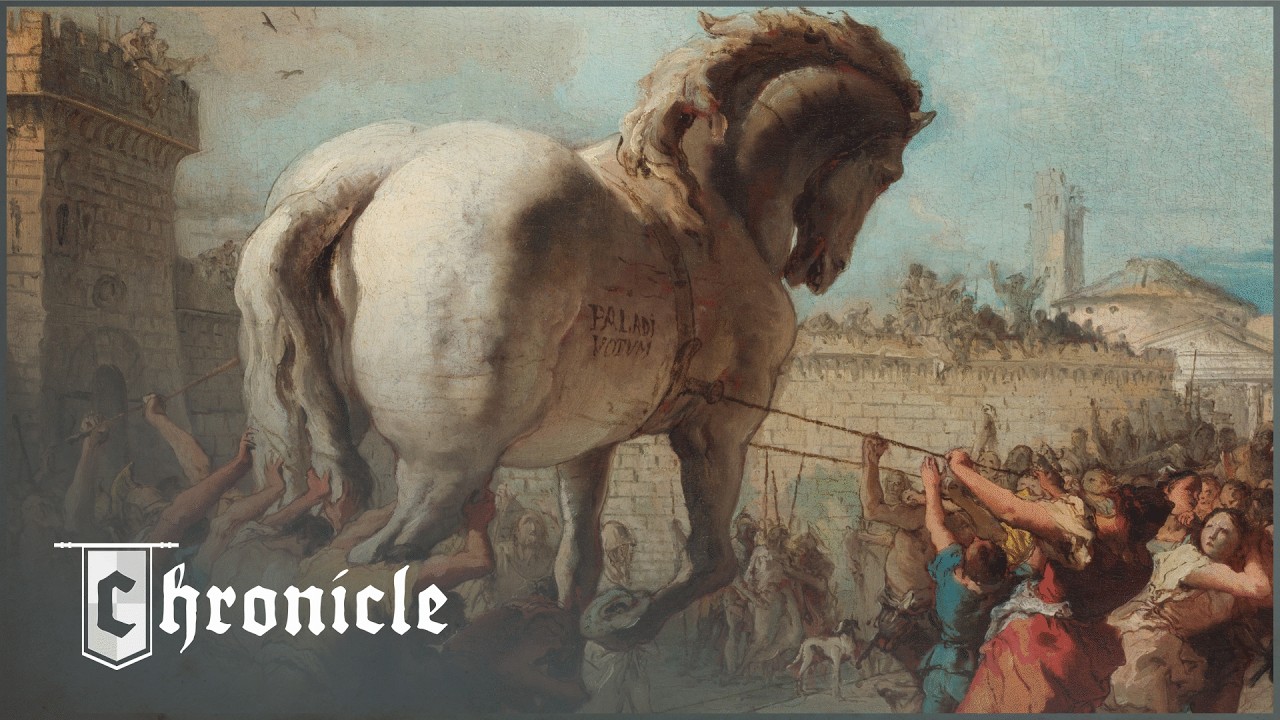
New archaeological findings suggest that the legendary Trojan horse may not have been a horse at all, prompting a reevaluation of this iconic myth.
John C. Calhoun served as Vice President under two Presidents and was a key figure in the debates that set the stage for the Civil War.
In medieval England, forensic archaeologists use advanced techniques to analyze the remains of an African man, revealing insights into his identity and life.
Nathaniel Hawthorne's novel "The Scarlet Letter" became one of the first widely distributed bestsellers in America, yet his works struggle to find success on screen.
Queen Elizabeth II's reign is examined through the lens of her ability to balance ancient traditions with the demands of modern society.
Missy Meloney served as a political advisor to Presidents Calvin Coolidge, Herbert Hoover, and Franklin D. Roosevelt, advocating for outreach to women voters.
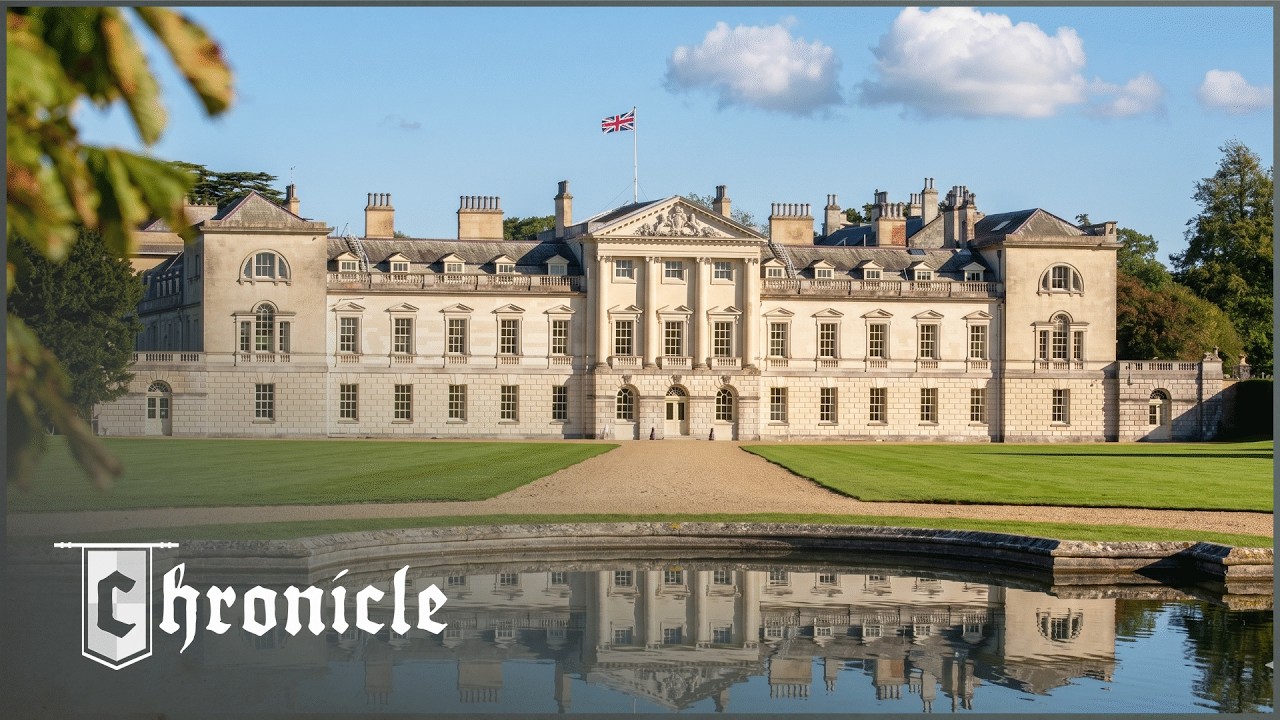
In Britain, a millennium of architectural evolution is explored through iconic structures like Caernarfon Castle, St. Paul’s Cathedral, and The Leadenhall Building.
Ancient Rome's historical landmarks, including the Roman Forum and Colosseum, illustrate its enduring legacy and influence on Western civilization.
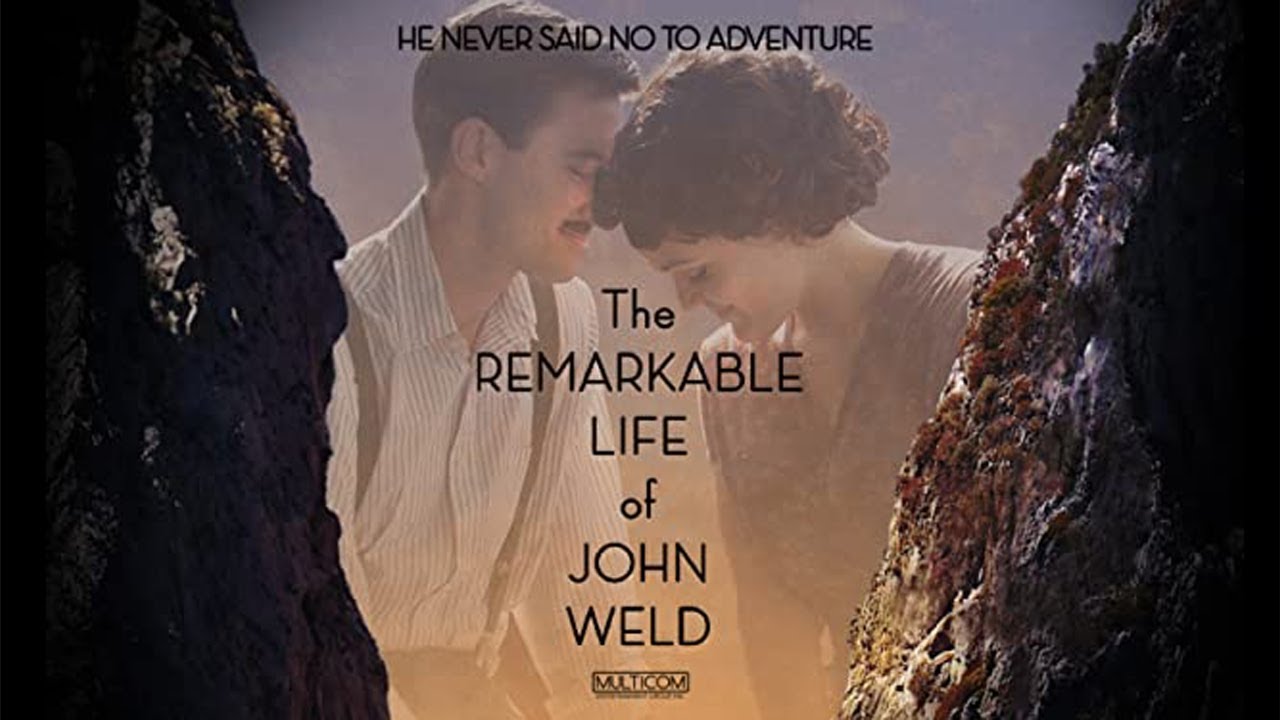
John Weld's diverse career as a Hollywood stuntman, journalist, and novelist led him to form connections with influential figures like Ernest Hemingway and John Steinbeck.
Prince William navigated adolescence under intense media scrutiny, facing personal challenges and the weight of expectations as the future king of the United Kingdom.
President Abraham Lincoln's 1863 proclamation established Thanksgiving as a national holiday, following decades of advocacy by Sarah Josepha Hale.
Liberty Bonds were promoted through national campaigns in 1917-1918, featuring figures like War Secretary Newton D. Baker and celebrities such as Charlie Chaplin.
Over 300 years, treasure hunters have searched the eastern seaboard of North America for the buried secrets of Sarah Kidd, wife of pirate Captain William Kidd.
Shirley Sherrod reflects on her experiences growing up in Georgia during Jim Crow, her role in the Civil Rights Movement, and the fallout from her controversial 2009 NAACP speech.
In 1863, the first national Thanksgiving was held on November 26, a date that coincides with Thanksgiving in 2020.
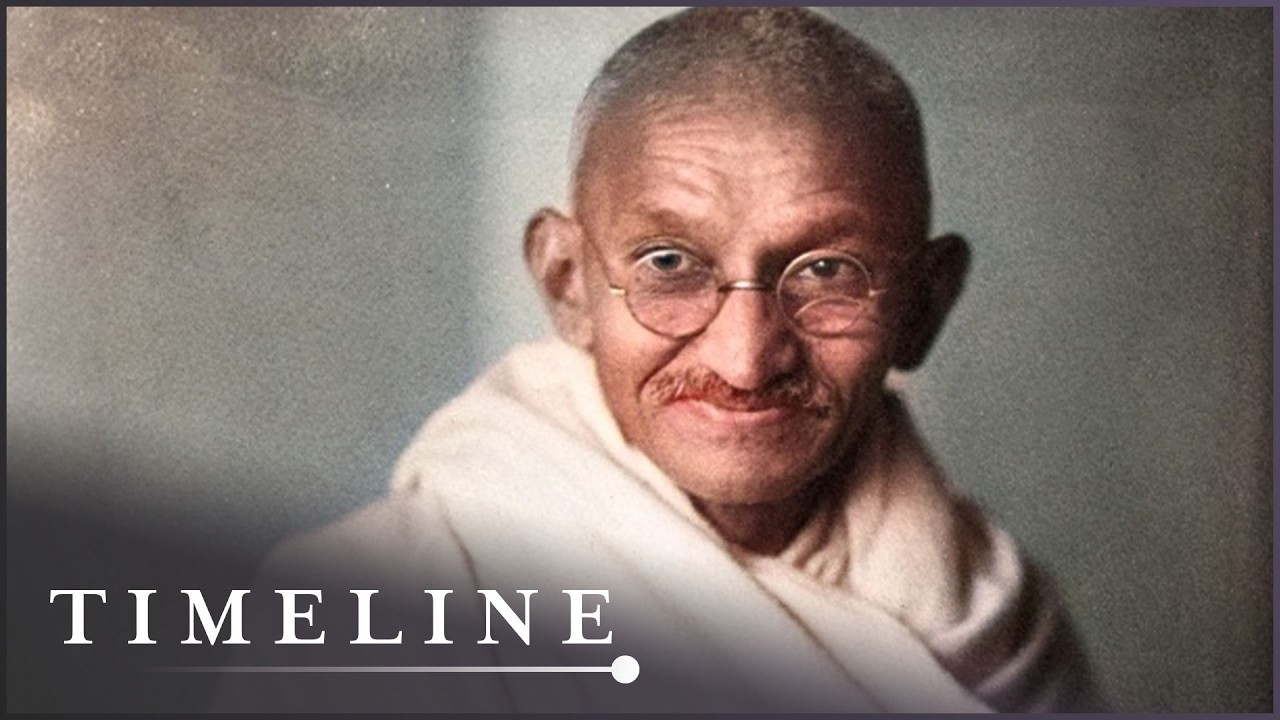
Mohandas Gandhi's early life in London and India, marked by personal failures and the awakening of his political philosophy in South Africa, shaped his future as the Mahatma.
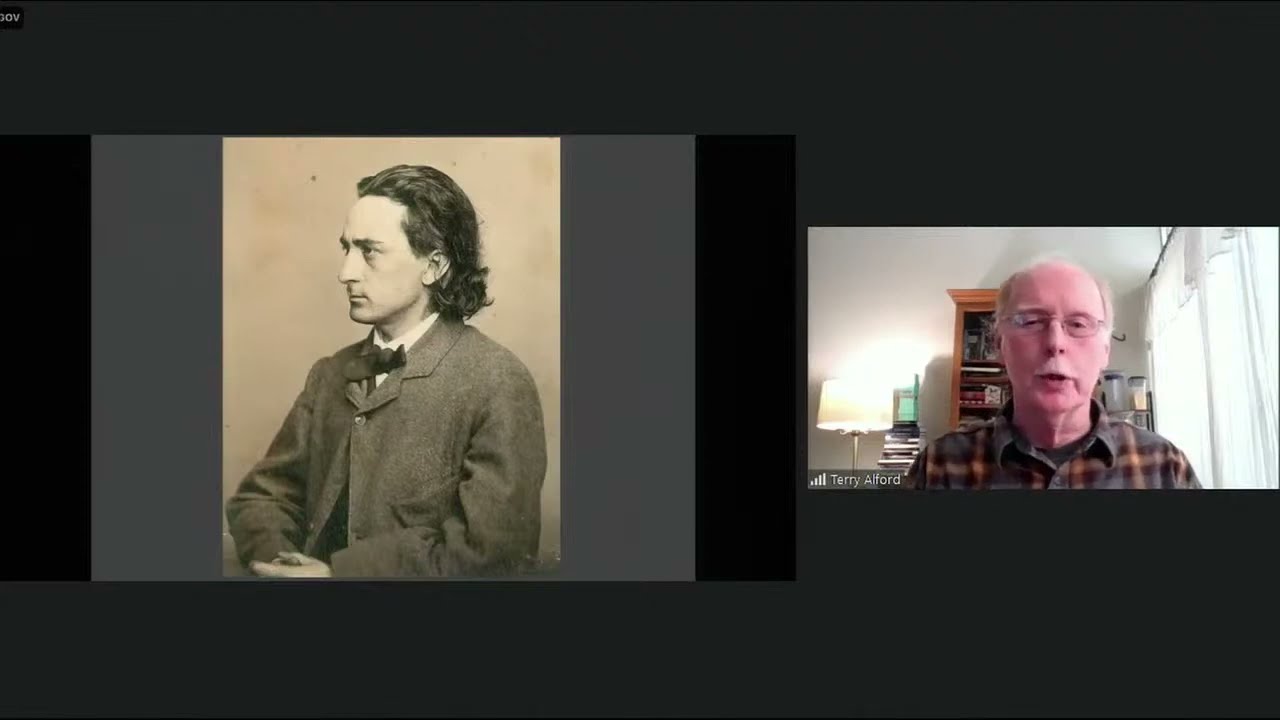
Abraham Lincoln's legacy intertwines with that of his assassin, John Wilkes Booth, as author Terry Alford explores their families' connections and the impact of ghost stories on American culture.
Kerry Kennedy highlights her father Robert F. Kennedy's enduring impact on civil rights, education, justice, and peace through interviews with influential figures.
Michelangelo Buonarroti, born in 1475, revolutionized Renaissance art with masterpieces like the statue of David and the fresco "Last Judgment" while exploring themes of spirituality.
Prince Charles, facing pressure to marry by 30, chooses Lady Diana Spencer, leading to a public fascination with their seemingly fairytale romance.
More than 15,000 European colonists moved westward into the trans-Appalachian frontier, leading to violent conflicts with Native American tribes.
Qin Shi Huangdi's reign marked the unification of China's warring states, revealing the human cost of monumental projects like the Great Wall and the mysteries of his tomb.
Martin Luther King Jr. Day, established as the first national holiday honoring an African American, encountered significant opposition and controversy regarding King's legacy.
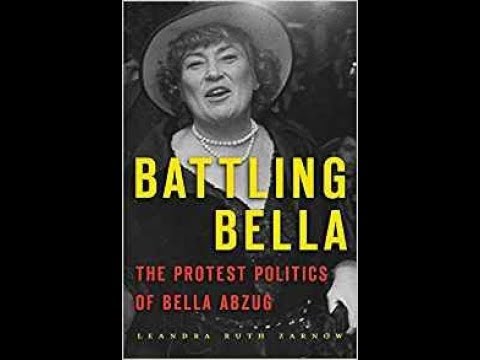
In 1970, Bella Abzug became one of 13 women in the House of Representatives, advocating for women's rights and social justice amid significant political opposition.
John Dunlap, the first printer of the Declaration of Independence, produced the Dunlap Broadside in 1776, making the document widely known.
Joseph Brant, a prominent Mohawk leader, played a crucial role in the conflicts between First Nations and British forces during the 18th century.
The legend of Robin Hood is examined through historical evidence to assess the possibility of his existence and the origins of his myth.
Archaeologists and weapons experts examine the historical significance of England's lost king, whose remains were found beneath a car park in Leicester.
In June 1940, Sousa Mendes issued approximately 30,000 visas, including 10,000 to Jews, defying orders from the Portuguese government.
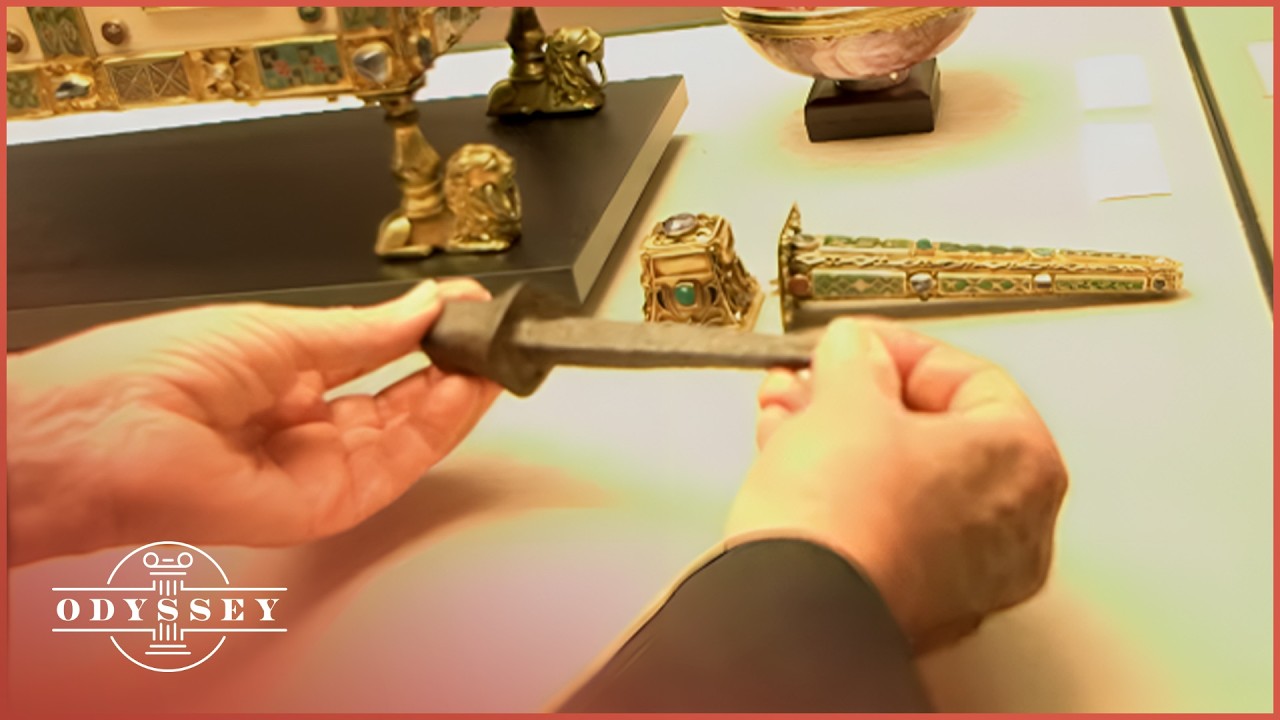
Archaeologist Richard Miles examines the historical significance and authenticity of the Holy Nails, exploring their impact on biblical archaeology over 2,000 years.
Black Hawk's memoirs and the accounts of his descendants highlight the brutal government response to First Nations resistance during the Black Hawk War.
Thaddeus Stevens, a leading abolitionist in Congress, advocated for racial justice and equal rights for Black Americans during the Civil War and Reconstruction era.
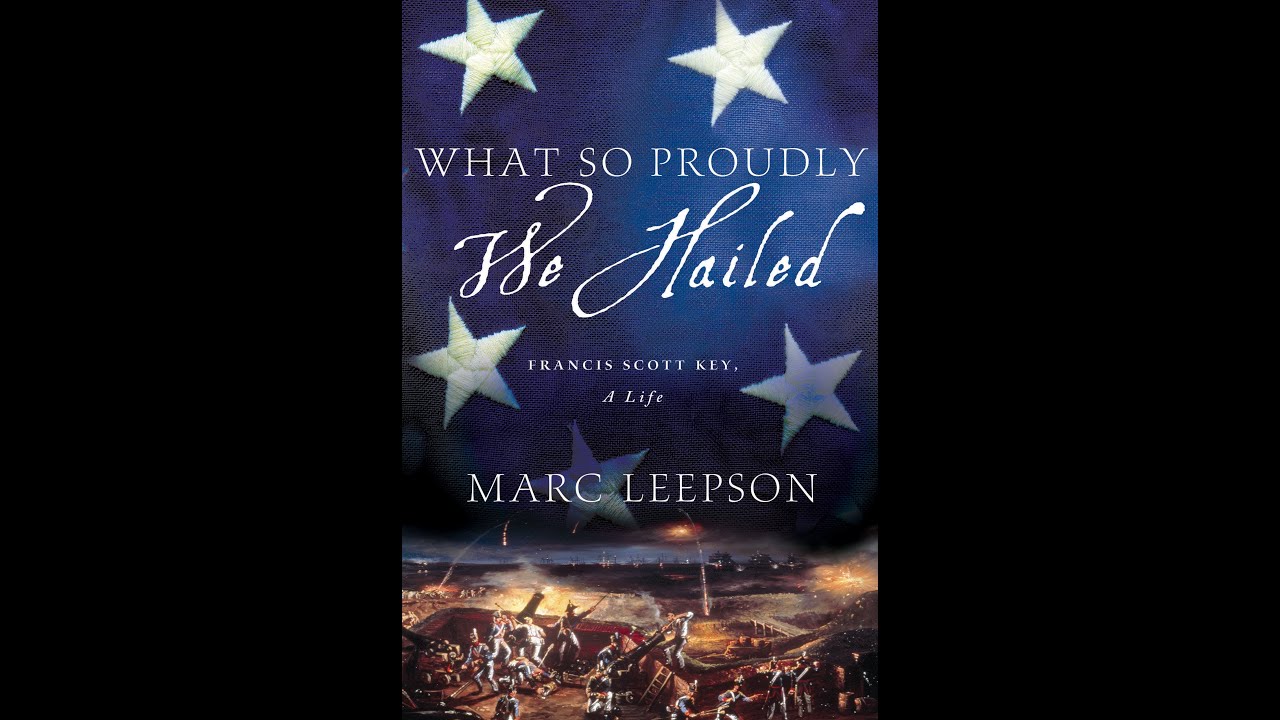
Francis Scott Key, known for writing "The Star-Spangled Banner," is examined through the lens of historian Marc Leepson, revealing his lesser-known legacy.
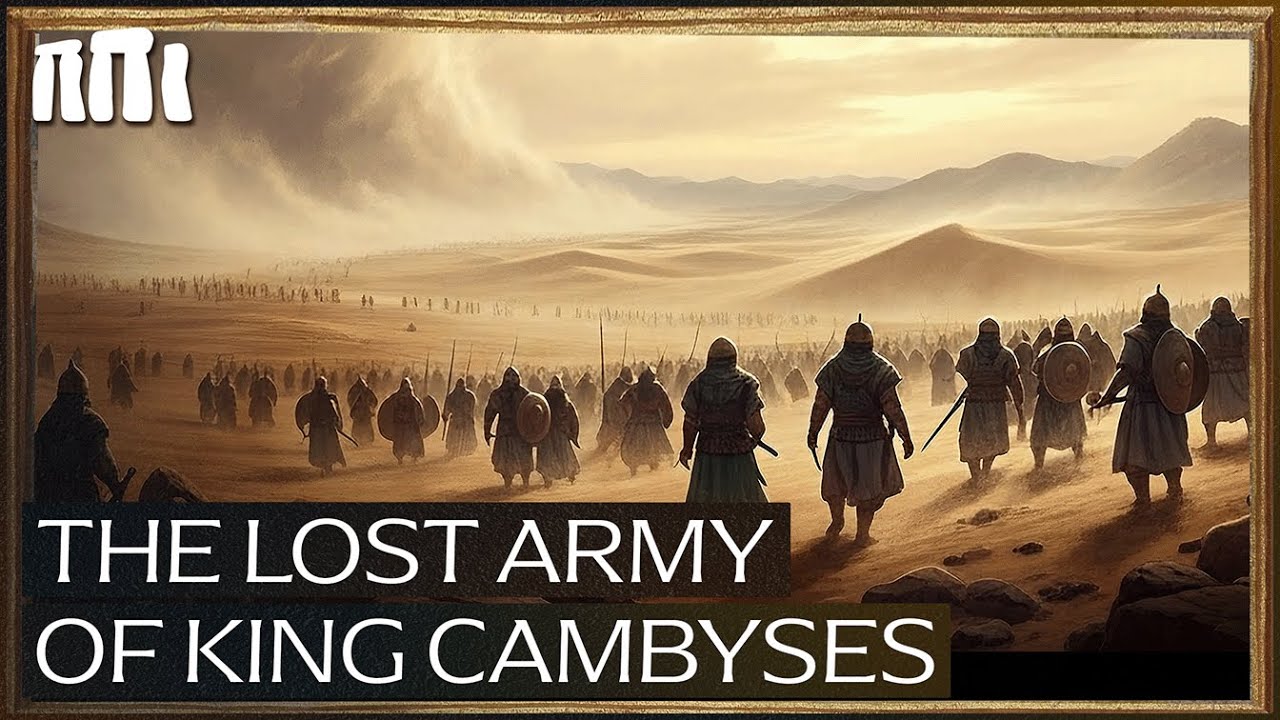
In the Egyptian desert, archaeologists investigate the mysterious disappearance of King Cambyses' army of 50,000 men over 2,500 years ago.
Ten contributors present original research on the roles of women in the era of George Washington, revealing their diverse experiences and contributions.
Twenty years after discovering her father is not who she thought, Kulap Vilaysack confronts her past and seeks answers about her biological family.
In July 1997, Camila Parker Bowles celebrated her 50th birthday at Highgrove, marking a turning point in her public life amid intense media scrutiny.
Eight years of peace and prosperity marked Dwight D. Eisenhower's presidency, driven by his "Middle Way" approach to leadership and decision-making.
George David Freeman, a notorious figure in Sydney's organized crime scene during the 1970s and '80s, operated illegal casinos and was linked to the drug trade.
On December 12, 1776, British dragoons captured Major General Charles Lee, prompting the Americans to plan their own special operations against British officers.
John Adams served as the second president of the United States from 1797 to 1801, facing challenges that defined the role of the presidency.
Eight or nine formerly enslaved men served as spies and scouts under Harriet Tubman during the Combahee River Raid in South Carolina.
David O. Stewart chronicles George Washington's rise from a young man with few prospects to a national leader during the American Revolution.
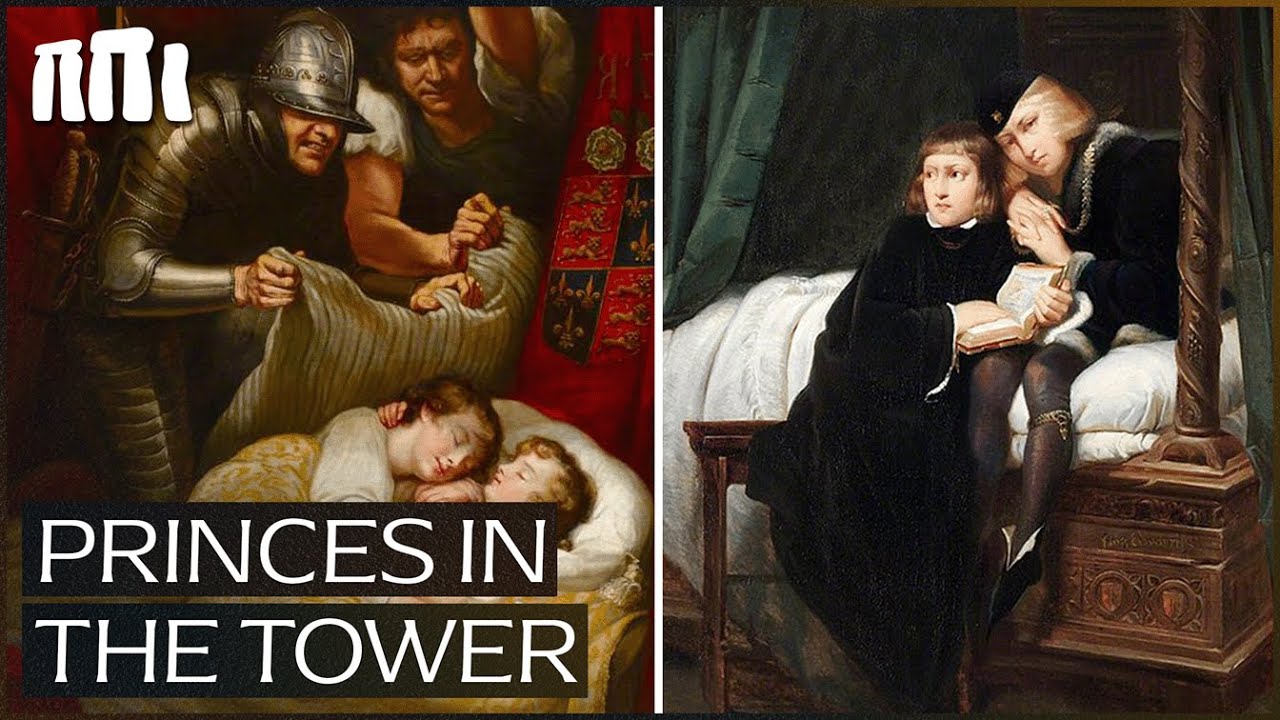
The disappearance of Edward and Richard, the princes in the Tower of London in 1483, remains a mystery, with new research suggesting potential breakthroughs in the case.
In 1940, American airmen led by Clair Chennault fought against Japan to protect China's crucial Burma Road, prior to the United States entering World War II.
Fannie Lou Hamer's life and influence on the Civil Rights Movement are examined through new interviews, FBI records, and insights from historian Kate Clifford Larson.