From over 100,000 films, discover the handful you'll love.
Free or premium access to the world's largest documentary library.
3628 films(Page 75 of 76)
Abigail Adams discusses her experiences during the American Revolution and the significant contributions of women, followed by a Q&A with Patrick Madden from the National Archives Foundation.
Harry S. Truman addressed Congress for the first time as President on April 16, 1945, presenting his vision and priorities for the nation.
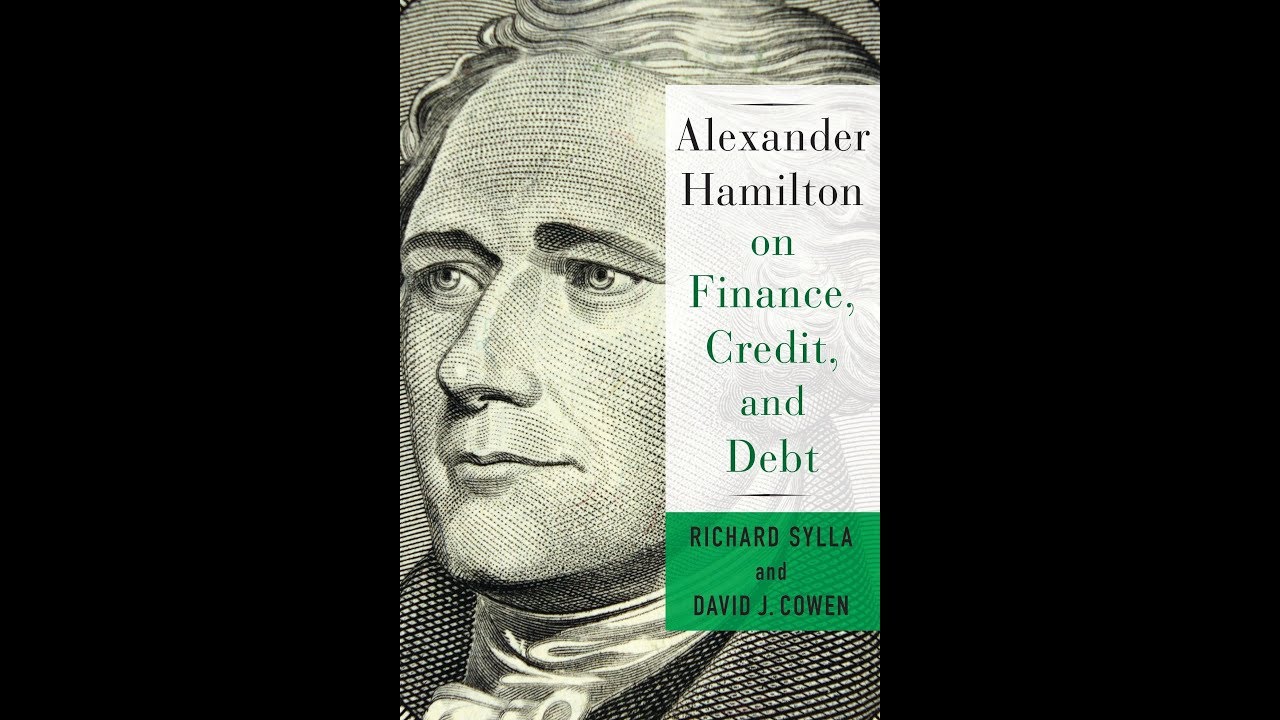
Richard Sylla discusses Alexander Hamilton's financial policies and their lasting influence on the modern economic system during a lecture at the National Archives.
Amazon's early days focus on books, expanding into Europe and other product categories.
Stanisław Zalewski shares his experiences in Nazi camps like Auschwitz-Birkenau and Mauthausen.
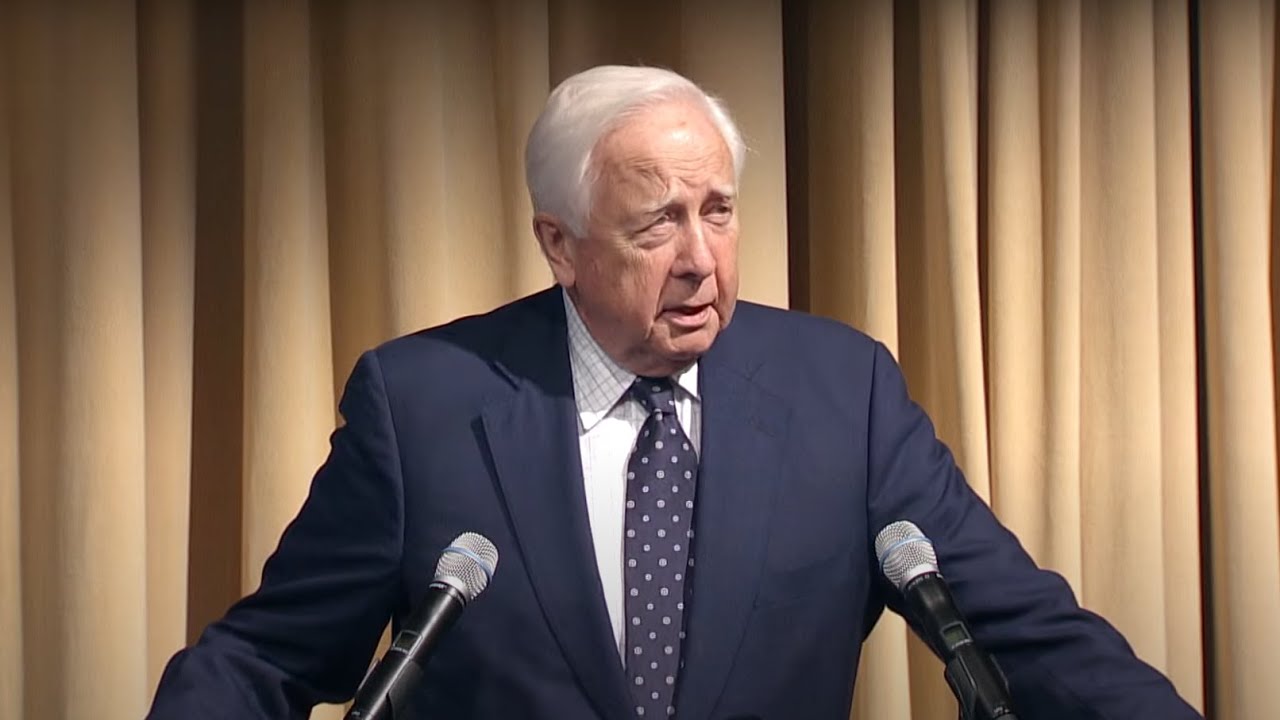
Historian David McCullough discusses American history and identity with Archivist Alan Weinstein at the National Archives in Washington, DC, on July 13, 2007.
Former First Lady Laura Bush discusses her experiences and initiatives during her time in the White House at the National Archives in Washington, DC, on June 23, 2011.
Congressman John Lewis discusses his civil rights activism in a moderated event by NPR's Scott Simon at the National Archives in Washington, DC.
Four Presidents, portrayed by actors and moderated by Lincoln scholar Harold Holzer, engage in a lively discussion at Mt. Rushmore.
A survivor recounts the Peshawar Massacre where the Pakistani Taliban massacred 132 children.
Wahid asserts his confidence in a March 2001 interview, stating he will never step down.
Simon Ostrovsky interviews Aleksandr Zakharchenko about the conflict in Ukraine.
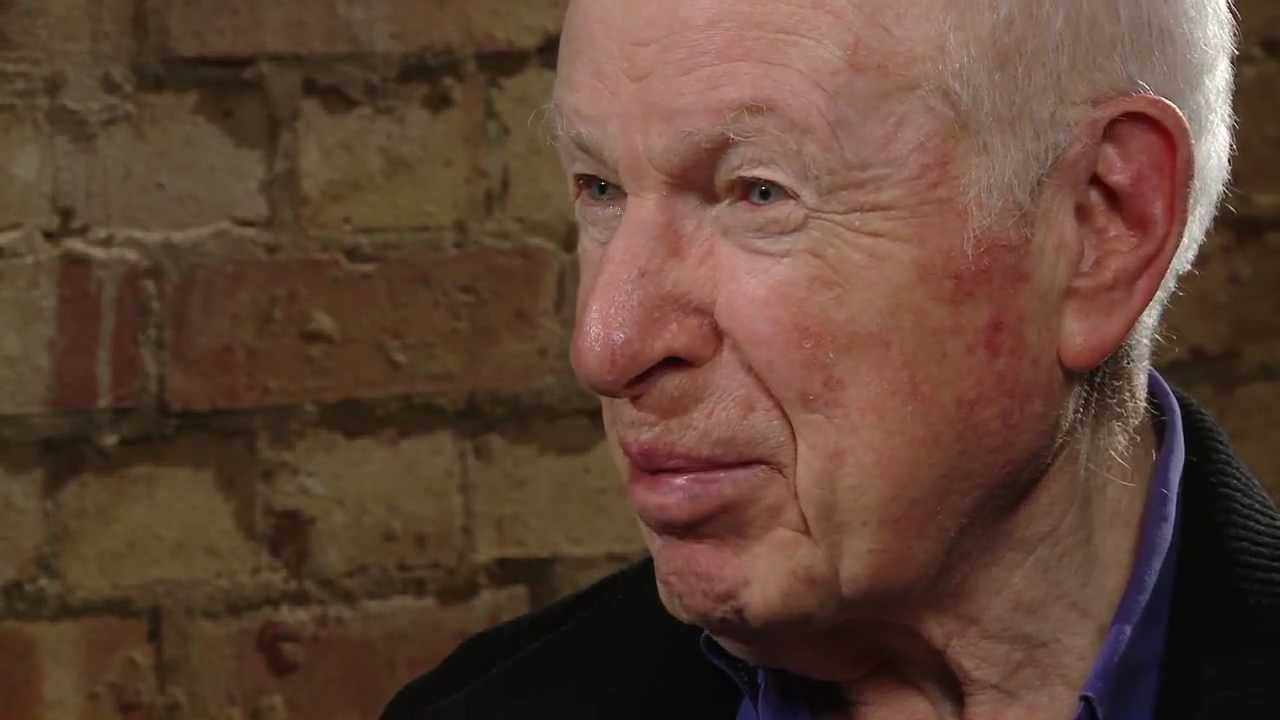
Peter Brook reflects on his career and the creation of 'The Suit,' a play based on Can Themba's story that addresses apartheid South Africa's complexities.
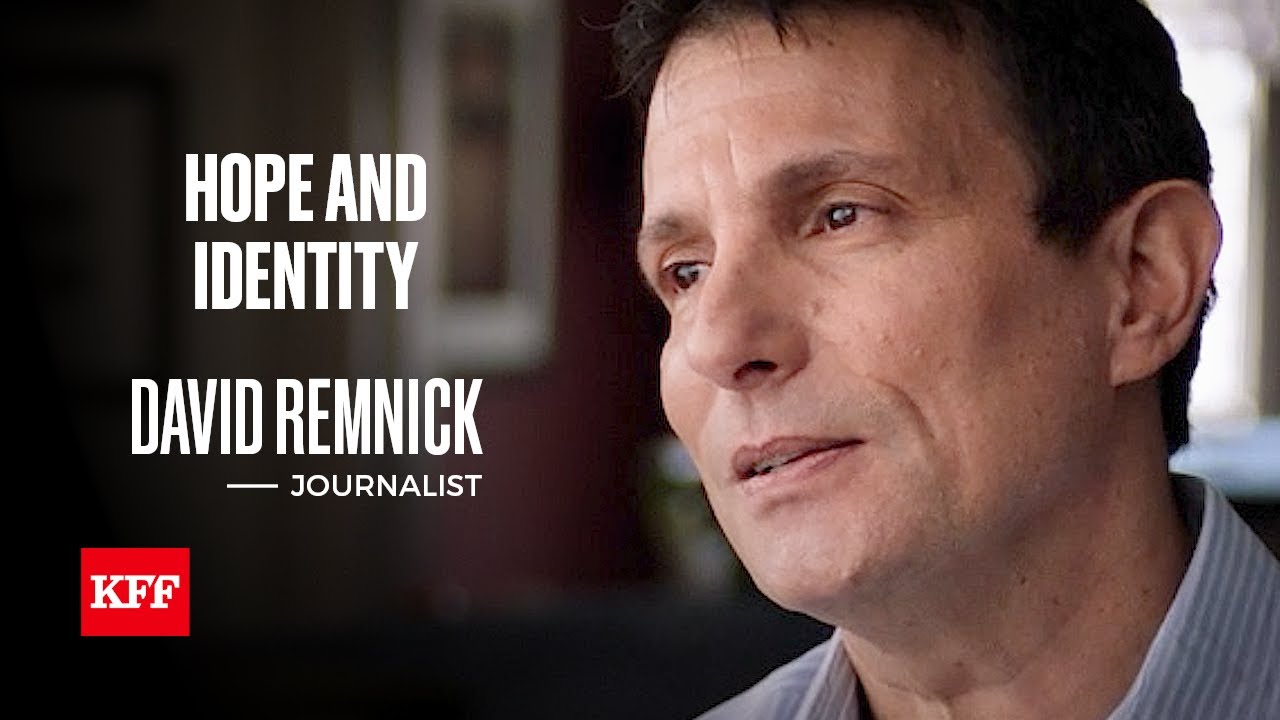
Chimamanda Ngozi Adichie discusses the black experience in America with David Remnick.
Clifford Alexander discusses the collaboration between Dr. Martin Luther King Jr. and President Lyndon Johnson, highlighting key figures in the Civil Rights Movement.
Colleen Shogan, the first female Archivist of the United States, discusses women's contributions to government and American democracy with Hillary Rodham Clinton at the Clinton Presidential Center.
A 15-year-old boy named Emmett Till was lynched in 1955 after being accused of offending a white woman in a store.
Historian David McCullough presents insights on the U.S. Constitution during a Constitution Day event at the National Archives in Washington, DC, on September 14, 2011.
Dan Rather discusses his career and insights from his book "Rather Outspoken: My Life in the News" in an interview with Cokie Roberts at the National Archives.
David Axelrod reflects on Barack Obama’s 2004 Senate campaign as a precursor to the 2008 presidential election, emphasizing storytelling and empathy as key to his leadership success.
David McCullough received the first Records of Achievement Award from the Foundation for the National Archives during an event on June 25, 2022.
Barack Obama's personal and political evolution is explored through insights from David Remnick, colleagues, and his own speeches, highlighting his Chicago roots and message of optimism.
At the March on Washington in 1963, John Lewis was the youngest speaker, delivering a speech deemed so radical that it required edits before delivery.
Guobuluo Runqi, brother-in-law of China's last emperor Pu Yi, reflects on his life in the Forbidden City and his transition to acupuncture therapy.
Civil rights strategist Diane Nash discusses her pivotal role in the Nashville lunch counter sit-ins and the significance of nonviolent resistance alongside Dr. Martin Luther King Jr.
Diane Nash discusses the significance of nonviolence in social movements, her admiration for Dr. Martin Luther King Jr., and her pivotal role in the Selma Voting Rights Campaign.
Dorothy Hancock discusses her contributions to the American Revolution and her husband John Hancock's role in a conversation moderated by Patrick Madden of the National Archives Foundation.
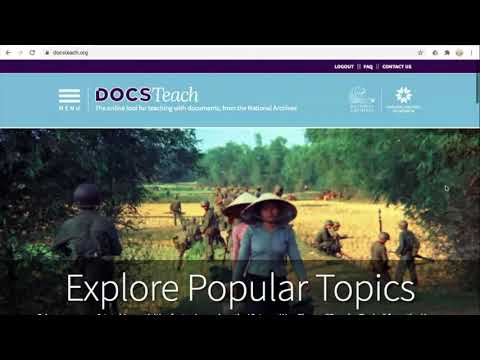
DocsTeach.org provides educators with strategies for teaching primary sources online, specifically designed for virtual learning environments.
DocsTeach.org provides educators with strategies to effectively use primary sources in virtual learning environments, as demonstrated in a recorded webinar from August 4, 2020.
A dramatic reading of Frederick Douglass's 1852 speech will be followed by a discussion with Nathan Johnson and Robert S. Levine.
Harry Belafonte was born in Harlem in the mid-1920s and became friends with notable figures like Marlon Brando, Martin Luther King, and Charlie Parker.
Alon Schwarz discute de la Nakba et du massacre présumé à Tantura avec des témoins.
Mustafa recounts his seven years as a detainee at Guantanamo Bay and the impact on his life.
Dr. Colleen Shogan, the 11th Archivist of the United States, discusses her plans to enhance access to the National Archives and Records Administration.
Rupert Goold discusses JB Priestley's Time and the Conways at the National Theatre.
Jill Lepore discusses Charlie Chan's origins and cultural impact in The New Yorker.
John Lewis reflects on his civil rights activism, his relationship with Dr. Martin Luther King Jr., and the ongoing fight for equality in America.
Jon Meacham examines the influence of historical events on contemporary America, emphasizing the Founding Fathers' views on human nature and the Constitution's religious significance.
Judith Kerr discusses her memoir When Hitler Stole Pink Rabbit and her new book on widowhood.
The Hurt Locker wins six Baftas last night, showcasing Kathryn Bigelow's military themes.
Marwan Barghouti, serving five life sentences, speaks publicly for the first time in four years about the upcoming Palestinian elections and his vision for freedom.
Jamal Khalifa discusses his friendship with Osama Bin Laden and various accusations against him.
Michael Eric Dyson analyzes the influence of Chicago's racial and political landscape on Barack Obama's rise, including key moments from his political career.
Colonel Gaddafi discusses terrorism, Palestine, Israel, and the Lockerbie bombing in 2010.
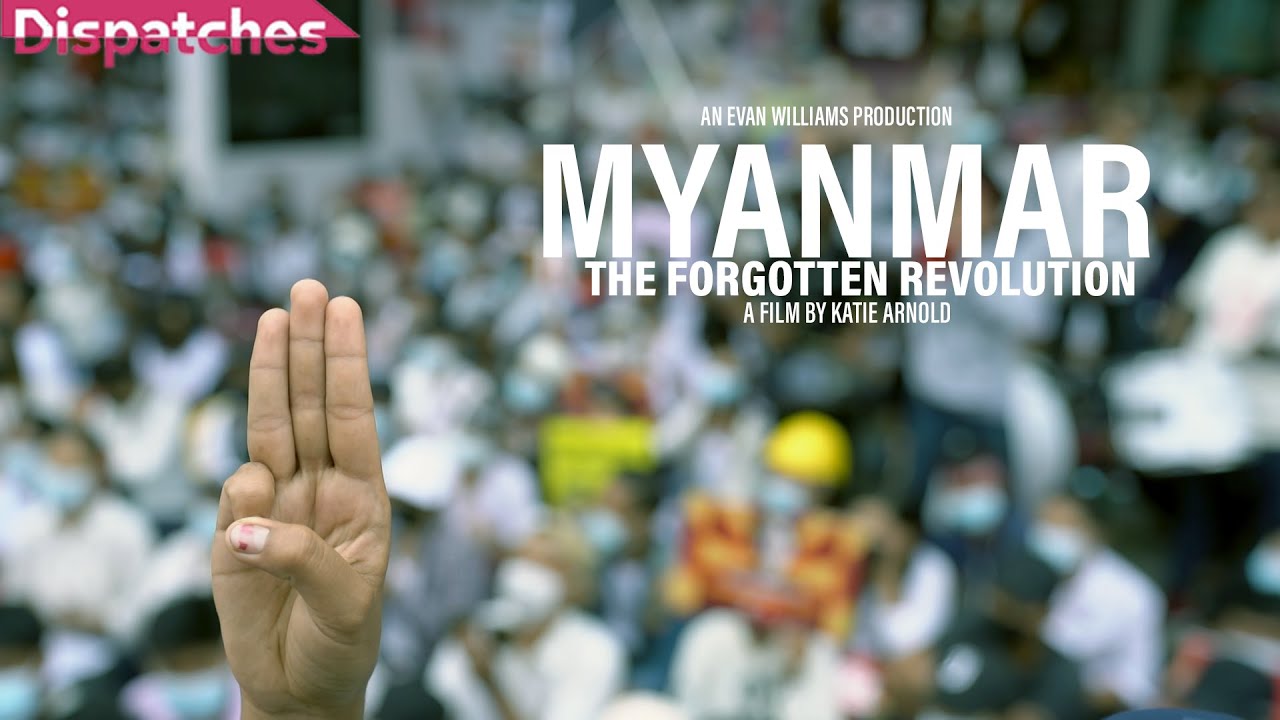
Katie Arnold discusses her documentary Myanmar: The Forgotten Revolution in a CNN interview.
Nelson Mandela recalls feeling no happiness during his time as a prisoner on Robben Island but found inspiration in the support from outside.
Thomas Jefferson engages in a discussion about the Declaration of Independence during a Q&A session with National Archives Foundation Executive Director Patrick Madden.
Jackie Robinson's legacy as a baseball pioneer and civil rights advocate is explored through readings, discussions, and creative activities in a virtual program featuring author Sharon Robinson.