From over 100,000 films, discover the handful you'll love.
Free or premium access to the world's largest documentary library.
3628 films(Page 11 of 76)
In Downpatrick, Northern Ireland, archaeologists excavate the 6th-century burial ground of St. Patrick, revealing medieval artifacts and the monastery's original enclosure.
Medieval life is examined through the skeletal remains of notable battles, including Richard III's Lost Chapel and Agincourt's Lost Dead.
At 28, Kim Jong Un became the youngest head of state in the world after the death of his father, Kim Jong Il.
Robin Hood, the legendary figure associated with Sherwood Forest during the reign of Richard the Lionheart, is examined for his historical existence and actions.
In the remote country of Georgia, David Adams retraces the legendary journey of Jason and the Argonauts in search of the mythical golden fleece.
In Nether Poppleton, near York, archaeologists investigate mysterious earthworks to determine the village's origins as Saxon, Norman, or medieval.
More than 100 tombs have been uncovered in the necropolis at Taposiris Magna, revealing clues about life in ancient Alexandria.
Medieval children, as explored by Dr Stephen Baxter, played crucial roles in society through religion, war, and work, shaping the Middle Ages despite early responsibilities.
The Stuart dynasty, which ruled England from 1603 to 1688, faced significant turmoil marked by the Gunpowder Plot, the English Civil War, and the Great Fire of London.
Frederick Barbarossa was born in mid-December 1122 in Haguenau, located in what is now eastern France.
Prince William's life is explored through archival footage and insights from Royal correspondents, highlighting his evolution as a future King dedicated to modernizing the monarchy.
This video highlights Jane Austen's life and her timeless classics like 'Pride and Prejudice.'
I.M. Pei returned to Suzhou, China, to design a museum, marking his first major project in his birthplace since leaving in 1935.
Byzantine treasures lost in the Black Sea are explored through archaeological findings and historical analysis, shedding light on their significance and fate.
Cleopatra Selene, daughter of Cleopatra and Mark Antony, navigated Roman politics after her parents' deaths and established a prosperous kingdom in North Africa.
Under King John's oppressive rule in medieval England, rebellious barons sought to limit his power, leading to the creation of the Magna Carta.
Reginald and Ronald Kray were born on October 24, 1933, in Hoxton, London, and became infamous for their control over the city's criminal activities in the 1960s.
Military historian Norm Christie tracks down the stories of 20,000 missing Canadian soldiers from WW1 across key battlefields like Vimy Ridge and the Somme.
In Lincolnshire, a rescue dig at an Anglo-Saxon cemetery reveals the remains of a six-foot warrior woman, the tallest ever found in Britain, along with significant artifacts.
In the summer of 1381, an organized uprising of peasants, parish priests, and artisans marched on London in response to King Richard II's oppressive poll tax.
In Alfoldean, Sussex, archaeologists excavate a Roman coaching inn on Stane Street, revealing evidence of a once-thriving settlement.
On July 28, 1794, Maximilien Robespierre was executed by guillotine, marking the end of his influence during the Reign of Terror in France.
Hernan Cortes led a small force to conquer the Aztec Empire in 1519, resulting in immense violence and the destruction of indigenous cultures.
Nuon Chea, known as Brother No 2, reflects on his role in the Khmer Rouge regime and the controversial decisions made during Cambodia's Year Zero.
In 1314, Thomas Randolph, the young Earl of Moray, led a small band of warriors in a surprise attack to capture Edinburgh Castle from English forces.
Charles de Gaulle's leadership during World War II significantly shaped the future of France and established his legacy as a key figure in the history of Free France.
Mary Beard explores the myths and historical realities of ancient Rome's origins, highlighting its complex relationship with conquest, culture, and governance.
An ancient moat in Wales raises questions about its purpose, with theories ranging from a Roman fort to a fortified cattle enclosure or an early chapel.
Sir William Wallace, Robin Hood, and King Harold are examined for their historical accuracy and significance in medieval Britain.
In April 1945, Adolf Hitler reflects on the strategic errors that contributed to Nazi Germany's defeat as the Red Army and Allied forces close in.
Eagle Day, the Luftwaffe's operation led by Hermann Göring to destroy RAF Fighter Command, ultimately failed to achieve its objective during the Battle of Britain.
Pharaoh Ramesses II, known as Ramesses the Great, is examined alongside the Karnak and Luxor temples and the transformative reign of Akhenaten in ancient Egypt.
Heinz Guderian was born on June 17, 1888, in Kulm, West Prussia, and became a key figure in the development of Blitzkrieg tactics during World War II.
Vespasian was born on November 17, 9 AD, in the village of Falacrine, northeast of Rome, to a family of equestrian status.
William Marshall, a medieval knight and regent of England, played a crucial role in the defense of the English royal line and the establishment of Magna Carta.
Forty years after ascending to the throne, Maria Theresa of Austria left her empire stronger than when she began her reign in 1740.
Patrick Mackay, a British serial killer with a fascination for the Nazi regime, was diagnosed as a psychopath at seventeen and later murdered elderly victims.
On October 14, 1066, an unknown archer shot an arrow that struck King Harold II in the eye, marking the end of the Battle of Hastings.
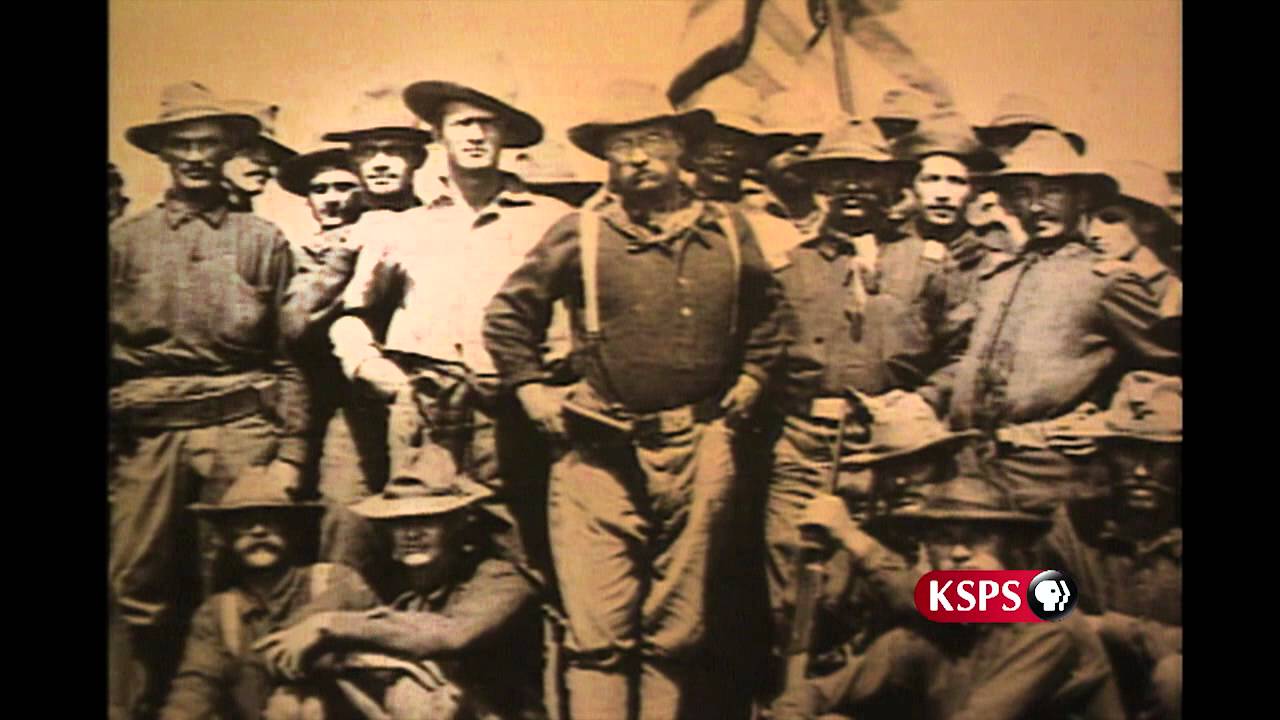
Theodore Roosevelt was born on October 27, 1858, in New York City, and became the 26th president of the United States.
On November 4, 1922, Howard Carter's discovery of the entrance to Tutankhamun's tomb marked a pivotal moment in the field of Egyptology.
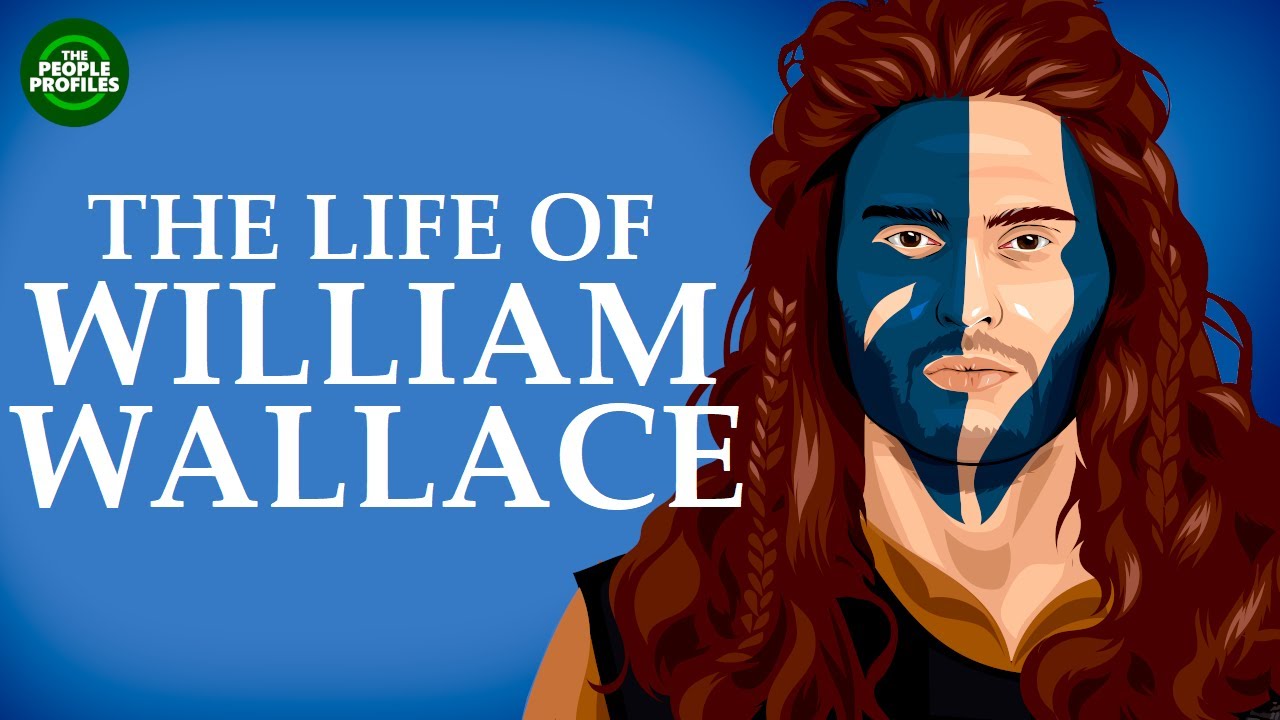
William Wallace is believed to have been born around 1270 AD in southwest Scotland, into a family with ties to the Scottish gentry.
In April 1066, the appearance of Halley's Comet foreshadowed the Norman conquest of England led by William the Conqueror, a descendant of Vikings from Normandy.
Elvis Presley’s childhood in Tupelo, Mississippi, shaped his rise to fame, influenced by poverty, family struggles, and pivotal relationships, including with Colonel Tom Parker.
Serj Tankian, lead vocalist of System of a Down, first visited Armenia 17 years ago and reflects on the cultural significance of his heritage.
The rise and fall of Spanish conquistadors, including Christopher Columbus, Hernán Cortés, and Francisco Pizarro, shaped the history of the Americas through conquest and colonization.
Houlgate Village serves as a focal point for exploring everyday life in Anglo-Saxon Britain, covering laws, religion, and the influence of Alfred the Great.
In London, Ye Old Mitre pub and Wild Card Brewery's Jaega Wise explore medieval drinking culture, revealing its significance and royal indulgences.
Katharine Hepburn's 60-year career in Hollywood is examined, highlighting her role as a headstrong, charismatic actress who navigated the studio system.