From over 100,000 films, discover the handful you'll love.
Free or premium access to the world's largest documentary library.
3629 films(Page 41 of 76)
At the end of the 13th century, King Philip IV of France orchestrated a betrayal that led to the downfall of the Knights Templar and their financial empire.
Queen Elizabeth II and Prince Philip, Duke of Edinburgh, navigated a partnership of over seventy years marked by love, support, and the complexities of royal life.
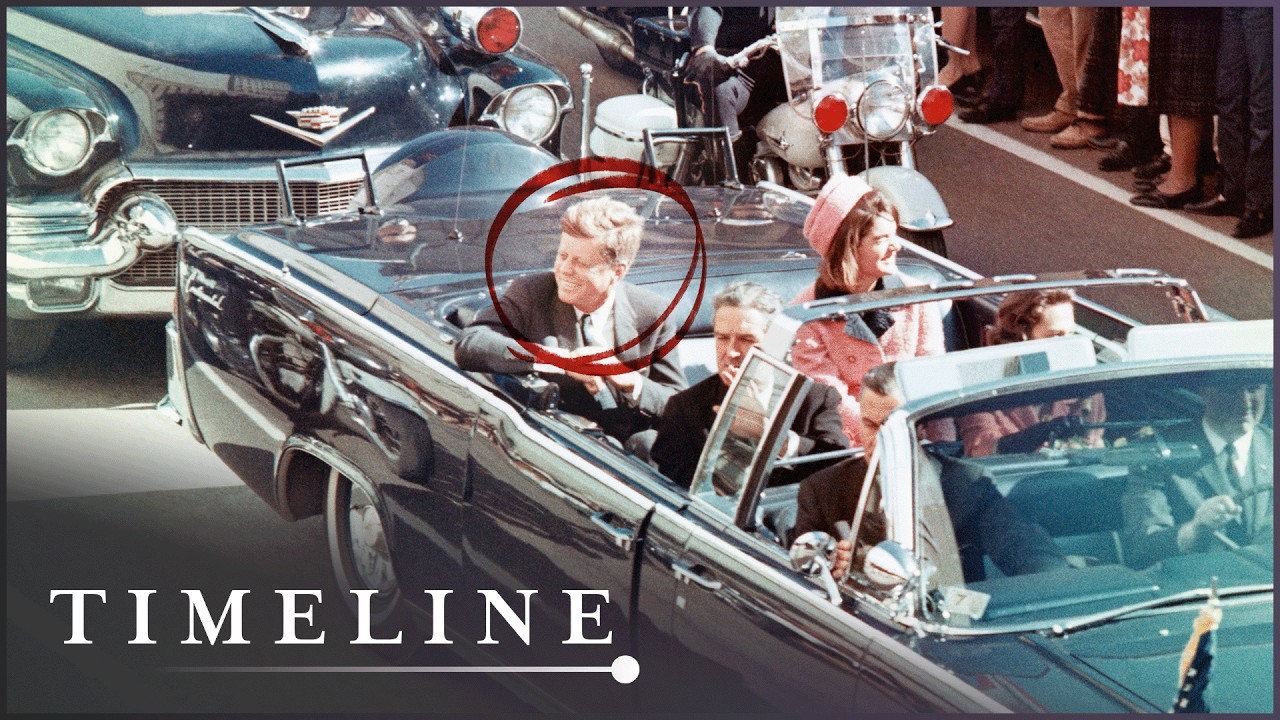
In Dallas on November 22, 1963, President John F. Kennedy was assassinated, leading to a minute-by-minute examination of the events and the actions of Lee Harvey Oswald.
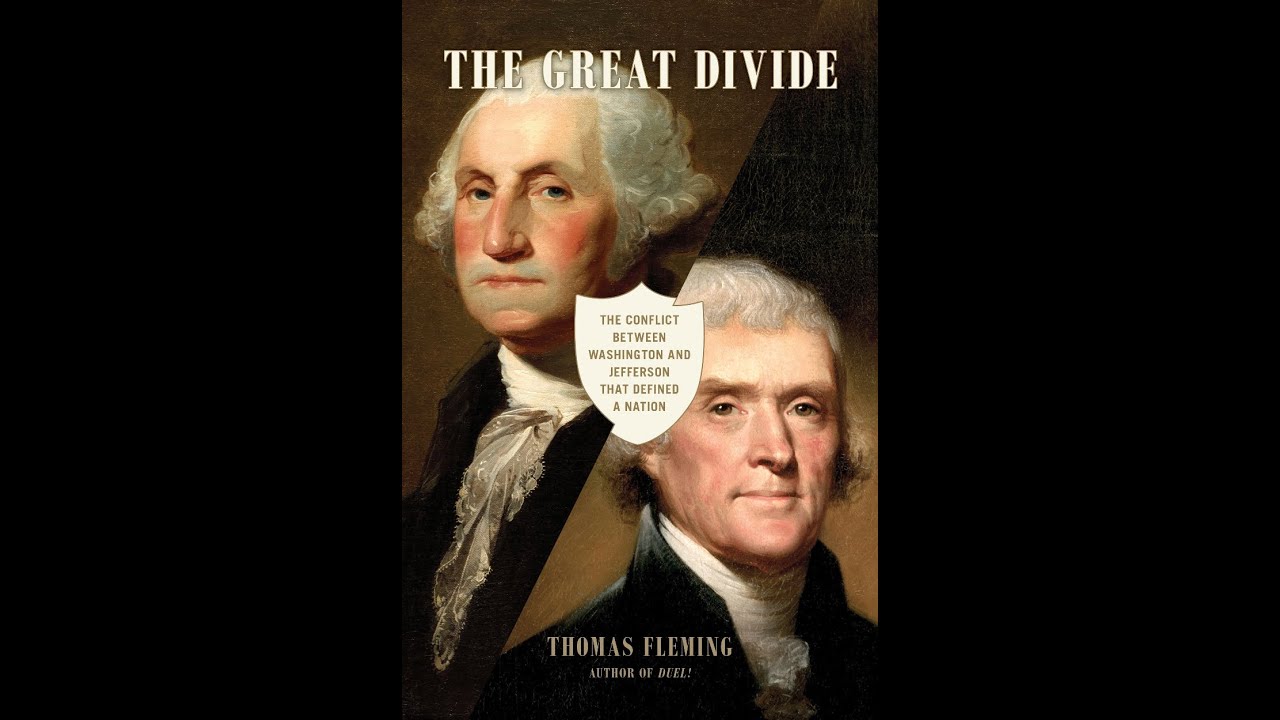
George Washington and Thomas Jefferson's contrasting leadership styles created opposing views of the presidency that shaped American history for centuries.
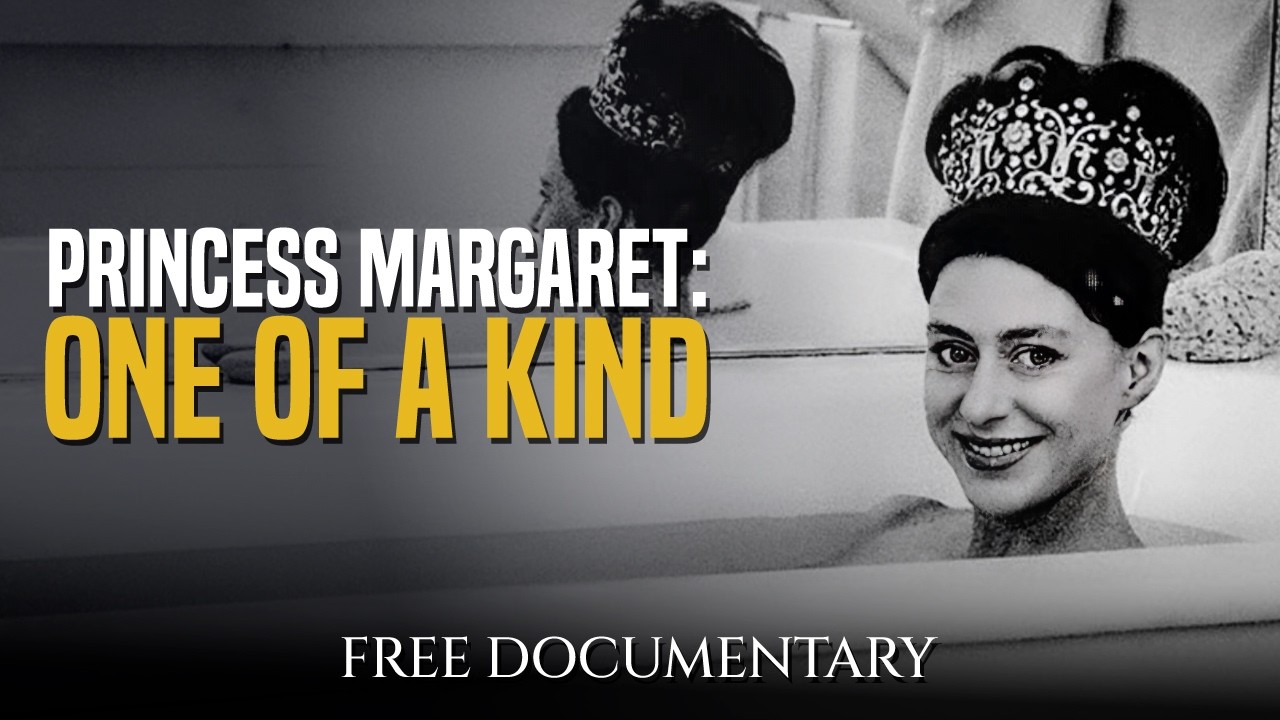
Princess Margaret's life is marked by a quest for love amid the challenges of royal duty, personal heartbreak, and family dynamics following her father's death.
Betty White's eight-decade career in television highlights her role as a pioneering figure in the entertainment industry, influencing generations of performers.
Apostle Paul's imprisonment in Jerusalem and subsequent martyrdom in Rome are examined alongside his influential letters and legacy in early Christianity.
The reign of the Five Good Emperors, including Nerva, Trajan, Hadrian, Antoninus Pius, and Commodus, marked a significant period of peace and prosperity in the Roman Empire, overshadowed by emerging challenges.
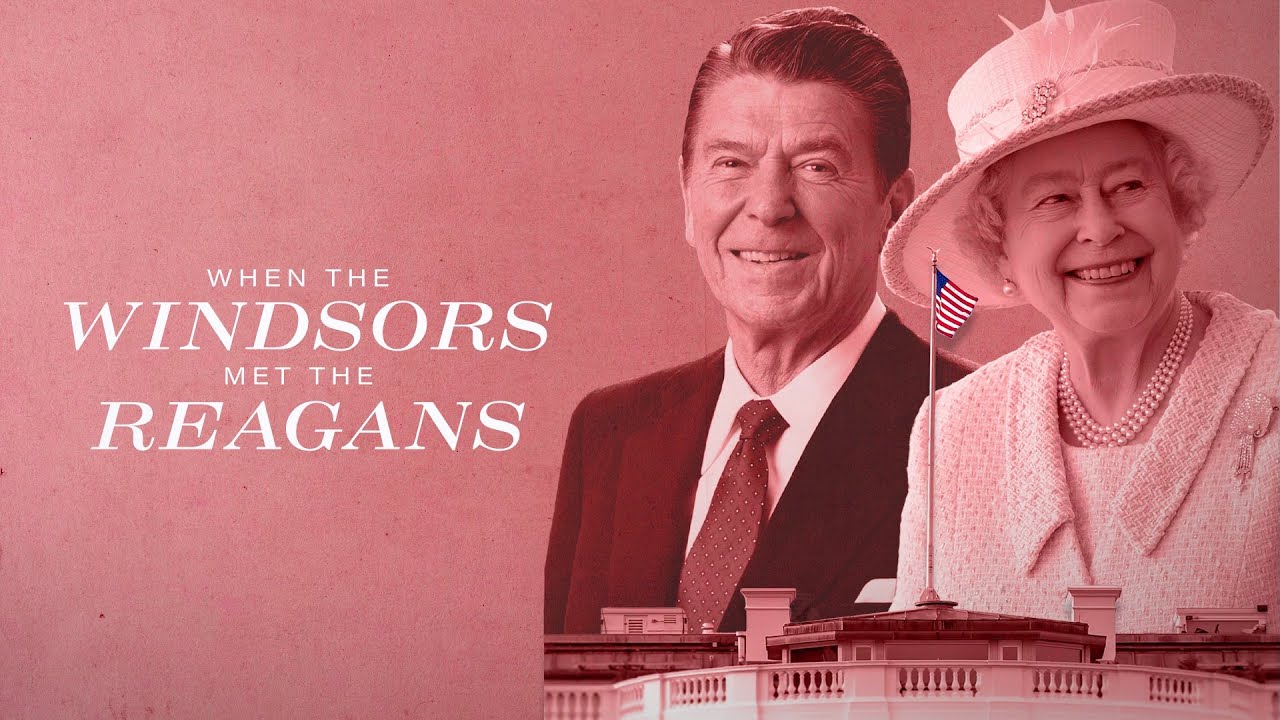
When British royalty meets American political power, the relationship between the Windsors and the Reagans highlights the contrasts between monarchy and democracy.
In the weeks leading up to her tragic death in Paris, Princess Diana navigated newfound freedom and romance while facing intense public scrutiny.
Princess Elizabeth's upbringing under King George VI profoundly shaped her dedication to the monarchy, leading her to become the longest-reigning monarch in British history.
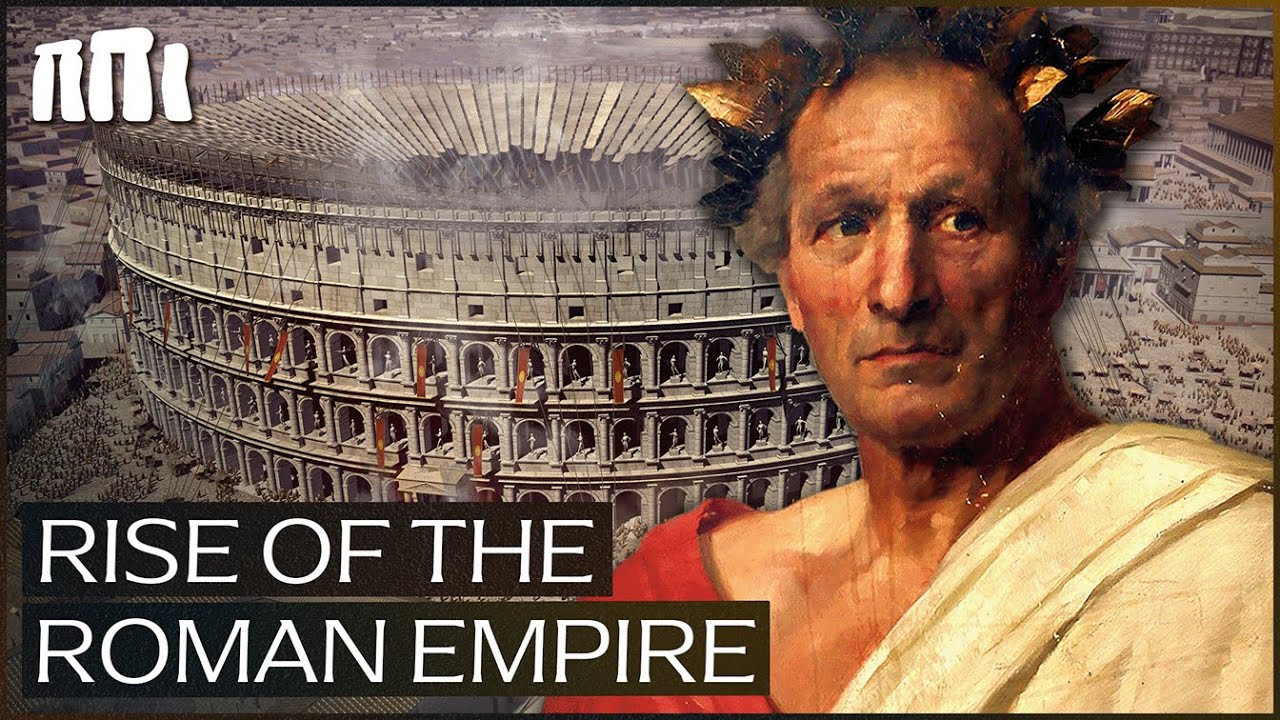
Julius Caesar's rise to power and the subsequent transition from the Roman Republic to the Roman Empire are explored through key events like the Punic Wars and his assassination.
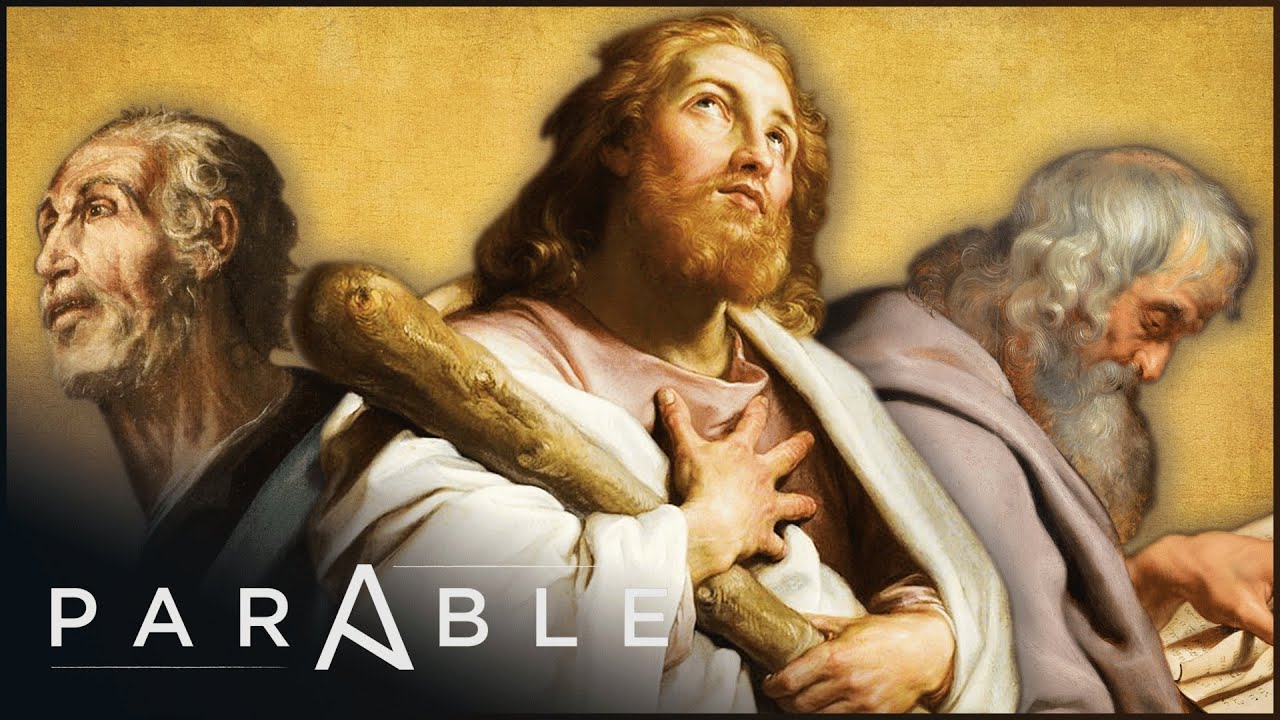
James, Jude, and Simon, lesser-known apostles of Jesus, are examined for their connections to his family and significance in the early Church.
Prince Philip, Duke of Edinburgh, was born on June 10, 1921, and served as a steadfast supporter of Queen Elizabeth II throughout her 70-year reign.
Thirteen brain operations have left Daniel Macnee with significant memory loss, prompting him to develop unique strategies for daily living.
In the Rhône River, archaeologists and scuba divers investigate a mysterious 4th-century Roman shipwreck near Arles, revealing insights into the era's upheaval and treasures.
George Takei recalls being incarcerated in Japanese-American internment camps at the age of five, following the forced removal of his family from Los Angeles.
Adolf Hitler's ascent from obscurity to dictatorship in post-World War I Germany is examined through key events, propaganda, and public sentiment that facilitated his rise.
Queen Elizabeth II's fashion evolution reflects her role as the longest reigning British monarch, showcasing a blend of tradition and modernity in British style.
Apostle Paul engaged with Athenian philosophers in the agora and addressed the Council of the Areopagus about the resurrection and the 'Unknown God'.
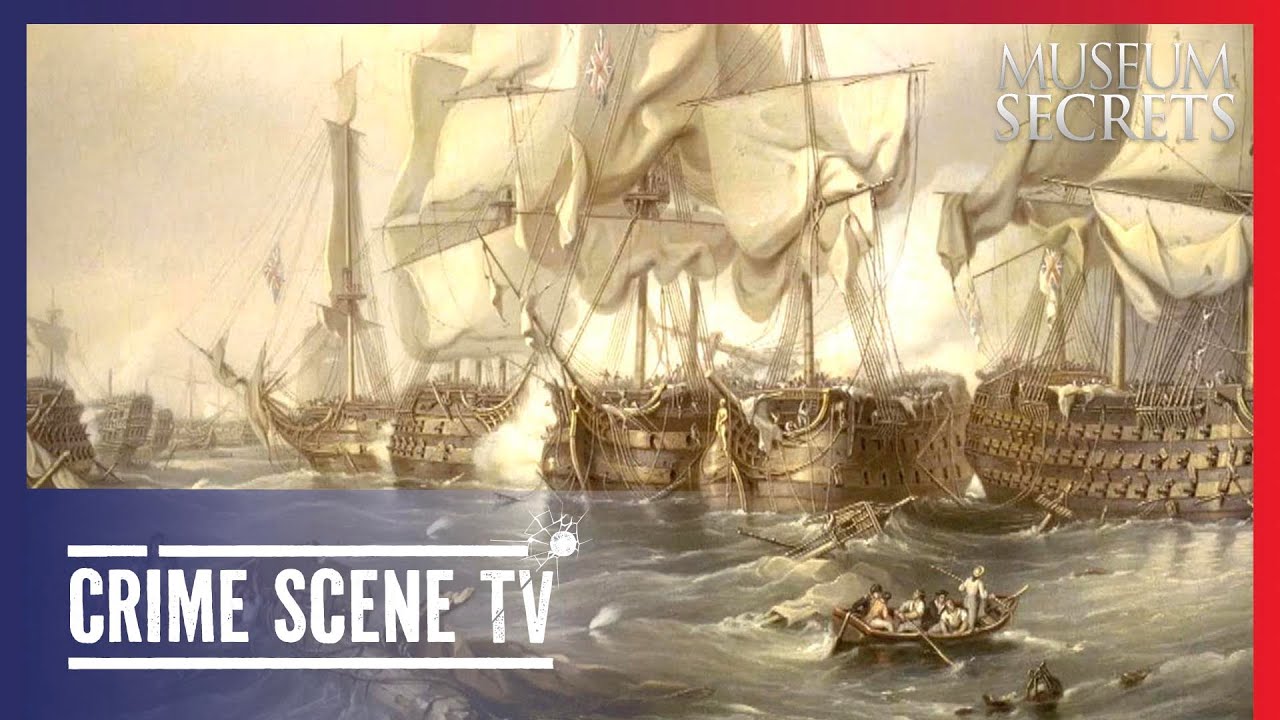
The National Maritime Museum in London houses artifacts ranging from Admiral Nelson's musket to evidence of anti-piracy commando raids.
Princess Elizabeth, later Queen Elizabeth II, navigated her formative years during World War II, shaped by the Royal Family's resilience and her father's influence.
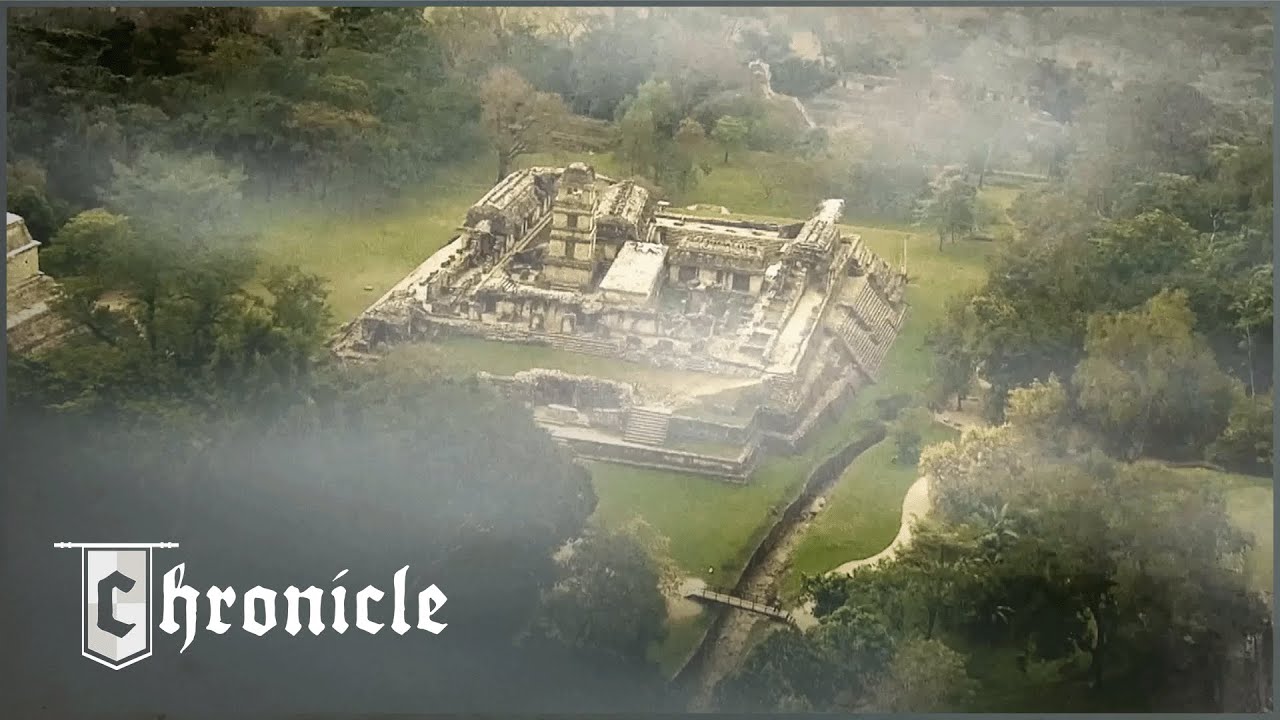
Percy Fawcett's 1925 expedition in the Amazon jungle to find the mythical city of gold, "Z," ended in mystery when he and his companions vanished without a trace.
General Grant's Order #11 expelled Jews from his military district during the Civil War, a decision examined by Jonathan Sarna and Steve Roberts in a National Archives lecture.
Hadrian's Wall, built under Emperor Hadrian's orders in 122 AD, served as the northern frontier of Roman Britain, spanning over 73 miles between the North Sea and the Irish Sea.
Henry Kissinger reflects on his life in Fürth during Adolf Hitler's rise to power and the subsequent impact on his future as a political figure.
The critical events of 1941 and 1942, including the attack on Pearl Harbor and the battles of Moscow and El Alamein, reshaped the course of World War II.
Queen Elizabeth II's 70-year reign reflects significant social, cultural, and technological changes, shaping her image as a modern monarch through fashion and public perception.
Modern royals face unique challenges and public scrutiny, as highlighted by the contrasting lives of figures like Prince Harry and contemporary celebrities.
Diana, Princess of Wales, was 36 years old when she died in a car accident in Paris, an event that sparked a global outpouring of grief.
Rome's hidden empire and the underground worlds of the Vikings are explored through tunnels, chambers, and strongholds that shaped these civilizations.
Rezso Kasztner, known as the Jewish Schindler, negotiated with Adolf Eichmann to save 1,700 Jews, but faced condemnation and assassination in Israel.
The tiny annex where Anne Frank hid is a famous site near her real home at 37 Merwedeplein in Holland.
British explorer Colonel Percy Fawcett dedicated his life to finding the legendary city of gold, El Dorado, believed to be hidden in the Amazon jungle.
John Wilkes Booth was buried in a secret grave in Washington, D.C., before most people knew he was dead, following his assassination of President Lincoln.
Zehntausende Frauen kämpfen in Deutschland und Frankreich für ihr Wahlrecht.
Princess Margaret, Countess of Snowdon, navigated the challenges of royal life, marked by personal heartbreak and a complex relationship with her sister, Queen Elizabeth II.
Queen Camilla has worked to reshape her public image following a challenging past, ultimately gaining admiration as she assumes her role alongside King Charles III.
Queen Elizabeth II and Princess Margaret's relationship is examined through their contrasting roles within the British monarchy and the personal sacrifices made for duty.
Thomas Jefferson's three daughters-Martha, Maria, and Harriet Hemings-navigated their lives in a young America shaped by their father's legacy and societal divides.
John Marshall, the fourth Chief Justice of the United States, transformed the Supreme Court into a vital institution of American governance during his 34-year tenure.
A fearless young Kentucky lawyer brought order to an unruly Congress, preventing the breakup of the nation during a time of intense political strife.
Elizabeth and Margaret, two British princesses, navigate their complex relationship shaped by duty, envy, and the impact of their uncle's abdication on their lives.
Hillary Diane Rodham, born in Chicago in 1947, became the first First Lady with an office in the West Wing, advocating for women's capabilities and social justice.
George VI, burdened by a stammer and a reluctant ascent to the throne, forged a vital partnership with Queen Elizabeth during World War II and family turmoil.
At the end of WWII, a team of experts, including Robert Edsell and historian James Holland, investigates Hermann Göring's missing multi-billion dollar art collection.
Jimmy Hoffa organized his first strike in 1932, during the Great Depression, at the age of 19 while working as a warehouse laborer in Detroit.
Caroline Quentin explores Indian culture through experiences in Varanasi, Jodhpur, and Agra, including a visit to the Taj Mahal and an infertility clinic in Anand.