From over 100,000 films, discover the handful you'll love.
Free or premium access to the world's largest documentary library.
3628 films(Page 57 of 76)
Madame C.J. Walker, born Sarah Breedlove in 1867, became the first African American female millionaire through her hair and cosmetic business.
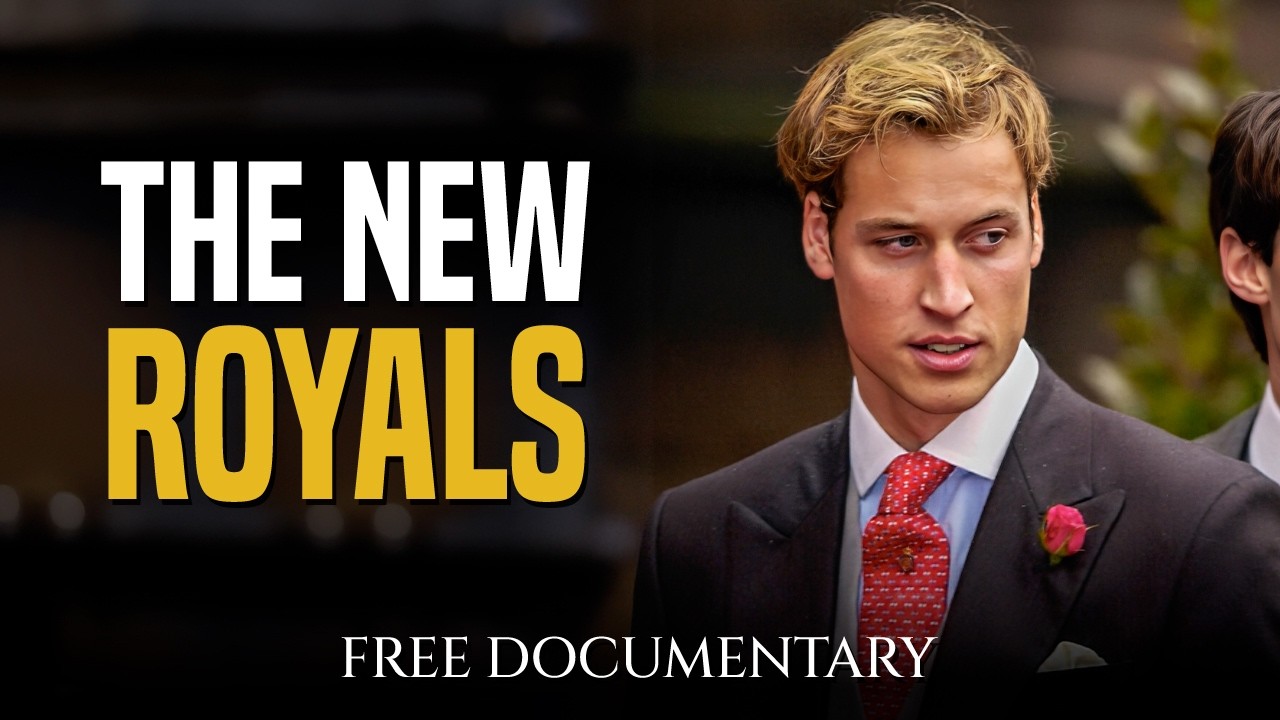
Prince William ranked sixth in a poll of the top most eligible bachelors, competing with celebrities like Robbie Williams and David Beckham.
Actors Nicole Whippy and Kirk Torrance investigate the impact of DNA testing on personal heritage, revealing lost family connections and ancestral narratives.
Franklin D. Roosevelt's Fourth Inaugural Address on January 20, 1945, articulates his vision for a post-war America and the challenges it faces.
Ruth Feldstein discusses the diverse ways black women entertainers linked culture and politics during the civil rights movement, featuring figures like Nina Simone and Lena Horne.
Georges P.
Adolf Hitler's descendants, including relatives in Austria and the United States, navigate a legacy marked by betrayal, conspiracy, and questions of heritage.
Ancient Rome's transformation from a small city-state to a vast empire is examined through its military conquests, political intrigue, and influential leaders.
In Patagonia, the possibility of establishing a Jewish state, as discussed by Theodor Herzl in 1897, raises questions about conspiracy theories and real intentions among Jewish communities in Argentina and Chile.
The Samurai code, rooted in 10,000 years of Japanese history, shaped the warrior class and influenced Japan's societal structure through World War II.
Richard Brookhiser's biography of Abraham Lincoln examines his dedication to the founding fathers' principles and their influence on his leadership during the Civil War.
A 48-minute program discusses how departing presidents have signed book deals since the early days of the republic, revealing insights into their lives.
Ulysses S. Grant, the 18th President of the United States and Union Army Commander, is portrayed by Curt Fields in a program supported by the National Archives Foundation.
Two First Ladies, Melania Trump and Michelle Obama, shaped American perceptions of femininity and leadership during their time in the White House.
Fannie Lou Hamer, a key civil rights activist, recounts her experiences from Mississippi sharecropper to Vice-Chair of the Mississippi Freedom Democratic Party.
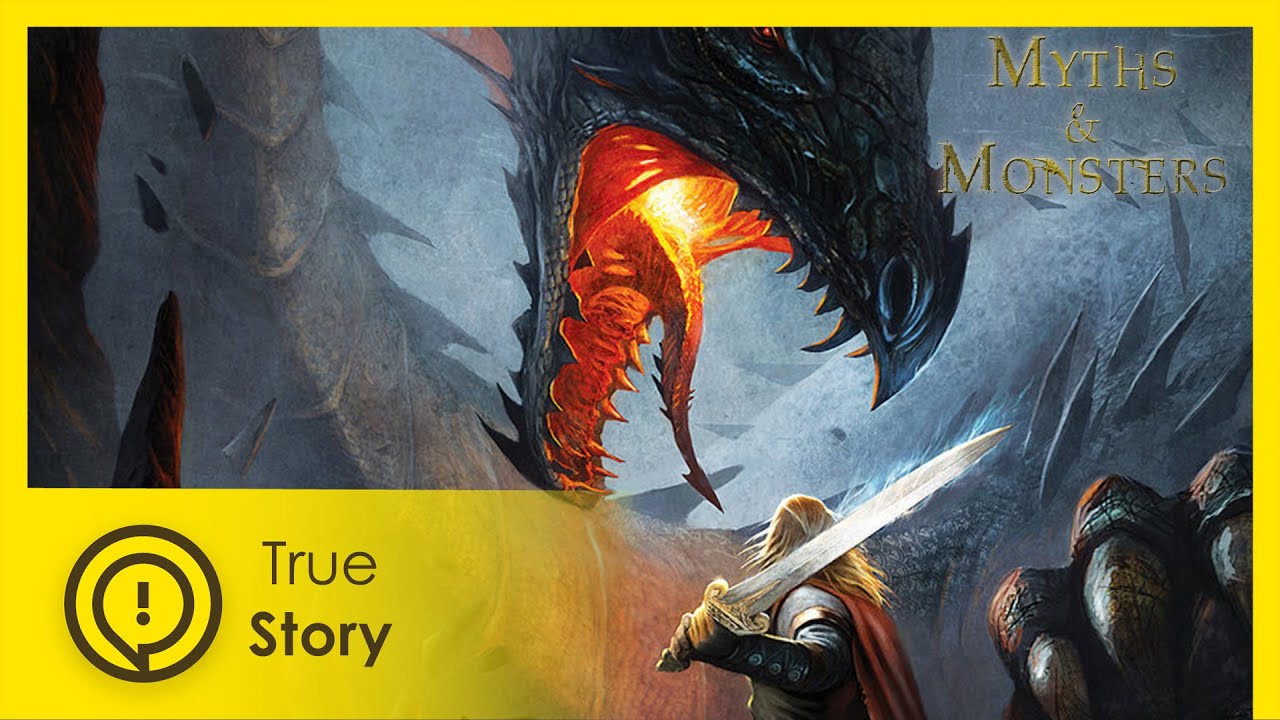
Joseph Campbell's theory of the 'Hero’s Journey' is examined through the lens of ancient heroes like Odysseus, King Arthur, and Sigurd.
Britannia Wellington Peter Kennon, a prominent Georgetown resident, shares her experiences and insights into 19th-century American history through her connections with notable figures.
Women organized a boycott that cut England's exports to the American colonies by one-third during the American Revolution.
Journalist Jack Tame and chef Ray McVinnie explore their complex family histories through DNA testing, revealing unexpected connections to the Holocaust.
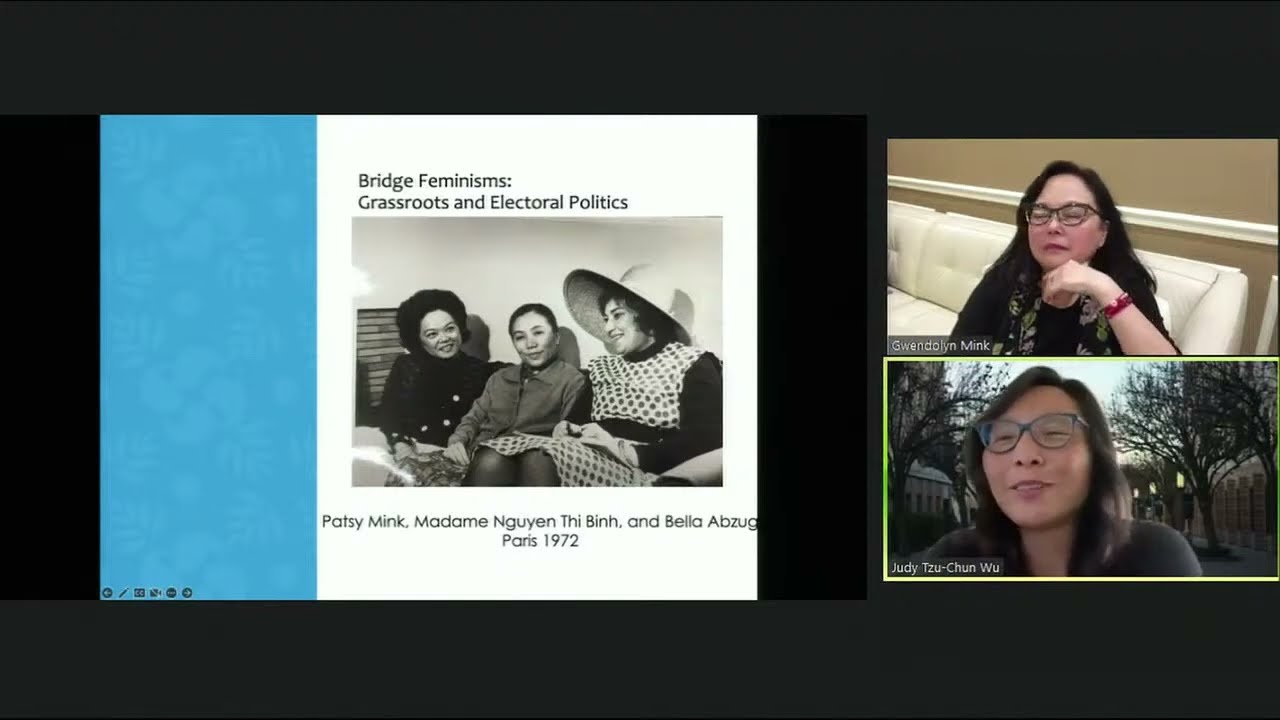
Patsy Takemoto Mink was the first Japanese American female lawyer in Hawaii and served in Congress from 1964 until her death in 2002.
Thomas Edison submitted 1,093 patents to the U.S. Patent and Trademark Office during his lifetime, including the incandescent light bulb and phonograph.
In June 1940, two young doctors in occupied Paris navigate the catacombs to create a strategic map for Charles de Gaulle and the Resistance during World War II.
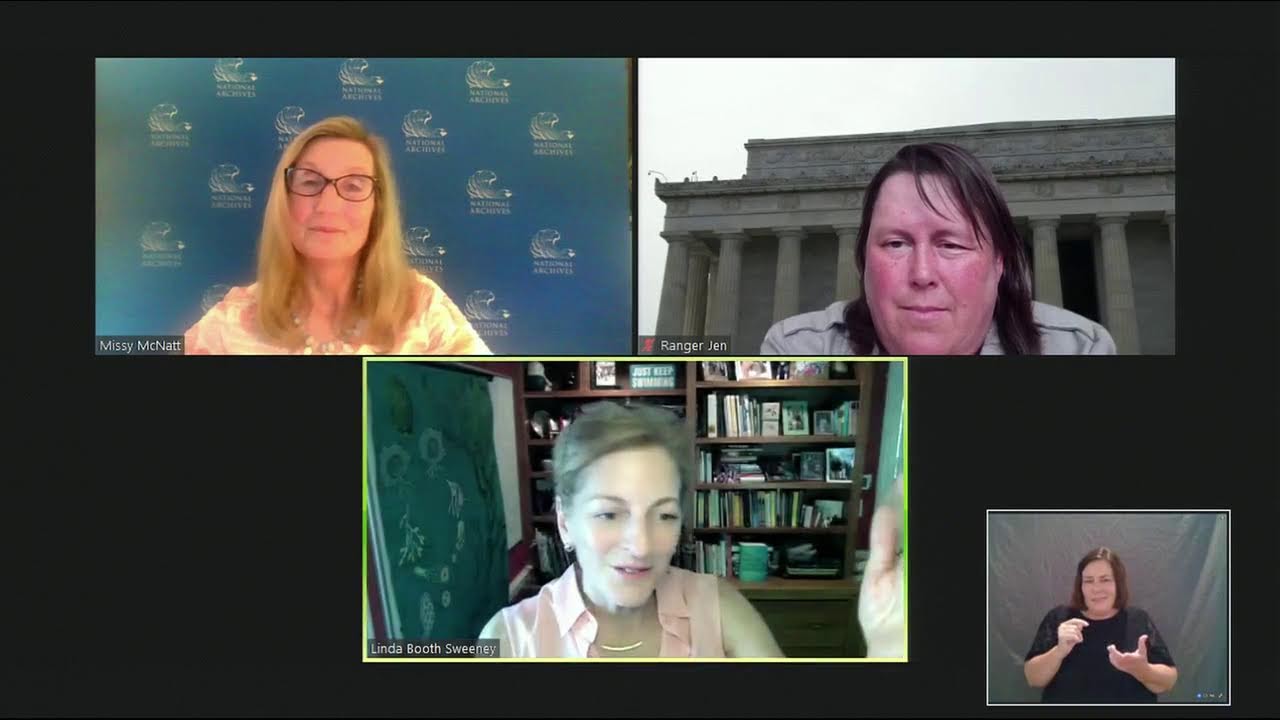
May 30, 2022 marks the 100th anniversary of the Lincoln Memorial's dedication, celebrated with a reading by author Linda Booth Sweeney.
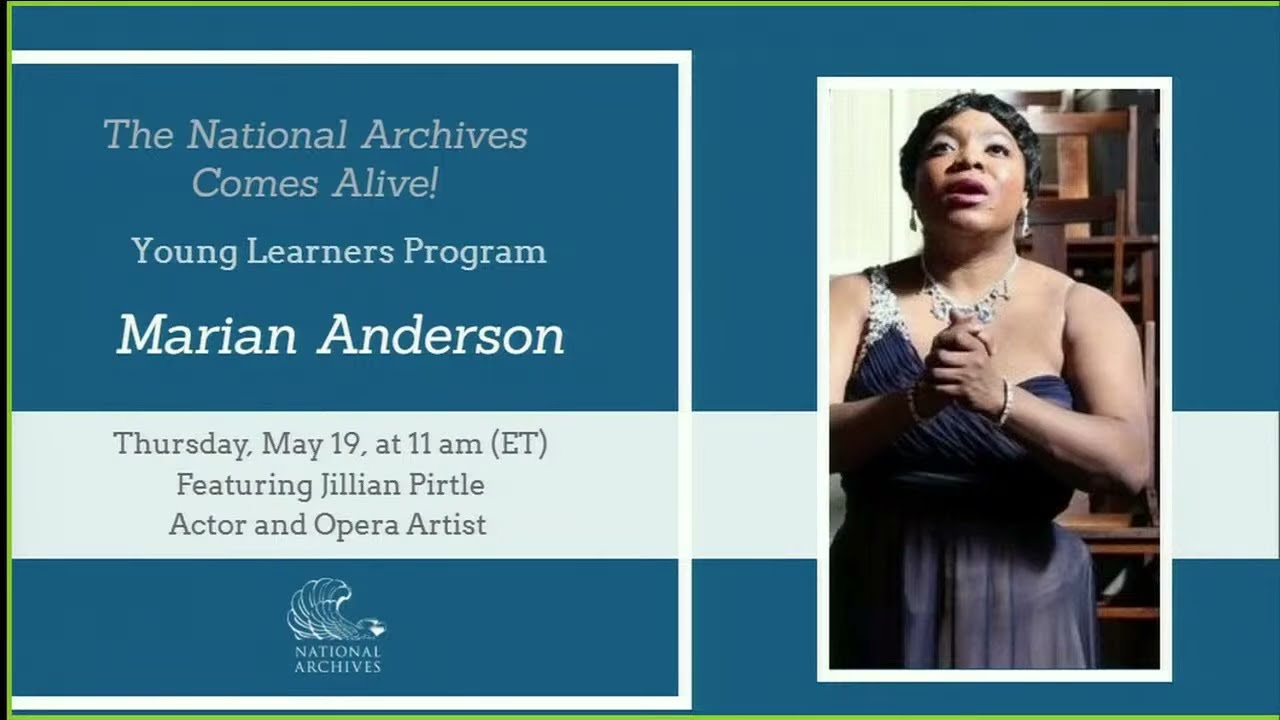
More than 75,000 people attended Marian Anderson's concert at the Lincoln Memorial on April 9, 1939, after she was denied a performance at Constitution Hall.
Chuck Robb recounts his life from Marine service in Vietnam to his political career in Virginia and the U.S. Senate, alongside insights from historian Michael Beschloss.
Piracy during the Golden Age (1650-1730) is examined through figures like Blackbeard and Bartholomew Roberts, revealing its complex socio-political contexts.
Matthew Henson was born on August 8, 1866, in Edgewood, Maryland, and became the co-discoverer of the North Pole in 1909 alongside Robert E. Peary.
Rosa Parks was arrested on December 5, 1955, for refusing to give up her bus seat to a white passenger in Montgomery, Alabama.
Dr. Ruth Patrick received the National Medal of Science in 1996 for her work on freshwater ecology and the effects of pollution on river systems.
Nellie Bly, an American journalist known for her undercover reporting and her attempt to travel around the world in 80 days, is portrayed by Ava Prickman from History at Play, Inc.!
In 1936, Berlin hosted the Olympics under Nazi rule, showcasing a grand spectacle that masked the regime's oppressive policies, including the exclusion of Jewish athletes.
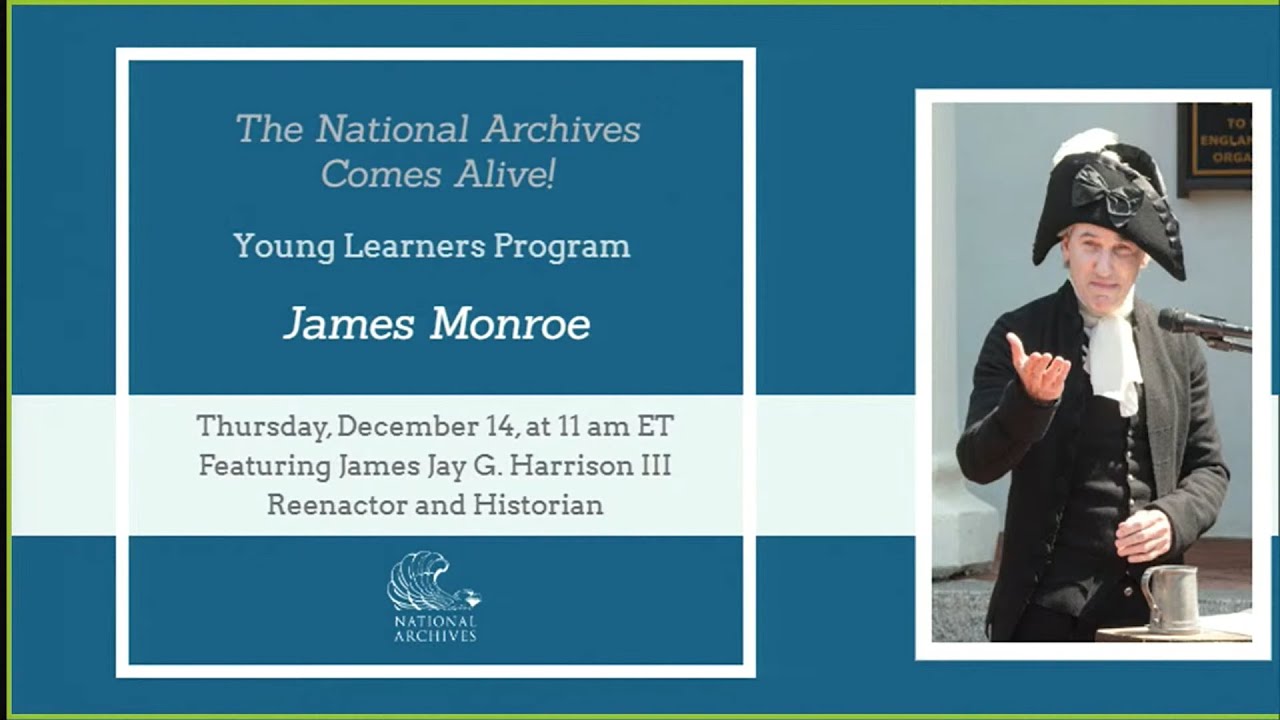
James Monroe, a founding father and U.S. diplomat, is portrayed by educator James “Jay” G. Harrison III, highlighting his role in drafting the enduring Monroe Doctrine.
Mark Twain, portrayed by Bob Gleason of the American Historical Theatre, is explored through his early writing career and significant friendships in this educational program.
Bessie Coleman, an early 20th-century American aviator, became the first Black woman to earn a pilot's license and advocated for Black aviation education.
Feminism is described as the only universal word for the global effort to achieve equality between the sexes, according to author Elizabeth Cobbs.
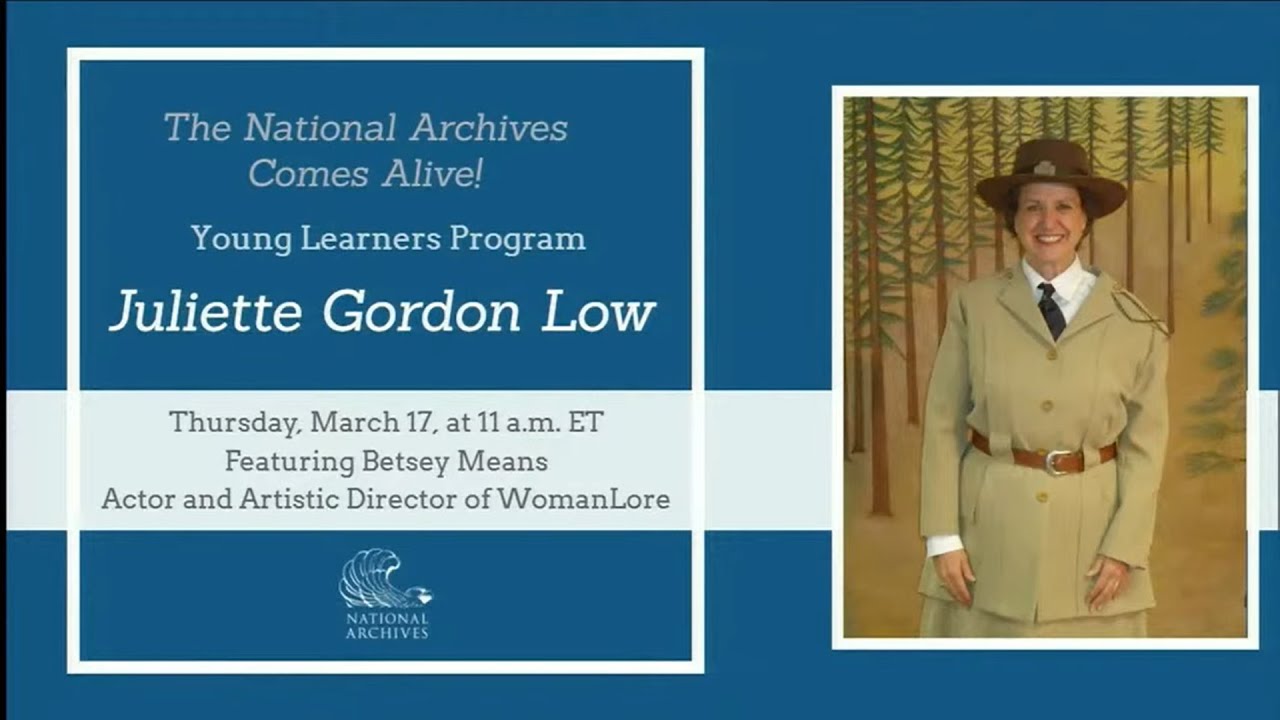
Juliette Gordon Low founded the Girl Scouts of the United States on March 12, 1912, to promote leadership and community service among young girls.
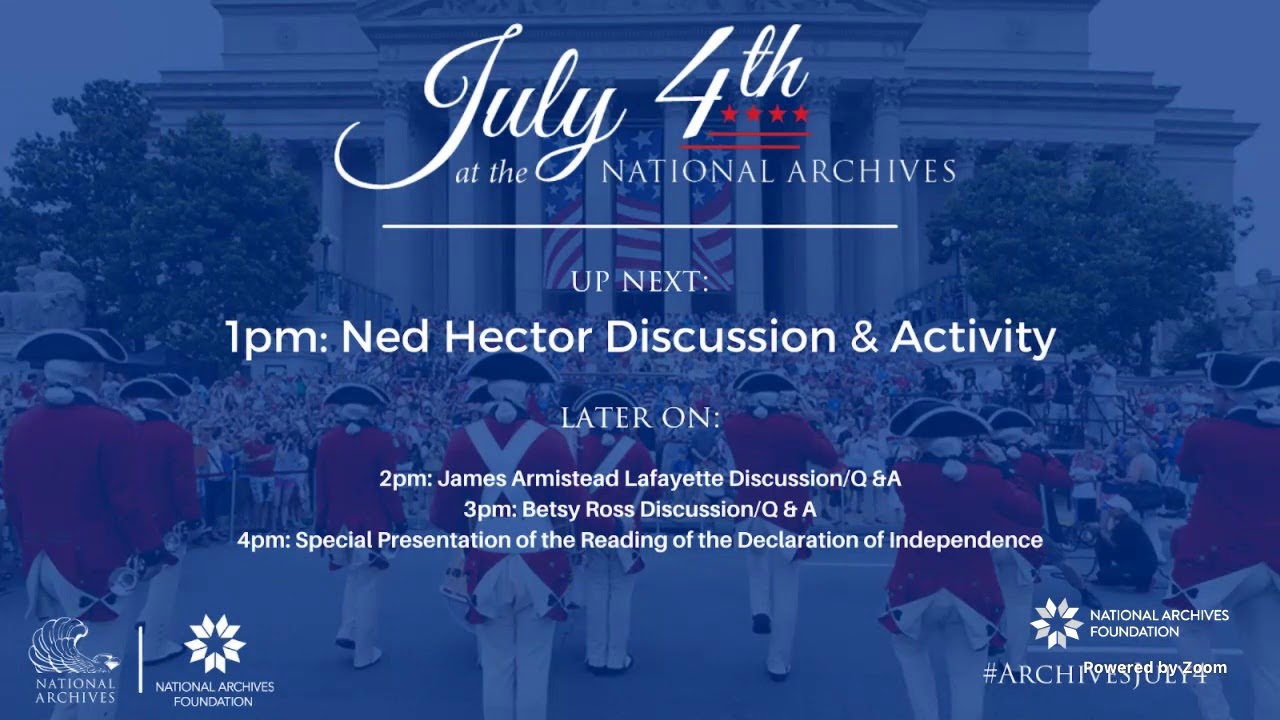
James Armistead Lafayette, an enslaved spy, significantly contributed to the Continental Army's victory at the Battle of Yorktown while continuing his fight for freedom.
In Philadelphia, the Mütter Museum displays medical oddities, while Punxsutawney hosts the annual Groundhog Day celebration, showcasing Pennsylvania's unique history.
Rollo, a Viking warrior, negotiated the Treaty of Saint-Clair-sur-Epte in 911, becoming the first King of Normandy after securing land in northern France.
John Jay negotiated the Treaty of Paris, signed on September 3, 1783, which formally ended the American Revolution and recognized U.S. independence.
Private John Parr from Middlesex was the first Allied soldier to die in World War I, while Private George Price from Nova Scotia was the last, linking their stories through the war's history.
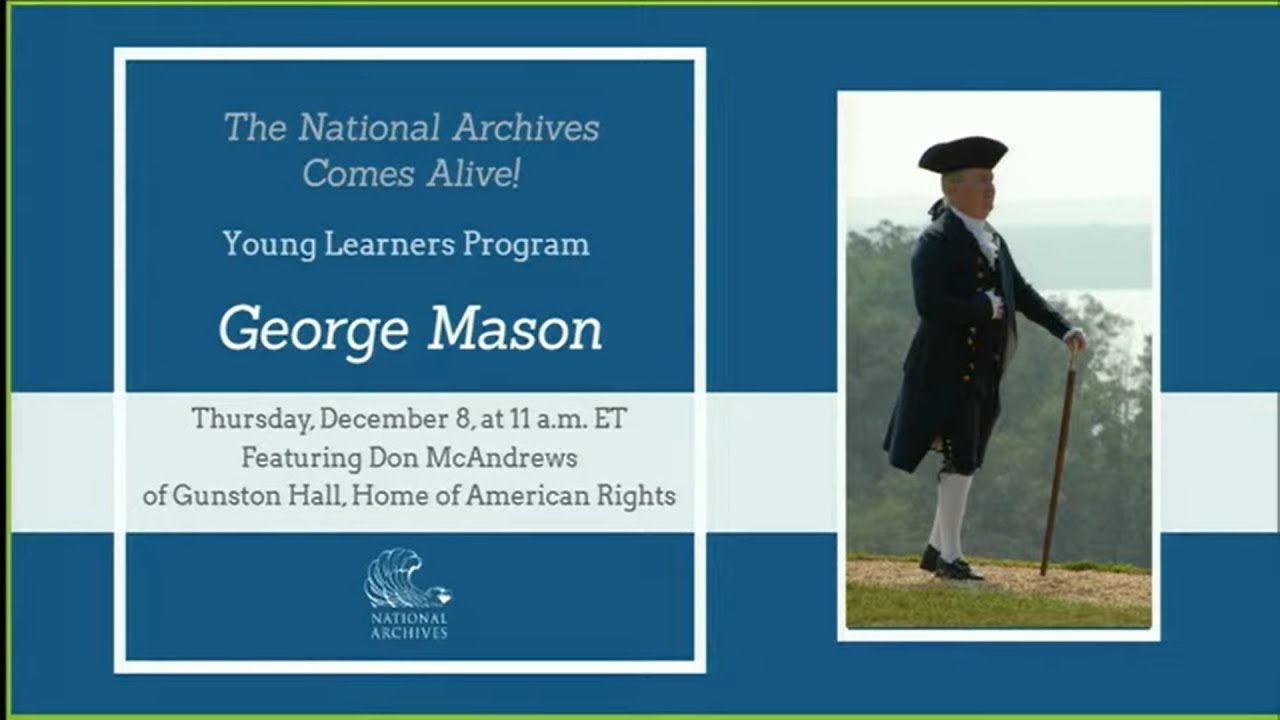
George Mason, portrayed by Don McAndrews, discusses his role in drafting the Virginia Declaration of Rights and his influence on the U.S. Constitution at Gunston Hall.
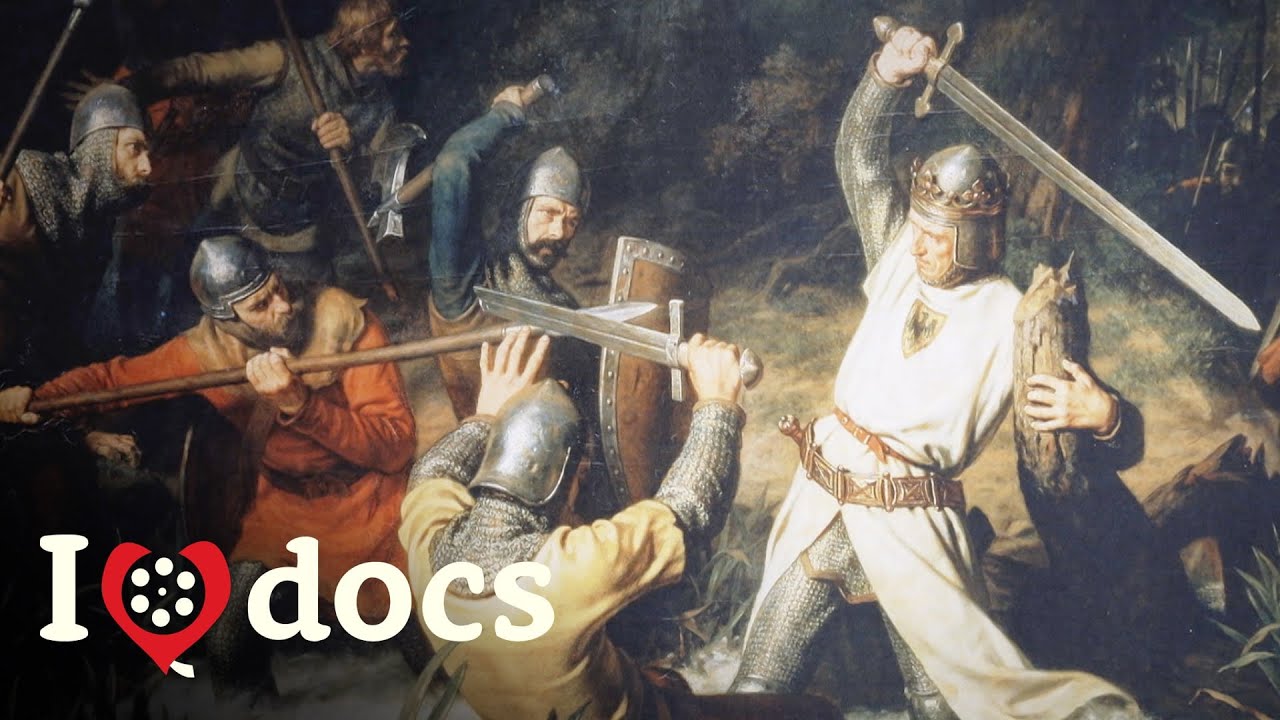
On August 26, 1278, the Battle of Marchfeld marked the largest cavalry engagement in European history, pitting Habsburg King Rudolph I against Bohemian King Přemyslid Ottkar II.
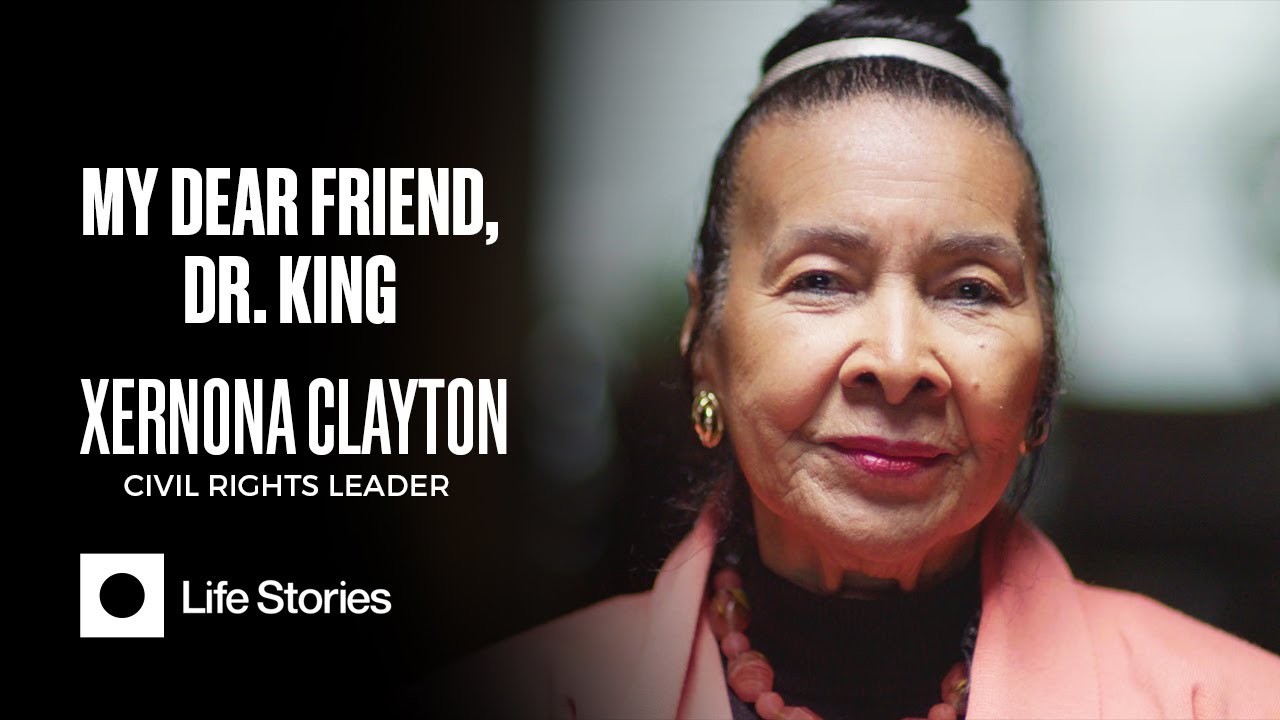
Xernona Clayton reflects on her close friendship with Dr. Martin Luther King Jr., sharing personal memories and insights from their time together in the Civil Rights Movement.
Monaco's transformation into a wealthy enclave is marked by Grace Kelly's 1956 marriage to Prince Rainier III, which significantly enhanced its global profile.
Since 1861, 60 Americans of Hispanic heritage have received the Medal of Honor for their acts of bravery, as detailed by author Michael Lee Lanning.
Martha Washington discusses her life as a plantation mistress in Virginia before the Revolutionary War and her husband's role in the Continental Congress.
In 1799, George Washington wrote to Patrick Henry, urging him to come out of retirement to help address the political conflict threatening the nation.