From over 100,000 films, discover the handful you'll love.
Free or premium access to the world's largest documentary library.
3628 films(Page 76 of 76)
Four Pulitzer Prize-winning authors discuss the legacies of American presidents at the 2014 New Yorker Festival, focusing on themes of race and identity.
Vladimir Putin and his KGB colleagues burned documents in Dresden as they faced the uncertainty of the Soviet Union's collapse in 1991.
On August 9, 1999, Vladimir Putin was named acting prime minister of Russia, a position few expected him to hold for nearly 18 years.
Rebecca Mead discusses George Eliot's 'Middlemarch' and personal reflections this afternoon.
Three authors discuss their book on the roles of First Ladies in American history during a program at the National Archives in honor of Women's History Month.
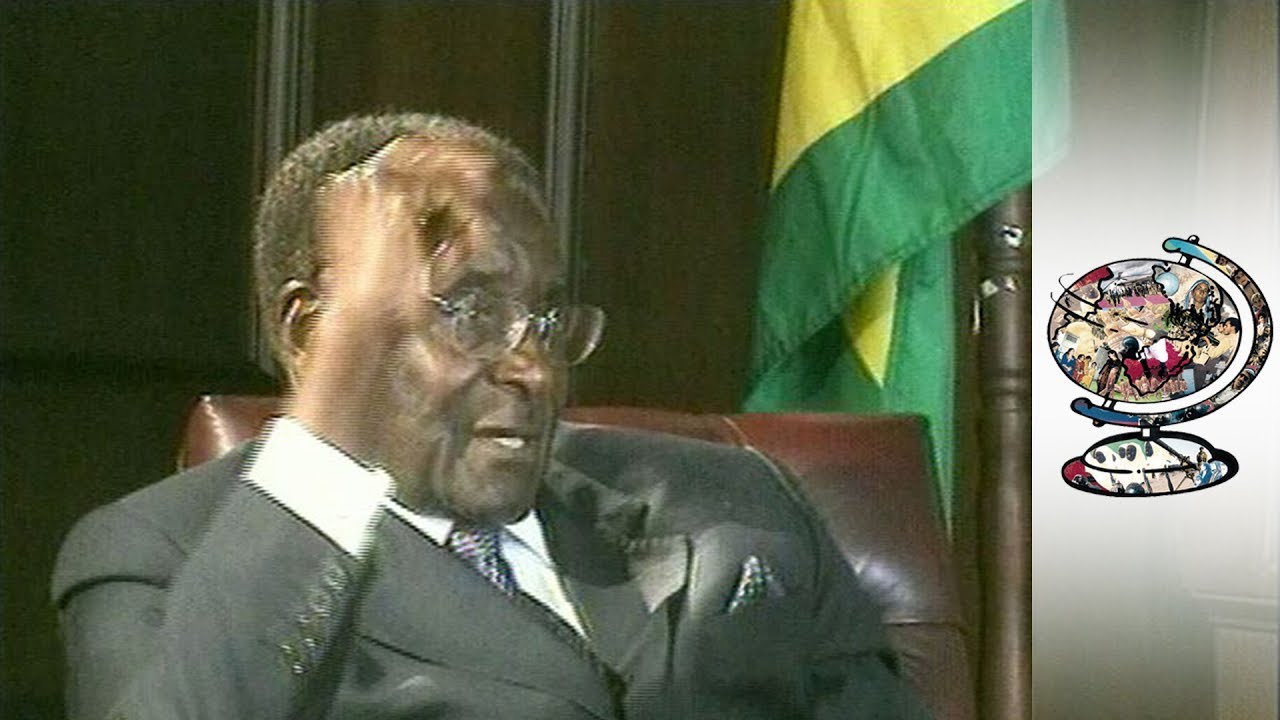
A 58-minute interview reveals Robert Mugabe's strong beliefs about land as central to Zimbabwe's politics and economy.
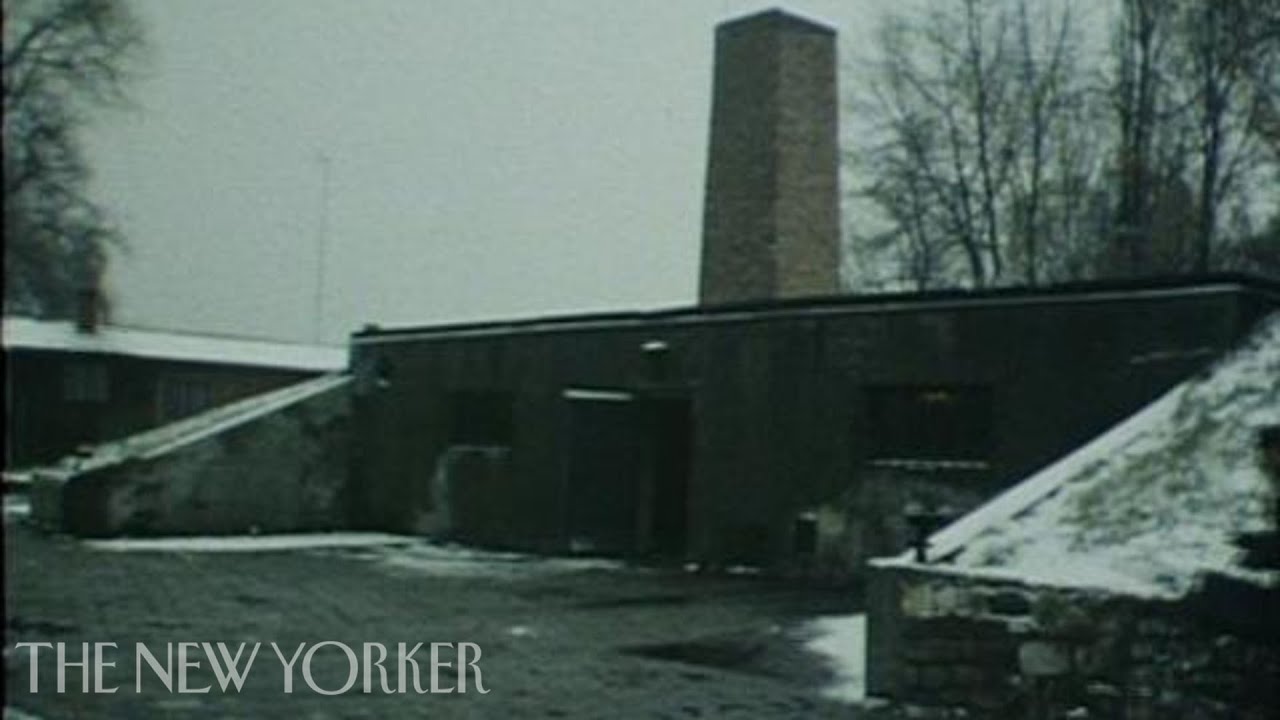
Richard Brody discusses Claude Lanzmann's impactful film 'Shoah' in The New Yorker.
Within 45 minutes of Robert Bork's nomination, Senator Ted Kennedy delivered a fiery speech that marked a turning point in judicial confirmations.
Jeff Flake met with Merrick Garland, a moderate Supreme Court nominee, before ultimately voting to confirm Brett Kavanaugh amid significant political pressure.
Mitch McConnell attended the signing of the Voting Rights Act and was present for Martin Luther King’s “I Have a Dream” speech in Washington, D.C.
Robert Bork, Jr. recalls the moment his father was secretly driven to the White House for his Supreme Court nomination by President Reagan.
Senator Susan Collins discusses threats faced during Kavanaugh's Supreme Court confirmation.
Historian Ted Widmer analyzes Abraham Lincoln's commitment to the principles of the Declaration of Independence and his vision for a united nation amid the tensions of slavery.
Historian Ted Widmer analyzes Abraham Lincoln's rhetorical evolution and highlights the significant life story of Frederick Douglass in American history.
Eric Harroun recounts his experiences from the Egyptian revolution to joining the Free Syrian Army, detailing the chaos of the Syrian civil war.
Barack Obama's eulogy honors John Lewis, a leader of the Freedom Riders and civil rights icon.
Roy Cohn's townhouse in the early 1970s buzzed with clients like mafia figures and Cardinal Spellman, reflecting his influence on New York's elite.
Jill Biden discusses her role as second lady and her insights on the 2020 election.
Harold Holzer discusses the Four Continents statues, which represent Asia, America, Europe, and Africa, located at the Alexander Hamilton U.S. Custom House.
Hassan Nasrallah discusses his vision for the Middle East in a rare interview with Julian Assange.
500 days into his detention, Julian Assange hosts a heated debate with Slavoj Zizek and David Horowitz on controversial political topics.
Akhil Reed Amar discusses the influence of geography and federalism on American constitutional law during a program at the National Archives.
Sheila Skemp, a professor at the University of Mississippi, discusses Benjamin Franklin's role in American history during a lecture at the National Archives.
In the spring of 334 BC, Alexander the Great launched one of the biggest invasions in history, risking everything to confront the Persian Empire.
Joseph Stalin rises from Georgian roots to lead the Soviet Union as a feared political figure.
Maria Lvova-Belova denies accusations of stealing Ukrainian children in an exclusive interview.
John LeGhoahec discusses how archival databases, such as AAD, can assist in tracing family histories, focusing on personal stories from Ireland and military service.
Dr. Colleen Shogan, the 11th Archivist of the United States, discusses her role in preserving national records and the concept of citizen archivists in an interview with Breanne Robertson.