From over 100,000 films, discover the handful you'll love.
Free or premium access to the world's largest documentary library.
3629 films(Page 8 of 76)
Sir Francis Walsingham, born in the early 1530s, became a key figure in establishing England's secret services during the reign of Elizabeth I.
Seven men associated with Bugs Moran's crew were gunned down execution style in the St. Valentine's Day Massacre on February 14, 1929.
Tudor farmers relied heavily on monasteries for farmland, consuming large quantities of bread and ale while praying for successful harvests.
Recent archaeological findings in Hallstatt, Austria, illuminate the advanced societal organization, trade networks, and cultural practices of the Celts.
A king could be overthrown at any moment by another baron through armed conflict during the tumultuous reign of King John from 1199 to 1216.
Heinrich Himmler's fascination with the Holy Grail, the Nazis' interest in the Book of Power, and their quest for Atlantis are explored in this examination of occultism and mythology.
Tutankhamun's burial reveals anomalies, including mismatched faces on coffins and canopic jars, highlighting the rushed quality compared to Seti's tomb.
Mary Beard examines Julius Caesar's historical impact and challenges prevailing perceptions of his legacy in ancient Rome.
In the spring of 1453, Sultan Mehmed II's siege of Constantinople leads to the fall of the Byzantine Empire and the establishment of Ottoman dominance in the region.
Medieval fortresses, known for their formidable defenses, were often breached through innovative siege strategies employed by skilled warlords throughout history.
Apollo 17, the final mission of NASA's Apollo program, showcases the achievements of astronauts Eugene Cernan, Harrison Schmitt, and Ronald Evans in lunar exploration.
Icelandic horses, renowned for their stamina and unique tölt gait, have played a significant role in Icelandic culture and mythology since the island's colonization.
RAF Fighter Command lost 715 fighter aircraft and 544 pilots during the Battle of Britain, a critical defense against the Luftwaffe in 1940.
The Duke of Wellington's military strategies, particularly at the Battle of Waterloo in 1815, were pivotal in defeating Napoleon Bonaparte and reshaping Europe.
Nine children were born to Edward VII and his wife, Queen Alexandra, during his reign from 1901 to 1910, shaping the future of the British monarchy.
Scone Palace, the historic site of Scottish royal coronations since the 9th century, features the Stone of Destiny, symbolizing the divine right to rule.
Diana and Dodi's romance lasted just 30 days, marked by public speculation and private turmoil as she navigated her feelings for former partner Hasnat Khan.
Frank Costello was born Francesco Castiglia on January 26, 1891, in Lauropoli, a small town in Calabria, Italy, before emigrating to New York City.
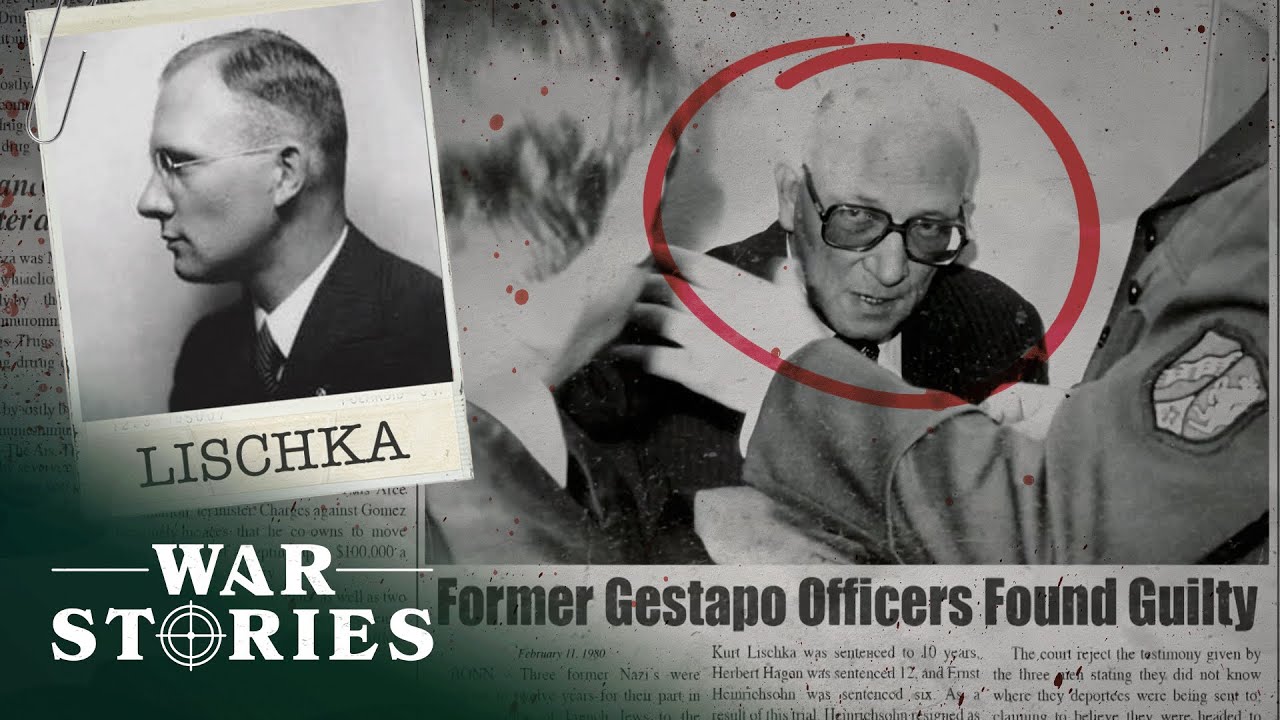
Married Nazi hunters Serge and Beate Klarsfeld pursued Gestapo chief Kurt Lischka through attempted kidnappings and explosive chocolates to achieve justice.
Hadrian's Wall serves as the backdrop for an excavation of a previously untouched Roman cemetery, revealing insights into the decline of a once-thriving settlement in Roman Britain.
In Salisbury Cathedral, a team investigates leg-bones found beneath a chapel, exploring their possible connection to Bishop Beauchamp and the cathedral's history.
Ancient Rome's monumental achievements, explored by historian Mary Beard, continue to influence modern society in various ways.
In the Oxfordshire village of Islip, the excavation team, alongside historians Sam Newton and Jonathan Foyle, investigates the birthplace of Edward the Confessor.
Richard the Lionheart led the Third Crusade, which began in 1189 and aimed to reclaim Jerusalem from Saladin, revitalizing the Christian presence in the Holy Land.
Ernst Kaltenbrunner's leadership in the Nazi regime during World War II is examined, highlighting his role in the atrocities following Reinhard Heydrich's assassination.
Edward II was born on 25th April 1284 at Caernarfon Castle, becoming heir to the throne after the death of his elder brother Alfonso.
Irwin Rommel, promoted to Lieutenant General in February 1941, became known for his tactical genius in armored warfare during World War II.
Diana, Princess of Wales, transformed from a shy nursery teacher into a global icon, navigating the complexities of royal life, motherhood, and media scrutiny before her tragic death.
India's history spans from the ancient Indus Valley Civilization and the Mauryan Empire to the British Raj and modern developments under leaders like Mahatma Gandhi and Narendra Modi.
Lucky Luciano played a crucial role in the development of organized crime in America, significantly influencing the structure of the Mafia.
Pocahontas was born around 1596 in Werowocomoco, the capital of the Powhatan nation, and was later kidnapped by English settlers.
Bruce Lee's mysterious death on July 20, 1973, raises suspicions about the official cause.
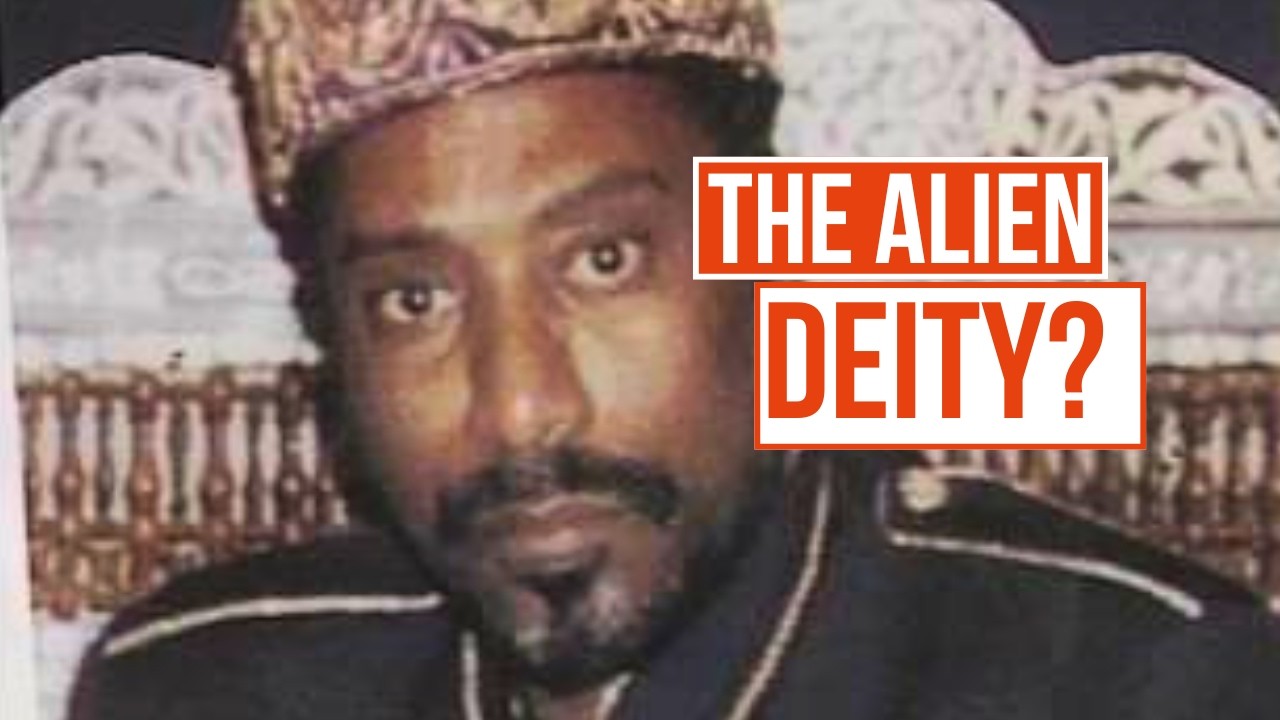
Dwight York, known as Dr. Love, led the Nuwaubian Nation, convincing followers he was an alien deity while managing a successful music career in the 1990s.
Ancient Egypt was ruled by women at least 18 times, and Professor Joann Fletcher examines the lives and legacies of four powerful female rulers through artefacts and architecture.
In ancient Egypt, Doctor Joann Fletcher investigates a decapitated mummy to explore the cultural beliefs and rituals surrounding death and the afterlife.
Some 40,000 Romans faced 10,000 Parthians at the Battle of Carrhae in 53 BCE, where cavalry tactics changed the course of warfare.
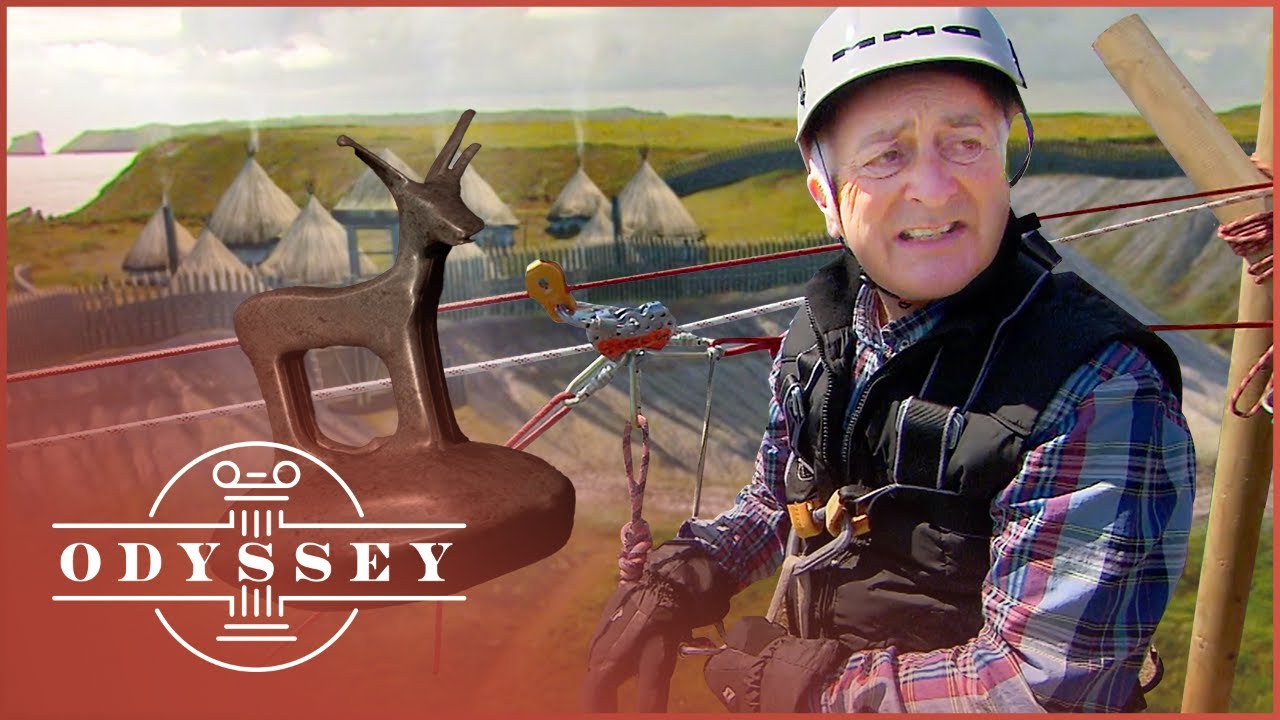
An archaeological site in the UK, believed to be an early monastic community, is revealed to be much older and can only be accessed by zip line.
Vlad Tepes, known as Vlad the Impaler, ruled Wallachia in 1448 and is linked to a curse that has haunted Romania for over 600 years.
William the Conqueror's Domesday Book, a comprehensive survey from 1086, meticulously recorded land ownership across England, revealing the kingdom's socio-economic landscape.
Leni Riefenstahl died on September 8, 2003, in Pöcking, Germany, leaving behind a legacy marked by her controversial role in Nazi propaganda.
Athelney Abbey, a strategic hideaway of King Alfred the Great, is explored for further archaeological evidence of his resistance against Viking invasions.
Joaquin "El Chapo" Guzmán escaped from a maximum-security prison in Mexico through a tunnel equipped with light bulbs and a motorcycle on rails.
On March 29, 1917, T.E. Lawrence commanded tribesmen to charge as artillery shells rained down on the railway junction of Abu-el Naam in Arabia.
The Treaty of Versailles and the interwar years created economic conditions and resentment in Germany that contributed to the outbreak of World War II.
Rachel Carson's "Silent Spring" sparked a national debate on pesticide dangers, influencing President John F. Kennedy's investigation and environmental legislation.
At age 10, Peter was crowned Tsar of Russia on May 7, 1682, alongside his mother, who served as regent during his early reign.
Anne and Mary Boleyn, sisters in Tudor England, are reexamined to reveal the complexities of their lives beyond the labels of victimhood and scandal.
Pompeii, preserved since the eruption of Mount Vesuvius in 79 AD, reveals new insights through advanced technologies while facing threats from tourism and natural disasters.