From over 100,000 films, discover the handful you'll love.
Free or premium access to the world's largest documentary library.
3629 films(Page 44 of 76)
In April 1953, Queen Elizabeth II offered Winston Churchill the Order of the Garter, recognizing his service as her first Prime Minister.
Heinrich Himmler's rise from a middle-class youth in Munich to the head of the SS illustrates his role in orchestrating terror, genocide, and brutal occupation policies during Nazi Germany.
In the Iron Age, archaeological findings from sites like Heuneburg and the tomb of the Vix Princess reveal that Celtic women held significant power and wealth through a matrilineal system.
Medieval battlefield surgery, as examined by historian Matt Lewis and Kevin Goodman, reveals the brutal realities faced by injured soldiers during warfare.
Robert Bernardis, an Austrian officer executed after the failed assassination attempt on Adolf Hitler on July 20, 1944, exemplifies the conflict between loyalty and morality in wartime.
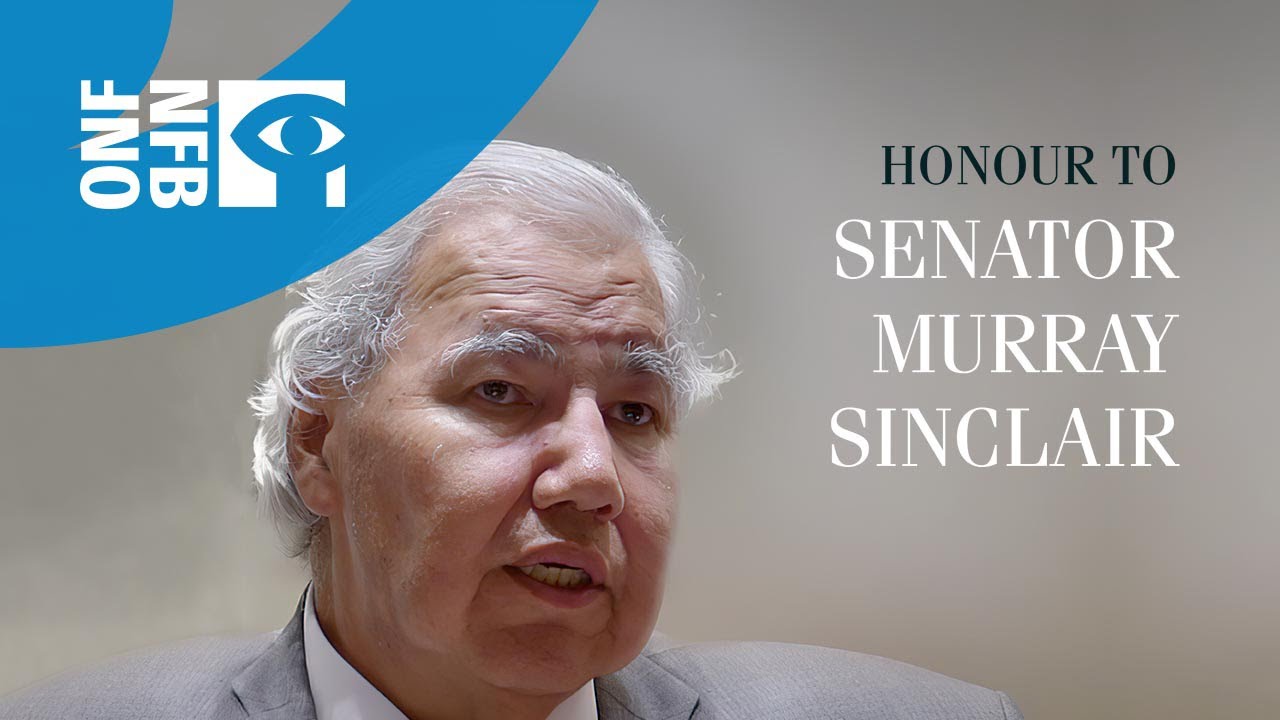
Senator Murray Sinclair's impactful speech on reconciliation highlights the painful truths of Canada's residential school system and inspires hope for a united future.
The 3000-year history of the Yamato dynasty, from Emperor Jimmu to Emperor Naruhito, illustrates the evolution of Japan's culture and national identity.
Two and a quarter million pounds were spent to restore the Flying Scotsman, which completed nearly 7,000 miles without a major fault in its first year of operation.
Jeffrey Dahmer, Steven Griffiths, and Armin Meiwes are examined through expert analysis and survivor accounts, highlighting their criminal motivations and psychological profiles.
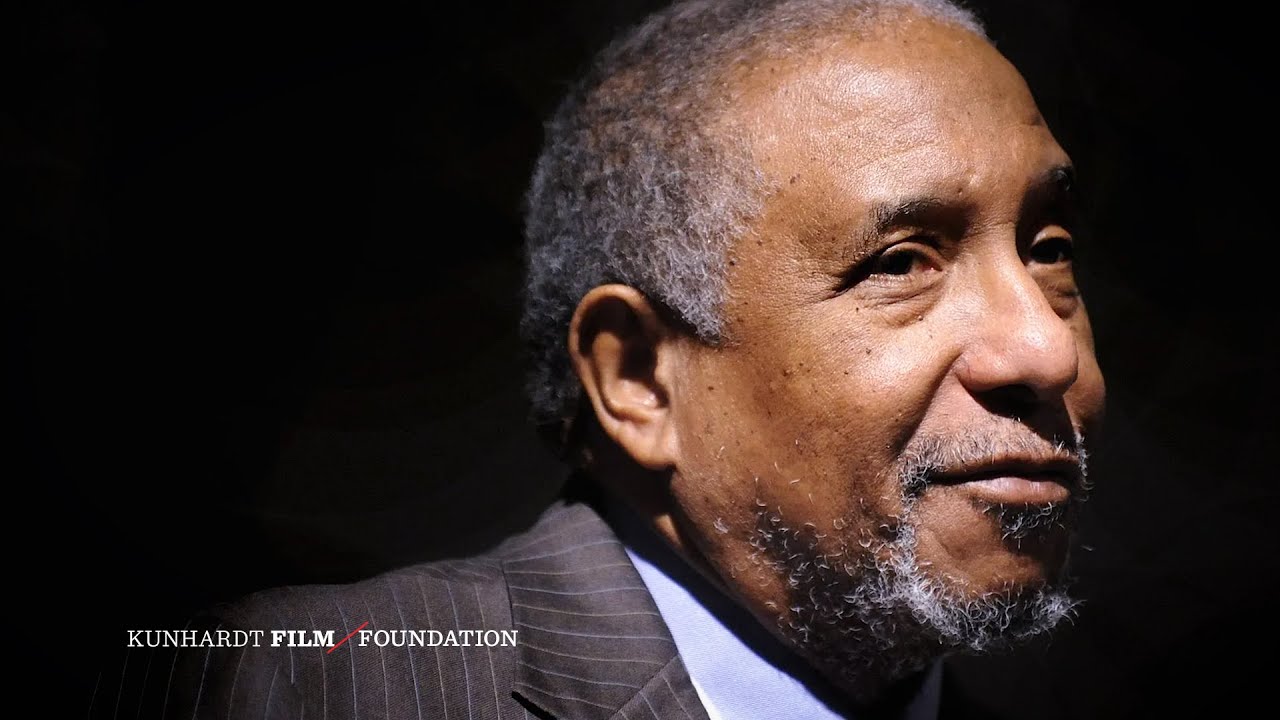
Bernard Lafayette reflects on his experiences as a Civil Rights Activist, including his time with Dr. Martin Luther King Jr. and the Freedom Rides of 1961.
The Peloponnesian War marked a brutal conflict between Athens and Sparta, highlighting the clash of democracy and oligarchy in Ancient Greece's history.
Historian David S. Reynolds analyzes the complexities of Abraham Lincoln's morality, political ambition, and personal struggles, including his response to Elijah Lovejoy's murder.
President Woodrow Wilson's visit to England in December 1918 included meetings with King George V and key political figures, showcasing post-World War I diplomacy.
The antiquities market has a long history of fakes and forgeries, including a fabricated culture that infiltrated major museums like the British Museum.
Ala Bashir served as Saddam Hussein's doctor for 22 years, providing medical care exclusively to the Iraqi political elite at a hospital for their families.
The British royal family's marriages, from arranged alliances to modern romances, reveal the complexities of love and duty amid public scrutiny and scandal.
Alma Mahler-Werfel, a prominent figure in early 20th-century Vienna, is portrayed as both a muse and a controversial personality in the realms of music and art.
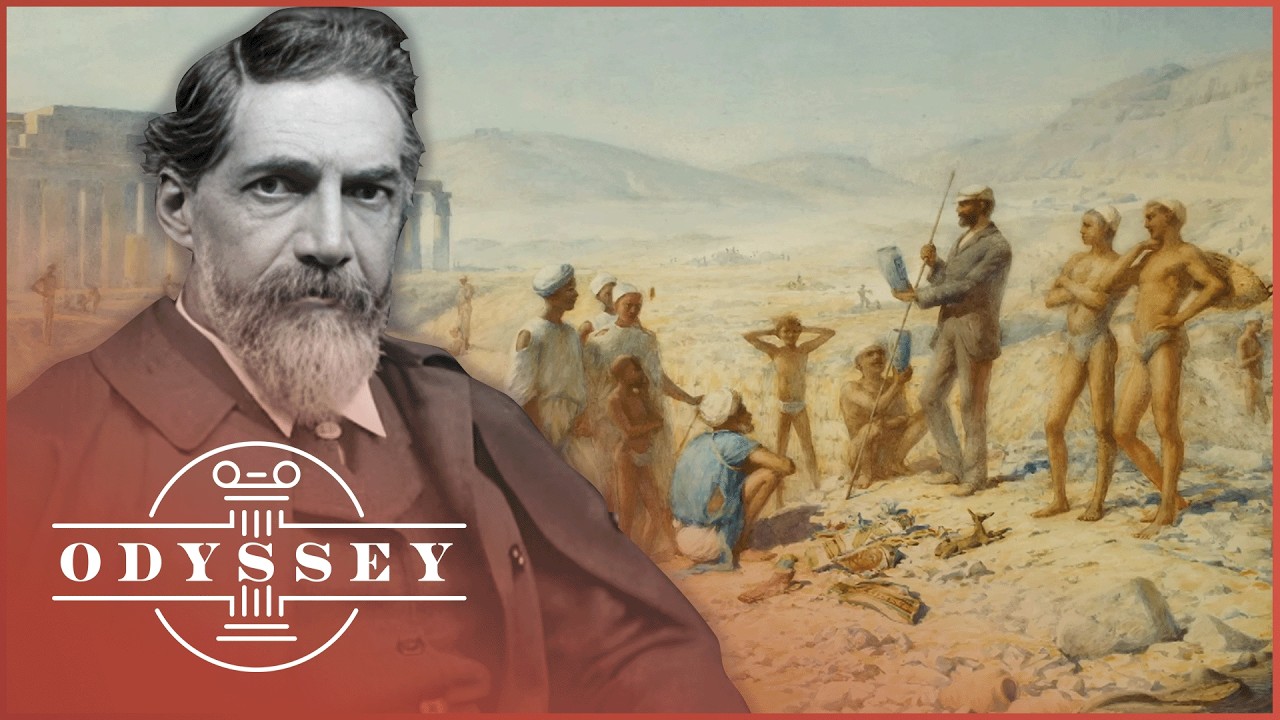
Flinders Petrie, an English Egyptologist, pioneered systematic archaeological methods to combat the vandalism of ancient Egyptian sites by treasure hunters.
The annual Independence Day celebration at the National Archives features a reading of the Declaration of Independence by historical figures and performances by the Marymount University Chamber Choir.
Reverend C.T. Vivian shares insights on Dr. Martin Luther King Jr.'s leadership, the role of Ralph Abernathy in the SCLC, and pivotal moments in the Civil Rights Movement.
Dwight D. Eisenhower's presidency is examined through his efforts in coalition building and compromise during the Cold War, as discussed by professor Louis Galambos.
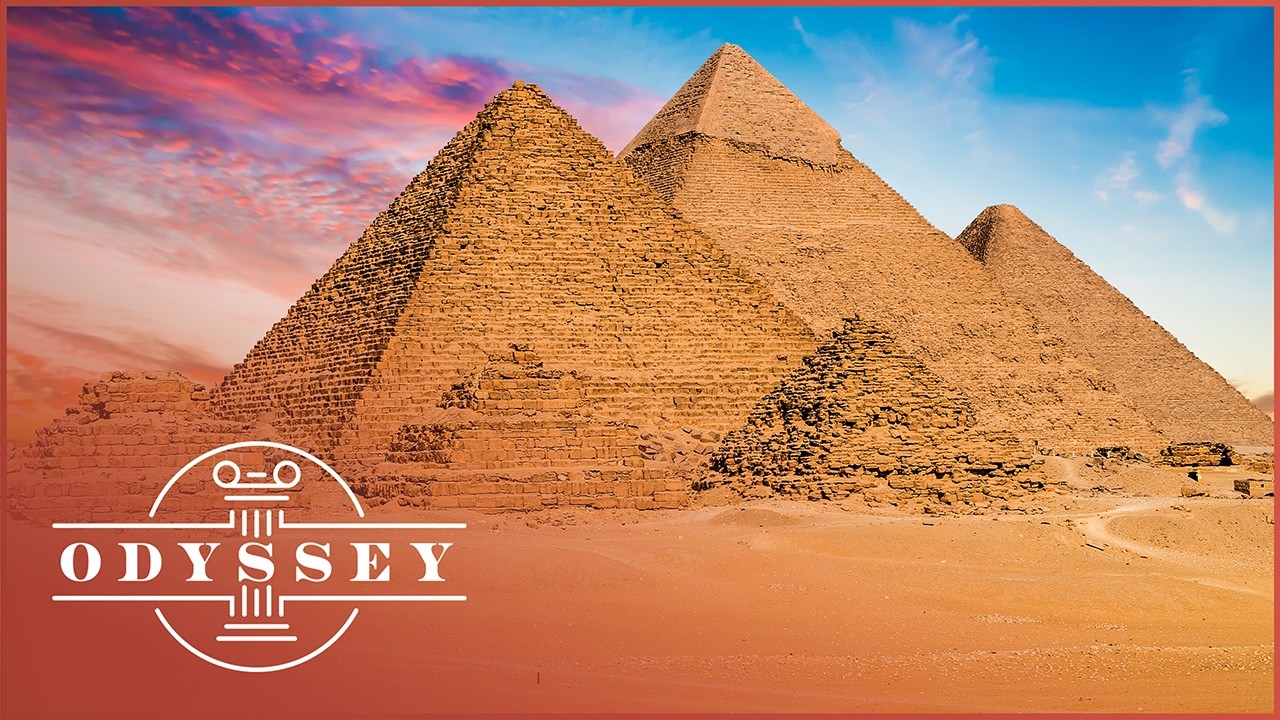
Ancient Egypt's pyramids, built over centuries, are evaluated by experts to determine which are the most significant and what they reveal about pyramid construction.
Lyon, once known as Lugdunum, showcases 2,000 years of architectural evolution, featuring Roman theatres, medieval structures, and 19th-century fortifications.
The surrender of Japan is documented through key events in the Pacific Theater, including General MacArthur's return and the signing aboard the USS Missouri.
Benjamin Franklin's relationship with his illegitimate son William, a Royal Governor imprisoned for treason during the American Revolution, reveals deep familial conflict.
Marco Polo and National Geographic's Michael Yamashita explore the historical and cultural significance of the Silk Road through land and sea travel.
Mikhail Khodorkovsky, once the wealthiest man in Russia and head of Yukos, was arrested in 2003, leading to a significant political and legal battle against the Kremlin.
81 days after leaving Fort Chippewan, Alexander Mackenzie and his crew completed a voyage of approximately 2,500 miles to reach the Arctic Ocean.
Princess Diana's life was marked by rivalry and loneliness, navigating conflicts with her husband Prince Charles, his mistress Camilla Parker Bowles, and the royal family.
Forensic geologist Scott Wolter investigates Viking exploration in North America, examining evidence from Heavener, Oklahoma, and Massachusetts to challenge historical narratives.
Forensic archaeology experts in the UK utilize advanced techniques like DNA analysis and facial reconstruction to examine 600-year-old human remains and reveal their historical significance.
Boudica, the Iceni warrior queen, led a significant revolt against the Roman Empire in 60 AD, resulting in the destruction of cities like Colchester and London.
Abraham Lincoln's legacy as the savior of the Union is examined alongside the romanticized narratives of the Civil War and its ongoing impact on American society.
Forensic geologist Scott Wolter investigates the theft of the Narragansett Stone in Rhode Island, exploring its connections to the Knights Templar and the Holy Grail.
Paul Jennings, a slave who served as James Madison's valet, bought his freedom with money loaned by Daniel Webster after Madison's death.
Ramesses II, who reigned for 66 years, sought immortality while facing health issues, as revealed by a 1976 autopsy in Paris that preserved his mummy.
Frederick Douglass, the most photographed American of the 19th century, is examined as a pioneering figure in photography and a theorist of its social impact.
Tutbury Castle, a historic fortress in England, has been a site of significant events involving Vikings, royalty, and cultural inspiration over nearly a millennium.
Agatha Christie’s literary success is analyzed through scientific methods, exploring her writing techniques and the elements that contribute to her enduring popularity.
Fifteen thousand Holocaust survivors signed a tribute to America, expressing gratitude for the freedom and dignity they found after the war.
Glasgow, Scotland's second city, is examined for its historical significance, focusing on influential figures like Saint Mungo and architect Charles Rennie Mackintosh.
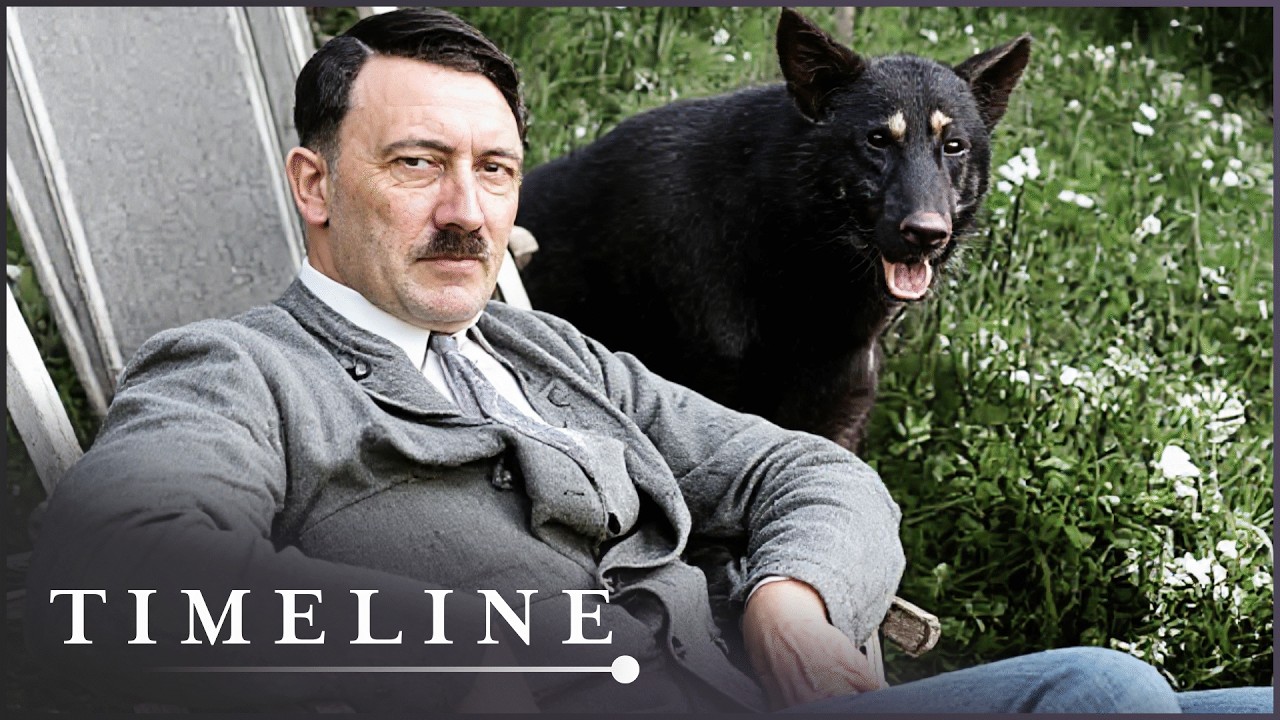
Hitler, Göring, and Himmler manipulated animal welfare and propaganda to align with Nazi ideology, revealing a complex relationship with nature.
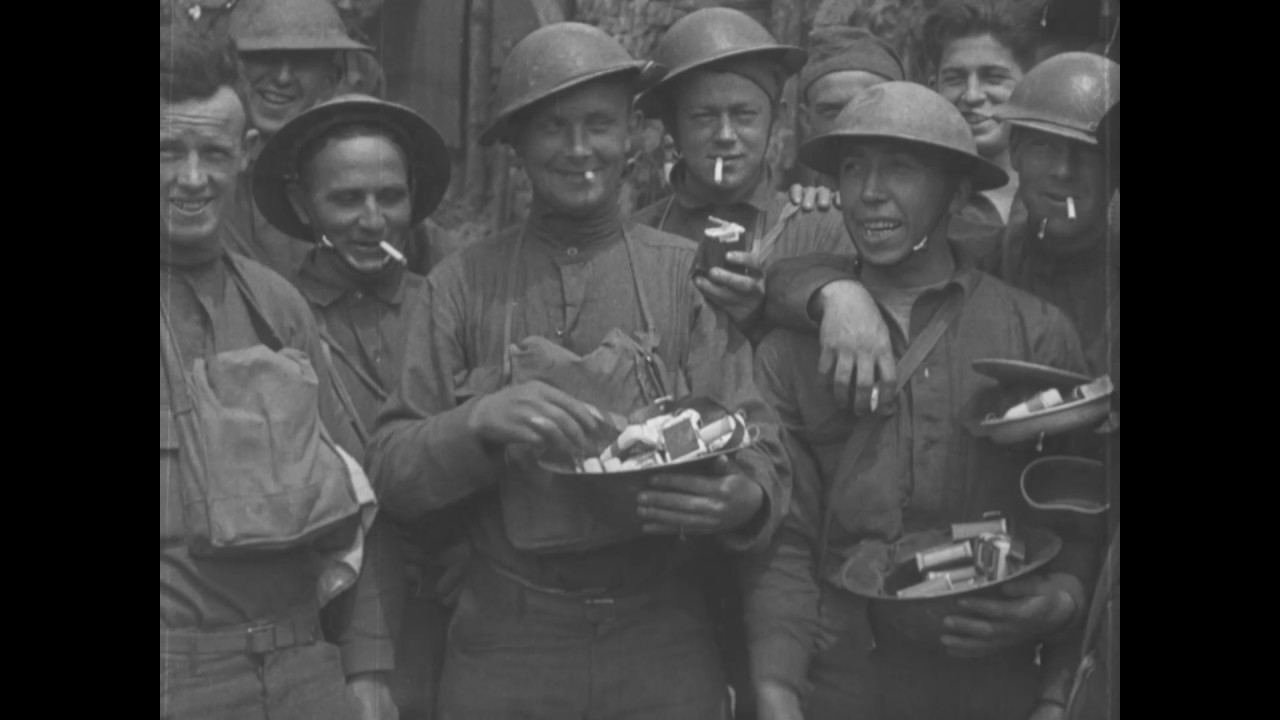
In April 1918, the 26th Division's occupation of the Toul-Boucq sector in Lorraine is documented, showcasing troop activities, trench conditions, and military operations.
In 1988, Olivier Brodard and Paul Castella undertake a humanitarian mission in Afghanistan, encountering commander Ahmad Shah Massoud and the realities of Soviet occupation.
Generals Robert E. Lee and Stonewall Jackson formed a strategic partnership that enabled the Confederate Army to achieve significant victories during the Civil War.
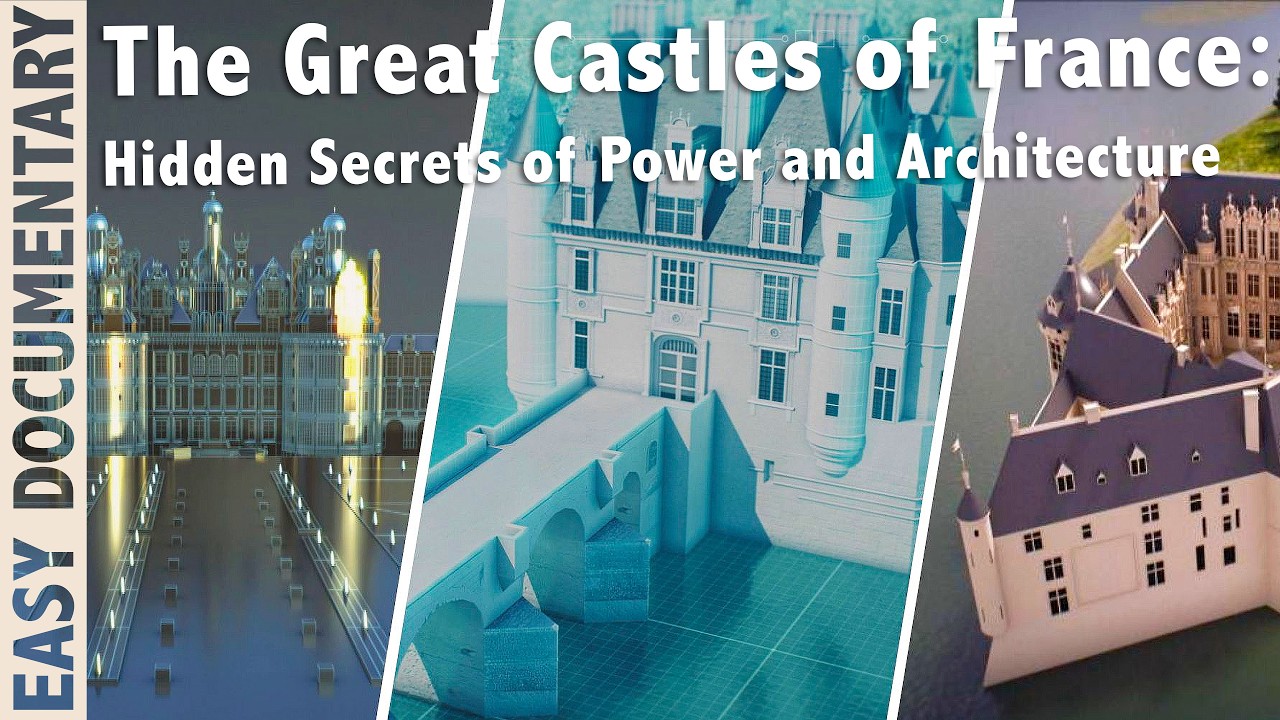
Château de Chenonceau, Chambord, and Chantilly exemplify France's architectural innovation and royal history, revealing the power dynamics and artistry of their eras.
The War Department fire on November 8, 1800, destroyed many records, prompting a focus on what survived and how it reached the National Archives.
Sarah Ferguson's tumultuous relationship with Prince Andrew and the media scrutiny surrounding her royal life are examined in this exploration of her departure from Buckingham Palace.