From over 100,000 films, discover the handful you'll love.
Free or premium access to the world's largest documentary library.
3629 films(Page 33 of 76)
In 1692, the Salem witch trials in Massachusetts resulted in the execution of 20 individuals and the imprisonment of many others amid widespread hysteria.
Doddington Hall, a 400-year-old Elizabethan manor in Lincolnshire, showcases its Georgian interiors and a collection of over 900 British military uniforms from the Churchill Era.
Lady Diana Spencer's transformation from a nursery school teacher in England to an international icon is explored through her childhood, friends, and early life experiences.
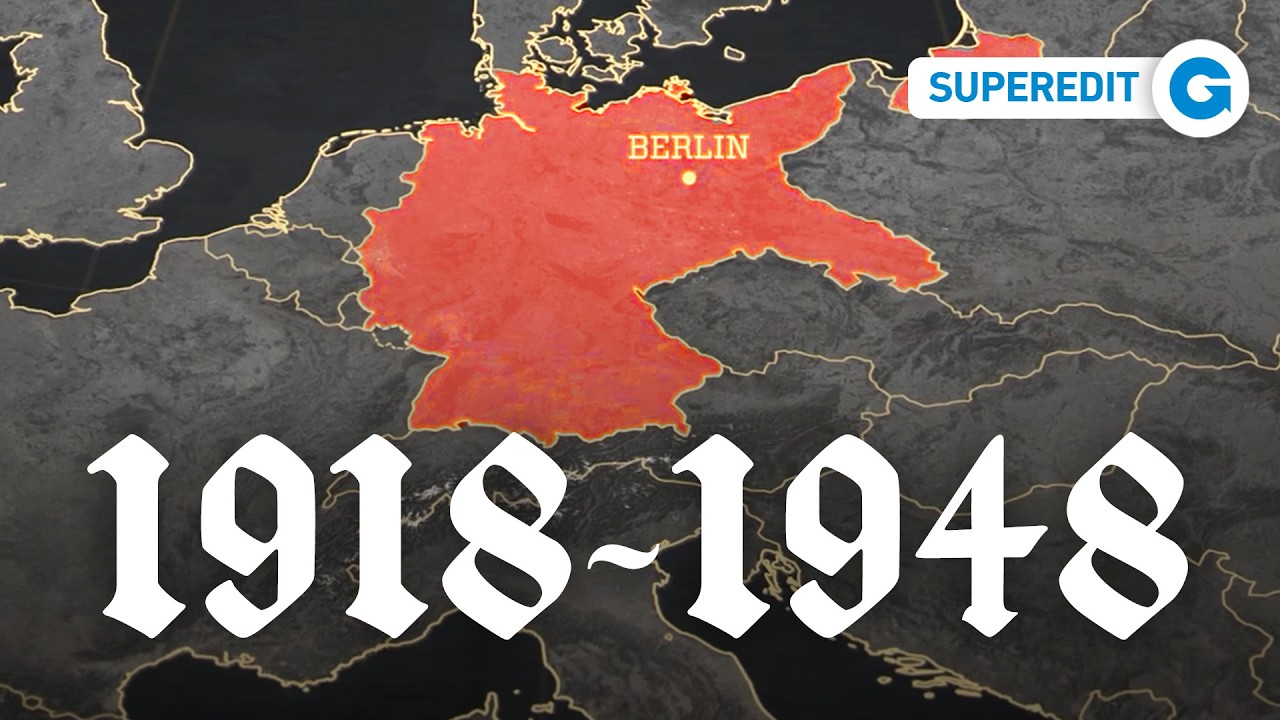
Adolf Hitler's rise to power, the establishment of the Nazi dictatorship, and the subsequent collapse of Nazi Germany are examined through historical events from 1918 to 1948.
Vienna's Kunsthistorisches Museum reveals the legacy of the Habsburgs through Emperor Maximilian I's mechanical armor, a $58 million art heist, and a family curse.
Monasteries served as vital social hubs in the Middle Ages, providing hospitality and support to individuals from various social classes, as explored by historian Ruth Goodman.
Herod the Great ruled Judea for 37 years, transforming it into an international trading state while facing deep-seated opposition from the Jewish population.
On January 16, 1979, Mohammad Reza Pahlavi boarded a military helicopter for his last trip from Iran, marking the beginning of his 19-month exile.
Mythological narratives, including those of Alexander the Great and the Trojan War, are examined for their historical origins and societal implications on love and war.
Renowned archaeologist John Romer examines the authorship and historical context of the Bible through archaeological evidence from sites like Jericho and Jerusalem.
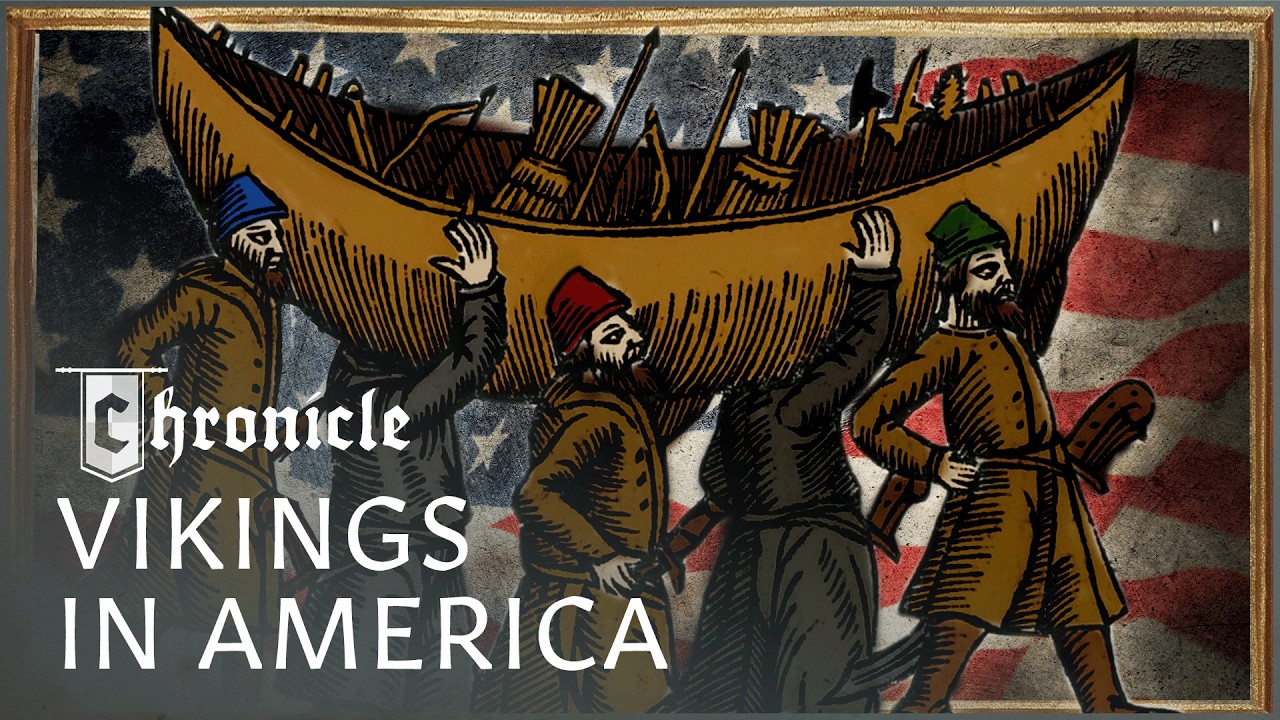
Viking exploration across Europe and North America is examined through satellite technology and expert analysis, challenging established views on their settlements.
In the aftermath of the fall of Rome, monks in Scotland and Ireland played a crucial role in preserving Christianity, paving the way for Charlemagne and the Holy Roman Empire.
NASA's Apollo 11 mission is examined through archival footage, astronaut interviews, and artifacts from the Smithsonian's National Air and Space Museum.
Albert Speer, a key figure in Nazi Germany, exploited millions of slave laborers and later portrayed himself as the "Good Nazi" while evading full accountability for his actions.
Ettore Majorana, an Italian physicist known for his groundbreaking work in quantum physics and neutrino theory, mysteriously vanished in 1938, leaving behind a legacy of intrigue.
Benedict Arnold's decision to betray the American Revolution and ally with the British forces marks a pivotal moment in U.S. history, forever branding him a traitor.
Rollo, a Viking chieftain born around 860 AD, founded Normandy after negotiating the Treaty of Saint-Clair-sur-Epte in 911, shaping medieval European history.
Established in 1097, Brotten Hall has been home to the Tempest family for over 900 years, evolving into Brotten Sanctuary focused on well-being and nature.
Mary Magdalene is portrayed as a significant figure in Christianity, recognized as the 'Apostle of the Apostles' and a powerful feminist voice in religious history.
Adolf Hitler's speeches and writings, combined with testimonies from his inner circle, reveal his conflicting beliefs about victory and defeat during World War II.
David Adams traces the legendary route of Jason and the Argonauts across the Black Sea and Caspian regions, exploring the historical context of their quest for the Golden Fleece.
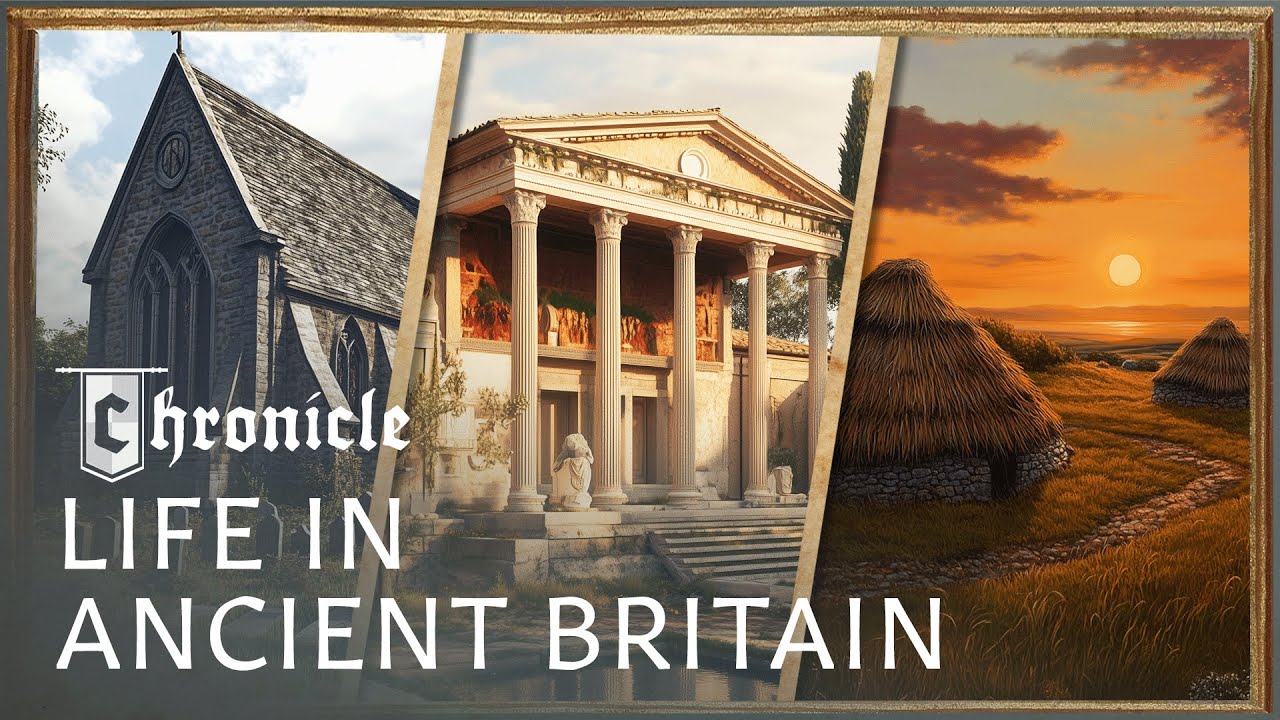
Dr Alice Roberts and her team investigate significant archaeological finds from Great Britain, including early Christian burial rituals and Viking hoards.
Ching Shi led a fleet of up to 70,000 pirates in the early 19th century, challenging the male-dominated image of piracy in history.
In Central Asia and Afghanistan, an expedition seeks to identify a forgotten civilization linked to Alexander the Great and the myth of Jason and the Argonauts.
Ancient Athens stands as a testament to the extraordinary achievements of its builders, thinkers, and inventors, shaping the course of Greek history.
Eric Brown, a naval officer and test pilot born in 1919, holds records for the most types of aircraft flown and most carrier take-offs and landings.
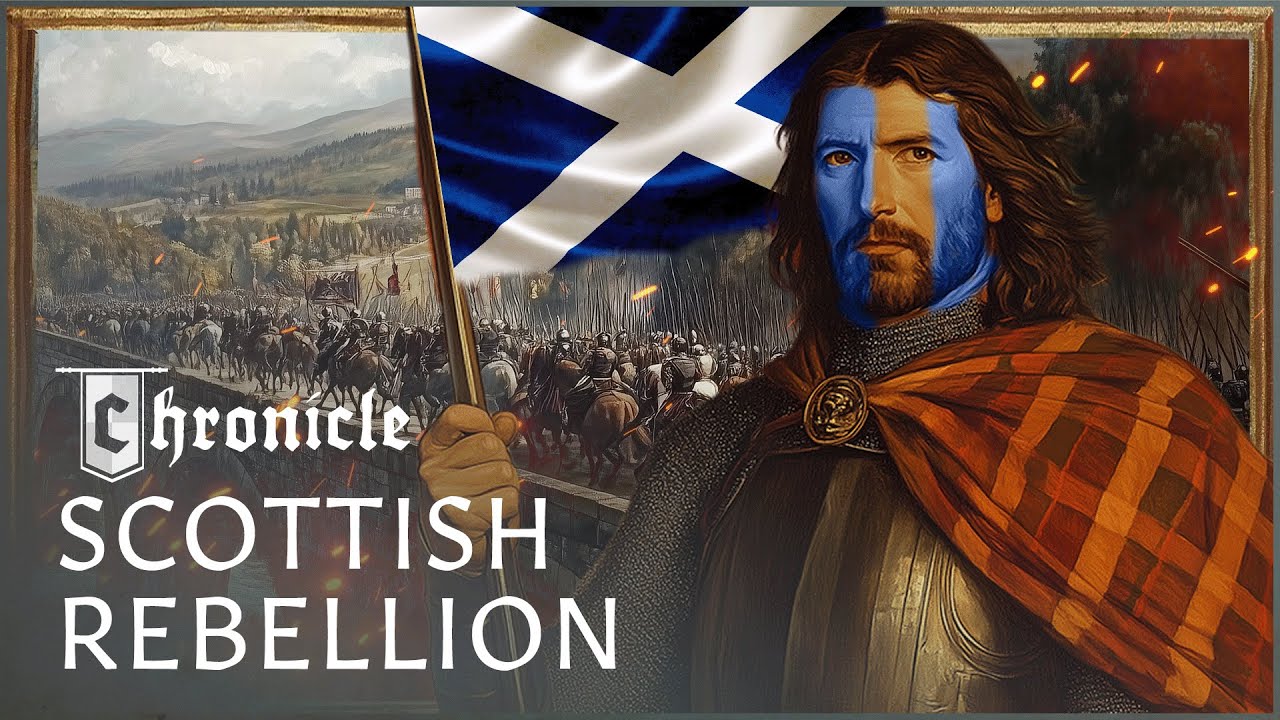
William Wallace, a Scottish knight and freedom fighter, led the resistance against English rule in the late 13th century, notably defeating them at the Battle of Stirling Bridge.
The Thirty Years' War began with the Bohemian revolt and the coronation of Frederick V, leading to the pivotal Battle of White Mountain and a continent-wide power struggle.
Homo ergaster, the earliest human ancestors from southern Africa, exhibited unique adaptations that paved the way for the evolution of modern humans.
St. Patrick was kidnapped by Irish pirates and sold into slavery before escaping to return to Ireland and spread Christianity in the 5th century.
Excavations at Jacob's Ford, a Crusader fortress built in 1179, reveal its unfinished state and the brutal siege that led to its fall to Saladin's forces.
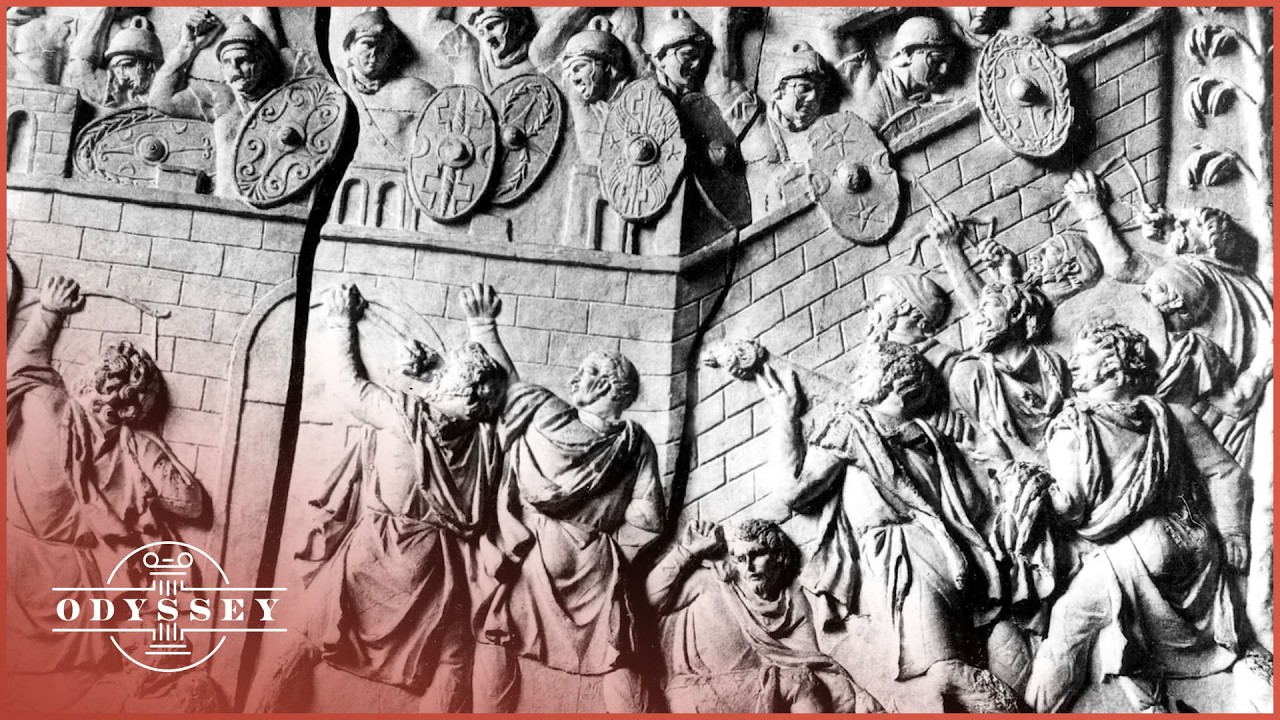
Ancient Rome's complex history is explored through its rise to power and eventual decline, highlighting key events and figures that shaped the empire.
Three songs from the Soviet East reflect the widespread admiration for Lenin, who is described as a friend and deliverer of every slave.
The Trojan War, often regarded as a significant historical event, is examined for its blend of myth and reality, revealing the complexities of its true origins.
At the Spitfire Factory in Biggin Hill, a 1943 Mark 9 undergoes meticulous restoration, featuring insights from a female WW2 flight mechanic and a historic display.
Abu Rawash, an ancient Egyptian site near Cairo, reveals insights into the construction and eventual disappearance of a pyramid that has puzzled historians.
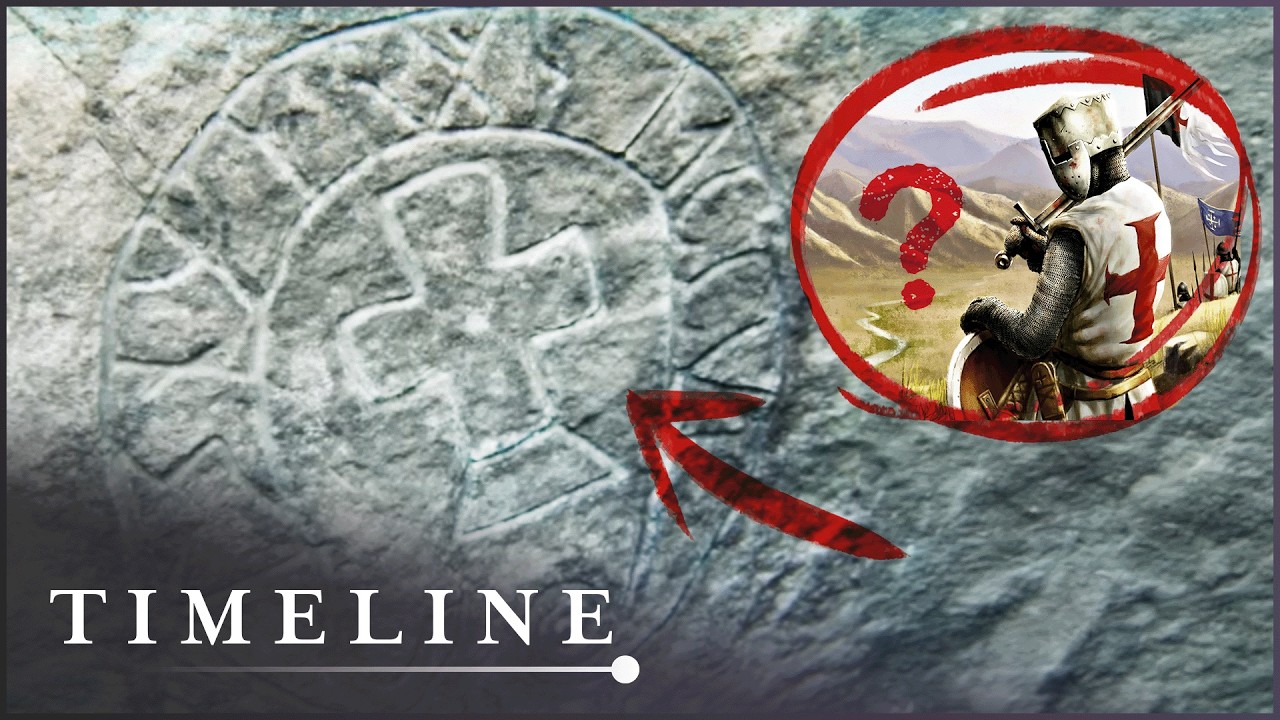
Forensic geologist Scott Wolter investigates the Knights Templar's legacy in America, examining coded symbols and historical sites from Pennsylvania to France.
Medieval weaponry is examined through the lens of the Japanese yumi bow, the Knights Templar's rise to power, and the significance of tournaments in European culture.
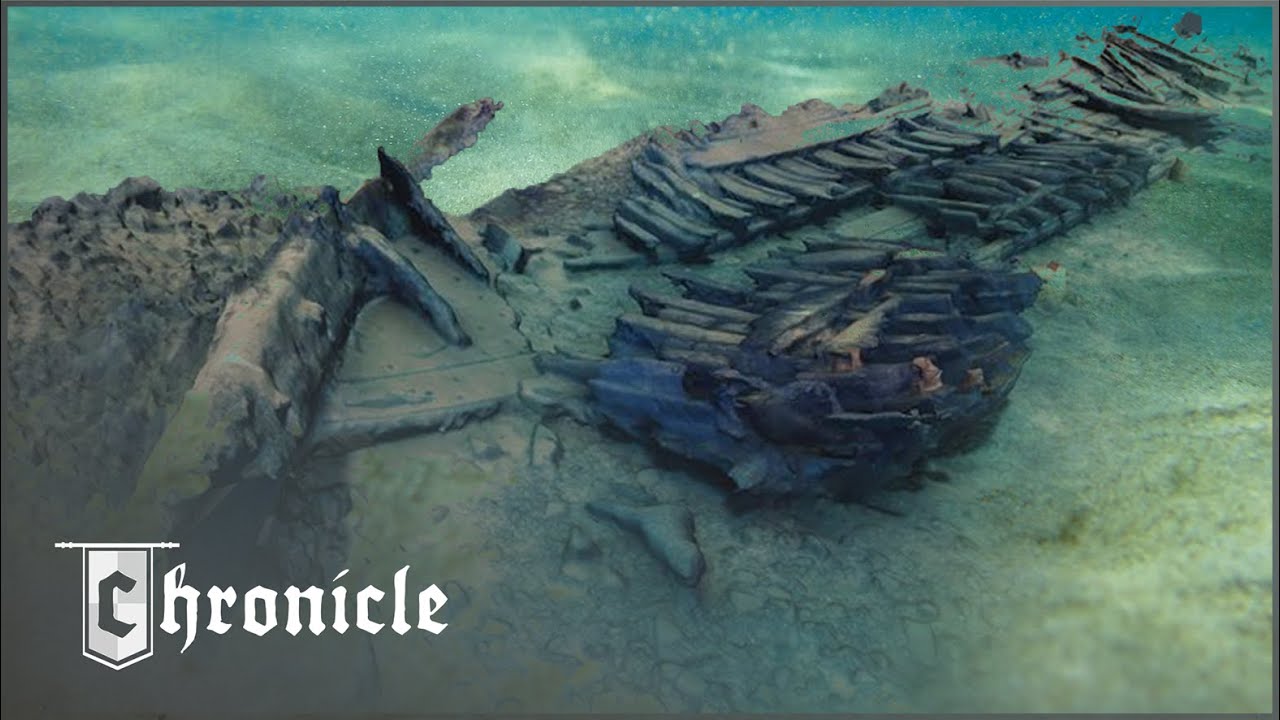
The Gresham Ship, a Tudor shipwreck, reveals insights into Sir Thomas Gresham's maritime ventures and the economic landscape of Henry VIII's England.
Joe Strummer, the founding father of punk rock, died of a heart attack on December 22, 2002, at his home in Somerset.
Richborough, a significant Roman-occupied site in Britain from 43 AD to the Roman departure, showcases its complex history through archaeological remains with insights from Andrew Roberts and Tristan Hughes.
Seven airplanes make up the fleet of Wardair, a small airline founded by Max Ward, who advocated for deregulation in Canada's aviation industry.
On March 20, 2003, the U.S. launched its first attack on Iraq while Usama Alshaibi was on his honeymoon in Amsterdam, prompting his return to Baghdad after 24 years.
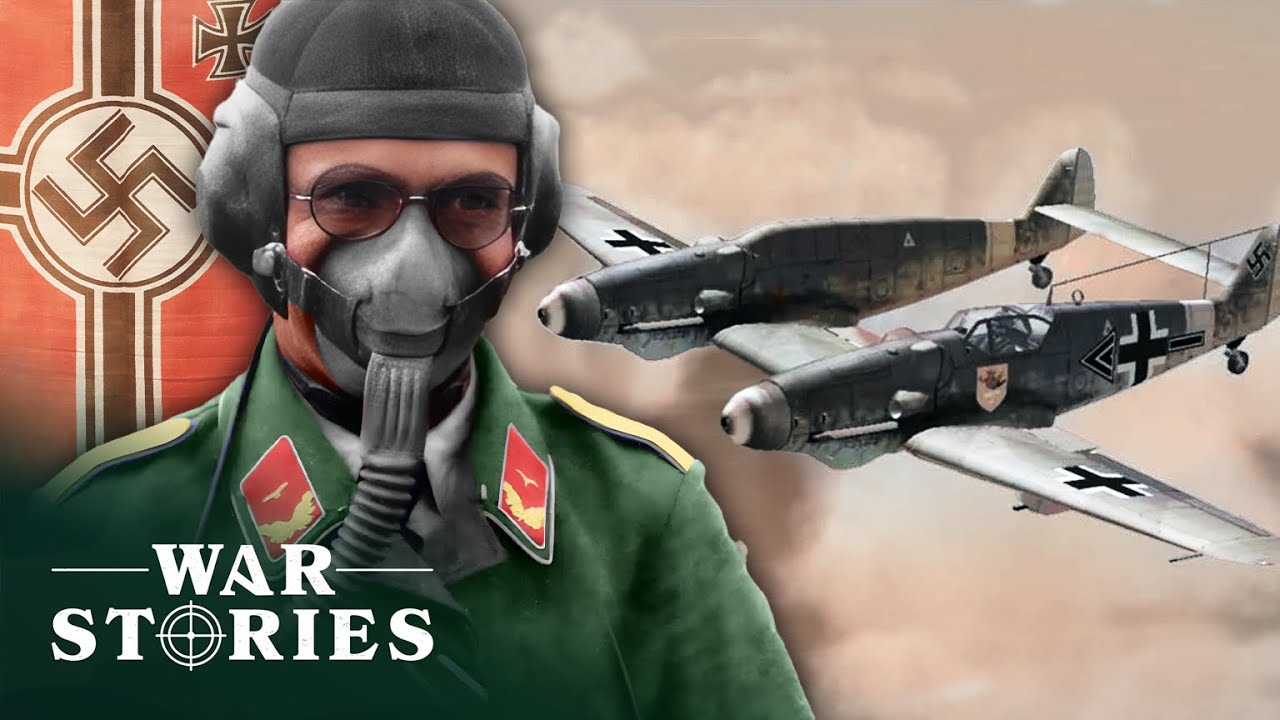
Erich Hartmann achieved 352 aerial victories during World War II, making him the most successful fighter pilot in history.
Adolf Hitler's military strategy during World War II, marked by critical errors such as the Dunkirk evacuation and Operation Barbarossa, significantly weakened the German war effort.
Easter Island was settled by Polynesian people around 900 or 1,000 AD, who developed a deep knowledge of the stars for navigation and agriculture.
In 1817, Giovanni Belzoni's exploration in Egypt led to the discovery of the largest tomb in the Valley of the Kings, belonging to Ramesses the Great.
James Dean died in 1955 at the age of 24 after starring in just three films, one of which was released before his death.