From over 100,000 films, discover the handful you'll love.
Free or premium access to the world's largest documentary library.
3628 films(Page 5 of 76)
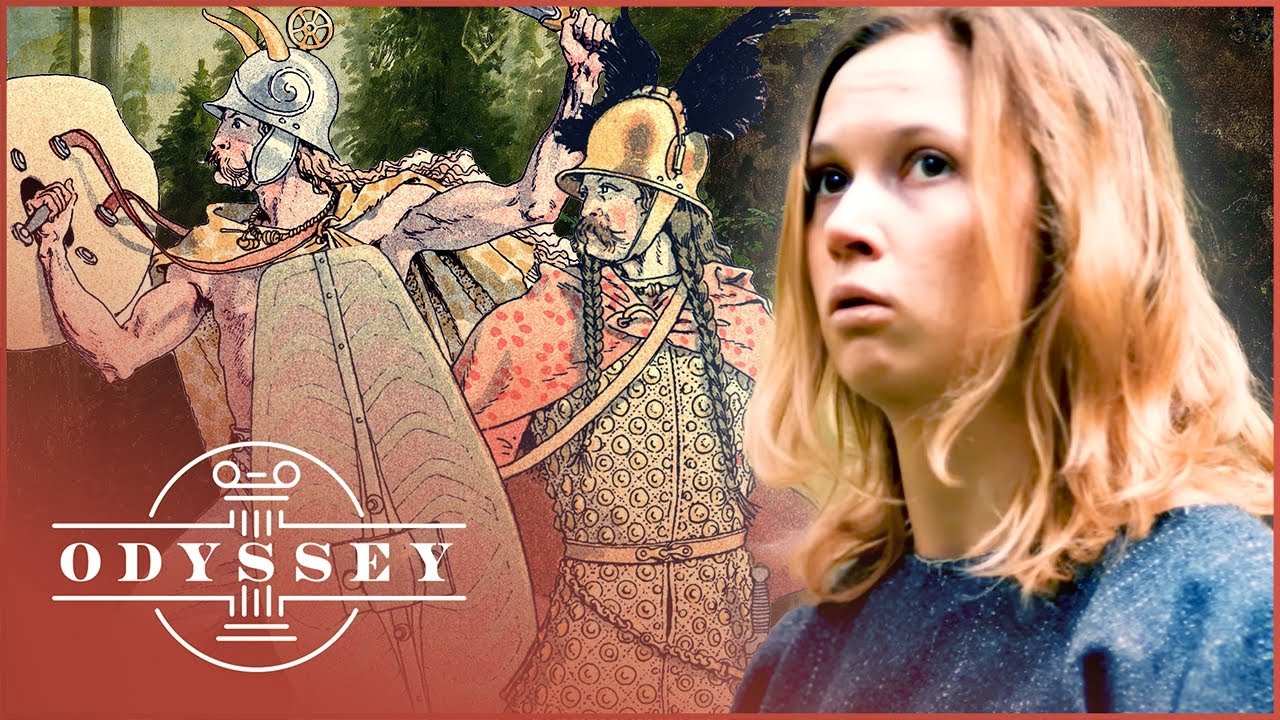
The Egtved Girl, a remarkably preserved Bronze Age woman found in Denmark, provides insights into the daily life of people in Bronze Age Europe.
In Sudan, David Adams explores the Nile's historical significance while reflecting on the region's ancient fortresses and its violent past.
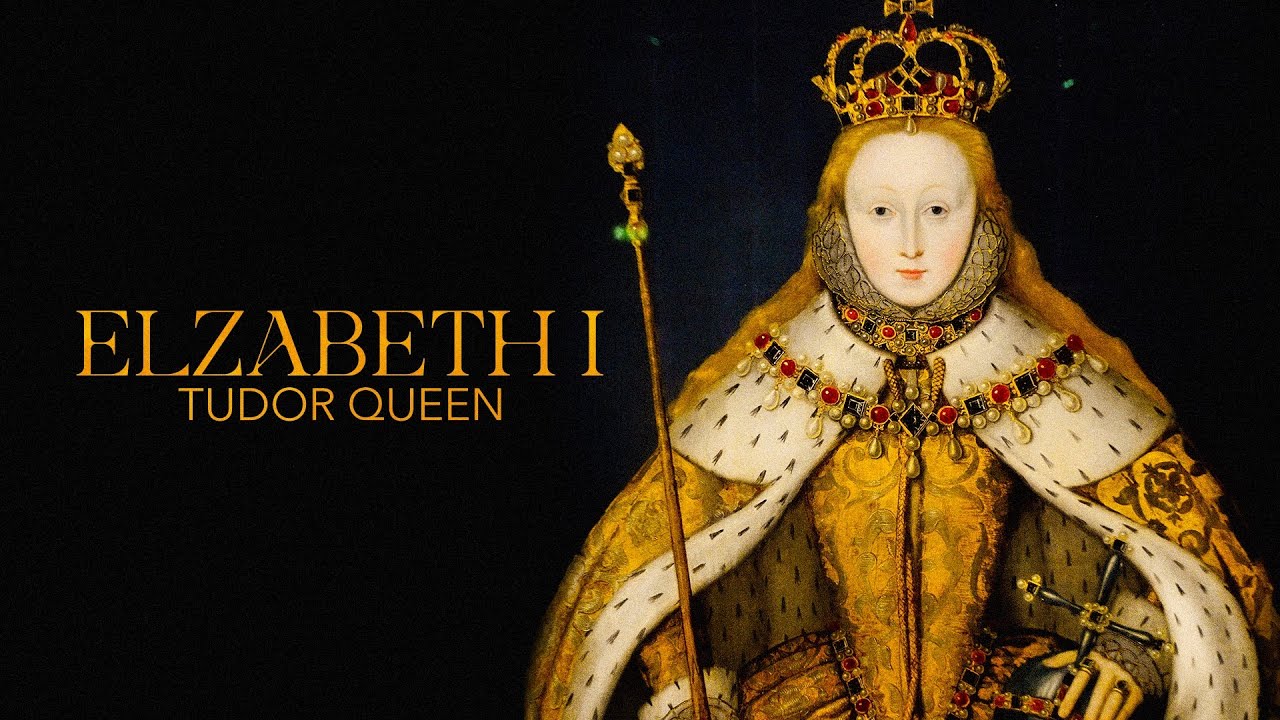
Elizabeth I reigned for over 40 years, becoming the first English queen to rule independently without a king.
Karl Marx was born on May 5, 1818, in Trier, Germany, where his affluent family owned vineyards and engaged with Enlightenment ideas.
SS Death's Head Rings, issued to members of the Nazi SS under Heinrich Himmler, were linked to an obsession with Nordic mythology and the occult, with production halted in 1944.
Tsar Nicholas II was born on May 18, 1868, at the Alexander Palace in Tsarskoe Selo, the imperial retreat outside St Petersburg.
Adolf Eichmann was born on March 19, 1906, in Solingen, Germany, and became a key architect of the Holocaust during World War II.
Charles I's peace efforts during World War I, including the controversial Sixtus Affair, marked the decline of the Habsburg Dynasty and the Austro-Hungarian Empire.
One room in a log cabin in Kentucky served as the birthplace of Abraham Lincoln on February 12, 1809.
Saddam Hussein ruled Iraq from 1979 until 2003, a period marked by the Iran-Iraq War and the Gulf War, which had lasting impacts on the nation.
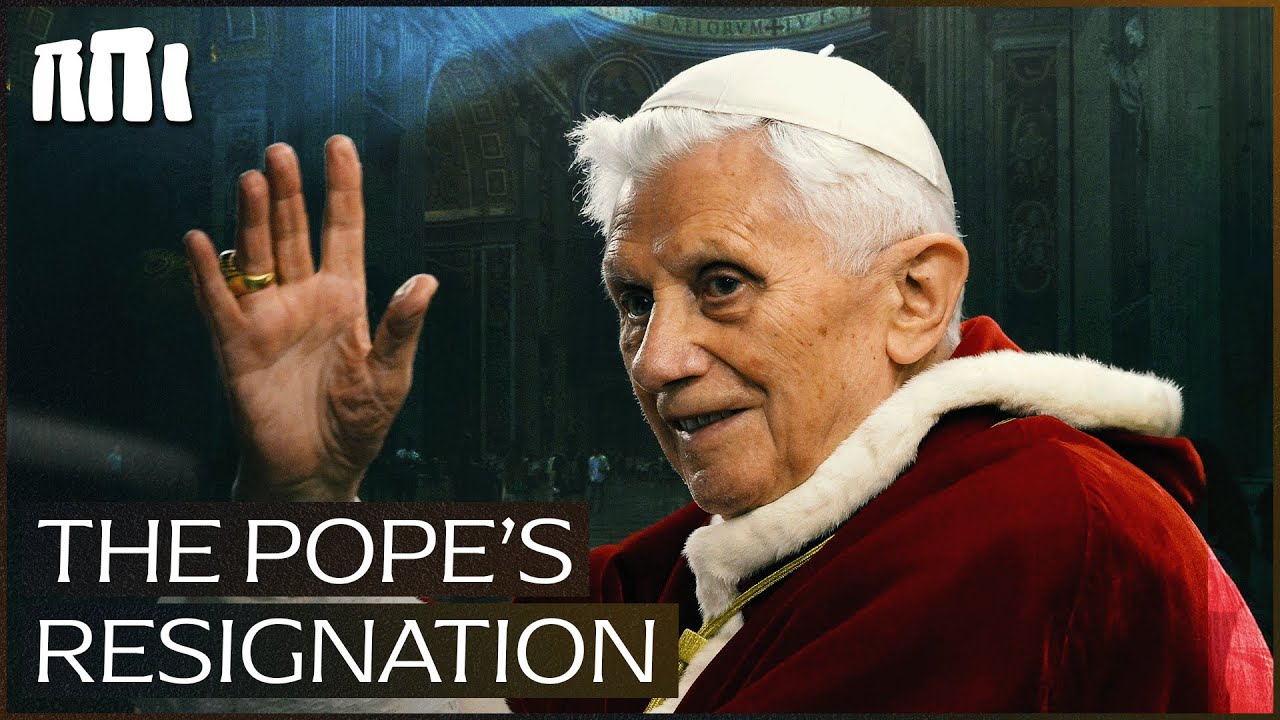
Pope Benedict XVI's resignation on February 11, 2013, marked the first papal abdication in nearly 600 years, sending shock waves around the world.
In 1500, England's population had dropped to 2.5 million due to the Black Death, while monasteries controlled much of the farmland and influenced daily life.
More than 40 human skeletons were found in two boat graves in Estonia, dating back to at least 100 years before the first recorded Viking raid.
Sir Francis Drake, the first Englishman to circumnavigate the globe, raided Spanish settlements and participated in the transatlantic slave trade.
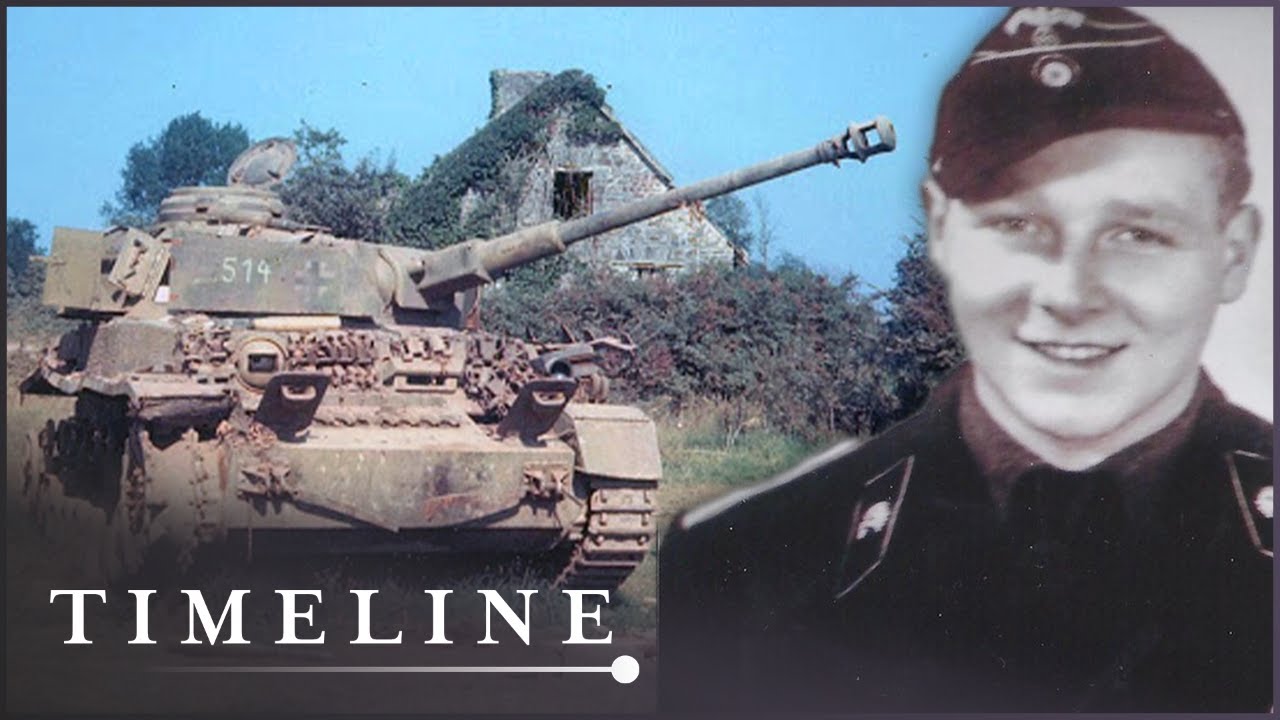
Between 1940 and 1945, the German army lost 50,000 tanks and 4 million men on the Eastern Front during World War II.
Trevor Noah reflects on his experiences of not fitting in while performing stand-up comedy in front of a South African audience.
Enzo Ferrari was born on February 20, 1898, in Modena, Italy, where his father ran a manufacturing business from their family home.
First-century Judea is examined through the lens of daily life, healthcare, and legal systems, highlighting the context surrounding the events of the Christian Bible.
Hideki Tojo was Prime Minister of Japan from 1941 to 1944 and played a crucial role in instigating World War II in the Pacific.
Josephine Bonaparte was born on June 23, 1763, in Martinique, where her family struggled financially despite owning a sugar-cane plantation.
Ancient civilizations such as Egypt, Rome, Greece, and the Mayans are explored through their monumental achievements and cultural legacies.
Adolf Hitler's rise to power and the subsequent decline of Nazi Germany are chronicled through rare color footage from 1933 to 1945.
Wolfgang Amadeus Mozart was born on January 27, 1756, in Salzburg, Austria, and began composing music at the age of five.
Albert Speer was born on March 19, 1905, in Mannheim, Germany, into a family with a long history in architecture.
The tomb of the First Emperor covers 22 square miles, making it larger than Egypt's Valley of the Kings and one of the greatest burial complexes in the world.
Adolf Hitler's rise to power in Germany and the subsequent establishment of the Nazi regime are examined through the lens of World War II's hidden narratives.
Eighteen-year-old British conscripts were sent to the Western Front in March 1918 as the Germans launched a final offensive during World War One.
On 18 June 1815, the Battle of Waterloo marked a decisive moment in history, as ordinary soldiers faced the chaos of war, narrated by actor Sean Bean.
In Oxfordshire, archaeologists investigate a potential medieval castle site believed to be linked to Empress Matilda during the Anarchy period of English history.
On April 22, 1176, Saladin led his Ayyubid forces against the Zengid army outside Tell Sultan in modern-day Syria.
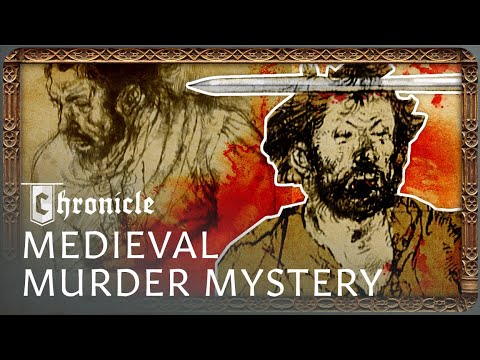
A live dig at a ruined Norman church in Norfolk reveals numerous archaeological finds, including a brutally murdered skeleton and artifacts from various historical periods.
In Lavenham, the 600-year-old Crooked House, built in 1395, stands as a remarkable example of medieval timber-framed architecture from England's wool trade era.
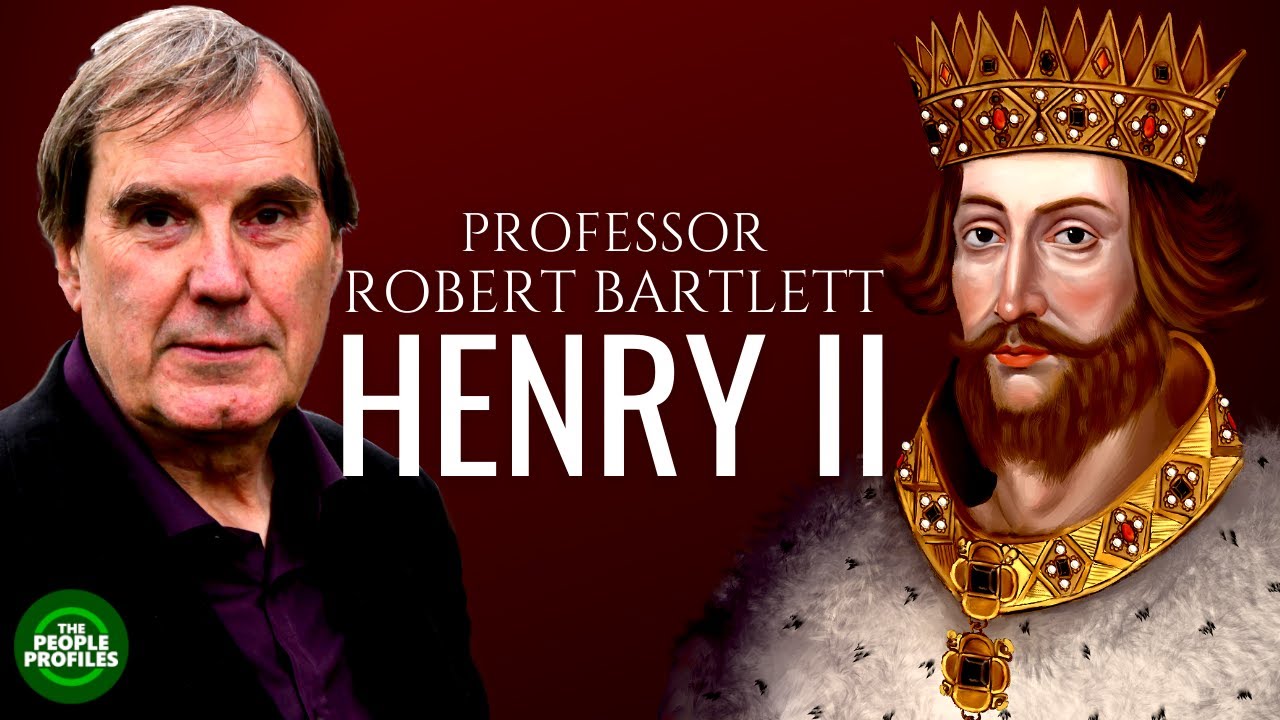
Henry II ruled England for 35 years from 1154 to 1189 and is often referred to as the first Plantagenet king.
The British Channel Islands experienced a complex occupation from 1940 to 1945, marked by collaboration, resistance, and the harsh realities of life under Nazi rule.
Rollo of Normandy, born around 860 AD, was a Viking who became the founder and first ruler of the Duchy of Normandy.
31 men, 14 horses, and 11 laptops are deployed in Mongolia to search for the long-lost burial site of Genghis Khan.
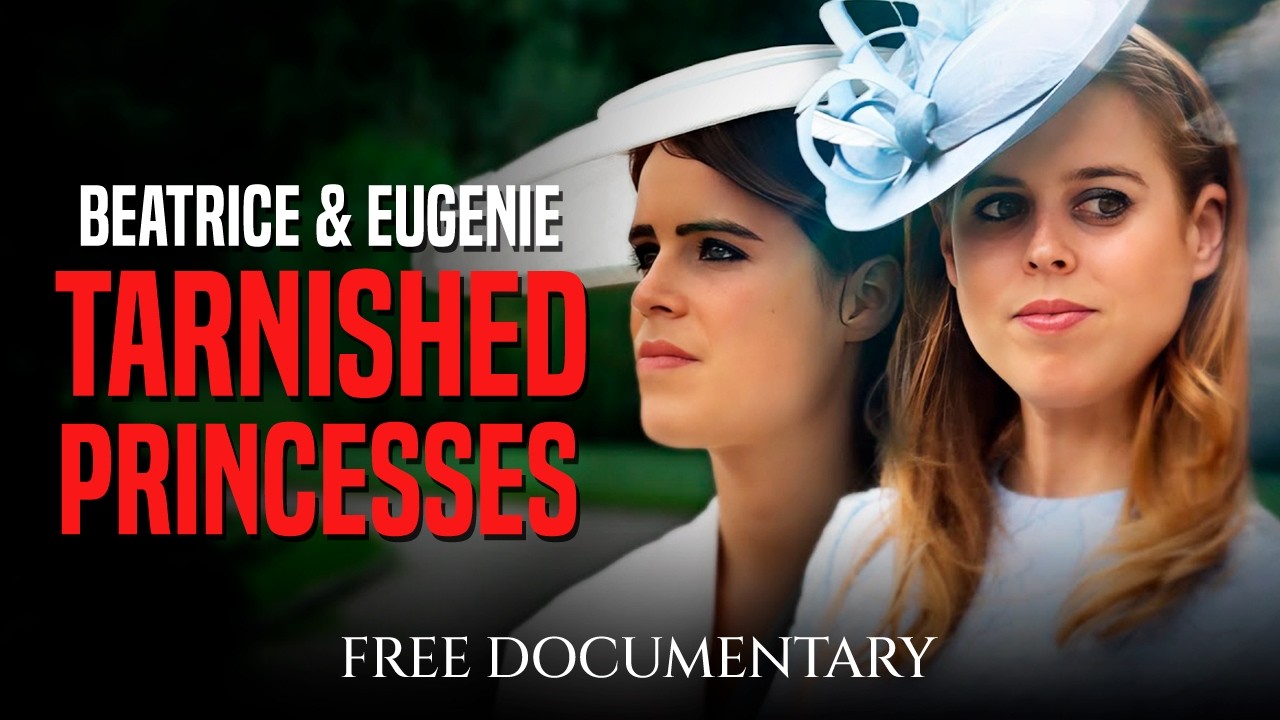
Princesses Beatrice and Eugenie navigate the challenges of royal life and intense media scrutiny while coping with their parents' public struggles and personal isolation.
Louis XIV was born on September 5, 1638, and became one of the most important kings in French and European history.
Tiberius Claudius Nero was born on November 16, 42 BC, in Rome and later became the second emperor of the Roman Empire.
Martin Bormann, born on June 17, 1900, became a key figure in the Nazi regime and was last seen fleeing Berlin on May 1, 1945.
Ancient China, known for its remarkable achievements and powerful dynasties, is explored through its unification, cultural heritage, and iconic sites like the Terracotta Army.
Vauban's innovative star-shaped fortifications in France, built over three centuries ago, exemplify military engineering that has withstood numerous historical conflicts.
A three-year expedition in the Black Sea led by archaeologists revealed a perfectly preserved 2,000-year-old Roman cargo ship and an ancient Greek vessel from 500 BC.
In medieval London, guilds like the Grocers’ Guild wielded significant power and influence, shaping the lives of merchants and tradesmen in the city.
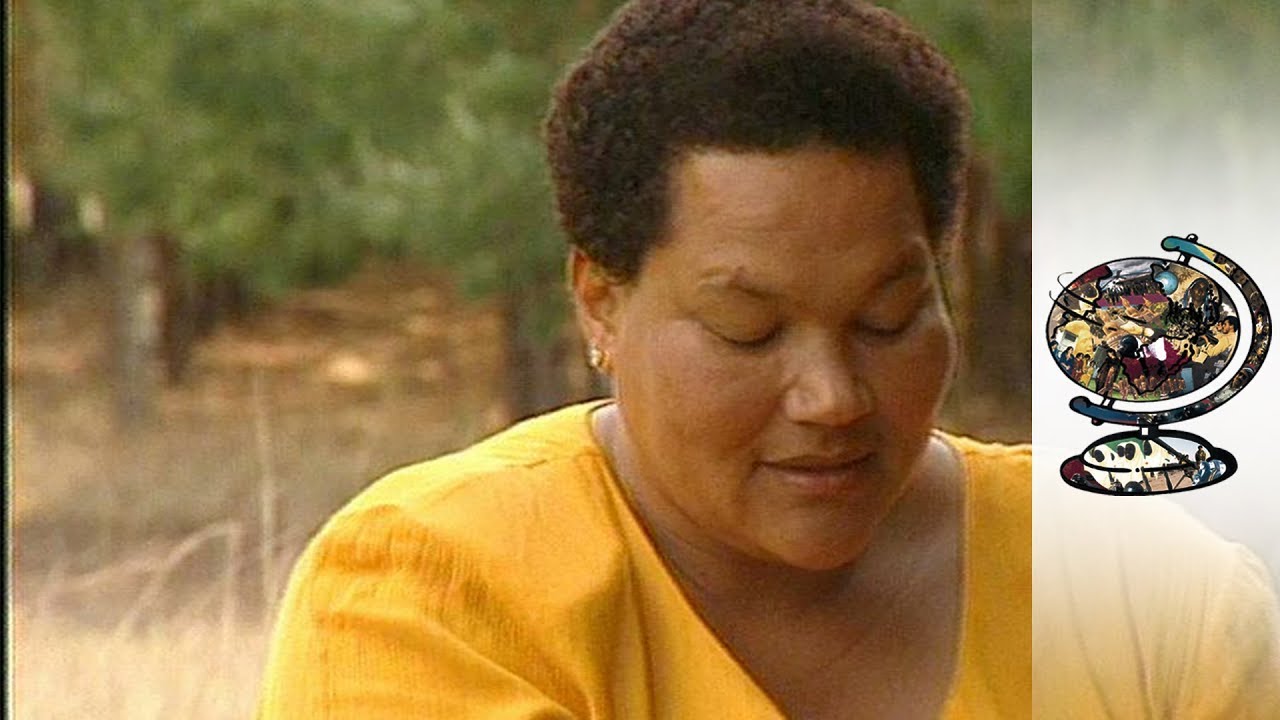
Sandra Laing was expelled from school at age 10 after being misidentified as black due to her darker skin, despite being born to white parents in South Africa.
Fidel Castro was born on August 13, 1926, in Biran, Cuba, to a father who emigrated from Spain and became a successful agricultural businessman.
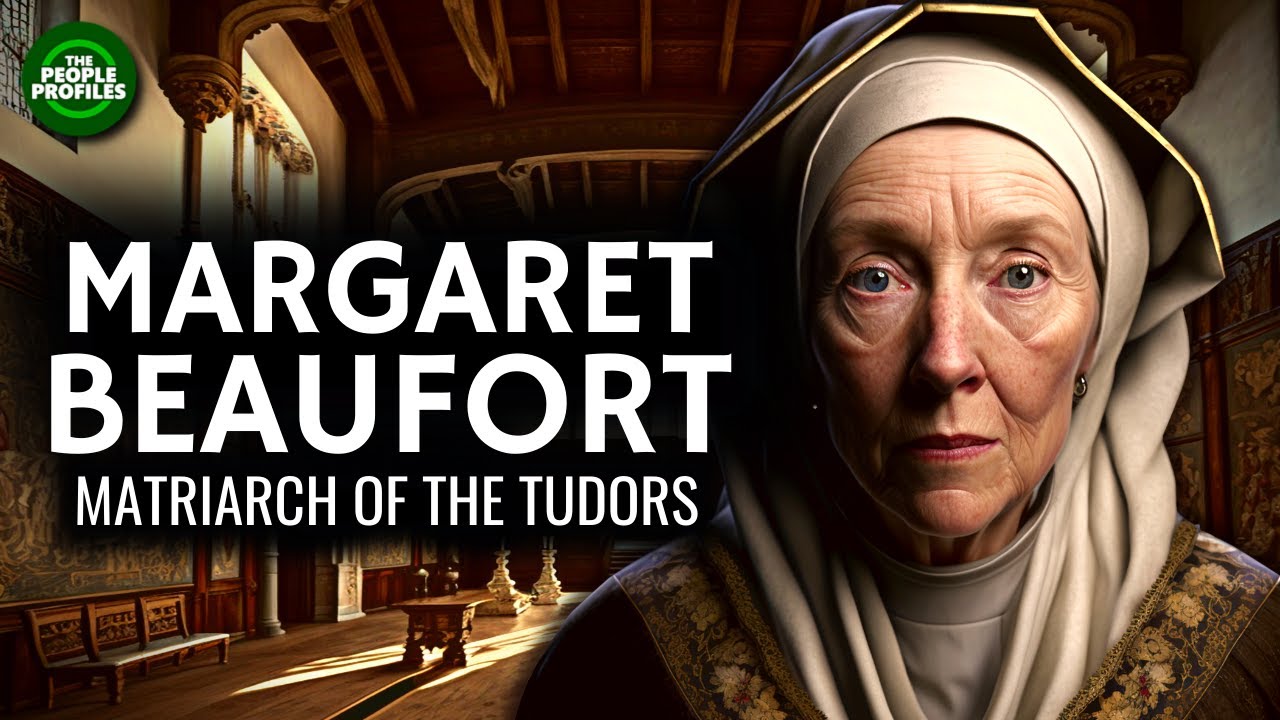
Margaret Beaufort was born on May 31 in either 1441 or 1443 at Bletsoe Castle, Bedfordshire, and played a crucial role in legitimizing her son Henry's claim to the throne.
Queen Elizabeth II's death on September 8, 2022, marked the end of a 70-year reign characterized by significant historical events and global emotional responses.