From over 100,000 films, discover the handful you'll love.
Free or premium access to the world's largest documentary library.
3628 films(Page 56 of 76)
115 years before John F. Kennedy addressed the Irish Parliament, his great grandparents left Ireland for America in search of a better life.
Aubrey Paris and Emily Black analyze the 2004 film National Treasure, exploring its historical context, character ethics, and behind-the-scenes insights.
Dr. Gregory Nobles discusses Betsey Stockton's life as a former slave who became a pioneering educator in the Hawaiian Islands during the 19th century.
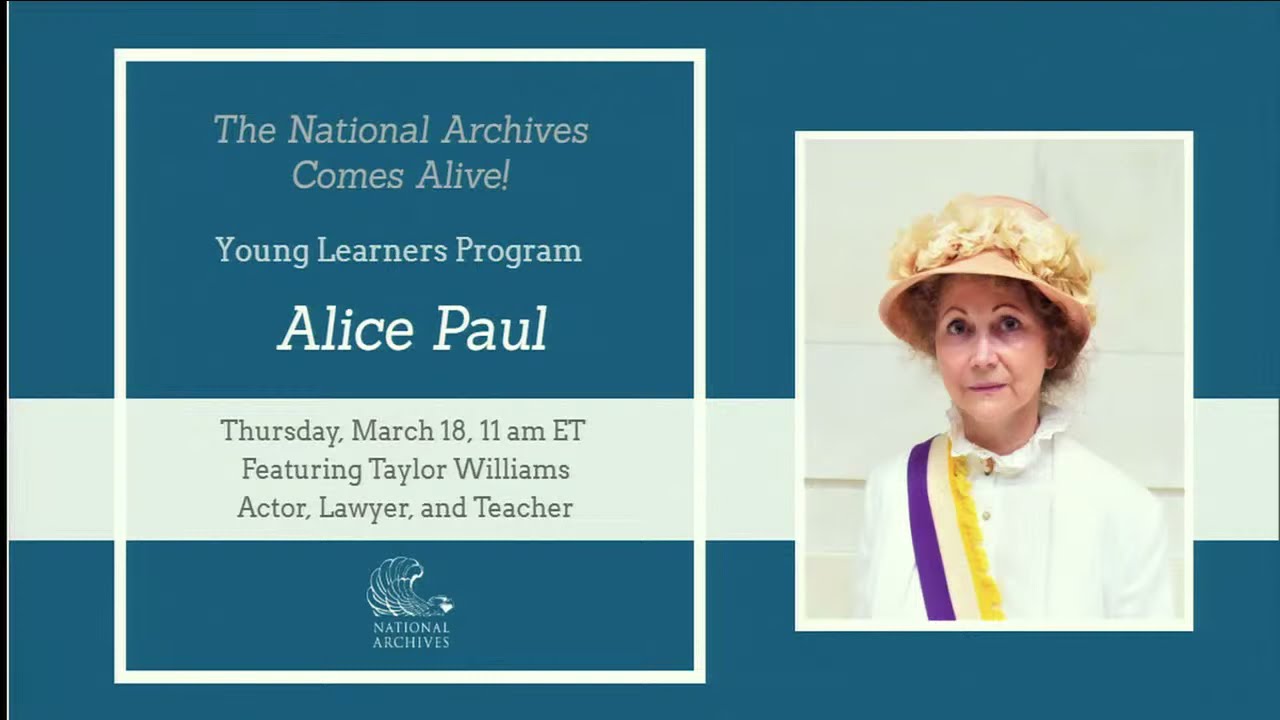
Alice Paul, suffragist and founder of the National Women’s Party, is highlighted in a program at the National Archives aimed at young learners.
Princess Diana, known as the "People's Princess," is remembered for her compassionate humanitarian advocacy and significant contributions to various charitable causes.
Rumi Missabu, cofounder of San Francisco's Cockettes, shares his life through archival footage and interviews with notable queer artists.
Culinary practices in ancient Rome showcased a blend of refinement and excess, highlighting innovations in food preparation and dining customs, including techniques from the chef Apicius.
In Montabaur, Germany, the 1st Division of the U.S. Army conducts military maneuvers, inspections, and community events from December 1918 to September 1919.
In 1849, Elizabeth Blackwell became the first woman in America to earn an M.D., later co-founding the New York Infirmary for Indigent Women and Children with her sister Emily.
Vincent Van Gogh's transformation from a failed missionary to a revolutionary artist is explored through historical archives and scientific analysis of his works.
Mary Burkett, an untrained artist, created a poignant collection of drawings depicting 27 children killed at Auschwitz, promoting messages of love and tolerance.
Roberto Clemente day and Jackie Robinson day serve as focal points in the discussion of race and workers' rights within Major League Baseball.
On September 16, 1821, James Madison, portrayed by John Douglas Hall, reflects on his role in drafting the Constitution 34 years earlier.
Father Kino's efforts in Arizona to protect Native people's rights and his geographical discoveries prompt reflections on modern immigration and border issues.
Willie Jackson and Shavaughn Ruakere trace the complex ancestry of a rugby star great-grandfather who lived under three different names.
A family restaurant in St. Paul, Alberta, has been operated by Michelle Wong's grandparents since 1960, serving as a backdrop for their immigrant stories.
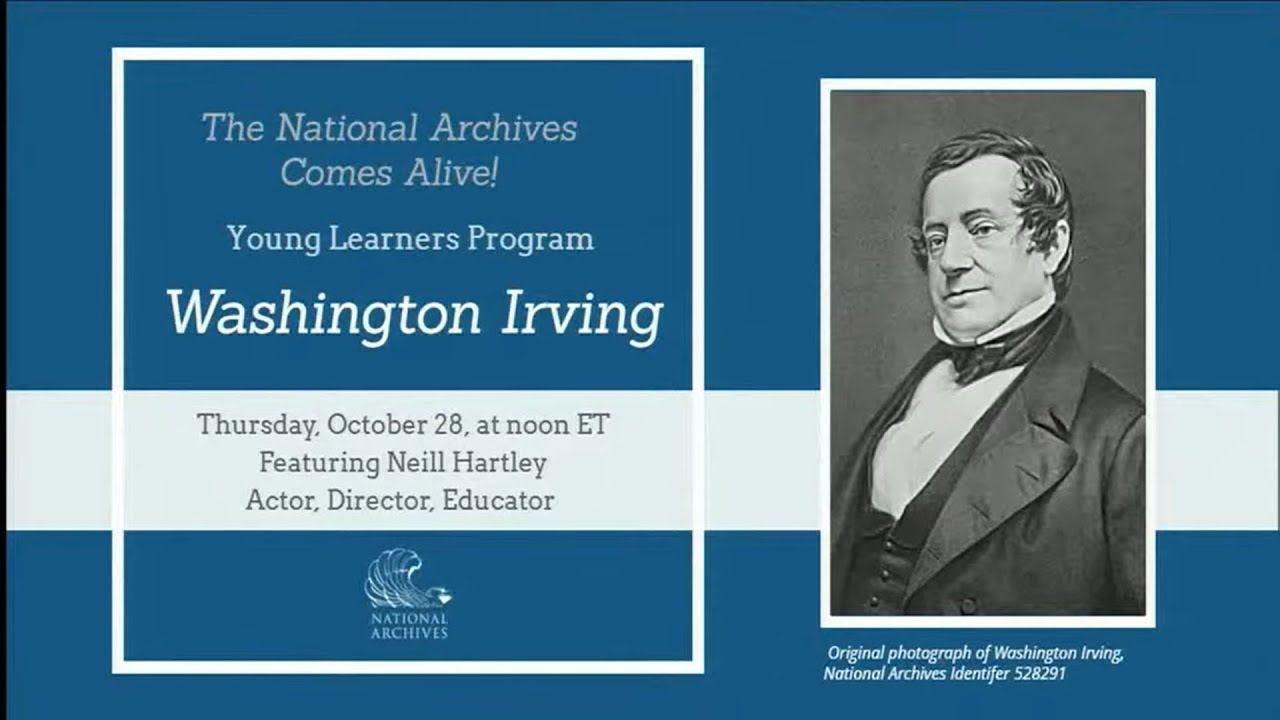
Washington Irving, the father of the American short story, is portrayed by Neill Hartley as he shares insights and readings from his works, including "The Legend of Sleepy Hollow."
Lord Thomson, a Canadian press tycoon from Timmins, Ontario, reflects on his influential career in publishing and media that earned him wealth and a baronetcy in England.
In 1795, the warship Triunfante sank during a French siege, and the documentary details the archaeological process of retrieving and displaying this significant wreck in Spain.
Corradino D’Ascanio, an innovative engineer known for inventing the helicopter and variable pitch propeller, also created the iconic Vespa scooter.
Adolf Hitler's rise from childhood tragedies and military service to his leadership of the Nazi Party is explored alongside key figures like Goebbels, Himmler, and Göring.
Aaron Dixon founded the Seattle chapter of the Black Panther Party in 1968 at age 19, driven by the anger of Black America during a time of unrest.
In the Hellfire Caves of West Wycombe, Jamie Theakston explores controversial historical theories and suppressed events through expert interviews and investigations.
Camilla, Queen Consort of the United Kingdom, is portrayed through rare footage and expert analysis, highlighting her role in the evolving House of Windsor.
Cabinet members and prominent officials of Woodrow Wilson's second administration are shown in various settings, including meetings and social events, highlighting their roles and interactions.
Eulogies and remembrances of U.S. Presidents from George Washington to the present are analyzed by scholars Lindsay Chervinsky, Matthew Costello, Andrew M. Davenport, and David B. Woolner.
Constance Baker Motley argued the landmark case to desegregate the University of Mississippi in 1961, becoming a key figure in the civil rights movement.
George Alexander Grant photographed Carlsbad Caverns and Mammoth Cave, capturing the beauty of America's natural landscapes in the mid 20th century.
Cleopatra, the last queen of Egypt, strategically allied with Julius Caesar and Marc Antony to protect her civilization from Rome, ultimately facing defeat by Octavian.
Ancient Rome's transformation from a small city-state to a vast empire is examined through its legendary commanders, epic battles, and enduring legacy.
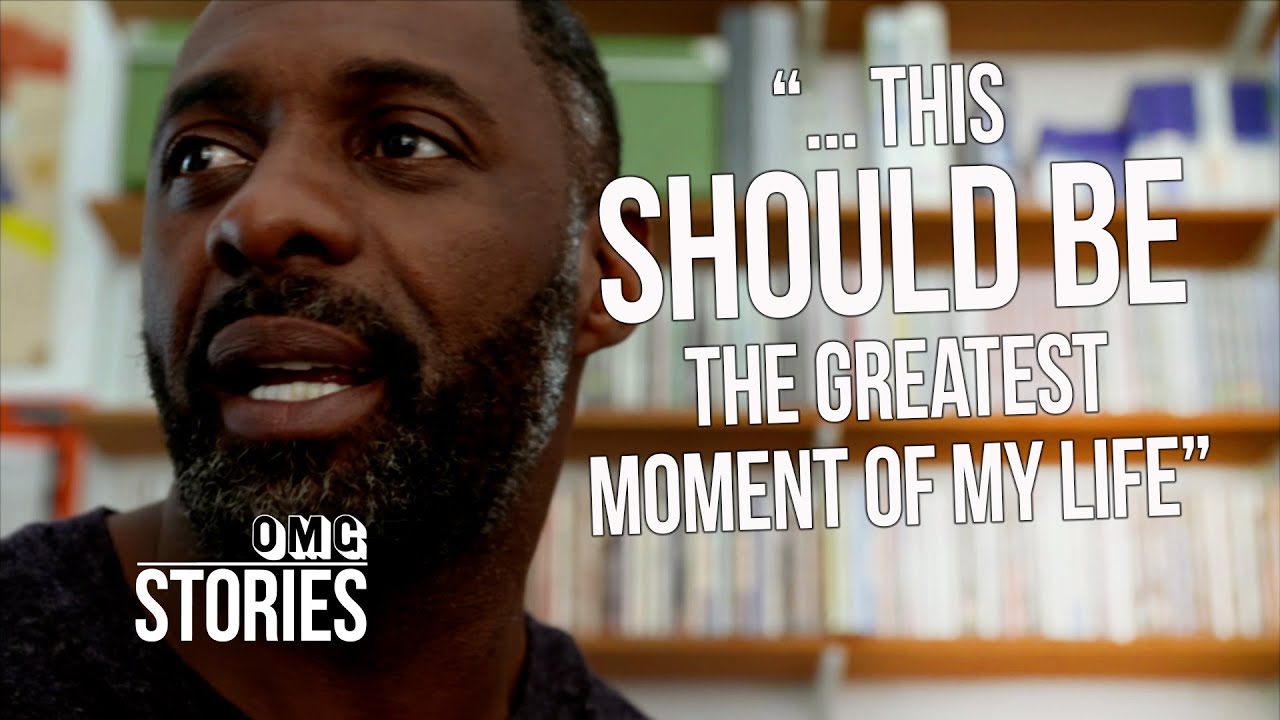
Idris Elba reflects on his upbringing, family relationships, and music career while honoring his father and Nelson Mandela in a personal exploration of identity.
Men and women serving in the Salvation Army are highlighted in Terence Macartney-Filgate's exploration of their dedication and impact on communities.
Three circus kings, P.T. Barnum, James Bailey, and John Ringling, competed for control of the American circus in the late 19th and early 20th centuries.
Authors Winifred Conkling, Marjorie Spruill, and Elaine Weiss discuss their books on women's suffrage, including the fact that women in France did not gain the right to vote until 1945.
In 1429, Joan of Arc, a farm girl claiming divine guidance, leads the French army to victory at Orléans, altering the course of the Hundred Years' War.
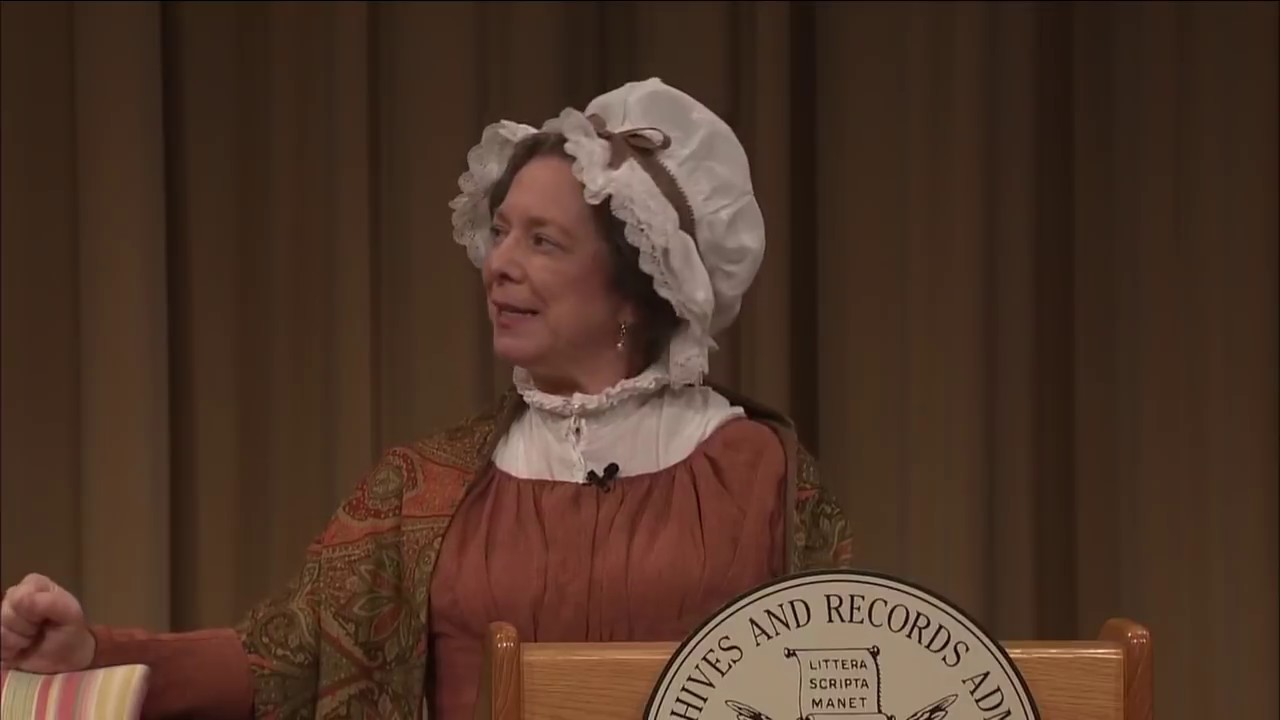
Abigail Adams and Thomas Jefferson engage in a spirited debate on women's rights, immigration, and presidential powers, reflecting on American Independence and the Constitution.
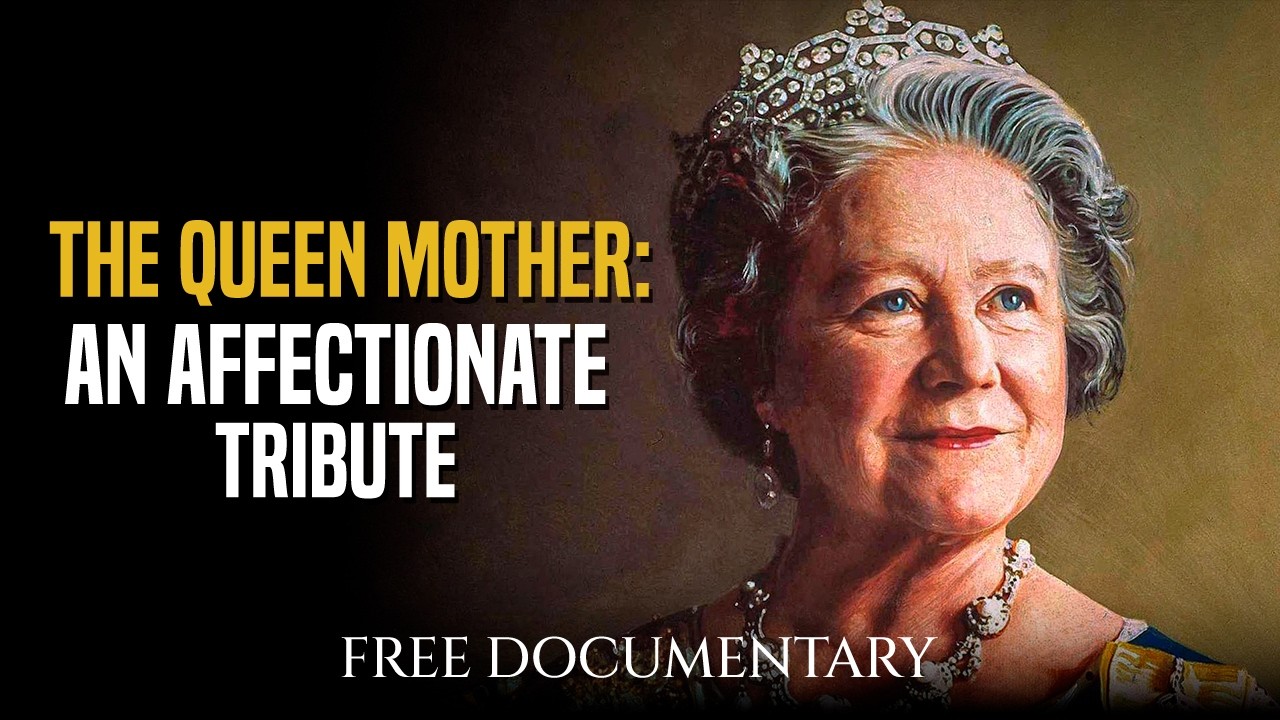
Queen Elizabeth The Queen Mother, born Elizabeth Angela Marguerite Bowes-Lyon, is portrayed as a resilient figure central to the British monarchy throughout her life.
In 1947, a 58-acre nature preserve was established in Maine, where author Jeffrey H. Ryan spent time as a child exploring the changing tides.
John Kerry reflects on his evolving relationship with John McCain, highlighting their shared efforts to address POWs and normalize U.S.-Vietnam relations.
Aileen Wuornos, a sex worker in Florida, harbored intense anger towards her clients, which ultimately led to her conviction for multiple murders.
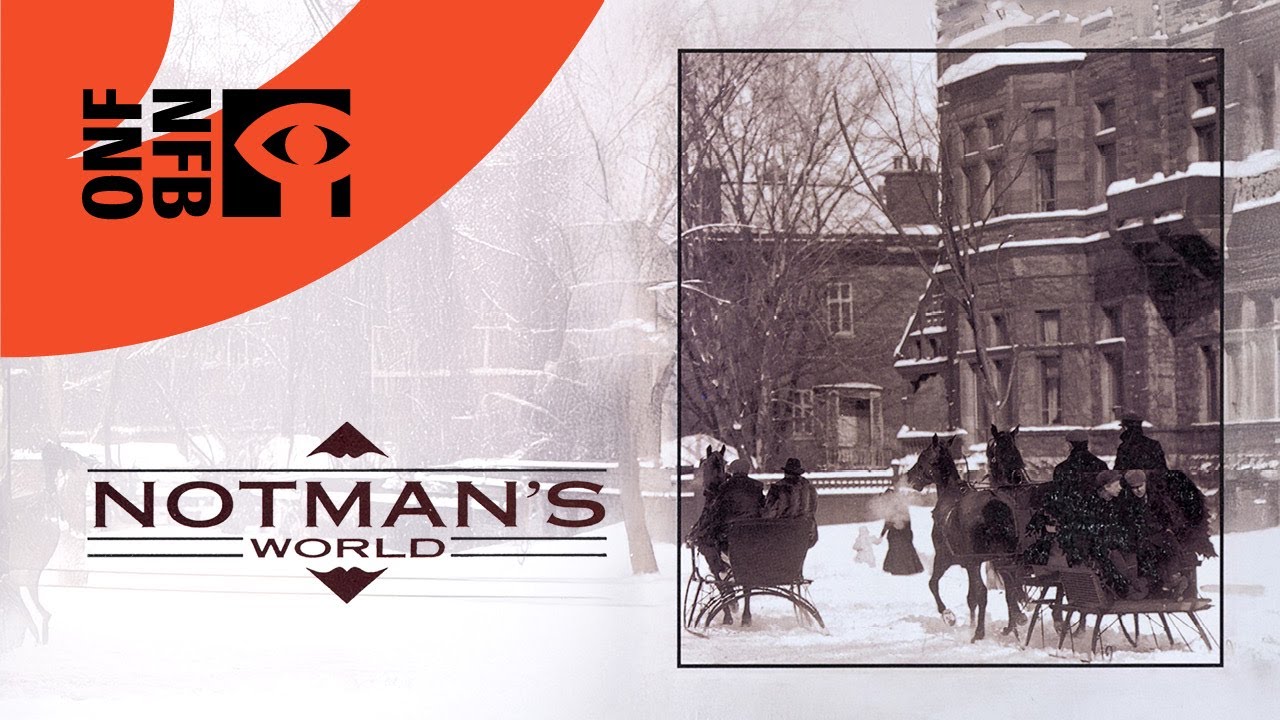
William Notman, a pioneering Canadian photographer in the late 1850s, transformed portraiture into a historical documentation art form in Montreal.
The Virginia Dynasty, comprising Thomas Jefferson, James Madison, and James Monroe, shaped early American policy through significant achievements like the Louisiana Purchase and the founding of the Republican Party.
Rev. Jesse Jackson reflects on his collaboration with Martin Luther King Jr. and their shared commitment to nonviolence and social justice in this interview.
On April 20, 2017, a discussion at the National Archives marked the 240th anniversary of Lafayette's departure from France to support the American Revolution.
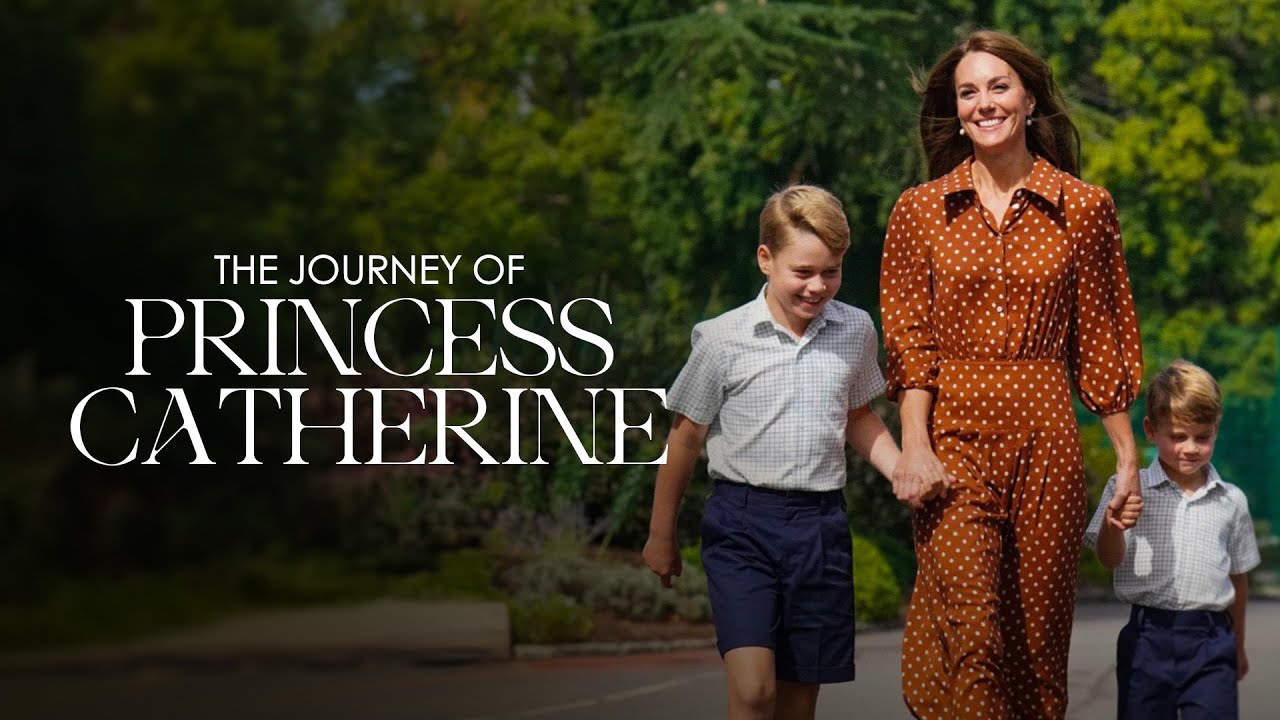
Catherine Middleton's ascent to Princess of Wales following Queen Elizabeth II's death highlights her dedication to charity work and the challenges of royal life.
National History Day Programs Director Lynne O'Hara and experts from the National Archives and Herbert Hoover Presidential Library provide guidance for educators on facilitating successful National History Day projects.
Julius Caesar's military campaigns in Gaul and subsequent actions during the Roman Civil War culminated in the pivotal Battle of Pharsalus, reshaping Rome's political landscape.
Paul Escott discusses ten major figures from the 19th century, including Henry Clay and Abraham Lincoln, who shaped issues of slavery and equality.