From over 100,000 films, discover the handful you'll love.
Free or premium access to the world's largest documentary library.
3628 films(Page 62 of 76)
In June 1803, Beethoven completed the Eroica Symphony in about three months, initially naming it after Napoleon before erasing his name from the score.
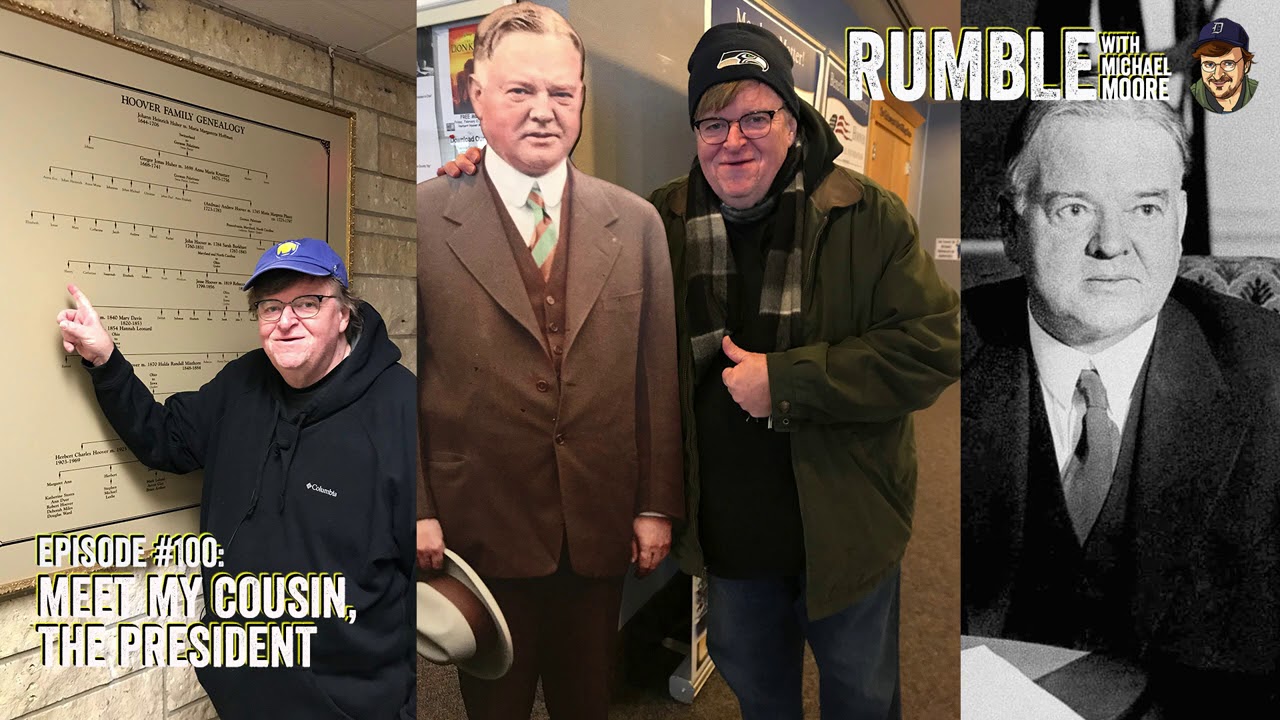
Michael Moore learns about his familial connection to Herbert Hoover while exploring the former president's legacy at the Herbert Hoover Presidential Library in Iowa.
A multi-millionaire hosted extravagant soirées for 19th-century high society at a lavish French chateau in the English countryside.
Dunham Massie served as a military hospital during World War I, transforming its lavish rooms into a space for healing amid the conflict.
Princess Diana's humanitarian efforts, including AIDS awareness and landmine advocacy, solidified her status as the "People's Princess" before her tragic death in 1997.
George and William Randolph Hearst rise from mining to media moguls in American journalism.
In October 1962, President John F. Kennedy navigated the tense aftermath of the Cuban Missile Crisis, as revealed through secret White House tapes.
Archaeologists have revealed a significant double-henge structure near Stonehenge, alongside Dark Age burial sites at Tintagel, reshaping the understanding of early medieval Britain.
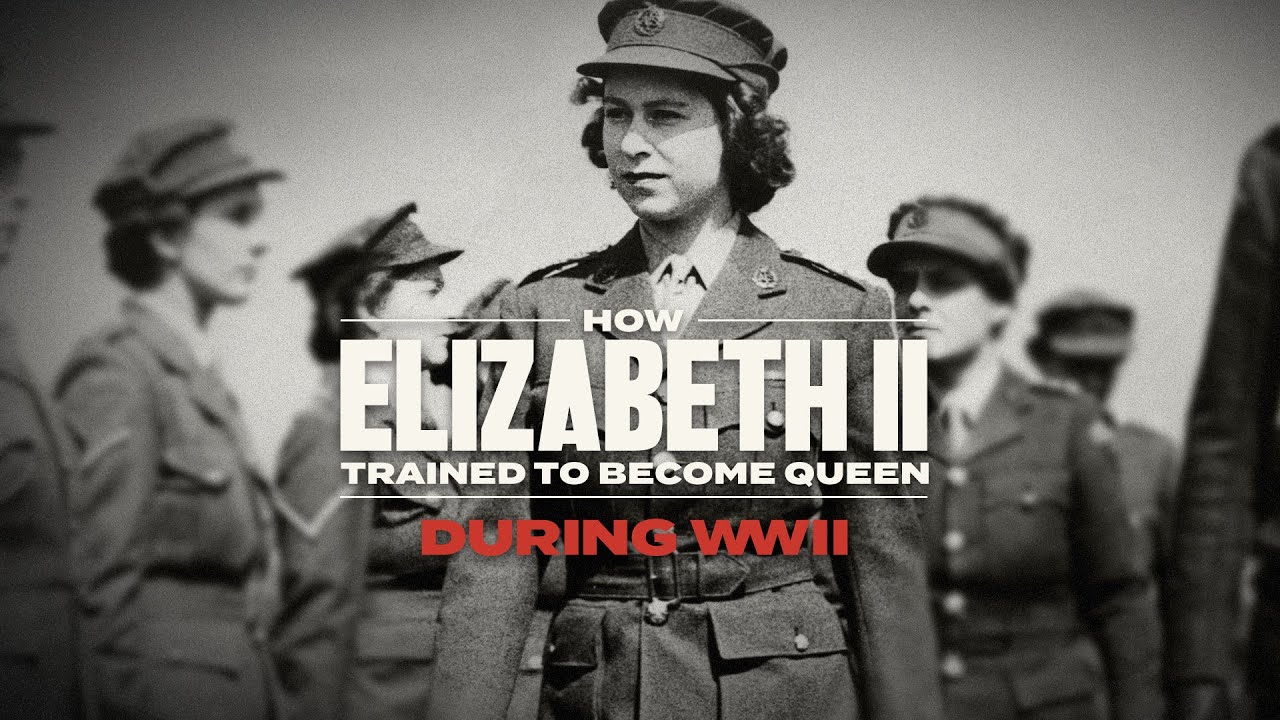
Elizabeth II's early life during World War II shaped her path from a royal child to the Queen of England, highlighting her resilience amid global conflict.
Princess Diana's tumultuous marriage to Prince Charles is examined through key events like infidelity, the Camilla affair, and her quest for public sympathy.
A routine caving trip turns into a 54-hour survival drama after a rockfall accident.
Paul Bernardo and Karla Homolka, infamously known as the 'Ken and Barbie Killers,' orchestrated a series of brutal crimes in Canada during the early 1990s.
Private motion pictures of Adolf Hitler and Eva Braun, seized by the US Army in 1945, showcase their life at Berghof and leisure activities at various lakes.
Frank Sinatra's political alliance with John F. Kennedy is explored, revealing their shared ambitions, mafia connections, and the eventual betrayal that ended their friendship.
John Christie, a notorious serial killer in 1940s London, evaded capture for years while framing an innocent man for his gruesome murders.
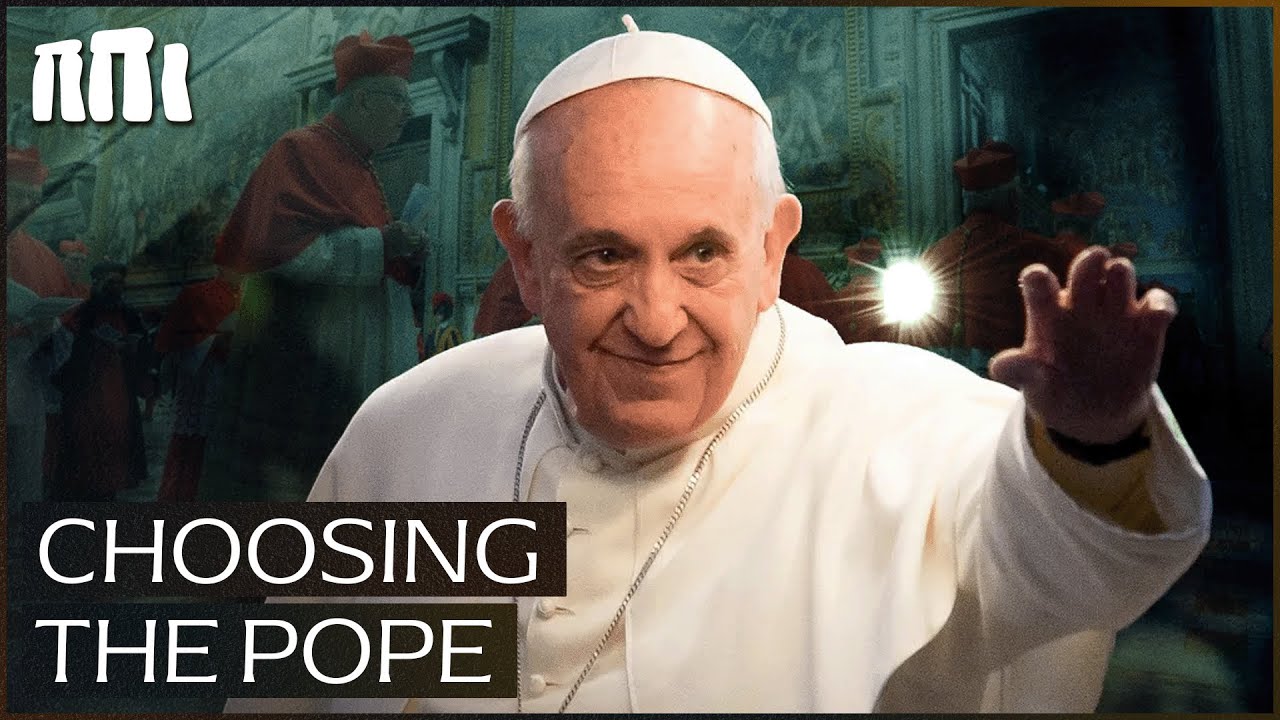
Jorge Mario Bergoglio's rise to become Pope Francis is examined through interviews with Vatican experts, highlighting his controversial past during Argentina's "dirty war."
One French scientist, Sadi Carnot, discovered the laws of thermodynamics in the 19th century, which explain how heat engines operate efficiently.
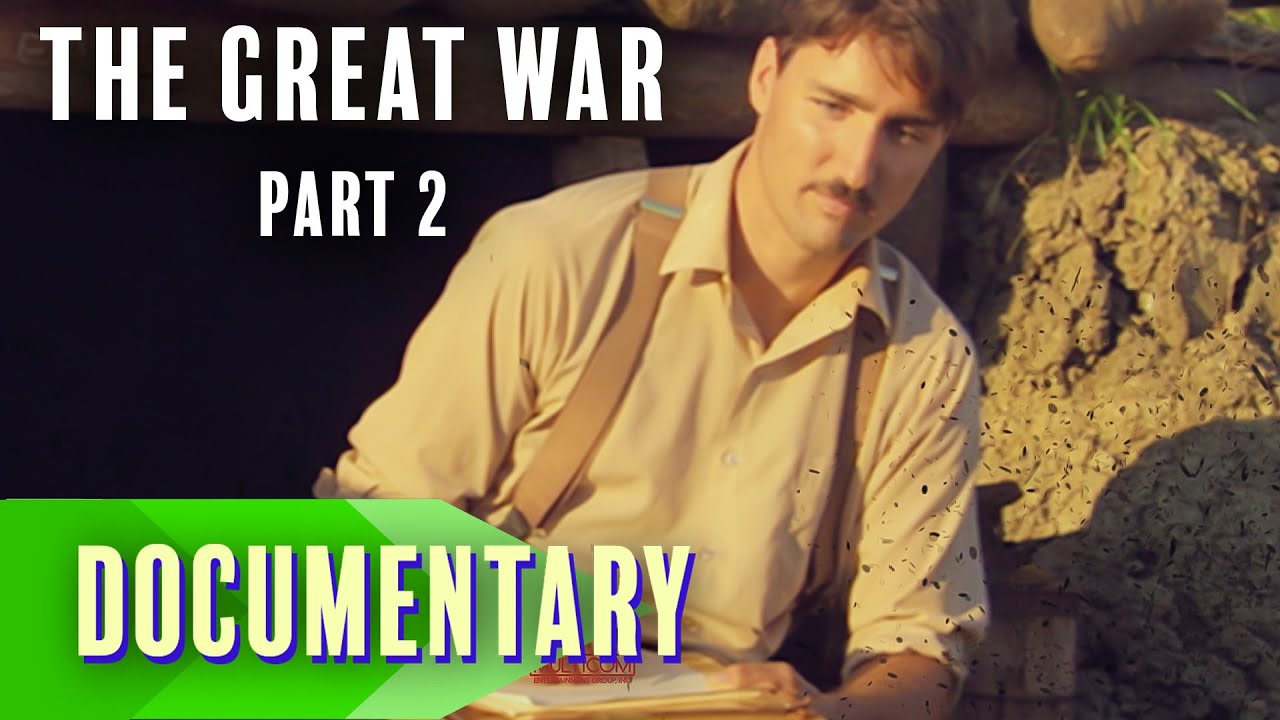
Of the 420,000 Canadians who fought in World War I, two-thirds were killed or wounded, shaping the nation's identity and collective memory.
Sitting Bull, a prominent leader of the Lakota Sioux, is examined alongside the broader narrative of First Nations leaders and their impact on North American history.
Henia Bryer recounts her experiences as a Holocaust survivor, detailing the loss of her family and her survival through four concentration camps.
Historian Joseph Wheelan examines the events leading to Robert E. Lee's surrender at Appomattox and the assassination of Abraham Lincoln.
Five children were murdered by Myra Hindley and Ian Brady in 1960s Manchester, with David Smith escaping their violent grasp and alerting the police.
Rembrandt's Storm on the Sea of Galilee was stolen by two thieves dressed as Boston policemen in the largest art heist in history.
The fall of the Western Roman Empire in 476 AD resulted from internal strife, economic collapse, plagues, and barbarian invasions, notably the Visigothic sack of Rome.
In 793, Scandinavian raiders attacked the Northumbrian monastery of Lindisfarne, killing and enslaving the peaceful monks in a brutal raid.
Jezebel, a Phoenician princess and wife of King Ahab, introduced the worship of Baal and his 450 priests to Israel, provoking the prophet Elijah's wrath.
More than 30 young women were murdered by Ted Bundy, whose charm and good looks masked his violent nature and deceptive tactics.
The New Age movement has influenced notable figures like Charles Darwin and Hillary Clinton, raising questions about its impact on global consciousness and spirituality.
Princess Diana's life is examined through her transition from a shy aristocrat to the "People's Princess," highlighting her marriage to Prince Charles and her humanitarian efforts.
Herod the Great, known for his monumental constructions in Judea, has his tomb's location re-evaluated through new archaeological findings by Ehud Netzer.
31 million people watched Princess Diana reveal her struggles in a candid television interview, marking a turning point in her relationship with the royal family.
Private motion pictures of Adolf Hitler and Eva Braun, seized by the US Army in 1945, showcase personal moments and events from their lives in Germany.
Six celebrities spend 24 hours in a Victorian dust yard, sorting through waste and bartering for food while experiencing the demands of manual labor.
Four physicians attempted to save Abraham Lincoln after he was shot at Ford's Theater on April 14, 1865, but their efforts were ultimately in vain.
The York family’s estate, designed by Thomas Webb in 1683, reveals intimate stories of romance and betrayal between the gentry and their servants.
In 1888 Whitechapel, the infamous Jack the Ripper murders are re-examined through the lens of sensationalist press coverage and the true lives of the victims.
Nikola Tesla's life and inventions, including the Wardenclyffe Tower and his ideas on free energy, highlight his genius and the challenges he faced in America.
In 1612, nine-year-old Jennet Device's testimony during the Pendle witch trials in Lancashire led to the execution of multiple family members and neighbors.
Claude Monet's iconic water lilies, created during World War I, reflect his personal struggles and artistic brilliance, as explored by art enthusiast Andrew Mah.
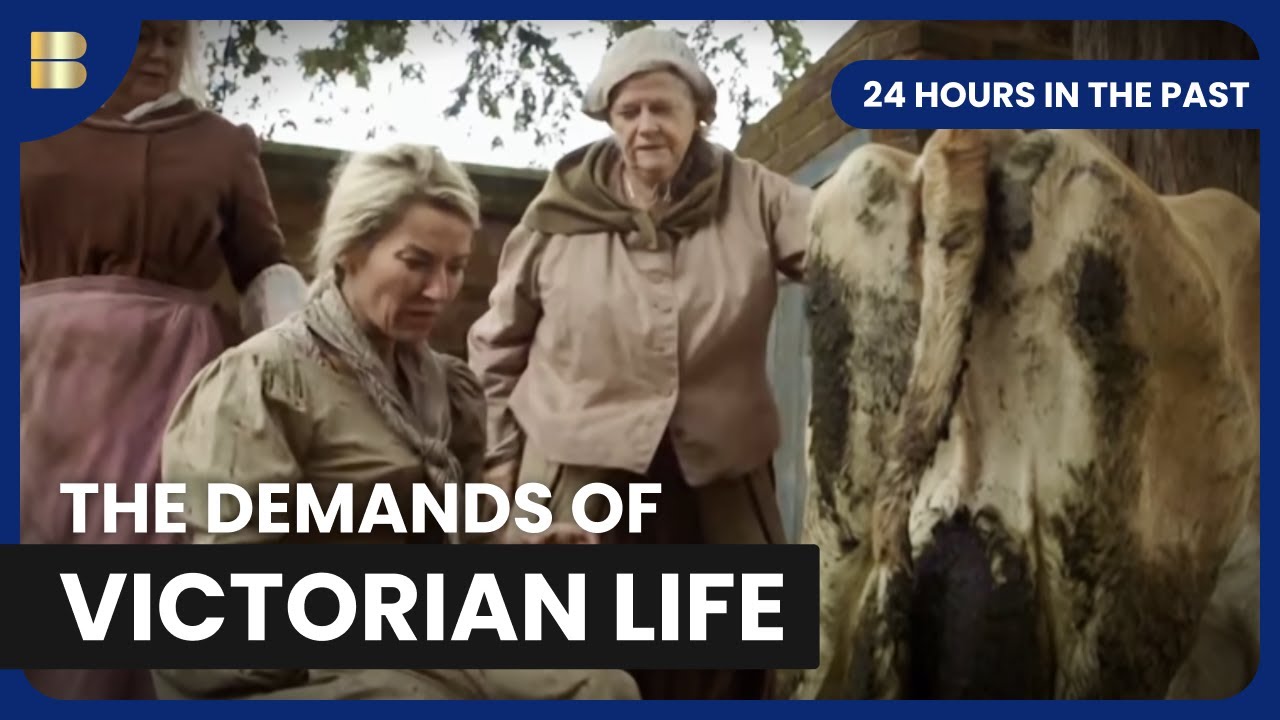
Six participants spend 24 hours in a 19th-century inn, performing demanding tasks like milking cows and serving guests under strict Victorian rules.
Private motion pictures of Adolf Hitler and Eva Braun, seized by the US Army in 1945, showcase personal moments and military inspections in Germany.
Elizabeth II's ascent to the throne following World War II is explored, highlighting her transformation from a wartime child to the Queen of England.
Princess Diana's life is examined through her transformation from a shy aristocrat to the "People's Princess," highlighting her marriage to Prince Charles and personal struggles.
The Man in the Iron Mask, believed to be King Louis XIV's twin, raises questions about identity and power dynamics within the French monarchy.
Edmund Curll earned about £700 a year in 18th-century England, a sum that fueled his contentious rivalry with poet Alexander Pope.
$2 billion is generated annually by North Korea's illicit trade, sustaining Kim Jong-un's regime amid heavy international sanctions.
Over-indebtedness from microcredits has led some recipients to consider suicide, as families struggle under the weight of unmanageable loans.
Three hundred residents of Kupyansk protested against the Russian occupation, raising Ukrainian flags and chanting in defiance of the invading forces.