From over 100,000 films, discover the handful you'll love.
Free or premium access to the world's largest documentary library.
3629 films(Page 4 of 76)
King Edward III was born on November 13, 1312, at Windsor Castle, securing the royal succession during a time of great instability in England.
Aleister Crowley, known as "The Great Beast," was a controversial figure in modern occultism, revered by some as a prophet and condemned by others as a Satanist.
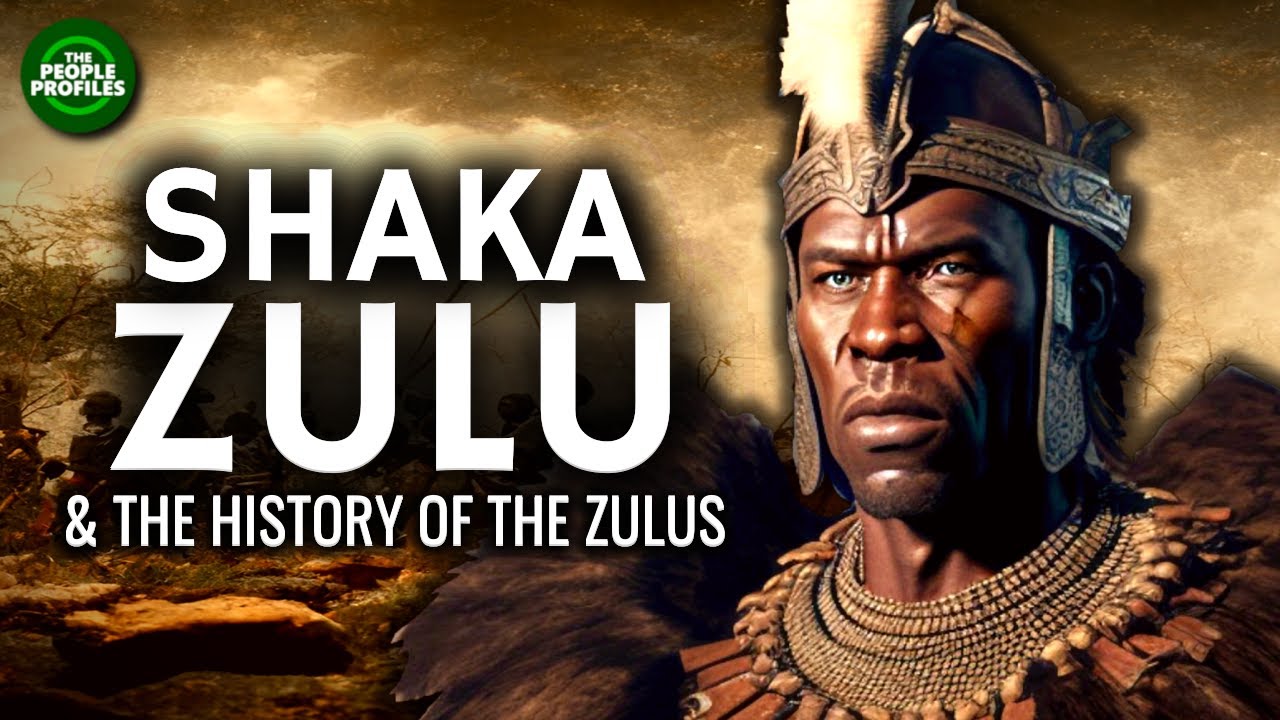
Shaka Zulu, born in 1787, led the Zulu kingdom to inflict one of the most significant military defeats on British forces in Africa during the 19th century.
Francis Pryor argues that the political changes in Britain after the Roman Empire's fall in 410 AD were due to internal shifts rather than an Anglo-Saxon invasion.
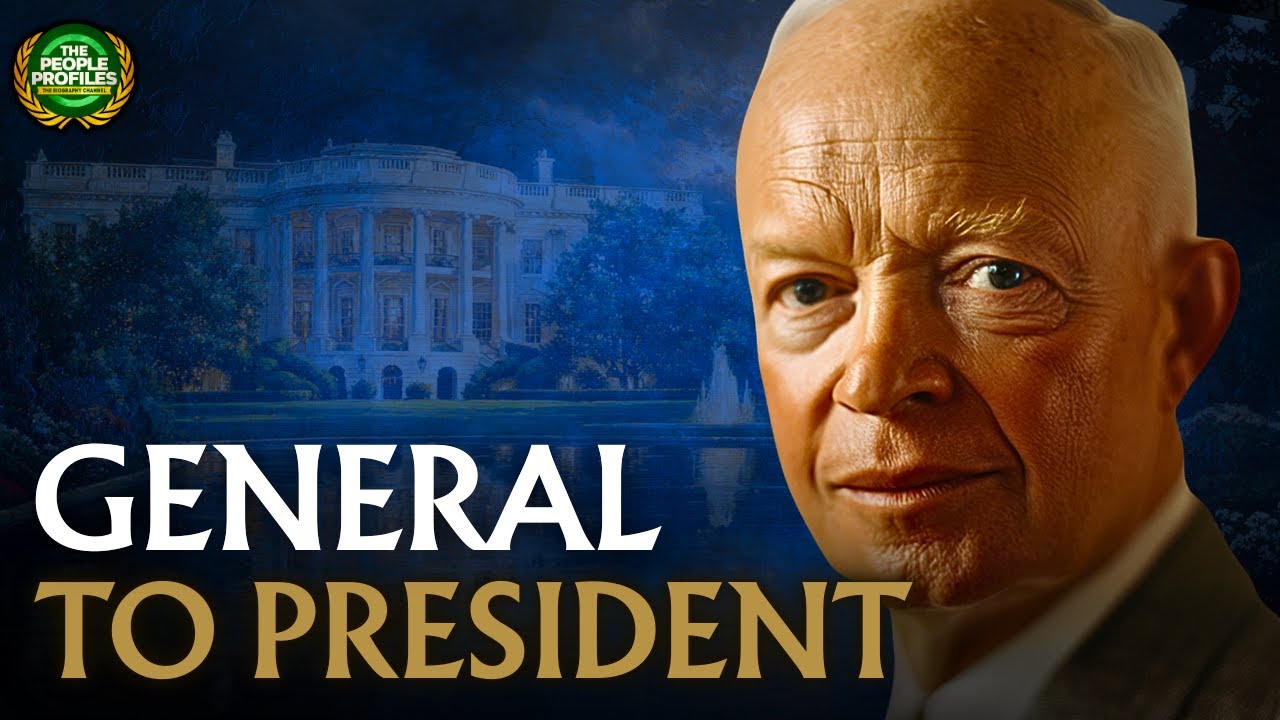
Dwight D. Eisenhower, born on October 14, 1890, in Denison, Texas, served as Supreme Commander during World War II and later became the 34th President of the United States.
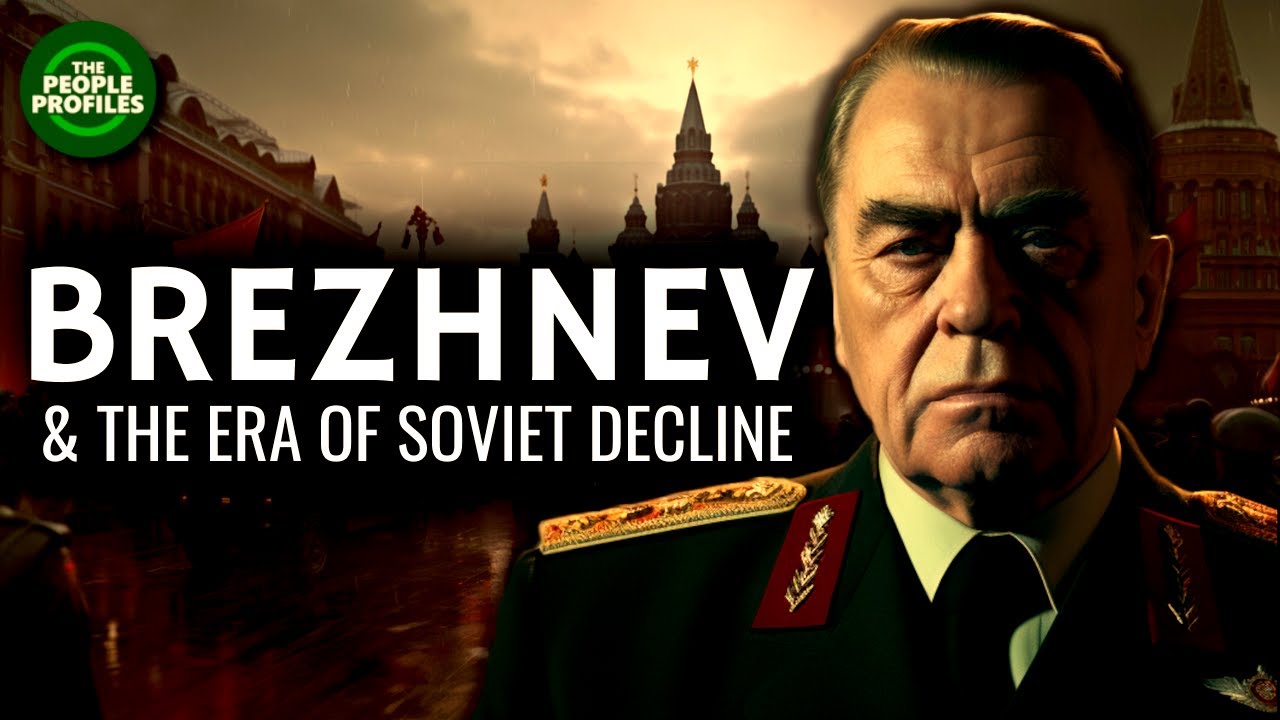
A 69-minute examination of Leonid Brezhnev's leadership reveals how his policies contributed to the Soviet Union's decline and eventual dissolution in 1991.
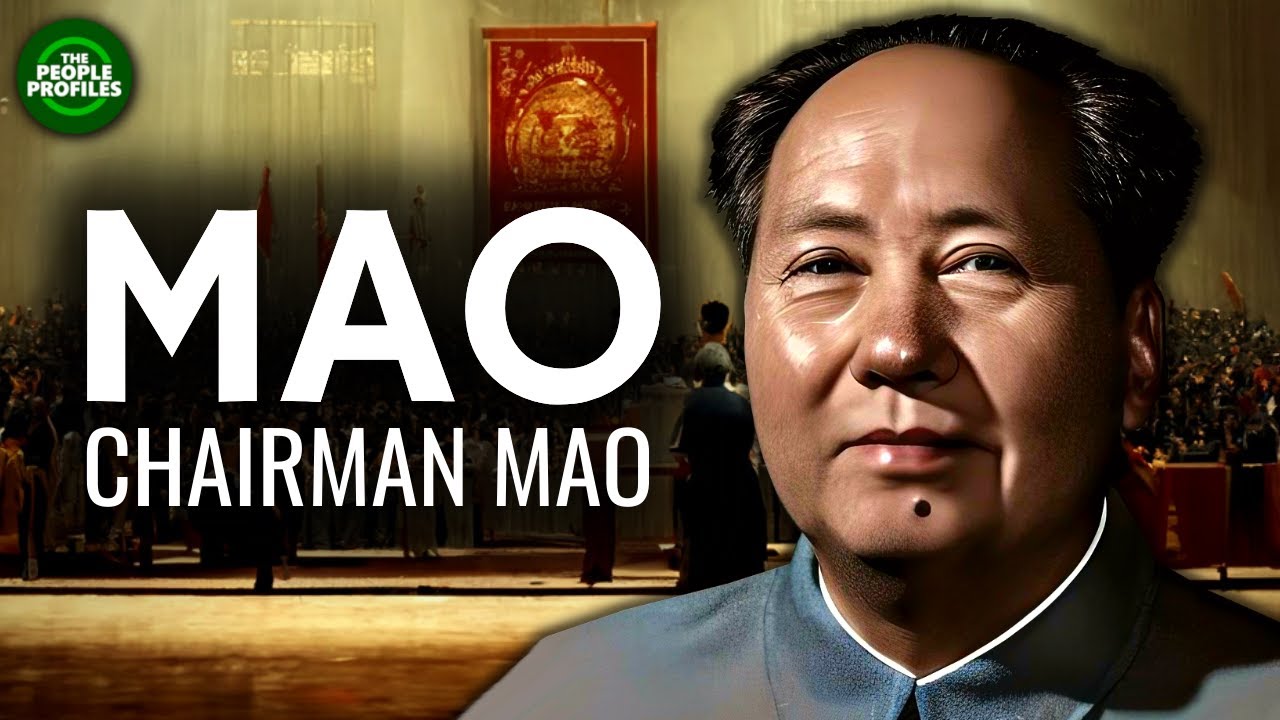
Mao Zedong was born on December 26, 1893, in Shaoshan, Hunan province, where he grew up in a family of poverty-stricken farmers.
Uncle Hitler reveals the fates of Adolf Hitler's descendants and Eva Braun's ancestry.
Rudolf Höss administered Auschwitz, where over a million people were murdered during the Holocaust, operating the camp with chilling efficiency.
An ancient stone tablet from the Jordanian antiquities market suggests the existence of a dying and rising Messiah prior to Jesus in ancient Israel.
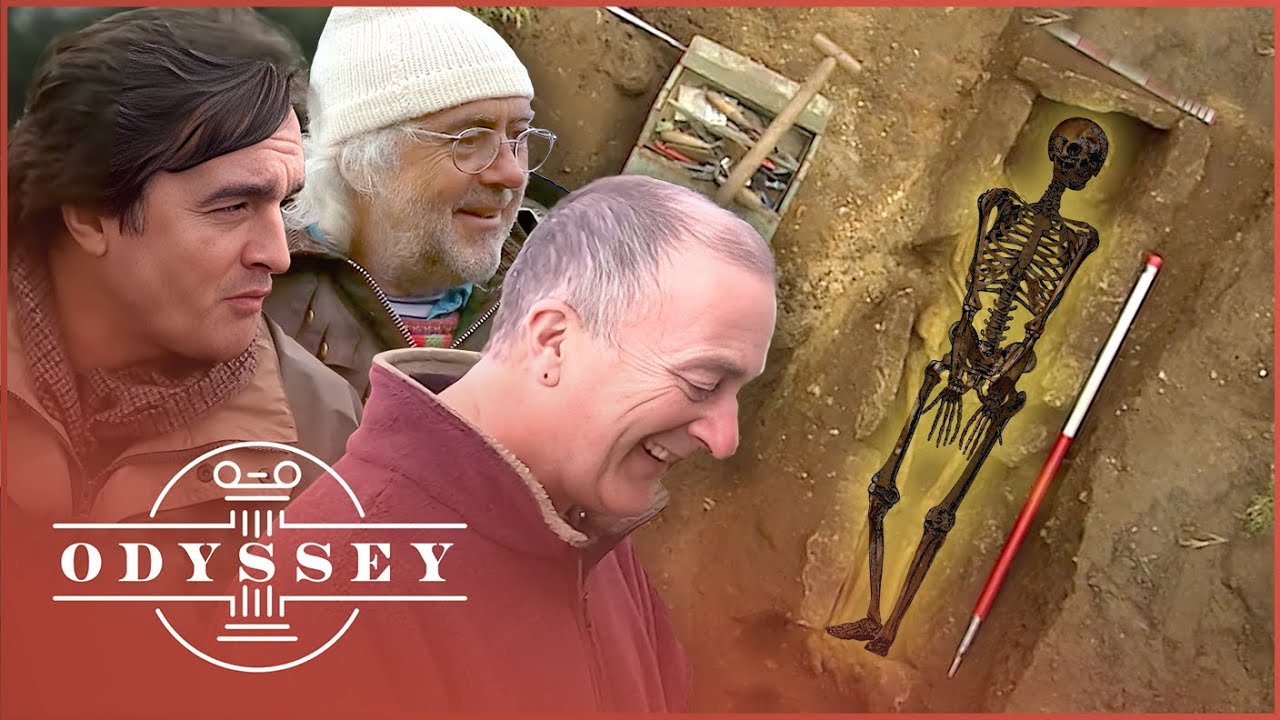
Archaeologists in Britain investigate Anglo-Saxon graves and artifacts, revealing evidence of a warrior culture marked by violence and ornate burials.
The Slavery Abolition Act was passed in 1833, marking a significant legal change in Britain's approach to slavery.
Joann Fletcher investigates a female mummy from the Ramesses II dynasty, revealing unexpected complexities surrounding its identity and origins.
Between 1940 and 1945, the German army on the Eastern Front lost 50,000 tanks and 4 million men, while the Soviets lost an estimated 80,000 tanks and 7 million soldiers.
Charlemagne's reign marked a pivotal moment in European history, establishing the foundations of the Holy Roman Empire and a unified Christian realm.
Superman, the iconic superhero created by Jerry Siegel and Joe Shuster, is explored through his origins, cultural impact, and evolution in this comprehensive documentary.
Tudor England's Christmas celebrations featured grand banquets and unique traditions, including a pig's head centerpiece, as explored by historian Ruth Goodman and archaeologists Tom Pinfold and Peter Ginn.
In 1916, the Battle of Verdun became a pivotal conflict of World War I, resulting in 300,000 deaths and showcasing the brutal realities of industrial warfare.
Life under the feudal system in medieval Europe involved serfs working the land for their lords in exchange for protection, amidst events like the Black Death and the Wars of the Roses.
George Washington was born on February 22, 1732, at Pope’s Creek plantation in Westmoreland County, Virginia, to a wealthy family involved in tobacco and iron production.
At least 3,000 people were murdered by the state during Augusto Pinochet's regime in Chile, with many more subjected to torture and disappearance.
Colombia sees 5 million foreign tourists in 2016, fueled by Narcomania and Pablo Escobar's legacy.
In 1520, Alexandra Lisowska, a captured priest's daughter from Ukraine, entered the imperial palace in Istanbul to become part of the sultan's harem.
In the 18 months before his assassination, Martin Luther King Jr. faced overwhelming pressure and disappointment as he fought against racism, war, and poverty.
At one point, there were 100,000 heroin addicts in New York, prompting community leaders to implement acupuncture as an alternative treatment method.
Queen Victoria was born on May 24, 1819, at Kensington Palace in London, where she was privately christened by the Archbishop of Canterbury.
In 2011, archaeologists excavated 40 Viking warriors buried in two boat graves on the island of Sarimar in Estonia, dating back to 650 A.D.
A lance maker supplied 171 lances for a tournament in Spain in 1403, illustrating the demands of royal jousting in the medieval era.
St. Peter's Basilica, built over the Tomb of Saint Peter, showcases architectural innovations and technical challenges faced by artists like Michelangelo and Bernini.
On March 17, 1945, a bridge near Remagen collapsed, resulting in the deaths of 28 men and blocking the first Allied thrust into Germany.
The beliefs of the Founding Fathers regarding Christianity and their intentions for America's religious foundation are examined through the lens of the Constitution's language.
In 1323 BC, Tutankhamun sustains a thigh bone injury that may have resulted from battle, leading to his eventual death, while exploring the 1920s phenomenon of Tutmania.
George Washington was born on February 22, 1732, in Westmoreland County, Virginia, to a family that owned thousands of acres of land.
During her reign, Mary I ordered the execution of hundreds of Protestants in her campaign to restore Catholicism to England.
Persia, now known as Iran, has been a significant power in trade, culture, and politics since ancient times, influencing the Middle East and Eurasia.
A female inmate escaped from Bellevue sanatorium in Switzerland on July 27, 1932, but was apprehended before reaching the German border.
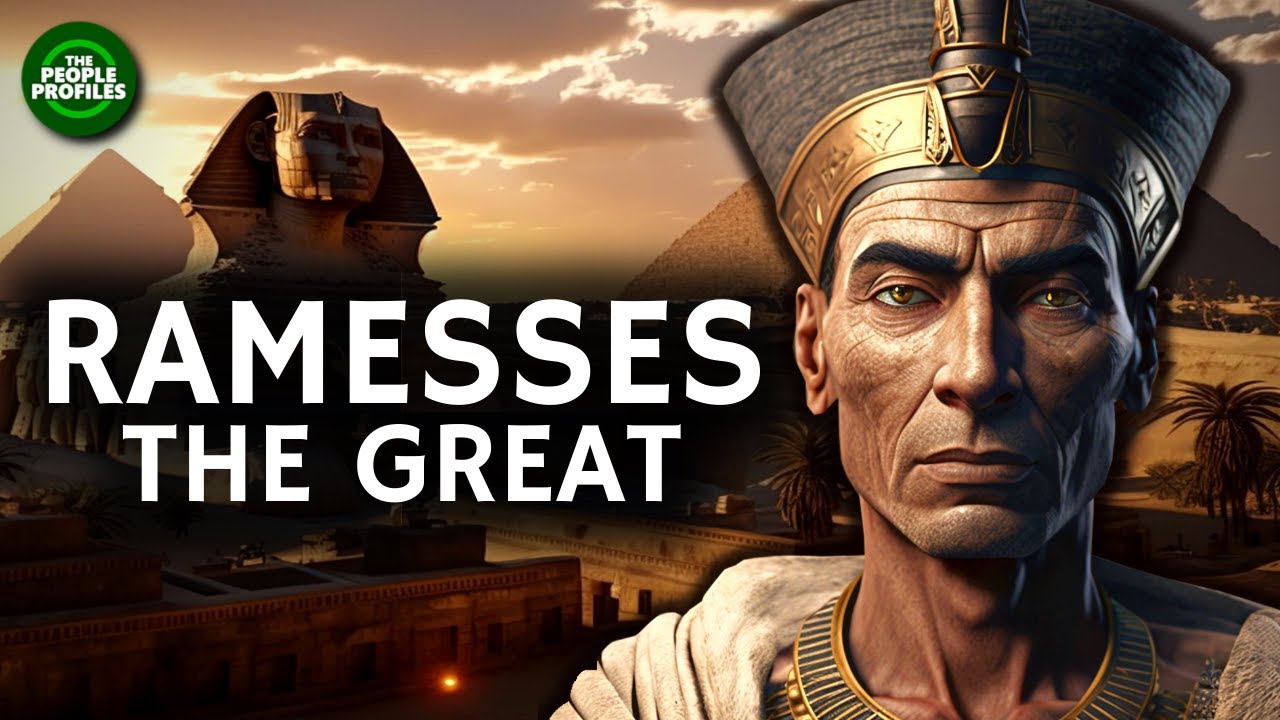
Ramesses the Great, one of Ancient Egypt's most renowned pharaohs, is examined through his monumental architecture, military achievements, and enduring legacy.
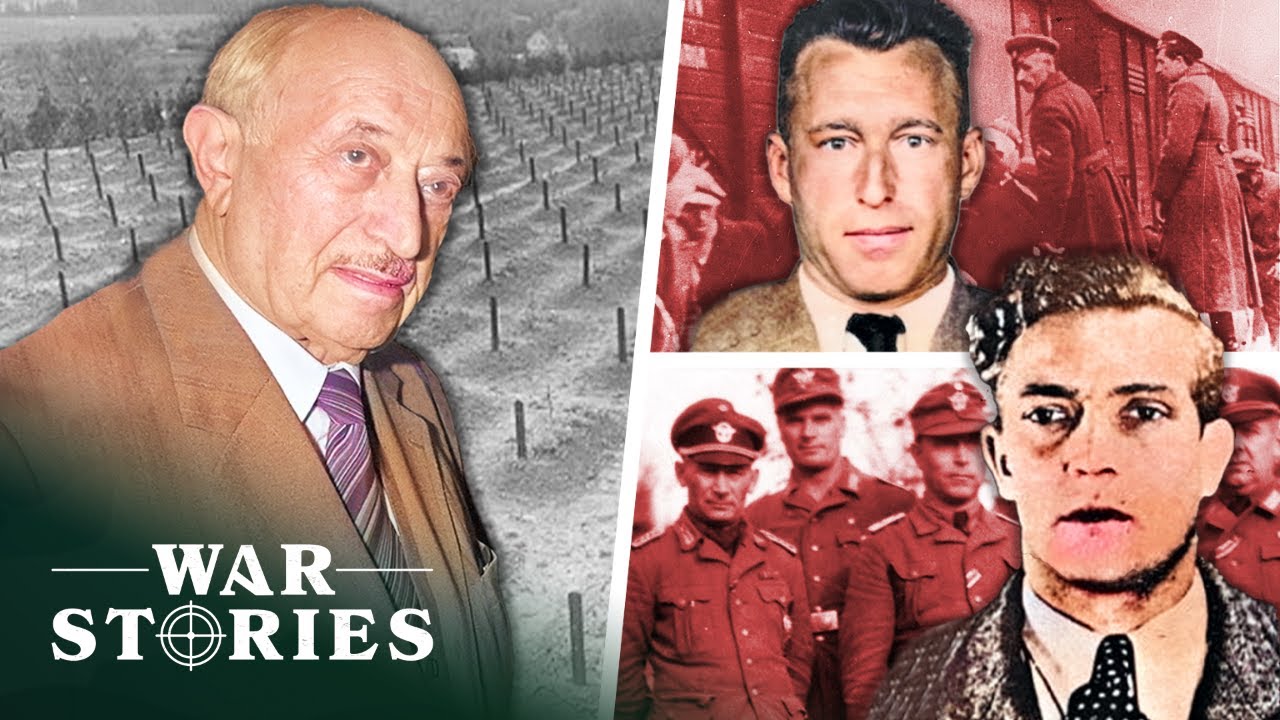
Simon Wiesenthal, a Holocaust survivor, dedicated his life to hunting down Nazi war criminals, focusing on SS Commander Franz Stangl and his deputy Gustav Wagner.
One mathematical sentence from Albert Einstein's 1915 work on general relativity explains the entire universe on the largest scales.
A 35-metre-long Roman barge, once sailing the Rhine, is investigated by Dutch archaeologists and specialists before impending construction threatens its preservation.
Rollo, a Viking warrior known for his raids in France and England, became the first King of Normandy after negotiating the Treaty of Saint-Clair-sur-Epte in 911.
On May 19, 1536, Anne Boleyn wrote a final letter to her husband, King Henry VIII, before her execution at the Tower of London.
Of the 125,000 aircrew who served in Bomber Command during World War II, 73,000 became casualties, with 55,573 killed in action.
Between 1971 and 1979, Idi Amin's regime was responsible for the deaths of hundreds of thousands of Ugandans and the displacement of many more.
In Lincolnshire, archaeologists from Time Team investigate the Roman town of Ancaster, revealing what may be their most significant find to date.
Experts from various fields, including archaeology and astrophysics, provide new insights into the historical significance and mysteries of the Bayeux Tapestry.
King George III was born on June 4, 1738, in Norfolk House, London, and became the first Hanoverian king born in England.
On May 1, 1945, Magda Goebbels killed her six children, aged between 4 and 12, before taking her own life alongside her husband, Joseph Goebbels.