From over 100,000 films, discover the handful you'll love.
Free or premium access to the world's largest documentary library.
3628 films(Page 21 of 76)
Vataslaf Molotov was born on February 25, 1890, in Kukara, Russia, and became a key figure in Soviet politics under Joseph Stalin.
Ramses II, known as one of Ancient Egypt's most powerful pharaohs, is examined for his enduring leadership and monumental legacy that surpasses his contemporaries.
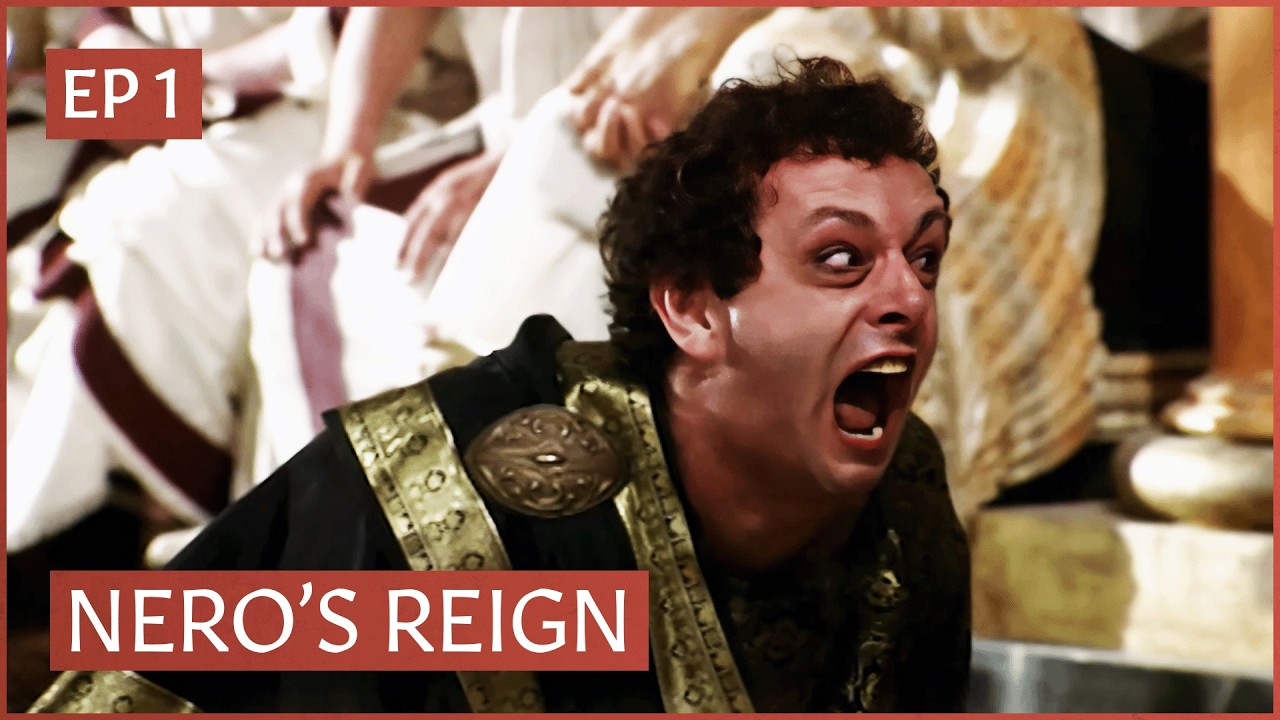
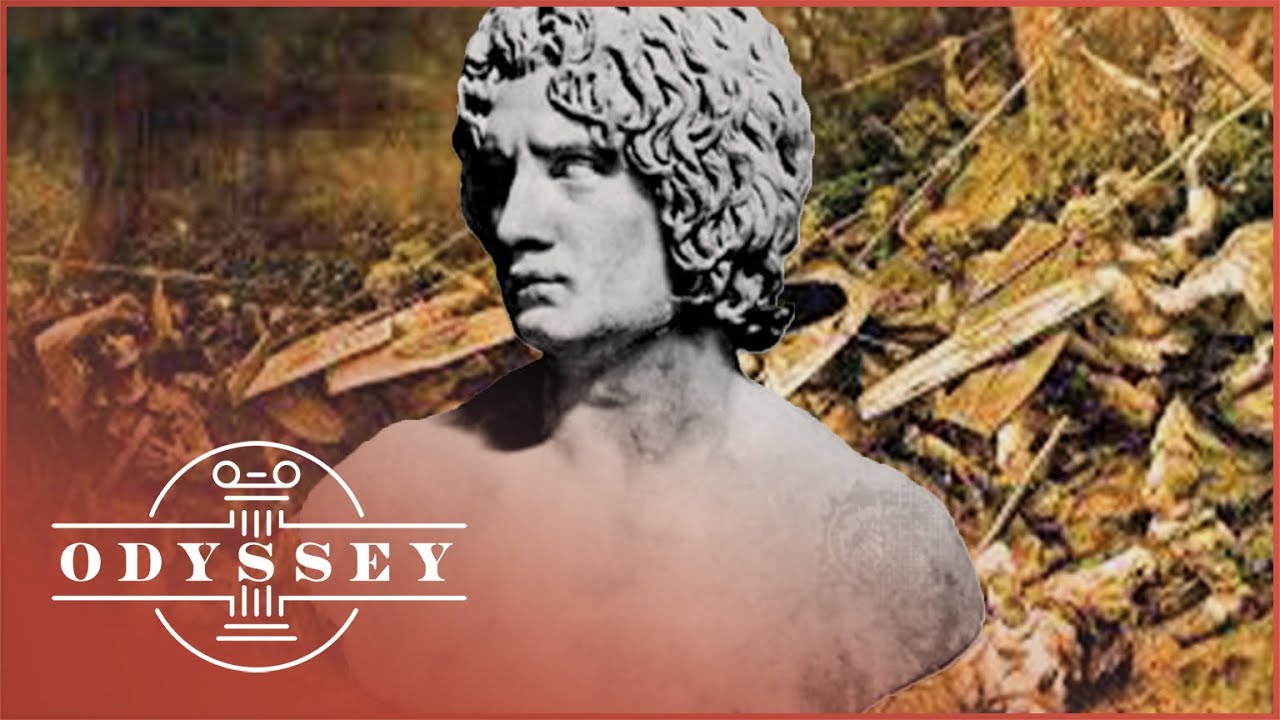
Nero's reign in Ancient Rome is marked by his obsession with divinity, the marriage to his slave, the murder of his wife, and eventual overthrow.
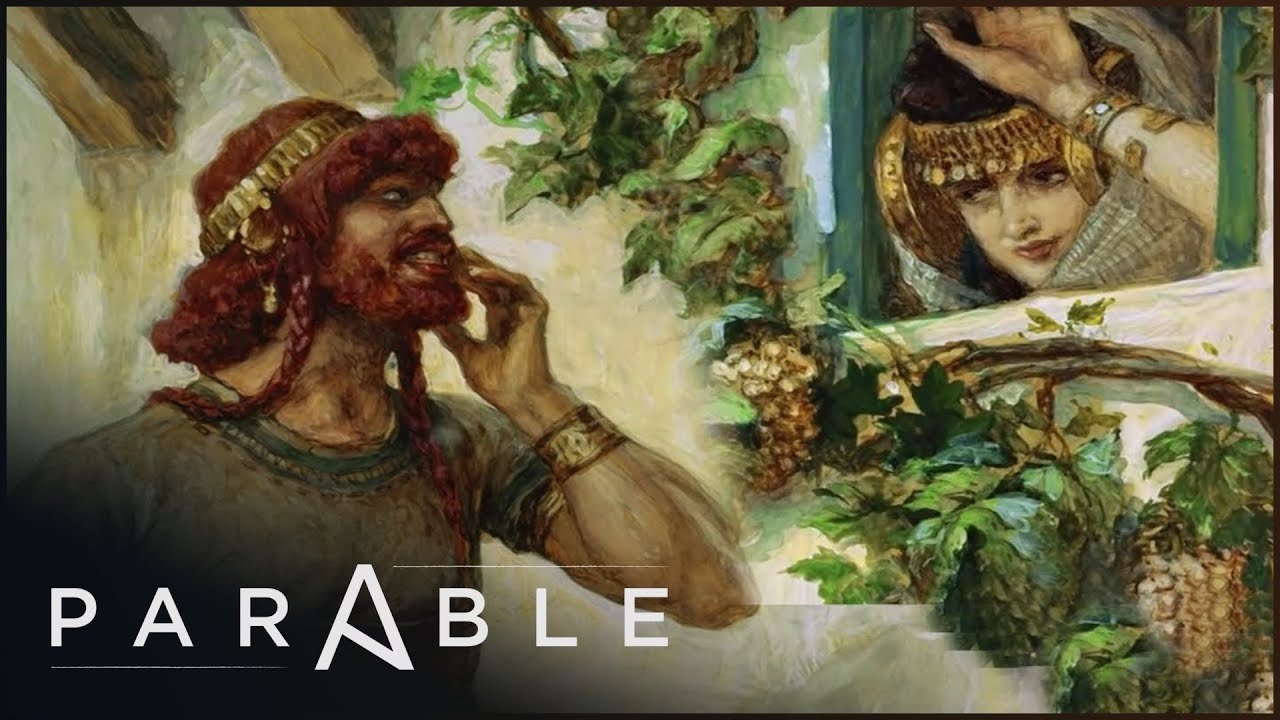
Delilah, a Philistine woman, played a pivotal role in the biblical narrative of Samson by betraying him and cutting off his source of strength.
Beneath Stonehenge, a headless Anglo-Saxon skeleton reveals evidence of a violent execution, challenging assumptions about death in the early medieval period.
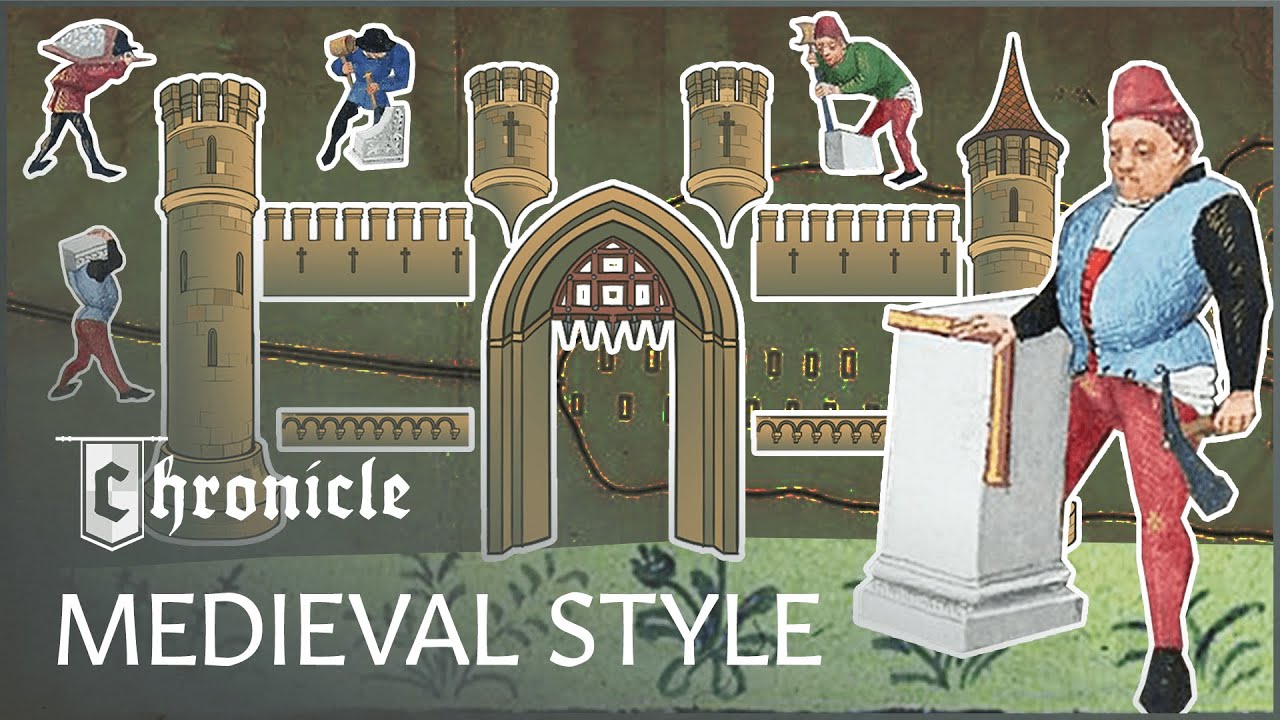
In Guédelon, France, archaeologists, led by Ruth Goodman, Tom Pinfold, and Peter Ginn, are constructing a 13th century-style castle using only medieval tools and materials.
Sean Beukes manages a ranch that spans 6,000 hectares in the Karoo desert, where drought poses a constant threat to livestock and survival.
Condoleezza Rice discusses her upbringing in Birmingham, Alabama, her academic achievements, and her roles as National Security Advisor and Secretary of State.
Akhenaten, the controversial Pharaoh of Ancient Egypt, and his Queen Nefertiti radically transformed the kingdom's religion and cultural landscape.
A proclamation on August 29, 1793, called for unity among the enslaved population in Saint-Domingue to fight for liberty and equality.
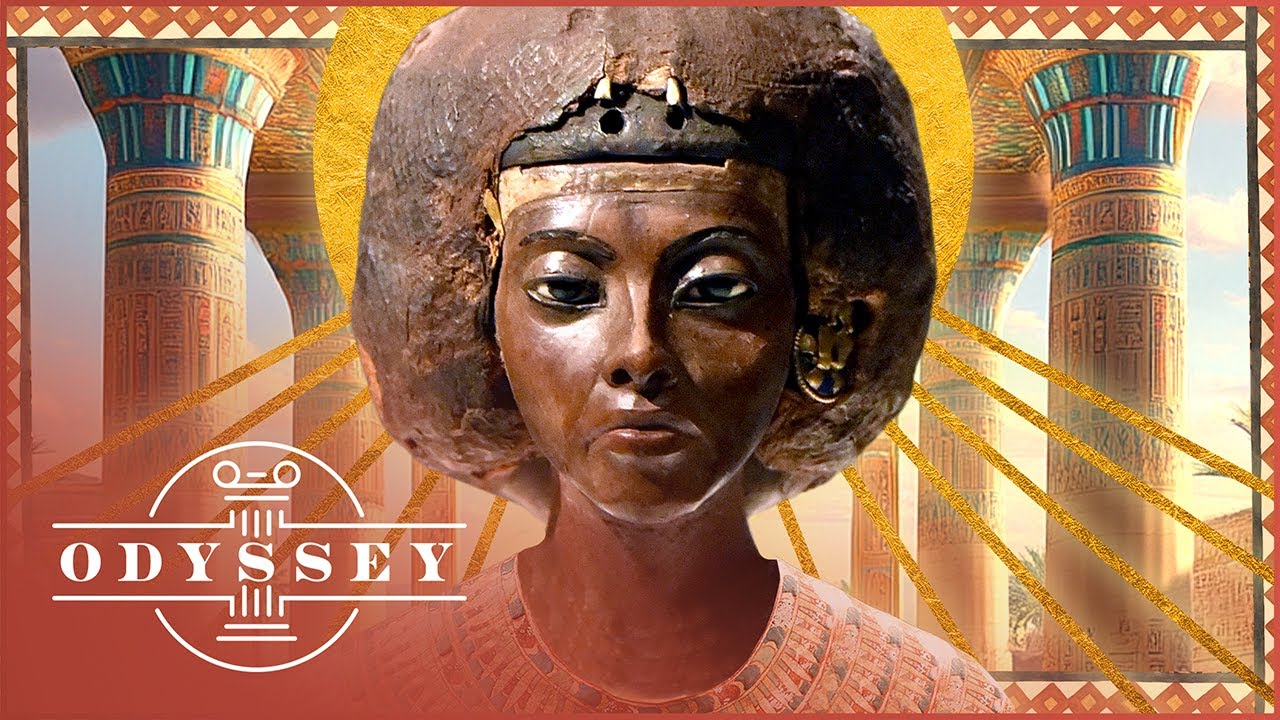
Queen Tiye of ancient Egypt played a pivotal role in a religious revolution that significantly influenced Egyptian society and its spiritual legacy.
Rock Hudson's life as a leading man in Hollywood is examined through interviews with his doctors, friends, and colleagues, highlighting his struggles with closeted sexuality and AIDS.
George S. Patton's military career is examined, highlighting his leadership in key battles such as North Africa, Sicily, Normandy, and the Battle of the Bulge.
Mary Pearcey, a Victorian double killer, manipulated her victim's family and secured funding for her defense from Madame Tussauds before her execution.
On 15 March 44 BC, Julius Caesar was assassinated by a coalition of senators, including Gaius Cassius Longinus and Marcus Junius Brutus.
The House of Windsor has faced numerous crises and scandals, including family disputes and public betrayals, that have shaped British monarchy history.
In 9 AD, Roman general Publius Varus faced a devastating ambush by Germanic tribes in the Teutoberg Forest, marking a significant defeat for Rome.
Carthage, once the dominant power of the Mediterranean, faced annihilation by Rome due to their intense rivalry as Rome expanded its influence.
Following the defeats at Stalingrad and Kursk, the Red Army launched a series of rapid and brutal offensives against the Wehrmacht during World War II.
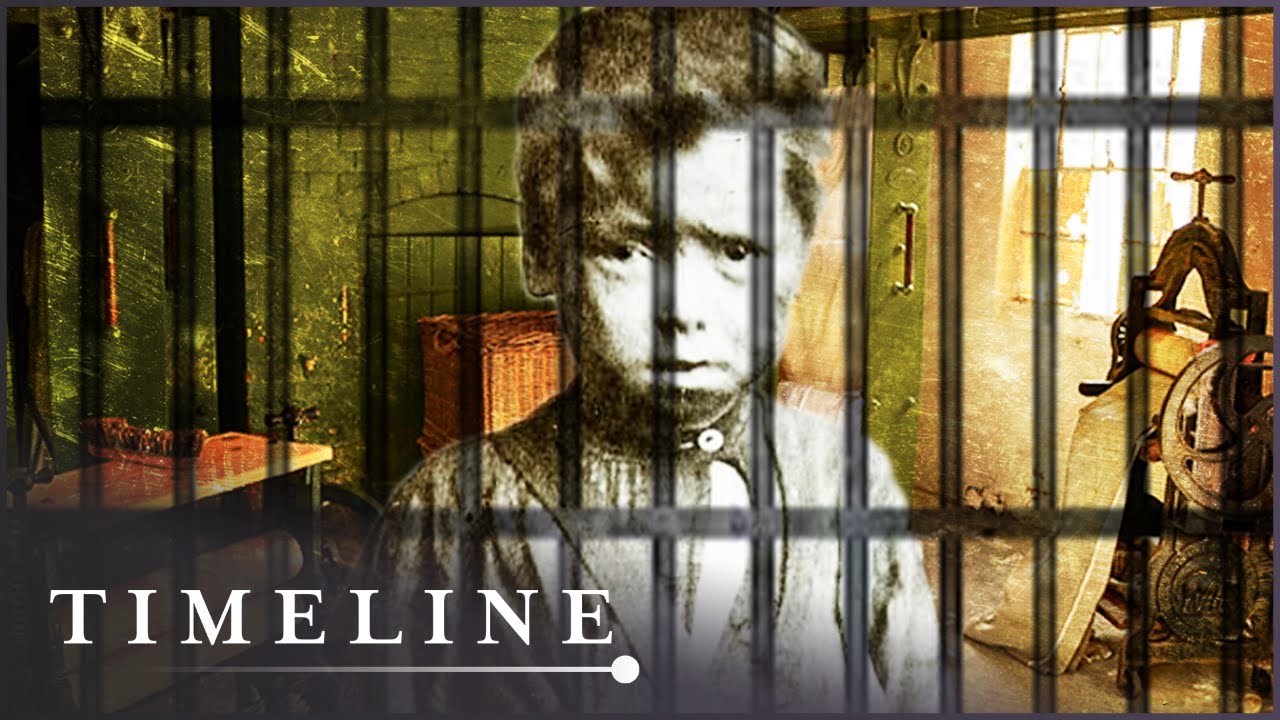
16 million people passed through the doors of Victorian workhouses, where poverty was treated as a crime until the system was abolished in 1929.
At its peak in 1944, the US Air Force had 10,000 aircraft and half a million personnel stationed in Britain during World War II.
Mary Stuart, Queen of Scots, navigated a tumultuous reign marked by rivalry with Elizabeth I and ultimately faced execution due to her perceived threat to the English crown.
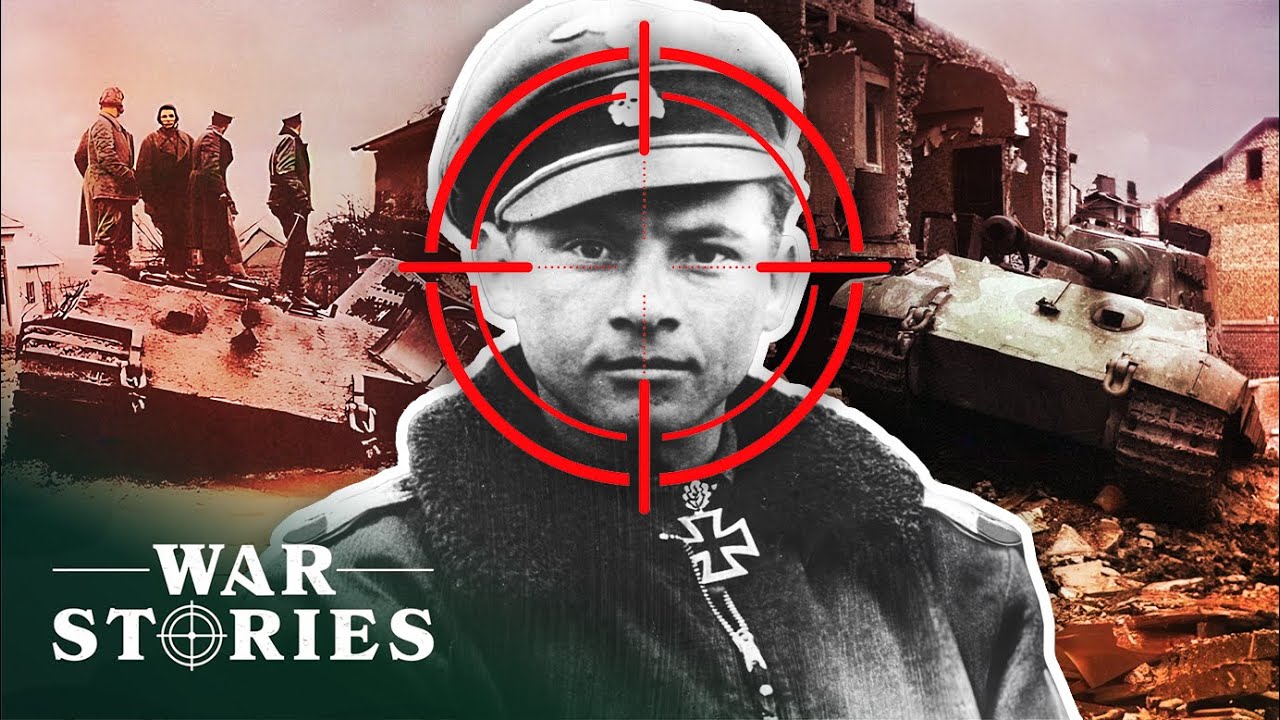
Michael Wittmann, Germany's highest-scoring Panzer ace, met his end in the 1944 Normandy battlefield, with investigations into who was responsible for his demise.
Abraham Lincoln's early life, political ascent, and leadership during the Civil War are examined through historical photography and expert commentary.
Queen Elizabeth I navigated a treacherous landscape of political intrigue and assassination attempts, embodying the strength and independence expected of a king.
Bruce Lee's sudden death at the age of 32 raises questions about the circumstances surrounding his passing, challenging the coroner's assessment of his demise.
Steve Brusatte, a paleontologist at the University of Edinburgh, discusses the evolution of dinosaurs into birds and his role as a consultant for the Jurassic World films.
Amateur archaeologist Simcha Jacobovici investigates the sparse accounts of Jesus Christ's childhood in the Gospels and explores archaeological evidence for insights into his early life.
Cleopatra and her descendants employed various strategies, including political alliances and seduction, to challenge Roman dominance during Egypt's decline.
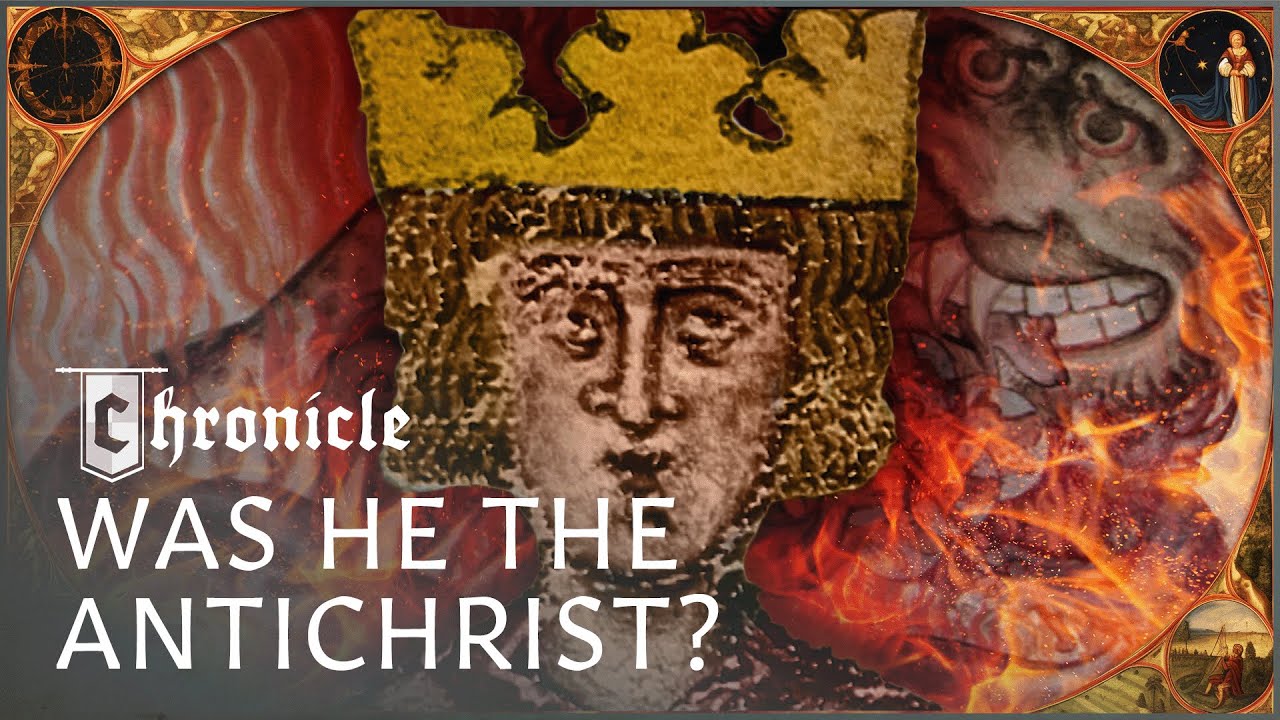
Friedrich II, the Holy Roman Emperor, conducted cruel experiments on humans, including isolating infants to study language and observing death, reflecting his eccentric intellect.
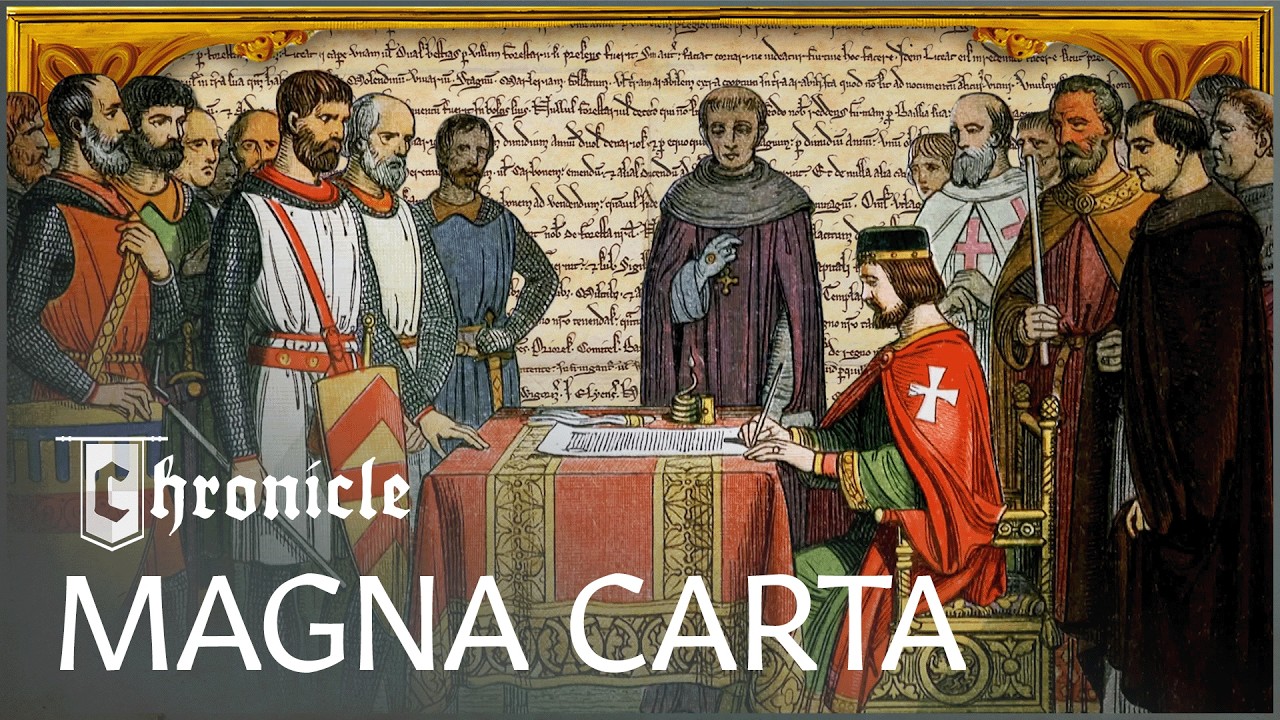
Magna Carta, created in 1215 to limit King John's power, laid the groundwork for the rule of law and influenced the development of the US Constitution.
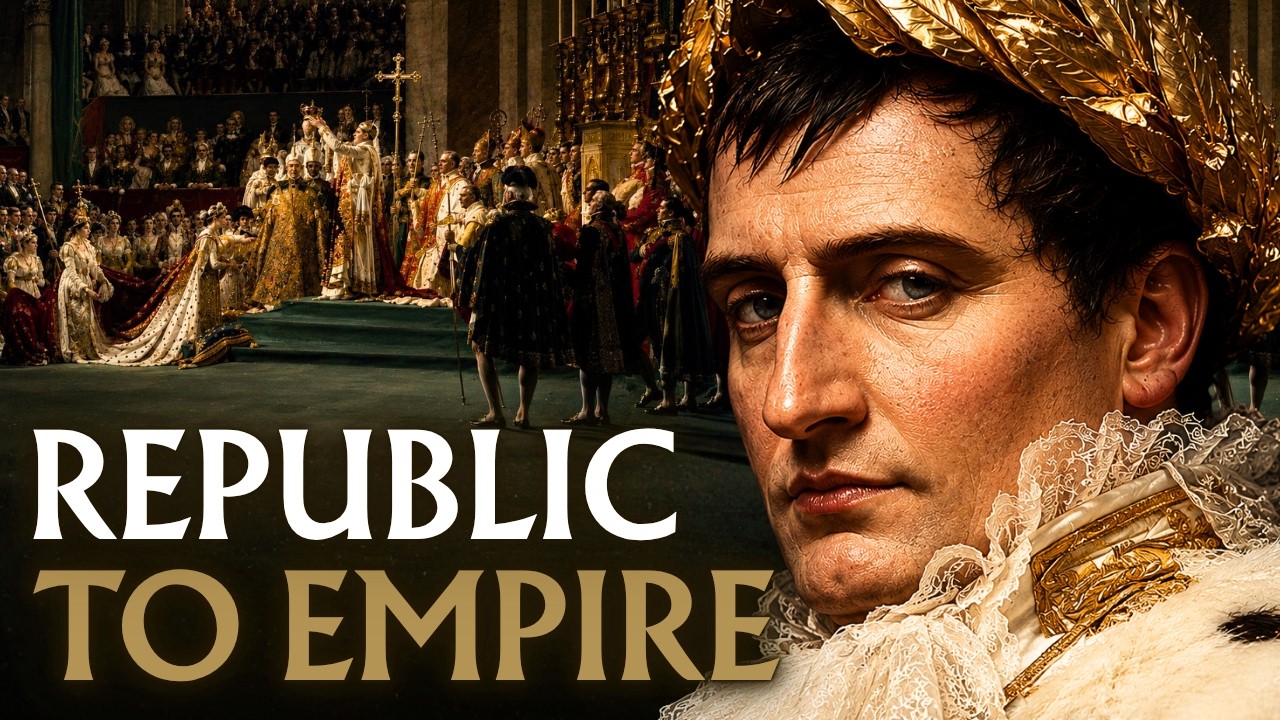
Napoleon Bonaparte's military strategies and key events leading to the decisive Battle of Austerlitz are examined in detail from his departure in Paris.
The Battle of Towton in 1461, a pivotal conflict in the Wars of the Roses, resulted in thousands of deaths and led to the investigation of a memorial chapel by Richard III.
Cleopatra VII was born in 69 BC in Alexandria, the capital of the Ptolemaic Kingdom of Egypt, and became the last active pharaoh of the dynasty.
In 1096, Western Europe launched its first crusade to capture Jerusalem from the Fatimid Caliphate and defend the Byzantine Empire against the Seljuk Turks.
Archaeologists investigate the existence of female gladiators in ancient Rome, exploring their roles and contributions in the arenas of the empire.
In 782, Charlemagne ordered the execution of 4,500 Saxons, a brutal act aimed at enforcing Christianity and consolidating his power in the region.
King John of England, who reigned from 1199 to 1216, was known as "Lackland" due to his lack of inherited territory.
In 1066, the Battle of Hastings marked a turning point in English history as William of Normandy confronted King Harold II, reshaping the nation’s landscape.
Nikola Tesla's development of a powerful superweapon is examined alongside the circumstances surrounding his mysterious death, raising questions about potential foul play.
Knights Templar, a powerful religious order formed during the Crusades, adhered to vows of poverty, chastity, and obedience while becoming elite warriors in medieval history.
In Southern England, archeologists unearth the oldest Bronze Age shoe, dating back 3,000 years, alongside a 300,000-year-old Stone Age hand axe.
Queen Victoria's reign faced significant challenges, including the Irish rebellion, republican uprisings, and the Indian Mutiny, threatening the stability of the English monarchy.
In 1415, the Battle of Agincourt showcased how 6,000 English troops, led by Henry V, defeated a larger French army of 30,000 using longbowmen effectively.
A devastating rebellion in Sudan led by Muhammad Ahmad resulted in the collapse of Egyptian and British control in the region by 1899.
Adolf Hitler's Ardennes Offensive marked a critical moment in World War II, leading to the intense and brutal fighting known as the Battle of the Bulge.
French sailors formed a resistance under General de Gaulle during World War II, operating submarines like the Rubis to combat German battleships.
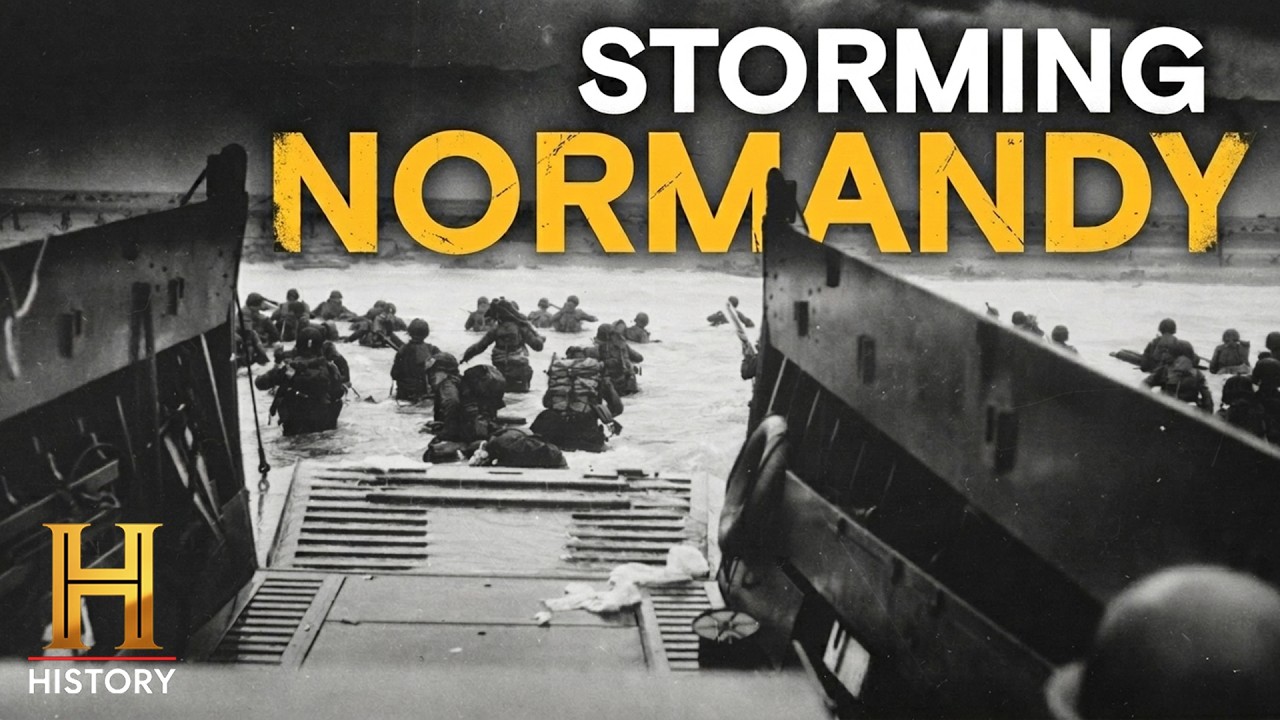
Operation Overlord, a pivotal military campaign during World War II, marked the Allies' largest amphibious invasion, leading to the liberation of Western Europe.