From over 100,000 films, discover the handful you'll love.
Free or premium access to the world's largest documentary library.
3628 films(Page 69 of 76)
Two Nobel Prizes were awarded to Marie Curie, who became embroiled in a scandal after her affair with physicist Paul Langevin in 1911.
Marie-Antoinette was guillotined on October 16, 1793, while Maximilien Robespierre met a similar fate on July 28, 1794, during the French Revolution.
William G. McGowan's contributions to communications and technology are highlighted in a special screening at the National Archives in Washington, DC.
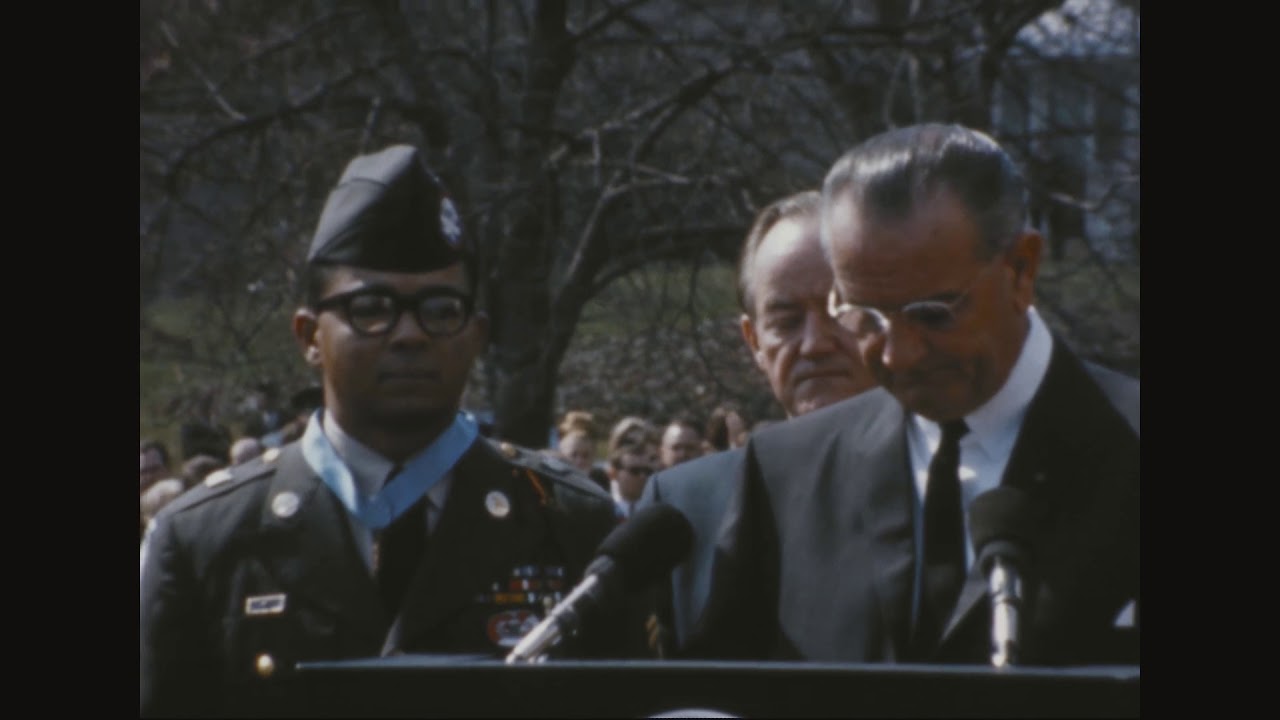
On November 19, 1968, President Lyndon B. Johnson presented Medals of Honor to Chaplain CPT Angelo J. Liteky, CPT Jas Allen Taylor, SGT Sammy Lee Davis, SP5 Dwight Hal Johnson, and SP4.
SP/6 Lawrence Joel receives the Medal of Honor from President Lyndon B. Johnson during a ceremony on the White House lawn in 1967.
Two women in ancient Rome, Messalina and Agrippina, shaped history while facing accusations of madness and crime for their quest for power.
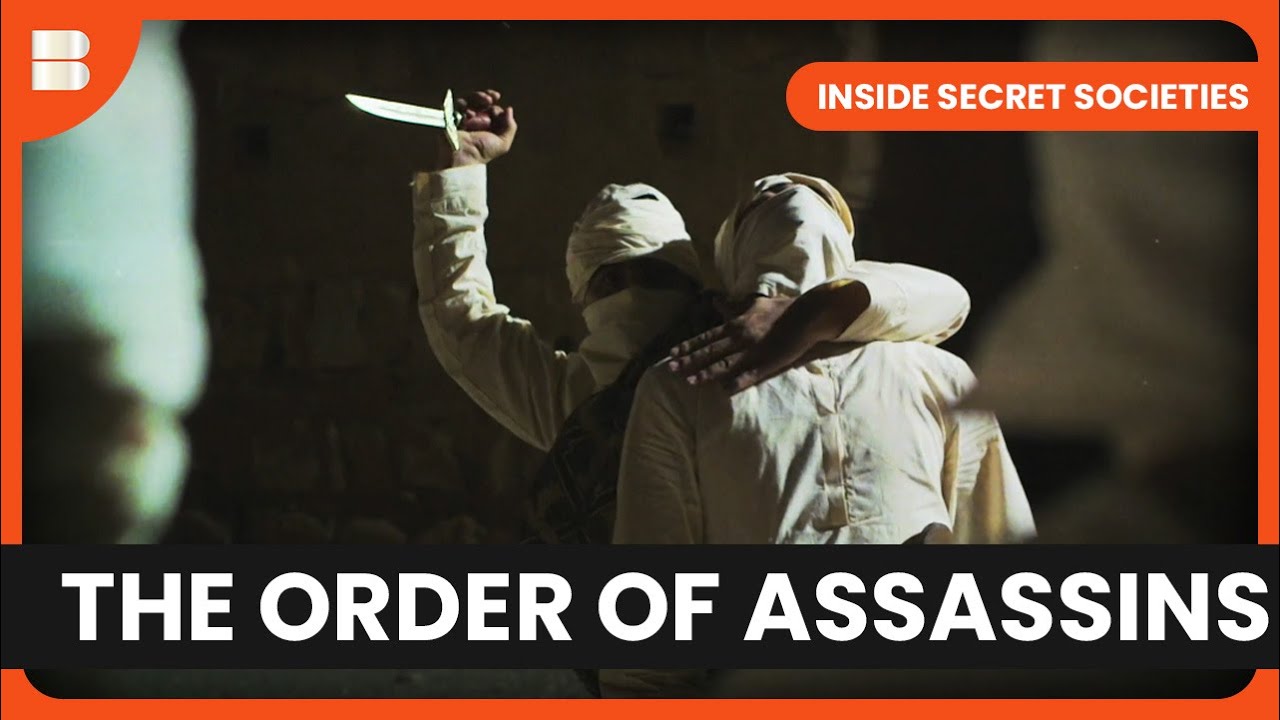
The Ismalli assassins use various tools and strategies for their deadly missions.
Bollywood produces more than 1,000 films a year, yet many actors report feeling violated while filming intimate scenes.
General Bullard greets General Petain at Rampont, while various U.S. Army generals coordinate efforts during the Meuse-Argonne Offensive in 1918.
Mike Wolfe and Jersey hunt for the remains of a legendary Marsh Metz motorbike in Texas while Robbie explores a petroliana treasure trove.
In 1955, Wallace Grant, a 17-year-old from Barbados, forms an unexpected bond with Rudolf Hess while guarding him at Berlin's Spandau prison.
George Washington Carver is featured in silent footage captured at Tuskegee University and other locations, highlighting his contributions to agriculture and education.
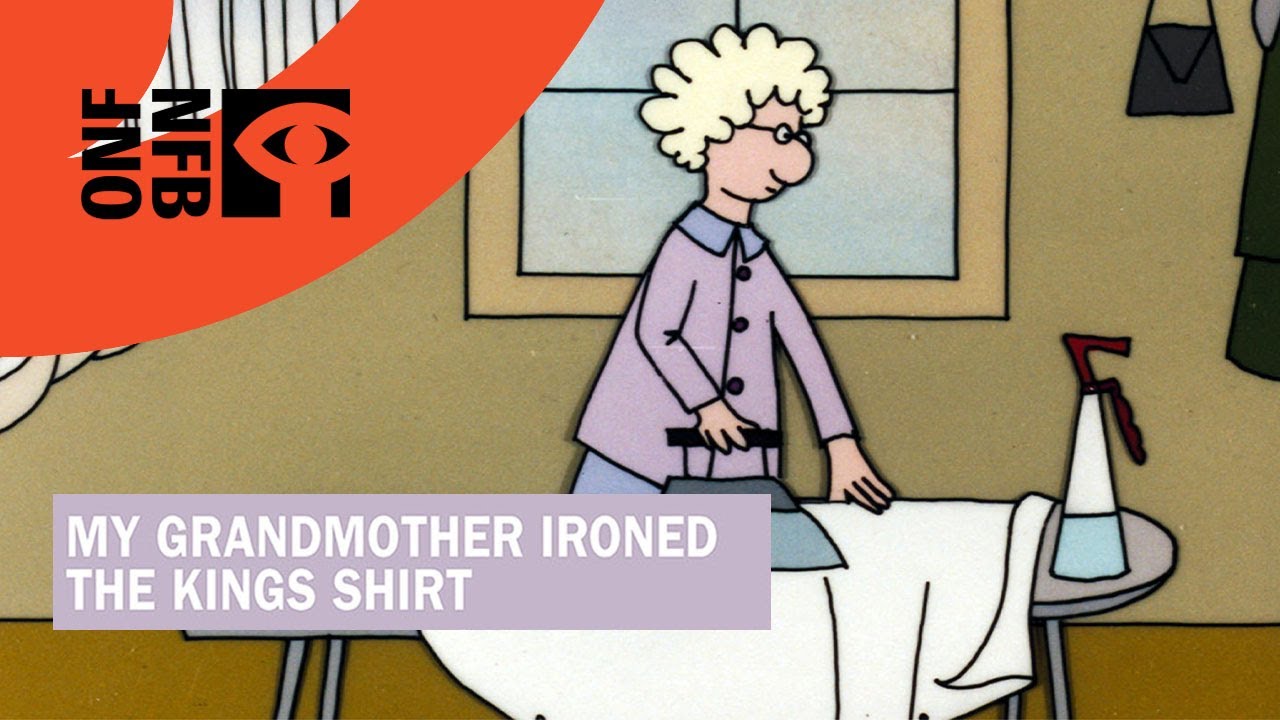
In Norway during World War II, a grandmother's skill in ironing becomes pivotal in aiding the king's escape from Nazi invaders.
George Washington Carver, an influential agricultural scientist and educator at Tuskegee Institute, is portrayed by Keith Henley in a program supported by the National Archives Foundation.
In the Ansel Adams Wilderness of the Sierra Nevada, photographer Peter Essick captures the region's stark beauty, honoring the legacy of the iconic American artist.
Nihad Ademi, an inventor in 1939 Winnipeg, harnesses the aurora borealis to broadcast images of Canada nationwide, provoking government ire.
Marshal Joffre's visit to New York City in 1921 included a parade, a meeting with Mayor Hylan, and the unveiling of a Lafayette Memorial in Brooklyn.
Allied defenses and the aftermath of the April-June 1918 battles in Cantigny, Picardy, are documented, highlighting troop movements and casualties.
In June and July 1918, American and French troops engaged in various activities, including artillery operations and inspections by Generals Pershing and Bullard, in the Cantigny sector of Picardy.
The 12th Field Artillery and Marine units are shown in action during the occupation of Chateau Thierry, featuring inspections by Generals Harbord and Pershing.
On March 12, 1773, Dabney Carr proposed resolutions in the Virginia House of Burgesses to establish a Committee of Correspondence for the colonies.
San Zaw Htway, a prominent Burmese artist and activist, is remembered through the words of his loved ones as Myanmar endures ongoing military oppression.
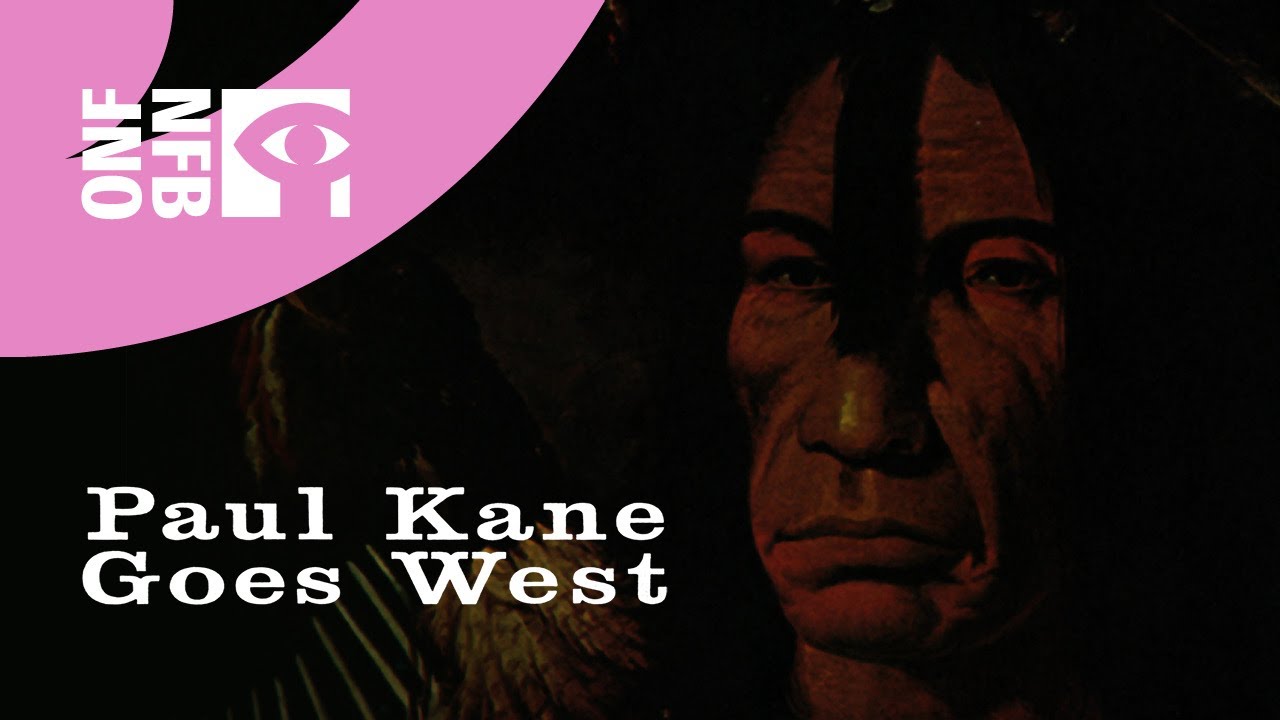
Paul Kane's mid-1800s paintings depict the Canadian northwest's Indigenous Peoples, cultural events, and natural landscapes, enhanced by innovative lighting techniques.
United States Navy Ensign John Charles England, a Pearl Harbor hero, was finally returned to his family after 75 years in an unknown grave.
General John J. Pershing reviews a regiment in Vincennes, greets military leaders in Brest, and returns to New York aboard the USS Leviathan in 1919.
Kurdish peshmerga forces defend Mosul against the Islamic State a year after its takeover.
In Juvigny, France, troops from the 5th Division, including the 313th and 314th Field Artillery, are shown assembling and preparing for post-armistice operations in 1918-1919.
In 1918-1919, the 80th and 81st Divisions of the U.S. Army conducted training exercises in France, featuring troop movements and inspections by Generals Pershing and Liggett.
Akhenaten, the father of King Tutankhamun, engaged in radical myth-making that transformed Egyptian religion during the 14th century B.C.
Calvin Coolidge's presidency is documented through key events such as the dedication of the Grant Memorial in 1922 and his inaugural parade in 1925.
On March 29, 1941, President Roosevelt addressed Jackson Day diners from the USS Potomac, stating, “The time calls for courage and more courage.”.
President Franklin D. Roosevelt's Labor Day Address on September 1, 1941, articulates the United States' resolve to combat Nazi Germany and its allies.
Franklin D. Roosevelt received an honorary degree from Queens University in Ontario, Canada, on August 18, 1938, during a ceremonial event.
On December 8, 1941, President Franklin D. Roosevelt delivered a speech to Congress requesting a Declaration of War against Japan following the Pearl Harbor attack.
Herbert Hoover's presidency is chronicled through significant events such as his inauguration in 1929, the signing of the Kellogg Pact, and his inspections aboard the battleship Arizona.
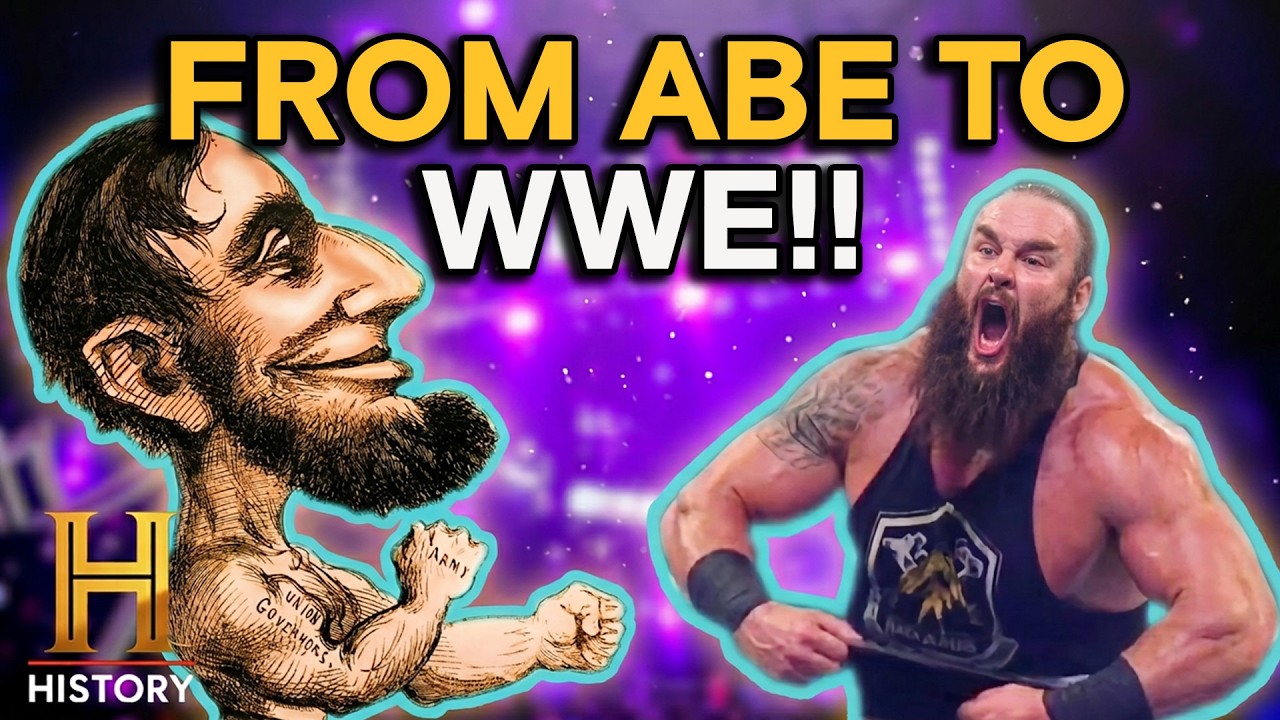
Abraham Lincoln's early life is explored through his connections to professional wrestling and the popularization of moves like the chokeslam in Season 2, Episode 17.
Warren G. Harding's presidency from 1921 to 1923 is chronicled through key events such as his inauguration, the dedication of the Lincoln Memorial, and his funeral procession.
President Woodrow Wilson's December 1918 voyage aboard the USS George Washington to Paris is captured through silent film footage, highlighting key figures and events.
Queen Elizabeth II's death marked the end of the second Elizabethan age, triggering extensive media coverage and a national period of mourning in the UK.
Nine years passed during the Seven Years War, which led to increased taxes on American colonists and sparked debates about representation and governance.
A 10-minute episode commemorates the 60th anniversary of John F. Kennedy's assassination on November 22, 1963, and examines his lasting impact.
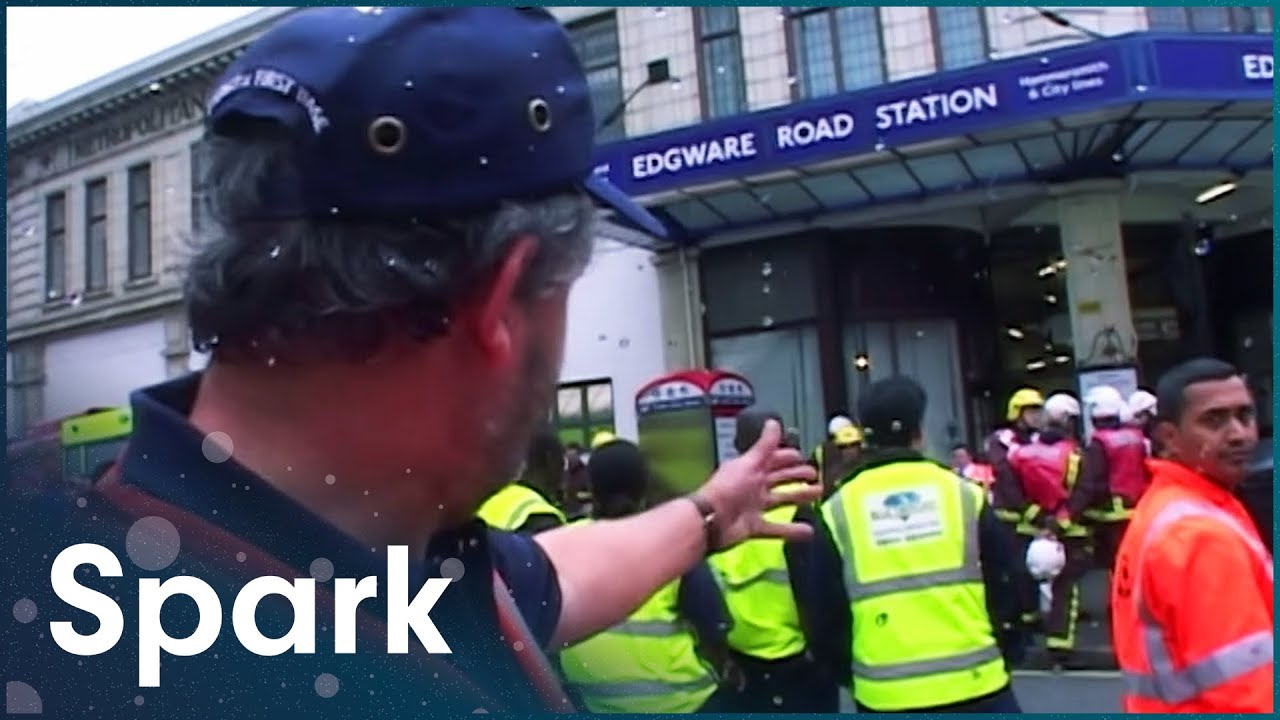
On July 7, 2005, London's underground tube system experienced a devastating attack, profoundly impacting its operations and the lives of 200,000 commuters.
President Woodrow Wilson reviews American Expeditionary Forces units at Humes, France, alongside General John J. Pershing on December 25, 1918.
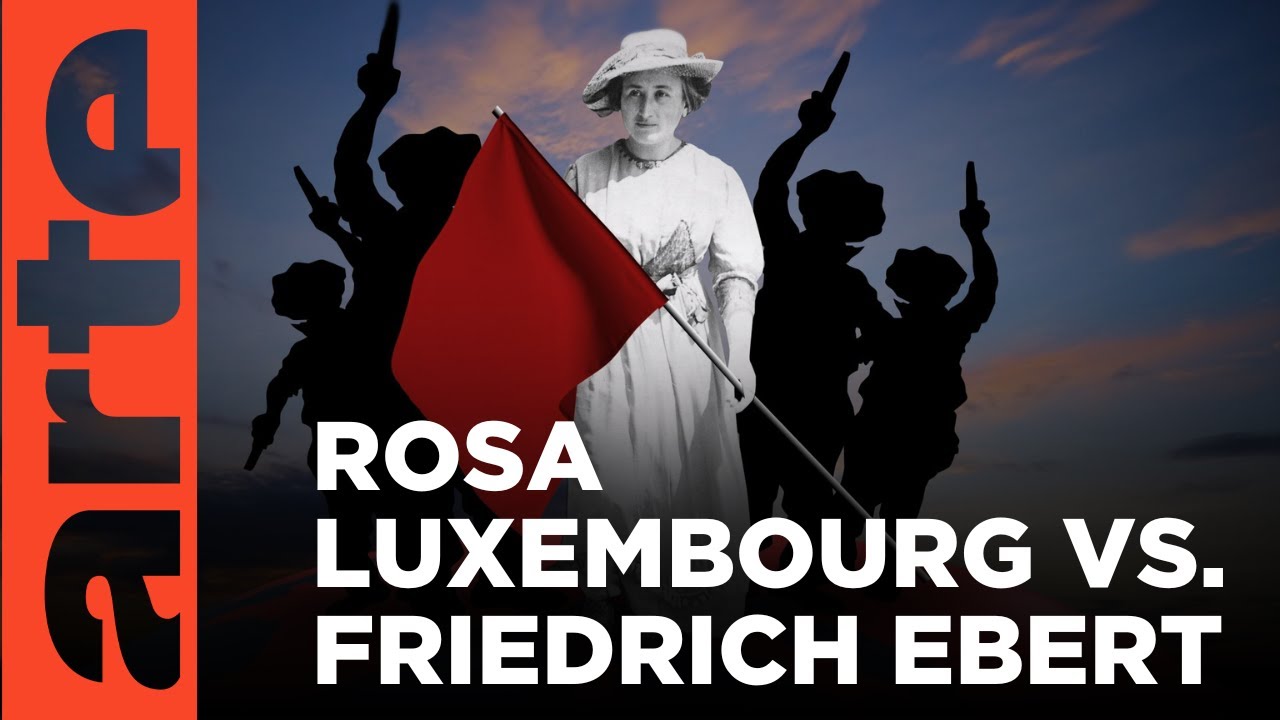
Rosa Luxembourg, born in 1871, became a leading figure in the European left, advocating for a peaceful revolution and women's equality.
King George VI and Queen Elizabeth's historic visit to Washington, D.C., in June 1939 marked the first time a reigning British monarch visited the United States.
Salem's witch trials resulted in the execution of those found guilty of witchcraft, a dark chapter that influenced Nathaniel Hawthorne's literary works.
Samuel de Champlain, the founder of Québec and governor of New France, is portrayed through his explorations and contributions to Canadian history.
General John J. Pershing and other military leaders, including General Bliss and Premier Clemenceau, are seen conferring at key locations in France during World War I.











![Documentary backdrop image for Post Armistice Training, 5th Division [1918-1919] (2018)](https://i.ytimg.com/vi/oclxIVngwtc/maxresdefault.jpg)
![Documentary backdrop image for Post Armistice Training, 80th and 81st Divisions [1918-1919] (2018)](https://i.ytimg.com/vi/gEHA6fQ8oOY/maxresdefault.jpg)




![Documentary backdrop image for President Warren G. Harding [1921-1923] (2014)](https://i.ytimg.com/vi/KPgBc7-H-Po/maxresdefault.jpg)





![Documentary backdrop image for Scenes of General Pershing, General Bliss and Famous Visitors to the American G.H.Q., [1918-1919] (2018)](https://i.ytimg.com/vi/6JpwyCkrRrY/maxresdefault.jpg)