From over 100,000 films, discover the handful you'll love.
Free or premium access to the world's largest documentary library.
3628 films(Page 13 of 76)
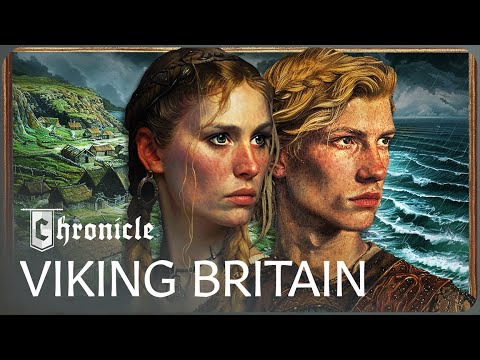
Nearly 1,000 years ago, Vikings from Scandinavia settled across Europe, influencing regions like Normandy and impacting events such as the Battle of Hastings in 1066.
On the Isle of Wight, archaeologists investigate a field that may have been the site of Iron Age executions, exploring its historical significance and mysteries.
Excavations in Orkney and Devon reveal early Viking presence in Britain, highlighting cultural influences, Norse place names, and the St. Brice's Day Massacre.
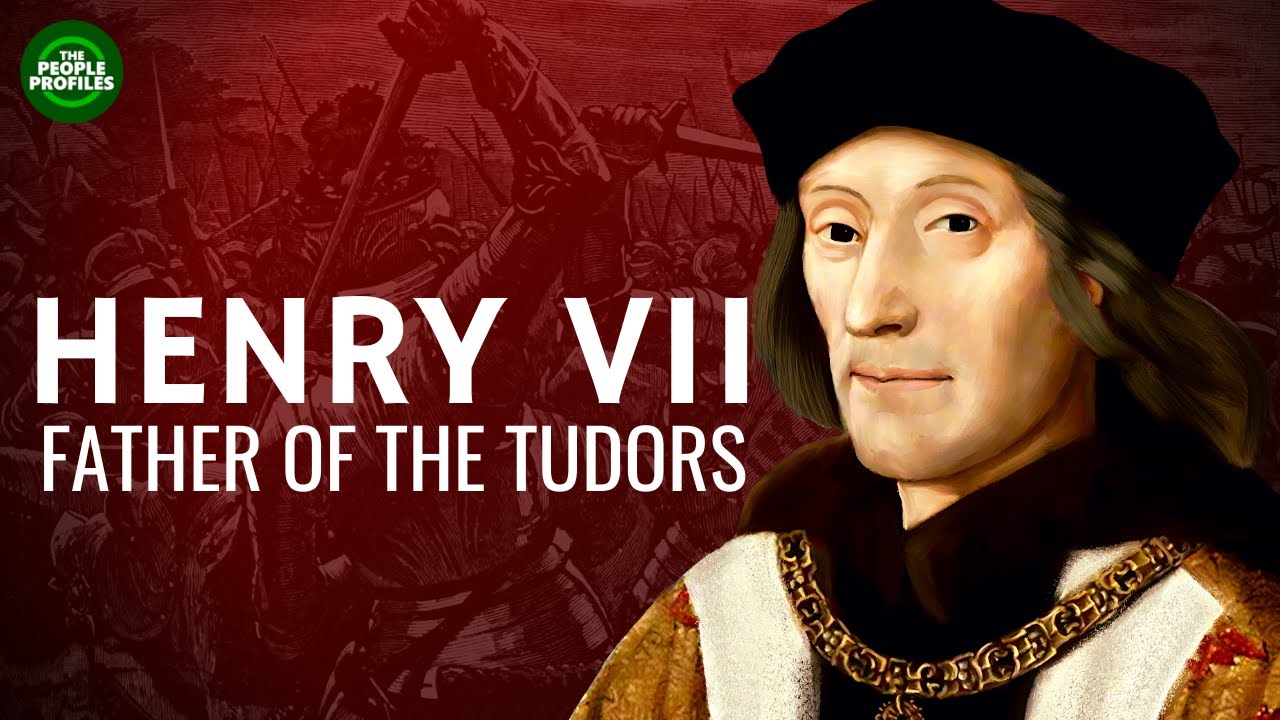
5000 men faced 10,000 at the Battle of Bosworth Field on August 22, 1485, marking the end of the Wars of the Roses and the rise of Henry VII.
Archaeologists in Stoke Mandeville have revealed a Roman treasure trove beneath a Norman church, including life-sized stone busts and a glass urn.
J.C. Newman started his cigar business in 1895 with an order for 500 cigars after borrowing fifty dollars from his mother.
A young man's skeleton shows he died from a weapon wound, revealing the violence of the Anglo-Saxon period after the Romans left Britain in 410 AD.
Buddhism, founded by Siddhartha Gautama, now has around 500 million followers worldwide, making it the fourth largest religion.
Simcha Jacobovici investigates key questions about Jesus Christ, including his historical voyages and the authenticity of relics like the nails from the True Cross.
A Catholic king fled his country and throne during a period marked by the English Civil War and the Great Fire of London.
Carthage, once Rome's greatest rival, faced complete destruction during the Punic Wars, marking a pivotal moment in the rise of the Roman Empire.
In 1260, the Mamluks, led by Baibars, faced the Mongol Empire, which had enslaved or destroyed nearly every opponent in its path.
Heinrich Himmler directed elite German troops in wartime Italy to search for Tacitus' 'Germania', aiming to fabricate a mythical Aryan history to justify Nazi policies.
Gaius Julius Caesar Augustus, known as Octavian, became the first Roman Emperor after defeating Mark Antony and establishing a long period of peace in the Roman Empire.
Jewish partisans in World War II recount their experiences of resistance against Nazi oppression, highlighting their bravery and determination amidst adversity.
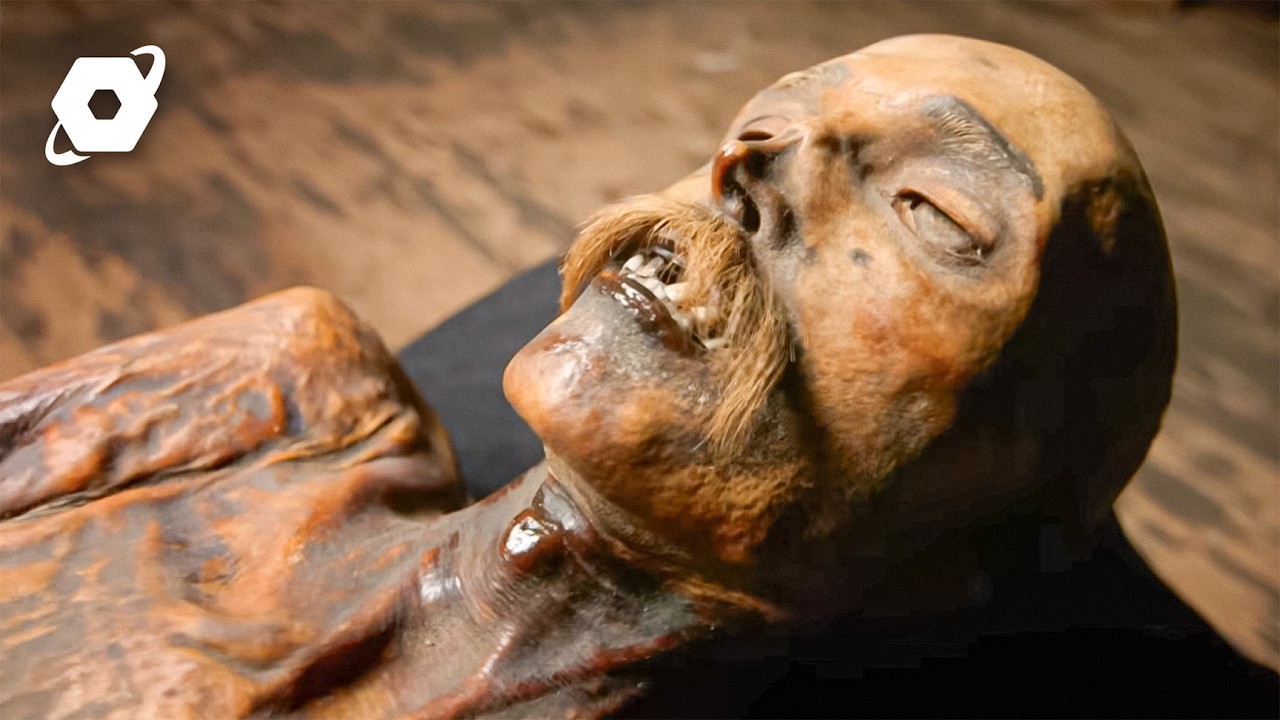
A 130-year-old mummy found in the American West reveals insights into crime, justice, and survival, potentially linked to an outlaw's identity.
In 1864, Alma Harding's desperate prayers for her husband Jerimiah's return from the Civil War intensify as their son Benjamin battles scarlet fever.
Ancient Egypt's mysteries are explored through the insights of archaeologist Miriam Cooke and Egyptologist Dominic Montserrat, focusing on Tutankhamun's tomb and the pyramids of Giza.
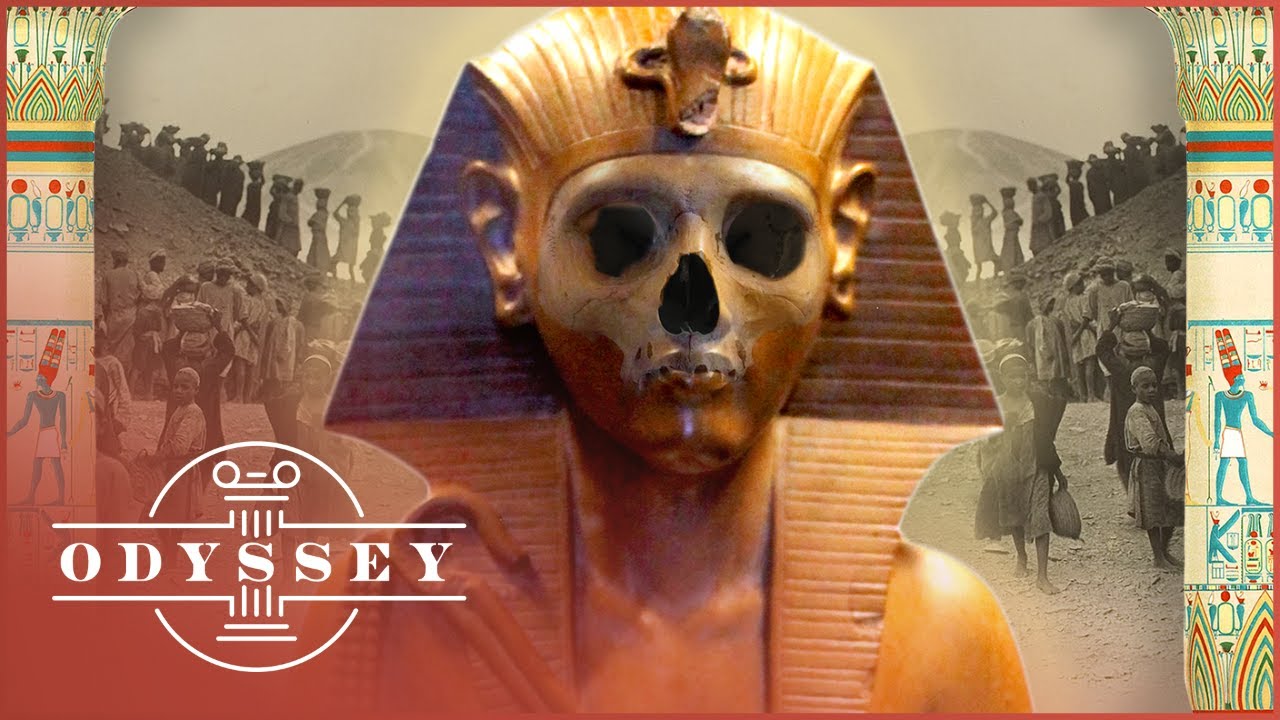
Akhenaten, the heretic Pharaoh of Ancient Egypt, faced the erasure of his legacy, prompting investigations into the whereabouts of his lost tomb and body.
Queen Camilla's evolution from a controversial figure amid the Charles and Diana saga to a respected Queen consort is examined through her steadfast partnership with King Charles III.
Robert Hardman reveals new insights into George III using the Royal Archives' personal papers.
The eruption of Mount Vesuvius on 24 August 79 AD is reconstructed hour by hour using the latest evidence from volcanology.
In Jerusalem, five extraordinary artifacts from the Israel Museum provide new insights into Roman crucifixion and biblical history.
Ferdinand Porsche's innovative designs and engineering contributions significantly shaped the automotive industry, influencing brands like Volkswagen and Porsche.
In Northamptonshire, Morris and Pat Jones unearthed an Anglo-Saxon skeleton, complete with a knife, ceremonial pottery, and a valuable buckle, while digging in their garden.
George I ruled Britain for 13 years, from 1714 to 1727, during a time of significant political change and the rise of parliamentary power.
A modern reenactment of a Viking voyage aboard the Draken highlights the challenges faced by a crew of 34 sailors while revealing new genetic insights into Viking identity.
Ancient biblical sites in Greece, narrated by David Suchet and featuring historian Dr. Michael Scott, highlight the historical context of early Christianity.
Walt Disney creates Mickey Mouse and revolutionizes theme parks with Disneyland.
Ferdinand Magellan's 1519 expedition under the Spanish crown marked the first successful circumnavigation of the Earth, reshaping global geographical knowledge.
Life as a Roman centurion involved rigorous training, long marches, and the responsibilities of leading troops in one of history's most formidable military forces.
Josephine de Beauharnais survives a death sentence and influences Napoleon as his Empress and great love.
Tutankhamun died around 1324 BCE after only a decade on the throne, and his tomb contained lavish gold and grave goods.
Deng Xiaoping's economic reforms and opening up policies fundamentally transformed China into a modern global power.
At the Military Intelligence base in Chicksands, archaeologists investigate a 13th-century Gilbertine monastery, revealing medieval structures and the nuns' Cloister.
Medieval knights navigated a violent landscape marked by invasions, long wars, and evolving warfare strategies during the Norman conquest and the Battle of Hastings.
Alexander the Great died in 323 BC, leading to a power struggle among his commanders, including Ptolemy I, who became the first pharaoh of Egypt.
Rasputin, the controversial advisor to Tsar Nicholas II and Tsarina Alexandra, played a significant role in the political turmoil of early 20th century Russia.
Tutankhamun was born in the late 1340s BC and became pharaoh during a time of significant religious and political upheaval in ancient Egypt.
Bellwright is now in early access on Steam, offering unique gaming experiences.
Dinko Sakic, a Croatian Nazi collaborator, commanded the Jasenovac concentration camp, notorious for its extreme brutality during World War II.
James Monroe was born on April 28, 1758, in Westmoreland County, Virginia, and became the fifth President of the United States from 1817 to 1825.
Kaiser Wilhelm II was born on January 27, 1859, in Berlin, and his difficult birth left him with a permanently damaged left arm.
In Gloucestershire, Time Team investigates one of the largest Roman villas in Britain, revealing insights into the luxurious lifestyles of the elite.
Amenhotep III's reign is examined through the construction of the Colossi of Memnon and the lives of workers involved in the Valley of the Kings project.
Wallis Simpson was born Bessewallis Warfield in Blue Ridge Summit, Pennsylvania, around June 19, 1896, though her exact birth date remains unclear.
Surviving sections of Nero's Golden House are buried up to 13 feet deep, posing a risk of collapse as archaeologists work to preserve its remains.
Princess Diana's life is examined through her humanitarian efforts, personal stories, and lasting impact on the royal family and public compassion.