From over 100,000 films, discover the handful you'll love.
Free or premium access to the world's largest documentary library.
3628 films(Page 59 of 76)
François Picaud's life, marked by betrayal and imprisonment, inspired Alexandre Dumas' classic novel through his extraordinary quest for revenge in 19th-century France.
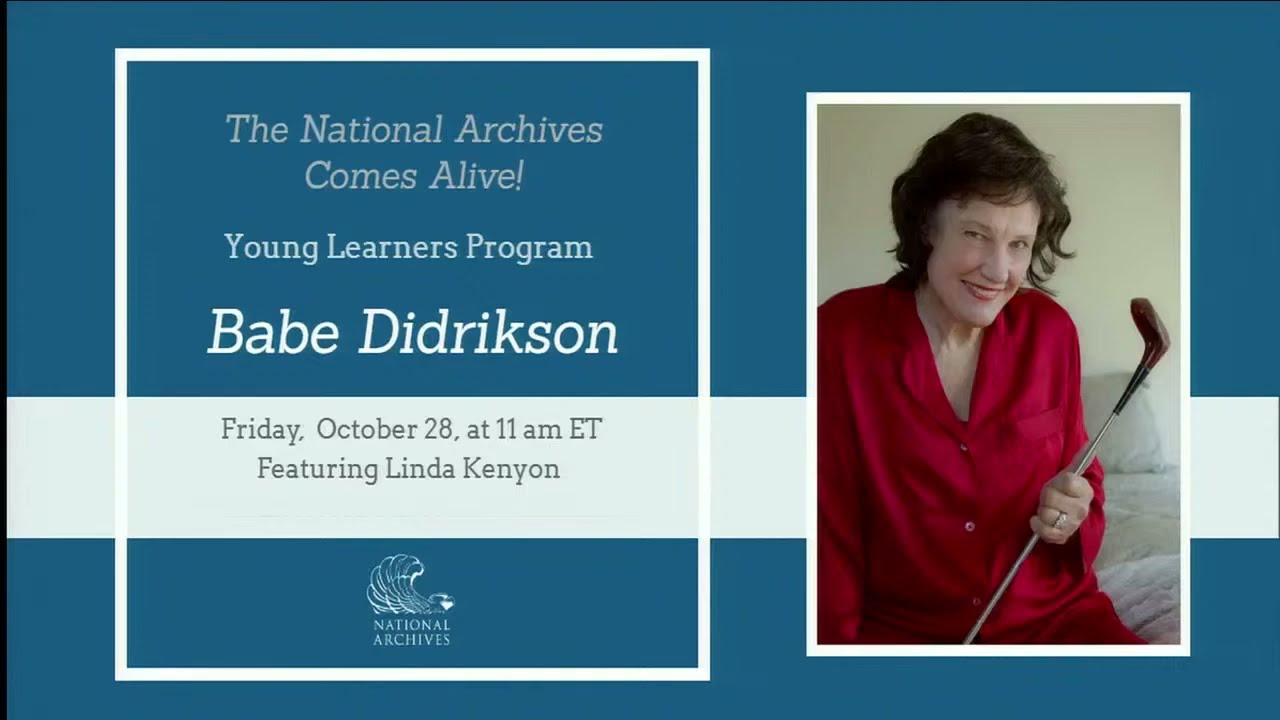
Babe Didrikson won two gold medals at the 1932 Olympics and is often cited as the greatest female athlete of the 20th century.
The National Archives holds approximately 13 billion pieces of paper, including records from 14 presidential libraries, as part of its mission to preserve government documents.
In 79 AD, the eruption of Mount Vesuvius buried the Roman cities of Pompeii and Herculaneum, preserving their daily life and architecture for centuries.
The Black Watch sniper platoon, which suffered the highest casualties among Canadian regiments in World War II, shares their experiences from the liberation of Western Europe.
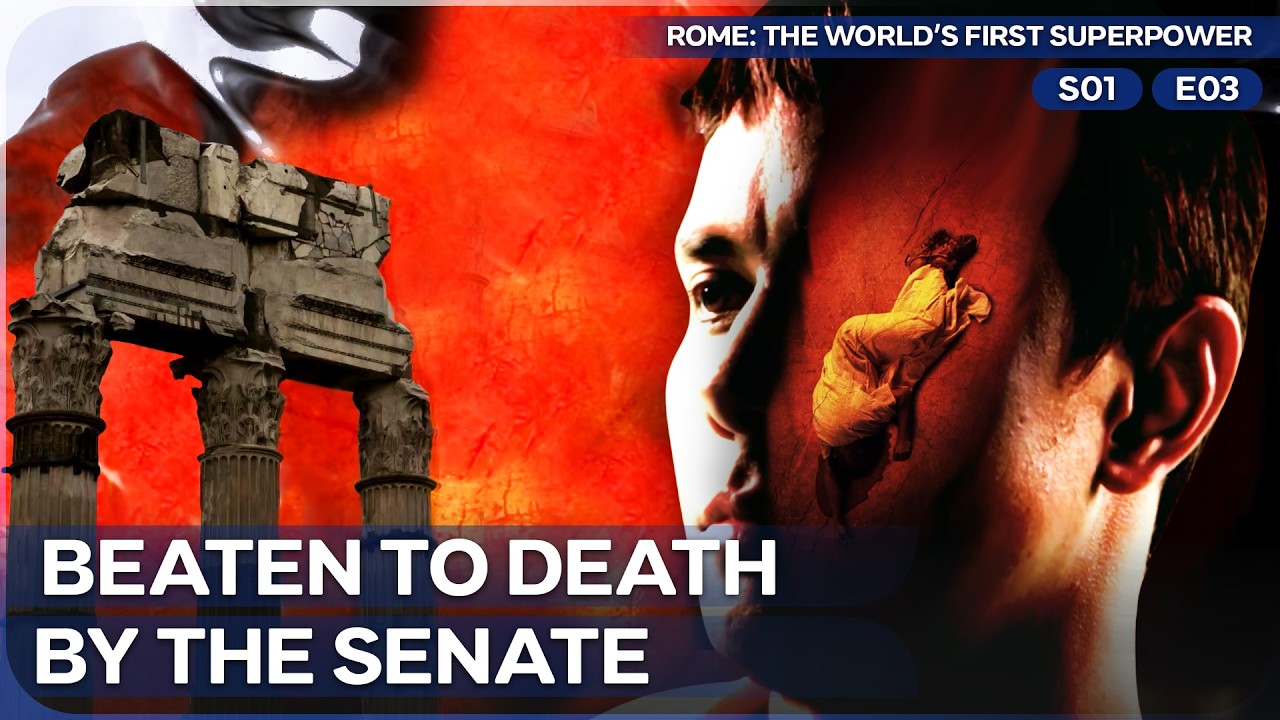
Ancient Rome's transformation from a small city-state to a vast empire is examined through its legendary commanders, epic battles, and political intrigue.
Franklin D. Roosevelt and Winston Churchill participated in the White House Christmas Tree Lighting Ceremony on December 24, 1941, amidst World War II.
Bernard Lafayette reflects on the teachings of Dr. Martin Luther King Jr. and emphasizes the ongoing relevance of nonviolence in contemporary social justice movements.
Eliza Harriot Barons O’Connor's 1780s lectures at the University of Pennsylvania influenced the Constitution's gender-neutral language and promoted women's education.
Rembrandt's artworks, created throughout his adult life, have been dispersed worldwide, each with its own unique history and significance.
Roman mythology, Norse legends, and the epic of The Iliad illustrate how war shapes narratives and cultural identities throughout history.
In 1811, residents of Greenwich Village fought to keep their streets distinct from Manhattan's grid plan, setting the stage for decades of artistic and political expression.
Ronald Reagan's 1983 address at the Capitol Centre in Landover, Maryland, commemorates the resilience and strength of Jewish Holocaust survivors.
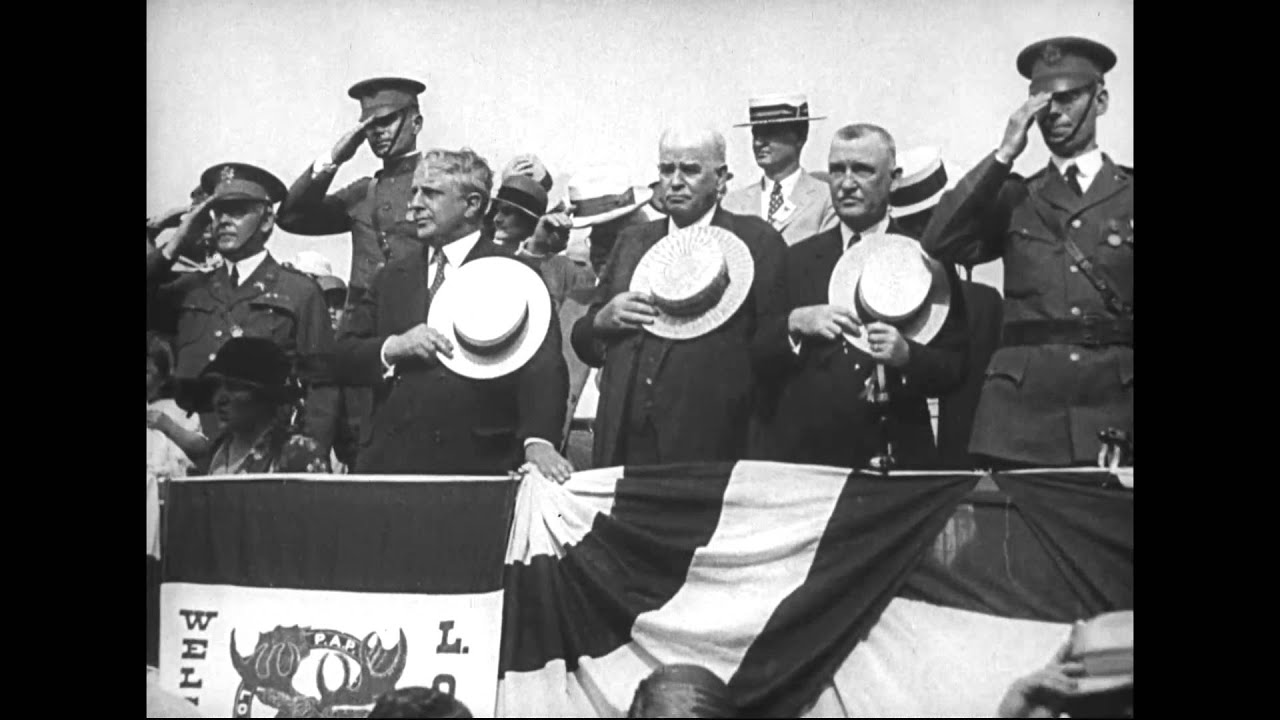
Brest's harbor in 1918 showcases the arrival of U.S. troops, including the 304th Field Artillery and 61st Infantry, as they debark from various transports and set up camp.
In ancient China, the legacy of Hua Mulan transcends her portrayal in Disney films, revealing a complex figure rooted in history and cultural significance.
Andrew Young shares his experiences working with Dr. Martin Luther King Jr. and highlights the influence of their wives on the Civil Rights Movement.
A heated debate in the provincial House of Assembly on July 5, 1858, centered on the future of Canadian federation and representation by population.
Sonny Bono's death in 1998 sparked a contentious legal battle over his multi-million-dollar estate, highlighting family disputes and inheritance conflicts analyzed by legal experts Danielle and Andy Mayoras.
A panel of experts discusses President Abraham Lincoln's musical preferences and the cultural context of music during the Civil War at the National Archives.
Marian Wright Edelman reflects on her experiences with Dr. Martin Luther King Jr. and the impact of faith on his leadership during the civil rights movement.
Gilbert Stuart, a prominent portraitist of the Federal era, is known for his iconic images of George Washington and portraits of the first five U.S. Presidents.
John Lennon’s life and career are explored through significant locations, highlighting his time with The Beatles, activism in the 1960s, and the impact of his 1980 assassination.
El Greco's innovative artistry, which went unrecognized for nearly three centuries, highlights the complexities of art appreciation and historical context.
The reign of the House of Stuart from 1603 to 1688 is examined through the lens of the Wynn family at Gwydir Castle, highlighting key historical events and struggles.
Calvin Coolidge's administration is highlighted through key events and figures, including Sec. of War James J. Davis and Vice President Charles G. Dawes, in various historical settings.
On May 2, 1808, the people of Madrid rose against Napoleon's army, marking the beginning of the Spanish War of Independence and a pivotal moment in national identity.
Meyer Fishbein, a retired appraisal archivist and electronic records pioneer, participated in a live interview at the National Archives Assembly on November 20, 2013.
A hotel in New York, built over a river and once frequented by the mafia, is being restored by a couple aiming to recreate its 1940s charm.
Joseph Mallord William Turner, a celebrated British painter, faced controversy for his experimental works that challenged the artistic norms of his time.
Philo Farnsworth, a fourteen-year-old farm boy, invented television and engaged in a legal battle to assert his claim against established inventors.
Marion Dewar, Ottawa's mayor from 1978 to 1985, championed social responsibility, disarmament referendums, and increased refugee quotas during her tenure.
Jack Bond revisits his 1965 film featuring Salvador Dalí while exploring the artist's enigmatic character and surrealism at the Moderna Museet in Stockholm.
Cowboy boots, an iconic element of American fashion, are celebrated through the insights of notable figures like Lyle Lovett and Kinky Friedman.
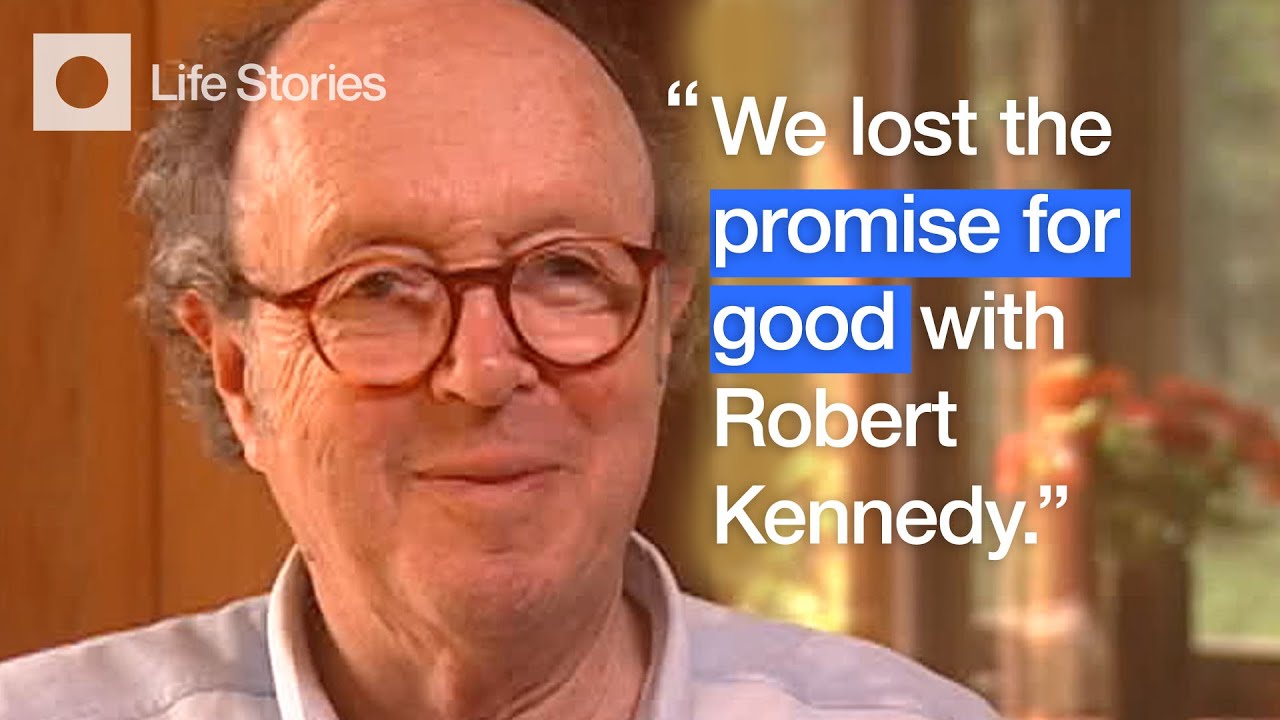
Pulitzer Prize-winning journalist Anthony Lewis reflects on Robert F. Kennedy's evolution from a political operator to a symbol of justice and moral courage.
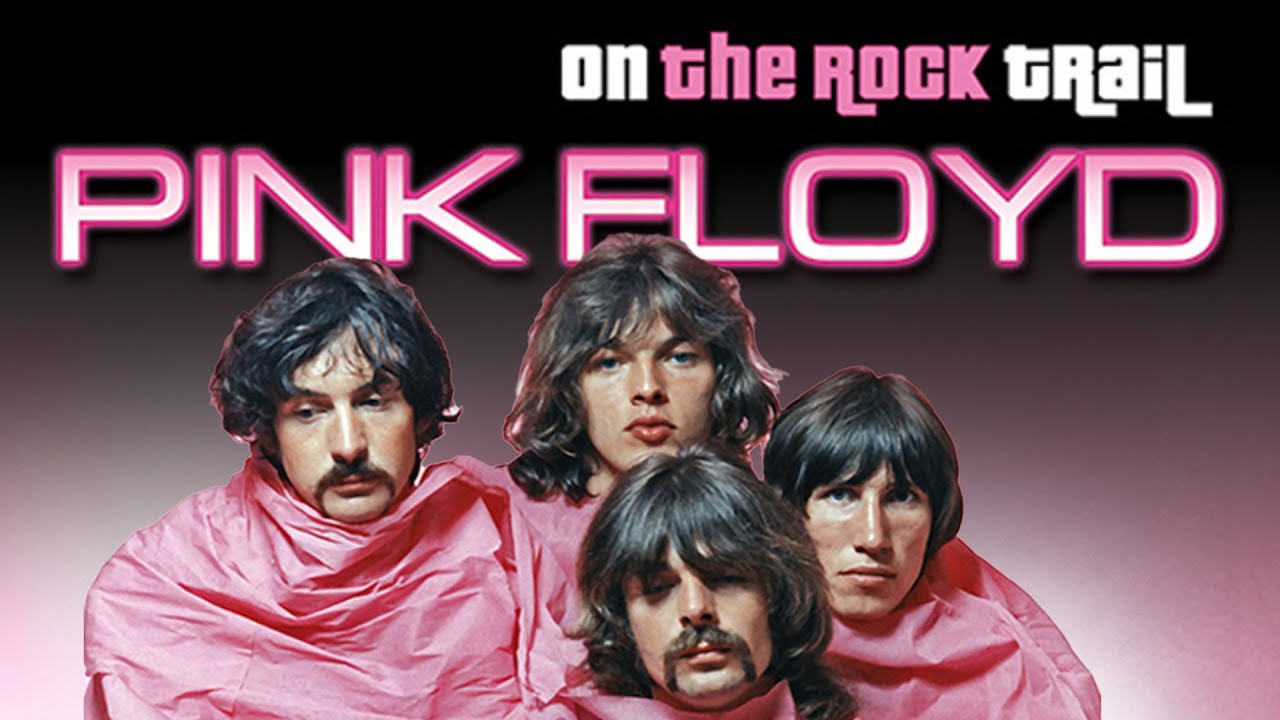
Pink Floyd's evolution from their Cambridge roots to iconic albums like "Dark Side of the Moon" and "The Wall" is explored through insights from Liam Dale.
At the age of 16, Gena Turgel witnessed the German invasion of Poland and the subsequent confiscation of her family's belongings.
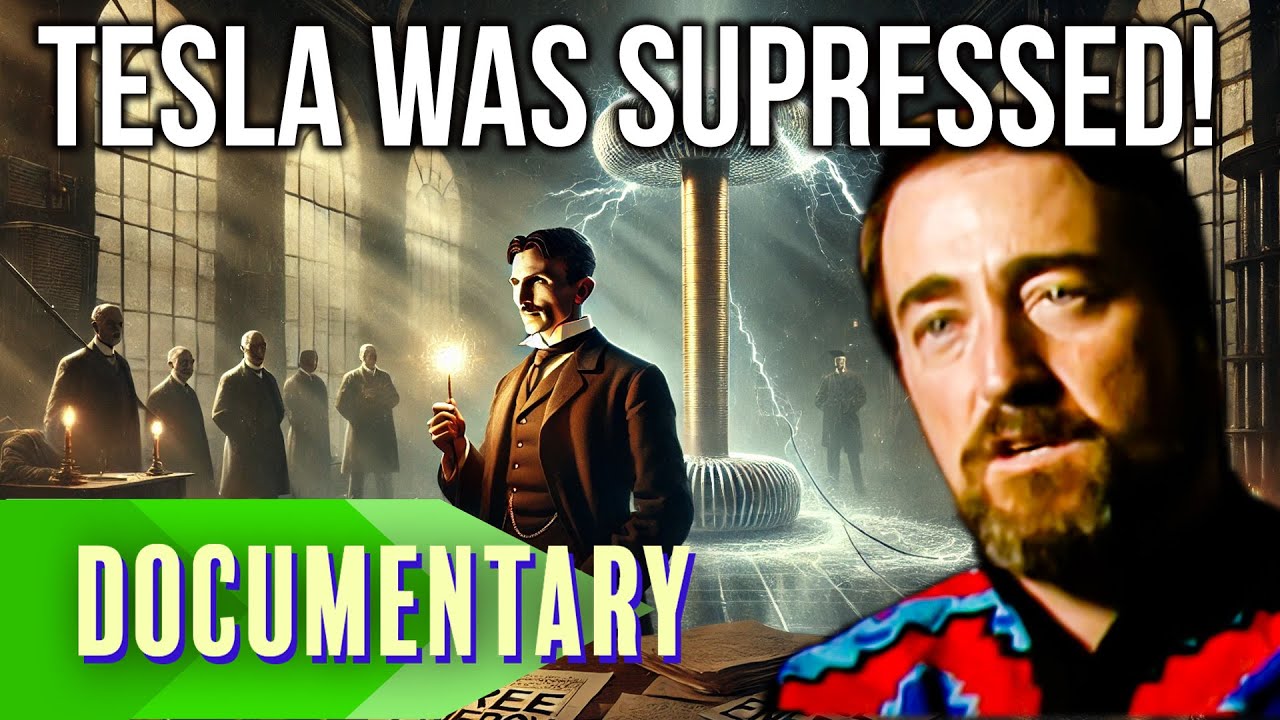
Nikola Tesla's pursuit of free energy and the obstacles posed by corporate greed and power struggles are critically examined in relation to his enduring legacy.
The song "The Lion Sleeps Tonight," originally written by Zulu shepherd Solomon Linda, highlights the complexities of music rights and cultural appropriation.
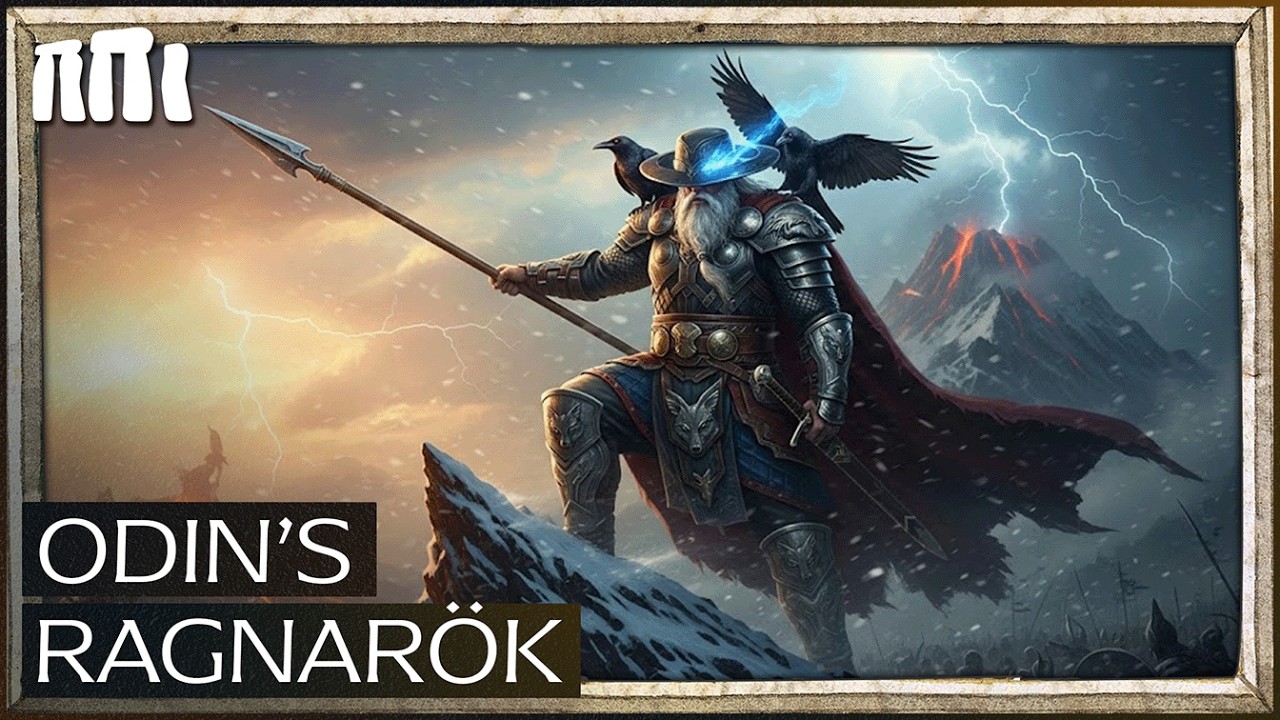
Odin's quest for the Mead of Poetry and the ensuing conflicts with Loki and the giants illustrate key events in Norse mythology leading to Ragnarök.
Ted Sorensen, John F. Kennedy's closest adviser and speechwriter, shares insights from his time in the Oval Office during the Kennedy administration.
Presidential parenting styles from George Washington to Barack Obama reveal insights into their beliefs and psychological makeup, influencing American history.
Jack B. Yeats, an influential Irish painter, is explored through the insights of author Colm Tóibín and narrated by Pierce Brosnan, highlighting his artistic legacy.
General Dwight D. Eisenhower reports to Congress on the defeat of Germany, British-American relations, and the ongoing military efforts in the Pacific during World War II.
The Camp David Summit lasted 13 days, where U.S. President Jimmy Carter facilitated negotiations between Israeli Prime Minister Menachem Begin and Egyptian President Anwar Sadat.
Princessia and her mother, Queenestra, travel to meet King Agamemnon, setting the stage for a tale of love and betrayal that echoes through history.
In 1936, the Berlin Olympics became a propaganda tool for Adolf Hitler's regime, showcasing the exclusion of Jewish athletes like Margaret Lambert and the triumph of Jesse Owens.
Aviation safety is often taken for granted, yet incidents and historical events reveal the complexities and challenges of air travel.
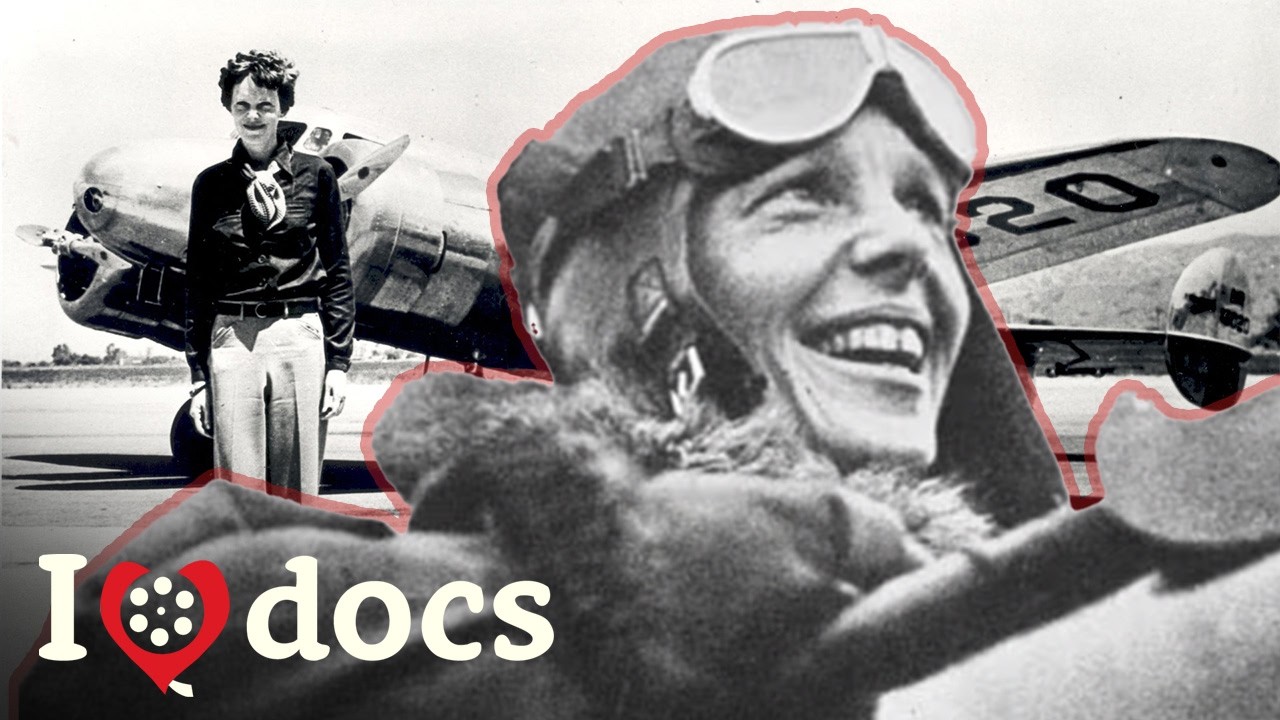
Amelia Earhart and her sister Muriel navigated a transforming society, where women's rights and aviation offered new opportunities and mutual support.








![Documentary backdrop image for Base Section No. 5 (Brest), Troop Arrival and Rest Camp Scenes [1918] (2018)](https://i.ytimg.com/vi/LaJs65kfKl4/maxresdefault.jpg)