From over 100,000 films, discover the handful you'll love.
Free or premium access to the world's largest documentary library.
3628 films(Page 30 of 76)
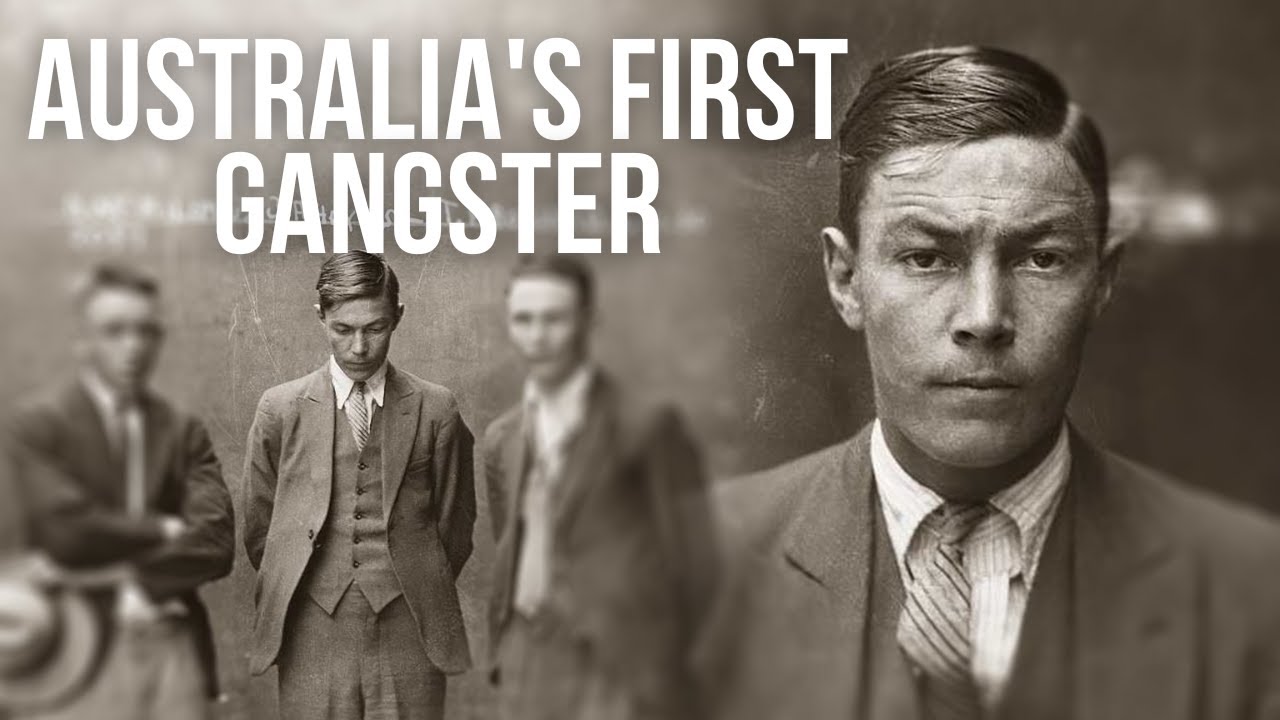
Johnathan "Chow" Hayes, known as Australia's first gangster, gained notoriety as a prominent figure in Sydney's criminal underworld during the 20th century.
Simon Schaffer examines 19th-century engineering innovations, including early computers, massive telescopes, and the origins of cinema.
Catherine Middleton's transition from a commoner to a senior member of the British Royal Family has been marked by significant public and media attention.
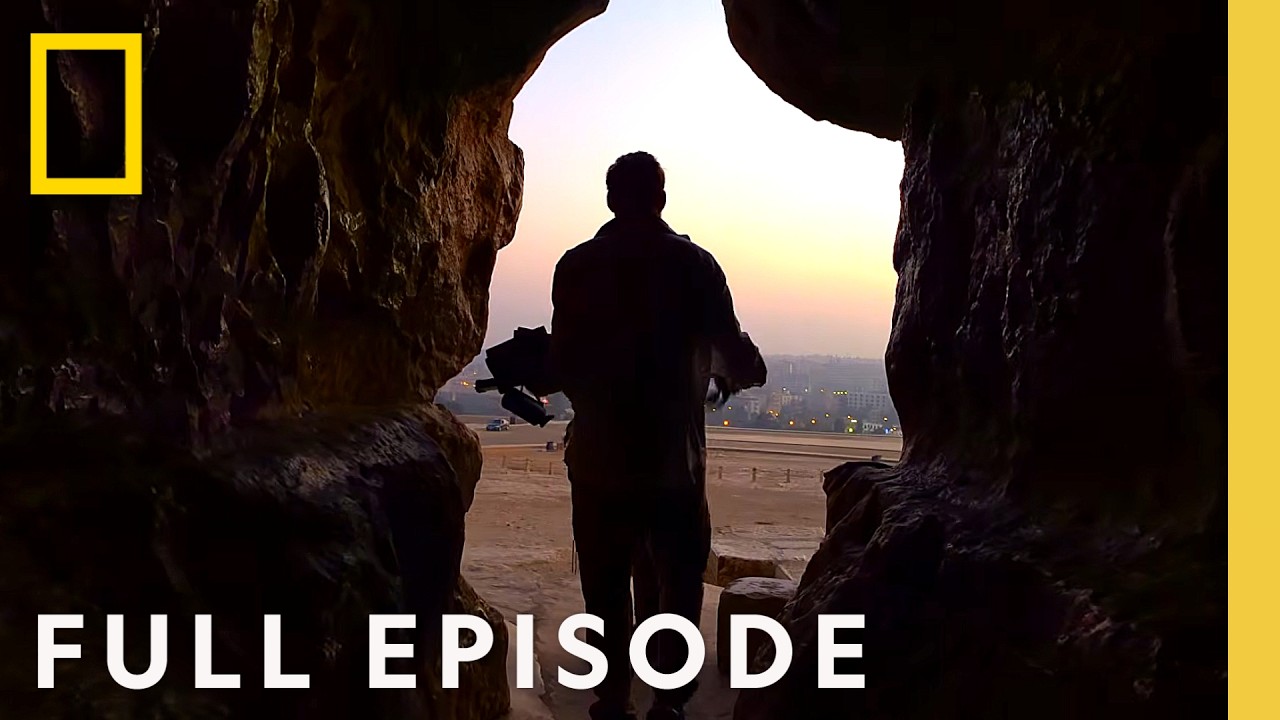
Sir Ranulph Fiennes and actor Joseph Fiennes explore Egypt's Great Pyramid of Giza and the Eastern Desert, highlighting the country's ancient history and landscapes.
During the Viking Era, Norsemen established kingdoms across Europe through invasion and warfare, significantly transforming regions such as France, England, and Italy.
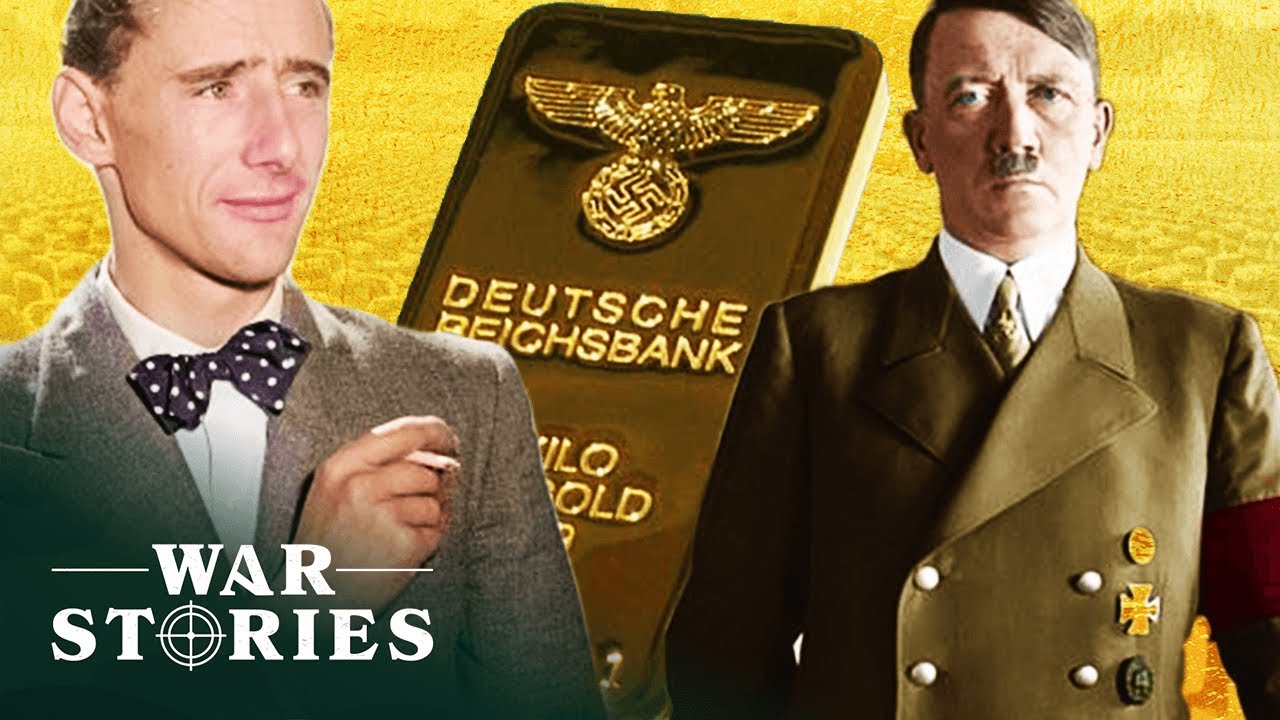
In 1948, an ex-SS Officer led a team of divers in Corsica searching for hidden Nazi gold believed to be stashed for high command.
Alexander the Great's military campaigns, including the pivotal battles at Gaugamela and the siege of Tyre, reshaped the ancient world before his untimely death at thirty-three.
In the aftermath of World War I, the Royal Air Force faced skepticism about its necessity, prompting innovations that transformed military strategy and aerial combat.
On June 14, 1645, King Charles I's last major field army was destroyed at the Battle of Naseby, leading to a significant shift in the English Civil War.
The Greco-Persian Wars began in 499 BCE when a small band of Greek warriors prepared to battle a much larger Persian army in Asia Minor.
Moundsville penitentiary in West Virginia housed some of the most violent criminals in U.S. history, with daily occurrences of murder and suicide.
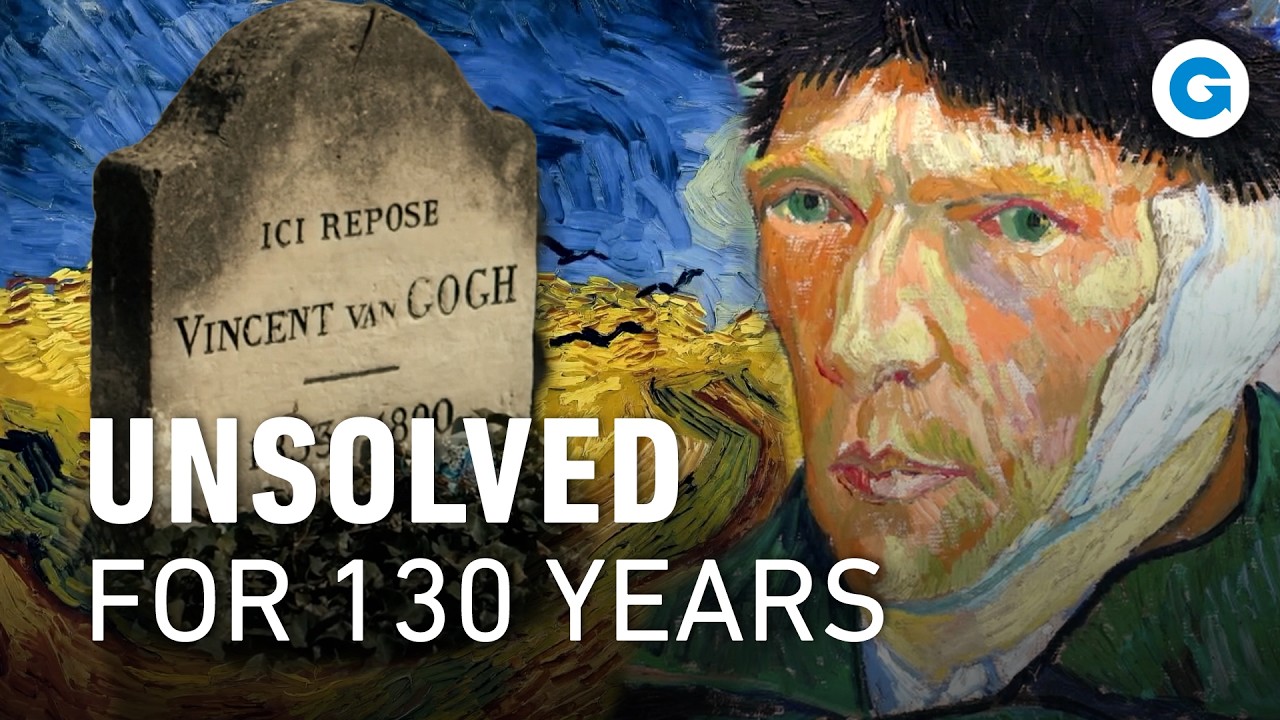
Vincent van Gogh's death is re-examined by Pulitzer Prize winner Steven Naifeh, who argues that he was shot by a 16-year-old boy named René Secrétan.
Alexander the Great's conquests not only expanded his empire but also facilitated the flow of Eastern riches to the ancient world, influencing trade routes and cultures.
The Khmer civilization, which dominated parts of Cambodia, Vietnam, Laos, and Thailand, is renowned for its monumental city of Angkor, attracting over 2.5 million visitors annually.
In Northumberland, archaeologists led by Alice Roberts excavate a perfectly preserved 2500-year-old Iron Age village alongside significant historical artifacts.
Zahi Hawass conducts excavations in Egypt, revealing a stone sarcophagus among dozens of others discovered over three months of archaeological work.
Adolf Hitler's rise to power in post-WWI Germany set the stage for the systematic persecution of Jews, fueled by Joseph Goebbels' propaganda and the Nuremberg Laws.
Charles, Prince of Wales, has shaped the role of heir apparent through his dedication to over 400 charities and his advocacy for environmental and architectural issues.
24,000 Spitfires were built during World War II, and a team at Biggin Hill is restoring one of the rare 1943 models for £2 million.
Ancient Alexandria's geometric design attracted over 1 million residents and significantly influenced urban planning and Greek scholarship.
Franz Stangl, commandant of the Treblinka and Sobibor death camps, orchestrated the murder of nearly 900,000 Jews and later evaded capture in South America.
In the Santa Cruz Islands, the intense naval battles of World War II unfold, highlighting the strategic significance and high casualties of the Solomon Islands campaign.
In Rutland, England, a 13-acre Roman villa complex reveals exquisite mosaics and ancient heating systems, alongside insights from an 11,000-year-old Mesolithic island.
Sitting Bull, the Hunkpapa Lakota chief, united Native American tribes to resist U.S. expansion and played a crucial role in the Battle of the Little Bighorn.
Viking leaders like Sven Forkbeard and Canute expanded their empire through significant raids across Europe, integrating cultures in regions such as York, Scotland, and France.
In 1066, three warlords-Harald Hardrada, William the Conqueror, and Harold Godwinson-fought for the English throne, culminating in the pivotal Battle of Hastings.
King Charles I's belief in the divine right of kings and his unpopular religious reforms ignited the English Civil War, pitting Roundheads against Cavaliers.
Sir David Stirling, the founder of the Special Air Service, revolutionized modern warfare with his unconventional tactics during World War II in North Africa.
On April 27, 1856, a low-ranking concubine named Sashi gives birth to a baby boy, the first heir of Qing Emperor Shienfang, in Beijing's Forbidden City.
In AD 66, the Jewish rebellion in Judea escalated into a significant conflict for the Roman Empire, leading General Vespasian and his son Titus to lay siege to Jerusalem.
Charles II, known as the 'Merry Monarch', returned to London in 1660, marking a vibrant yet scandalous reign filled with love affairs and the popularization of tea.
Diana, Princess of Wales, died at the age of 36 in a car crash in Paris on August 31, 1997, after leaving the Ritz hotel with her companion.
Half of the astronauts at a press conference celebrating their arrival in space experienced nausea, forcing them to hide themselves to vomit.
In Southern Africa, 19th-century German explorer Carl Mau searches for the legendary Ophir, believed to be the source of King Solomon's gold, and finds ancient stone ruins.
Valentino Garavani's influence on 20th-century fashion is examined through insights from leading UK fashion writers and journalists.
Queen Elizabeth II's long and historic reign is explored through various portrayals in film and television, highlighting her enduring legacy following her death.
Four U.S. presidents-Andrew Jackson, Grover Cleveland, Theodore Roosevelt, and Richard Nixon-illustrate the evolution and challenges of executive power in America.
Julius Caesar led a Roman invasion force of two legions onto the south coast of Britain in 55 BC, facing resistance from native warriors.
In October 1944, over 30 SAS soldiers were tortured and executed by Nazis in eastern France, prompting Major Bill Barkworth to seek justice for their deaths.
Howard Carter's 1922 discovery of Tutankhamun's tomb in the Valley of the Kings is examined through new footage, 3D imagery, and expert insights on its significance.
George H.W. Bush reflects on his life, including his military service, family influences, and key political experiences during his presidency and vice presidency.
General Douglas MacArthur's military career is examined alongside the response of American industry to World War II following the attack on Pearl Harbor.
During the Siege of Malta in 1565, a 30,000-strong Ottoman force faced fierce resistance from 20,000 Maltese Christians and 560 Knights Hospitaller.
Ancient Egyptian civilization was profoundly influenced by its obsession with death and the afterlife, as evidenced by the vast majority of its relics dedicated to these themes.
Approximately 40 kilometers northeast of Berlin, a former Nazi propaganda site now lies in ruins, struggling against decay and neglect.
Radar technology, developed by Robert Watson Watt, and the iconic Spitfire fighter played crucial roles in Britain's defense during the Battle of Britain in World War II.
Giuseppe Garibaldi is a key figure in Italian unity and a notable 19th-century revolutionary.
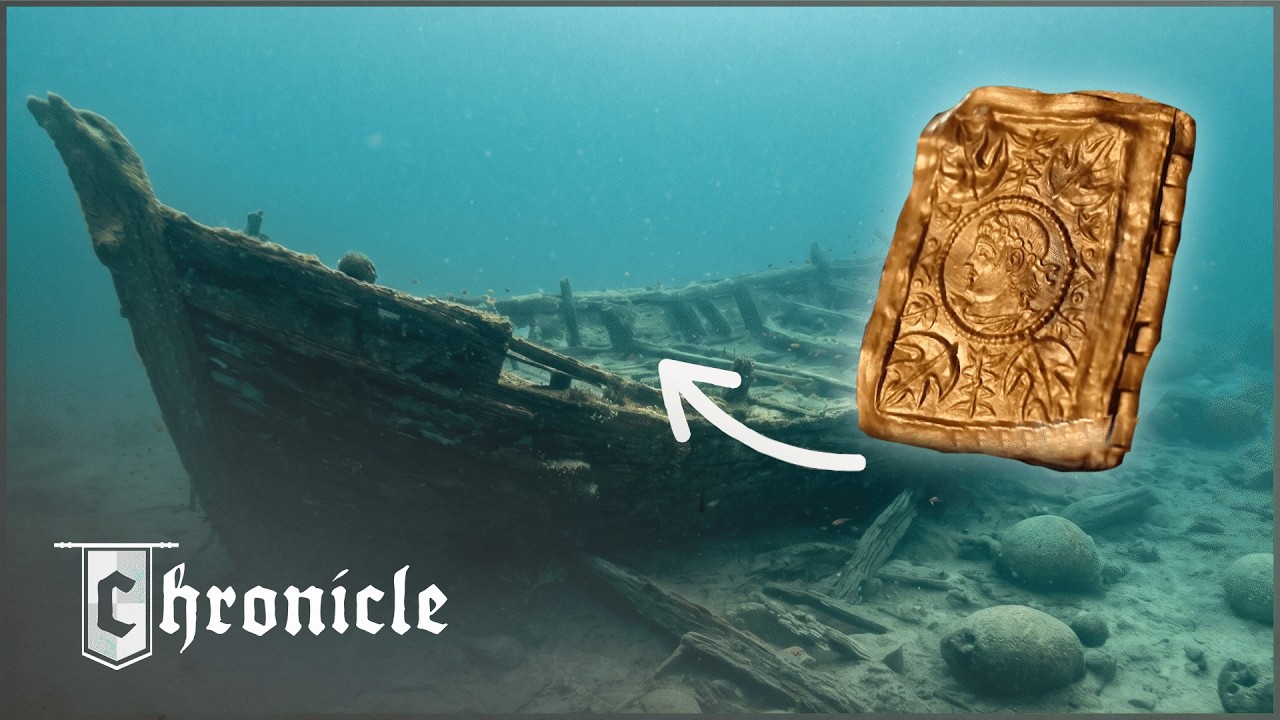
Beneath the Rhone River, the Arles-Rhone 24 shipwreck reveals a wealth of 4th-century Roman treasures, shedding light on ancient maritime trade practices.