From over 100,000 films, discover the handful you'll love.
Free or premium access to the world's largest documentary library.
3628 films(Page 49 of 76)
Abraham Lincoln's assassination is examined through evidence linking John Wilkes Booth to the Knights of the Golden Circle, a secretive Confederate society.
Carl Peters, a 19th-century German entrepreneur, sought to exploit Africa's natural resources and expand German territories during the colonial era.
Rocky Marciano, the only heavyweight boxing champion to retire undefeated, is portrayed through rare interviews and insights from his family and trainer Angelo Dundee.
The creation of the Statue of Liberty, a symbol of freedom and the American Dream, is explored through the insights of author Elizabeth Mitchell, who dispels surrounding myths.
In Lorraine from January 15 to April 3, 1918, U.S. troops, including the 18th Infantry and 6th Field Artillery, engaged in trench warfare and logistical operations.
In the autumn of 312 AD, Constantine's army camped 40 miles north of Rome, preparing for a decisive battle against his rival Maxentius.
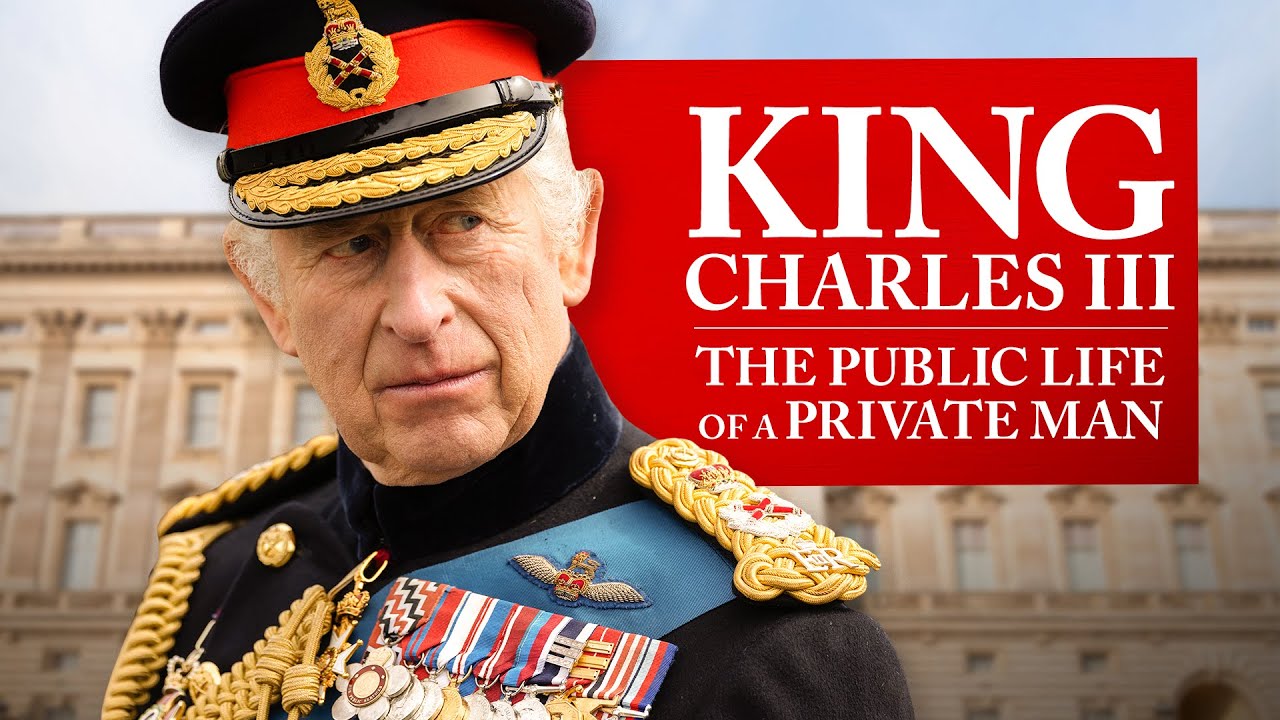
King Charles III balances his royal responsibilities with personal challenges, reflecting on his position within the British monarchy and public life.
Britain's transition from Roman rule to the rise of Anglo-Saxon kingdoms, Viking invasions, and the Norman Conquest is examined through historical figures and archaeological finds.
Gail Jessup White confirms her lineage to Thomas Jefferson and Sally Hemings after over 40 years of research into her family history.
The evolution of communication from ancient pictorial scripts to the Phoenician alphabet and Roman roads illustrates the enduring human need to connect.
Scott Wolter investigates a 226kg boulder inscribed with a bull symbol, exploring its potential connection to ancient Egyptian human sacrifice rituals.
George Washington had no children of his own but served as a devoted guardian to Martha Washington's children and grandchildren, shaping their roles in early America.
Michael Moore honors his late friend and literary agent Morton Janklow, who championed his work and fought against censorship for 27 years.
In the winter of 1778, George Washington and the Continental Army transformed their struggling troops at Valley Forge into a professional fighting force.
In 1850, Dr. John Gorrie, a physician in Apalachicola, Florida, invented artificial cooling to combat deadly fevers, yet his contributions remain largely forgotten.
Robert F. Kennedy's life, shaped by his experiences in the Navy and overshadowed by his brother John F. Kennedy, is examined through Chris Matthews' insights and reflections.
Lincoln's 1862 Emancipation Proclamation followed his earlier attempt at gradual emancipation in the District of Columbia, which received no hearings in Congress.
A 600-year-old Peruvian mummy, identified as a high-status warrior leader of the Chancay civilization, reveals insights through advanced forensic analysis.
In 1703 Japan, Samurai prince Asano Naganori's attack on a senior official leads to the legendary tale of the 47 Ronin and their quest for vengeance.
On August 31, 1997, a car crash in Paris claimed the life of Princess Diana, sparking a national outpouring of grief and reflection on her legacy.
Adrian Miller used records from 12 of the 14 presidential libraries to research the African Americans who cooked for U.S. presidents and their families.
During the Civil War, Harriet Tubman served the Union as a scout, nurse, cook, and spy while helping others escape slavery.
Four corpses discovered in the Altai Mountains of Siberia in 1948 are preserved natural mummies over 2,000 years old, housed in the State Hermitage Museum.
A December 1862 general order from General Ulysses S. Grant to expel Jews from Tennessee was countermanded by President Abraham Lincoln after Jewish citizens protested.
Sandra Day O'Connor grew up on a ranch spanning 160,000 acres, where it took a day on horseback to ride across the land.
Elizabeth II's speeches throughout her reign, including addresses after the deaths of Diana and the Queen Mother, highlight her role as a unifying figure during national crises.
The Thirty Years' War, a devastating conflict in Europe from 1618 to 1648, reshaped the continent's political landscape and led to significant loss of life and territory.
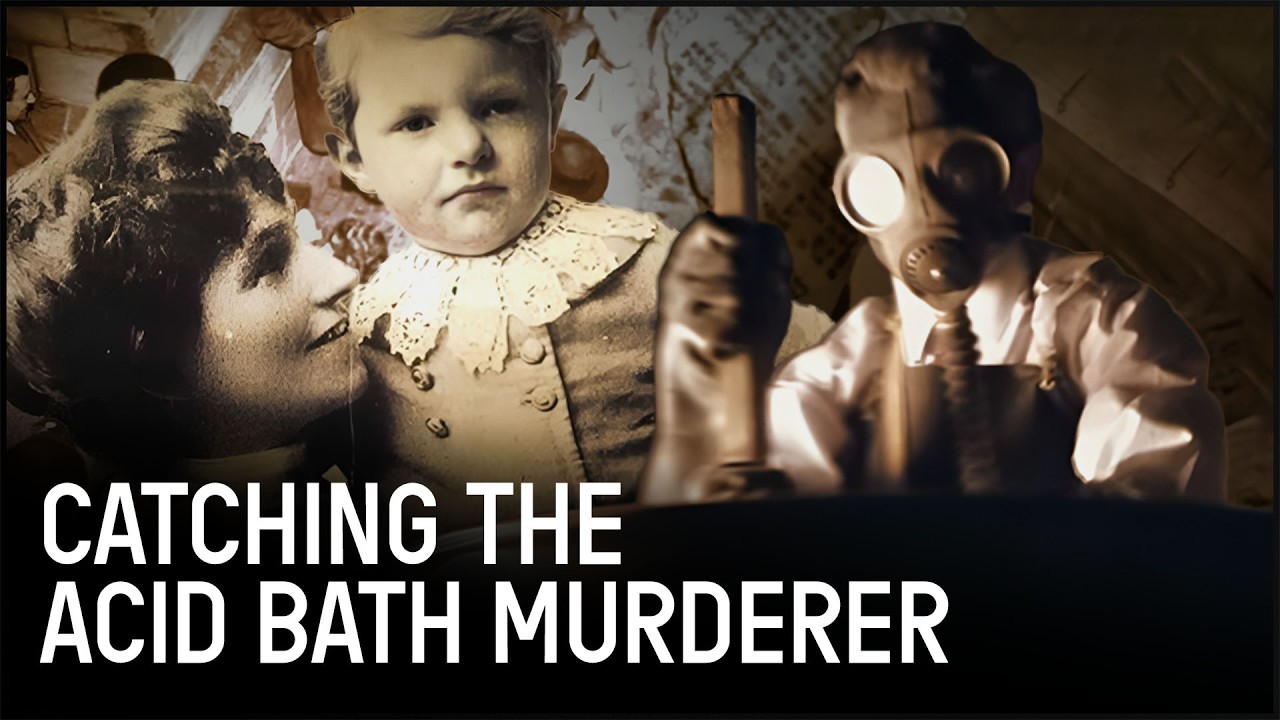
John George Haigh, a British serial killer in the post-Second World War era, targeted wealthy friends, murdering them for financial gain and disposing of their bodies in acid.
The aftermath of the Aesir-Vanir War sees a fragile peace between Odin's Aesir and the dark magic-wielding Vanir, threatened by Loki's ominous prophecy.
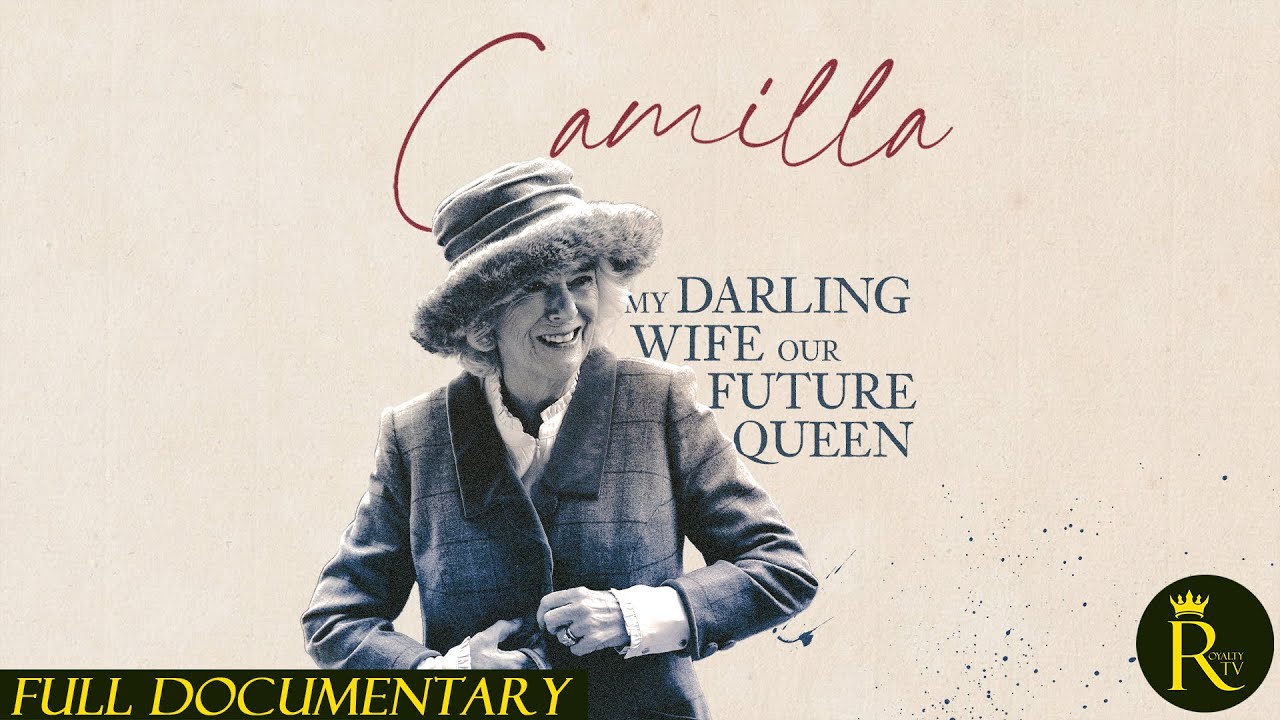
Camilla Shand's evolution from a controversial figure in the royal family to a respected Duchess and future Queen is explored through her relationship with King Charles III.
Diana, Princess of Wales, is depicted through previously unseen archives and insights, emphasizing her enduring influence as a cultural icon of the 20th century.
U.S. troops participate in various events across England in 1918, including a July 4th celebration in London and hospital visits in Liverpool.
India's 10,000-year history encompasses the rise of the Indus Valley Civilization, the influence of Ashoka the Great, and the cultural shifts from Alexander's invasion to the Mughal Empire.
Karl Dönitz's brief leadership of the Flensburg Government following Adolf Hitler's suicide in April 1945 highlights the chaotic surrender of German forces in Europe.
King Charles III's coronation in 2023 signifies a pivotal moment in British history, highlighting his acceptance as a monarch amid past challenges.
More than 120 letters written by African Americans to Abraham Lincoln reveal their thoughts and experiences during the Civil War era.
Captain Angus Walters sailed the original Bluenose schooner to victory in 1921, making it a lasting symbol of Canadian maritime history.
The Peace Day Parade in London on July 19, 1919, celebrated the end of World War I with participation from General John J. Pershing and King George V.
Ancient pharaoh Akhenaten's legacy is explored through the archaeological work of Dr.
In 1921, a single unknown soldier was chosen to represent the thousands of unidentified American soldiers lost in World War I and was laid to rest at Arlington National Cemetery.
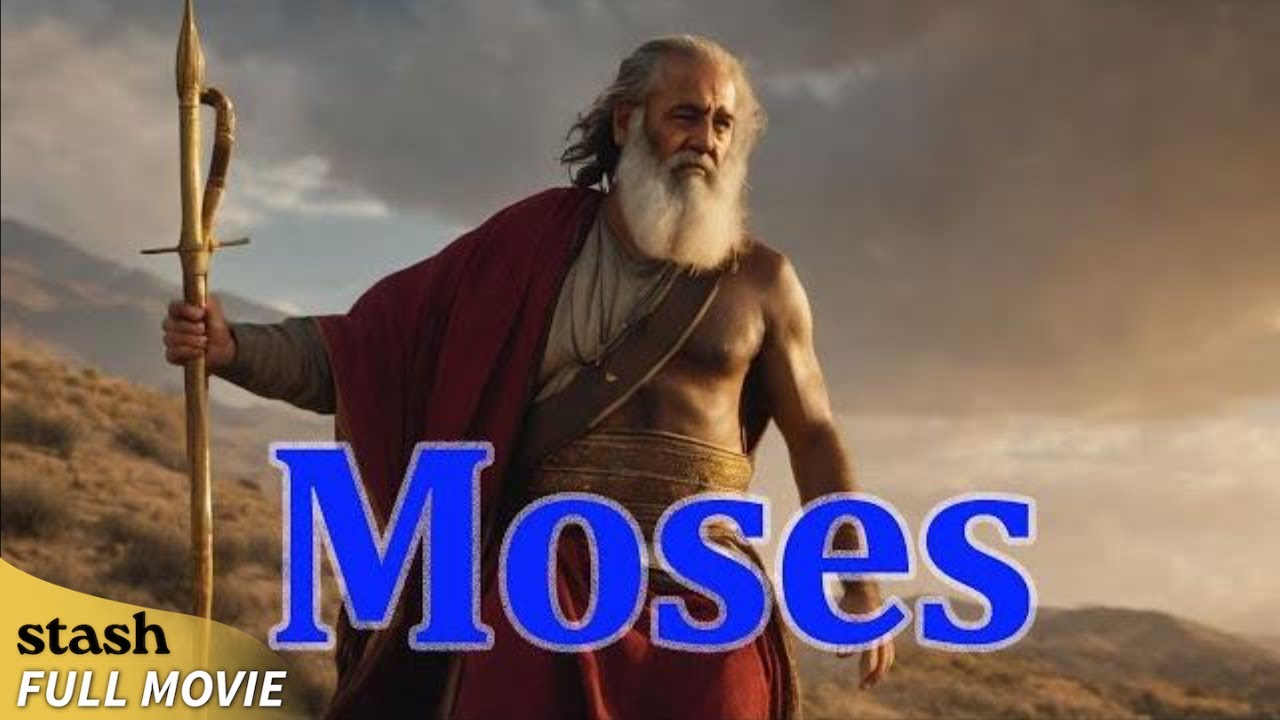
Moses's transformation from an outcast and murderer to a prophet and liberator of the Hebrews from Egyptian oppression is examined through historical and biblical contexts.
Ancient architectural achievements from Egypt, Greece, and Rome continue to shape modern building design, influencing skyscrapers, stadiums, and urban planning.
Texas's shift from tough-on-crime policies to smart-on-crime programs highlights the potential for rehabilitation in the U.S. criminal justice system.
Joe Colombo, a leader of the Mafia and head of the Five Families in New York, simultaneously led the Italian American Civil Rights League, advocating against discrimination.
Pulitzer Prize-winning author Joseph Ellis discusses the events of the summer of 1776, when the 13 colonies decided to secede from the British Empire.
A massacre at a Swedish fortified castle, the brutal execution of a man from Eisenberg, and the mysterious death of Tutankhamun raise questions about historical violence.
Eight million visitors each year are drawn to the Louvre, largely due to the fame and mystery surrounding the Mona Lisa, which was stolen in 1911.
In 1855, seven-year-old Mary Mildred Williams became a prominent figure in the abolition movement after her family gained freedom and she joined Senator Charles Sumner in lectures.