From over 100,000 films, discover the handful you'll love.
Free or premium access to the world's largest documentary library.
3628 films(Page 61 of 76)
In 1975, a live concert by Pink Floyd at Networth was described as one of the greatest rock concerts ever.
Vera Tormenta, a significant figure in post-World War II Paris and 1950s Rio de Janeiro, shaped the bohemian art scene through her collaborations with Ferreira Gullar and Darel Valença Lins.
Individual Deceased Personnel Files, maintained by the National Archives, include records of 57 million military personnel.
Gold mining in Thariode, an ancient city in the Malabar region of British India, is explored alongside its historical significance in the 19th century.
The history of Italian theater in New York City is explored through the lens of Kairos Italy Theater, highlighting its cultural significance and evolution.
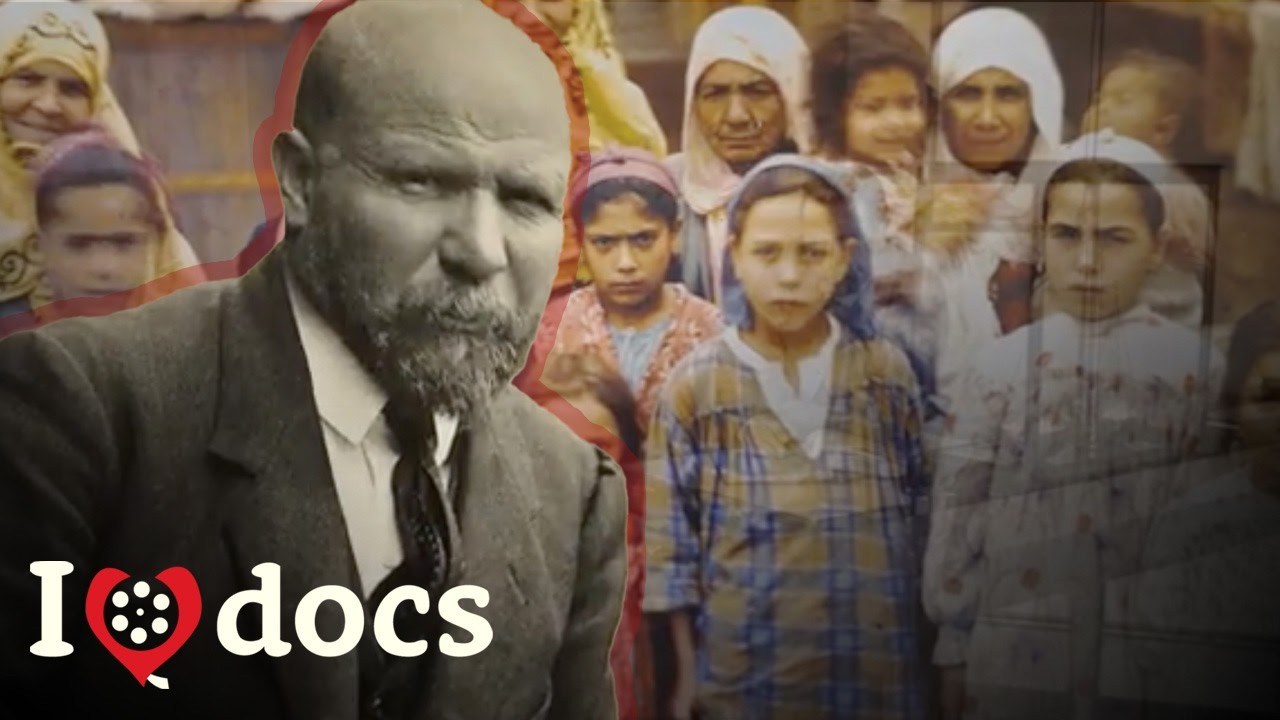
Albert Kahn's Archives of the Planet, created between 1909 and 1931, features the first extensive collection of color photographs documenting global diversity.
Barry Gifford's autobiographical stories of growing up in 1950s Chicago, narrated by Willem Dafoe, Lili Taylor, and Matt Dillon, paint a vivid portrait of a bygone era.
In 1789, Count Karl Ulysses von Salis-Marschlins documented the once-thriving estate of Apulia, South Italy, now characterized by its abandoned ruins.
Frankie San, a Japanese immigrant during WWII, provided hope to fellow inmates in an American prison, highlighting themes of resilience and humanity.
Egypt's rich history and culture are explored through its iconic Pyramids of Giza, the Nile River, and the vibrant city of Cairo.
Figurative artist Ugo Dossi explores themes of metaphysics, astronomy, and the collective subconscious, with insights from Franz Anton Mesmer and Wilhelm Reich.
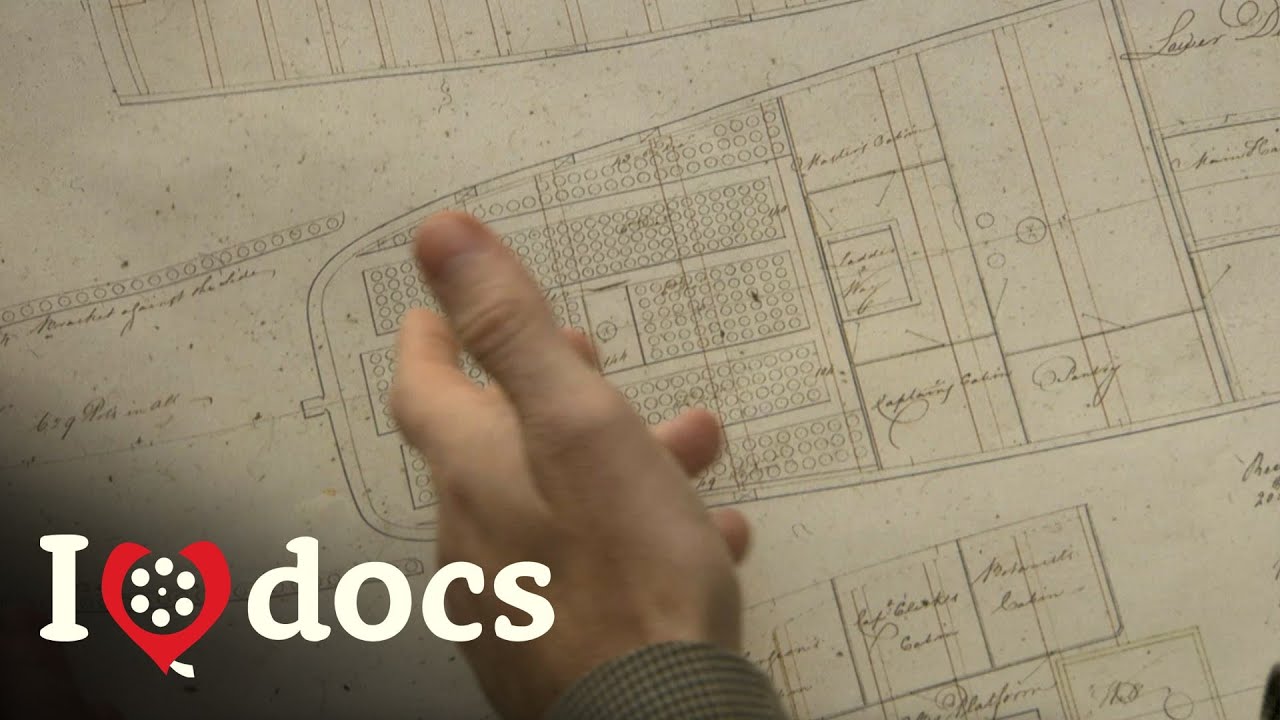
Captain Bligh, often portrayed as a tyrant in the Mutiny on the Bounty narrative, is reexamined through historical sources that suggest a different perspective on his leadership.
Many obelisks from Ancient Egypt were re-erected in cities like Istanbul, Rome, Paris, London, and New York, symbolizing a connection to the past.
In the 19th century, engineering marvels like Charles Babbage's thinking machines and London's vast steam pumps shaped society's complex relationship with technology.
King Charles III and Princess Anne navigate their distinct roles within the British monarchy, highlighting their contrasting personalities and paths.
William Fox, a Hungarian immigrant, died alone in 1952, having played a key role in establishing Twentieth Century Fox as a major Hollywood studio.
In the 1970s, F.C. Barcelona experienced a resurgence of Catalan identity, highlighted by the influence of coach Rinus Michels and the establishment of the women's team.
Opening a copy of Mein Kampf leads the Mandell family on an unexpected exploration of history and its implications during World War II.
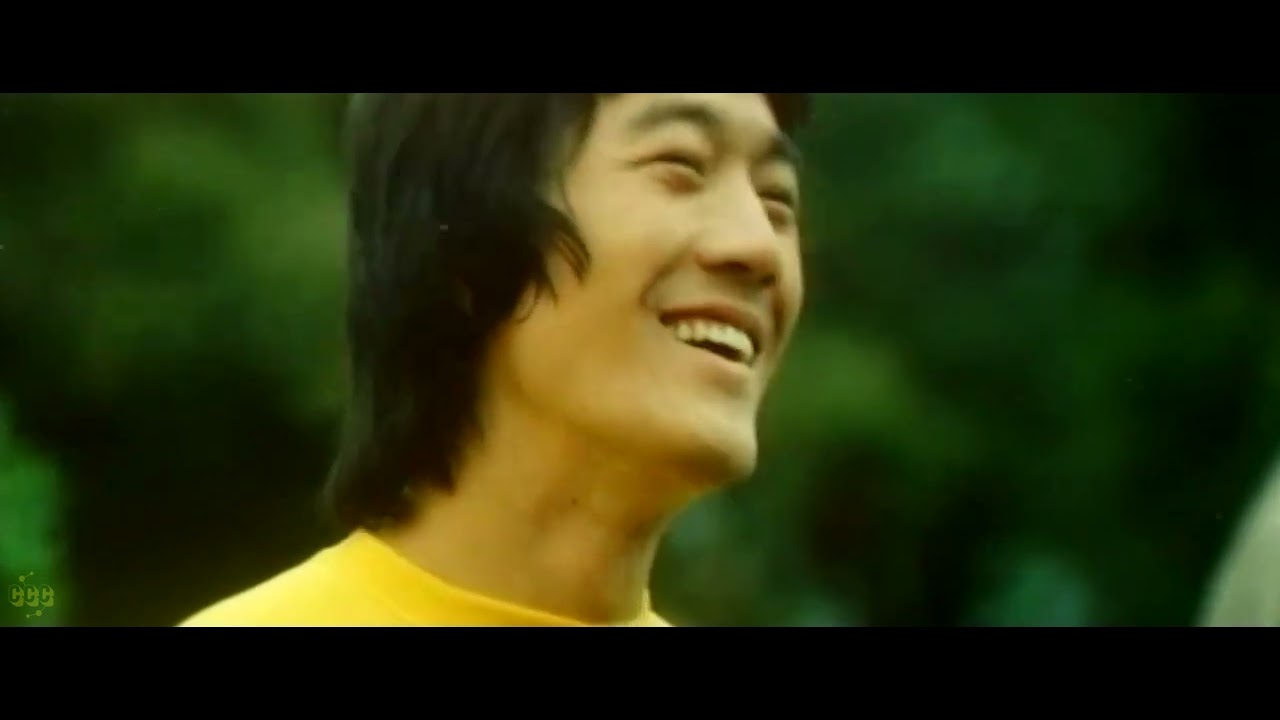
Bruce Lee's life is chronicled from his move to Seattle for university, through his iconic roles in The Green Hornet and Enter the Dragon, to his untimely death.
The evolution of flight is explored through the lens of biology, technology, and the impact of human innovation on aviation history.
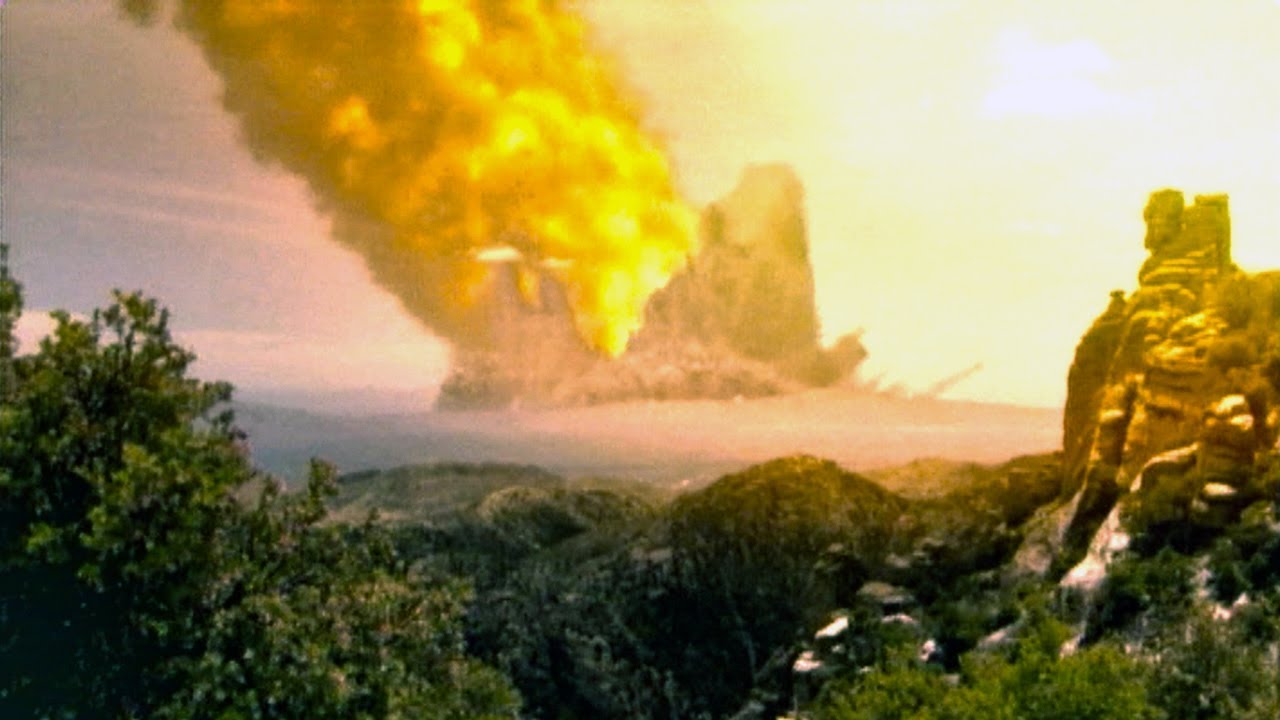
An asteroid the size of Mount Everest struck Earth 65 million years ago, causing the extinction of 70% of all species, including the dinosaurs.
A New Zealand weatherman's DNA test reveals connections to Prince Philip, William Wallace, and a convict past, while tracing his Spanish and Celtic ancestry.
Award-winning journalist Lee Strobel investigates the historical evidence for the life and resurrection of Jesus Christ through interviews with scholars.
Princess Diana's life is examined, highlighting her transformation from a shy aristocrat to the "People's Princess" amid love, duty, and public scrutiny.
In 2025, the Viking longship Draken attempts to retrace the perilous North Atlantic route to North America, showcasing ancient seamanship and maritime challenges.
Ernie Lawrence Abel discusses the medical treatment Abraham Lincoln received after being shot, noting that American doctors were more aggressive than their European counterparts.
Queen Victoria was born on May 24, 1819, at Kensington Palace and led a life shaped by the restrictive Kensington System imposed by her mother.
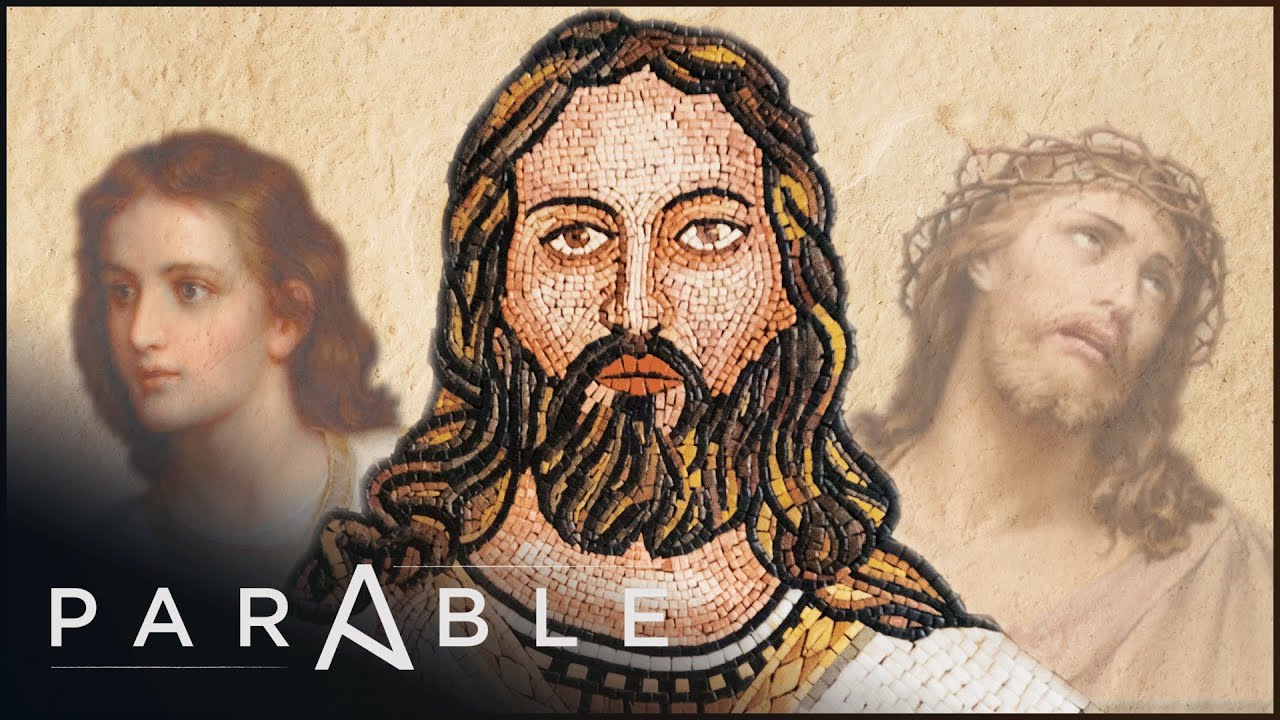
Simcha Jacobovici investigates archaeological evidence related to the life of Jesus Christ, exploring his early years, crucifixion, and historical context.
King George V's death in 1936 is reexamined through a hidden diary of his doctor, suggesting a controversial decision to end his life prematurely.
In 1888 Whitechapel, the infamous serial killer Jack the Ripper murdered five women, with insights from experts Donald Rumbelow and Hallie Rubenhold revealing their true stories.
King Ludwig II of Bavaria, known for his extravagant projects like Neuschwanstein Castle, faced a government plot to declare him insane before his mysterious death.
The Battle of Towton in North Yorkshire, known as the bloodiest battle in English history, led to the discovery of a mass grave in 1996, prompting extensive archaeological research.
Robert Napper evades capture for years before murdering Samantha Bisset, as David Wilson investigates.
Ludwig van Beethoven's early life in Bonn and Vienna, marked by a troubled childhood and influential figures like Joseph Haydn, shaped his musical genius and legacy.
In commemoration of the 100th anniversary of the Tomb of the Unknown Soldier, historians and archivists discuss records related to Arlington National Cemetery.
Eight British teenagers experience incarceration at Brevard County Jail in Florida as part of a radical intervention program aimed at personal growth.
John Allen Muhammad and Lee Boyd Malvo's partnership led to a series of random sniper attacks that terrorized the Washington, D.C. area in 2002.
Private motion pictures of Adolf Hitler and Eva Braun, seized by the US Army in 1945, showcase their life and interactions in Germany and Italy.
Princess Diana's life, marked by her marriage to Prince Charles, humanitarian efforts, and tragic death in a Paris car crash, is explored in detail.
Private motion pictures of Adolf Hitler and Eva Braun, seized by the US Army in 1945, showcase their life and interactions in various locations, including Berghof and Norway.
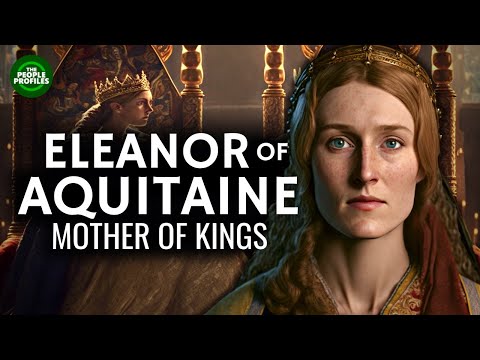
Eleanor of Aquitaine, a powerful queen and mother to Richard the Lionheart and John of England, played a crucial role in shaping medieval European politics.
Events from the War of 1812, occurring between 1812 and 1815, are examined alongside the repatriation of remains from Fort Erie to the United States.
In December 1813, Beethoven's concert features the premiere of Wellington's Victory, celebrating the defeat of Napoleon and marking a high point in his public career.
The Byzantine Empire lasted for another thousand years after the fall of the Western Roman Empire, preserving ancient knowledge in its great libraries.
In commemoration of the 100th anniversary of the Tomb of the Unknown Soldier, historians discuss National Archives records related to Arlington National Cemetery.
The Cuban Missile Crisis prompted President John F. Kennedy to navigate intense political pressures and military strategies, as revealed through secret White House tapes.
Private motion pictures of Adolf Hitler and Eva Braun, seized by the US Army in 1945, showcase life at the Berghof retreat and interactions with key figures.
The Coldstream Guards maintain rigorous standards while preparing for royal events and state funerals, showcasing their discipline and commitment to service.