From over 100,000 films, discover the handful you'll love.
Free or premium access to the world's largest documentary library.
3628 films(Page 66 of 76)
On Christmas Day 1650, William Lamport escapes from an Inquisition prison in Mexico after eight years of wrongful imprisonment.
A London blacksmith uses pattern welding to create Saxon sword replicas in Mystic Britain.
The Titanic had only enough lifeboats for half of its passengers during its tragic voyage.
The Great Pyramid of Giza, an iconic symbol of ancient Egypt, is examined for its historical significance and architectural features, revealing its hidden secrets.
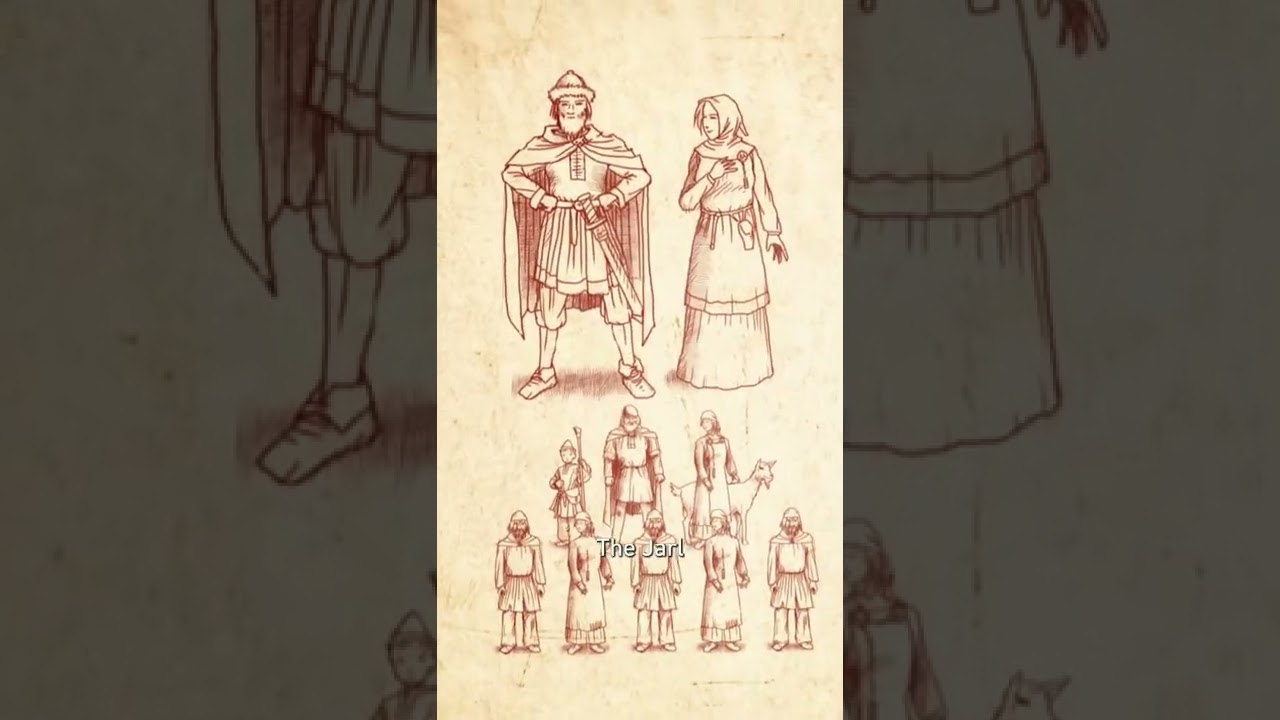
At the beginning of the Viking era, Norsemen organized themselves into large family clans led by a chief known as the yal.
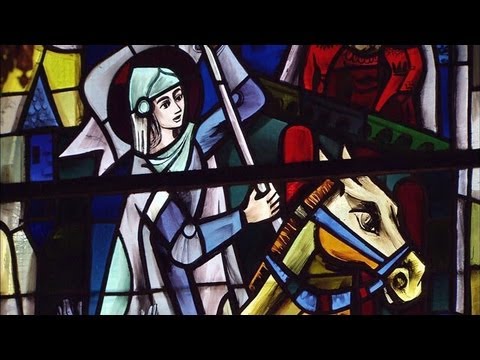
Joan of Arc hears voices inside her head, raising questions about their divine or mental origins.
The video questions if Da Vinci's mirror writing indicates dyslexia or a coded message.
President Woodrow Wilson's stroke is examined for its possible connection to the Spanish Flu pandemic, highlighting the influence of Edith Galt Wilson during his presidency.
Travis and Jimmy Chin discuss mountain risks and what happens when plans go wrong.
Hannibal, the Carthaginian general renowned for his tactics during the Second Punic War, is examined through the historical context of his life and legacy.
Xi Jinping's past and ambitions shape China's future, especially regarding Taiwan.
Queen Louise of Prussia confronted the most powerful man in the world after a war shattered her dreams of being a devoted wife and mother.
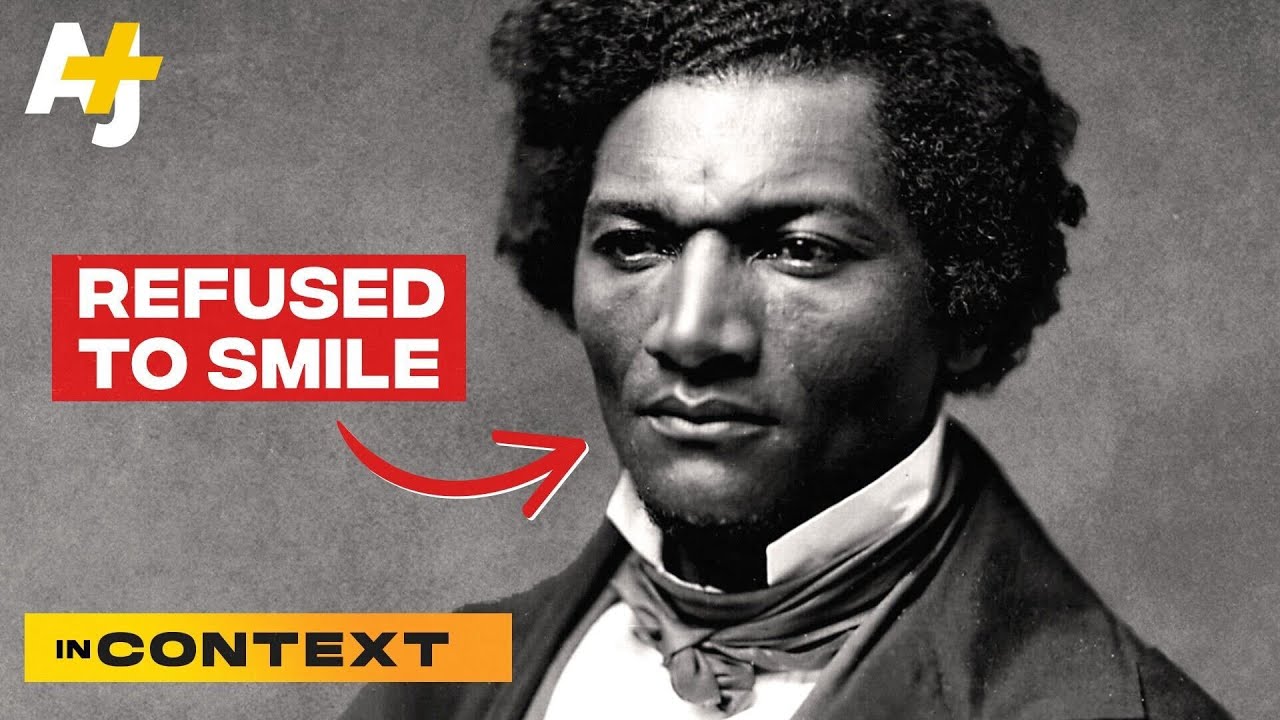
Frederick Douglass, the most photographed American, never smiles in his portraits for a reason.
Genghis Khan's vast military conquests lead to 16 million living descendants today.
Interest in Jack the Ripper's identity remains high despite the years since his crimes in London.
Experts question if Pocahontas threw herself to save John Smith in Jamestown's history.
The Remembering WWI app, developed by Historypin, provides educators with access to thousands of WWI photographs and films from the National Archives for classroom use.
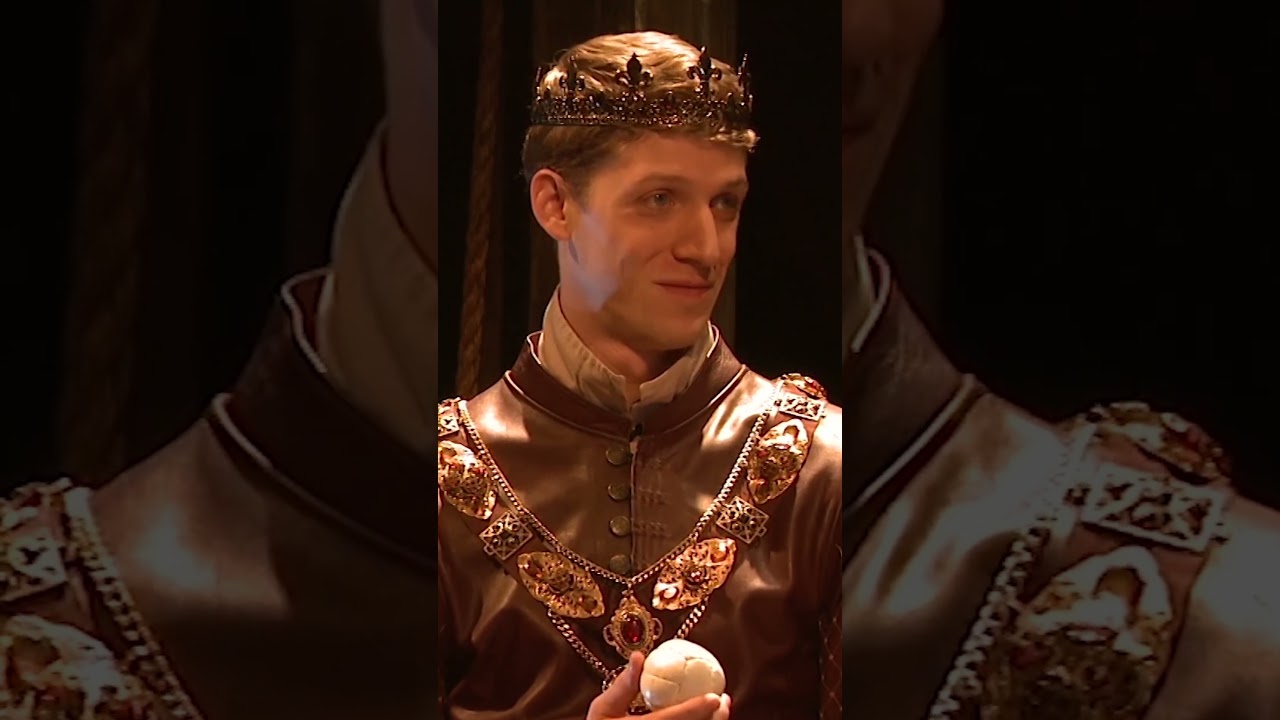
Watch young Henry V prove himself as a leader to his people after his coronation.
Ten years before the Emancipation Proclamation, Frederick Douglass worked tirelessly to influence Abraham Lincoln's views on slavery and freedom.
Ancient Arabia's cultural and scientific contributions, from the 8th century to modern times, shaped advancements in medicine and influenced Europe significantly.
Visionaries such as Nikola Tesla and Arthur C. Clarke are examined for their accurate predictions about technology and society in the modern era.
Agnes Grunwald-Spier, a Holocaust survivor born in Budapest in 1944, shares her personal story and advocates for Holocaust remembrance and education.
A section of Central Avenue in South Los Angeles is named Bowers Retail Square, honoring the legacy of Kris Bowers' grandfather, Horace Bowers.
George Rogers Clark led Kentucky settlers from 1776 to 1779 in strategic military efforts against British forces and Native American allies in the Ohio Valley.
The Jerusalem Syndrome links an Irish aid worker's disappearance to mass hysteria in the Middle East.
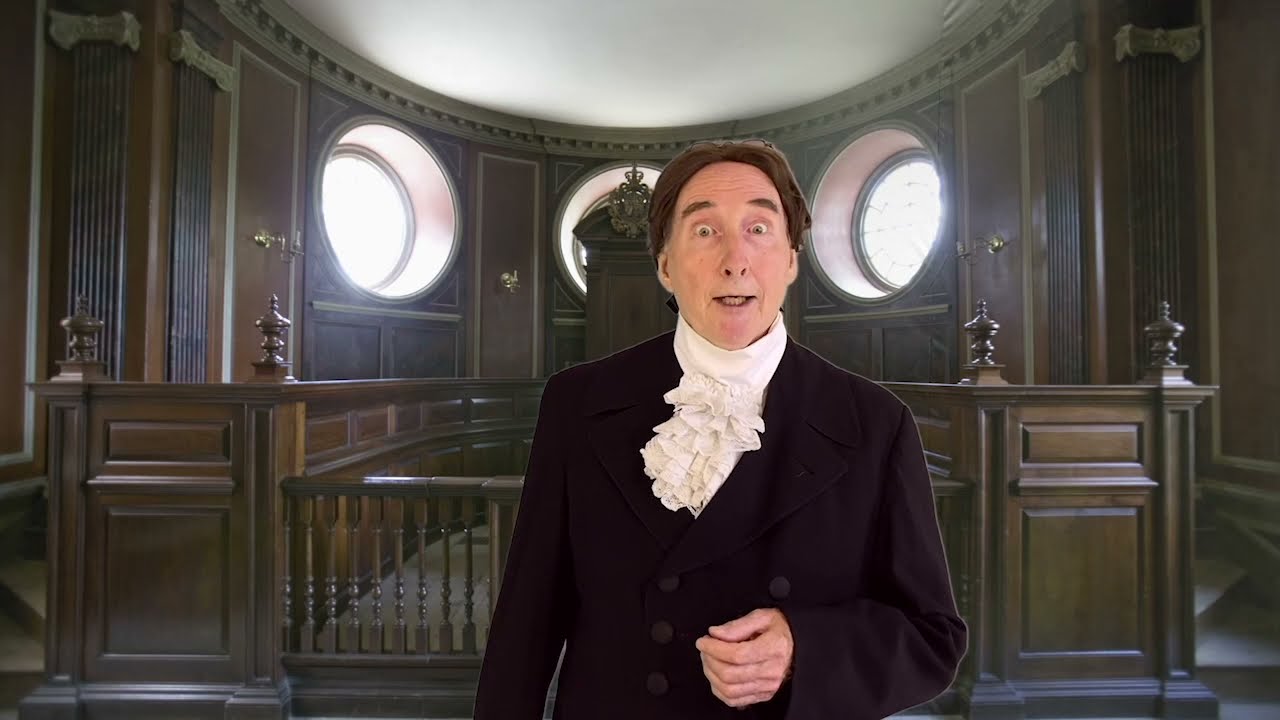
In 1769, at the age of 26, Thomas Jefferson begins his political career by being elected to the Virginia House of Burgesses.
The Second Day of July 1776 is described as the most memorable moment in American history by Abigail Adams in a virtual presentation by the National Archives.
On April 19, 1775, the British army attacked the Massachusetts militia, prompting the need for a second Continental Congress to discuss independence.
Richard Henry Lee introduced the Lee Resolution on June 7, 1776, a key moment in the American struggle for independence.
Thomas Jefferson and the Committee of Five played crucial roles in drafting the Declaration of Independence, adopted in 1776, shaping American history.
Timothy Matlack inscribed the final engrossed version of the Declaration of Independence in 1776, correcting three mistakes in the 1,337-word document.
In Tours, France, key military figures including War Secretary Baker and General Pershing oversee inspections and ceremonies involving German prisoners and decorated officers from 1918 to 1919.
In La Rochelle from November 1918 to January 1919, U.S. military operations included inspections by Generals Harbord and McCawley and the unloading of ships by various labor battalions.
Patrick Henry and John Dickinson articulate their opposition to England's colonial policies, advocating for unity among the North American Colonies in defense of their rights.
May-Ling Soong Chiang addressed the U.S. Congress on February 14, 1943, focusing on American-Chinese relations and the war effort.
In 910, the Danish Vikings of Northumbria suffered a devastating defeat at Tettenhall, marking a significant shift in power in Britain.
Watch the latest full documentary on Æthelflæd, Lady of the Mercians, England's first warrior queen.
Lt. Gen. Benjamin O. Davis, Jr., a Tuskegee Airman, shares insights alongside stories of Air Force personnel and traditions in this episode of "Air Force Now."
Three U.S. presidents faced deep personal struggles, including Lincoln's severe depression and Johnson's fight for civil rights, shaping their leadership.
Sally Ride shares her experiences and insights as the first American woman in space during an uncut interview conducted in 1984.
In the 1960s, the Baptist Church of the Golden Triangle collaborated with the Thai government to sterilize many ARA women, leading to pain and regret.
Scientists have found ancient microbes in Yellowstone that may explain alien life.
Noel Rodriguez, a former US Marine Corps sniper, reflects on the moral complexities and psychological challenges of his combat experiences at just 20 years old.
Matilda Mary Devine, a notorious figure in Australia's criminal underworld, was a brothel madam and leader of the razor gangs, convicted over 200 times for various crimes.
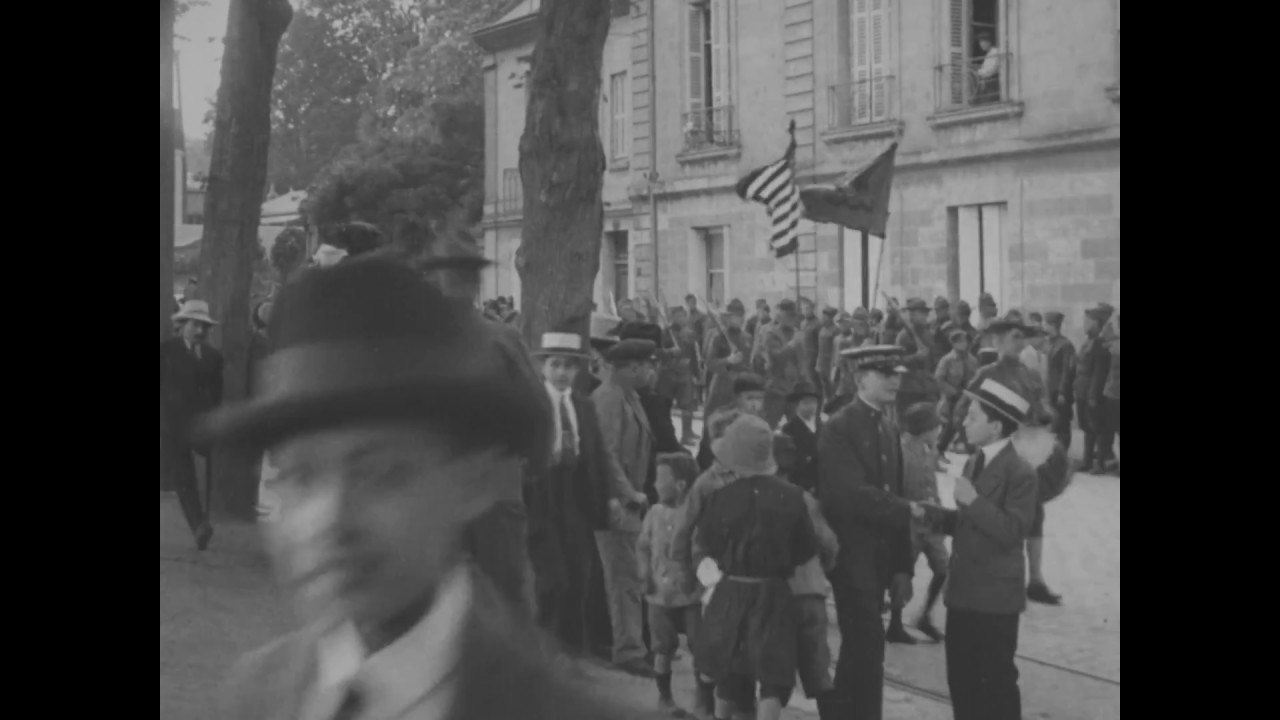
In St. Nazaire, Secretary of War Baker and General Pershing inspect military facilities and meet with various Congressmen and military leaders during 1918-1919.
General John J. Pershing inspects U.S. troops and participates in ceremonies in Bordeaux and Libourne, France, following World War I in 1919.
2,000 people march in a Bavarian parade celebrating local marksman's clubs, as political tensions rise ahead of upcoming elections.
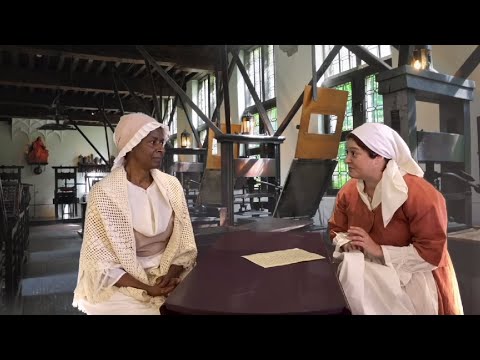
In early March 1770, Phillis Wheatley, Crispus Attucks, and Mrs. Benjamin Edes discuss the tensions in Boston and New York leading up to the Boston Massacre.













![Documentary backdrop image for Base Section No. 1 (St. Nazaire), Prominent Visitors [1918-1919] (2018)](https://i.ytimg.com/vi/RpMj3mOZqxg/maxresdefault.jpg)
![Documentary backdrop image for Base Section No. 2 (Bordeaux),Ceremonies And Activities of Troops Returning to the U.S. [1919] (2018)](https://i.ytimg.com/vi/sbmUWJzoQW0/maxresdefault.jpg)