From over 100,000 films, discover the handful you'll love.
Free or premium access to the world's largest documentary library.
3628 films(Page 27 of 76)
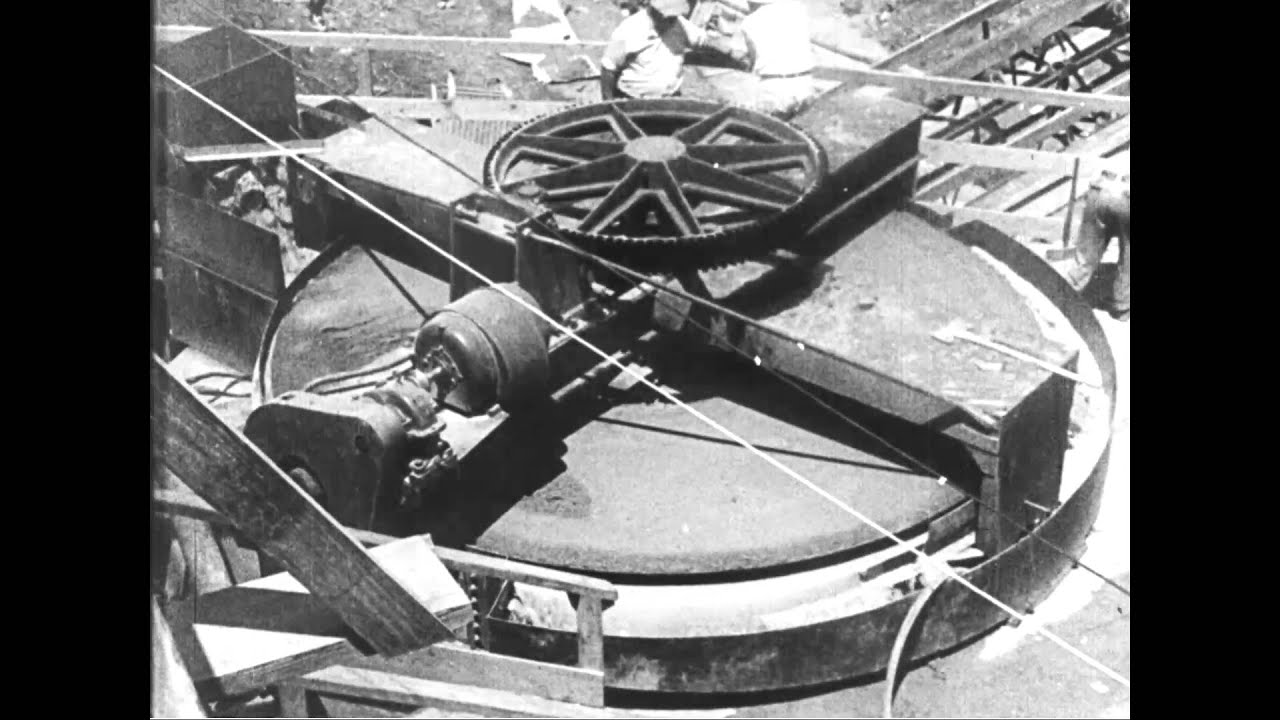
265 feet high and 210 feet thick at the base, Norris Dam is a key project of the Tennessee Valley Authority during the 1930s.
Tibetan monks engage in intense metaphysical debates, while the Dalai Lama's dual role as a spiritual and political leader is explored alongside sacred rituals in Nepal.
André Le Nôtre designs the iconic gardens of the Palace of Versailles for King Louis XIV.
Diana Princess of Wales transformed the royal family’s image during her 17 years in the public eye, becoming an icon admired by millions.
The Colosseum, a symbol of ancient Rome, faces significant threats as restorationists and historians work to preserve its rich history and structural integrity.
Eyam, a village in Derbyshire, is examined for its potential genetic mutation that may have enabled its residents to survive the Black Death and could inform AIDS research.
In 793 AD, the Viking raid on Lindisfarne marked a pivotal moment in history, impacting the Christian community and the Anglo-Saxon kingdom of Northumbria.
In 1940, Adolf Hitler and Winston Churchill engaged in a fierce war of words, with each leader's propaganda portraying the other as a tyrant bent on destruction.
The Metropolitan Museum of Art in New York reveals intriguing stories, including the madness of King George III and the debate surrounding a silver chalice linked to the Holy Grail.
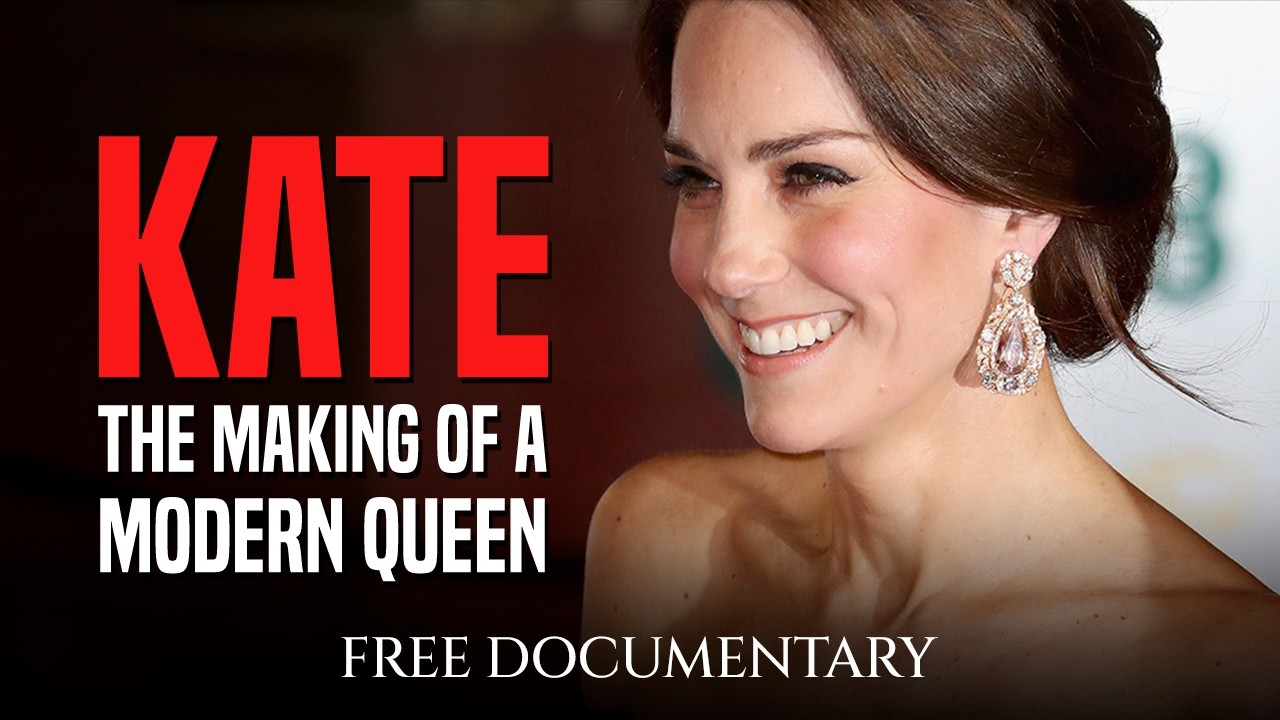
Kate Middleton's transformation from a middle-class upbringing to a key figure in the British monarchy is examined through archival footage and expert commentary.
Cleopatra's death remains a historical enigma, prompting leading Egyptian experts to investigate the circumstances surrounding her demise and the location of her burial.
Menkaure's unfinished red granite pyramid in Giza highlights the limited legacy he left compared to his predecessors in ancient Egypt.
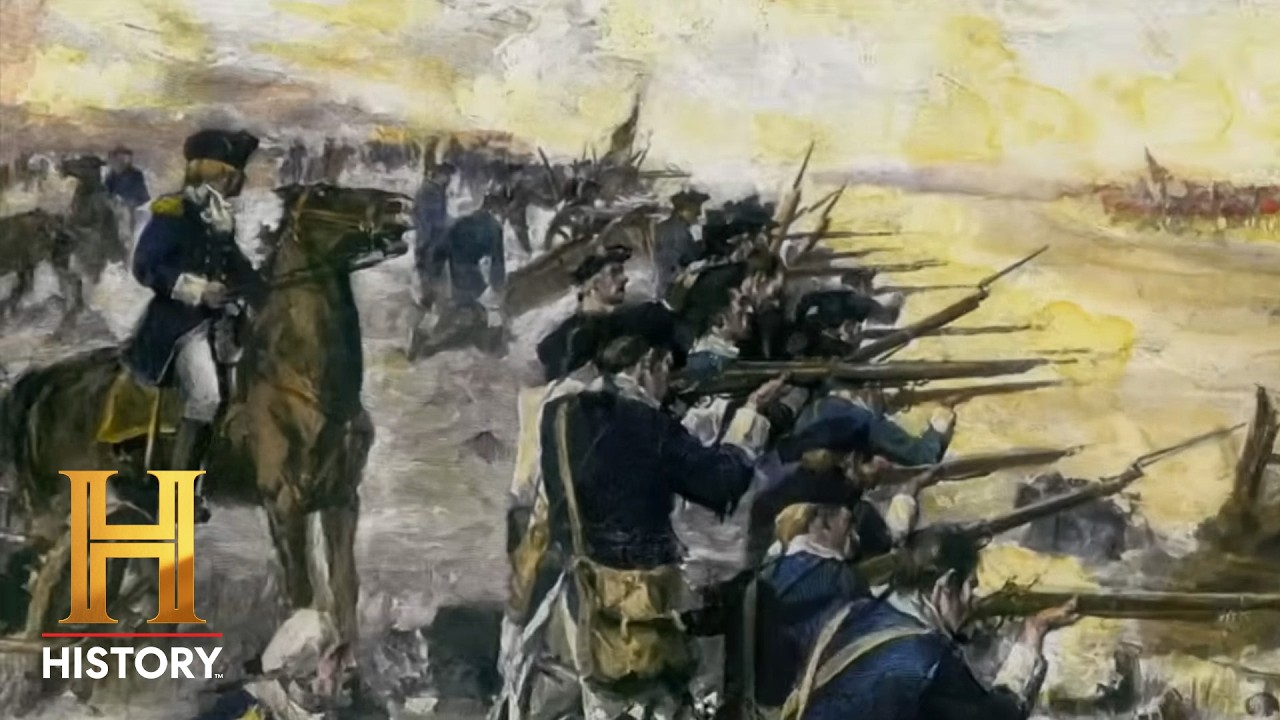
The years between the Boston Tea Party and the ratification of the Constitution are examined, highlighting key events that shaped the American Revolution.
Anton Mussert, Ioannis Rallis, and Finnish Marshal Gustaf Mannerheim exemplify the complex moral choices faced by collaborators during World War II.
Private motion pictures of Adolf Hitler and Eva Braun, seized by the US Army in 1945, showcase their life at Berghof and interactions with notable figures.
Five centuries after their deaths, Anne and Mary Boleyn remain subjects of debate, with little known about their lives or true identities.
Cleopatra's rise to power in Ancient Egypt involved strategic marriages and ruthless political maneuvers against her own family and rivals.
Underwater explorer Barry Clifford gained international attention in 1985 for locating the Whydah, the first fully verified pirate shipwreck, off Cape Cod, Massachusetts.
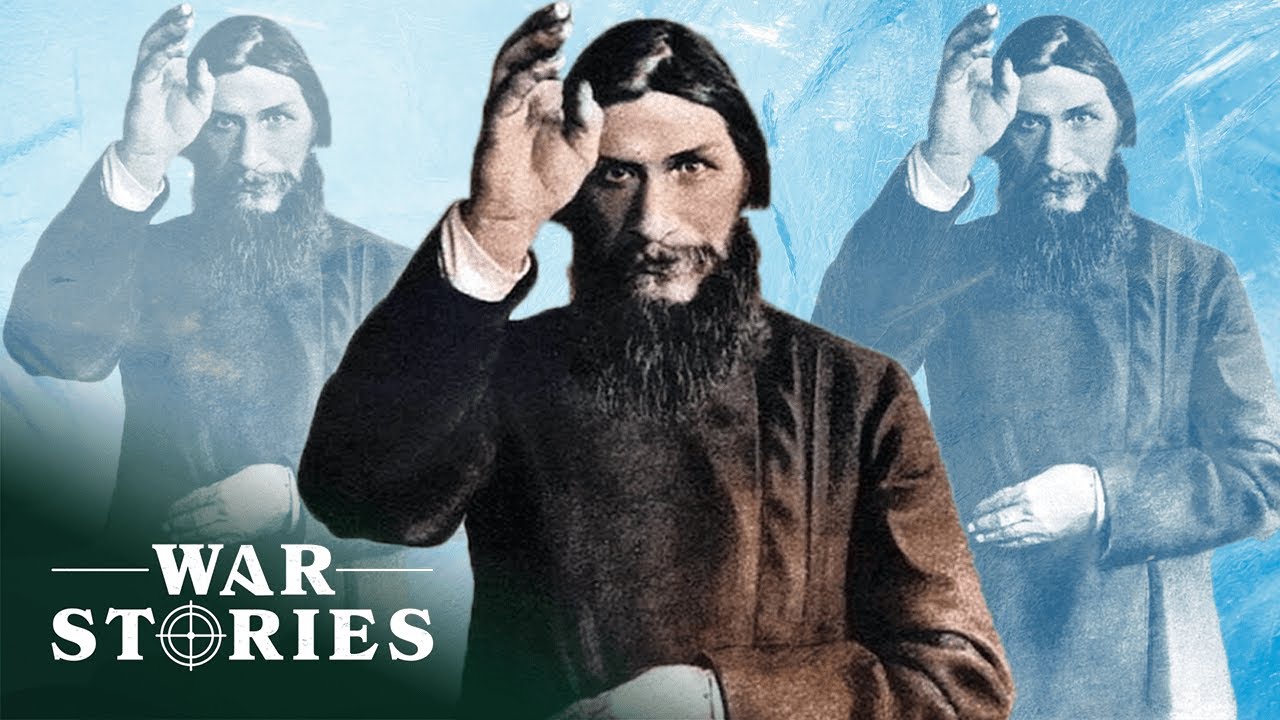
Rasputin, a confidant of the Russian royal family, is examined for the possibility that a British agent was responsible for his assassination.
Forensic geologist Scott Walter investigates a boulder in the Mustang Mountains of Arizona, revealing evidence of a 12th-century burial linked to Anglo-Saxon history.
James Cook's expeditions in the 18th century reveal the complex interplay of exploration, colonialism, and the often tragic consequences for indigenous populations.
Chambord Castle, commissioned by François I in the 16th century, is examined for potential connections to Leonardo da Vinci's architectural influence and hidden meanings.
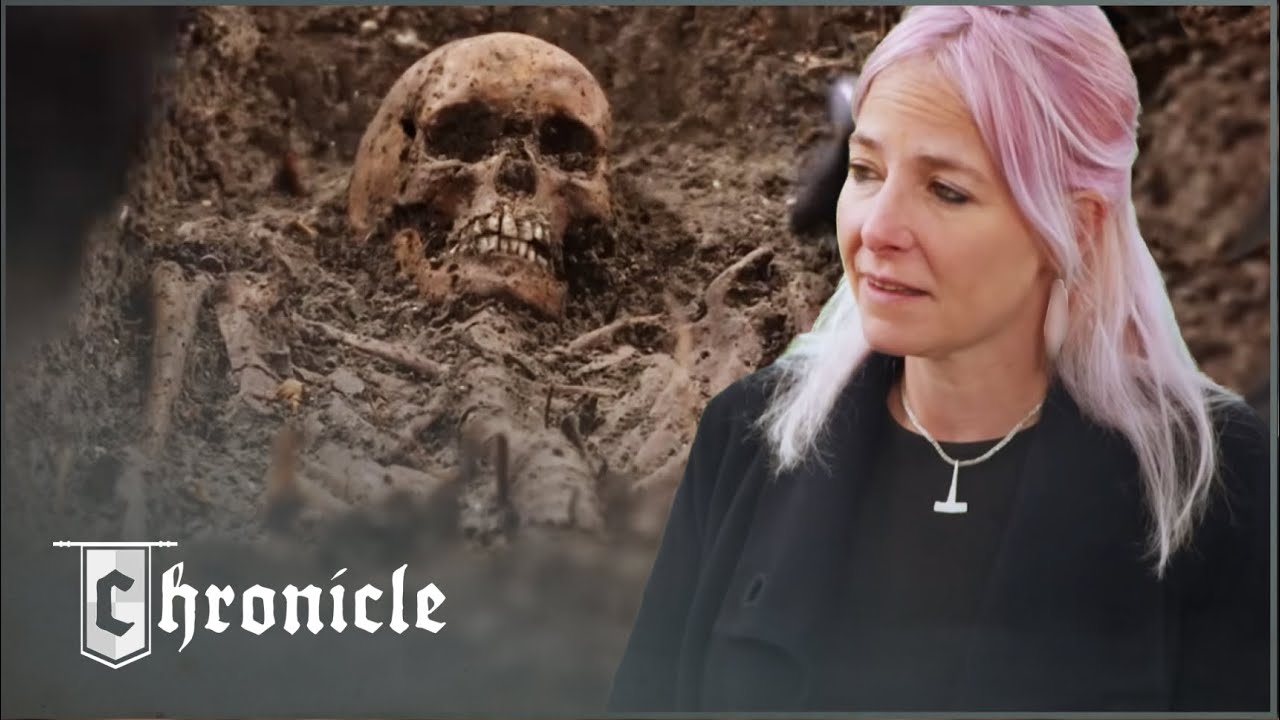
Professor Alice Roberts and her team explore significant archaeological findings from Dark Age and Roman Britain, including a plague pit and an Anglo-Saxon cemetery.
Kelly Renee Gissendaner, convicted of orchestrating her husband Douglas Gissendaner's murder, was executed by the state of Georgia in 2015.
Anne Boleyn's trial in the King's Hall of the Tower of London culminated in a verdict that raised questions about the legitimacy of the accusations against her.
The Peloponnesian War, fought from 431 to 404 BCE, resulted in the destruction of Athens' long walls, crippling its ability to import essential food supplies.
In the volatile region of Judea during the life of Jesus, the Roman Empire employed various strategies to maintain law and order amidst political upheaval.
Queen Elizabeth II's four children-Charles, Anne, Andrew, and Edward-reflect her legacy of duty and service while navigating their own distinct paths.
Norman expansion from Northern Europe into the Mediterranean and the Middle East led to the establishment of the culturally diverse Kingdom of Sicily under Roger II.
Tim Slessor, at 87 years old, partners with filmmaker Alex Bescoby to recreate the historic 1955 overland expedition from Singapore to London in a Land Rover.
Jeffrey Dahmer, a notorious serial killer, is examined through the lens of his high school friend Derf Backderf, who reflects on their shared past in the graphic novel "My Friend Dahmer."
Harold Shipman, Britain's most prolific serial killer, is examined for his potential motivations and the impact of his upbringing on his actions that led to at least 215 murders.
Julius Streicher, a key figure in the Nazi party, played a significant role in promoting antisemitism through his publication Der Sturmer, alongside Joseph Goebbels.
In 55 BC, Roman soldiers landed on the coast of Kent, marking the beginning of Julius Caesar's military campaigns in Britain.
3.8 million enslaved people were integral to the wealth of the American South in the 1850s and 1860s, shaping the nation's economy and history.
King James II's reign from 1685 to 1688 ended in his overthrow by his daughter Mary and her husband William of Orange due to his Catholicism in a Protestant nation.
A 50-acre complex called Herodium, built by King Herod, contains a riddle about the location of his tomb that has puzzled archaeologists for decades.
Templar fortresses across Europe, including the Castle of Miravet, illustrate the architectural prowess and complex history of the Knights Templar during the Middle Ages.
Tom Holland and Dan Snow discuss the historical impact of Christianity on Western morality and civilization.
On May 10, 1940, Winston Churchill assumed the role of Prime Minister as Germany launched its offensive into Western Europe.
Richard III's rise to power amidst the Wars of the Roses involved political intrigue, the disappearance of Prince Edward V, and his eventual defeat by Henry Tudor at Bosworth.
In St. Neots, archeologists investigate a Roman cemetery where decapitated skeletons challenge traditional views of Romano-British funeral rites.
Renowned archaeologist Zahi Hawass explores the ancient necropolis of Saqqara in search of Imhotep's tomb, the architect of the Step Pyramid of Djoser.
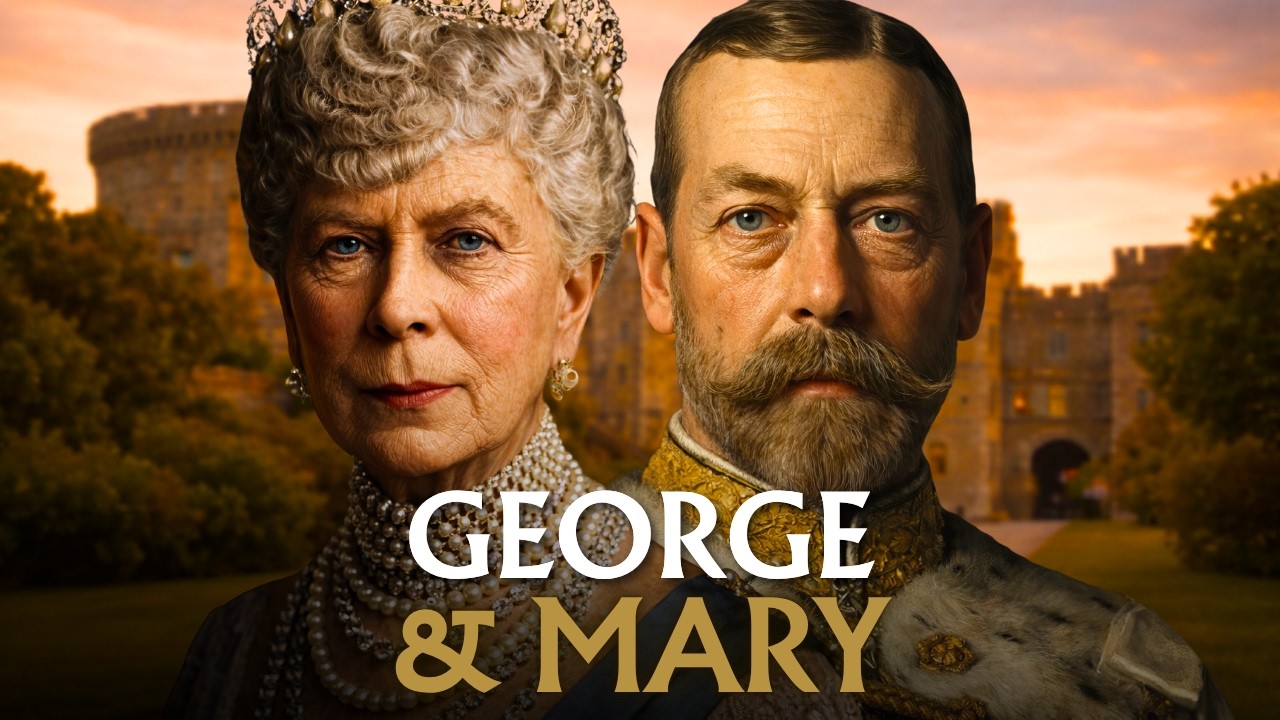
King George V and Queen Mary of Teck navigated the British monarchy through World War I, changing their family name to Windsor and influencing royal traditions.
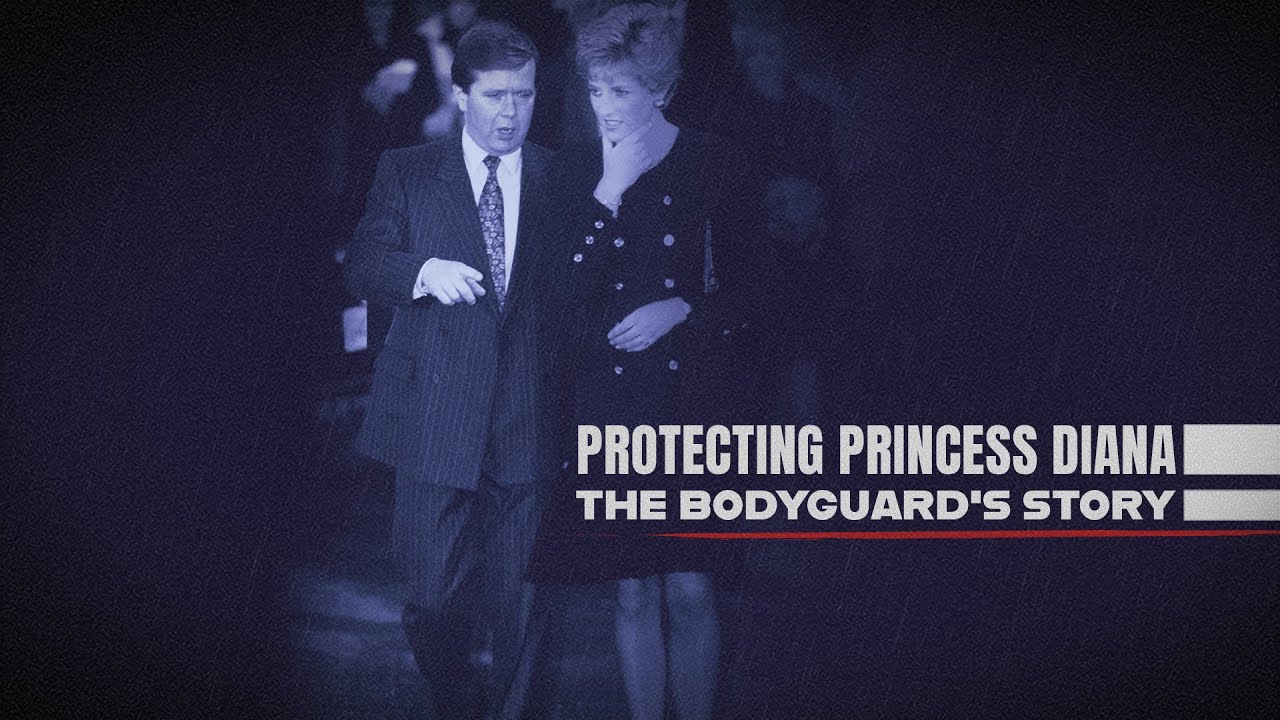
Ken Wharfe served as the royal protection officer for Diana, Princess of Wales, from 1986 until his resignation in 2002, overseeing her safety during a tumultuous period.
Albert Speer, chosen as Hitler's personal architect, designed the monumental structures that embodied the Nazi regime's vision for the Third Reich.
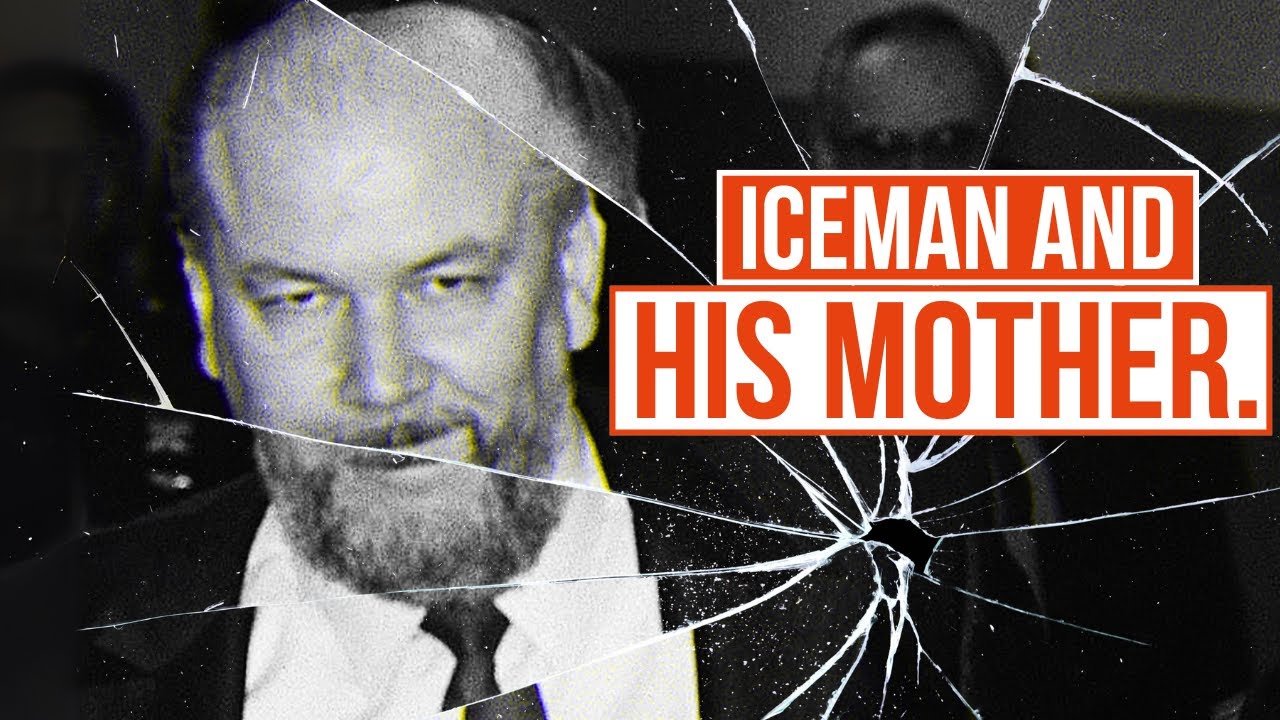
Richard Kuklinski, known as the 'Iceman,' claimed to have murdered up to 100 people over a criminal career that spanned three decades.
King David's affair with Bathsheba, a married woman, highlights the complexities of power and desire in ancient Israel, leading to significant consequences.