From over 100,000 films, discover the handful you'll love.
Free or premium access to the world's largest documentary library.
3629 films(Page 35 of 76)
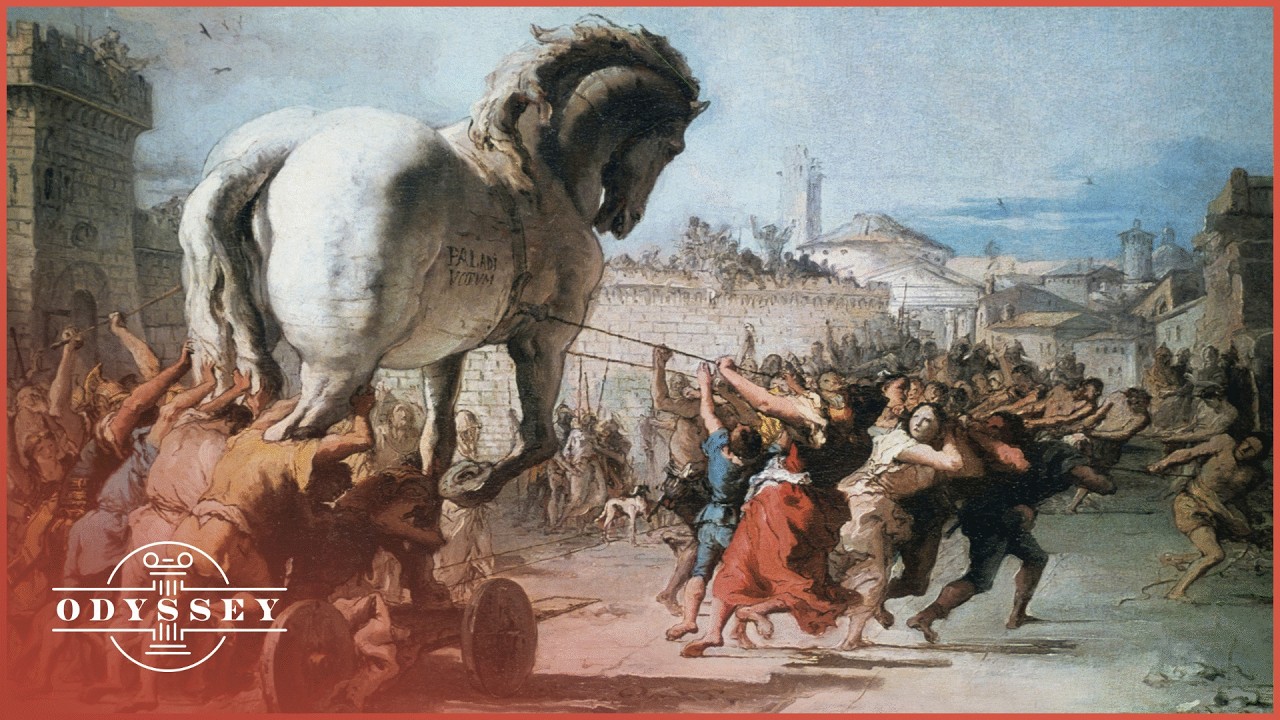
In northwest Turkey, archaeological findings challenge the perception of the Trojan War as mere myth, revealing connections to Homer's The Iliad and Bronze Age history.
Queen Victoria's transformation from a controlled young princess to one of history's longest-reigning monarchs highlights her desire for freedom and progressive governance.
In Mississippi, Mike Wolfe and Frank Fritz find a 65-million-year-old dinosaur bone, which is appraised by the curator of the Mississippi Museum of Natural Science.
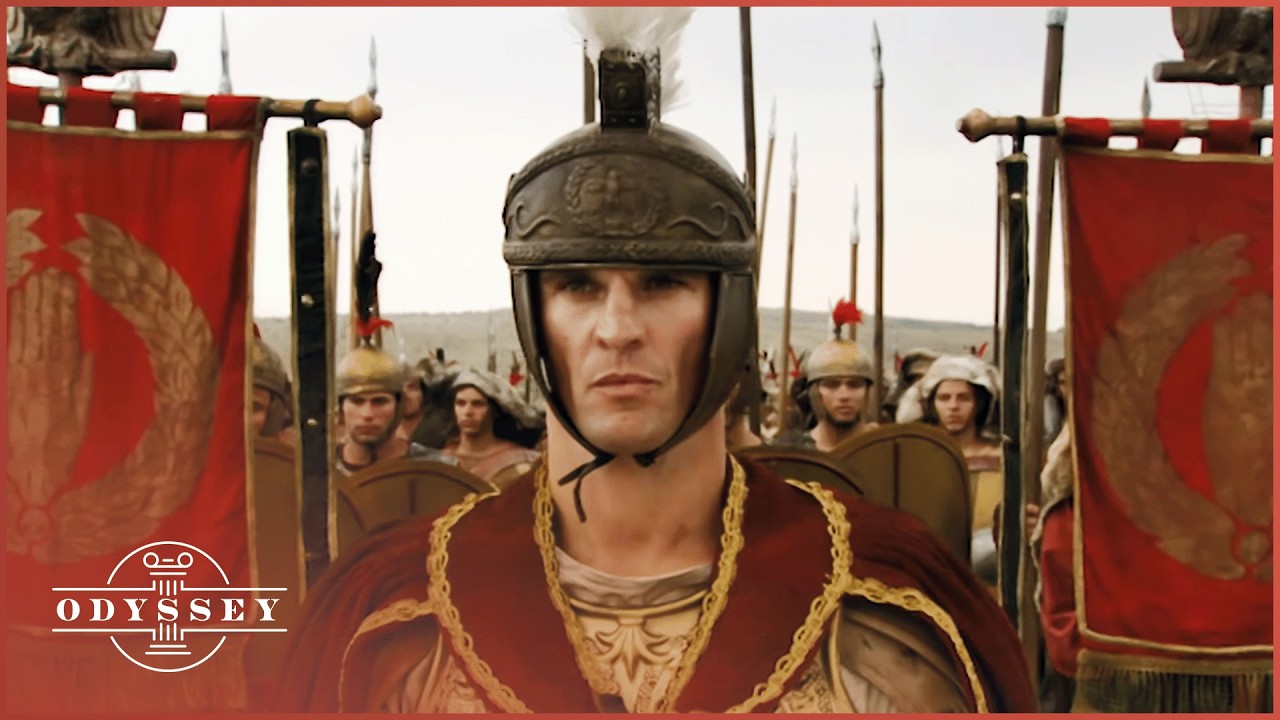
Carthage and Rome engage in a series of brutal conflicts during the Punic Wars, culminating in a decisive victory for Scipio over Hannibal.
Israel Keyes, an American serial killer, randomly targeted victims across the U.S. and was apprehended after CCTV footage linked him to an abduction.
King Arthur's fabled grave at Glastonbury Abbey, Ivan the Terrible's lost library in the Kremlin, and Japan's Honjo Masamune sword are investigated for their historical significance.
Hannibal Barca's military strategies led to the catastrophic defeat of 60,000 Roman soldiers at the Battle of Cannae, marking him as a formidable adversary in Roman history.
By 1933, the Nazi Party had risen to become the most popular political party in Germany, with Hitler now serving as Chancellor.
Rollo the Walker, a Viking leader, established Normandy in the early 10th century after negotiating the Treaty of Saint-Clair-sur-Epte with Charles III of France.
Erwin Rommel's suicide in 1944 was ordered by Adolf Hitler to maintain morale in Germany, masking the reality of the general's fall from grace.
Steve Wraith shares his experiences managing the criminal operations of Ronnie and Reggie Kray while they were incarcerated in the 1960s.
Sultan Mehmed II's siege of Constantinople in 1453 marks the fall of the Byzantine Empire, as Emperor Constantine XI defends the city against overwhelming odds.
Four U.S. presidents-Thomas Jefferson, Calvin Coolidge, Herbert Hoover, and Ronald Reagan-are examined for their distinct interpretations of American national identity and mission.
Tutankhamun's tomb is reconstructed using 2D and 3D imagery to explore its significance in shaping Egyptian history and the Valley of the Kings.
A team of researchers, including Americans Dave Horner and Paul Perry, questions the widely accepted narrative of Christopher Columbus's origins.
Hermann Göring's transformation from a World War I fighter ace to a key architect of the Holocaust and head of the Gestapo illustrates the corrupting influence of power.
Winston Churchill, Nikita Khrushchev, George S. Patton, and Anwar Sadat employed military deception tactics that significantly influenced key 20th-century conflicts.
Germany's secret UFO projects during the dictatorship years are examined through expert interviews and investigations into suppressed historical events.
Schönbrunn Palace, Melk Abbey, and Bratislava Castle exemplify how 18th-century Habsburg architecture projected imperial authority and reflected Enlightenment reforms.
Elizabeth Bowes Lyon, known as the Queen Mother, played a crucial role in stabilizing the British monarchy and shaping the legacy of Queen Elizabeth II.
In 1478, the Catholic Monarchs Ferdinand II of Aragon and Isabella I of Castile initiated the Spanish Inquisition, targeting converted Jews and enforcing religious orthodoxy.
The American Revolution involved a complex array of participants, including George Washington, Indigenous peoples, and enslaved Africans, reshaping global history.
Joshua, a central figure in the Old Testament, is examined for his historical existence and the lack of archaeological evidence supporting his conquests in Canaan.
In 1881, Booker T. Washington founded Tuskegee Institute in Alabama, which became a significant educational institution for African Americans.
Akhanaten, known as "the criminal of Amarna," transformed ancient Egyptian religion by replacing multiple gods with the singular worship of Aton.
General Tom Thumb, born Charles Stratton, stood at just 25 inches tall and performed for over 50 million people during his career in the 19th century.
Edward VIII and Prince Harry both faced personal and public turmoil as their romantic relationships with Wallis Simpson and Meghan Markle led them to step back from royal duties.
Presidential leadership in an increasingly divided government is examined through the perspectives of James Madison, James Polk, William Howard Taft, and Bill Clinton.
Brendan "Paddy" Finucane, the youngest Wing Commander in Royal Air Force history, became a legendary fighter ace during World War II, leading the 452 Squadron against the Luftwaffe.
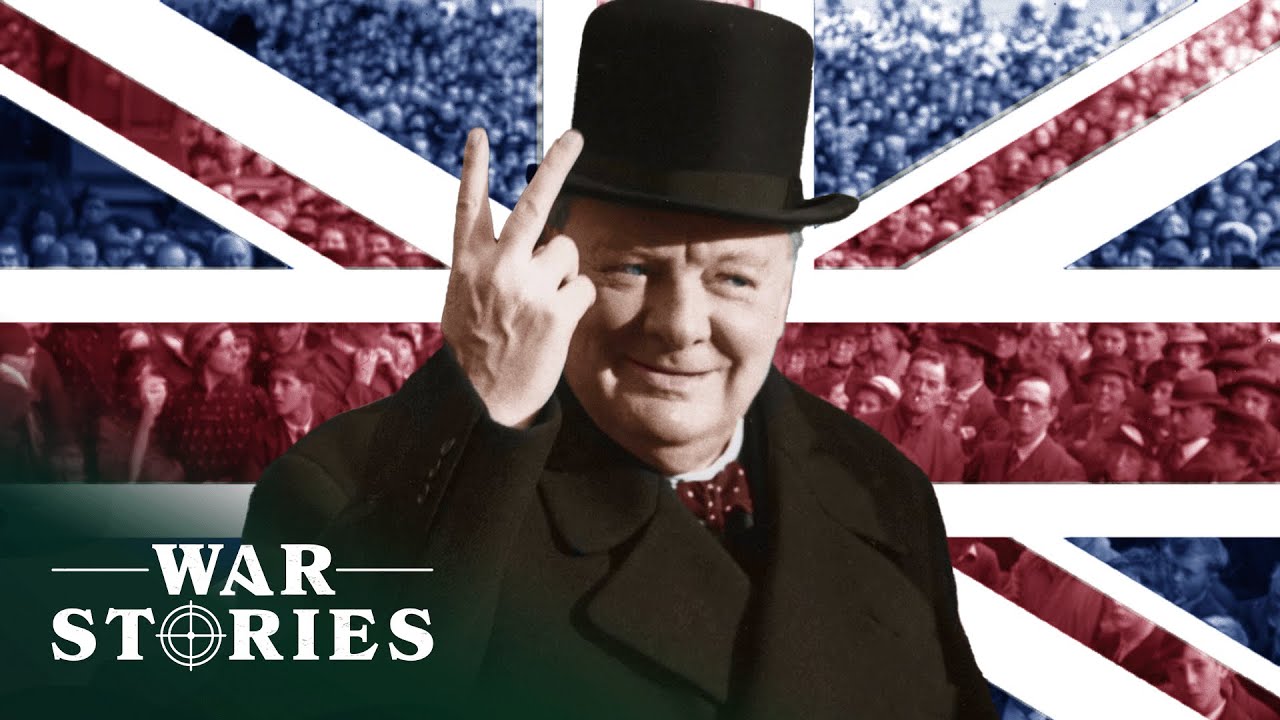
Winston Churchill's life story, from his early years to his pivotal role as Britain's Prime Minister during World War II, is explored in detail.
Dr Alice Roberts examines archaeological findings across ancient British sites, from prehistoric landscapes to Viking settlements, highlighting the cultural heritage of the region.
Fort Knox's gold reserves, the secrets of the Freemasons, and the legacy of the Playboy Mansion reveal the hidden wealth of America's iconic institutions.
Princess Diana's influence on fashion and her status as a style icon are explored through her iconic evening gowns and enduring legacy in the fashion world.
Josef Mengele, the notorious Nazi physician, evaded capture for 34 years after World War II, despite multiple close calls with investigators like Simon Wiesenthal.
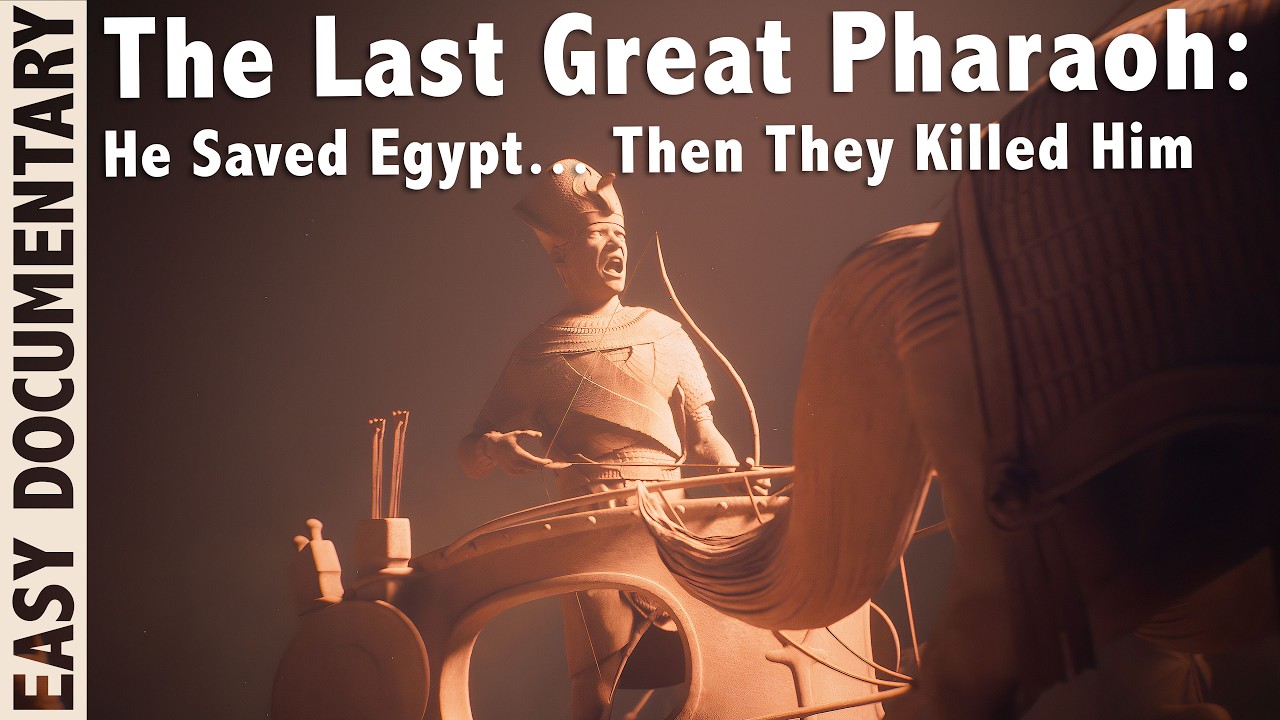
Ramesses III, the last great pharaoh of Egypt, fought off invasions and was ultimately betrayed and murdered by those closest to him, revealing a conspiracy documented in the first judicial papyrus.
Mary I and Elizabeth I, daughters of Henry VIII, transformed from childhood companions into fierce rivals, igniting a bitter struggle for the English throne.
Franz Stangl, the Commandant of Treblinka, evaded capture for nearly 30 years while Nazi hunter Simon Wiesenthal pursued justice for Holocaust victims.
More than 80 years after Amelia Earhart disappeared, her legacy as a pilot and advocate for women's equality continues to inspire.
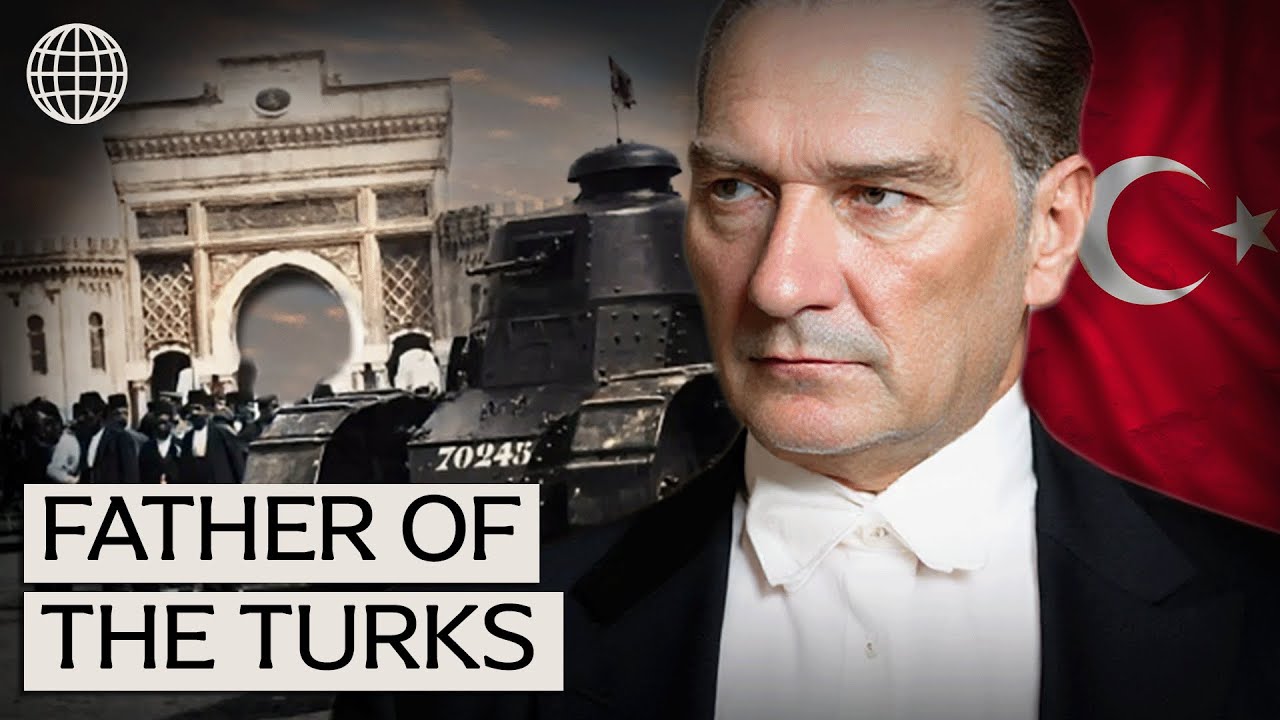
Mustafa Kemal Atatürk was born in Salonica in early 1881 and later became known as the father of modern Turkey after significant reforms in the 20th century.
Forensic archaeology experts in the UK utilize DNA analysis and isotopic testing to examine human remains, revealing identities and historical narratives from the past.
Julius Caesar's military strategies, Augustus's establishment of the Roman Empire, and Boudica's rebellion against Roman rule highlight the impact of legendary ancient leaders.
At the end of World War II, a team of experts investigates Hermann Göring's stolen multi-billion dollar collection of treasures that remain missing since 1945.
Norman Bethune established the world's first mobile blood-transfusion service during the Spanish Civil War, significantly advancing military medicine.
Tiberius Gracchus's political actions in Ancient Rome incited mob violence, leading to significant social and political upheaval.
An army of workers built a 800-foot wide, 100-foot tall set for Cecil B. DeMille's 1923 silent film "The Ten Commandments," which later vanished.
Ancient Egypt's enduring monuments, including the Pyramids and the Karnak Temple, reveal insights into the civilization's remarkable legacy and cultural significance.
The 12th-century civil war known as The Anarchy saw King Stephen and Empress Matilda clash over the English throne, leading to widespread chaos and destruction.
Augustus, originally Octavian, transformed the Roman Republic into an autocratic empire while navigating familial power struggles with his daughter Julia and wife Livia Drusilla.