From over 100,000 films, discover the handful you'll love.
Free or premium access to the world's largest documentary library.
3628 films(Page 7 of 76)
Over 130 pyramids have been discovered in Egypt, with teams of archaeologists investigating the origins and secrets of these ancient structures.
Chinggis Khan, originally named Temujin, navigated the challenges of the Mongolian Steppe, including family struggles and tribal rivalries, to establish the Mongol Empire.
In Britain's historic homes, the American Viscountess explores haunted estates like Athelhampton and Berkeley Castle, revealing eerie legends and ghostly encounters.
Edward IV was born on April 28, 1442, in Rouen, Normandy, as the third of twelve children in the House of York.
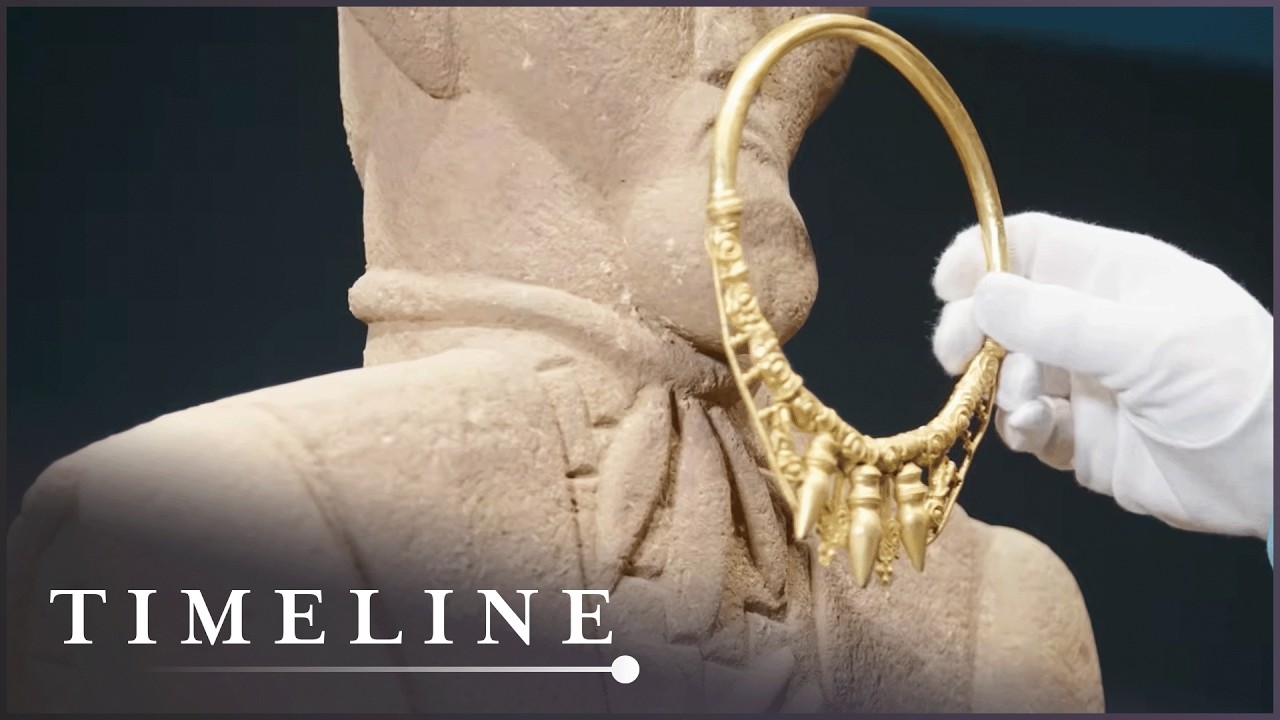
26 statues of the god Osiris stand as guardians at Hatshepsut's temple, a site of ongoing archaeological excavations in Luxor, Egypt.
New archaeological findings provide insights into the lives and practices of Druids, the enigmatic figures of Celtic history.
Franklin Delano Roosevelt's life from his privileged upbringing and early political career to his battle with polio and transformative presidency is examined in detail.
JFK's assassination is examined through the perspectives of the Secret Service agents tasked with his protection on that fateful day in Dallas, Texas.
10,000 politicians, diplomats, and spies arrived in Paris for the peace conference following World War I, where the Treaty of Versailles was negotiated.
Two million fatalities from World War I left Germany in shock, creating a fertile ground for Adolf Hitler's rise to power through political manipulation.
On April 23, 2018, Louis Arthur Charles was born at St Mary's Hospital, becoming fourth in line to the British throne amid evolving royal traditions.
In Lincolnshire, a metal detectorist has found over 300 artifacts from the Roman, Iron Age, and Anglo-Saxon periods, prompting an investigation into the site's historical significance.
A butler set fire to a Tudor mansion in Suffolk in 1773, leading to the loss of a historic estate that had stood for over 500 years.
Thomas Jefferson, the 3rd President of the United States, is examined for his pivotal role in shaping American history and governance.
King Richard III was born on October 2, 1452, in Fotheringay Castle, Northamptonshire, and became one of England's most infamous rulers.
Theodor Morell, born on July 22, 1886, became Adolf Hitler's personal physician and was known for his unconventional medical treatments during World War II.
Hirohito's reign as Emperor of Japan from 1926 marked the aggressive expansion of Japan's empire, culminating in significant conflicts during World War II.
Viking mercenaries known as the Varangian Guard served the Byzantine Empire under Emperor Basil II, renowned for their loyalty and military brutality.
Nikita Khrushchev was born on April 15, 1894, in Kalinovka, a village with just over 1,000 inhabitants in southern Russia.
Irish monk Columbanus established over one hundred centers of scholarship across Europe in the sixth century, influencing education and leadership during a time of crisis.
Francis Pryor examines archaeological evidence from Britain to challenge the notion that the Dark Ages were a period of barbarism following the Roman departure.
Three and a half thousand year old wooden posts emerge from the Thames, prompting archaeologists to investigate their possible connection to London's first bridge.
In 1968, Ho Chi Minh, then an aging revolutionary, planned a major offensive to drive enemy forces out of Vietnam during the height of the Vietnam War.
Operation Sea Lion's failure to subdue Britain in 1940 was largely due to the Luftwaffe's inability to achieve air superiority during the Battle of Britain.
Clark Gable died on November 16, 1960, and was buried with Carole Lombard at Forest Lawn, Glendale, fulfilling his last wishes to be with her.
Adolf Hitler is regarded as responsible for the deaths of upwards of 50 million people during World War II and the Holocaust.
In 1500, during the reign of Henry VII, lay-folk on monastic lands faced grueling agricultural and crafting tasks, as explored by a team of historians.
At 12:35 PM on July 20, 1944, Colonel Klaus von Stauffenberg entered a conference room at Hitler's headquarters to carry out an assassination attempt.
In East Sussex, archaeologists investigate a fortified Roman settlement, an 8,000-year-old submerged Mesolithic town off the Isle of Wight, and Iron Age burials near Dorchester.
Adolf Hitler's 12 years in power resulted in tens of millions of deaths and marked one of the most destructive periods in human history.
James Beard was born in 1903 in Portland, Oregon, during a significant boom in the timber industry.
Karl Dönitz joined the German navy in 1910 at the age of 18, rising through the ranks to become a key naval commander during World War II.
In a Surrey field, six hundred Roman coins and other artifacts lead archaeologists to investigate the potential existence of an ancient Roman temple.
Sir Winston Churchill's impactful speeches during World War II and his complex relationship with Queen Elizabeth II shaped British leadership in the mid-20th century.
James Madison was born on March 16, 1751, at Belle Grove Plantation near Port Conway, Virginia, into a family of wealthy tobacco planters.
Coco Chanel was born on August 19, 1883, in a poorhouse in Saumur, France, as Gabrielle Bonheur Chanel, before becoming a prominent fashion designer.
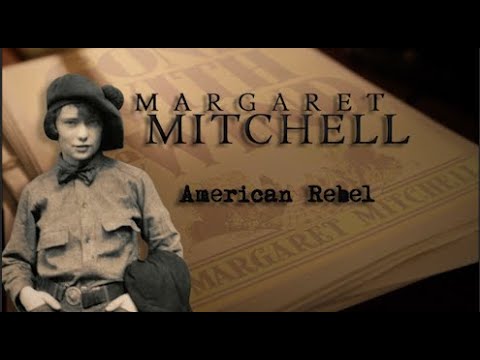
Margaret Mitchell asked her husband to burn the original manuscript of Gone With the Wind, but he saved several chapters before the flames consumed the rest.
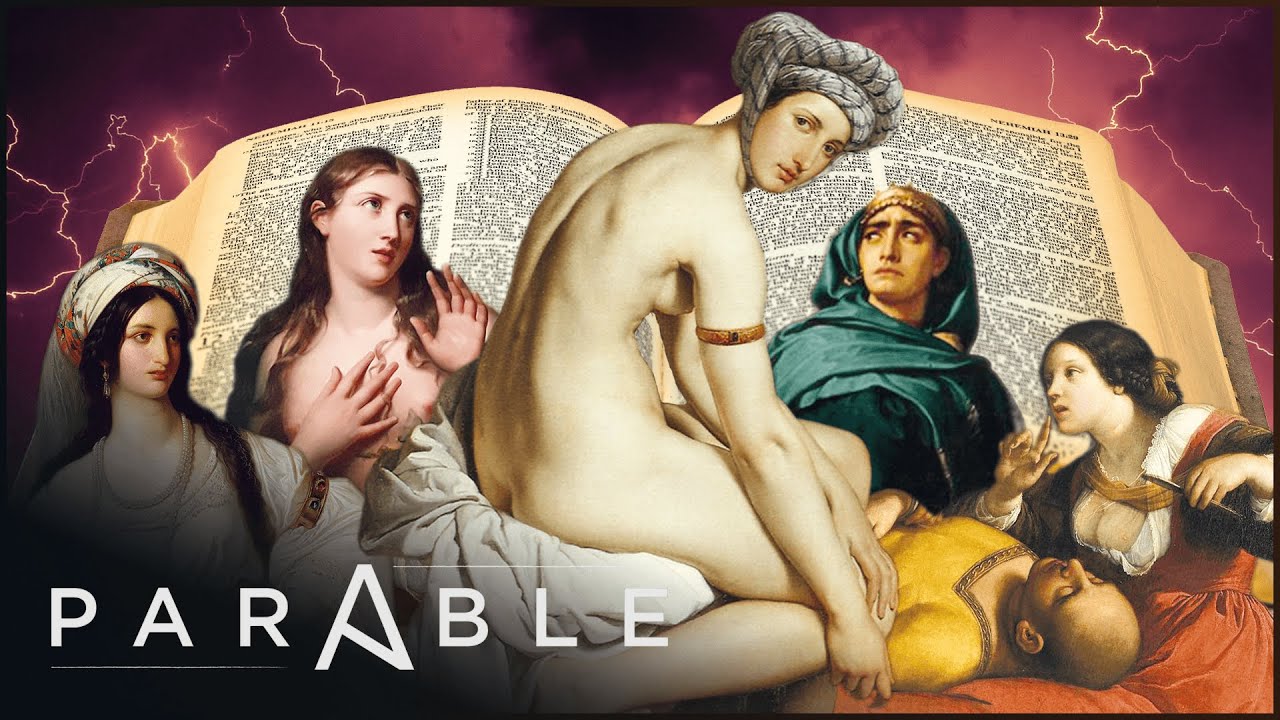
Notorious women in the Bible, including Eve, Delilah, Bathsheba, Jezebel, and Esther, are examined for their roles and impact within a patriarchal society.
Qin Shi Huangdi, China's first emperor, is examined through new excavations and dramatic reconstructions of his legacy, including the Great Wall and Terracotta Army.
Queen Elizabeth II was born on April 21, 1926, in London, and became the third in line to the throne at the time of her birth.
Crafted from 22 pounds of gold, Tutankhamun's death mask has sparked debate over whether it was originally made for him or for Queen Nefertiti.
Microscopic organisms have posed a persistent threat to humanity, prompting advancements in medicine as a crucial defense against disease and death.
Heinrich Himmler's fascination with the occult led Nazi Germany on a secret mission to remote Tibet in search of mythical objects and supernatural knowledge.
On June 27, 1981, an assassin disguised as a journalist severely injured Ali Khamenei in a bombing at the Abuzar Mosque in Tehran.
The Battle of Agincourt in 1415 marked a significant English victory during the Hundred Years' War, resulting in heavy French casualties despite their numerical advantage.
Walter White led the NAACP from 1929 to 1955, yet his significant role in the civil rights movement has largely been forgotten.
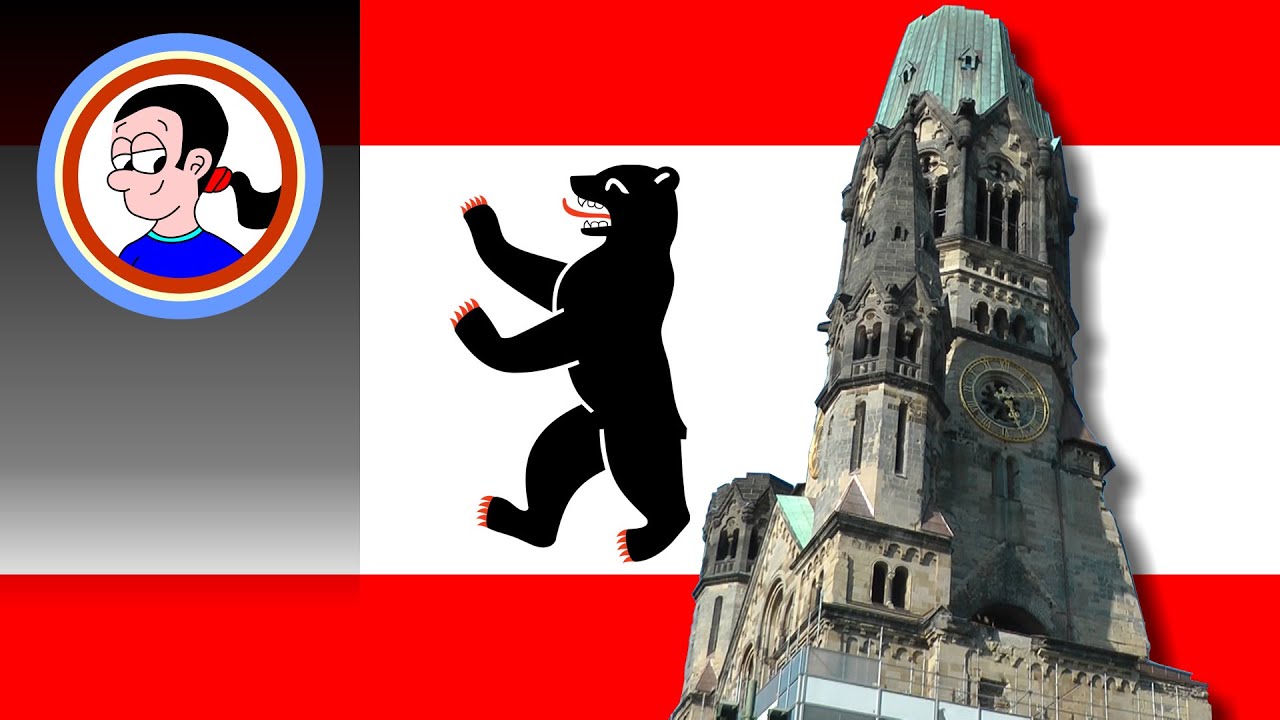
The Television Tower in Berlin, completed in 1969, stands at 365 metres, making it the tallest structure in Germany and the fourth tallest free-standing building in Europe.
Winston Churchill was born on November 30, 1874, at Blenheim Palace in Oxfordshire, England, to a politically prominent but financially troubled family.