From over 100,000 films, discover the handful you'll love.
Free or premium access to the world's largest documentary library.
3629 films(Page 39 of 76)
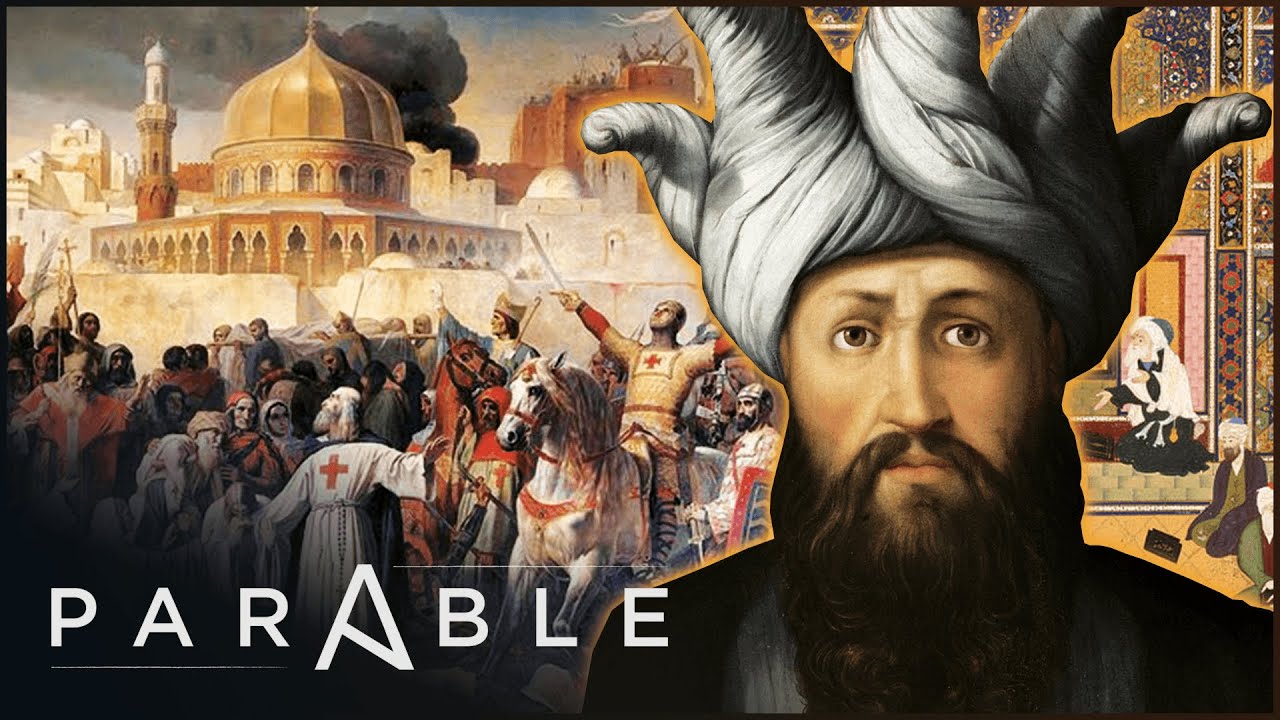
The Crusades, spanning 200 years, exemplified the intersection of Christianity and violence in the quest to reclaim Jerusalem from Islamic control.
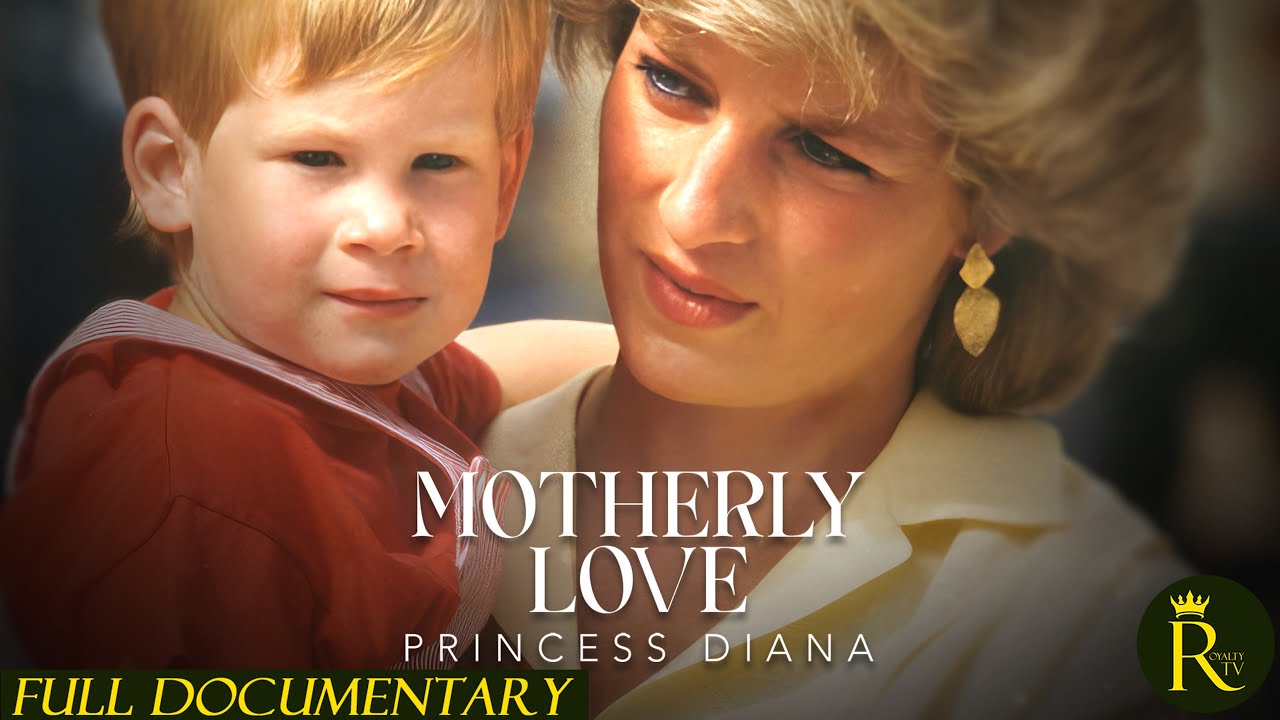
Princess Diana's nurturing approach to motherhood is examined through her deep affection for Prince William and Prince Harry, highlighting her influence on their lives.
Judas Iscariot, often viewed as a symbol of betrayal, is re-examined alongside the other apostles in a series that explores their historical significance and legacy.
Born on April 21, 1926, Elizabeth Alexandra Mary navigated her early life as a princess in a stable family, ultimately preparing for her role as Queen of the British Empire.
Tiberius Claudius Nero, initially an unlikely choice for emperor, navigated a tumultuous reign marked by military victories, family conflicts, and political intrigue in ancient Rome.
In Edwardian England, corsets and wigs defined the fashion and social expectations of women, reflecting the complexities of gender roles during that era.
Abraham Lincoln's presidency marked a significant period for American Jews, as he fostered relationships, promoted equality, and appointed Jewish advisors and officials.
Four mummies over 2,000 years old, discovered in Siberia's permafrost, are among the treasures housed in the State Hermitage Museum.
Frederick Douglass, a fugitive slave, declared that "power concedes nothing without a demand" in his fight for civil rights in 19th-century America.
Queen Elizabeth II's passing prompted a global outpouring of grief, marked by solemn processions in London and the transition of the crown to King Charles III.
Mark Antony's life, marked by his political maneuvers in Rome and his tumultuous relationship with Cleopatra VII, culminates in the War of Actium and his eventual defeat.
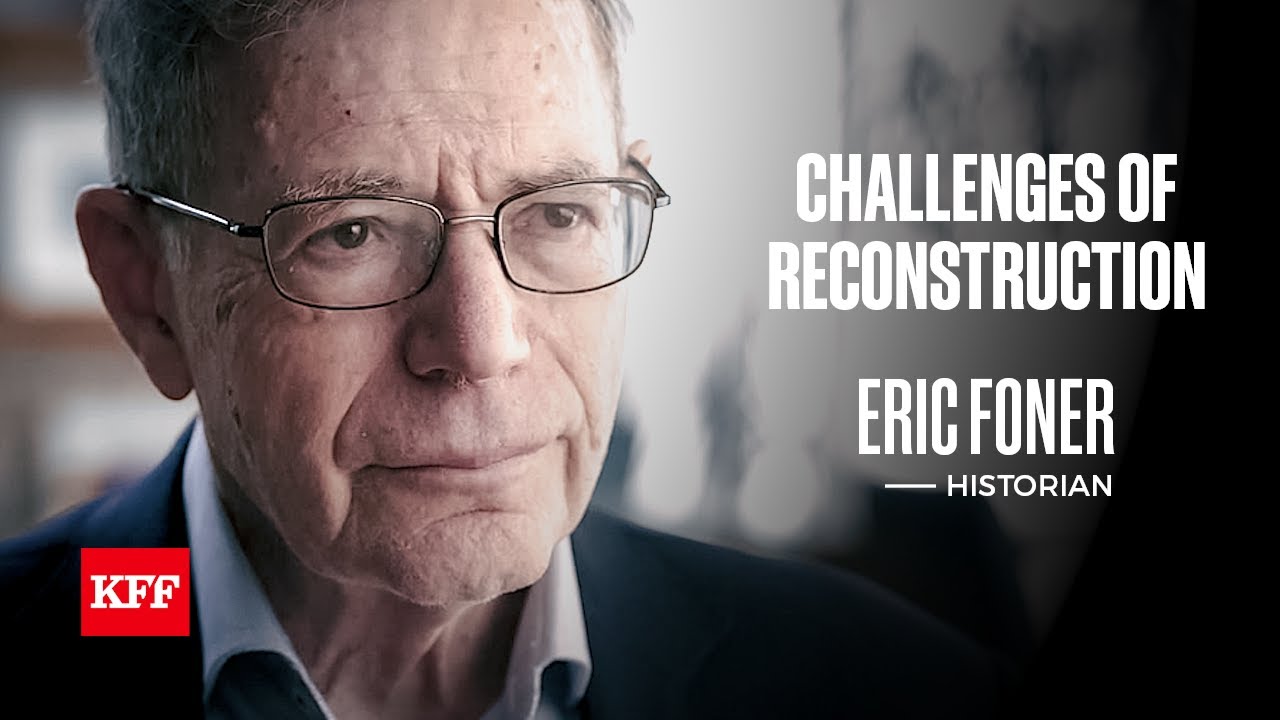
Historian Eric Foner discusses the significance of the four slave states that remained in the Union during the Civil War and the complexities surrounding Abraham Lincoln's evolving views on slavery and Reconstruction.
The British Royal Family faces challenges in maintaining its relevance and public image following the transition of power to King Charles III and the evolving roles of Prince William and Prince George.
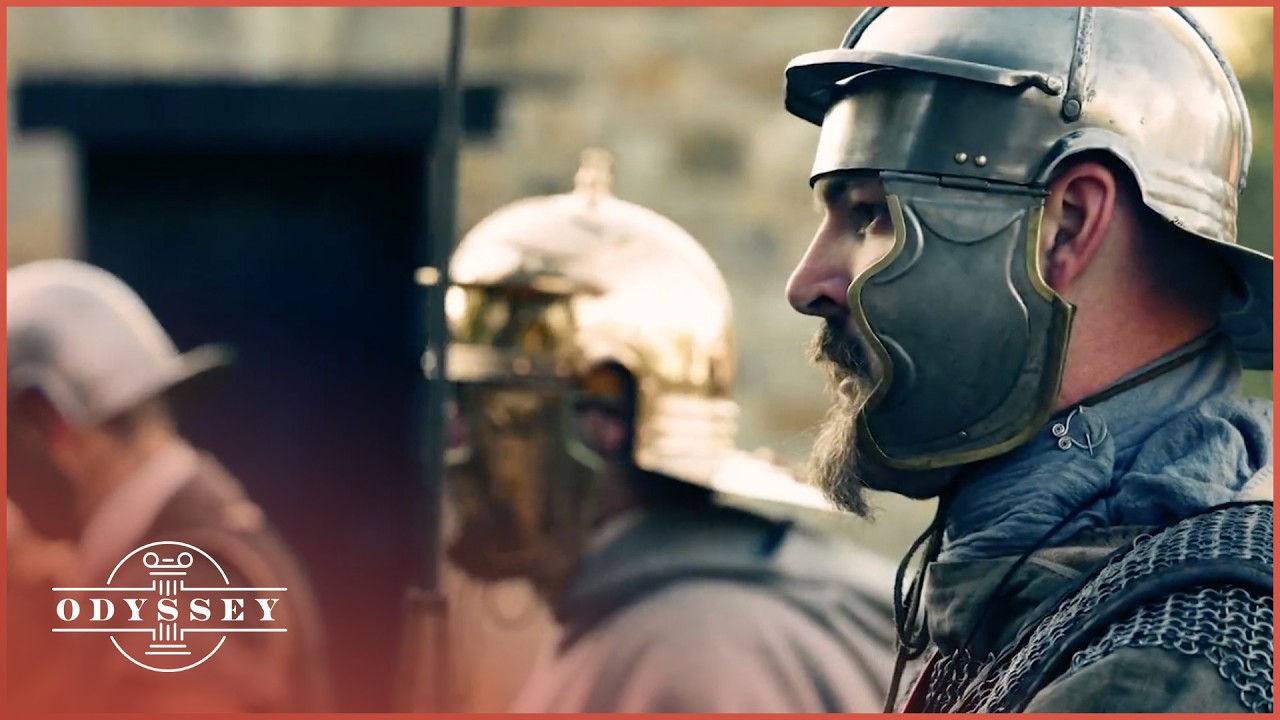
Daily life in the Roman army reveals a complex reality of soldiers who were not merely disciplined warriors but also individuals shaped by their experiences and environment.
In 1921 at the University of Toronto, Dr.
Carlos Ghosn, sent by Renault, led the Nissan Revival Plan in 1999, transforming the struggling automaker and becoming its first foreign CEO.
Princess Margaret's marriage to Antony Armstrong-Jones in 1960 marked a significant shift in royal traditions, as she became the first British royal to marry a commoner in 400 years.
In 1731, Empress Maria Theresa commissioned her physician Gerard van Swieten to investigate reports of vampirism in the Habsburg territories, leading to a historical examination of the phenomenon.
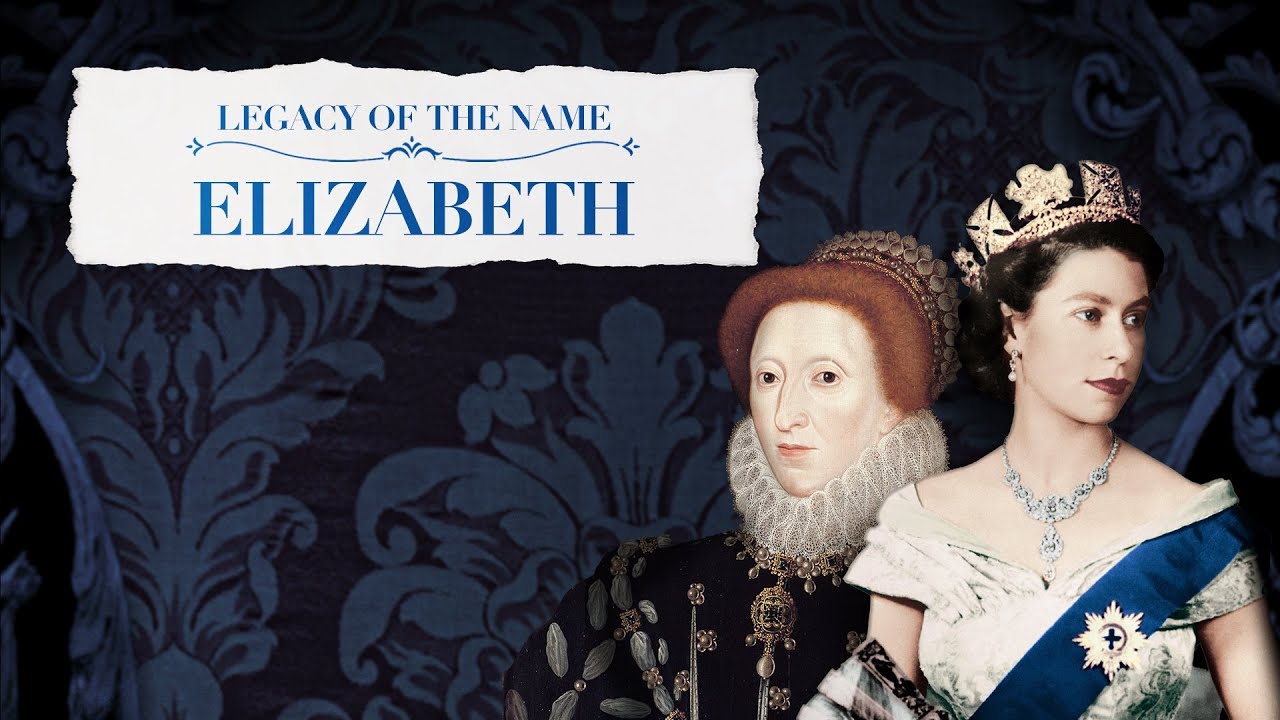
Elizabeth I and Elizabeth II, two pivotal figures in British history, are examined for the significance and implications of their shared name and legacy.
Queen Elizabeth II dedicated her life to public service for over 70 years, becoming a symbol of stability and continuity during significant global changes.
After his conversion, Paul of Tarsus traveled extensively across the Roman Empire, significantly influencing the spread of Christianity in diverse regions.
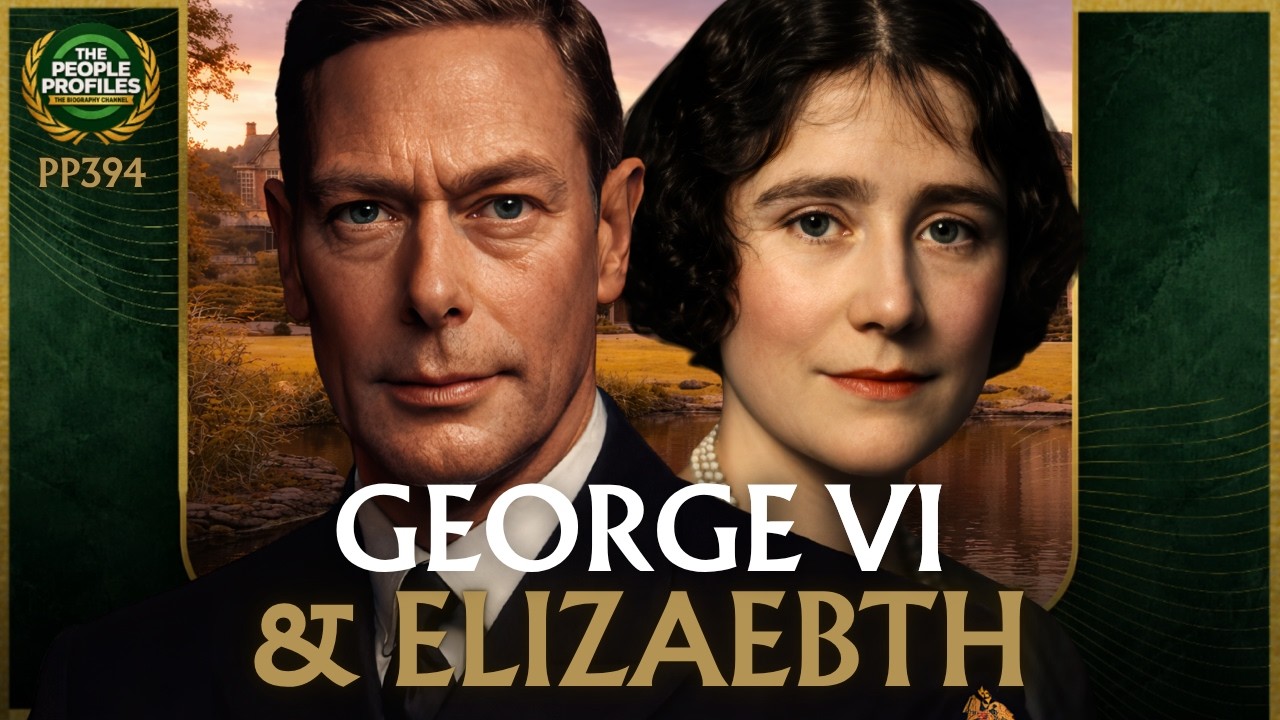
King George VI and the Queen Mother navigated the challenges of the 1936 Abdication Crisis and World War II, reshaping the British Monarchy and inspiring a nation.
Lola Montez died in New York at the age of 39, having challenged societal norms and influenced the lives of many men during her brief but impactful life.
Edward VIII's abdication in 1936 for Wallis Simpson, a twice-divorced American, transformed the British monarchy and ignited discussions on love and obsession.
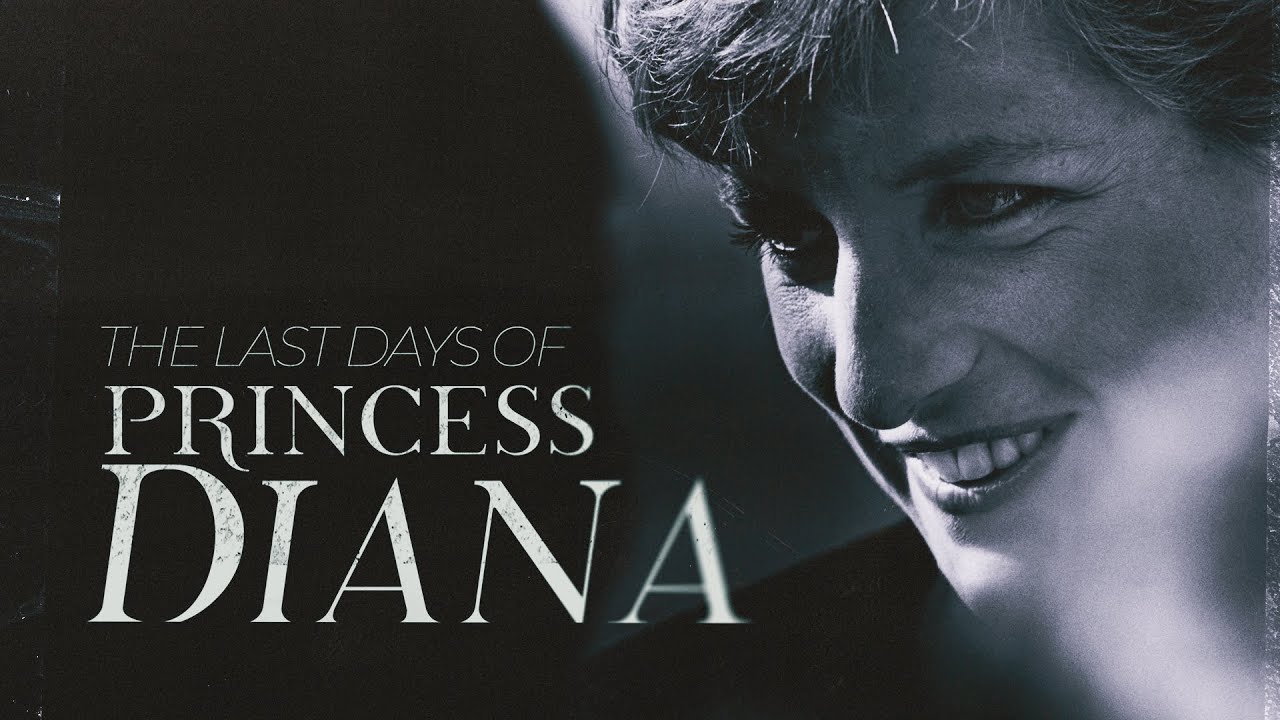
In 1997, Princess Diana's final days are examined, highlighting her relationships with James Hewitt, Dr. Hasnat Khan, and Dodi Al-Fayed, and the impact of her death on the monarchy.
Topkapi Palace Museum in Istanbul reveals its historical significance through tales of assassins, sultans, and the world's first peace treaty.
Grant Harrold, former butler to King Charles III, shares insights on royal etiquette, including dining protocols and dress codes for royal events.
Inside the Palacio Real in Madrid, a clock powered by witchcraft and the actions of King Felipe VI against fascism reveal the palace's hidden secrets.
William the Conqueror's Domesday Book, created in 1085-1086, served as a legal tool to legitimize Norman rule and redefine land ownership in England.
In 1992, the British monarchy faced a significant crisis as three royal marriages collapsed, coinciding with scandals involving Diana, Princess of Wales, and Sarah, Duchess of York.
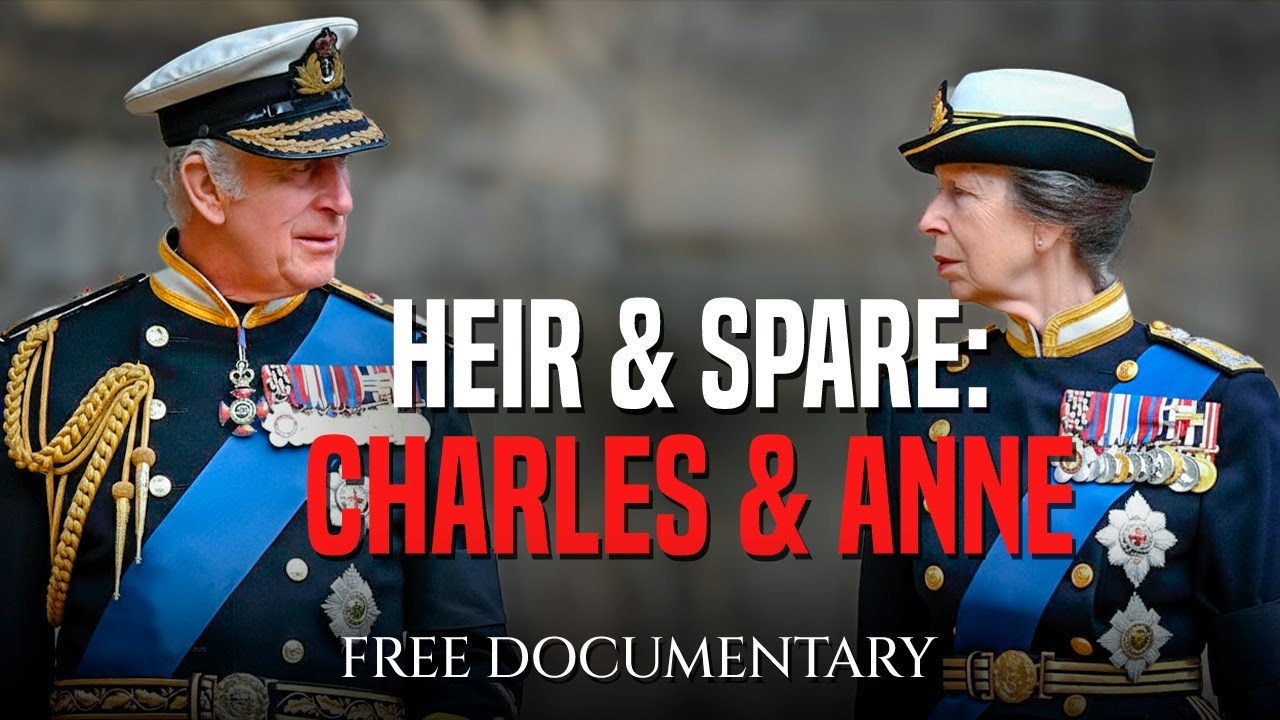
Princess Anne and King Charles navigate their roles within the British monarchy, highlighting their contrasting approaches to duty and loyalty.
Tommy Douglas, a former premier of Saskatchewan and leader of the New Democratic Party, is celebrated for his pivotal role in establishing Canada's Medicare system.
Jesse Jackson reflects on Dr. Martin Luther King Jr.'s commitment to social justice, his strategic insights, and the enduring impact of his legacy on contemporary activism.
General George S. Patton's armored campaigns across Europe played a crucial role in U.S. forces' rapid offensives that contributed to the Allied victory in World War II.
Prince Charles and Camilla, Duchess of Cornwall, navigate a tumultuous relationship marked by media scrutiny and public scandal before their eventual marriage.
Elite Egyptologists and forensic scientists utilize advanced CT scans and chemical analysis to investigate the mysteries of three Egyptian mummies, including a relative of Ramesses II.
King Charles III ascended to the throne on September 8, 2022, following the death of Queen Elizabeth II, marking the beginning of his reign over the United Kingdom and 14 realms.
Josef Mengele, the notorious "Angel of Death," evaded capture for decades after World War II, living in South America while being pursued by Nazi hunter Simon Wiesenthal.
Alfred Nobel's invention of dynamite revolutionized construction and mining, significantly impacting the extraction of natural resources that shaped the modern world.
At the end of World War II, a team of experts investigates Hermann Göring's stolen multi-billion dollar collection of art and treasures that remains missing.
The Colosseum in Rome is undergoing an extensive restoration that integrates science, fashion, archaeology, and culture to preserve its historical significance.
Xernona Clayton shares personal anecdotes about Martin Luther King Jr., highlighting his humor, compassion, and commitment to fighting poverty and injustice.
Masada, a Herodian palace in the desert, was the site of a legendary last stand by 1,000 Jews against the Roman 10th Legion in 70 AD.
Hadrian's reign marked a pivotal shift in the Roman Empire during 117 AD, as he prioritized consolidation over expansion, reinforcing borders and restoring cities.
In 865 AD, the Great Heathen Army, led by the sons of Ragnar Lothbrok, invaded England, significantly impacting its history through conquest and violence.
In July 1945, Harry Truman, Winston Churchill, and Joseph Stalin met in Potsdam to negotiate the post-war order in Europe and address the conclusion of World War II.
Ramses III, the Egyptian pharaoh, was found to have a fatal neck wound, leading to allegations that his harem conspired against him amid a power struggle.
Queen Victoria's reign, marked by her unique upbringing and desire for freedom, shaped the course of the British Empire in the 19th century.