From over 100,000 films, discover the handful you'll love.
Free or premium access to the world's largest documentary library.
3628 films(Page 48 of 76)
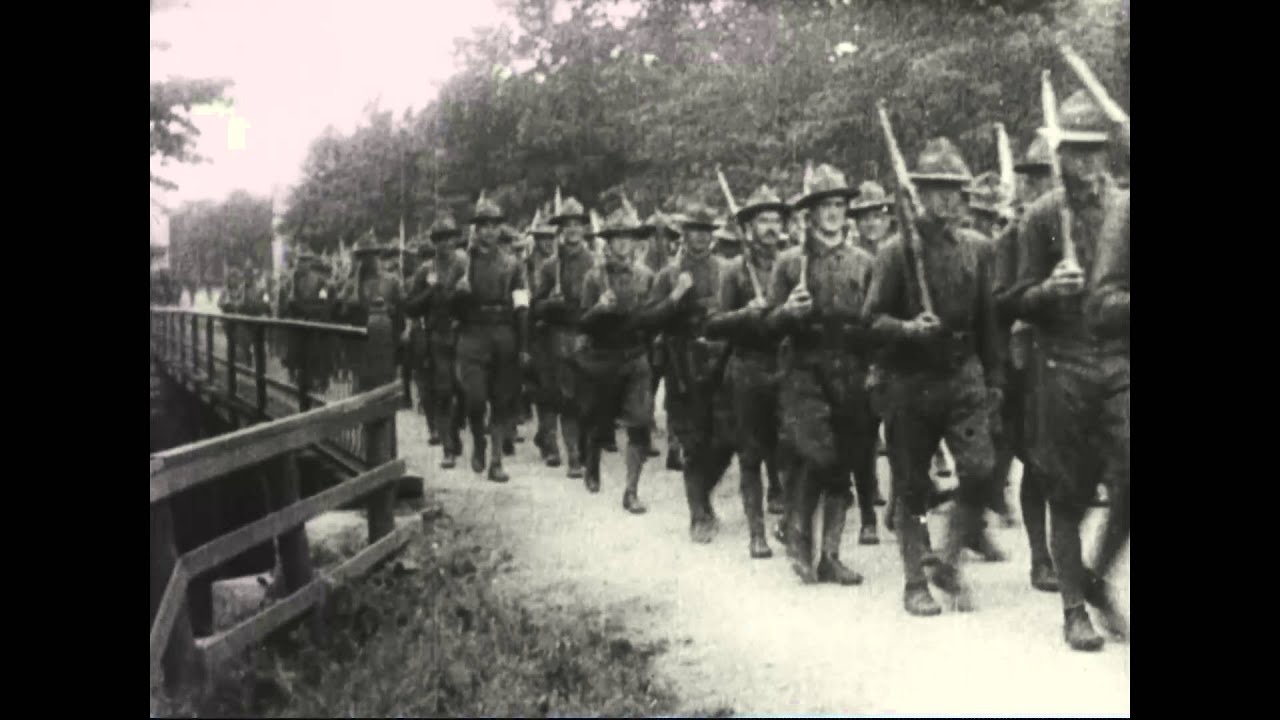
World War I is depicted through silent footage showcasing U.S. troops, including General John J. Pershing, in various military and logistical activities across Europe.
A 200-year fund established by Benjamin Franklin aimed to lend money to young tradesmen in Boston and Philadelphia to help them start their businesses.
Dwight Eisenhower delivered his farewell address on January 17, 1961, warning against the undue influence of the military industrial complex.
Professor Martin Jarvis spent 25 years investigating whether Anna Magdalena Bach, rather than her husband, composed some of the cello suites attributed to him.
Beneath a man-made mountain in Shaanxi, China, lies the unopened tomb of Qin Shi Huang, guarded by 8,000 life-sized Terracotta Warriors.
Princess Diana's rise from a shy nursery teacher to a global icon is examined alongside her struggles for belonging within the constraints of the British monarchy.
Katherine Johnson's mathematical expertise was crucial in launching America into space, guiding missions such as Apollo 11 and Apollo 13 at NASA.
89 members of a Jewish family were wiped out during the Holocaust, leaving only two survivors to recount their story.
In 1864, President Abraham Lincoln navigated the final campaigns of the Civil War, secured reelection, and articulated his vision for a reunified nation.
Ronald Reagan negotiated with Mikhail Gorbachev for 36 hours in Reykjavik in 1986, aiming to eliminate nuclear weapons between superpowers.
Freddie Mercury, born in Zanzibar, rose from a shy teenager to become the legendary frontman of Queen, celebrated for his extraordinary vocal talent and stage presence.
A six-month residency at the Science Museum features the Collider exhibition, which aims to answer fundamental questions about the universe.
Queen Elizabeth II and Prince Philip, Duke of Edinburgh, celebrate their golden wedding anniversary, reflecting on their five decades of service and partnership.
Stuart Eizenstat served as Chief Domestic Policy Advisor to Jimmy Carter, documenting his presidency through notes and interviews from their time together.
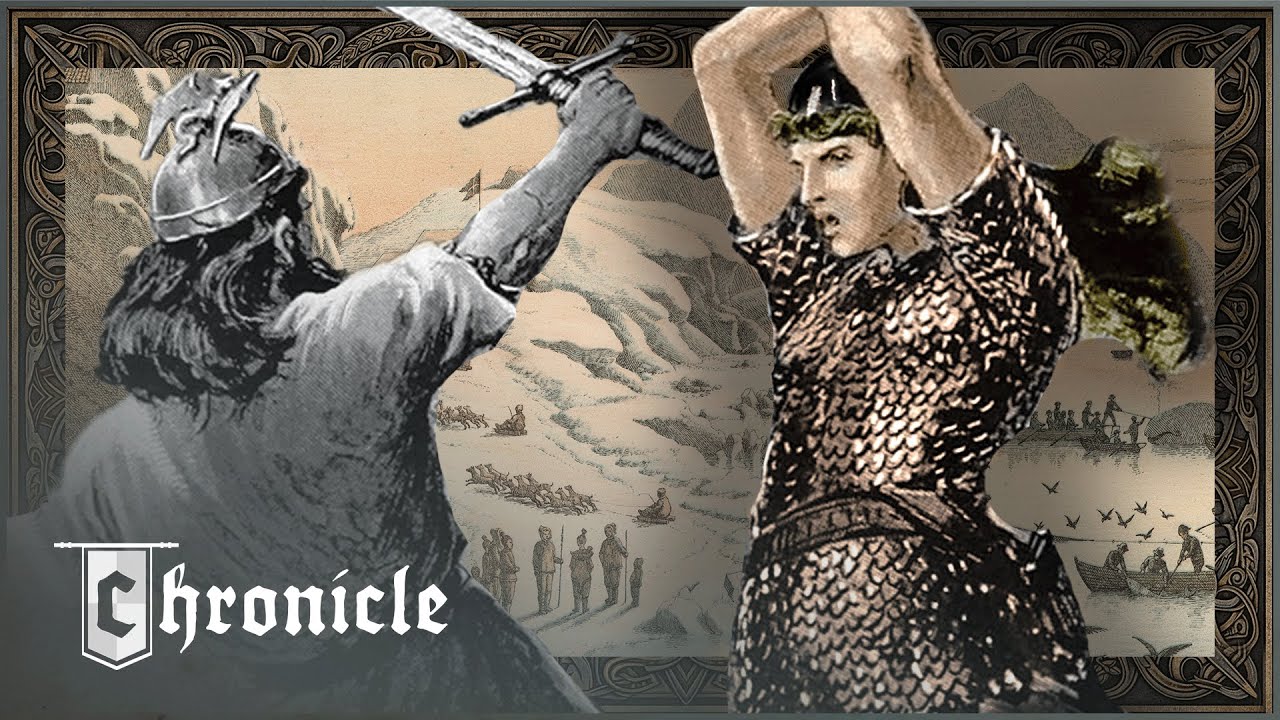
Viking women played a crucial role in society, as evidenced by archaeological findings from the Oseberg burial and their unique legal rights in Medieval Europe.
Teddy Roosevelt's contributions to American history are explored through interactive learning experiences designed for young learners at the National Archives.
The Battle of Marathon in 490 BC marked a pivotal moment in the Greco-Persian Wars, where Athenian forces, led by Miltiades, achieved a decisive victory against Darius the Great's Persian army.
Prominent leaders of the Women’s Suffrage Movement, including Sojourner Truth, Susan B Anthony, and Alice Paul, engage in a conversation moderated by Dorothy Dougherty.
David M. Rubenstein hosts discussions with historians about significant figures in American history, stemming from a series launched in 2013 at the Library of Congress.
High-stakes investigations led by FBI agents and anti-mafia prosecutors dismantled the criminal empires of John Gotti, Pablo Escobar, Salvatore Riina, and Maurice Boucher.
John F. Kennedy's campaign for the presidency is examined through journalist Thomas Oliphant's insights and behind-the-scenes access to key events.
The 125th anniversary re-enactment of General Robert E. Lee's surrender at Appomattox Court House features silent footage and scenes of the clock shop prior to reconstruction.
Lynne Cheney presents a biography of James Madison, highlighting his pivotal role in shaping the United States Constitution and American governance.
On May 19, 1536, Anne Boleyn writes a final letter to her husband, who signed her execution notice, before facing her death at the scaffold.
American women code breakers during World War II played a crucial role in deciphering Axis communications, significantly contributing to the Allied victory.
Eleanor Janega explores the lavish and perilous sport culture of medieval nobility, featuring jousting tournaments, crossbow competitions, falconry, and Real Tennis at Hampton Court Palace.
Cokie Roberts joined National Public Radio in 1978 and spent over 40 years in broadcasting, earning numerous awards for her work.
Edward Jones, a powerful figure in Chicago during segregation, wielded significant influence and wealth as the King of Policy Kings.
George Washington's final years were marked by his reluctant return to military command, conflicts with successors, and frustration over partisan criticism.
Queen Elizabeth II's life is chronicled from her early days as a young princess to her role as a steadfast leader during Britain's transformative decades.
Frederick Douglass visited the White House in August 1863 to advocate for better treatment of African American soldiers during the Civil War.
The Wars of the Roses were a thirty-year conflict between the House of York and the House of Lancaster, rooted in the aftermath of the Hundred Years' War and the instability of King Henry VI.
Britain's oldest towns, from Roman settlements to medieval hubs, are explored through their historical sites, local experts, and significant events that shaped the nation.
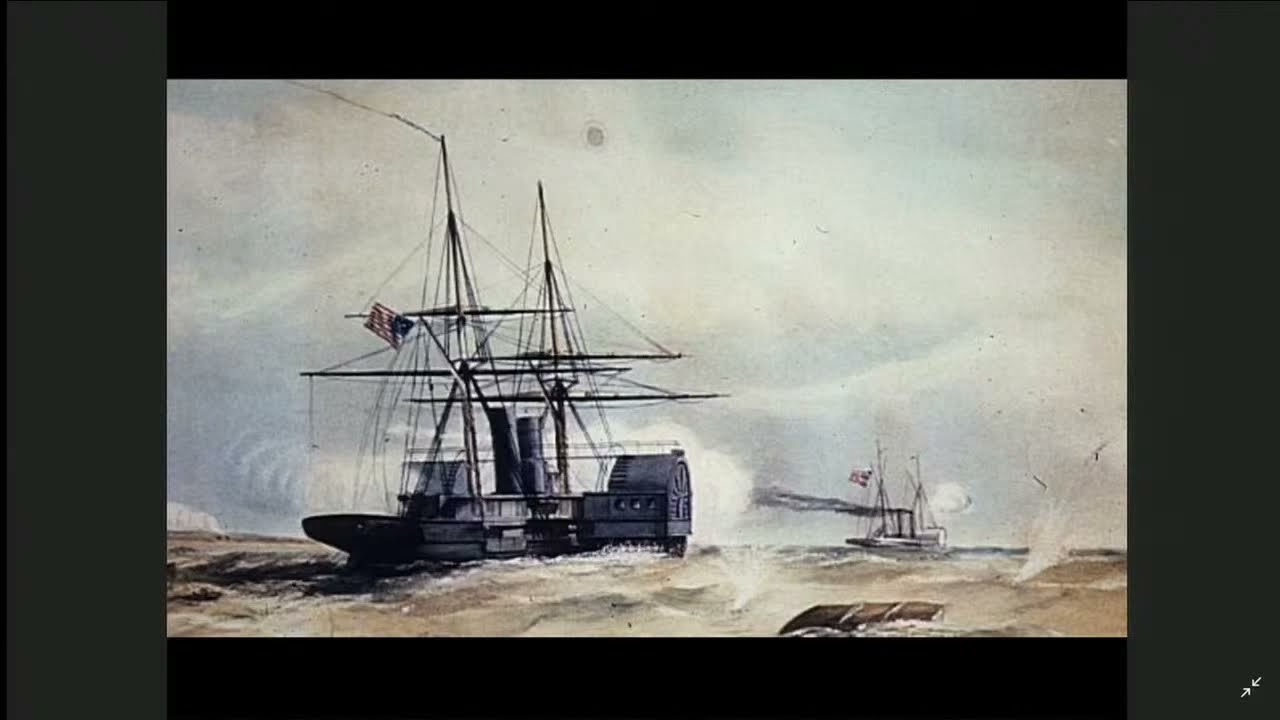
Jonas Wylie commanded the steamer Advance, one of many Scottish blockade runners that supplied the Confederacy during the American Civil War.
Todd Brewster discusses Abraham Lincoln's decision to issue the Emancipation Proclamation during a critical six-month period of his presidency.
Walter Scott's novels revived the Crusades as a cultural phenomenon, transforming their violent history into popular entertainment while obscuring their complex legacy.
Three Supreme Court justices-John Marshall, Roger B. Taney, and Joseph Story-upheld proslavery positions in numerous rulings before the Civil War.
In Salme, Estonia, archaeologists excavate two 1,300-year-old Viking burial ships containing human remains and a wealth of grave goods, reshaping the understanding of Viking culture.
Princess Diana's transformation from a shy aristocrat to a global humanitarian is explored through exclusive interviews and rare footage, highlighting her charity work and personal struggles.
Melvin Laird's role as Secretary of Defense from 1969 to 1973 is analyzed through discussions moderated by Erin Mahan and featuring insights from Richard A. Hunt.
Ely Jacques Kahn, an influential architect from the Austrian Jewish community, designed around 60 skyscrapers that significantly shaped New York City's skyline.
Sir John Franklin's ill-fated Arctic expedition and the subsequent fallout from John Rae's report on the crew's demise highlight the clash between historical narratives and Inuit perspectives.
Lady Diana Spencer's rise to fame was marked by her distinctive fashion choices and unprecedented media attention as a member of the British royal family.
Harold Shipman, a general practitioner in Hyde, Greater Manchester, was responsible for the murders of over 200 patients, exploiting his trusted position in healthcare.
In 1917-1918, prominent figures such as President Wilson and General Enoch H. Crowder participated in the draft process, showcasing recruitment and internment activities during World War I.
Silent Pool, located near Guildford, is examined for its historical significance and its alleged ties to the origins of the Magna Carta.
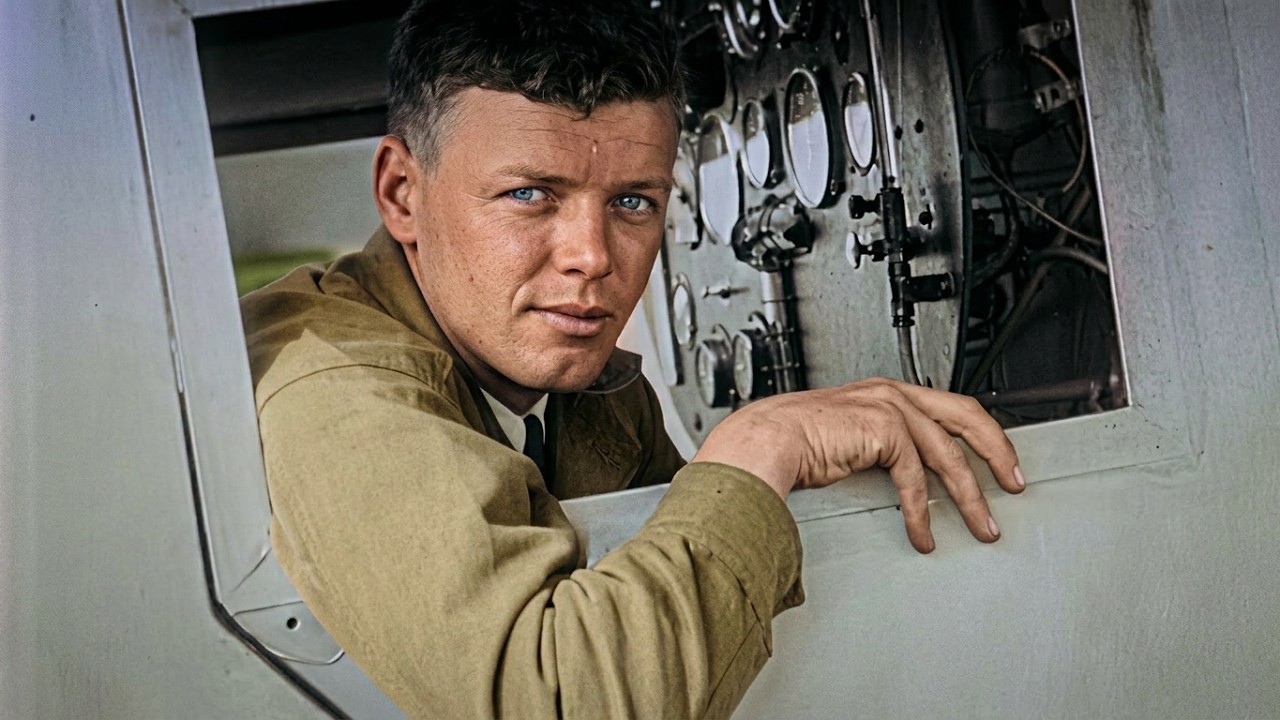
Charles Lindbergh's historic 1927 transatlantic flight from New York to Paris is examined alongside the controversies of his life, including the kidnapping of his son and ties to Nazi Germany.
Queen Elizabeth I, the last monarch of the House of Tudor, presided over a transformative period in British history known for its cultural and artistic achievements.