From over 100,000 films, discover the handful you'll love.
Free or premium access to the world's largest documentary library.
3628 films(Page 37 of 76)
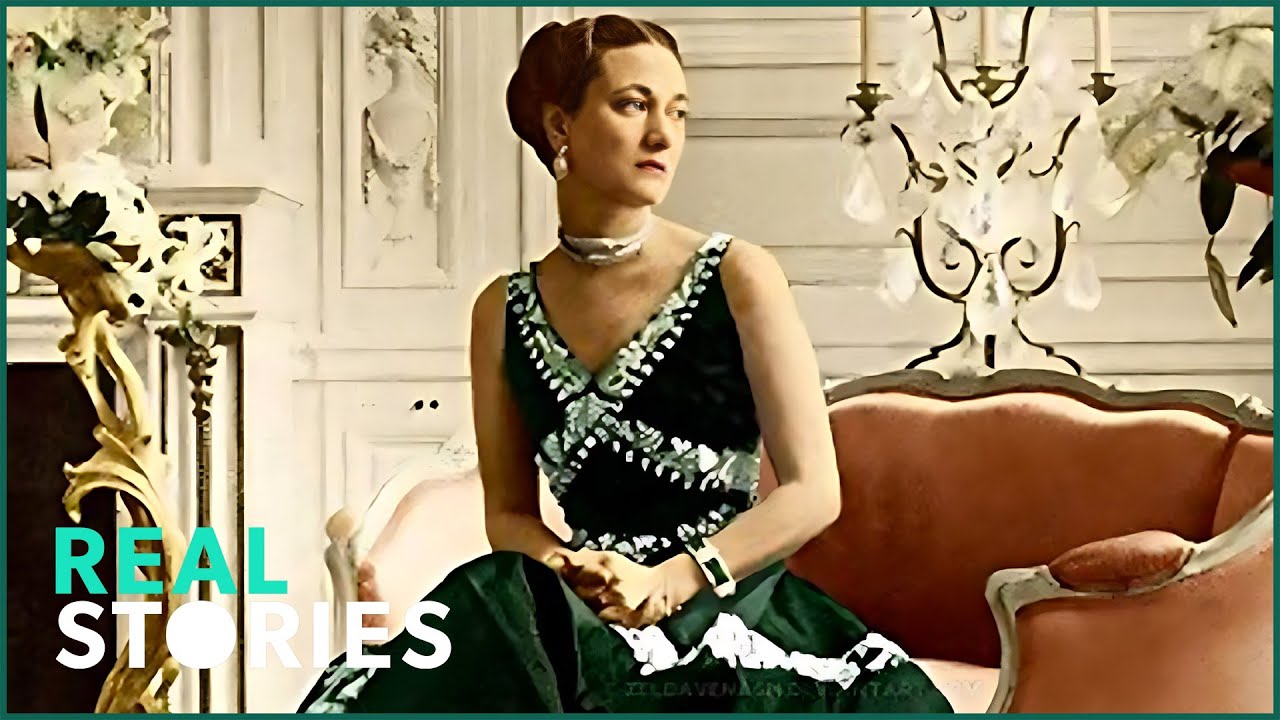
In 1936, King Edward VIII abdicated the throne to marry Wallis Simpson, a decision that shocked the British government and the Empire.
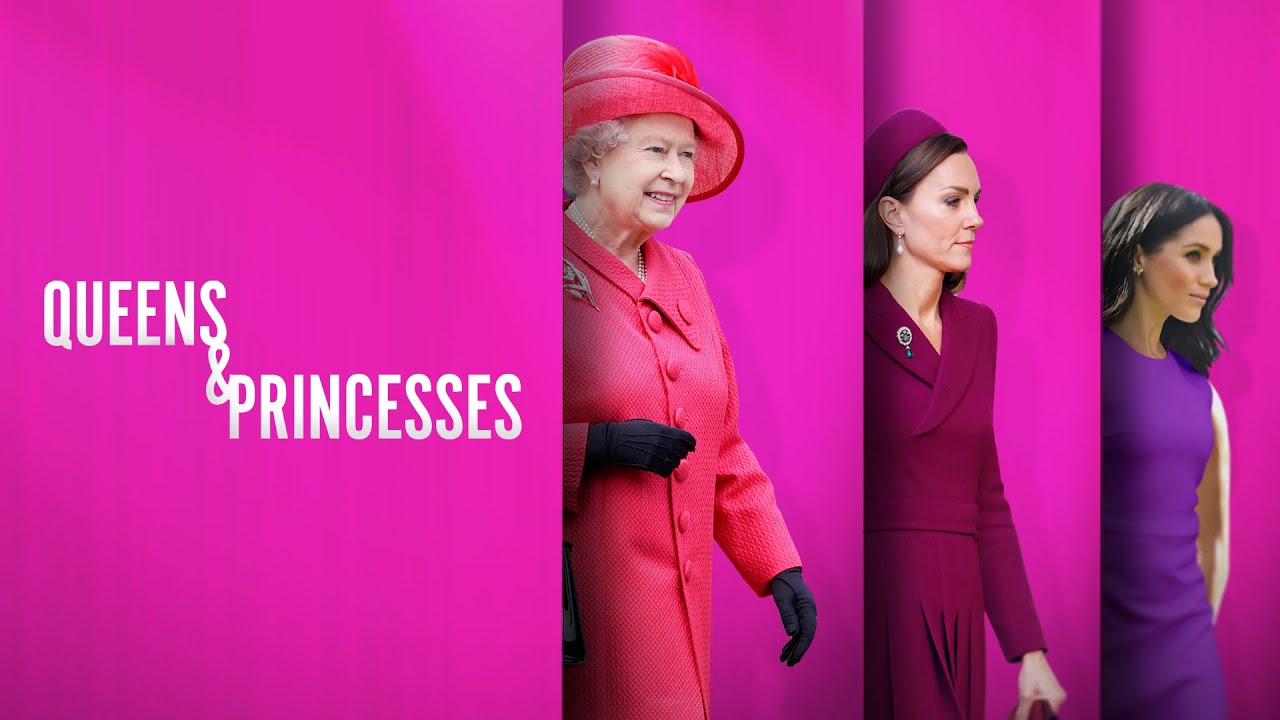
Queens throughout history, including the eight reigning monarchs of the British Monarchy, have played crucial roles as leaders, diplomats, and negotiators.
On May 23, 1934, Bonnie Parker and Clyde Barrow were ambushed by law enforcement in Louisiana, marking the violent end of their year-long crime spree.
Marine archaeologist Professor Jon Henderson investigates the remnants of a 1,000-year-old sunken Viking fortress linked to the Battle of Largs in Scotland.
The death of Queen Elizabeth II marks the beginning of a new era under King Charles III, highlighting the ceremonial processes of royal succession in the UK.
Santa Maria Maggiore contains the bones of 40 saints, including Saint Jerome, whose Vulgate Bible became the Latin Bible of the Roman Church.
King Charles III's ascension to the throne raises questions about how he will navigate the legacy of his namesakes, Charles I and Charles II, amid modern expectations.
Over 15,000 soldiers landed at Omaha Beach on June 6, 1944, facing heavy fire during one of World War II's most critical battles.
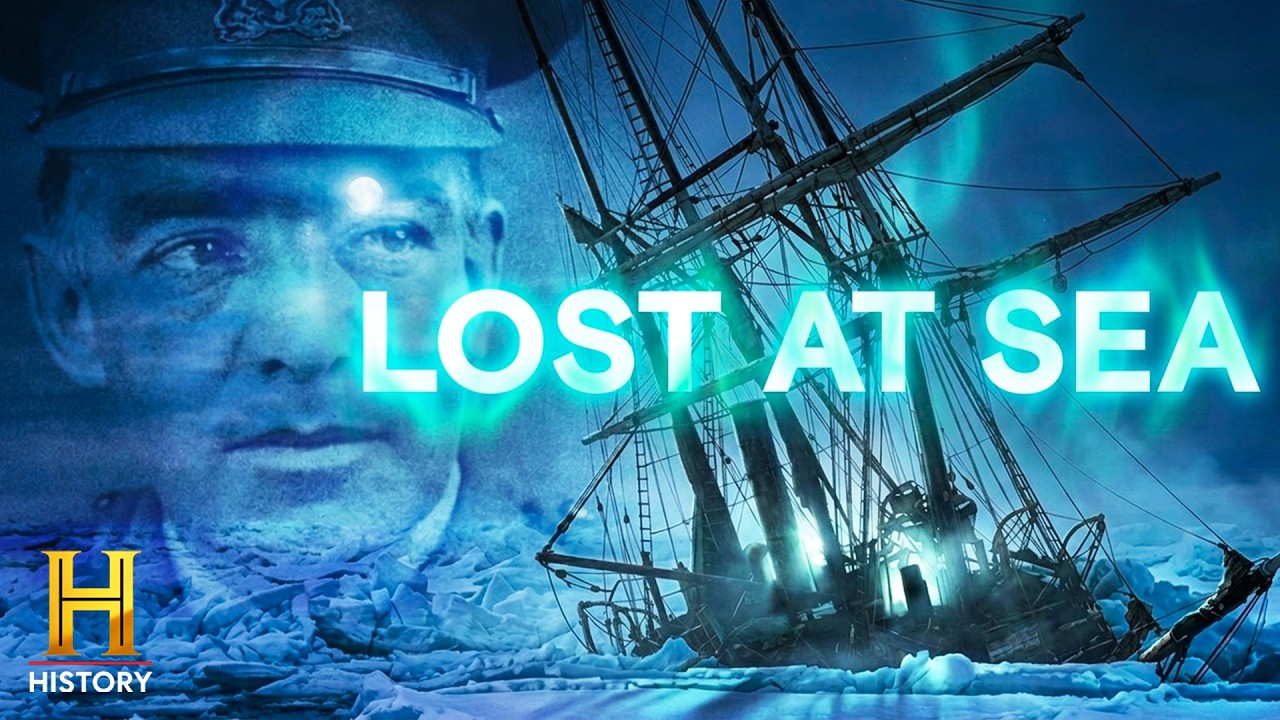
Shackleton's shipwreck, the USS Indianapolis tragedy, and the Franklin Expedition are examined as three significant maritime disasters that continue to intrigue historians.
John Wesley Powell, a pioneering explorer and founding member of the Society, completed the first descent of the Colorado River through the Grand Canyon.
Bartholomew and Philip, two lesser-known apostles, are examined through their historical significance and connections to places like Armenia and London.
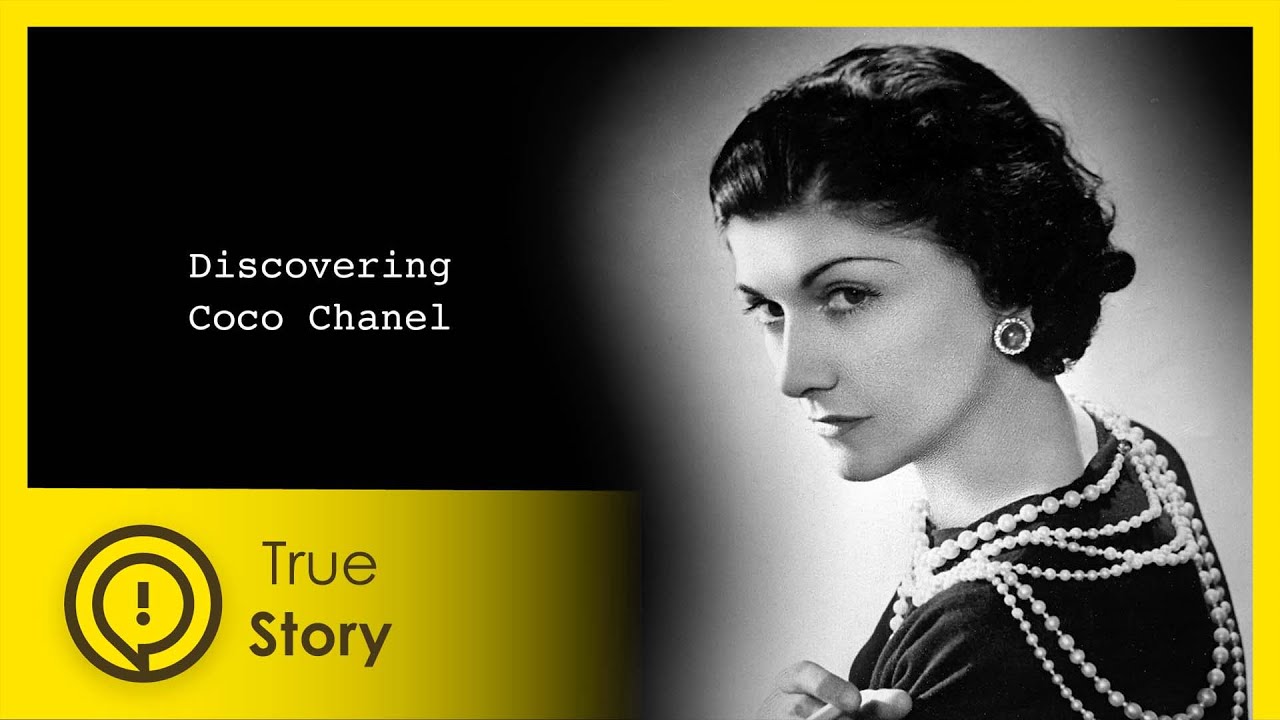
Coco Chanel's revolutionary impact on fashion in the 20th century is examined through her innovative designs and lasting influence on women's style.
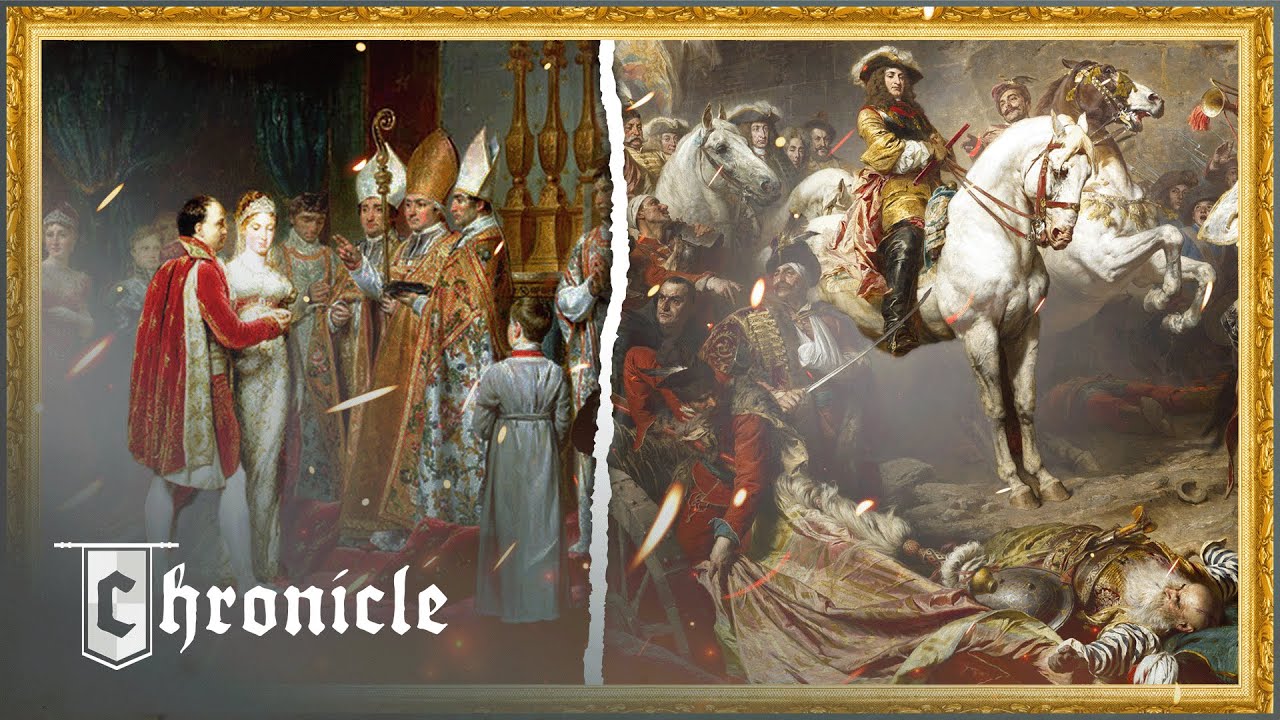
The Habsburg Dynasty, a medieval ducal family, expanded its influence through strategic alliances and wars, ruling vast territories from the Holy Roman Empire to Spain.
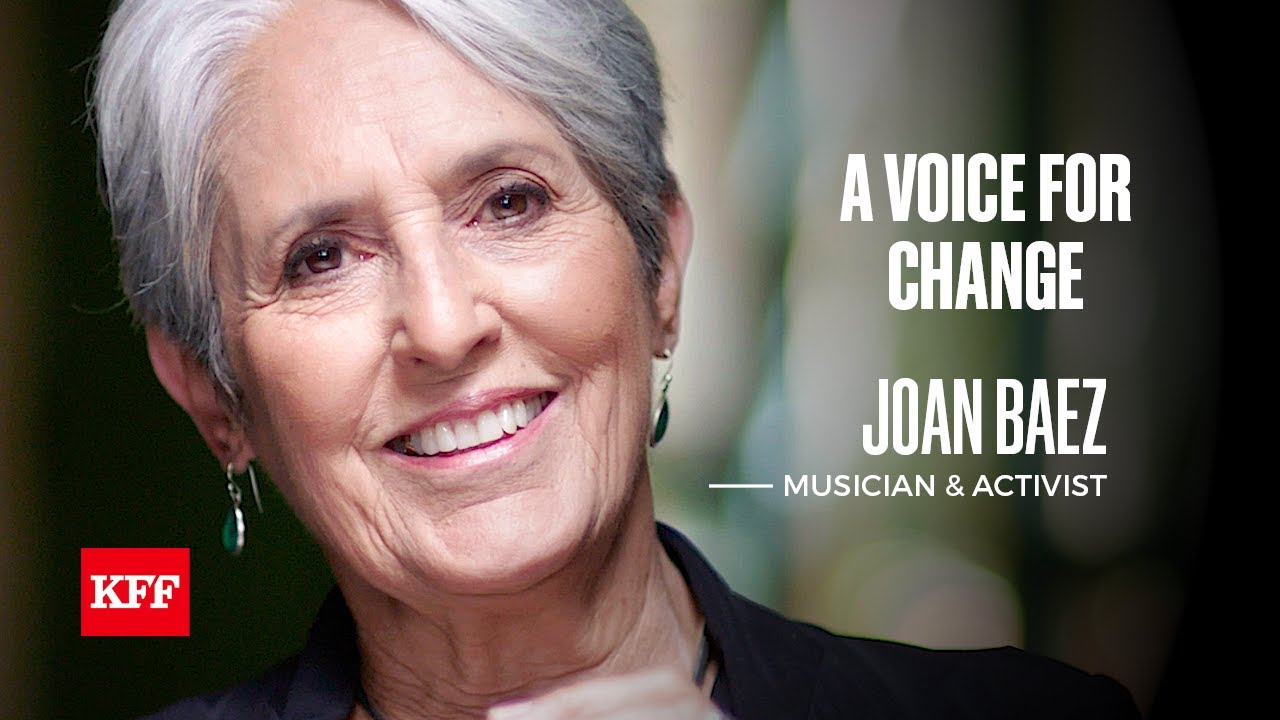
Joan Baez reflects on her friendship with Dr. Martin Luther King Jr., detailing their shared commitment to non-violence and her experiences during the civil rights movement.
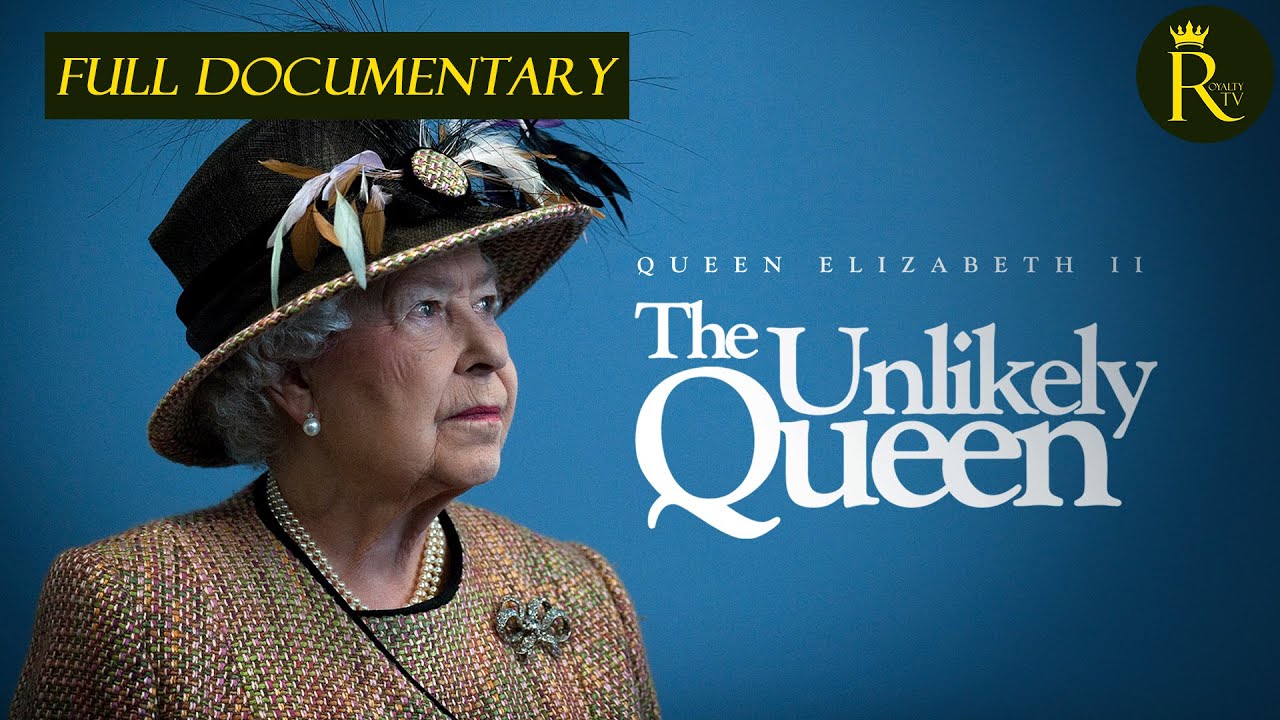
Queen Elizabeth II, who unexpectedly ascended to the throne, navigated over six decades of profound change in British history and royal duty.
Forensic geologist Scott Wolter investigates the Heavener Runestone in Oklahoma and a bomb-laden island off Massachusetts, suggesting Viking exploration in America predates Columbus.
The Chateau of Versailles reveals its historical significance through the intrigues of Marie Antoinette and the scientific insights of a star's spectrum.
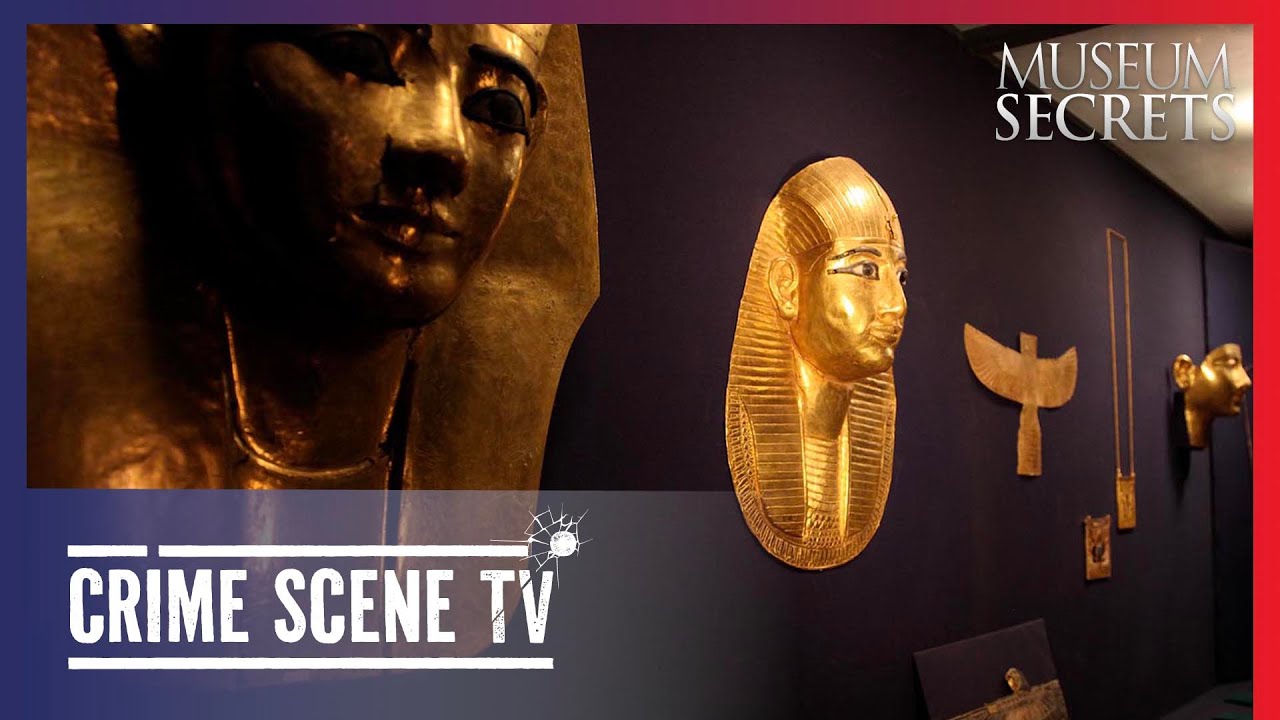
The Egyptian Museum in Cairo reveals the significance of Pharaoh Tutankhamun's treasures and the ancient practice of animal mummification.
Seven remarkable stories of Jewish resistance during the Holocaust highlight acts of courage and defiance against Nazi oppression, narrated by Sir Ben Kingsley.
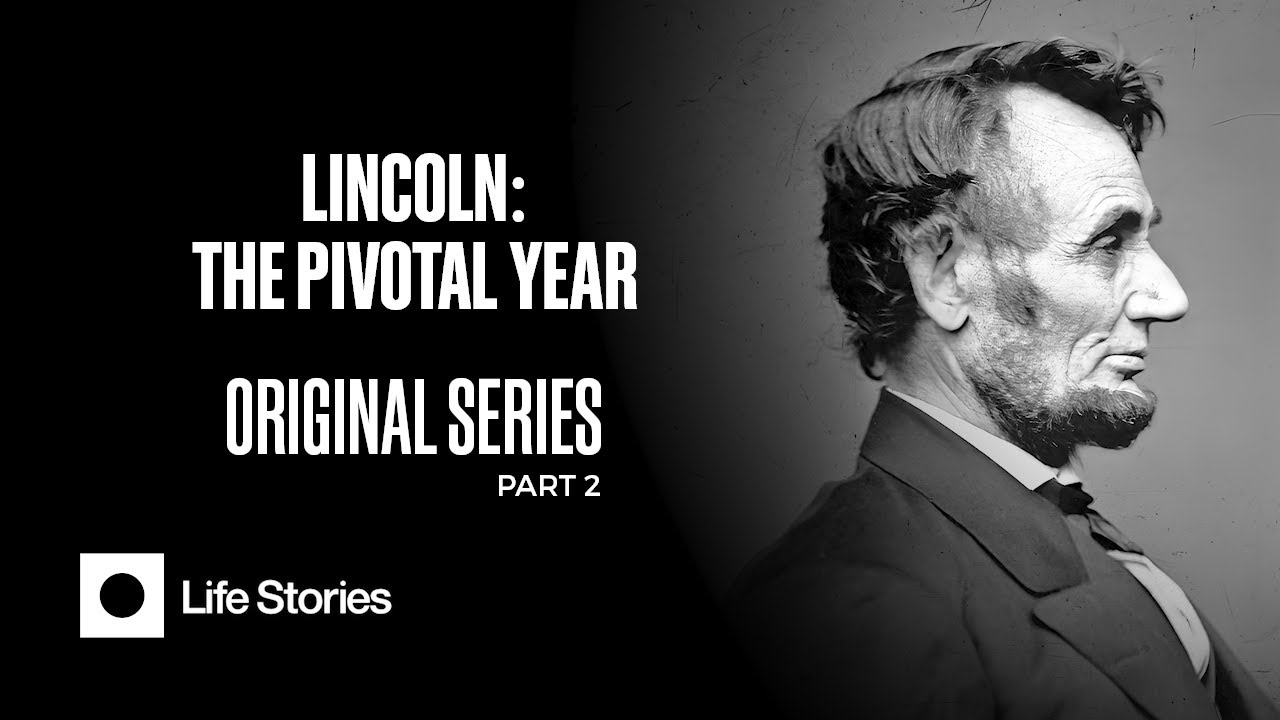
Abraham Lincoln's leadership during the Civil War is examined, highlighting his evolving stance on slavery and key events like the Battle of Gettysburg.
Vidkun Quisling's collaboration with Nazi Germany in Norway, the IRA's secret alliance with Hermann Görtz, and Amin al-Husseini's ties to the Axis illustrate the complex nature of betrayal during World War II.
Centuries ago, castle builders faced challenges that required determination, skill, and extensive financial resources to create some of Europe's most iconic structures.
In 1100 AD, the First Crusade aimed to recapture the Holy Land from Islamic rule amid the Seljuk takeover, highlighting a chaotic confrontation of warlords and princes.
Pablo Picasso created his first known painting, "El Picador," at the age of eight while attending bullfights with his father in Spain.
In December 1991, Princess Diana endured a painful Christmas as her marriage to Charles deteriorated, marked by silence and emotional turmoil.
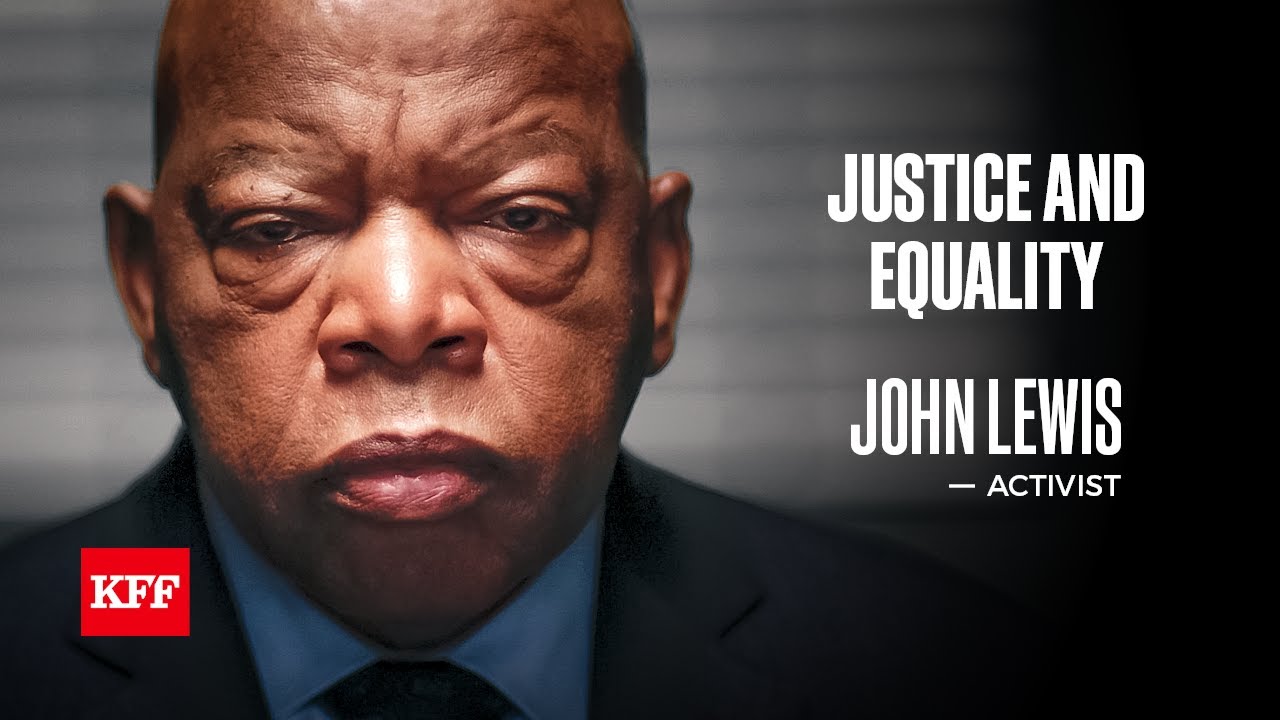
At 17, John Robert Lewis wrote a letter to Dr. Martin Luther King Jr., which led to their first meeting in Montgomery in 1957.
Notorious women in the Old Testament, including Eve, are examined for their roles in shaping gender perceptions and their impact on Christian life today.
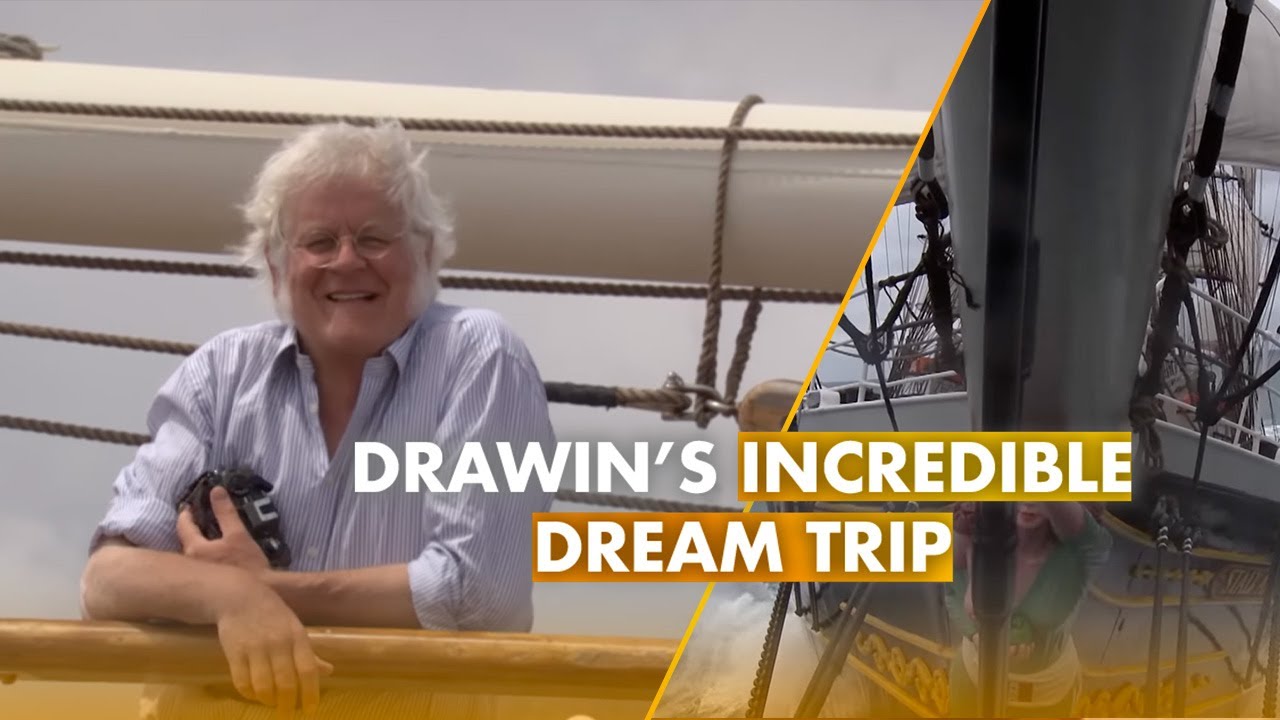
Sarah Darwin and author Redmond O’Hanlon retrace Charles Darwin's 1831 voyage on the HMS Beagle, exploring its impact on modern science across multiple continents.
In medieval England, accusations of witchcraft often targeted poor, elderly women, leading to their torture and execution based on dubious evidence and societal fears.
Alina lives in Miami quietly, conflicted about her father's legacy as crowds celebrate his anticipated death.
The Trojan Horse myth is reexamined through archaeological evidence suggesting it may have been a Phoenician ship or siege engine rather than a wooden animal.
Over 200 kilometers of harsh Antarctic terrain challenge Prince Harry and four injured British soldiers in a race against teams from the Commonwealth and the USA.
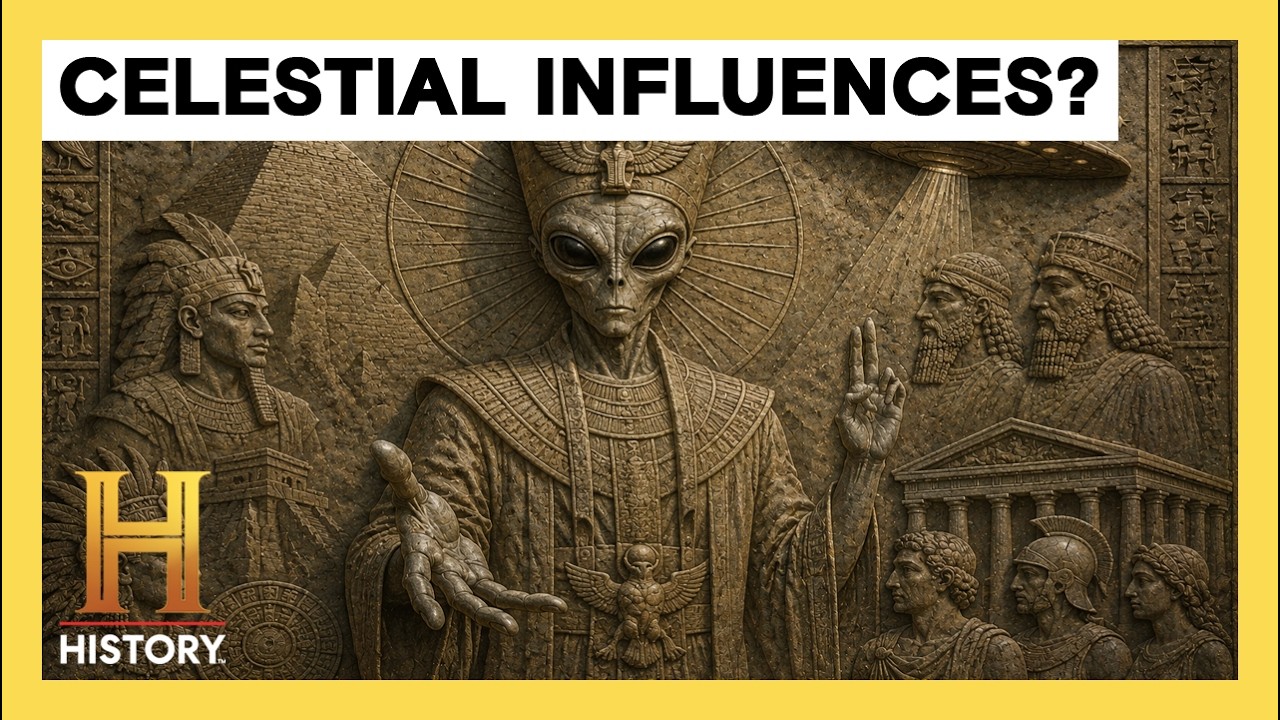
Biblical patriarchs and ancient Greeks are examined for their potential connections to extraterrestrial influences in Season 20, Episode 1 of Ancient Aliens.
King Leonidas I of Sparta led 300 elite warriors at Thermopylae in 480 BC, holding off the Persian army and influencing future Greek victories.
Nostradamus, a 16th-century French physician, gained fame for his ambiguous prophetic writings, particularly "The Prophecies," which continue to intrigue scholars and readers alike.
America's Gilded Age is illustrated through the opulent estates of Chicago, the Astor dynasty, and other architectural masterpieces that reflect elite ambition and wealth.
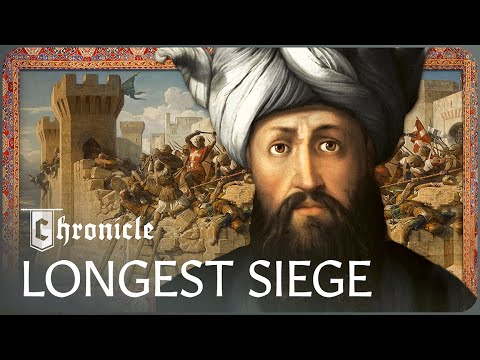
In 1189, the siege of Acre marked a pivotal moment in the Third Crusade, as Saladin's forces and the Crusaders engaged in a prolonged conflict lasting nearly two years.
King George VI and Queen Elizabeth's steadfast presence during World War II, including visits to bombed areas and troops in Normandy, strengthened national unity and morale.
In 500 BC, Greek city-states revolted against Persian rule, leading to a series of battles that would alter the course of European history.
In the sixth century, Irish monk Columbanus established over one hundred centers of scholarship across Europe, influencing its spiritual and cultural landscape.
20 million people died in World War I, leaving behind personal imprints, including the iconic poem "In Flanders Fields" by Canadian doctor John McCrae.
Clarence Jones reflects on his role as an advisor and speechwriter for Dr. Martin Luther King Jr., detailing his contributions to iconic speeches and legal battles.
In 1066, a fleet of Norman warships transformed England from a fractured island into a unified kingdom, marking a pivotal shift in medieval European power dynamics.
The Great Wall of China, an extraordinary feat of engineering, played a crucial role in shaping the nation's history and identity.
A possible never-before-seen photo of Billy the Kid prompts an NYPD Detective and an investigative historian to explore the outlaw's life and legacy.
Princess Anne, the Princess Royal, reflects on her life, from her childhood in England to her achievements in equestrian sports and her commitment to charitable causes.
The Reichstag Fire on February 27, 1933, served as a pivotal event that facilitated Adolf Hitler's rise to dictatorship, raising questions about its true perpetrators.
Adolf Hitler's rise to power is examined through the ambitions and actions of his inner circle, including Dietrich Eckart, Hermann Göring, and Heinrich Himmler.