From over 100,000 films, discover the handful you'll love.
Free or premium access to the world's largest documentary library.
3628 films(Page 47 of 76)
The 2,000-year history of the Bible reveals the struggles of figures like John Wycliffe and William Tyndale against the Papacy and the impact of the Jesuit Counter-Reformation.
In July 1775, Benjamin Franklin is appointed postmaster general by Congress to support George Washington's struggling army during the Revolutionary War.
In September 1588, Spanish Armada captain Francisco de Cuéllar was shipwrecked off the Sligo coast and spent seven months navigating war-torn Ireland to return to Madrid.
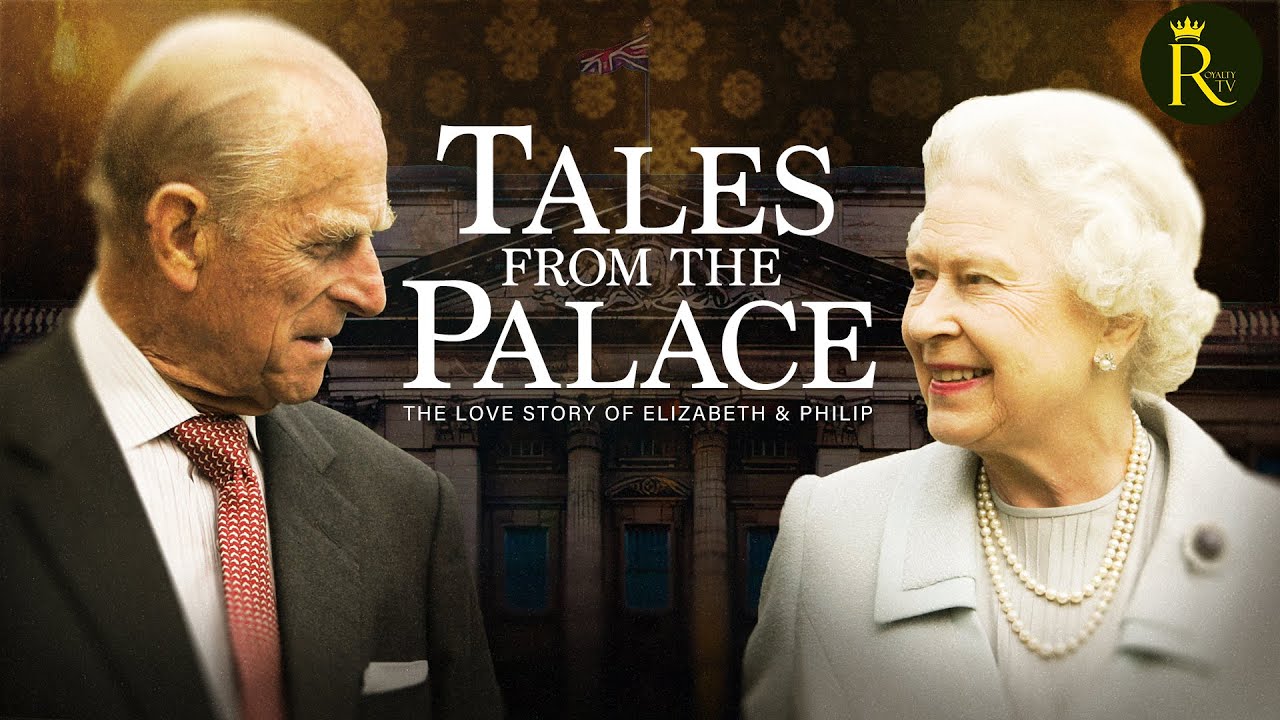
Queen Elizabeth II and Prince Philip's love story is examined through their personal letters, public appearances, and the challenges they faced together.
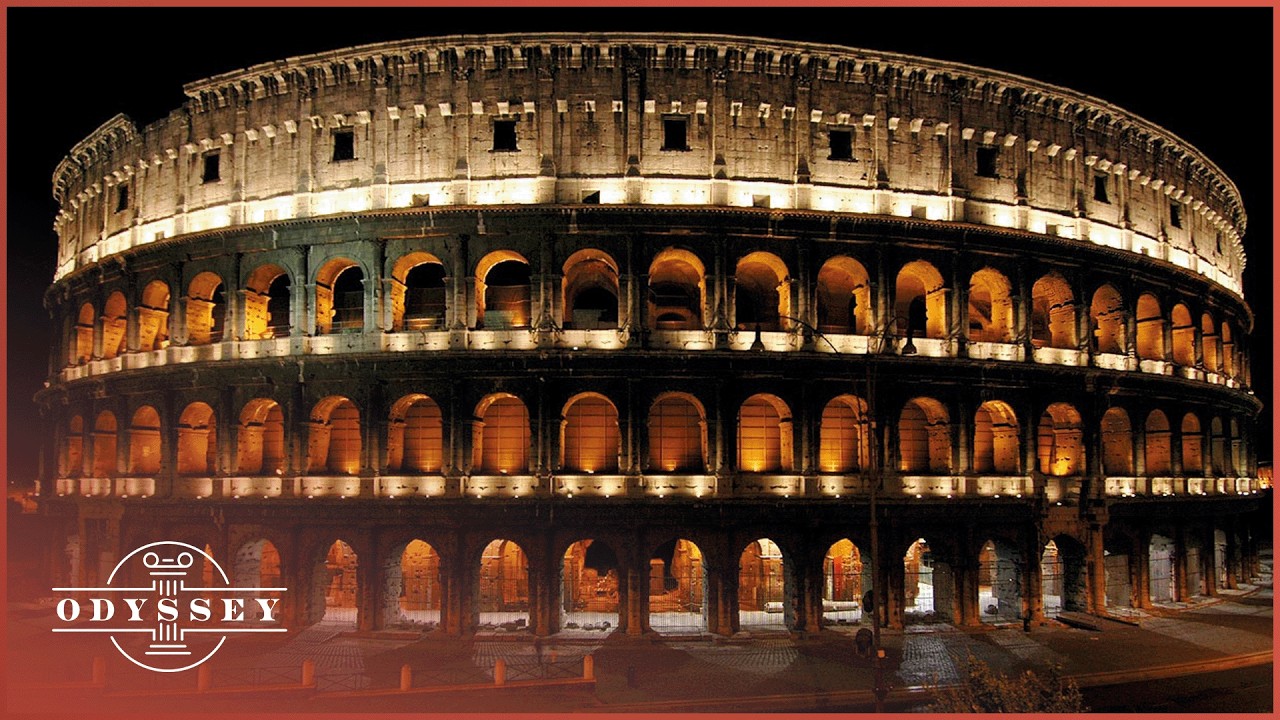
The Colosseum, built with 1 million bricks by 30,000 slaves, exemplifies Roman engineering and remains a symbol of the Empire's architectural prowess.
Joan of Arc, a peasant girl from Domrémy, led the French army to key victories against the English, including the liberation of Orléans and the crowning of Charles VII.
Wool production contributed to approximately half of England's wealth during the Middle Ages, with monasteries relying on sheep for various resources.
At the historic French Louisbourg Fortress in Nova Scotia, Paul and Holly investigate claims of paranormal activity linked to its violent past.
Volume II of Sidney Blumenthal's biography details how Lincoln was seen as the unblemished candidate for the Republican nomination in the 1860 election.
Martha Jefferson died at the age of 33 in 1782, leaving behind a legacy as the first and only wife of Thomas Jefferson.
In 1919, Edith Wilson stepped in to manage presidential duties after her husband, Woodrow Wilson, suffered a massive stroke.
Justice Neil Gorsuch signed copies of his book during an event at the National Archives on September 17, 2019, which is Constitution Day.
Viking women played crucial roles in their society, managing households and farms while some attained high status, as evidenced by burial sites like the Oseberg ship.
St. Patrick's arrival in Ireland marked the intertwining of Christianity with Celtic traditions, highlighting legendary figures like Cuhulin and Finn McCool.
One thousand nine hundred eighty-one turkeys are processed in a Victorian kitchen, revealing the messy realities of holiday meal preparation.
Historic firearms researcher Joel Boy discusses live fire demonstrations of muskets and rifles at Fort Ticonderoga in preparation for the 250th anniversary of the Revolutionary War.
The early months of World War 2, from late 1939 to mid-1940, highlight the "Phoney War," the invasion of Norway, and Germany's rapid victories in France and the Low Countries.
Alfred Hitchcock's life and career are examined, highlighting his early influences and the evolution of his mastery in creating psychological thrillers like Psycho and The Birds.
Lady Bird Johnson recorded 123 hours of audio diaries that reveal her role as a trusted advisor and active participant in her husband's presidency.
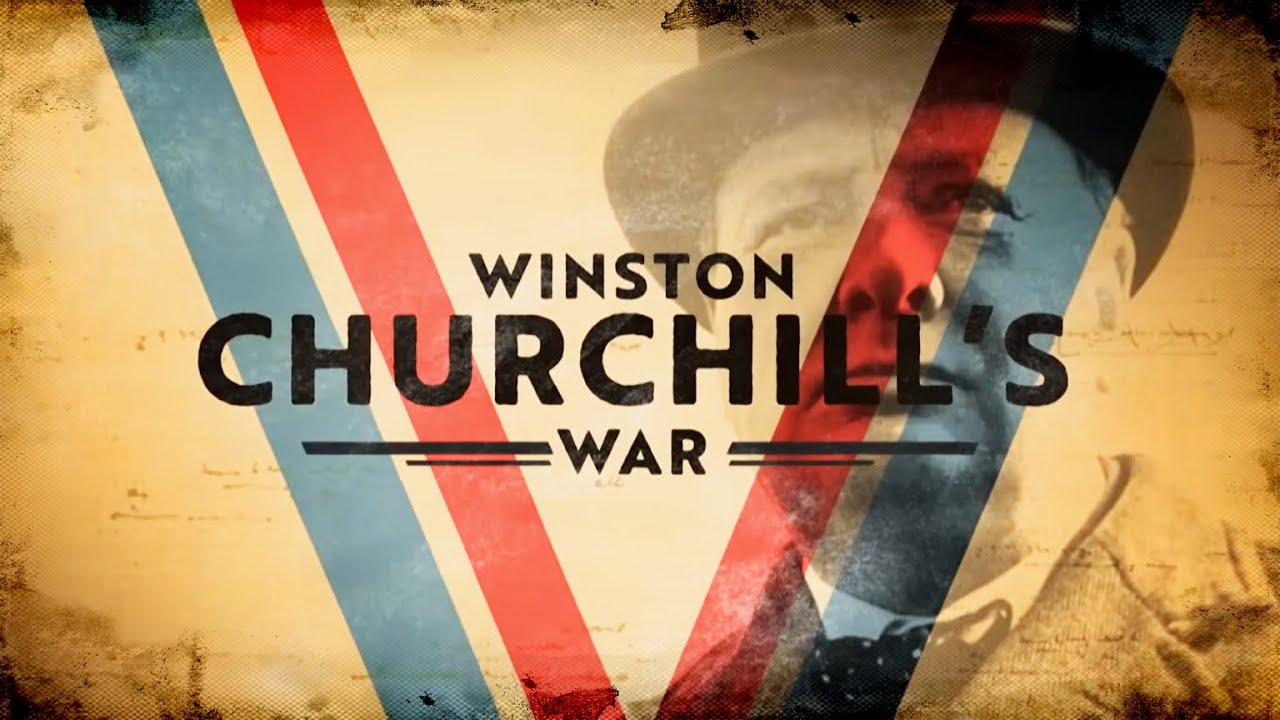
Winston Churchill's leadership during the critical days of May 1940, from Dunkirk to the London Blitz, shaped Britain's resistance against Nazi Germany.
Queen Elizabeth II was born in 1926 and has faced numerous challenges, including family scandals and the pressures of modern monarchy during her 70-year reign.
John Lennon’s bold ideas and artistic legacy are examined through the perspectives of contemporary artists and political commentators in today's cultural landscape.
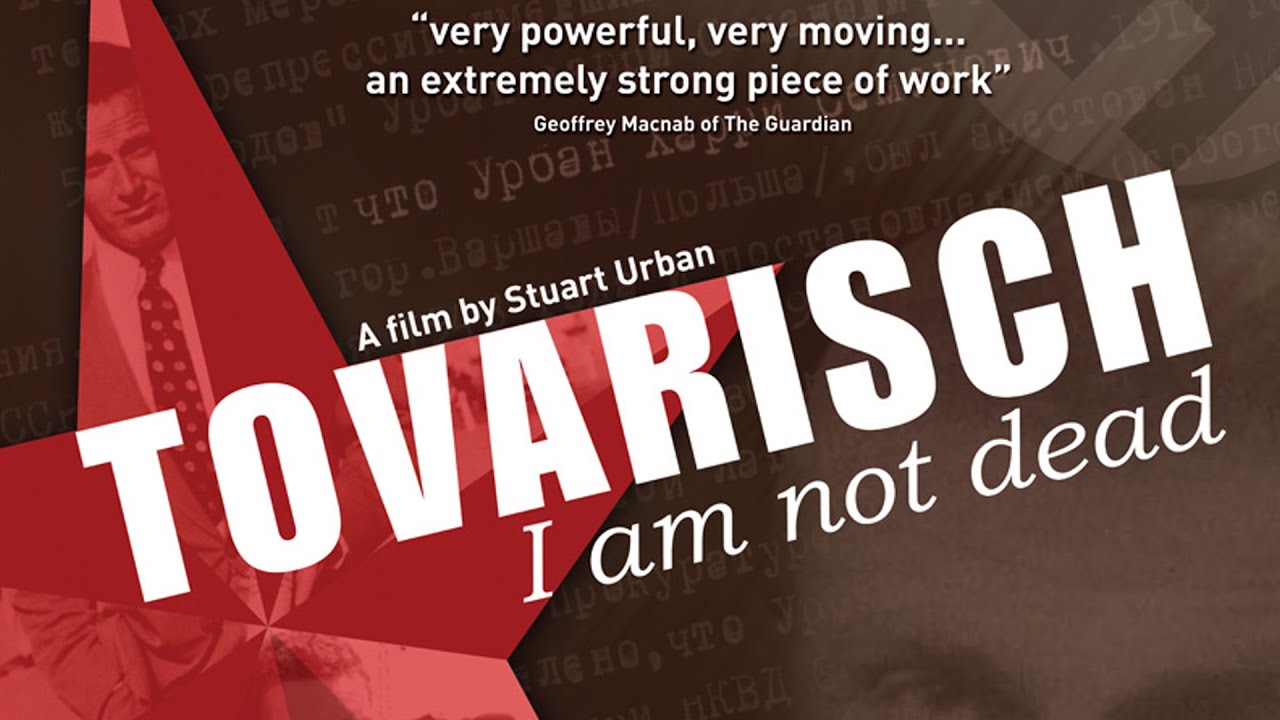
Garri Urban, a Holocaust and Gulag survivor, revisits the sites of his past traumas and triumphs in a reflective exploration of memory and resilience.
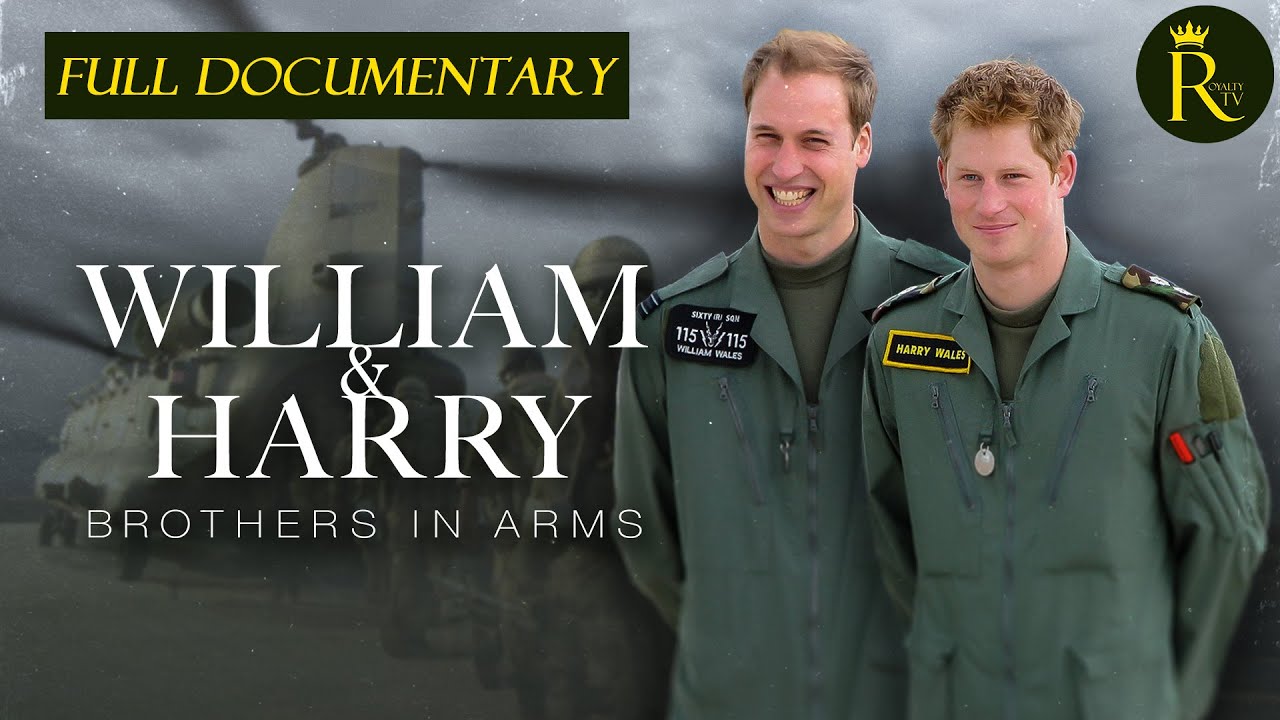
Prince William and Prince Harry navigate the complexities of royal life and public perception while honoring their mother, Princess Diana's legacy.
Prince William and Princess Kate's relationship is examined through their significant moments and experiences within the British royal family.
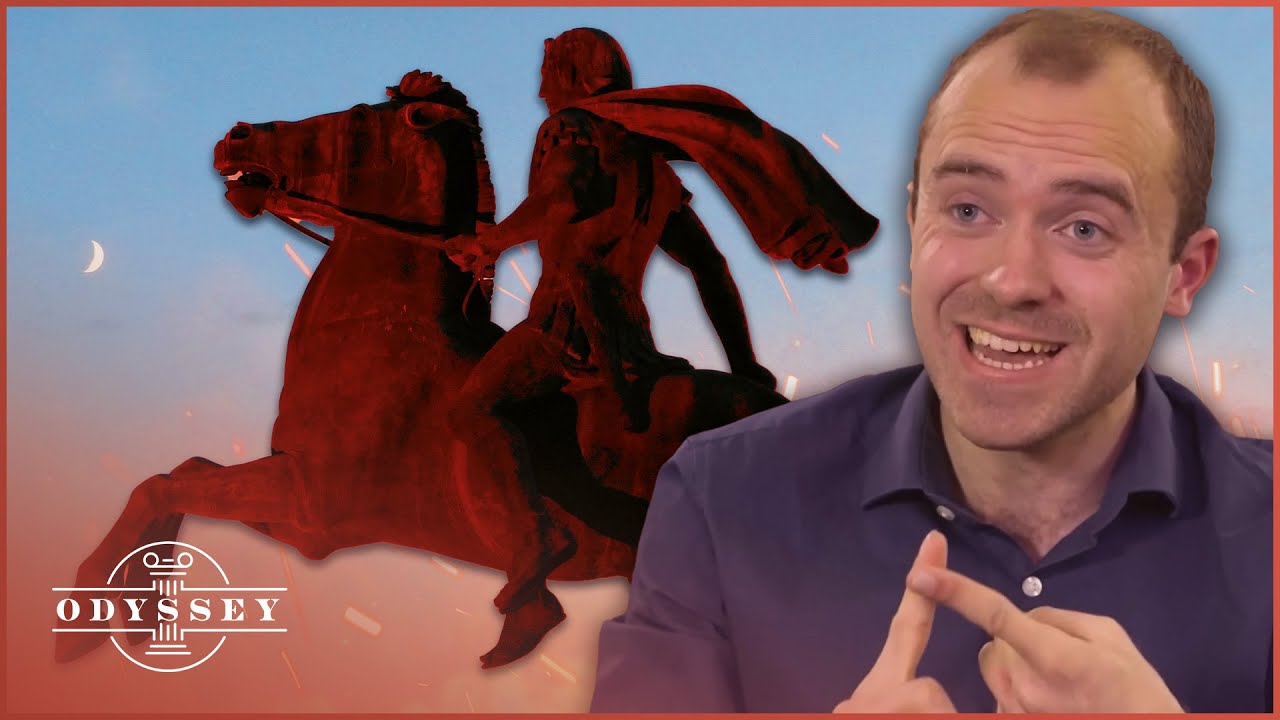
The power struggle among Alexander the Great's generals, particularly Ptolemy and Perdiccas, erupted into civil war over the control of his corpse after his death in 323 BCE.
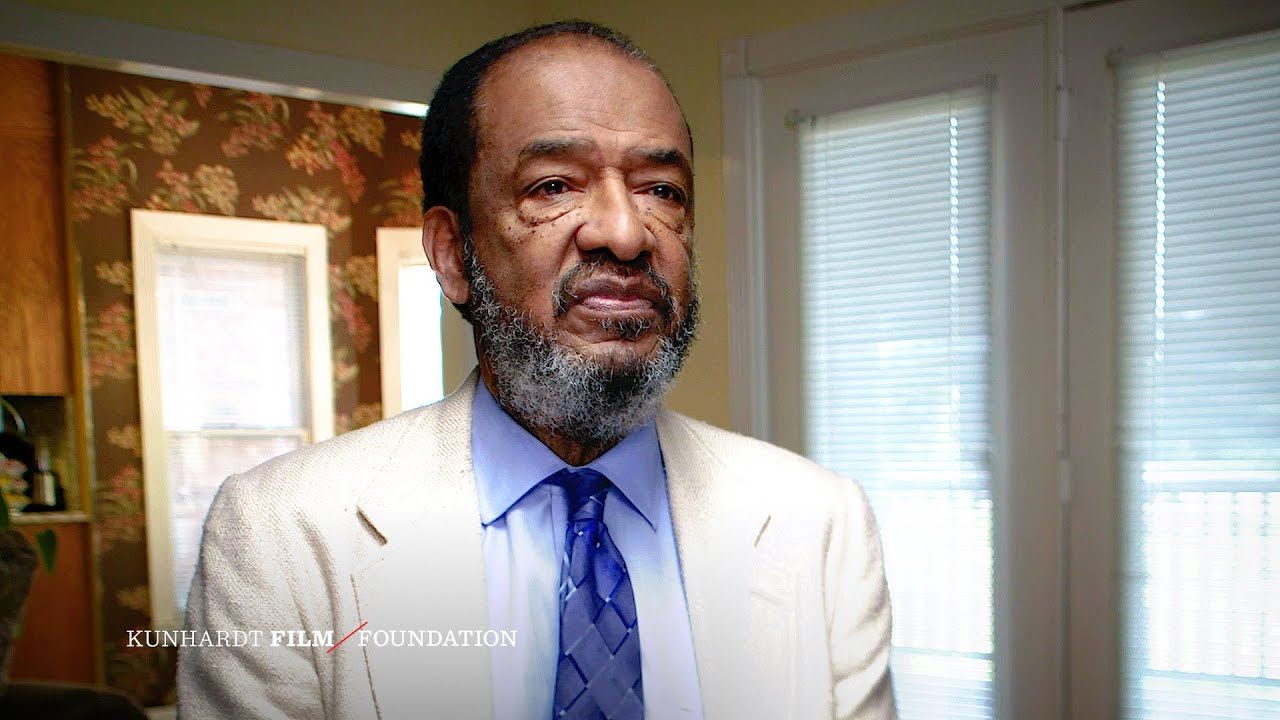
Cleveland Sellers discusses the misconceptions surrounding Stokely Carmichael's admiration for Dr. Martin Luther King Jr. and highlights key figures in the Civil Rights Movement.
Maryam Henein investigates the hypothesis that the Ark of the Covenant functioned as an ancient battery or capacitor.
Cokie Roberts and Michael Beschloss discuss the contributions of women in Washington, DC, during the Civil War, focusing on their influence and experiences.
A recent study linked violence towards African Americans and a lack of legal protection from 1870 to 1940 to perceptions of lower contributions in science and technology.
Stanislav Petrov, a Russian officer, played a crucial role in averting a potential nuclear war during a false alarm in 1983, as detailed in this documentary.
Ancient civilizations, from Mesopotamia to Rome, established foundational structures that shaped the course of human history and governance.
Gough’s Cave in Cheddar Gorge is the site of significant archaeological research on "Cheddar Man," the oldest complete skeleton found in Britain, dating back nearly 10,000 years.
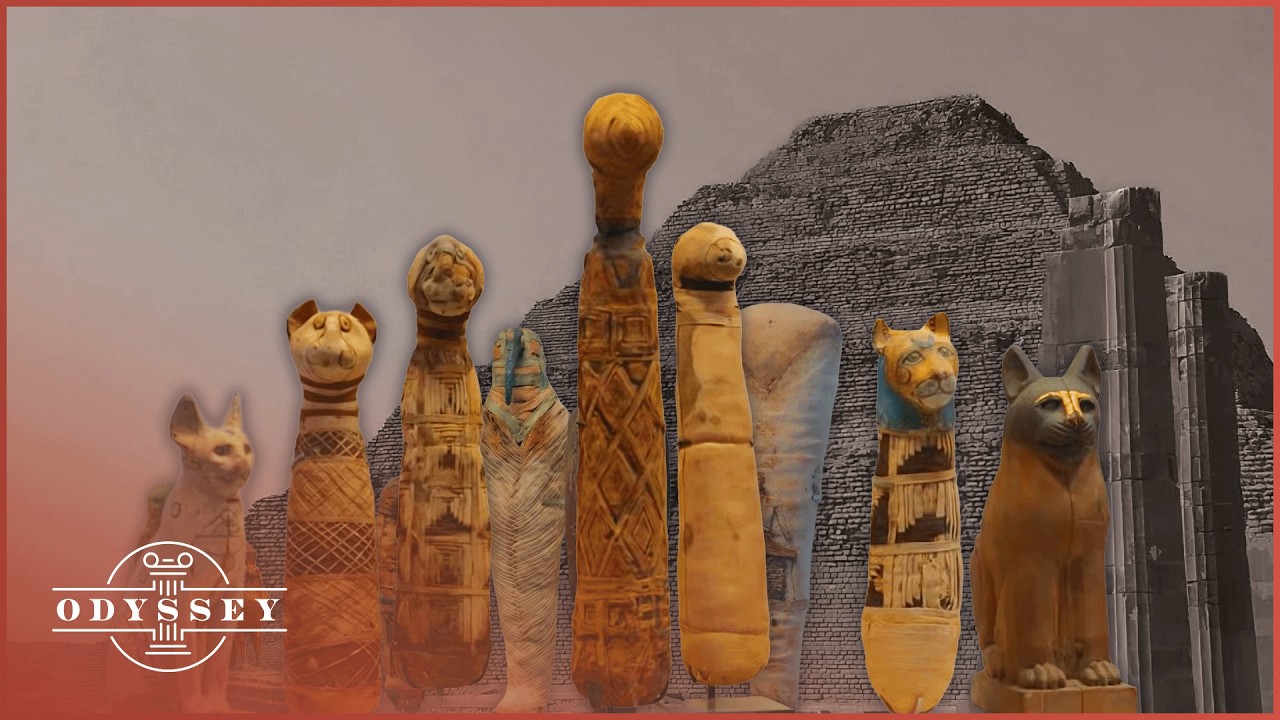
Ancient Egyptians achieved immortality through body preservation and names, with modern techniques like CT scans revealing insights into their burial practices and identities.
John Frederick "Chow" Hayes, known as Australia's first gangster, built a notorious reputation through extortion, violence, and ruthless executions in the criminal underworld.
Eight Jewish justices, including Louis D. Brandeis and Ruth Bader Ginsburg, shaped the U.S. Supreme Court, addressing anti-Semitism and their judicial legacies.
Andrei Chikatilo, Richard Ramirez, Pedro Rodrigues Filho, and Anatoly Onoprienko represent some of history's most notorious serial killers, whose crimes instilled fear across nations.
Montgomery C. Meigs served as the chief architect of the Union Army's logistics and infrastructure during the American Civil War under President Abraham Lincoln.
Robert F. Kennedy's transformation from a cold warrior to a leading liberal figure is explored through insights from Larry Tye's biography and a book signing event.
Dino Dibra, raised in a tough working-class suburb of Melbourne, became a key figure in the city's underworld alongside his childhood friends.
In Halifax, Nova Scotia, the historic Waverly Inn is investigated for ghostly encounters linked to Oscar Wilde, who visited in the late 1800s.
General William Tecumseh Sherman and Apache leader Geronimo exemplify the conflict during the Indian Wars and the struggle for dominance over the American continent.
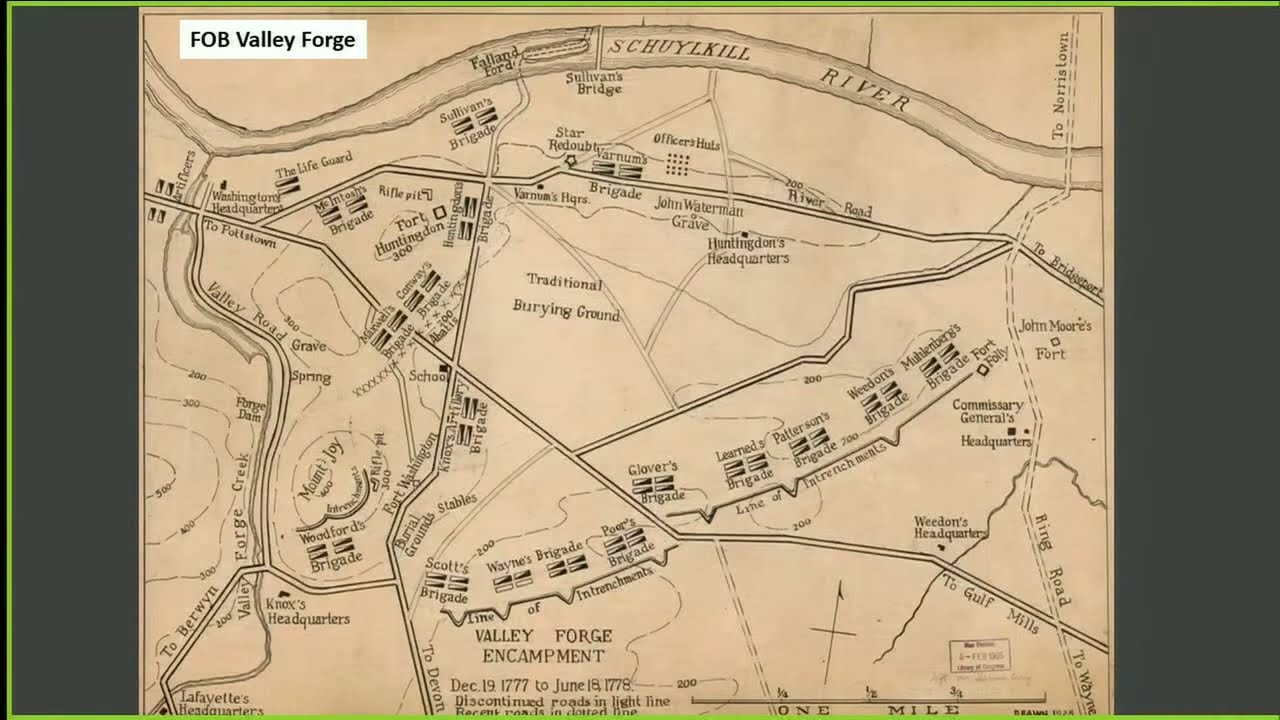
In the winter of 1778 at Valley Forge, the Continental Army faced starvation while executing the Grand Forage, highlighting the resilience of soldiers and leaders like George Washington.
Marjorie Townsen, a lead electronic engineer at NASA, played a key role in developing telemetry systems for spacecraft, including the Nimbus weather satellite.
In 12th-century Europe, the ideological clash between mystic Bernard of Clairvaux and rational philosopher Peter Abelard shaped medieval thought and led to Abelard's condemnation as a heretic.
Britain's oldest towns, including sites from Roman settlements to the Industrial Revolution, are explored through their rich histories and cultural significance.
Regina Jonas, the first ordained female rabbi, faced persecution in Nazi Germany, ultimately being murdered in Auschwitz in 1944, with her legacy preserved through her sermons and love letters.
Sidney Blumenthal analyzes the political upheaval of the 1850s, Abraham Lincoln's 1860 election, and its role as a catalyst for secession and the Civil War.