From over 100,000 films, discover the handful you'll love.
Free or premium access to the world's largest documentary library.
3628 films(Page 18 of 76)
Charles II of Spain, born on November 6, 1661, suffered from severe health issues linked to generations of inbreeding within the Habsburg dynasty.
William the Conqueror's reign initiated a turbulent era in England marked by the Harrying of the North, the establishment of the Exchequer, and King John's signing of the Magna Carta.
In Bologna, 1858, a Jewish father fights against the Inquisition to rescue his kidnapped son, symbolizing the struggle against Catholic Orthodoxy.
A fleet of 300 ships led by Harald Hardrada arrives off the coast of England in 1066, marking a significant moment in Viking history.
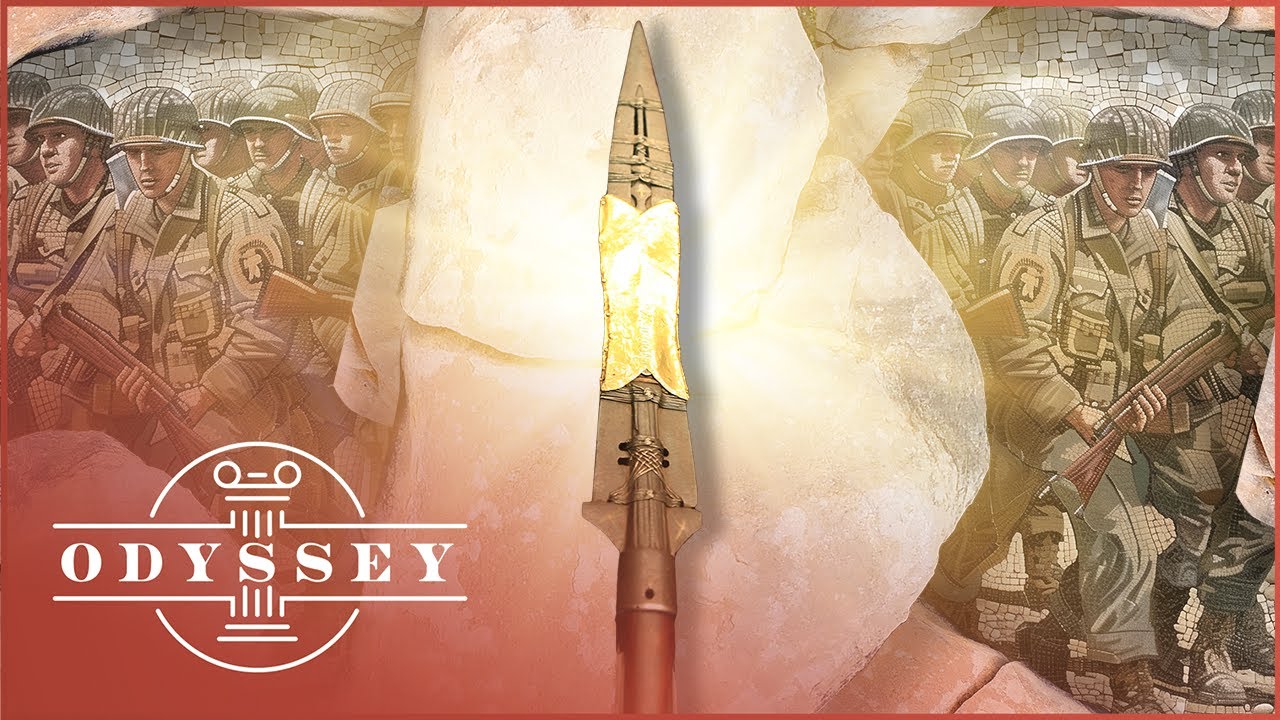
The Lance of Longinus, believed to be the spear that pierced Jesus Christ, has been a sought-after relic by various historical figures throughout the ages.
King Henry VIII, known for his six marriages and tyrannical reign, remains a complex figure in English history, blending romantic ambition with ruthless governance.
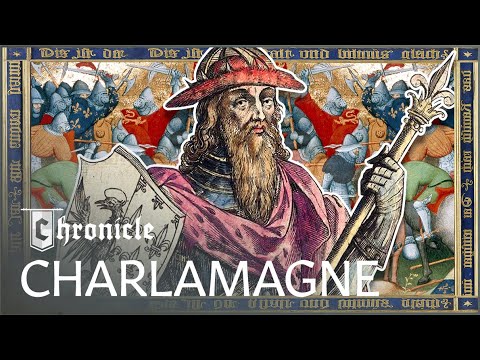
Charlemagne's reign as the most significant emperor of the Middle Ages is marked by his political strategies, military conquests across Europe, and cultural vision.
The Frome Hoard, a collection of 50,000 Roman coins discovered in Somerset, reveals new insights into life and rituals in Roman Britain.
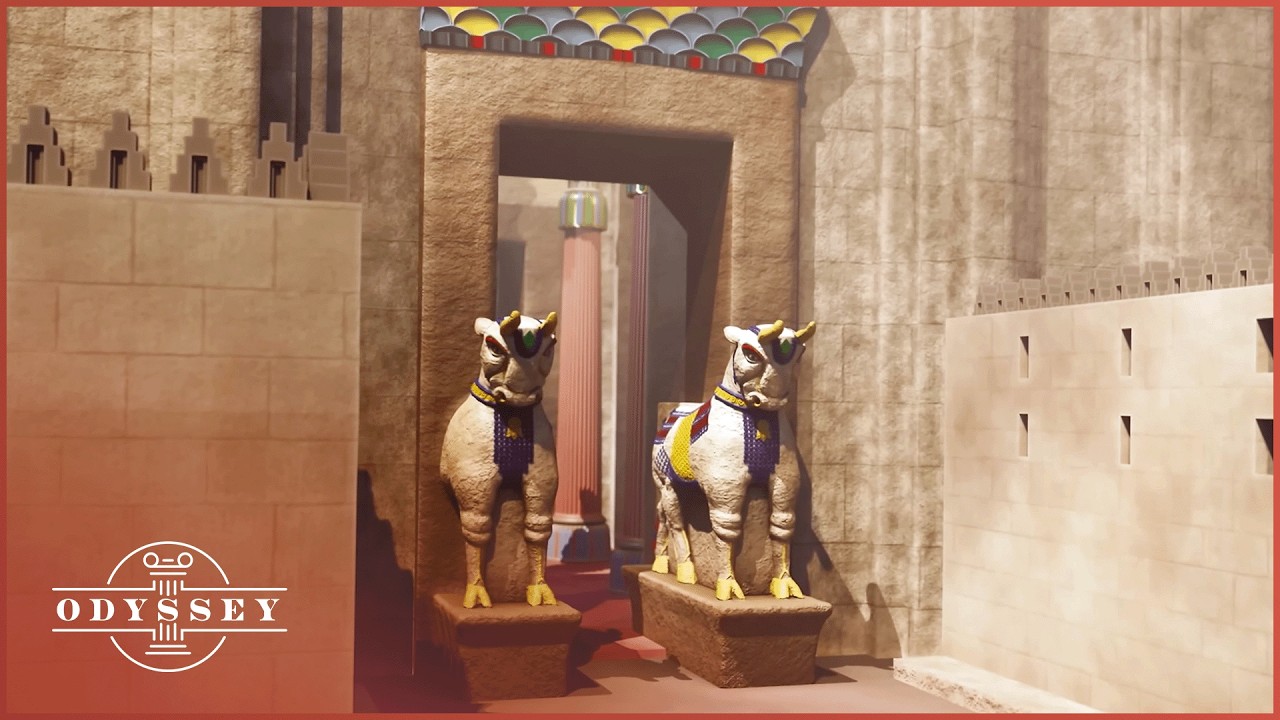
Persepolis, the ceremonial capital of the Achaemenid Empire, showcases its architectural grandeur and the impact of its rapid destruction through archaeological findings.
Ancient Alexandria, a powerful Hellenistic city in Egypt, represents a unique blend of Greek and Pharaoh heritage along the Mediterranean coast.
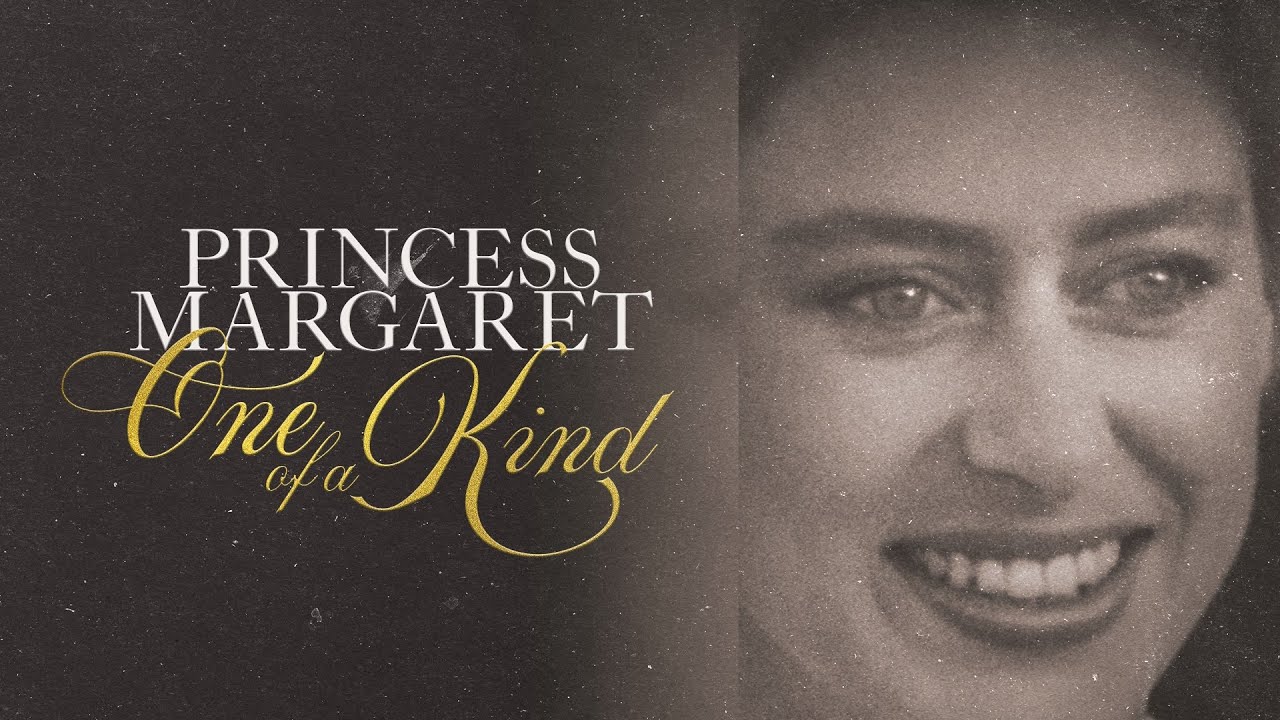
Princess Margaret, Countess of Snowdon, navigated a life marked by royal expectations, personal heartbreak, and a distinctive fashion sense that set her apart from her sister, Queen Elizabeth II.
Papua New Guinea's Highland Highway presents extreme dangers for drivers, including hazardous road conditions and bandit attacks, while many resort to betel for alertness.
In medieval York, designated red-light districts and the secret lives of clergy reveal a vibrant culture of sex, alcohol, and sports that challenges traditional narratives.
Hermann Goering's life is examined through secret footage, highlighting his rise as Hitler's second-in-command and his eventual capture and trial at Nuremberg.
Bill Clinton reflects on his presidency, discussing key moments such as his impeachment, his belief in second chances, and his legacy in American politics.
Gerard John Schaefer Jr., a former sheriff's deputy in Martin County, Florida, was convicted of two murders and is suspected of killing over 30 women and girls.
James Earl Carter Jr., the 39th President of the United States, reflects on his upbringing in Georgia, his presidential election in 1976, and his post-presidency legacy.
A three-year expedition in the Black Sea led by archaeologists revealed perfectly preserved shipwrecks, including a 2,500-year-old Greek vessel and a first-century Roman cargo ship.
William the Conqueror's rise from the illegitimate Duke of Normandy to the architect of the 1066 Norman Conquest transformed England's ruling class, language, and culture.
Hitler’s private bunker in East Prussia, known as the Wolf's Lair, is explored through its ruins and historical significance during World War II.
In 1620, William Bradford and the Pilgrim Fathers sailed the Mayflower to Plymouth, Massachusetts, seeking religious freedom and establishing a complex relationship with Native Americans.
In Orkney, archaeologists at the Ness of Brodgar reveal a 5,000-year-old Stone Age temple that may have served as an ancient ritual site.
Aerial photos reveal a large curve in the snow near Dinmore Hill, suggesting a connection to one of Britain's largest Iron Age monuments.
In 1597, King James VI of Scotland published 'Daemonology', a handbook that incited witch hunts across Britain, contributing to a wave of persecution.
Prince William and Catherine, Duchess of Cambridge, reflect on their relationship, family life, and royal milestones over the past 40 years.
In Western Ireland, archaeologist Dr. Tom Finan and his team excavate the remains of a long-lost Gaelic market town, challenging traditional narratives of Irish history.
Must Farm, a Bronze Age archaeological site in Cambridgeshire, reveals remarkably preserved stilted houses and insights into life 3,000 years ago.
Tony Robinson and the Time Team investigate significant Iron Age sites in Britain, including a mysterious tunnel and a lost capital city.
In northern England, the Harrying of the North campaign led to devastation and the establishment of influential abbeys and monasteries that shaped the region's medieval legacy.
Marcus Tullius Cicero, ancient Rome's greatest orator, navigated political corruption and civil wars while defending constitutional liberty, ultimately facing assassination.
Ancient desert cave scrawlings and modern urban graffiti illustrate the evolution of written communication from Mesopotamia to contemporary society.
In Smallhythe, archaeologists search for evidence of a 15th-century dockyard once frequented by King Henry V, revealing significant medieval shipbuilding activity.
The Battle of Hastings on October 14, 1066, marked a pivotal conflict between King Harold of England and William the Conqueror, leading to Norman rule in England.
Hadrian's Wall, built in 122 AD, spans over 80 Roman miles across northern England and serves as a significant historical site reflecting Roman military strategy and culture.
Alfred Rosenberg, a key architect of Nazi ideology, shaped antisemitism and racial theory through his writings and policies during World War II.
The stock market plummeted by nearly 50% during the Panic of 1907, prompting New York's leading businessmen to seek help from J.P. Morgan.
450,000 troops crossed into the Russian Empire on June 24, 1812, marking the beginning of Napoleon's disastrous invasion.
A mass graveyard of warriors, possibly linked to ancient European settlers, is discovered in Yorkshire, revealing new insights into Iron Age culture.
Ancient texts and prophecies, including those of Nostradamus, are examined for potential connections to extraterrestrial contact and warnings from the past.
Ramesses II's mummy, transported to Paris in 1976, faced a scientific mission to combat a fungal infection and revealed insights into his health issues.
In 60/61 AD, Boudica led a massive anti-Roman revolt in East Anglia, as tens of thousands of Britons sought to expel the occupying forces from Britain.
King James I of England, often viewed as incompetent, sponsored the creation of the King James Bible, first published in 1611.
Gaulish settlements reveal a sophisticated civilization with advanced craftsmanship, trade networks, urban development, and distinct cultural practices prior to Roman assimilation.
World War II events that influenced U.S. involvement are depicted through historical dramatizations, including the attack on Pearl Harbor and the rise of Nazi Germany.
Archaeologists explore the UK's mystical landscapes, revealing a pre-Stonehenge monument, a medieval Dominican friary, and a sealed cobalt mine.
Archaeological investigations at St. John's Church in Cirencester explore the possibility of a Roman temple hidden beneath its foundations.
Edward the Elder was born between 870 and 875 and played a crucial role in transforming the Kingdom of Wessex into the Kingdom of England.
In York, historian Dr Eleanor Janega and Dr Kate Lister explore the sexual lives of medieval people, revealing the influence of the church and the complexities of the sex trade.