From over 100,000 films, discover the handful you'll love.
Free or premium access to the world's largest documentary library.
3628 films(Page 29 of 76)
Barnes Wallis's innovative design of a bouncing bomb enabled the Avro Lancaster bomber to successfully target and destroy German dams during Operation Chastise.
Charlotte Knobloch, born on October 29, 1932, recounts her survival as a Jewish child hidden on a farm during the National Socialist regime.
In Normandy, Dr Eleanor Janega explores the history of the Northmen, Viking warriors who transformed into the formidable rulers of medieval Europe.
Prince William ranked sixth in a poll of the most eligible bachelors, surpassing celebrity Robbie Williams in popularity.
The Tower of London has served as a site of brutal executions and imprisonment, exemplified by the fate of prison guard John Bour, who faced torture for his forbidden love.
King Henry VI's death, officially attributed to heartbreak, is reexamined in light of historical evidence suggesting foul play during the Wars of the Roses.
King James I of England navigates assassination attempts and the Thirty Years War while establishing the Stuart dynasty following Queen Elizabeth I's death in 1603.
Alfred the Great, born to King Æthelwulf of Wessex, transformed England in the 9th century by defeating Viking invasions and establishing a unified state.
William the Conqueror's rise from Viking origins to King of England was marked by the pivotal events of 1066, including the Battle of Hastings.
On May 6, 2023, King Charles III's coronation showcased a blend of ancient rituals and modern elements, featuring the largest military parade in 70 years.
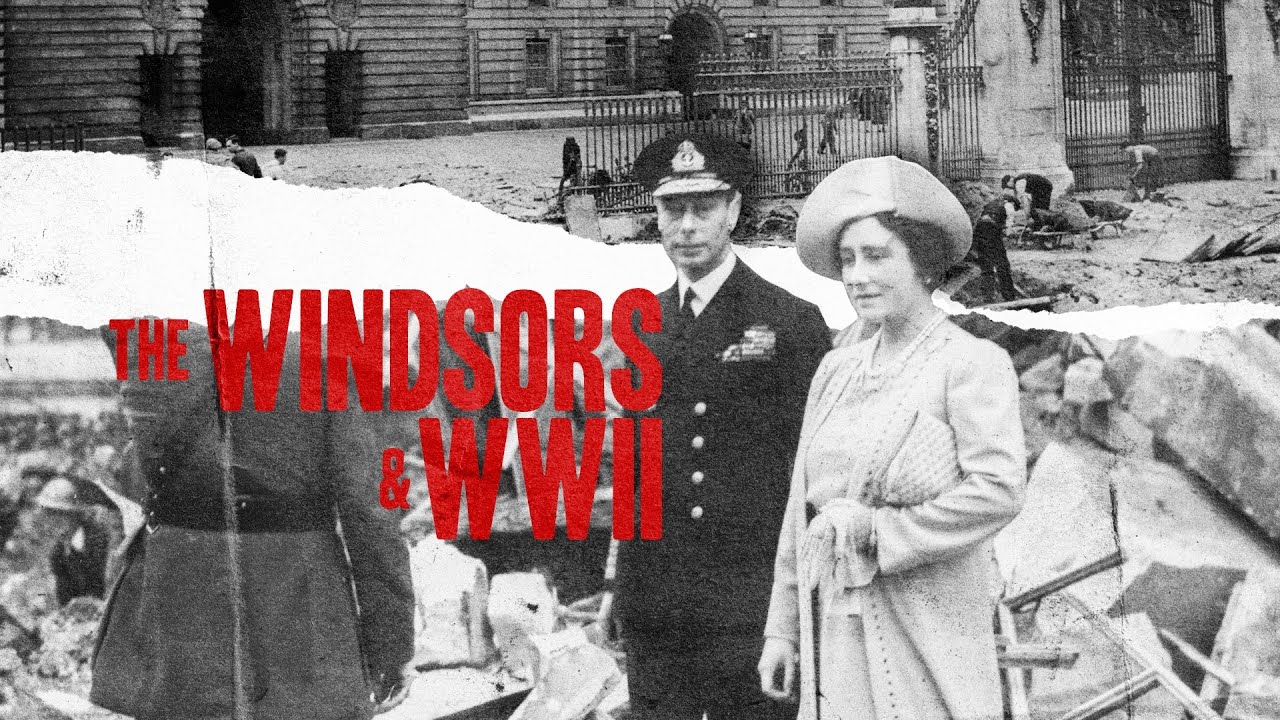
King George VI and Queen Elizabeth remained at Buckingham Palace during WWII, boosting morale through visits to bombed areas and demonstrating solidarity with the British people.
Christianity's expansion from a small sect to a global religion is examined through the roles of Apostles Peter and Paul, challenging traditional narratives.
The Hundred Years' War saw King Henry V of England achieve early victories before Joan of Arc revitalized French forces, ultimately leading to the war's conclusion.
Dr. Alice Roberts examines Viking settlements in the Outer Hebrides and Orkney, revealing insights into their lifestyle through archaeological excavations.
Notre Dame Cathedral exemplifies the innovative engineering techniques of medieval Gothic architecture, featuring pointed arches, ribbed vaults, and flying buttresses.
A devastating attack during the Crusades leads to the formation of the Knights Templar, a legendary group of holy warriors in medieval Europe.
Abe Saffron, a notorious figure in Sydney's underworld, dominated illegal gambling, prostitution, and liquor rackets for decades before facing justice for his crimes.
The Julio-Claudian dynasty of ancient Rome, marked by the assassination of Julius Caesar and the chaotic reign of Nero, exemplifies the violent power struggles and political conspiracies that defined the era.
Archaeologists have revealed a wealthy Roman trade town in the Mendip Hills, alongside new findings about the Cerne Abbas Giant's early medieval origins.
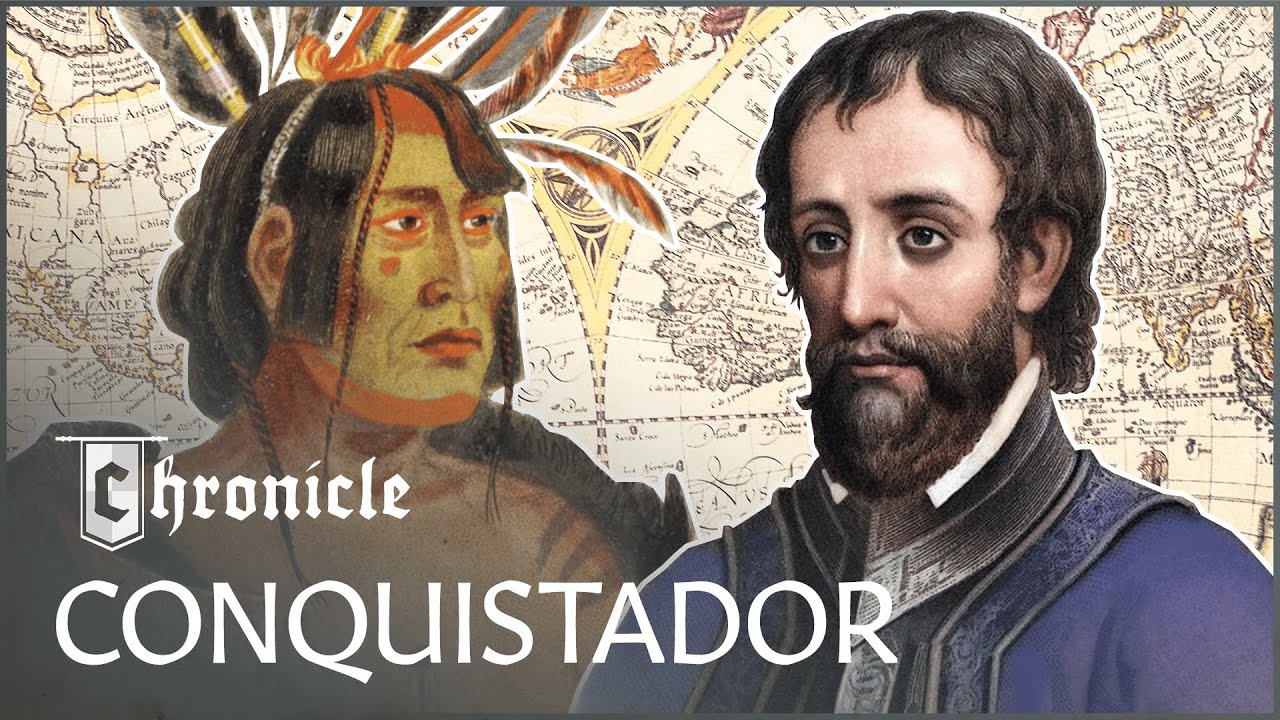
Hernando de Soto's expedition across North America from Florida to the Mississippi reveals a legacy marked by the destruction of Native American cultures and lives.
Sisteron's Citadel, a military architectural marvel in Provence, showcases advanced construction techniques and historical evolution over nearly 600 years.
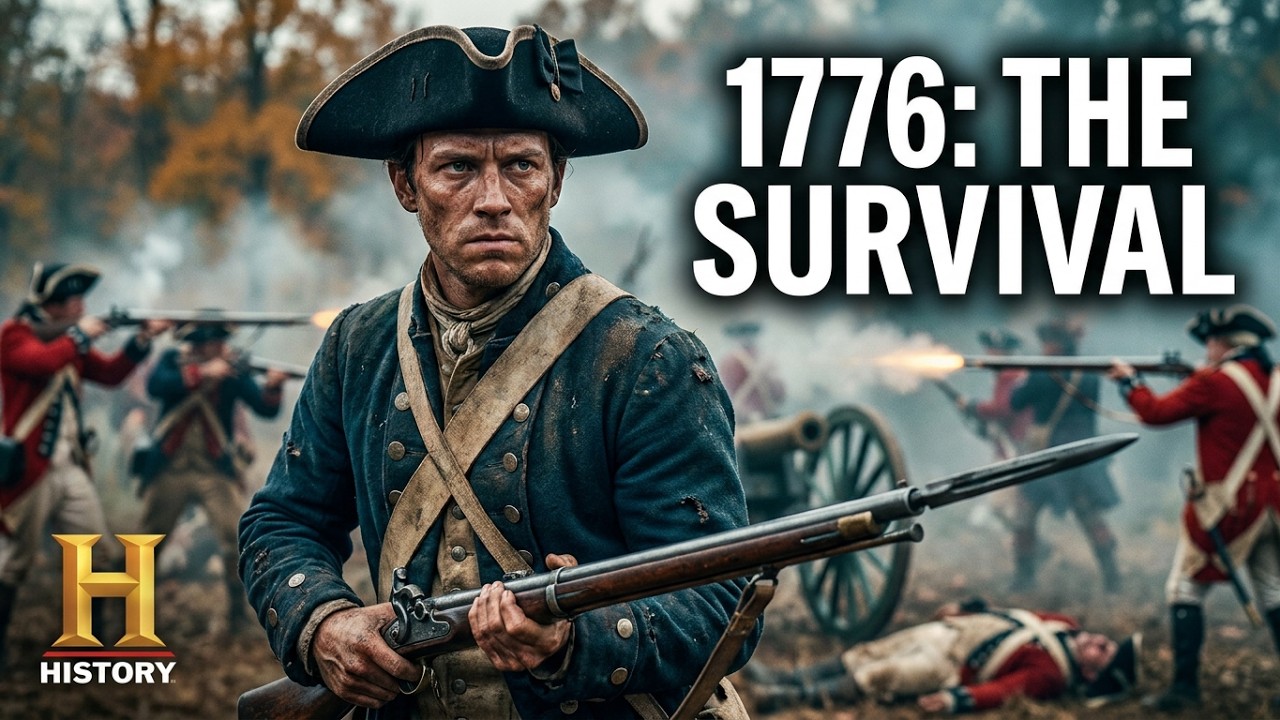
In 1776, the newly formed United States confronts the imminent threat of collapse amid internal strife and external pressures during the American Revolution.
Joachim Peiper commanded SS troops during the Malmedy Massacre, where 82 American soldiers were executed, leading to a controversial war crimes trial influenced by Senator Joseph McCarthy.
In Rome, extensive restoration efforts at the Colosseum reveal new insights into ancient life while addressing centuries of structural damage.
Christopher Dale Flannery, an Australian underworld figure, is alleged to have committed over a dozen murders before his mysterious disappearance in 1985.
Hadrian’s Wall, a 73-mile fortification in Northern Britain, served as a complex military zone that reflected Emperor Hadrian’s strategy to consolidate the Roman Empire.
Hatshepsut, the second woman to become pharaoh of Ancient Egypt, is examined for her monumental achievements and the erasure of her legacy from history.
Amelia Dyer, a notorious Victorian-era baby-farmer, deceived desperate mothers like Evelina Marmon by promising to care for their children while murdering them.
In Westminster in 1605, Robert Catesby and a group of Catholic conspirators plotted to assassinate King James I by igniting gunpowder beneath Parliament.
Homer's "Odyssey" explores the themes of mortality and heroism through Odysseus's ten-year return from Troy to Ithaca, featuring encounters with mythical figures like Polyphemus.
On 18 June 1815, the Battle of Waterloo marked Napoleon's final defeat, as Sean Bean recounts the experiences of soldiers and their descendants.
Cleopatra's allure is examined alongside the ancient wonders of her capital, Alexandria, revealing insights into her historical image and significance.
In Medieval England, the Catholic Church, led by local priests and powerful Archbishops, served as the societal center, while nobility like the De Vere family controlled secular power.
Julius Caesar's rise to power marked the end of the Roman Republic and the beginning of imperial rule, reshaping the course of history in ancient Rome.
Henri Landru, a Parisian serial killer during World War I, preyed on vulnerable women, prompting two determined women to gather evidence and seek justice.
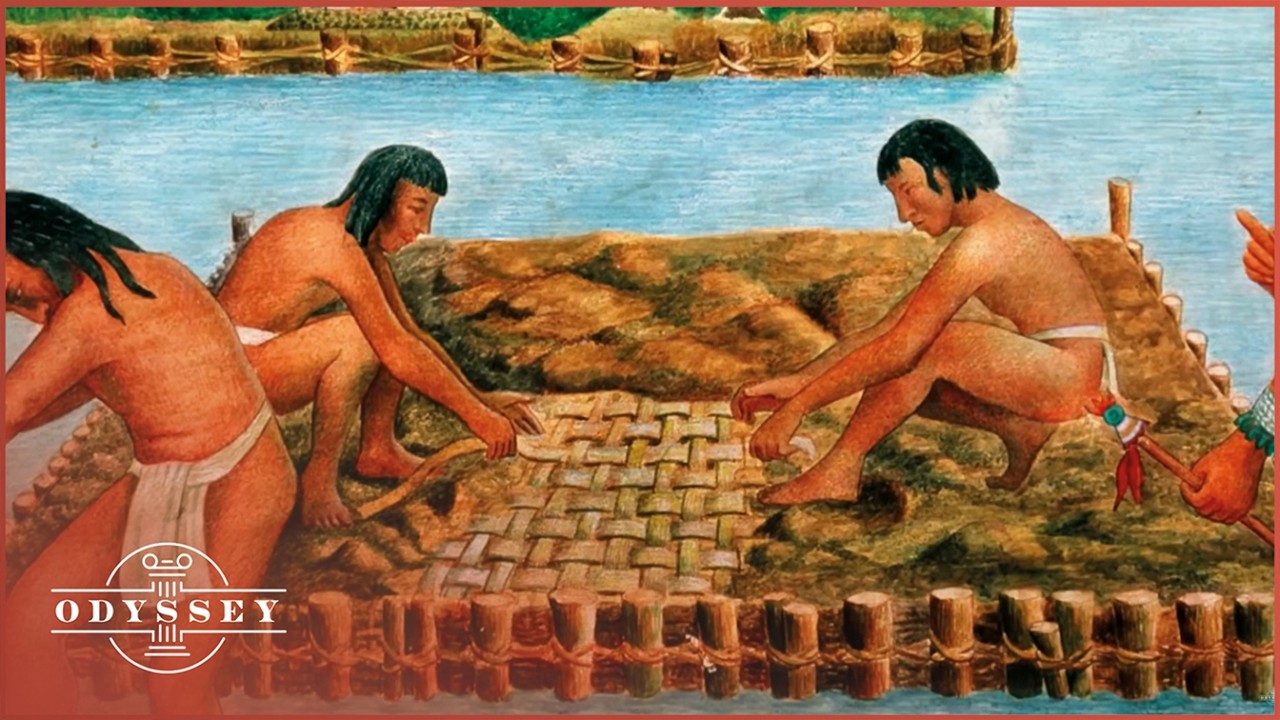
In Mexico’s National Museum of Anthropology, the intricate engineering of Tenochtitlan and the legacy of La Malinche highlight the complexities of Aztec and Mayan civilizations.
Adolf Hitler's leadership led to a catastrophic war of extermination across Europe, marked by deception and a relentless pursuit of territorial expansion.
Yves Saint Laurent's innovative designs and their lasting impact on 20th-century fashion are explored through insights from leading UK fashion writers and journalists.
Adolf Eichmann, the key architect of the Holocaust, was captured by US forces after World War II, escaped to Argentina, and was later hunted down and tried for his crimes.
As Allied forces advanced on Berlin, Nazi Germany faced the consequences of its defeat, leading to the dismantling and punishment of Hitler's regime.
At 4:30 p.m. on September 8, 2022, the Cabinet Secretary informed Prime Minister Liz Truss that Queen Elizabeth II had died.
The Great Pyramids of Egypt are examined for their design and connections to prophecies from Nostradamus, the Bible, and ancient texts in this episode.
Prince Albert Victor was born on January 8, 1864, and became embroiled in scandals, including rumors linking him to the Jack the Ripper murders.
Givenchy's legacy is explored through the insights of leading UK fashion writers, highlighting his influence on 20th-century fashion design.
Harry Belafonte reflects on his friendship with Dr. Martin Luther King Jr., discussing nonviolence, civil rights, and King's broader humanitarian message.
The English monarchy's tumultuous history from King Louis's disappearance in 1216 to Henry Tudor's rise is marked by rebellion, strategic maneuvers, and the Wars of the Roses.
Jacqueline Bouvier Kennedy, known as Jackie O, became an influential First Lady during John F. Kennedy's presidency, championing the arts and historical preservation.
Katherine Johnson was born on August 26, 1918, and her mathematical skills were crucial to NASA's early manned space flights and the Space Shuttle program.