From over 100,000 films, discover the handful you'll love.
Free or premium access to the world's largest documentary library.
3628 films(Page 25 of 76)
Hundreds of human skulls found near the ancient Walbrook river in London raise questions about their origins, including possible links to Boudica's revolt or flooding.
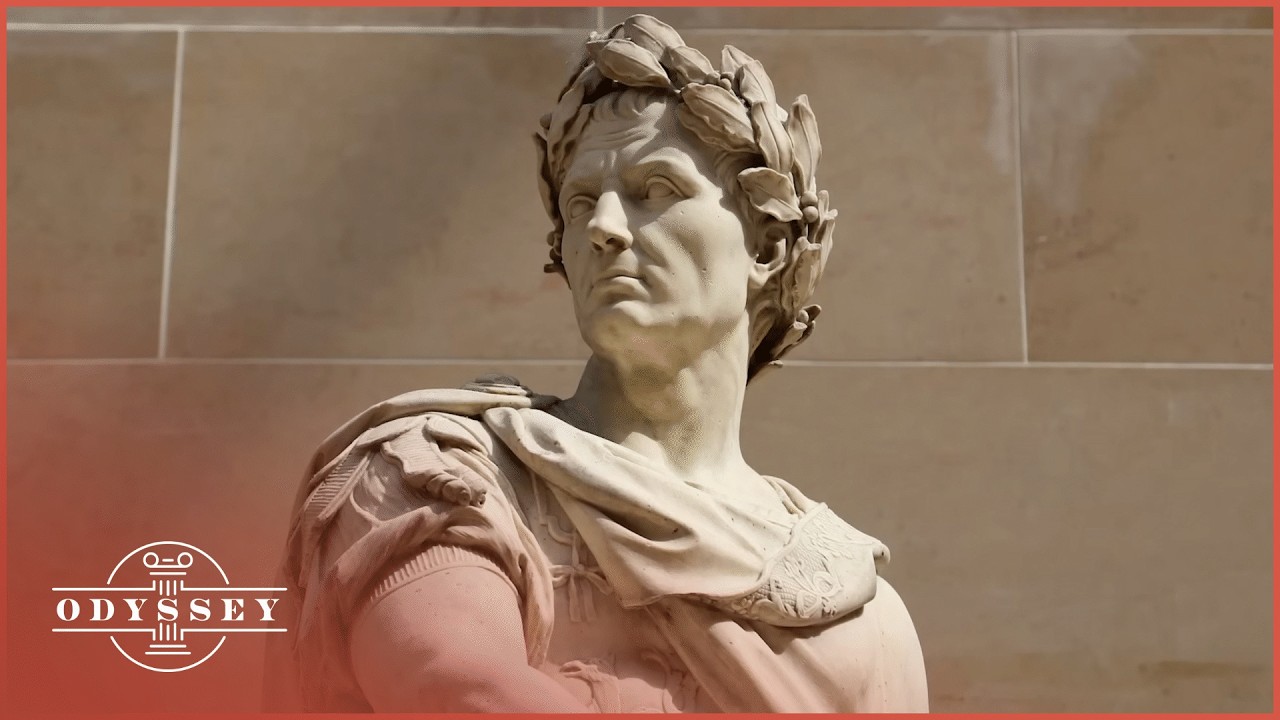
In 55 BC, Julius Caesar's military campaigns in Britain are examined through archaeological evidence and expert insights from historians and reenactors.
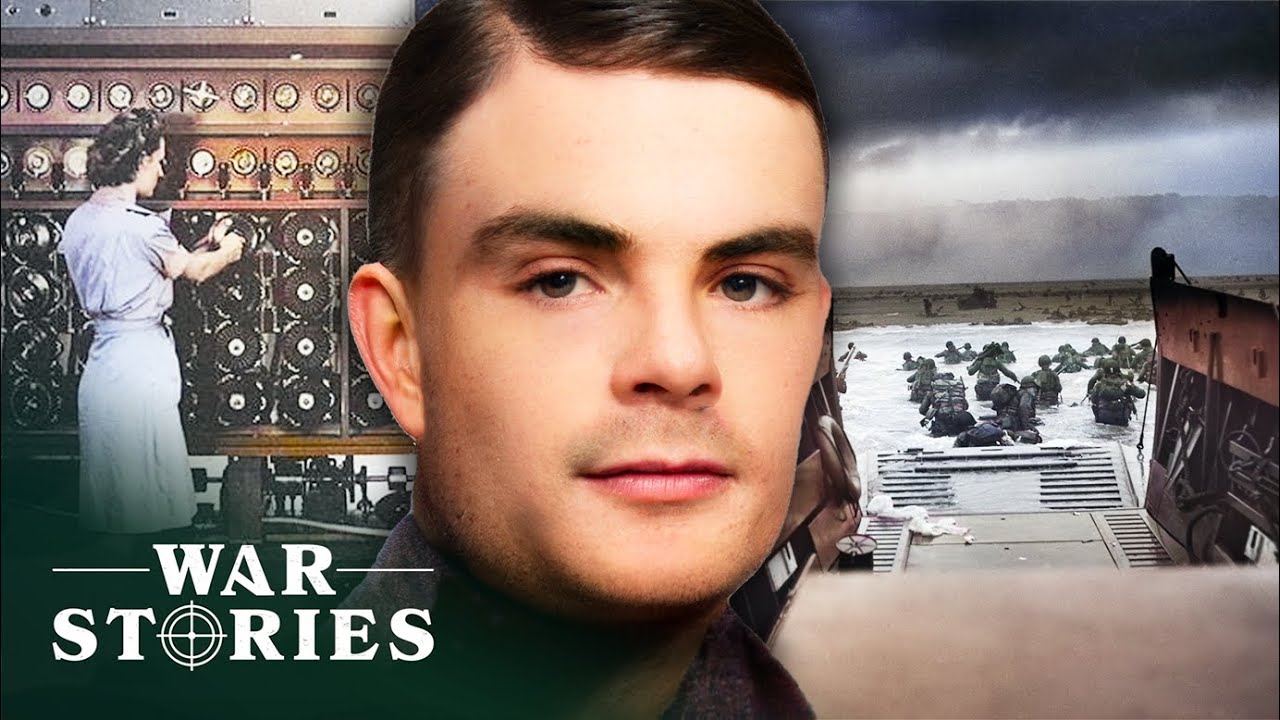
Allied newsreels from 1943 and 1944 highlight the pivotal moments and strategies that contributed to the eventual defeat of Nazi Germany in World War II.
In 1878, the murder of widow Mary Jane Clarke by her servant Kate Webster in Richmond highlighted the class tensions and societal norms of Victorian England.
John The Baptist's influential message of baptism and his significant role in 1st century Israel are explored through visits to his birthplace and cave.
Henry VIII's reign as King of England was marked by his tumultuous quest for a legitimate male heir, leading to six marriages and significant religious upheaval.
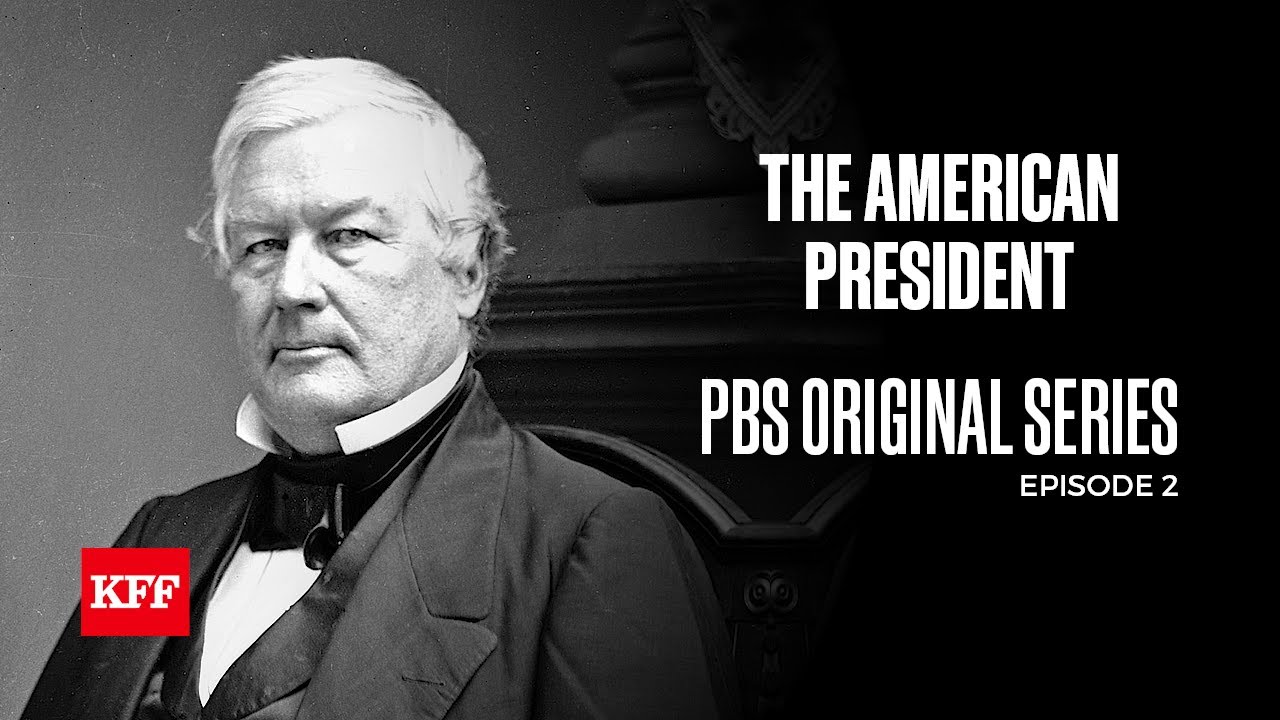
Nearly one in six American presidents has died in office, often leading to vice presidents like Harry Truman and Chester Arthur assuming power amid skepticism.
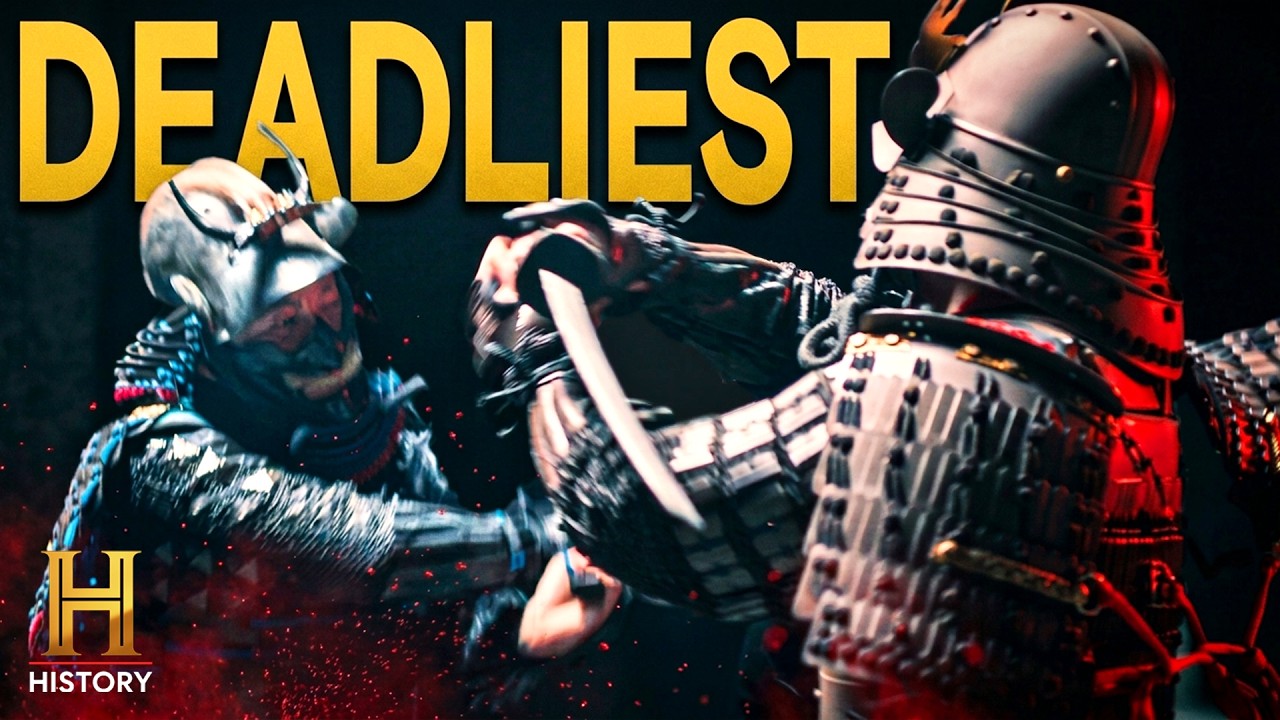
In feudal Japan, the samurai rose to prominence through rigorous discipline, advanced martial arts techniques, and a unique warrior code known as Bushido.
King Edward III's challenge to France during the Hundred Years' War, marked by battles at Crécy and Poitiers, reshaped Anglo-French relations and national identities.
The Jinsha archaeological site in China, dating back to the Zhou Dynasty, raises questions about its potential role in mass human sacrifice practices.
The world's first tank, developed during World War I, failed to see combat, while a Japanese soldier continued to fight in the Philippines until 1974.
Esther, a Jewish orphan who becomes Queen of Persia, navigates complex cultural challenges to save her people from destruction, inspiring generations.
Sam Childers, a former biker from Pennsylvania, spent 13 years rescuing enslaved children in South Sudan while facing controversy over his armed approach to charity.
156,000 men and 20,000 vehicles landed on the coast of Normandy on June 6, 1944, marking a major turning point in World War II.
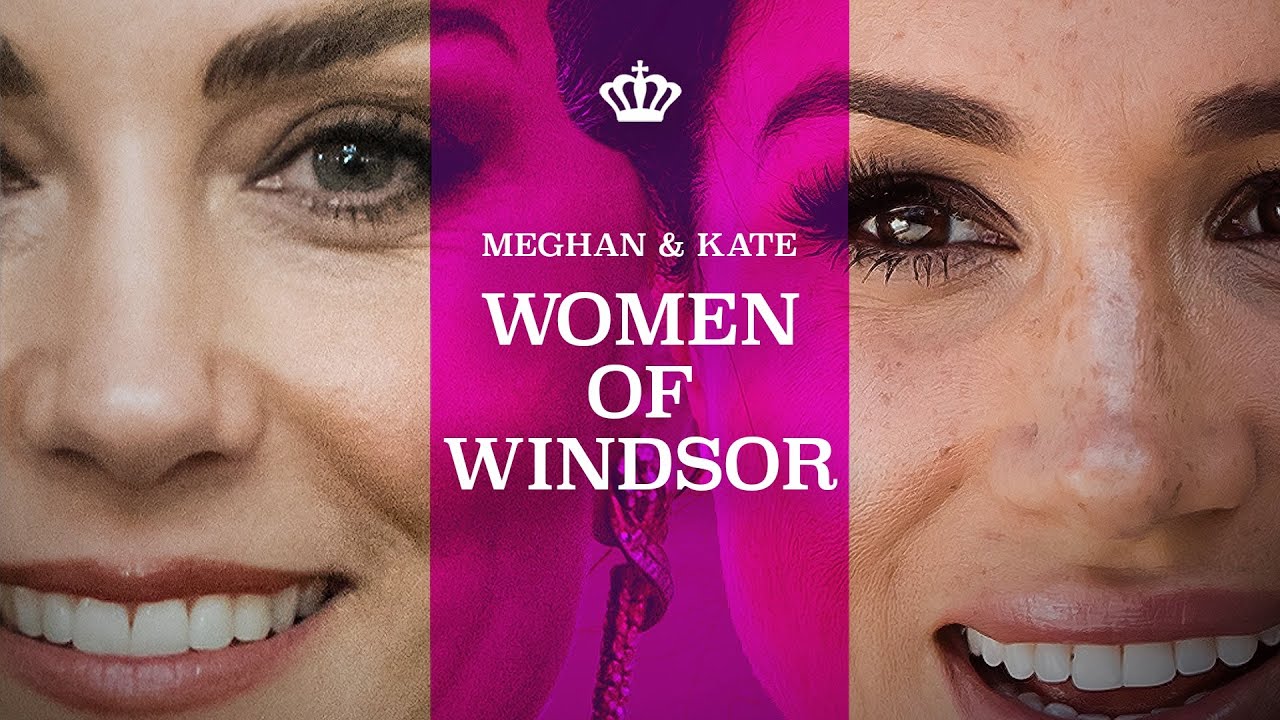
Kate Middleton and Meghan Markle have reshaped public perceptions of the British monarchy, blending tradition with modernity as they fulfill their royal duties.
Dr. Joseph Ruxton, an Indian-born physician in Lancaster, murdered his wife and housemaid in 1935, dismembering their bodies and evading initial police identification.
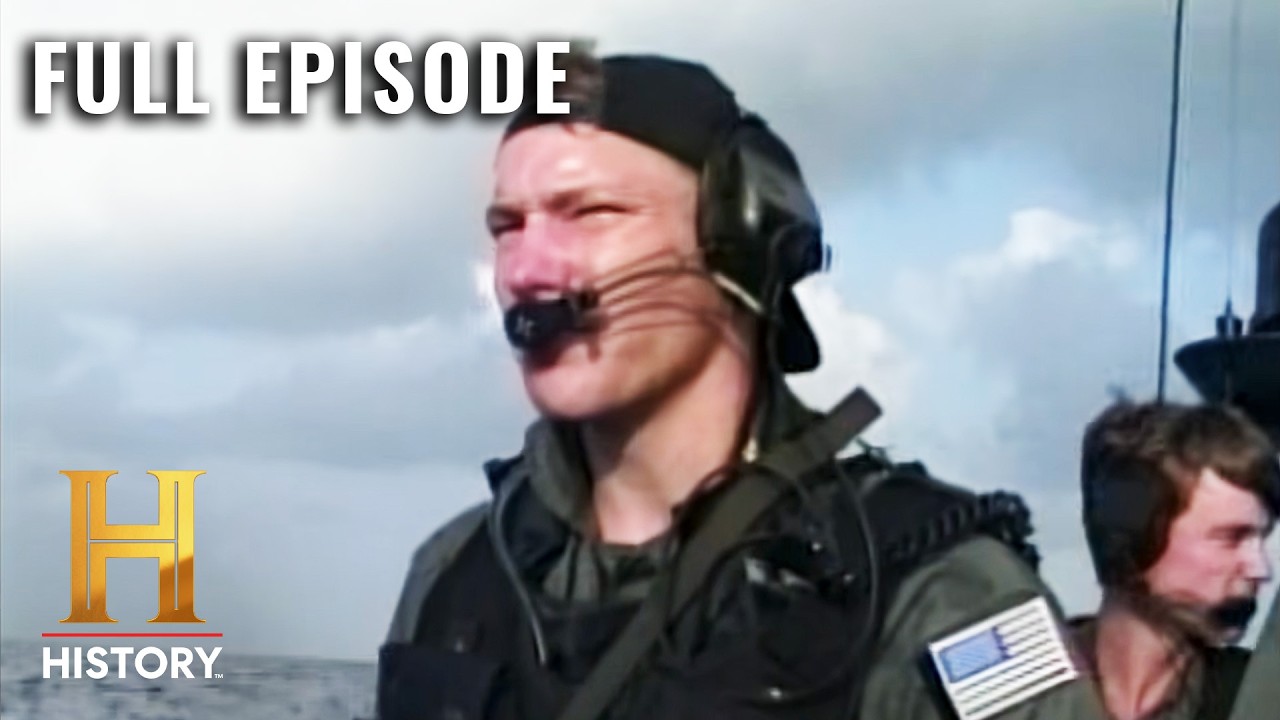
The history of the Navy SEALs is chronicled through their significant contributions, missions, and the values of honor and commitment that define this elite force.
Amelia Earhart's last radio transmission was recorded on December 23, 1937, just before her disappearance over the Pacific Ocean.
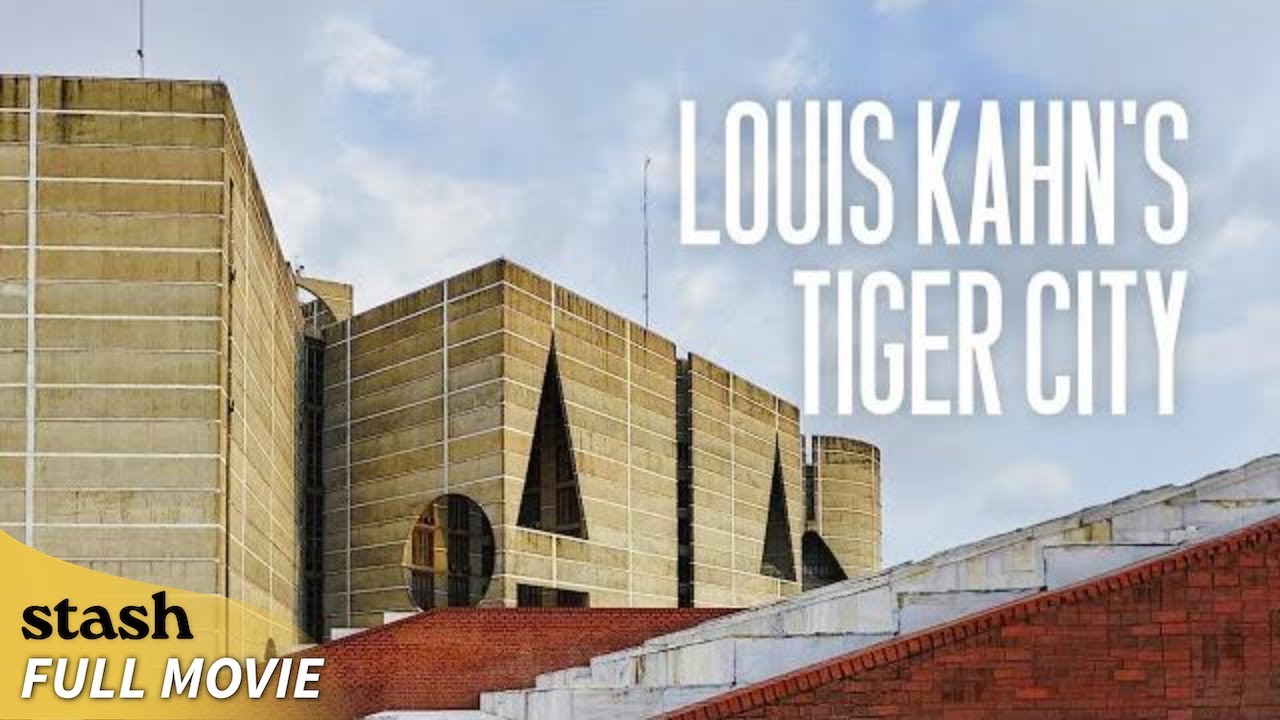
Louis Kahn died in 1974 with $450,000 in debt, leaving behind a legacy marked by his architectural work in Dhaka, Bangladesh.
Prince Philip was born on June 10, 1921, on a dining room table in a villa on the Greek island of Corfu before becoming the Duke of Edinburgh.
In the 1950s, a Bedouin shepherd found ancient scrolls near the Dead Sea, leading to the identification of the Essene sect as their likely authors.
In 490 BCE, a small Athenian force of 192 men defeated a much larger Persian army at the Battle of Marathon, marking a significant moment in history.
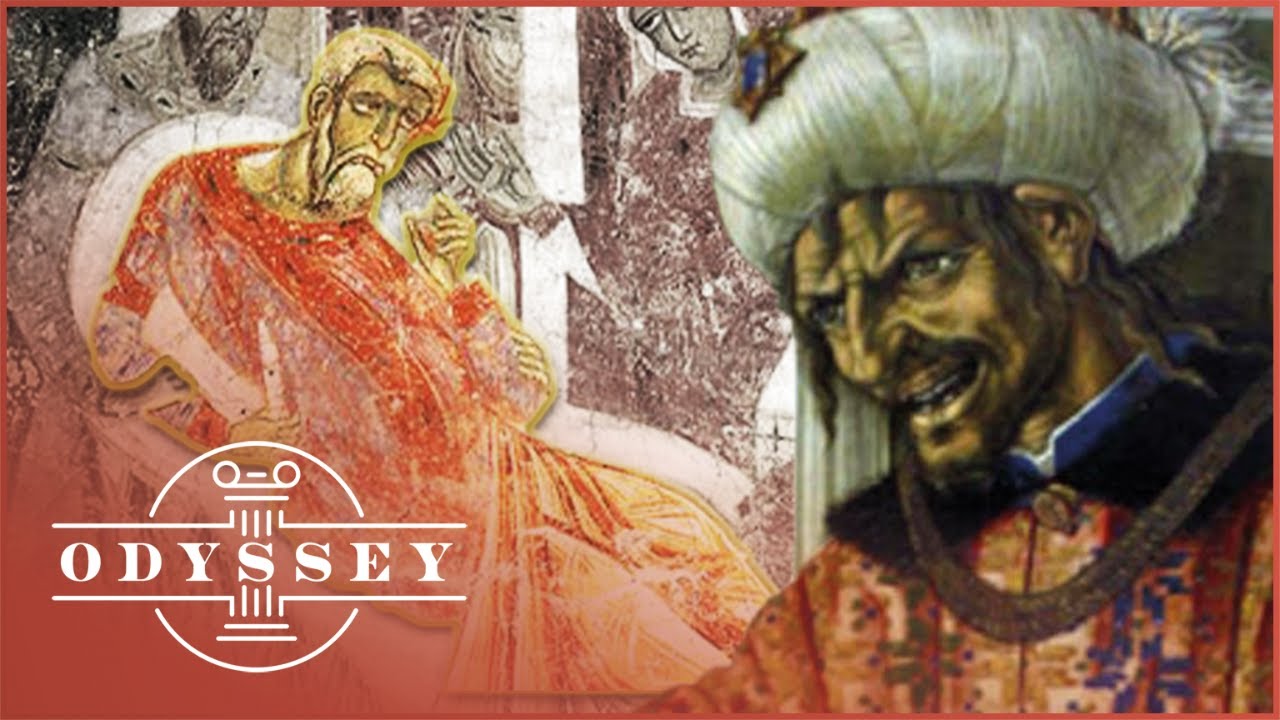
Herod, the first-century ruler of Palestine, experienced a gruesome death marked by worms emerging from his flesh prior to his demise.
Over 100,000 castles still stand in Europe, with Bodiam Castle built in 1385 using forced perspective to create the illusion of greater size and strength.
Ion Antonescu, Romania's wartime dictator, allies with Nazi Germany during World War II.
Georges Danton, a key figure in the French Revolution, played a vital role in the overthrow of the monarchy and the establishment of the First French Republic.
In 1066, the death of King Harold at the Battle of Hastings marked the end of Saxon rule in England, leading to William the Conqueror's coronation and subsequent reign.
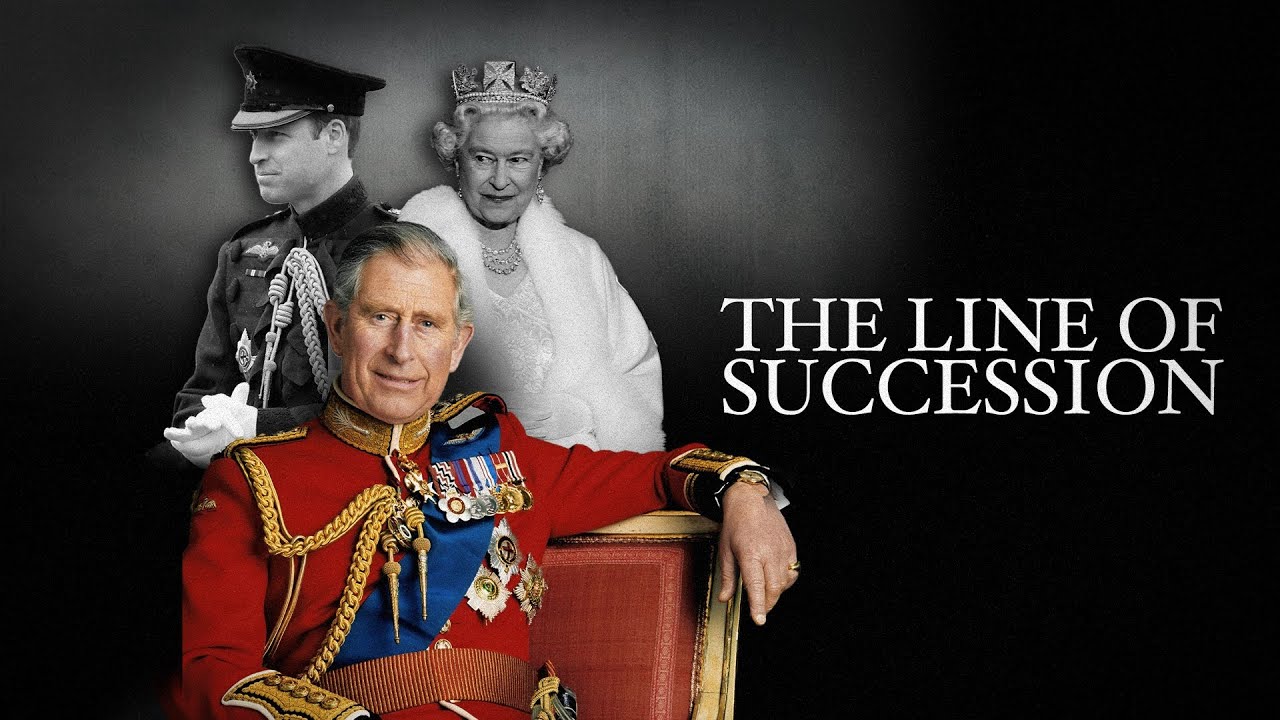
The line of succession to the British throne has evolved significantly over the past millennium, particularly following the death of Queen Elizabeth II and the ascension of King Charles III.
Tilly Devine, a notorious brothel madam and drug dealer in post-World War I Sydney, built a criminal empire marked by violence and vice.
Dr Leor Rosenberg discusses ancient medical instruments, including scalpels and leeches, used for treatments in first-century Israel.
The 1942 Wannsee Conference in Berlin marked a pivotal moment in the Nazi regime's systematic planning of the Holocaust, revealing the bureaucratic machinery behind genocide.
The de Havilland Mosquito, a wooden aircraft, played a crucial role in World War II as a versatile secret weapon against Nazi Germany.
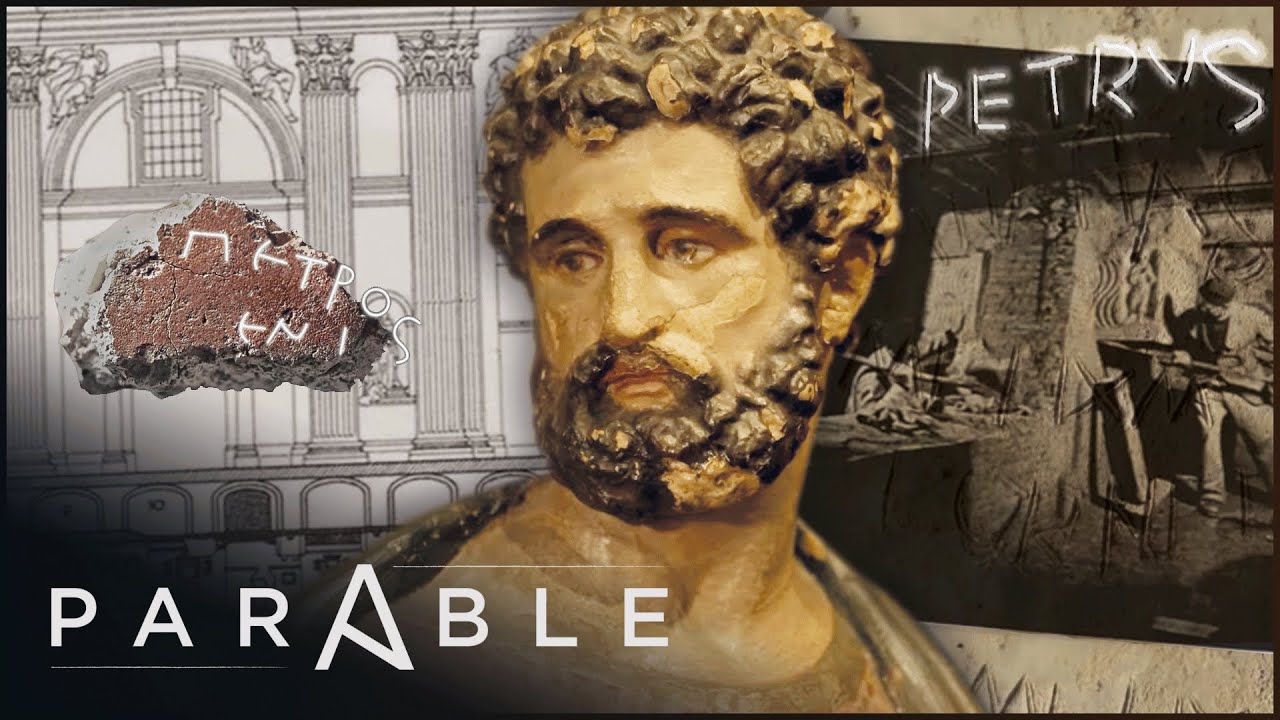
Saint Peter, the first pope and key figure in Christianity, is examined through recent archaeological findings in Rome and Israel that challenge established beliefs about his life and burial.
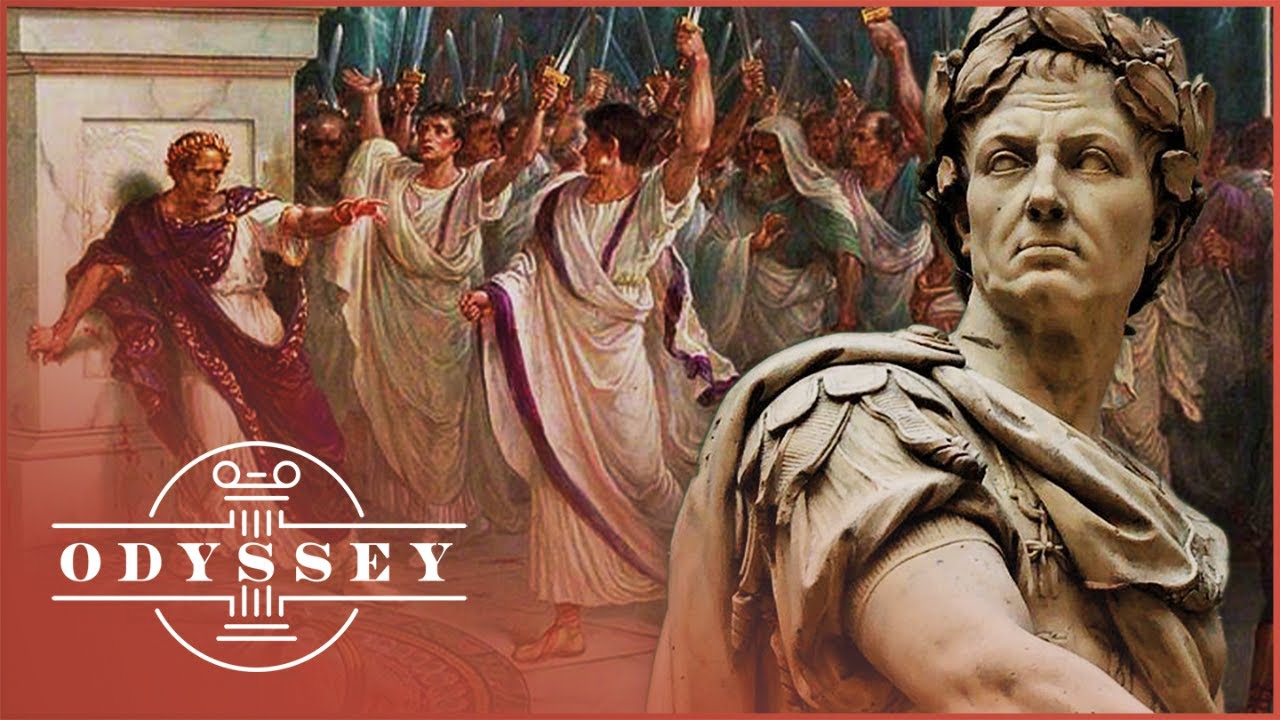
Julius Caesar, a pivotal figure in Roman history known for his military and political reforms, was assassinated by his closest allies in 44 BC.
Benedict Arnold, once a celebrated hero of the American Revolutionary War, became infamous for his betrayal in the West Point conspiracy of 1780, driven by political rivalries and personal debts.
Vlad Tepes, known as Vlad the Impaler, serves as the historical inspiration for the legendary figure of Dracula, exploring his life as a 15th century Romanian prince.
Viking raids, beginning with the attack on Lindisfarne in 793, were marked by advanced shipbuilding and lethal tactics like the shield wall formation.
Queen Elizabeth I's decision to execute Mary Queen of Scots was influenced by the Babington Plot, orchestrated by Francis Walsingham, the father of modern espionage.
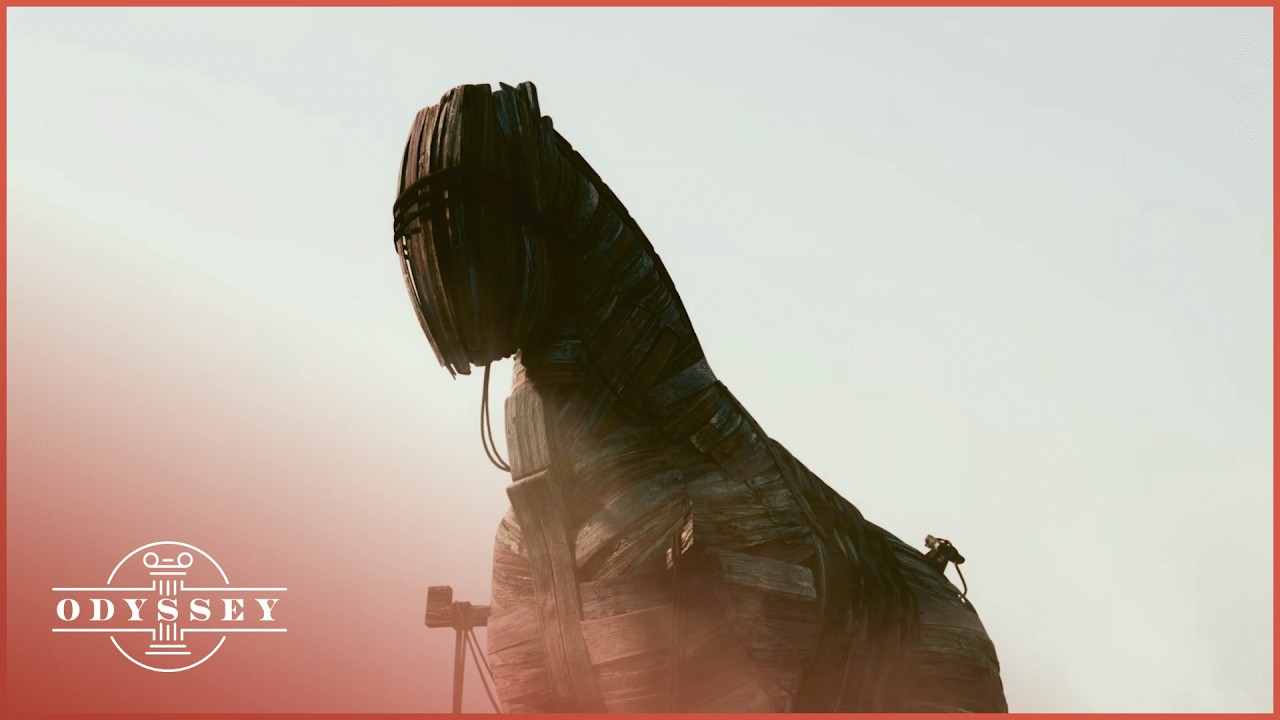
New evidence suggests that the legendary Trojan horse may not have been a horse at all, prompting a reevaluation of this iconic tale from Ancient Greece.
The Twelve Apostles, as Jesus' closest followers, were instrumental in spreading his teachings and establishing Christianity as a major world religion.
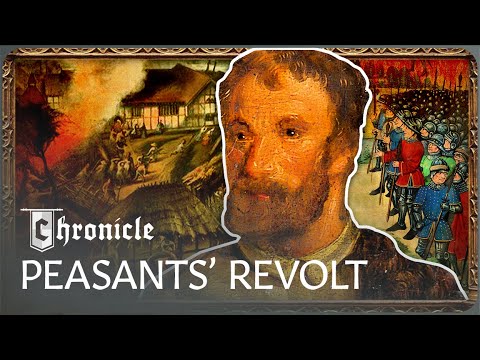
In 1381, a major uprising led by discontented farmers across England challenged the social and economic structures of the time, significantly impacting the nation’s history.
A 16th-century shipwreck in a Kent quarry, along with ruins of Henry VIII's secret assay house, reveals insights into Tudor craftsmanship and royal fraud.
King Cetshwayo was born in 1832 at the emLambongwenya homestead in Zululand, a kingdom in the northeast of present-day South Africa.
The apostle Paul’s role in shaping Christianity as a world religion is examined through modern scholarship and historical context in the Mediterranean region.
Ancient Carthage, known for its rich culture and beliefs, faced destruction by the Roman Empire, prompting exploration of its life before the fall.
Hermann Goering, a World War I fighter ace and key figure in the Nazi regime, rose to power as a politician and Luftwaffe leader before his eventual downfall.
In East Prussia, Adolf Hitler's Wolf's Lair served as a command center for the Eastern Front, reflecting his isolation during the Third Reich's decline.
Heinrich Müller, the head of the Gestapo, played a crucial role in Nazi Germany's repression and the Holocaust, with his fate after 1945 remaining a mystery.