From over 100,000 films, discover the handful you'll love.
Free or premium access to the world's largest documentary library.
3628 films(Page 12 of 76)
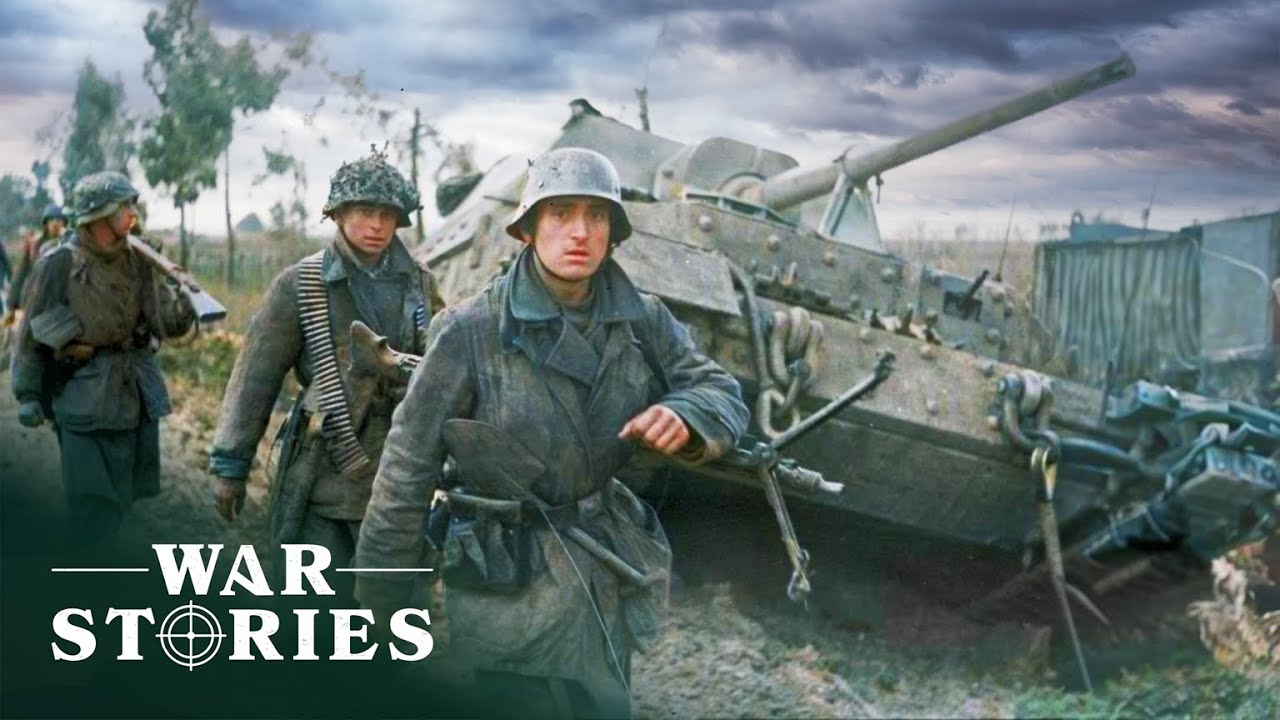
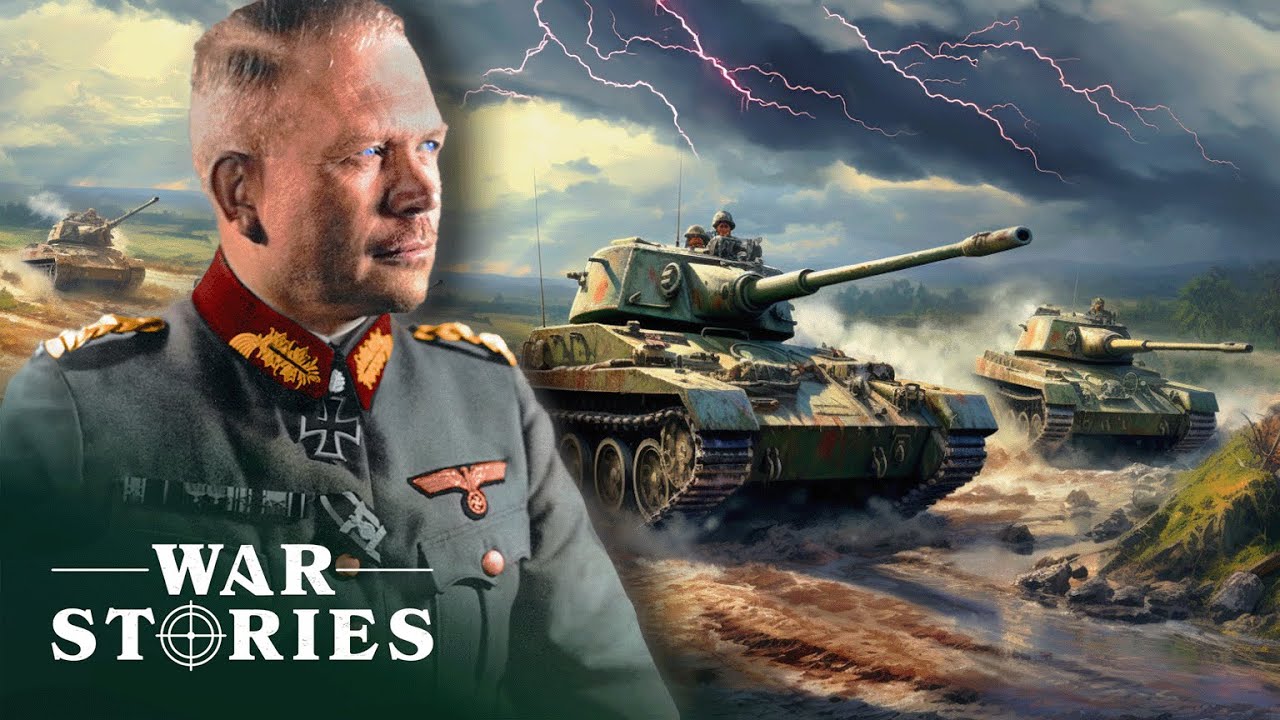
Ferdinand Porsche's design of super tanks for Nazi Germany ultimately failed due to technical issues and inefficiencies, contributing to the Axis defeat in World War II.
Anne Frank's experiences during World War II are explored through her diary, which offers insight into her thoughts while in hiding in Amsterdam.
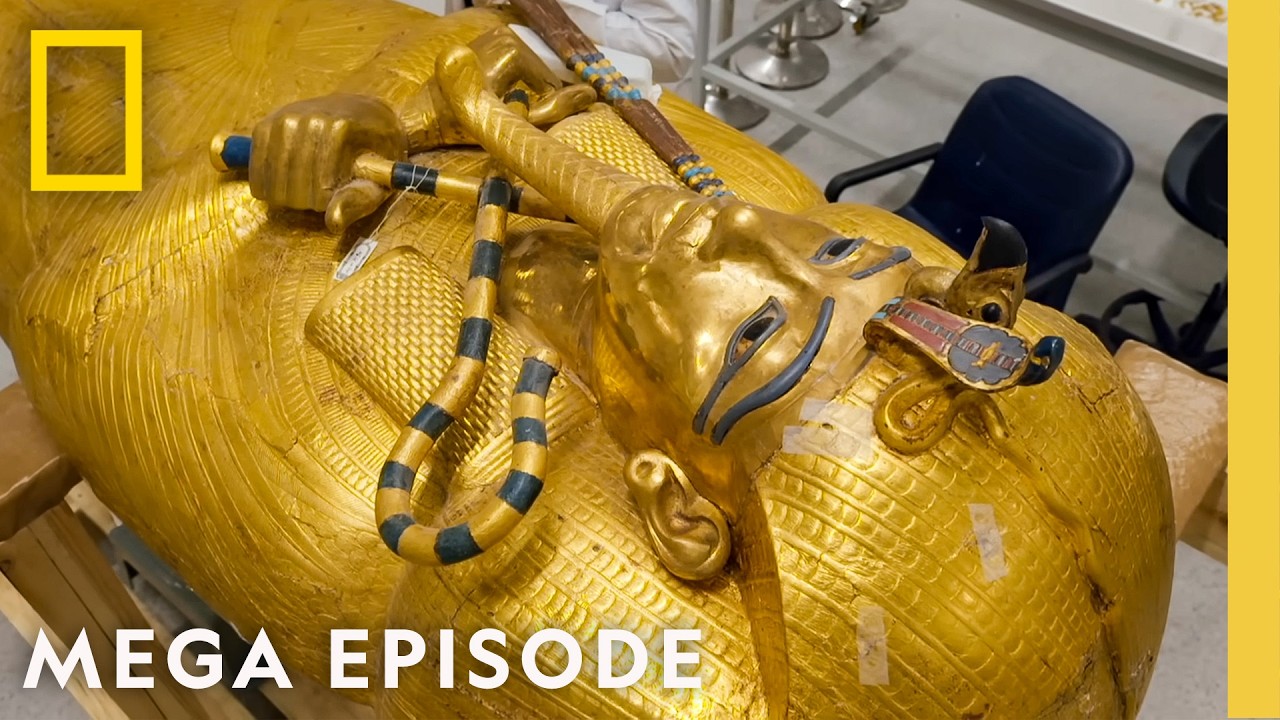
An intact tomb, undisturbed for over 3,000 years, revealed the mummies and possessions of a working man named Carr and his wife Merit.
Confucius, a pivotal figure in Chinese philosophy, profoundly influenced societal values and ethics during a transformative period in ancient history.
Flags are lowered to half-mast across Great Britain as the nation mourns the passing of Queen Elizabeth II, marking the implementation of Operation London Bridge.
Notre-Dame Cathedral, built in 1163 under Bishop Maurice de Sully, reflects Paris' medieval history and significance before the 2019 fire.
The deciphering of the ancient Linear A script, associated with King Minos of Crete, reveals insights into Minoan civilization and its historical significance.
Modern science reveals how environmental forces shaped human history from the Bronze Age through the fall of Rome, highlighting ancient civilizations' complexities.
In 407 AD, the last Roman troops left Britain, but archaeologist Francis Pryor argues that this period was not one of chaos but of cultural continuity.
A two-ton linotype machine stands seven feet tall, revolutionizing typesetting by allowing operators to compose type quickly from a keyboard.
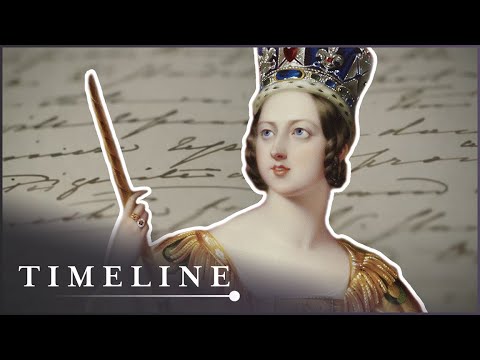
Queen Victoria wrote extensively in her journals, documenting her thoughts on state matters, family, and personal relationships throughout her life.
Heinrich Himmler and the Nazi high command sought the origins of the Aryan race, believing it linked to Atlantis and leading them to Tibet.
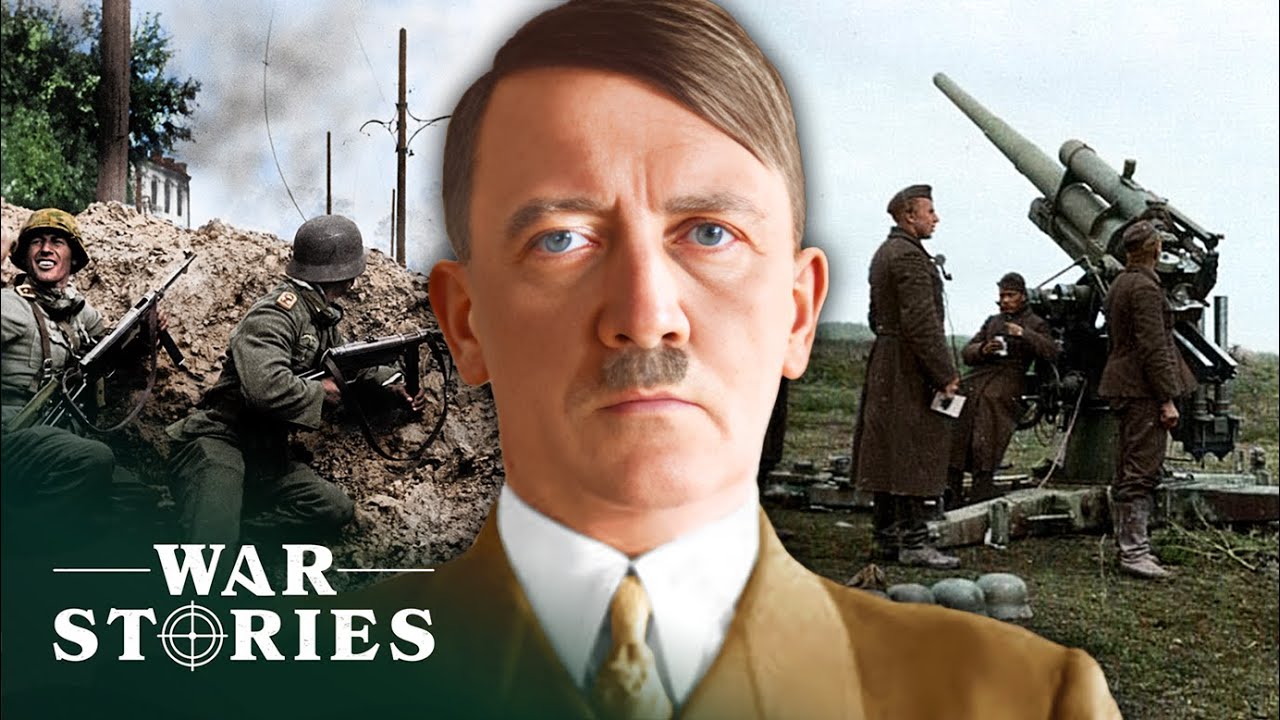
Hitler's early World War II successes are examined through his invasions of Poland, the implementation of Blitzkrieg tactics, and the challenges of Operation Barbarossa.
134 sandstone columns in Karnak Temple, each inscribed with Ramses II's name, stand 66 feet high, revealing his monumental legacy in ancient Egypt.
Vidkun Quisling's collaboration with Nazi Germany during World War II led to his execution by the Norwegian people, cementing his legacy as a symbol of treachery.
Masterworks allows investment in art by purchasing shares in works by Picasso, Banksy, and Warhol.
In 1945, Franklin D. Roosevelt faced tensions with Winston Churchill and Joseph Stalin while grappling with chronic heart disease and a troubled marriage.
A team of archaeologists in Iraq uncovers evidence of a 2,500-year-old site of worship linked to the legendary Tower of Babel.
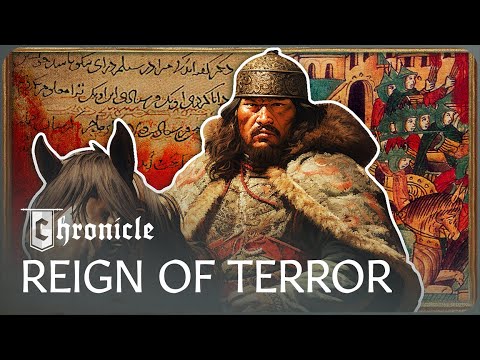
Genghis Khan's legacy as a brutal conqueror is examined alongside his strategic brilliance and the vast expansion of the Mongol Empire in the 13th century.
James Dean died in a car accident on September 30, 1955, at the age of 24, leaving behind a legacy that continues to inspire fans worldwide.
Pearl Harbor's surprise attack in 1941 marked the beginning of the Pacific Theater in World War II, leading to pivotal battles and the eventual use of atomic bombs.
Pythagoras grew up on the island of Samos in the 6th century BCE and is remembered for his theorem on right-angle triangles.
Nerva was born in the village of Narni in Central Italy on November 8, 30 AD, to a prominent political family in the early Roman Empire.
4,500 meters deep in Greenland's ice sheets, researchers found evidence of the Roman Empire's impact on the environment through greenhouse gas levels.
Catherine de Medici, Queen Consort of France, navigated political intrigue and religious conflict during her reign, becoming a controversial figure after the St Bartholomew's Day massacre.
In Wales, archaeologists reveal a 700-year-old medieval town featuring workshops and fortifications, alongside insights into ritual practices near Stonehenge.
Kim Il Sung was born on April 15, 1912, in Namni, a village that is now part of Pyongyang, during the period of Japanese rule over Korea.
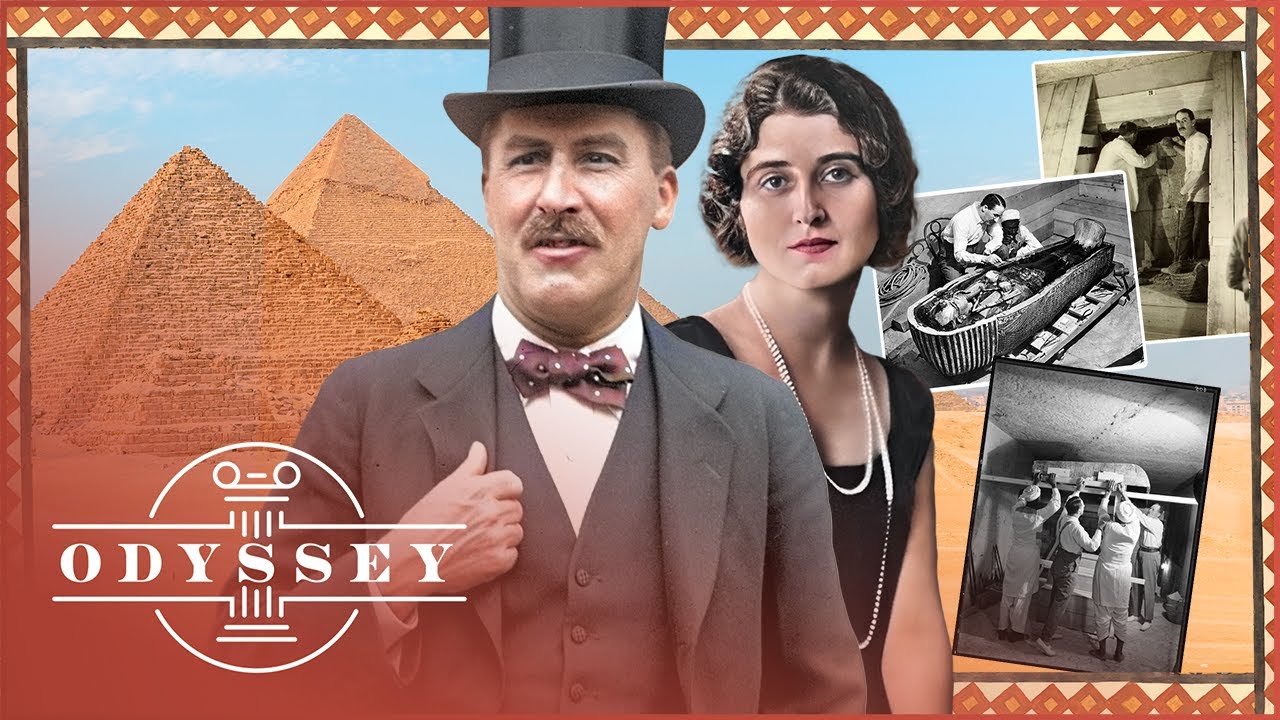
In 1939, French archaeologist Pierre Montet unearthed the remarkable treasures of Tanis, including the tombs of pharaohs Sheshonq II and Psousennès I, which are now being re-explored using.
Queen Elizabeth II's reign faced numerous challenges, including personal tragedies and public scrutiny, which tested the stability of the British Royal Family.
Rollo, known as "The Walker," was a banished Viking who negotiated the Treaty of Saint-Clair-sur-Epte, founding Normandy and shaping European history.
In ancient Greek mythology, the existence of a long-lost ocean is examined by historian David Adams, who seeks to connect these myths to historical reality.
Anton Mussert, leader of the Dutch Nazi party, collaborated with Hitler during WWII, leading to the betrayal of the Dutch people and tragic consequences for the Jewish population.
Mary Beard examines the complexities of identity and citizenship in the Roman Empire through historical, archaeological, and mythological perspectives.
In ancient Egypt, internal strife weakened the civilization, allowing enemies to exploit its vulnerabilities, while the story of the forgotten Nubian Kings in Sudan unfolds.
Viking women played essential roles in managing farms and religious activities within a complex society that thrived on maritime exploration and trade.
Venice's history, marked by the decline of the Roman Empire, is examined through advanced 3D laser scanning and underwater archaeology techniques.
Queen Elizabeth II's fashion evolution reflects her role as the longest reigning British monarch and highlights the modernization of British style and culture.
Dr Ruxton, an Indian-born physician in Lancaster, brutally murdered his wife and maid in 1935, driven by violent jealousy and a desire to conceal his crimes.
Galileo Galilei, born in 1564 in Pisa, faced life imprisonment for advocating heliocentrism, challenging the Catholic Church's geocentric doctrine.
Herodotus, known as the father of history, traveled through Ancient Greece, the Persian Empire, and Egypt, documenting his experiences in 'the Histories'.
Vladimir Putin was born on October 7, 1952, in Leningrad, now known as St Petersburg, and has since risen to become the President of Russia.
Heinz Guderian, a key figure in World War II, revolutionized mechanized warfare with his blitzkrieg tactics that emphasized speed and combined arms.
Ancient Egypt has been studied for almost 4,000 years, beginning with the Egyptians themselves and later by Greek, Roman, and Arab scholars.
In 1066, the Battle of Hastings marked a pivotal moment in British history as William the Conquerer's Norman forces defeated the Anglo-Saxons, shaping the future of England.
Historian Edna Greene Medford analyzes Abraham Lincoln's evolving views on slavery, family separation among enslaved people, and the impact of the Emancipation Proclamation.
Archibald Hall, known as the Monster Butler, transformed from a conman into a serial killer in Scotland, driven by his desire for a lavish lifestyle.
In Kent, Time Team investigates a hillside near Syndale, testing the theory that it conceals Britain's earliest Roman fort amid various archaeological challenges.
Princess Elizabeth and Princess Margaret's relationship is shaped by the contrasting roles of heir and spare within the British Royal family.