From over 100,000 films, discover the handful you'll love.
Free or premium access to the world's largest documentary library.
3629 films(Page 3 of 76)
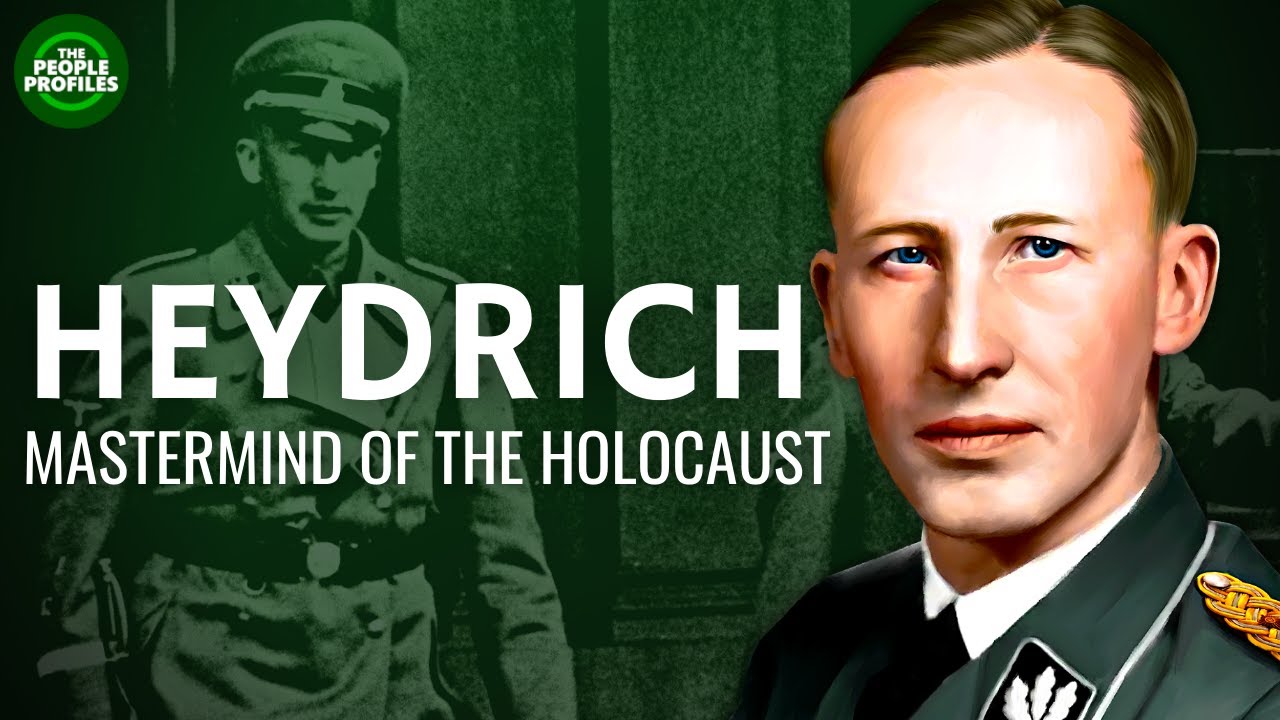
More than six million Jews were murdered during the Holocaust, a genocide largely orchestrated by Reinhard Heydrich, a key figure in the Nazi regime.
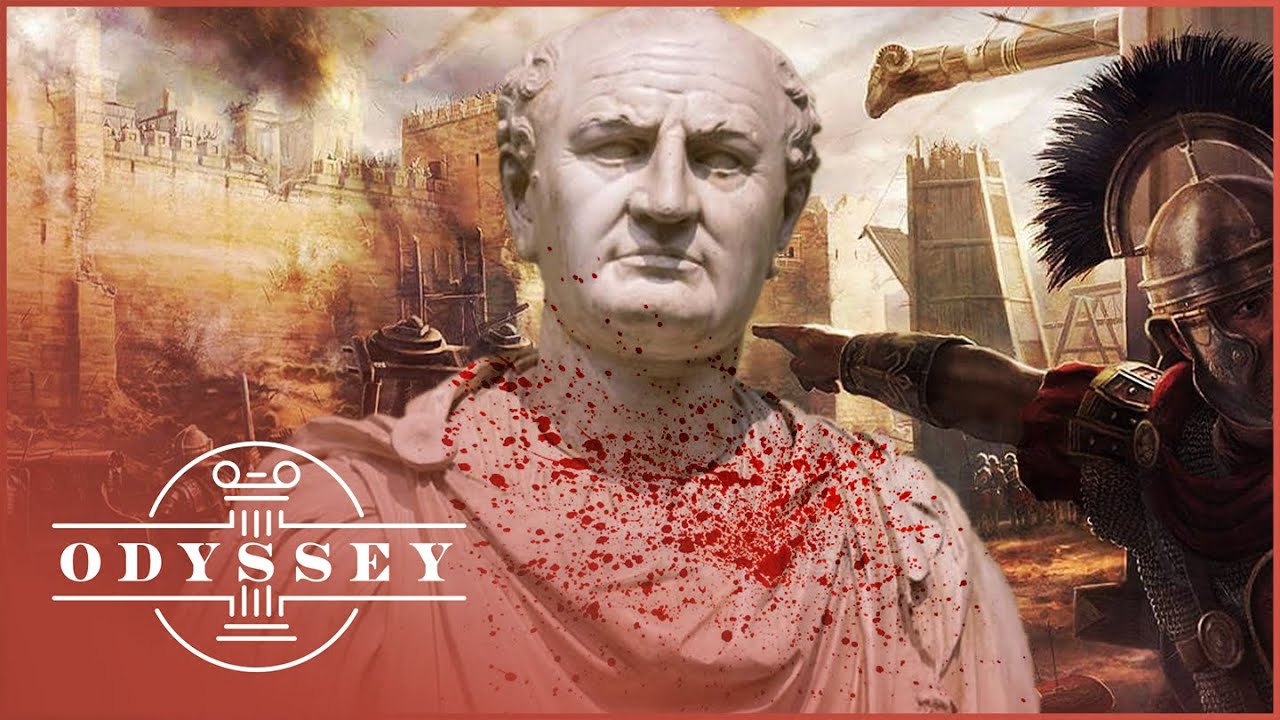
In A.D. 69, the Roman Empire faced chaos as the Year of Four Emperors led to civil war, with Vespasian emerging as a key figure to restore order.
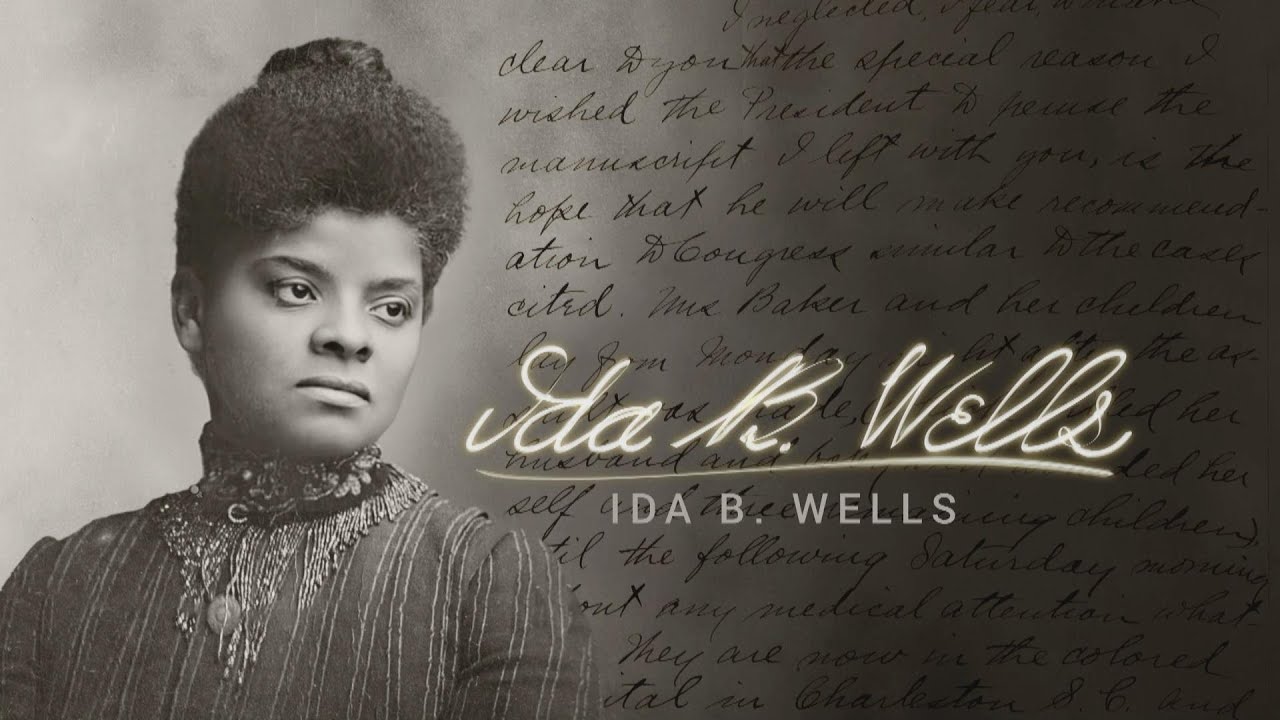
Close to 200 lynchings occurred in Tennessee alone during the period when Ida B. Wells began her activism against racial violence and injustice.
In 802 AD, Eggert III was crowned king of Wessex, uniting most Anglo-Saxon kingdoms under his rule after years of conflict and power struggles.
On August 20, 1940, Leon Trotsky was attacked in his home in Coyoacan, Mexico, by a Stalinist agent wielding an ice axe, leading to his death the next day.
This award-winning factual series shares veterans' stories from World War One battles at Arras.
King Baldwin IV, known as the Leper King, faced significant challenges during his 12th-century reign over Jerusalem due to his debilitating illness.
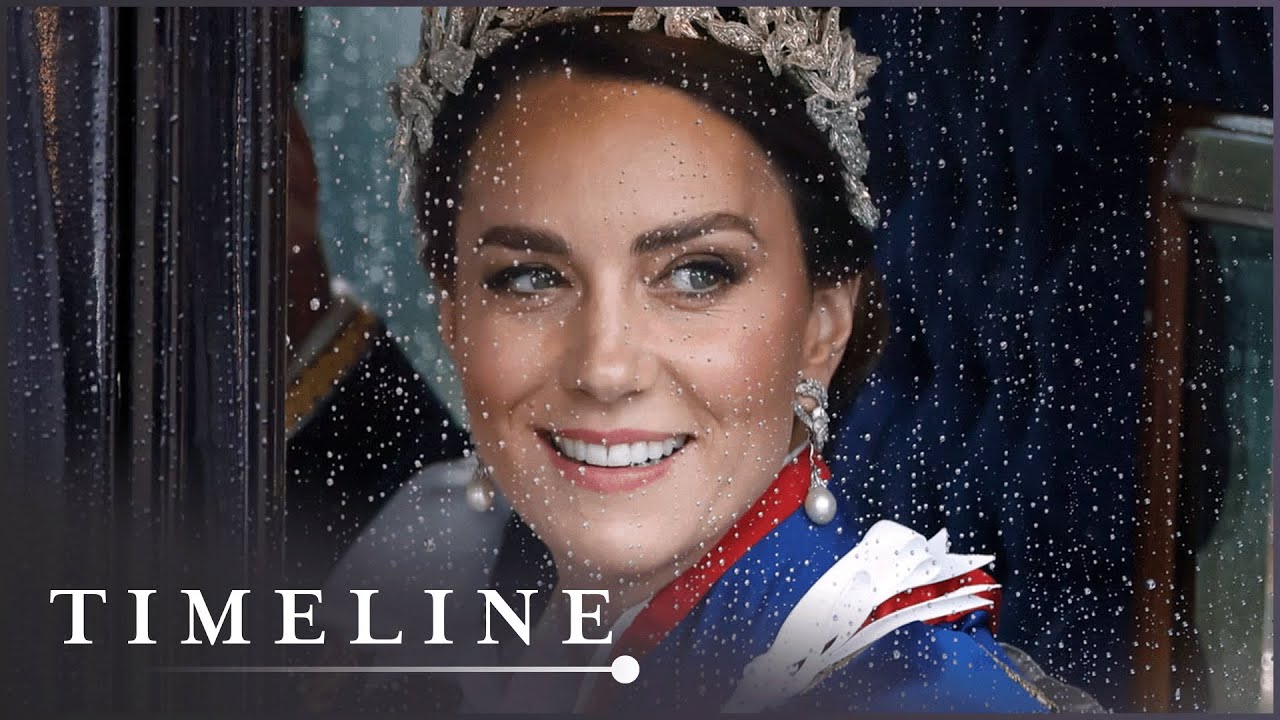
One future queen consort has taken on more royal duties, focusing on issues like mental health, wildlife conservation, and cyberbullying.
The Tower of London, a historic fortress and prison, reveals its dark past through the examination of medieval torture chambers and their infamous uses.
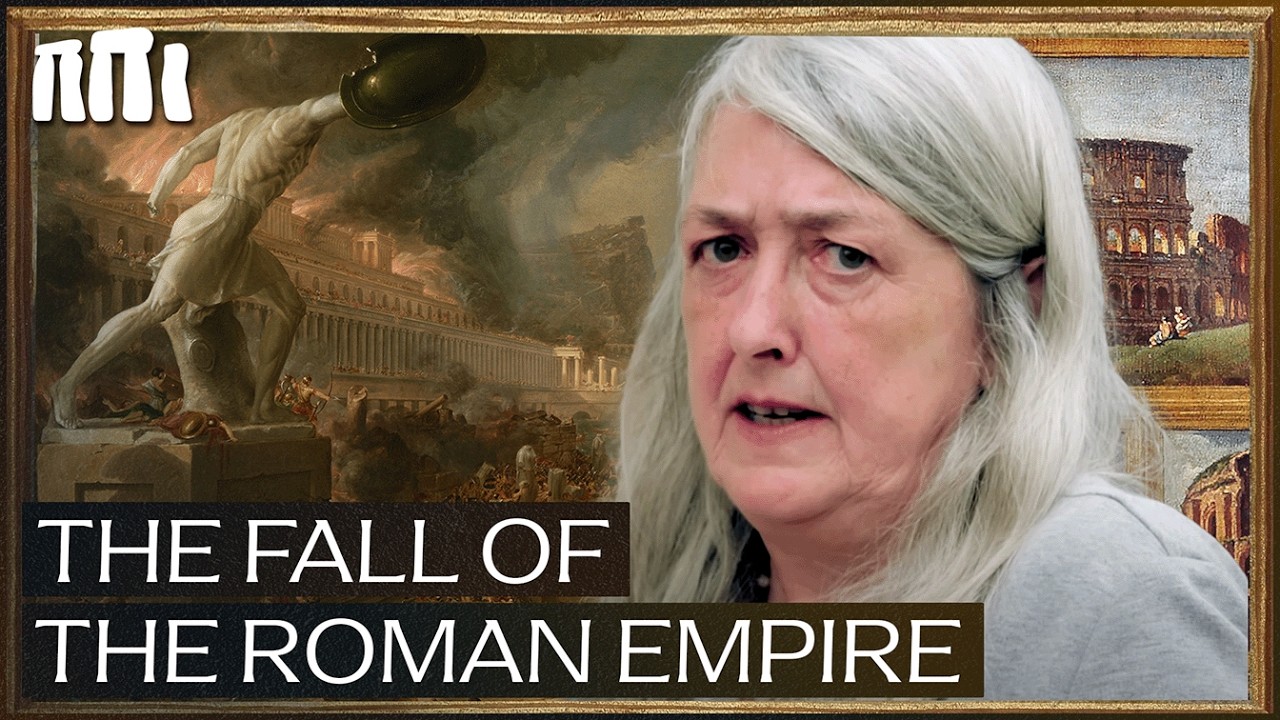
In Britain and Germany, Mary examines the pressures faced by the Roman Empire, exploring the factors that contributed to its decline and fall.
Twenty million books were printed in Europe within 50 years of Johannes Gutenberg's invention of the printing press in the 15th century.
Viking Berserkers, elite warriors known for their drug-fueled battle frenzy, were outlawed due to their extreme violence following the raid on Lindisfarne in 793.
More than 2,000 audio discs recorded during the Nuremberg Trials contain testimonies from top Nazi leaders about their wartime actions.
A funerary temple spanning over 86 acres is excavated at the Colossi of Memnon, revealing the grandeur of Amenhotep III's reign in ancient Egypt.
Recent archaeological findings in Hallstatt, Austria, reveal the advanced societal organization, trade networks, and cultural practices of the Celts.
In May 1940, Hitler gambled that a rapid invasion of France would end the war quickly, relying on Erich von Manstein's innovative tactics to bypass the Maginot Line.
Alfred the Great played a crucial role in defending the Saxons against Viking invasions during the late 9th century in England.
250 cars are produced daily at the Porsche plant in Stuttgart-Zuffenhausen, where the iconic 911 sports car has been made since 1963.
Hitler's parents were closely related, revealing dark secrets of his upbringing and adult life.
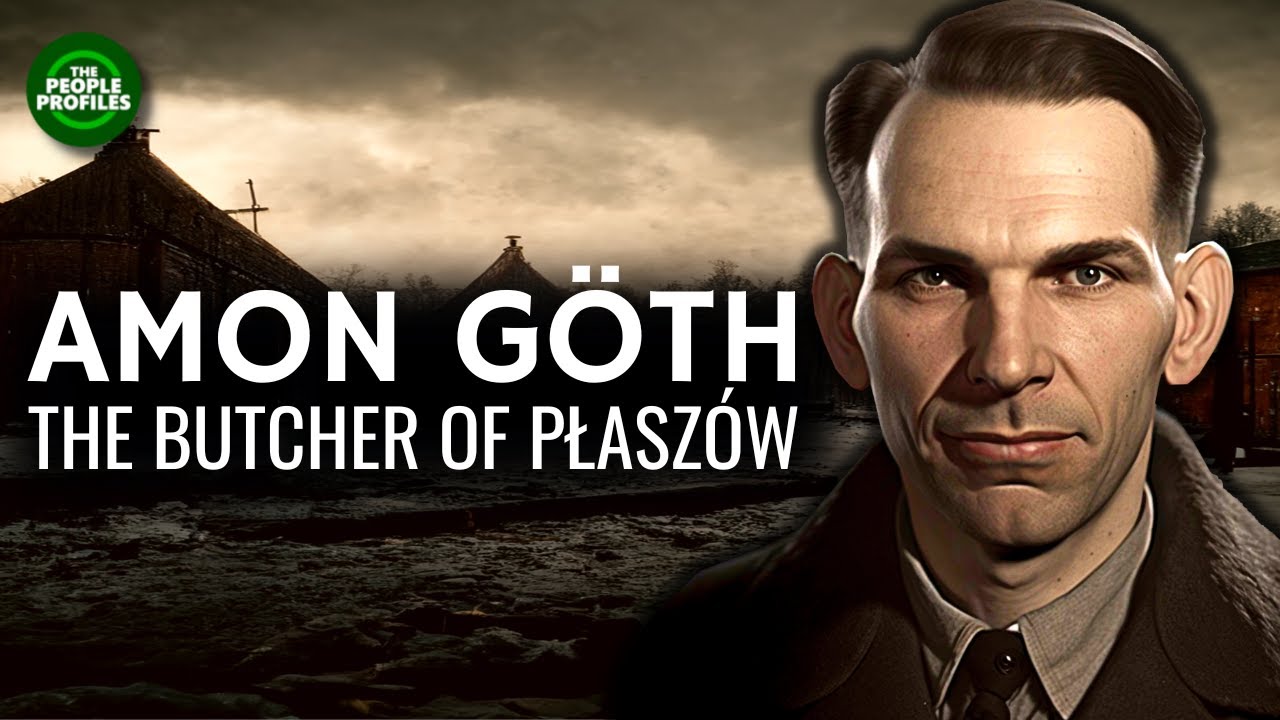
Amon Göth, commandant of the Kraków-Płaszów concentration camp, murdered thousands of Jewish inmates and inflicted severe psychological trauma during World War II.
Edward I, known as Longshanks, was born on June 17, 1239, and became one of the most controversial kings in English history.
Emeritus Professor Salim T.
99 percent of voters approved Hitler's reoccupation of the Rhineland in 1936, a move that significantly altered the balance of power in Europe.
Anglesey, once a stronghold of the Druids, faced Roman invasion aimed at dismantling their influence amid accusations of magical rituals and human sacrifice.
Augustus, the first emperor of Rome, is examined through his rise to power and the pivotal events that defined his reign.
Get Surfshark VPN with promo code THEPEOPLEPROFILES for 85% off and 3 months free.
Kim Il Sung's rise from a guerrilla fighter to the leader of North Korea illustrates the establishment of a dynastic regime under Japanese imperialism's shadow.
A 2,000-year-old stone tablet suggests the existence of a messiah who dies and rises after three days, predating the story of Jesus.
Albert Lin searches for the Knights Templar's treasure in the ancient city of Acre, once a key Crusader outpost in the Holy Land.
On July 16, 1918, Bolshevik forces executed Russia's last tsar, Nicholas II, and his family, marking a significant moment in the Russian Revolution.
Adolf Hitler's rise to power in Nazi Germany during the 1930s is examined, detailing his life from childhood to his final days in Berlin.
Oskar Schindler saved hundreds of Jews from death camps during World War II by insisting they were essential to operate his factory in Brunnlitz.
There are about 110 guilds in London today, but during the medieval period, the focus was on the 12 most powerful guilds that shaped urban life.
Jesus Christ's life is explored through key events such as his years in the wilderness and his ministry, providing insight into his humanity.
In medieval Europe, serfs comprised about 70% of the peasant population, as explored by Dr Eleanor Janega at Denny Abbey in Cambridge.
In 16th century Istanbul, the harem of Suleiman the Magnificent became a powerful center where women influenced the governance of the Ottoman Empire.
Diana, Princess of Wales, began a controversial relationship with Dodi Al-Fayed in 1997, raising questions about her feelings and intentions following her divorce from Prince Charles.
On August 8, 1588, Queen Elizabeth I delivered a speech to her troops at Tilbury, declaring her resolve against the Spanish Armada.
Caligula's reign as Roman emperor is examined by Professor Mary Beard, who evaluates the historical accuracy of the myths surrounding his notorious reputation.
On February 8, 1587, Mary, Queen of Scots, uttered her final words before her execution at Fotheringhay Castle in Northamptonshire, England.
Kim Jong-un commands a military of 1.2 million personnel while overseeing a regime that generates an estimated $2 billion annually through illicit trade.
In September 1926, a hail of gunfire outside the Hawthorne Inn in Cicero, Illinois, targeted Al Capone, who escaped unscathed from 1,000 shots.
Japan became the second largest economy in the world by 1989, during Hirohito's reign from 1926 to 1989, which included World War II and post-war recovery.
Prince William, now the Prince of Wales, navigates his royal duties and responsibilities shaped by the legacies of King Charles III and the late Queen Elizabeth II.
On April 9, 1483, Edward IV died, leaving his young son Edward and his brother Richard vulnerable to their uncle Richard Duke of Gloucester, who seized the throne.
A thirty-foot-wide cavity beneath the Taposiris Magna temple may hold the lost tomb of Cleopatra, according to archaeologist Kathleen Martinez.
Nero became emperor at the age of 16, ruling half the known world while grappling with a tumultuous legacy marked by political intrigue and personal tragedy.
A painful inquiry into his past leads Edward Said to reflect on the shared memory of the Palestinian people during his return to his homeland.