From over 100,000 films, discover the handful you'll love.
Free or premium access to the world's largest documentary library.
3628 films(Page 22 of 76)
Ancient Egyptian mummification practices are examined through the analysis of 2,500-year-old ointment jars found at Saqqara, shedding light on non-royal elite burial customs.
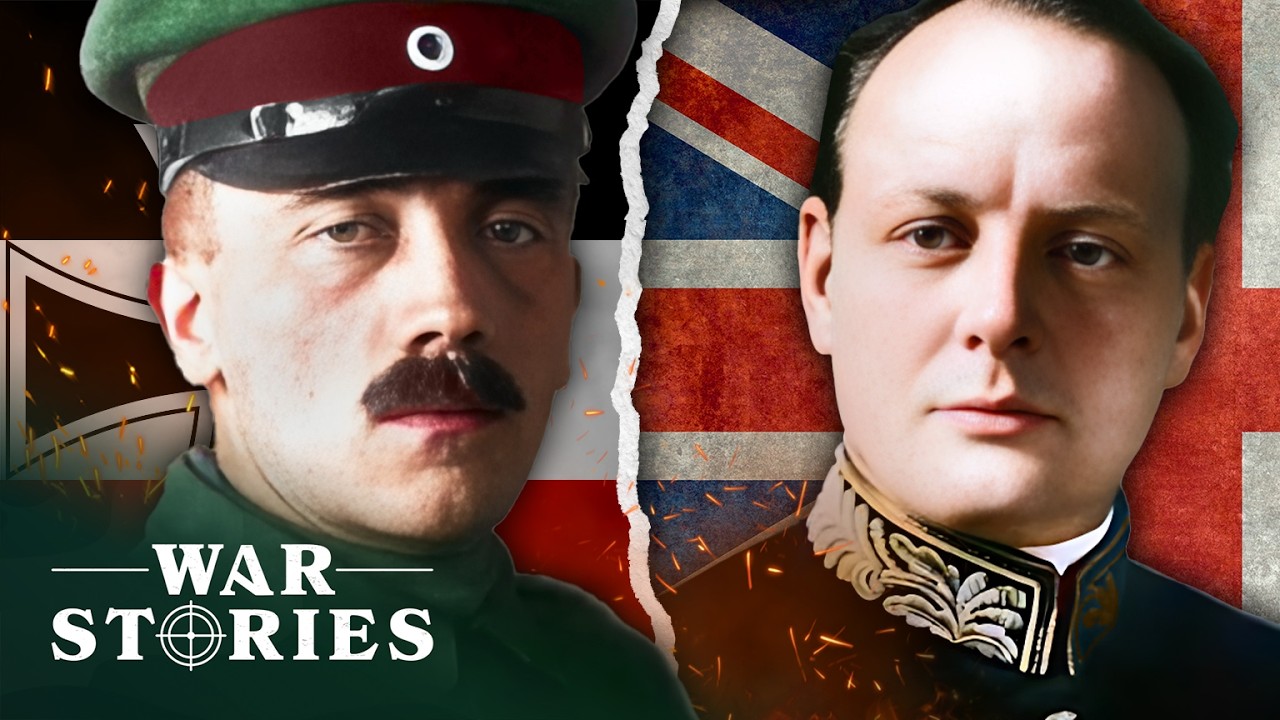
The intertwined histories of Adolf Hitler and Winston Churchill, shaped by their experiences in World War I, set the stage for their conflict in World War II.
On April 14, 1865, John Wilkes Booth shot President Abraham Lincoln in the back of the head during a performance at Ford's Theatre in Washington D.C.
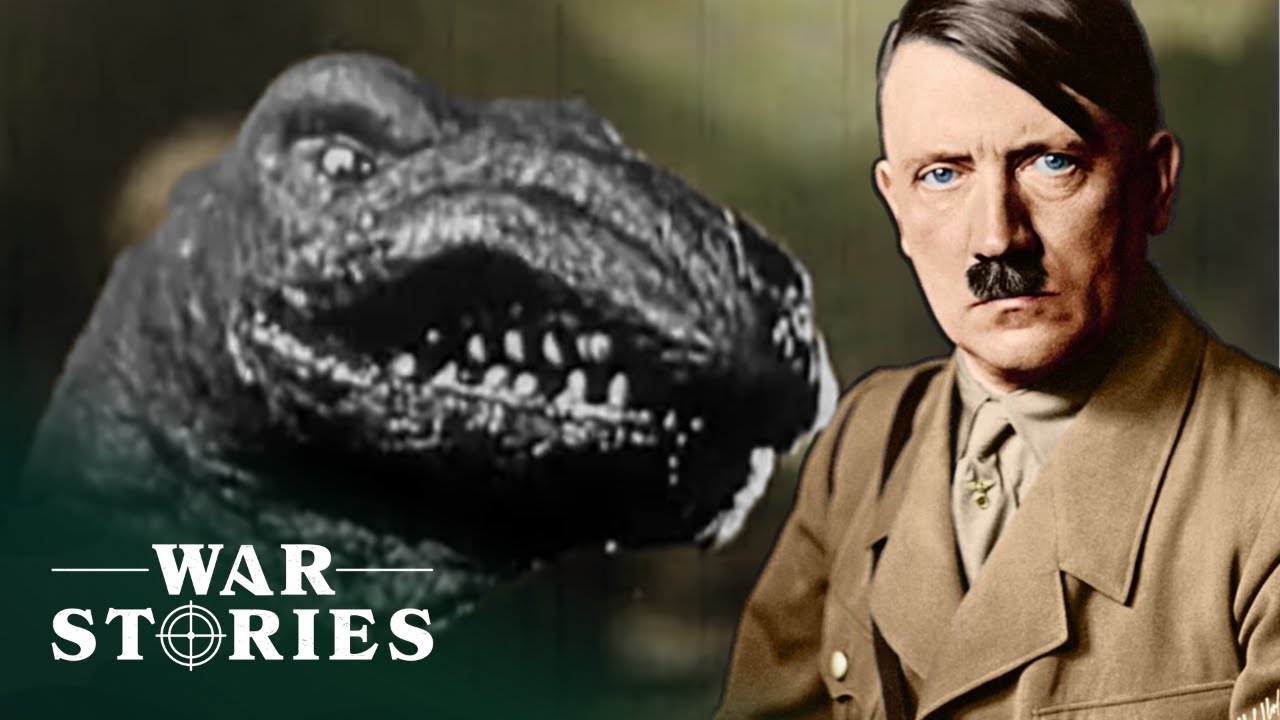
Nazi scientists conducted brutal experiments while zoologists attempted bizarre trials to create an Aryan master race during World War II.
Cleopatra II's reign in Ancient Egypt was marked by a tumultuous saga of incest, betrayal, and murder, highlighting the complexities of royal family dynamics.
Manuel Cortés, former mayor of Mijas, hides for 30 years after the Spanish Civil War.
Amon Göth, the commandant of the Kraków-Płaszów concentration camp, is examined for his role in mass murder and corruption during the Holocaust.
Coronations in the United Kingdom have been celebrated since 1066, marking moments of joy and tension in the monarchy's history.
In the UK, Dr Alice Roberts explores significant archaeological sites, including a Roman settlement, a gladiator cemetery, and wartime relics, revealing Britain's rich history.
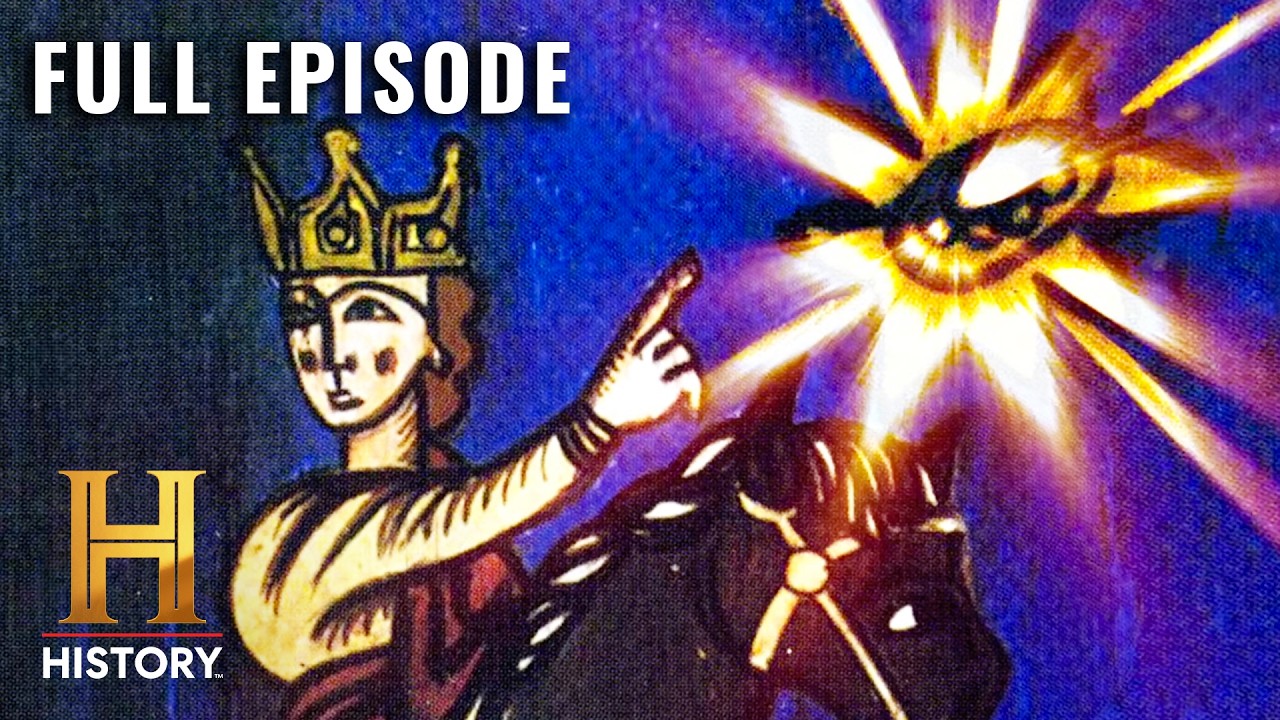
Reports of encounters with strange beings and sightings of unidentified flying objects span from the Middle Ages to modern times, highlighting humanity's fascination with extraterrestrial life.
Tony Vaccaro captured more than 8,000 images during World War II, documenting the daily life and death of soldiers on the front lines.
Princess Anne and Prince Charles faced significant challenges in 1992 as they navigated the pressures of a fragile British monarchy.
Ordinary life in Ancient Israel during the time of Jesus is explored, highlighting the daily struggles and occupations of its inhabitants.
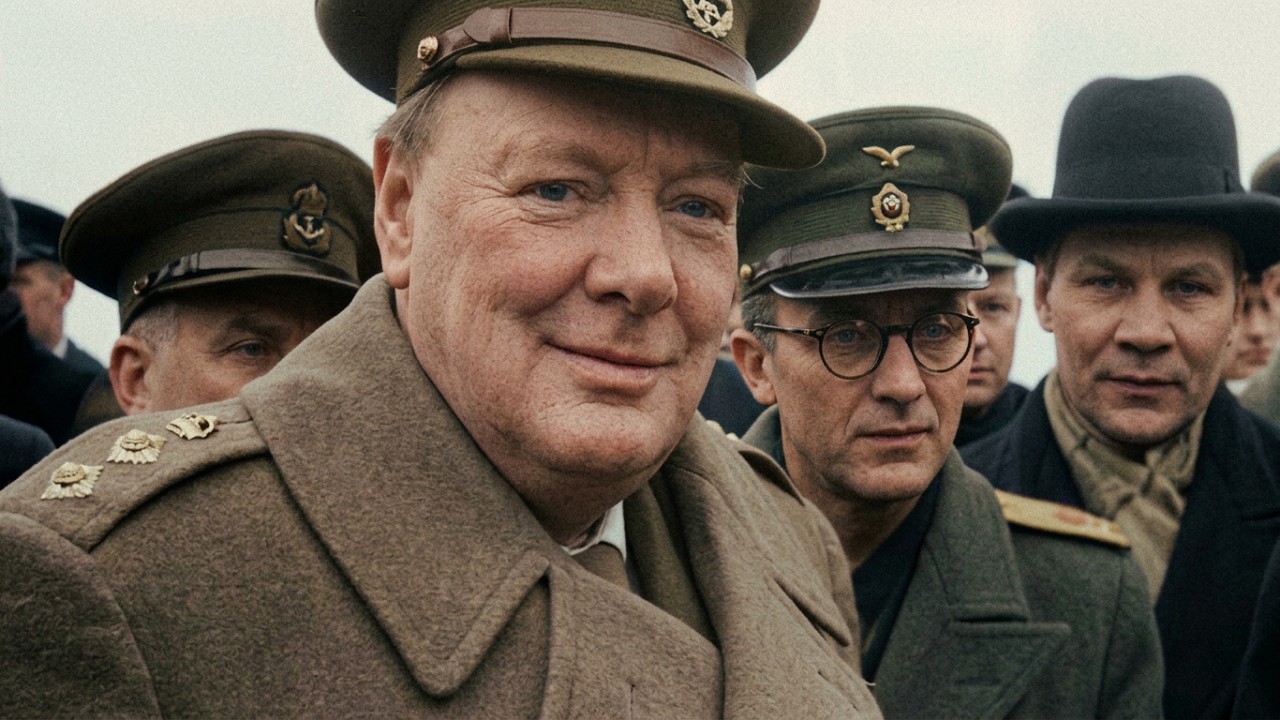
In February 1945, Stalin, Roosevelt, and Churchill met at the Yalta Conference to negotiate the post-war order, revealing a complex interplay of espionage and psychological tactics.
Hermann Göring's life is examined, detailing his rise as a decorated World War I ace and key Nazi leader, culminating in his trial as a war criminal at Nuremberg.
King Edward I, born in 1239, is examined for his complex legacy marked by administrative reforms, harsh policies, and military campaigns in Scotland.
Chögyam Trungpa Rinpoche, a pivotal figure in the introduction of Tibetan Buddhism to America, challenged traditional norms while gaining recognition from spiritual leaders like the Dalai Lama.
The Medal of Honor, the highest military decoration in the United States, was established to recognize extraordinary acts of valor among service members across various branches.
In 1468 England, two teams of squires compete to prepare their knights for a jousting tournament, highlighting the training and culture of medieval chivalry.
The Crusades, marked by the conflict between Richard the Lionheart and Saladin in 1190, spanned nearly two centuries of warfare over the Holy Land.
On June 24, 1812, La Grande Armée crossed into the Russian Empire, marking the beginning of Napoleon's campaign against Tsar Alexander.
Ramesses II's military campaigns against the Hittites solidified his reputation as one of ancient Egypt's most formidable and ambitious pharaohs.
Grimsthorpe Castle, along with five other historic houses in Britain, showcases rare royal artefacts and significant collections nominated for the 2024 Historic Houses Collections Award.
Athens, the cradle of Western culture, played a pivotal role in the development of democracy and remains unmatched in its historical significance.
In the 1976 Olympics in Montreal, Nelli Kim competes for the Soviet Union's women's gymnastics team, ultimately winning a gold medal with a perfect score on the floor exercise.
210 million people rely on Abdurrahman Wahid as he navigates Indonesia's political challenges while managing his own health issues, including blindness and stroke recovery.
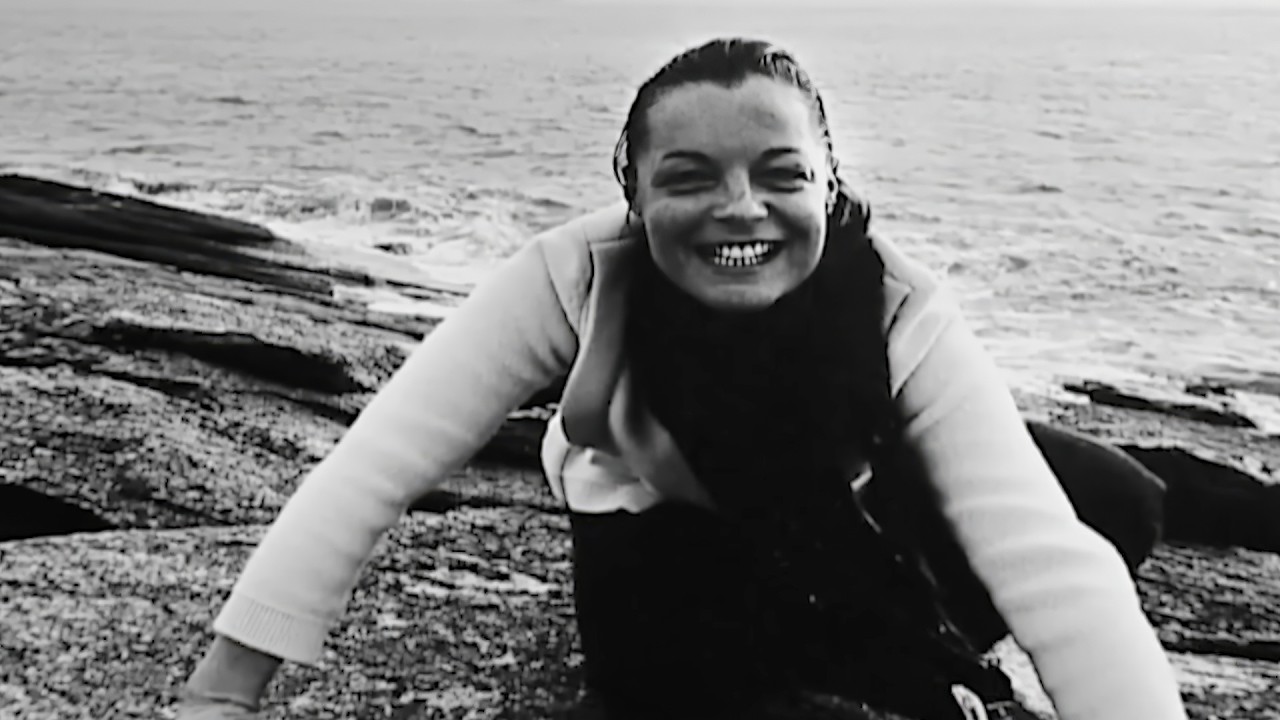
A series of photographs taken in the last days of Romy Schneider's life reveal the intense media scrutiny she faced before her death in 1982.
Carthage evolved from a Phoenician trading base into a powerful center of trade and seafaring, ultimately rivaling Rome for dominance in the Mediterranean.
Extraterrestrial beings, including the Greys and the Anunnaki, are examined for their potential influence on humanity throughout history and across the cosmos.
A modern Viking ship, the Draken Harald Hårfare, was built using historical methods to test ancient shipbuilding theories, revealing challenges faced by Vikings.
Elvis Presley sold more than 1 billion records worldwide and starred in 33 films, becoming a key figure in 20th-century pop culture.
Genghis Khan is depicted as both a brutal conqueror responsible for mass executions and a progressive leader who promoted religious tolerance and meritocracy.
Martin Bormann, Adolf Hitler's deputy and a key figure in the Holocaust, evaded capture after World War II, prompting a 30-year manhunt led by Simon Wiesenthal.
Two armies faced off at Pitgaveny on August 14, 1040, leading to the death of King Duncan I and the rise of Macbeth as King of Scots.
The construction and transatlantic voyage of the Draken Harald Hårfagre, the largest authentic Viking ship replica, connects Norway to Newfoundland.
Adolf Hitler's recruitment strategies for Nazi high command are examined through the roles of key figures like Heinrich Himmler and Joseph Goebbels in shaping the regime.
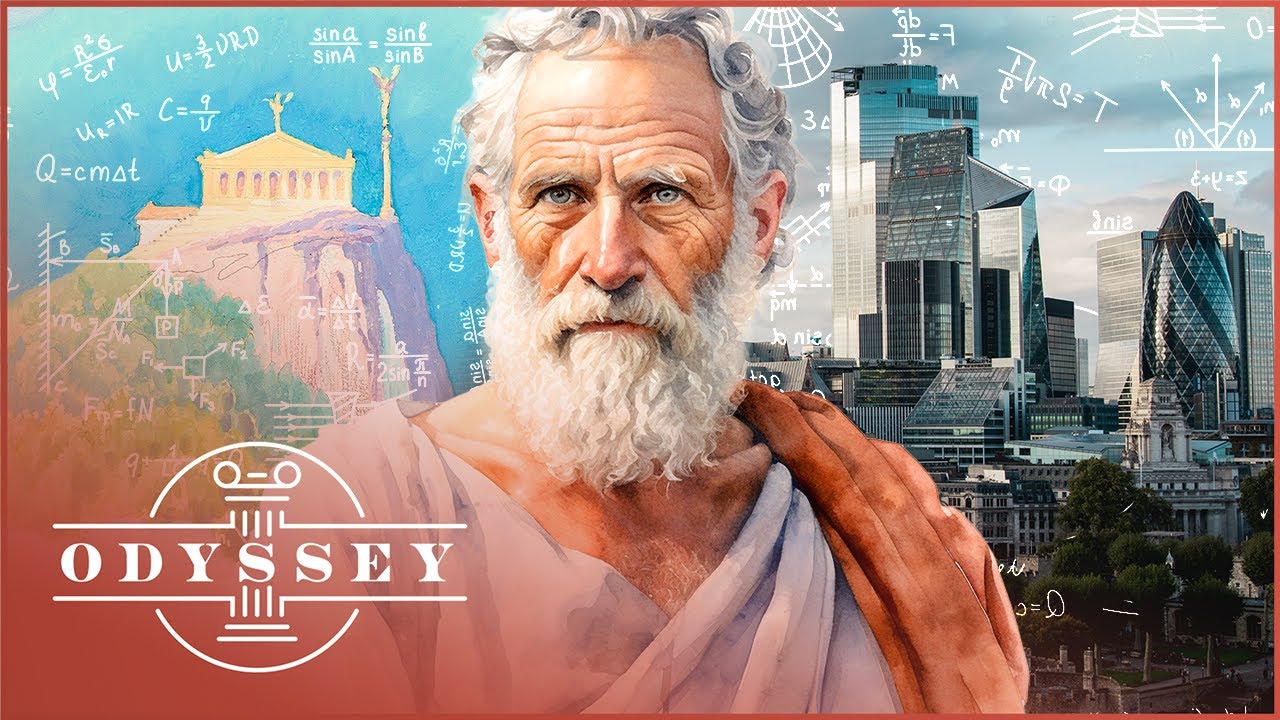
Ancient Greece's philosophers, including Plato and Pythagoras, laid the groundwork for modern mathematics and critical thinking that shape contemporary understanding.
Caligula, often labeled as Ancient Rome's maddest Emperor, is examined by Tony Robinson to determine the truth behind his notorious reputation and actions.
Harold Godwinson, the last Anglo-Saxon king of England, faced a succession crisis and pivotal battles in 1066 that reshaped British history.
Queen Nefertiti's iconic bust, unearthed in 1912 by Ludwig Borchardt, is at the center of a modern controversy involving claims of forgery and demands for its return to Egypt.
Daily life for Roman soldiers involved protecting city borders during peacetime and is illustrated through ancient artefacts from the Roman Empire.
Princess Margaret was born on August 21, 1930, at Glamis Castle in Scotland, the younger sister of Queen Elizabeth II.
Queen Boudicca leads the Iceni tribe in a revolt against Roman rule in Ancient Britain following the death of her husband, King Prasutagus.
Following the death of Maharishi Mahesh Yogi, Transcendental Meditation's evolution is explored through the perspectives of David Lynch and Bobby Roth.
Friedrich Engels was born on November 28, 1820, in Barmen, a town in the Kingdom of Prussia, which later became part of Wuppertal, Germany.
Jesus Christ's appearance has been a subject of speculation for centuries, with the Veil of Veronica being a focal point in the search for his true likeness.
The National Maritime Museum reveals the complex history of Britain's Royal Navy, including Admiral Nelson's death, the Franklin Expedition, and modern piracy.
Explorers and historians investigate ancient artifacts, including the Book of Thoth, crystal skulls, and the Minotaur's Labyrinth, to reveal historical truths.