From over 100,000 films, discover the handful you'll love.
Free or premium access to the world's largest documentary library.
3628 films(Page 10 of 76)
Otto Skorzeny was born on June 12, 1908, in Vienna and became known for his commando operations during World War II, including the rescue of Mussolini.
In 1671, Captain Henry Morgan led a fleet of 36 ships and nearly 2,000 pirates to raid the Chagres River, targeting Spanish riches.
At 482 feet high, the Great Pyramid was the tallest structure on Earth for 4,000 years and served as the final resting place of pharaoh Khufu.
Oswald Mosley’s political activities and the rise of fascism in Britain during the early 20th century are examined within a historical context.
On May 14, 1948, David Ben-Gurion proclaimed the creation of the State of Israel, marking a significant moment in Jewish history.
Robert Mugabe's life in Zimbabwe illustrates his evolution from a freedom fighter against colonialism to a leader associated with tyranny and economic collapse.
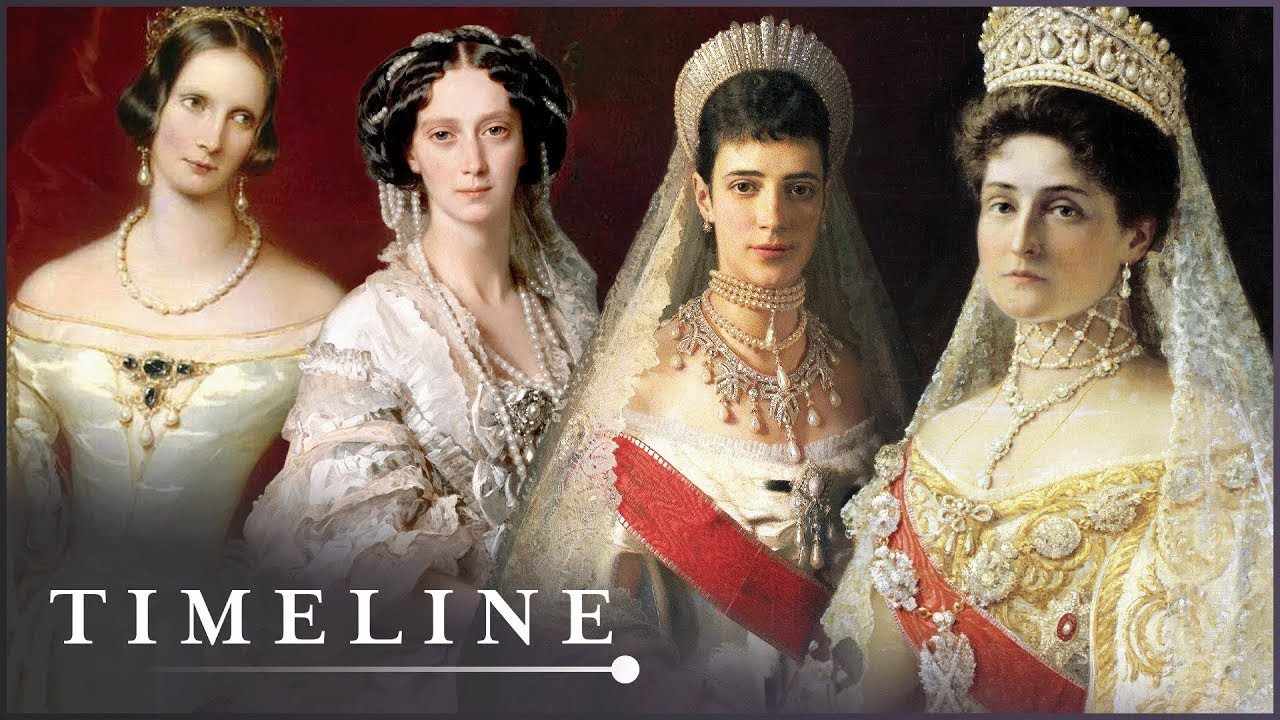
Charlotte von Prussia traveled 1,500 kilometers by horse-drawn carriage to Saint Petersburg in 1817 to marry Grand Duke Nicholas.
3,000 soldiers were shipped to the 84th Infantry Division in April 1944 before engaging in critical battles along the Siegfried Line during World War II.
In Northern Ireland, archaeologists including Colm Donnelly and Hiram Morgan search for the medieval castle of Dungannon, linked to the O'Neill dynasty.
Nazi Admiral Karl Dönitz's U-Boat tactics during World War II, particularly his Wolfpack strategy, nearly led to Britain's starvation and surrender.
Archaeologists in the West of England reveal a massive Anglo-Saxon war cemetery alongside insights into Britain's earliest leprosy hospital and Roman military practices.
In 1066, William the Conqueror led the Normans to victory at the Battle of Hastings, marking a significant shift in English history.
William, orphaned at eight, overcame early challenges to lead Normandy and ultimately conquer England in 1066, reshaping European power dynamics.
Hitler's obsession with the Spear of Destiny, the actions of Hermann Göring in rescuing Jews during the Holocaust, and government experiments on citizens are examined.
Two million men volunteered to fight after Britain declared war in August 1914, driven by a wave of patriotic fervor and propaganda.
Simón Bolívar was born on July 24, 1783, in Caracas, Venezuela, into one of the wealthiest families in the Spanish colonial empire.
Paul Touvier, a Nazi collaborator, was found guilty of crimes against humanity and sentenced to life in prison, becoming the first French citizen to face such charges.
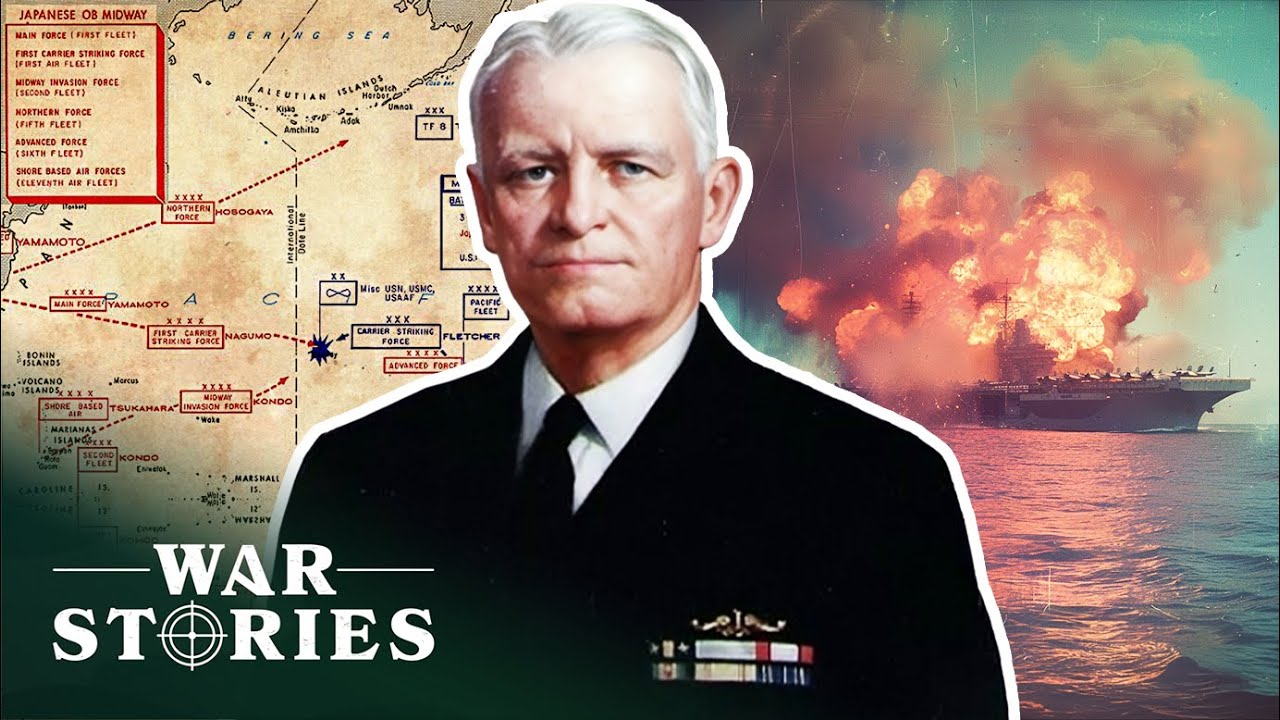
188 aircraft were destroyed during the Japanese attack on Pearl Harbor on December 7, 1941, marking a significant escalation in World War II.
Six million Jews were murdered during the Holocaust, a genocide carried out under Adolf Hitler's regime from 1934 to 1945.
Squire Martin prepares a succulent dish of goose for his lord in the year 1427, demonstrating the culinary skills of medieval master cooks.
The Tudor dynasty, marked by the reign of Elizabeth I and characterized by naval battles, succession crises, and family feuds, ultimately faced its decline.
Coventry's lost medieval cathedral reveals a burial chamber and artifacts from the Saxon and Early English periods, buried since King Henry VIII's dissolution of the monasteries.
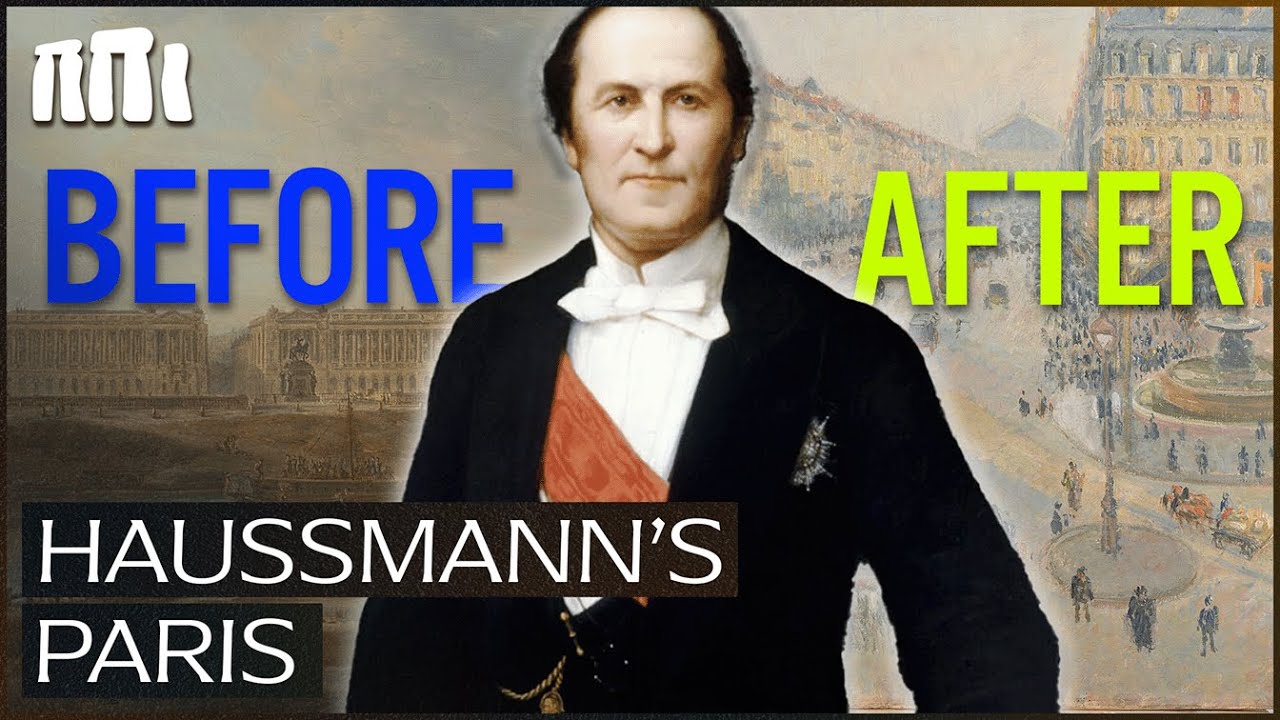
Baron Haussmann's modernization of Paris under Napoléon III transformed the city with iconic structures like the Arc de Triomphe and major transportation hubs.
The Battle of the Somme, the bloodiest conflict of World War I, is examined through the extraordinary bravery of seven men awarded the Victoria Cross.
Sir Hugh Dowding was born on April 24, 1882, in Moffat, Scotland, and later became a key figure in Britain's defense during World War II.
From Lenin's death to Gorbachev's reforms, the evolution of the Soviet Union is marked by political turmoil, war, and the eventual collapse in 1991.
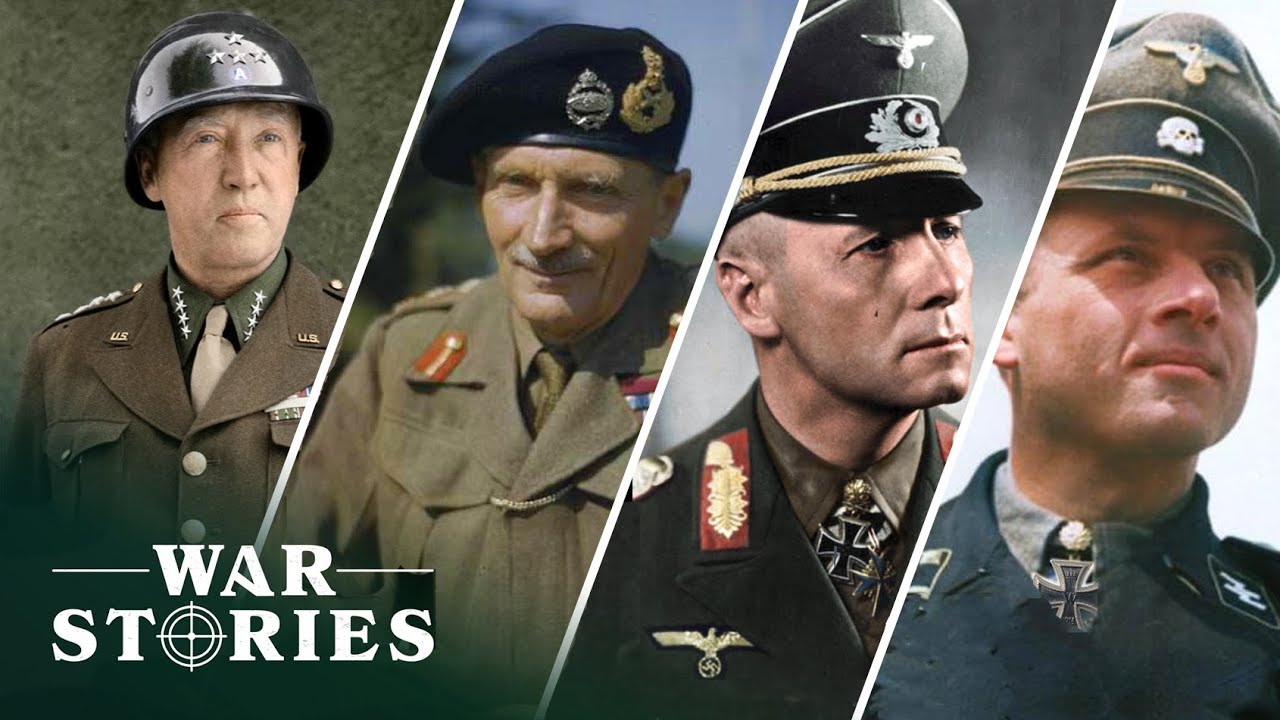
In January 1942, the British Eighth Army faced off against the German Panzer Army Africa, with Rommel commanding 228 tanks against over 400 British tanks.
Pontius Pilate is examined as a complex figure in Ancient Judea, revealing the political motivations behind his role in the crucifixion of Jesus Christ.
Franklin Delano Roosevelt's presidency from 1933 to 1945 is examined, highlighting his leadership during the Great Depression and World War II, along with his personal struggles.
Harald Hardrada, born in 1015 or 1016, led a massive invasion fleet to England in 1066, marking a significant moment in Viking history.
A medieval castle built atop an ancient Roman fort reveals insights into the historical significance and cultural evolution of the region's inhabitants.
Hitler's underestimation of the United States during World War II is examined through the lens of the US War Department's strategies and personal accounts from soldiers.
Ancient Alexandria, founded by Alexander the Great in 331 BC, evolved into a global center of culture, attracting wealth and knowledge from around the world.
A 47-minute examination of Henry Kissinger's influence on Realpolitik during the Cold War includes insights into his early life in Nazi Germany.
A circular crop mark near Peterborough, believed to be a 6,000-year-old causewayed enclosure, is examined by Francis Pryor and Ben Robinson for its origins.
Marie Curie was born on 7th November 1867 in Warsaw, Poland, and became the first woman to win a Nobel Prize in 1903 for her work in physics.
A 1985 interview reveals Margaret Thatcher's candid thoughts on being the first female Prime Minister and the challenges of public life.
Stanford White designed the Washington Square Arch, a prominent symbol of New York City, and was a key figure in the city's Gilded Age architecture.
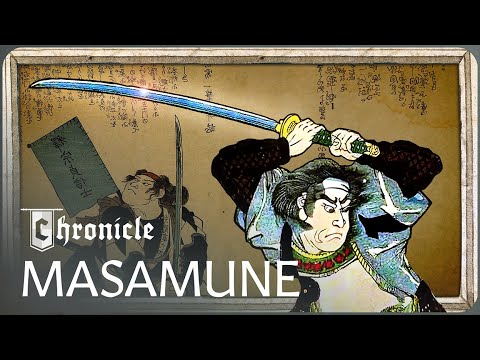
The Honjo Masamune, a legendary samurai sword crafted by Goro Nyudo Masamune, remains missing since its surrender to Allied forces after World War II.
Henry II, the first Plantagenet king, significantly shaped English history through his reign, marked by legal reforms and territorial expansion.
Michelle Obama grew up in a small apartment above her aunt's home on the South Side of Chicago, where she developed a determination to succeed.
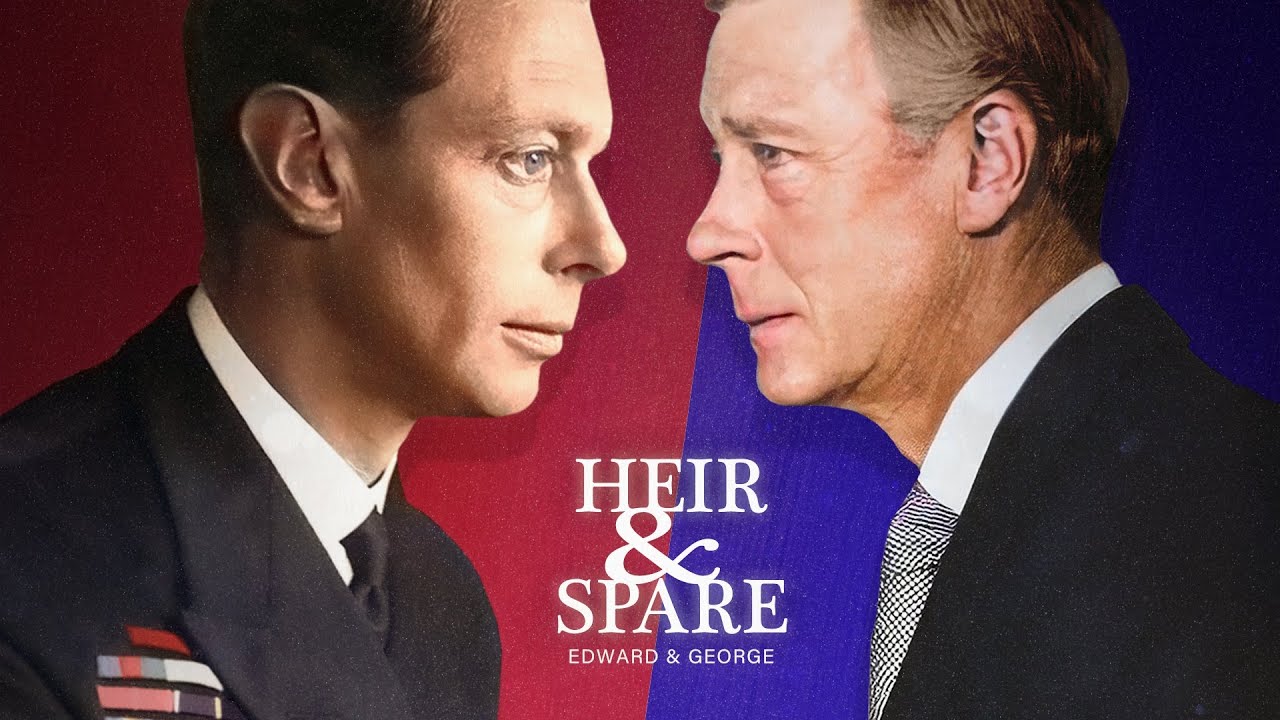
Edward and George, two brothers of the British Royal family, navigated the complexities of monarchy, with Edward's abdication shaping George VI's reign during World War II.
Hugh Dowding's leadership and strategic foresight were crucial in enabling RAF Fighter Command to defend Britain during the pivotal Battle of Britain in 1940.
April 14, 1865, marks Abraham Lincoln's final address, where he speaks of binding up the wounds of the country and the government of the people.
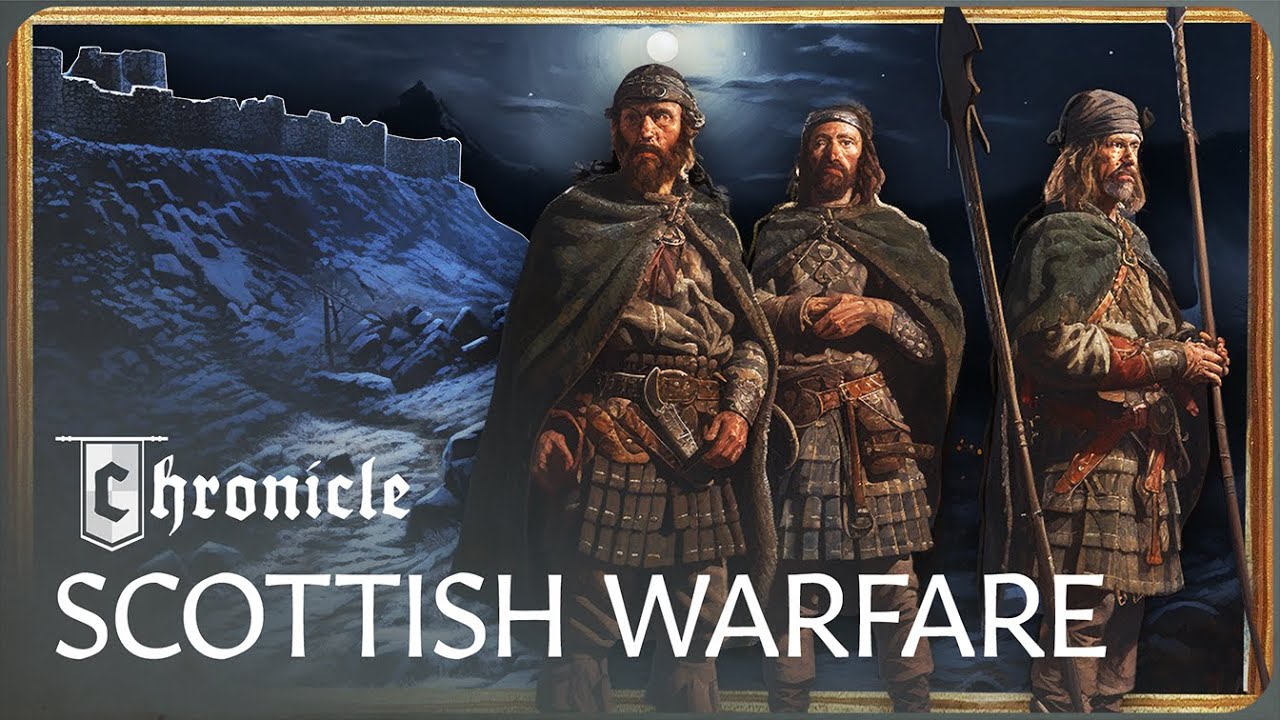
Scottish clans, rooted in Pictish heritage and influenced by Viking culture, developed formidable military tactics to resist English rule, notably during the wars of independence led by figures like William Wallace.
King Arthur, the legendary British monarch, remains a subject of intrigue as medieval archaeologists search for evidence of his existence and final resting place.
Erich Hartmann, with 352 aerial victories, became the most successful fighter pilot in history during World War II.
The Wars of the Roses were a series of civil wars between the York and Lancaster families, culminating in the Battle of Bosworth and the rise of the Tudor dynasty.