From over 100,000 films, discover the handful you'll love.
Free or premium access to the world's largest documentary library.
3629 films(Page 28 of 76)
The crew of the Draken, the world's largest reconstructed Viking longship, attempts to navigate Iceberg Alley from Iceland to North America, facing severe challenges.
Dr. Zahi Hawass and his team explore the ancient stone maze of Gisr el-Mudir in Saqqara, searching for the tomb of the polymath Imhotep.
An archaeological dig at Bradgate Park reveals the true structure of Lady Jane Grey's childhood home, challenging long-held historical beliefs.
In 1942, the First Special Service Force became the first combined American and Canadian fighting unit, earning the nickname "Black Devils" for their night raids.
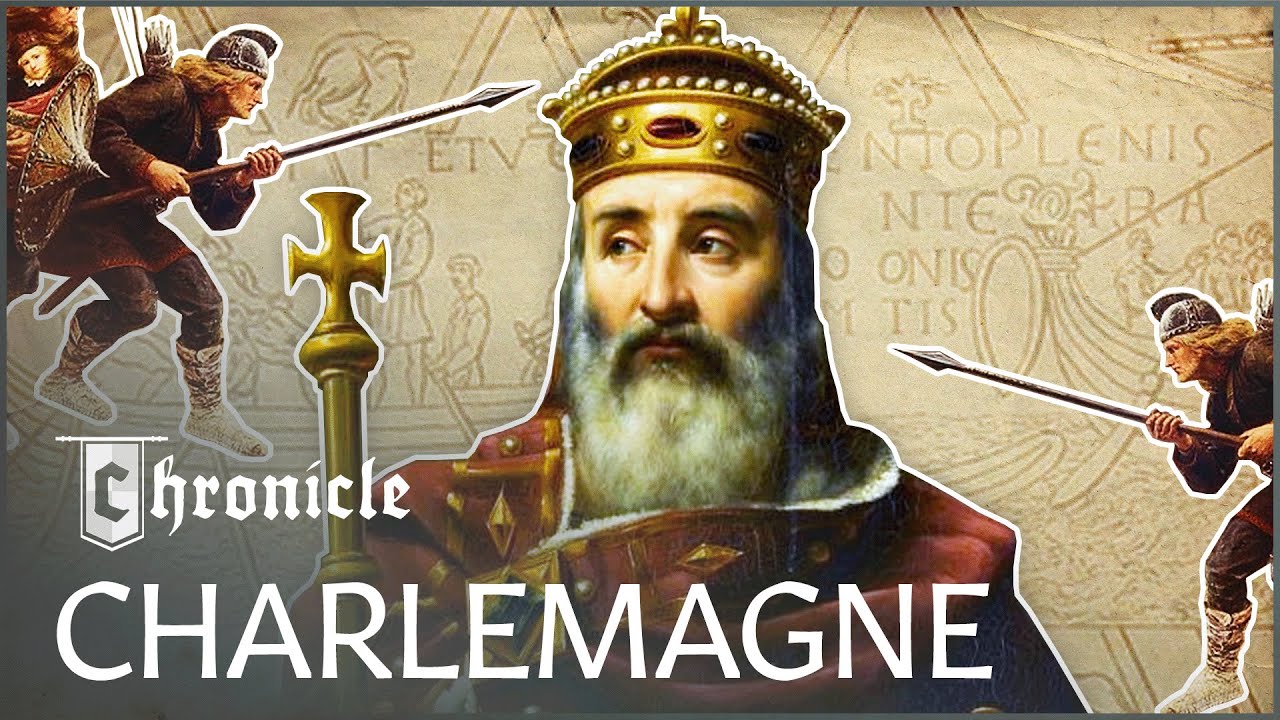
Charlemagne, the Frankish emperor, confronts Viking raids on Northern Europe, highlighting the clash of religion, power, and empire during this turbulent period.
King George VI navigated the challenges of leadership during World War II, balancing public pressure and personal anxiety while upholding his royal duties.
Ramesses II, known as Egypt's most famous pharaoh, is examined for his military achievements, architectural legacy, and the manipulation of historical narratives.
Werner Heisenberg was born on December 5, 1901, in Wurzburg, Bavaria, and became a key figure in the German nuclear weapons program during World War II.
In Samara, Olga provides companionship to the terminally ill, while Ivan carves gravestones in the Urals and Dmitry explores creative expressions of death in Novosibirsk.
Barrow Clump, a 4,000-year-old Bronze Age burial mound in Salisbury Plain, reveals elite Anglo-Saxon graves and artifacts through a collaboration of excavators and injured soldiers.
Princess Beatrice was born at Portland Hospital in London on August 8, 1988, and has faced intense media scrutiny throughout her life.
Viking raids on Francia intensified in the 9th century, culminating in a two-month siege of Paris following the death of Charles the Bald in 877 CE.
The Lost Ninth Legion, an elite Roman fighting force, played a crucial role in Britain before its mysterious disappearance during the early 2nd century AD.
Confucius, a foundational figure in Chinese philosophy, is explored through his teachings and the enduring influence of Confucianism on society.
King George VI and his family navigated the challenges of World War II, striving to lead Britain and the Commonwealth through adversity and uncertainty.
Oskar Schindler, a German industrialist, saved 1,200 Jews during the Holocaust by employing them in his factories and bribing Nazi officials to protect them.
The Amber Room, a lavish installation in the Catherine Palace near St Petersburg, was dismantled by Nazis during WWII, and its current whereabouts remain unknown.
Wilhelm Canaris, head of Nazi Germany's Abwehr, acted as a double agent during WWII, leaking information to the Allies and plotting against Hitler.
Blenheim Palace and Windsor Castle showcase Britain's royal heritage through their opulent architecture, historical significance, and connections to figures like Queen Anne and Sir Winston Churchill.
In the 13th century, advancements in castle design and siege tactics reflected the violent dynamics of the Crusades and dynastic conflicts in medieval Europe.
Ötzi, a 5,000-year-old frozen mummy found in the Alps, provides insights into ancient life, health, and the circumstances surrounding his violent death.
Over 20,000 German soldiers are commemorated at a cemetery in Le Combe, many of whom were conscripted schoolboys caught in Hitler's plans.
Herod the Great's architectural legacy and the search for his tomb at the Herodion by Professor Ehud Netzer are examined through historical and archaeological perspectives.
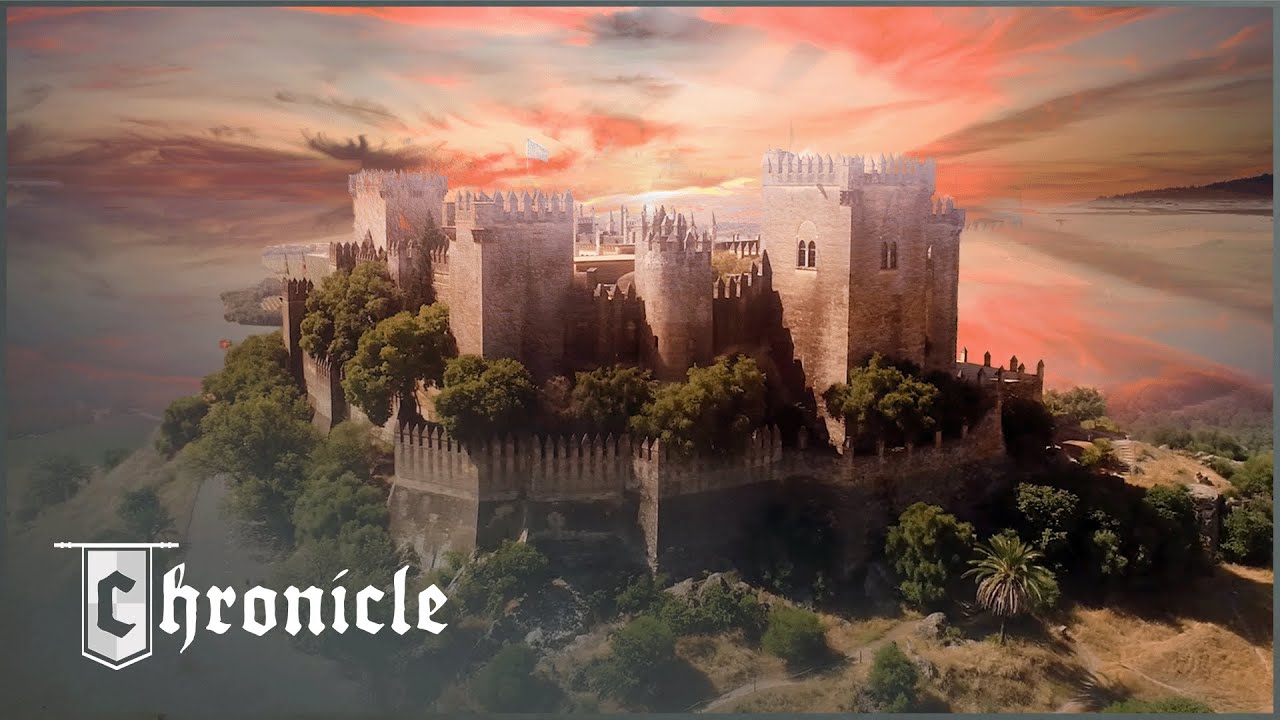
Spain's medieval castles, from the military strongholds of the Reconquista to royal palaces, reveal the architectural and historical significance of these fortresses.
Tiberius Gracchus, a key figure in ancient Rome, is remembered for his military achievements and tragic fate as a champion of the common citizen farmer.
Political compromise shaped the selection of U.S. presidents like Franklin Pierce and Gerald Ford, highlighting the complexities of leadership in American history.
Mary Beard narrates the history of the Roman Empire, covering its origins, military expansion, cultural transformations, and eventual decline influenced by Christianity.
Karnak Temple Complex in ancient Egypt served as a monumental sanctuary for pharaohs like Hatshepsut and Ramesses II, honoring the god Amun and recording significant historical events.
In 1381, a major uprising led by English peasants challenged King Richard II, driven by grievances over taxation and social inequality.
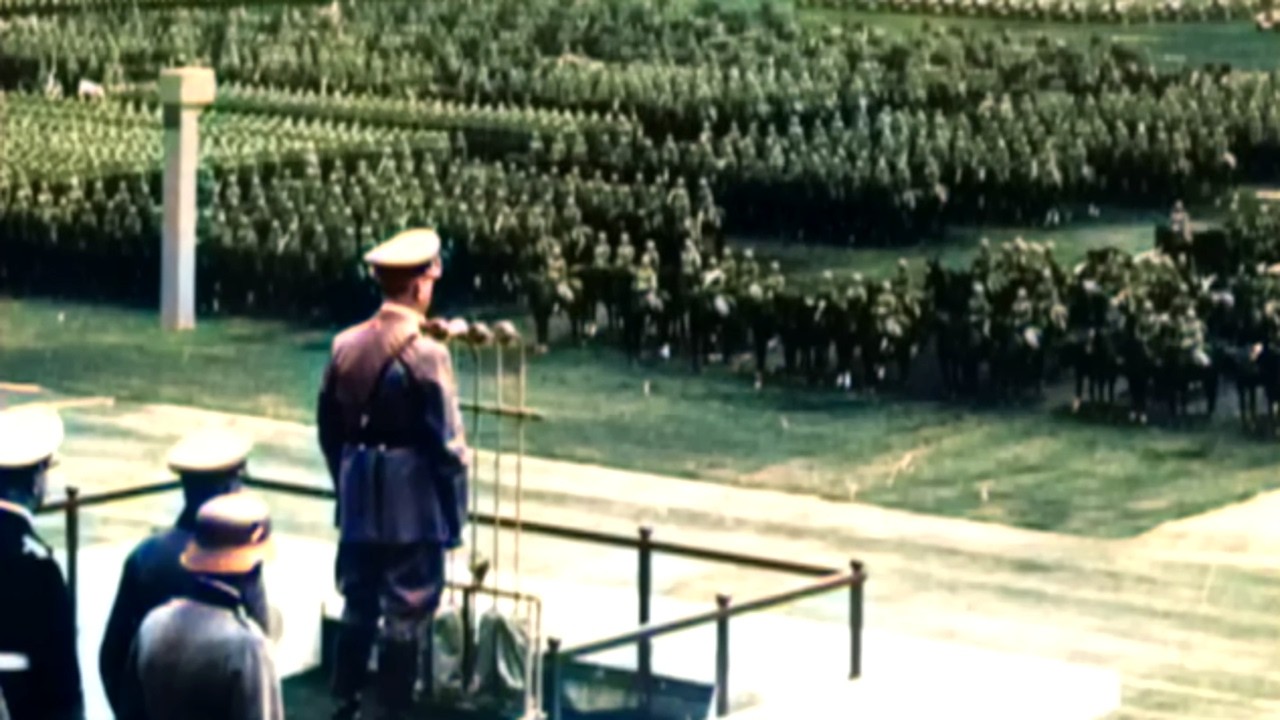
In April 1945, as the Red Army advances on Berlin, Adolf Hitler's leadership deteriorates in the Führerbunker amid paranoia and desperation.
Cleopatra's life is examined through archaeological findings and expert insights, focusing on her reign, mausoleum, and the downfall alongside Mark Antony.
The Great Heathen Army, a formidable Viking force, captures the Northumbrian capital of York, showcasing their advanced military strategies and impact on England.
The Titanic's tragic sinking is examined through ten critical errors, from its construction to the iceberg collision near Newfoundland.
After Jesus Christ's death, the Twelve Apostles undertook the mission of spreading Christianity, traveling to various regions to preach his teachings.
53 people appear in a painting commemorating Queen Victoria's golden jubilee, representing her extensive family that influenced European royal politics.
Ancient Egypt's towering obelisks, traditionally viewed as monuments to pharaohs, are examined for their potential technological purposes in this episode.
General Montgomery's strategic decisions during the North African campaign, particularly at the Battle of El Alamein, significantly shifted the momentum against Axis forces.
Eva Braun's influence and role within Adolf Hitler's inner circle and the dynamics of the Third Reich are examined through historical analysis and expert commentary.
Daniel Harold Rolling, known as the Gainesville Ripper, murdered five students in Florida in 1990 and was later idolized by Bryan Kohberger, the Idaho Murders suspect.
Britain's first double henge near Stonehenge, a Bronze Age village, and the first Roman siege highlight significant archaeological findings across ancient sites.
455 years before the birth of Christ, Athens and Sparta engaged in a bitter feud that would lead to the devastating Peloponnesian War.
Augustus, Rome's first true Emperor, manipulated the aftermath of Julius Caesar's assassination to consolidate his power and reshape the ancient world.
Mike Wolfe and Frank Fritz travel across the United States in search of rare and vintage Harley-Davidson motorcycles, showcasing classic bikes and forgotten parts.
On July 3, 1994, tens of thousands gathered in Gaza City to welcome Yasser Arafat back after decades in exile, marking a significant moment in Palestinian history.
Barbarians such as the Huns, Vandals, and Goths are examined for their artistic contributions during the Dark Ages, challenging the narrative of their role in the fall of the Roman Empire.
On May 18, 1268, Mamluke forces led by Baybars captured Antioch, marking a significant defeat for the Christians in the Crusades.
Julius Caesar's campaigns from 58 BC to 53 BC against the Gallic tribes illustrate Rome's military expansion and the strategic motivations behind the conquest of Gaul.
In 1945, Winston Churchill faced a landslide defeat in Britain’s general election due to his disconnect with the public and a desire for post-war change.