From over 100,000 films, discover the handful you'll love.
Free or premium access to the world's largest documentary library.
3628 films(Page 17 of 76)
Flavius Josephus, a first-century historian, provides insights into the historical context of Jesus Christ, challenging the accuracy of biblical accounts.
Charles Manson, the notorious leader of the Manson Family, orchestrated a series of infamous crimes in California during the late 1960s.
Archaeological findings reveal the existence of a 10th-century female Viking warrior, challenging traditional gender roles in Norse society.
In northern Israel, the historical context of Jesus' ministry around the Sea of Galilee is analyzed, questioning the intersection of history and theology.
In the 16th century, the Inca Empire retreated to the jungles of Peru to establish Vilcabamba, a stronghold later sought by explorer Hiram Bingham.
Crusader fortresses in Syria, Israel, and Lebanon exemplify military and architectural innovations developed during the nearly two-century conflict between Christian and Muslim forces.
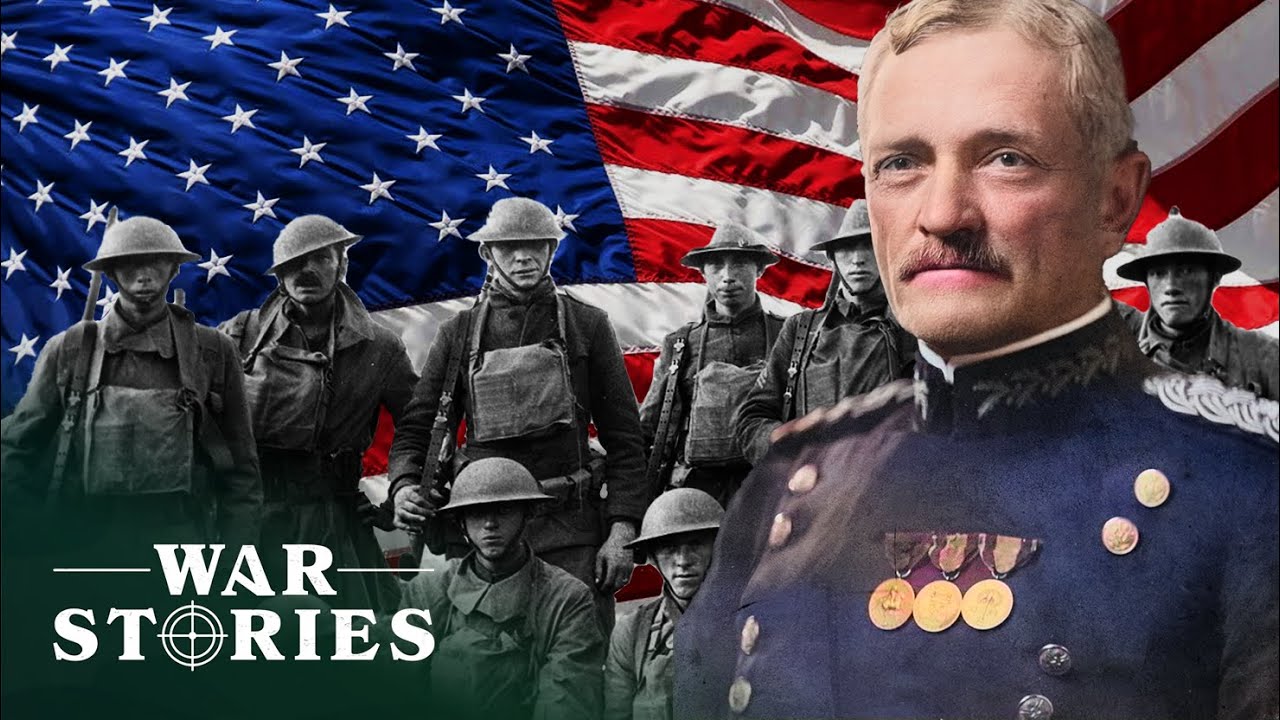
General John J. Pershing's leadership and military strategies continue to influence young American cadets as they explore his historical achievements and modern impact.
In 480 BC, 300 Spartans faced overwhelming Persian forces at Thermopylae, sacrificing themselves to protect Greece from invasion.
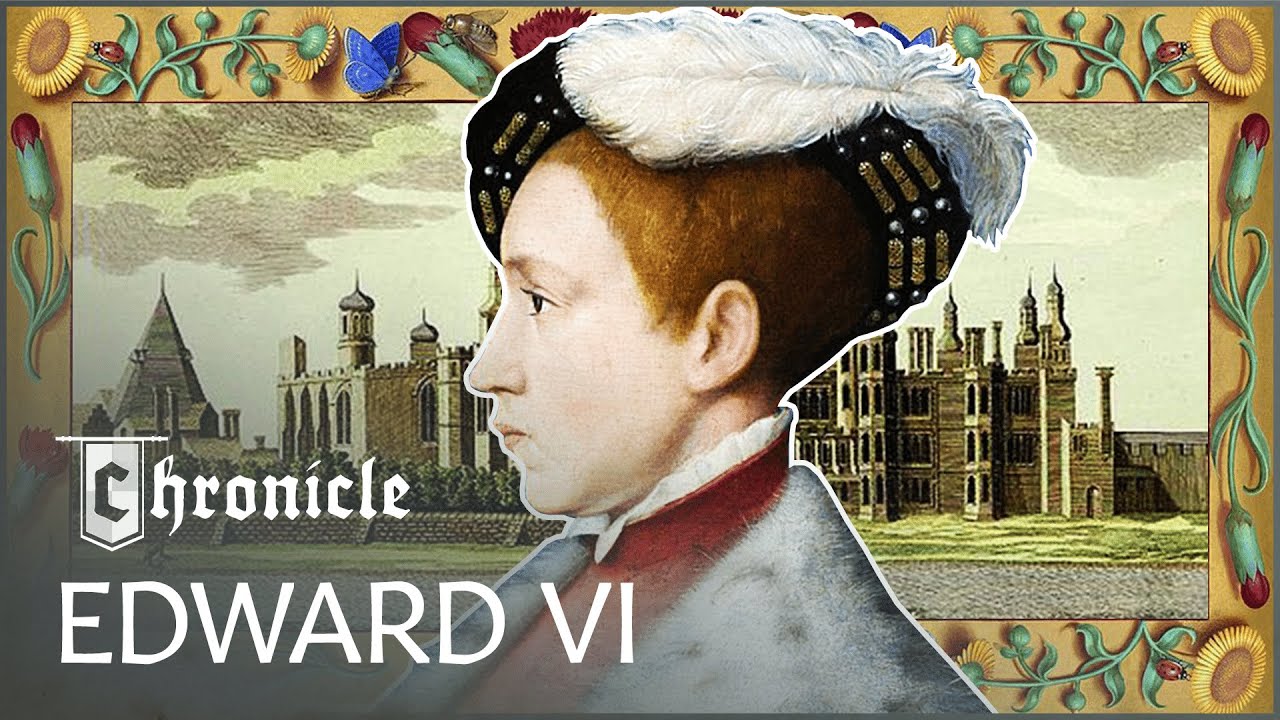
Edward VI became King of England at just nine years old after the death of his father, Henry VIII, navigating a divided Tudor court marked by religious conflict.
Princess Diana's legacy as the People's Princess is explored through her defiance of royal traditions, including her fashion choices and personal vows.
The Wars of the Roses, a series of dynastic conflicts between the York and Lancaster families, led to significant changes in English monarchy and the rise of the Tudor dynasty.
Prince Harry's decision to prioritize personal freedom over royal duty highlights the complexities and consequences of his life choices within the British monarchy.
In the Elizabethan era, TV presenters and celebrities including Fern Britton and Louise Minchin experience the demanding life of servants preparing a banquet for nobility.
The Tudor dynasty, spanning from Henry VII to Elizabeth I, is marked by intense power struggles, familial betrayals, and civil wars for the English crown.
Gnaeus Pompeius, known as Pompey the Great, was born on September 29, 106 BC, in Picenum, a region on the Adriatic coast of central Italy.
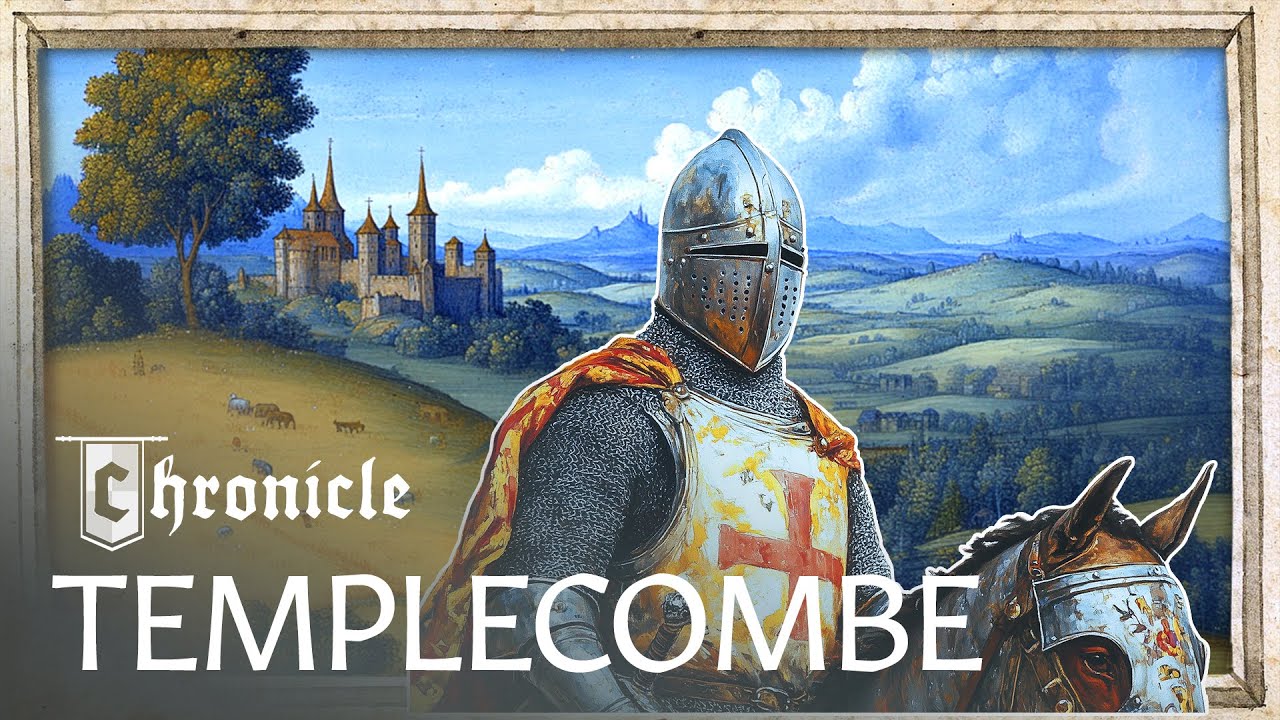
Templecombe in Somerset serves as the focus for a team of archaeologists aiming to locate the 12th-century priory of the Knights Templar.
New York's Metropolitan Museum of Art reveals the hidden histories of artifacts, including Henry VIII's armor and Nazi-looted manuscripts.
Extraordinary survival stories include free falling 30,000 feet without a parachute and being buried alive, showcasing remarkable human resilience.
On July 20, 1969, Neil Armstrong commanded Apollo 11 and became the first person to walk on the moon, forever changing his life and legacy.
Tutankhamun's tomb at the Grand Egyptian Museum, Alexander the Great's lost tomb, Genghis Khan's Forbidden Zone, and new pyramids excavations are explored.
In 1320, the Declaration of Arbroath asserted that as long as 100 men remained alive, Scotland would never submit to English domination.
Edward VIII became the first British monarch to voluntarily abdicate the throne in 1936 due to his desire to marry American divorcee Wallis Simpson.
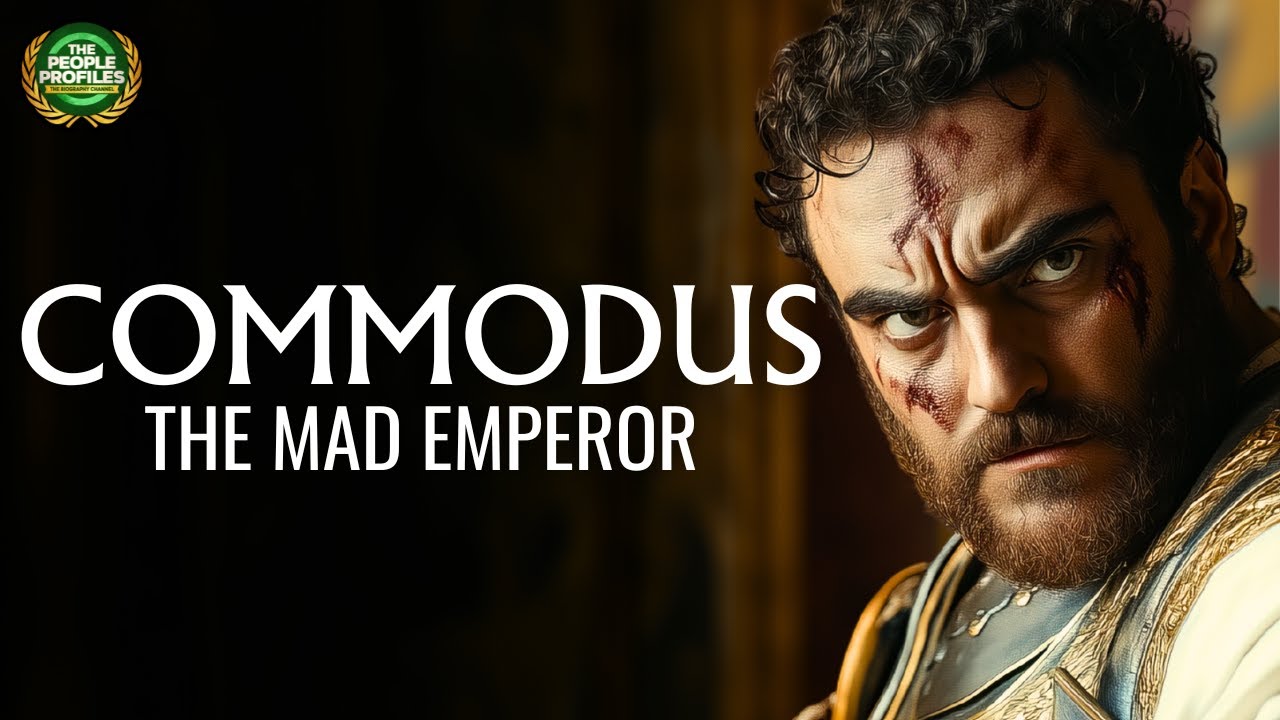
Commodus, the Roman Emperor, inherits the throne from Marcus Aurelius and styles himself as Hercules.
Life as a peasant in the Dark Ages involved arduous tasks such as charcoal-making, egg-collecting, and serving as a monk or Viking warrior.
The Allied victory at El Alamein marked a pivotal moment in World War II, showcasing the defeat of Erwin Rommel's German forces by Bernard Montgomery's troops.
In the Welsh borders, motte and bailey castles illustrate the Normans' efforts to solidify their control after 1066, as local chieftains resisted their influence.
Richard II's tyrannical reign contributed to England's internal chaos, marked by the Peasants' Revolt and culminating in Henry V's victory at Agincourt.
Homer, the legendary Ancient Greek poet, is examined through the lens of his epic works, particularly the Odyssey, and the historical context of the Greek Dark Ages.
In East England, a 1,600-year-old Roman mosaic depicting scenes from the Trojan War is excavated, marking a significant archaeological find in Britain.
In 1944, British strategists deemed Adolf Hitler a more beneficial presence alive than dead, analyzing his disastrous military decisions like the Halt Order at Dunkirk and Operation Barbarossa.
On September 2, 1870, Napoleon III sent a letter offering his unconditional surrender as his armies were encircled by Prussian forces near Sedan.
In the Welsh border region, Tony Robinson and his team search for the elusive Poulton Abbey, once occupied by Cistercian monks, amid archaeological remains.
Nearly 40,000 Italian soldiers were taken prisoner after a swift British counterattack in December 1940 during Italy's campaign in North Africa.
Diana, Princess of Wales, transformed her life after her divorce from Prince Charles into a platform for humanitarian work and fashion influence, earning her the title of the People’s Princess.
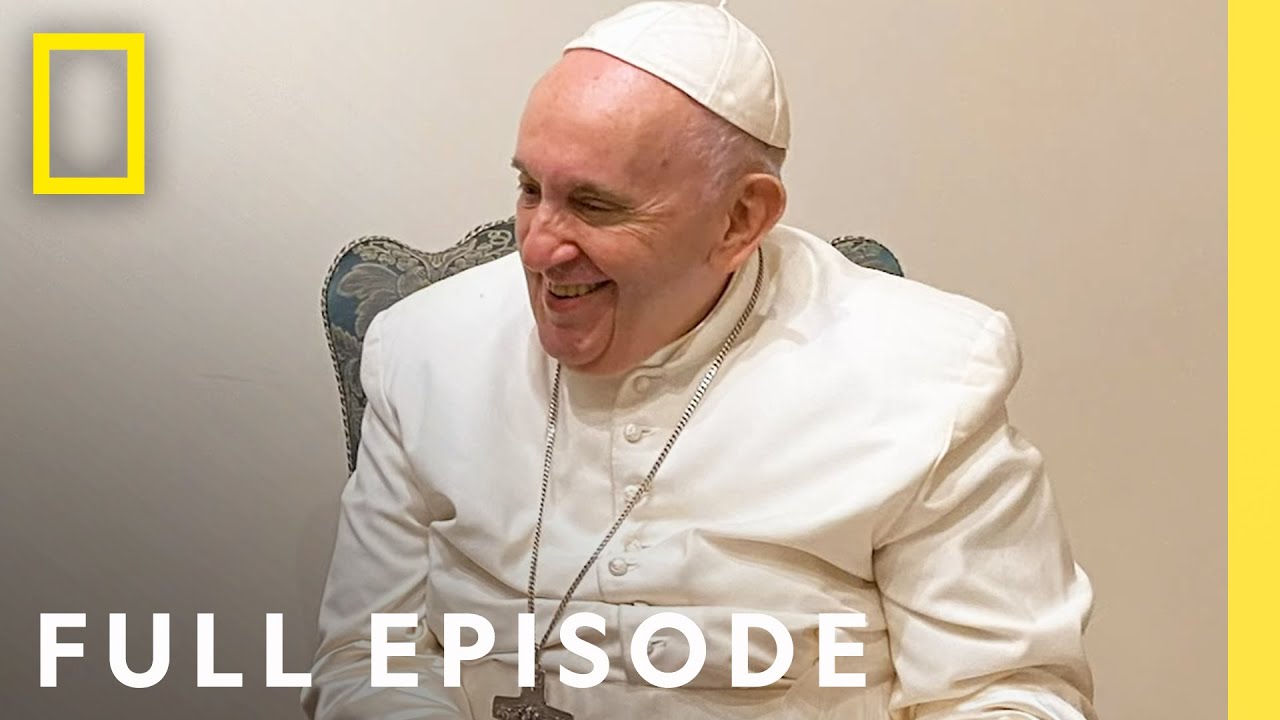
Pope Francis officiated at a juvenile detention center in Rome, washing the feet of 12 teens from various religions, including two Muslims.
Norse settlers in early medieval Ireland played a crucial role in reversing a population decline through trade, urban development, and cultural integration.
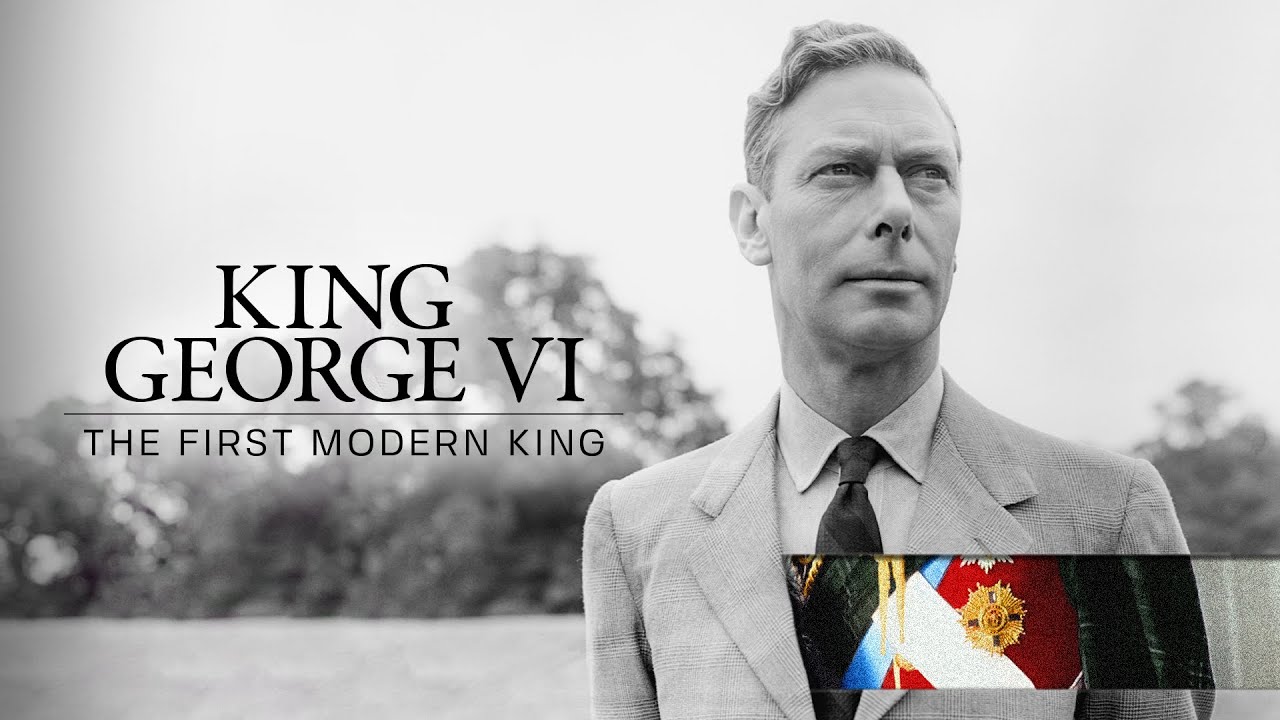
George VI, overshadowed by his father George V and brother Edward, navigated the challenges of leadership during World War II after Edward's abdication.
In Dublin, archeologists reveal how Norse warriors transformed the city into a thriving kingdom, establishing trade networks and a slave economy under leaders like Ivar the Boneless.
Royal Yacht Britannia served as a floating palace for Queen Elizabeth II from 1954 to 1997, hosting diplomatic meetings and royal holidays across the globe.
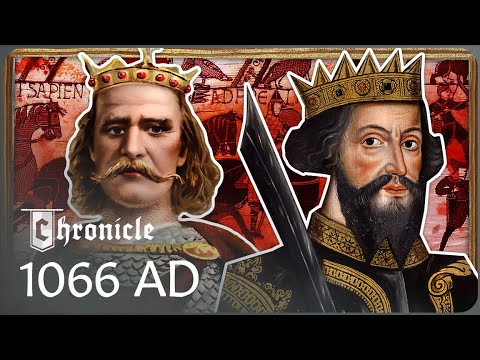
On 14 October 1066, William Duke of Normandy defeated King Harold II at the Battle of Hastings, resulting in thousands of casualties and the end of Anglo-Saxon rule.
South Shields, known for its Roman fort at Hadrian's Wall, is the focus of an archaeological search for a significant Roman military cemetery.
Hedingham Castle, built around 1140 by Aubrey de Vere III, has played a significant role in English history, hosting royal visitors and enduring a major fire in 1918.
In 1923, Mustafa Kemal Ataturk founded the Republic of Turkey on the ruins of the Ottoman Empire, becoming its first president.
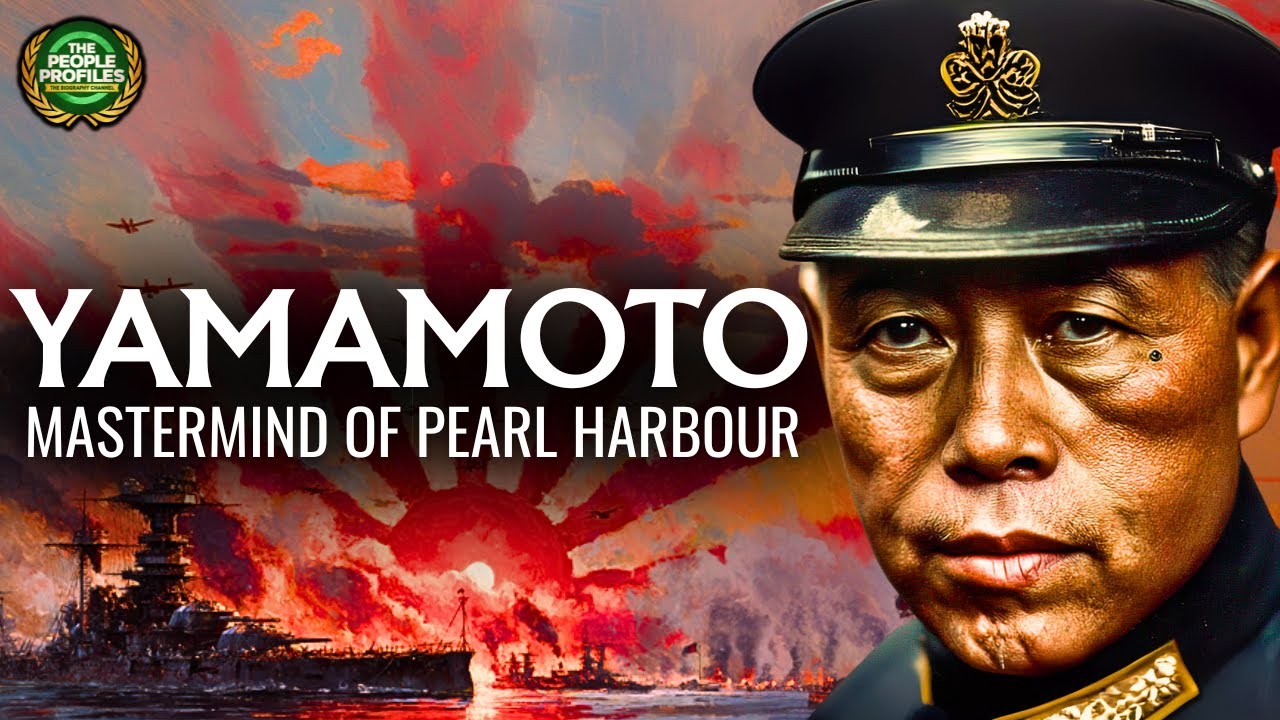
On December 7, 1941, Japanese warplanes launched a surprise attack on the U.S. Pacific Fleet at Pearl Harbor, marking a critical moment in World War II.
Edward Smith, the British captain of the Titanic, tragically perishes during its maiden voyage.
In Lincolnshire, archaeologists conduct a three-day rescue dig at an Anglo-Saxon cemetery, revealing the remains of Britain's tallest warrior woman and rare graves from the 5th and 6th centuries AD.
The US Eighth Air Force played a crucial role in World War II, showcasing their aerial combat prowess through the accounts of seasoned veterans.
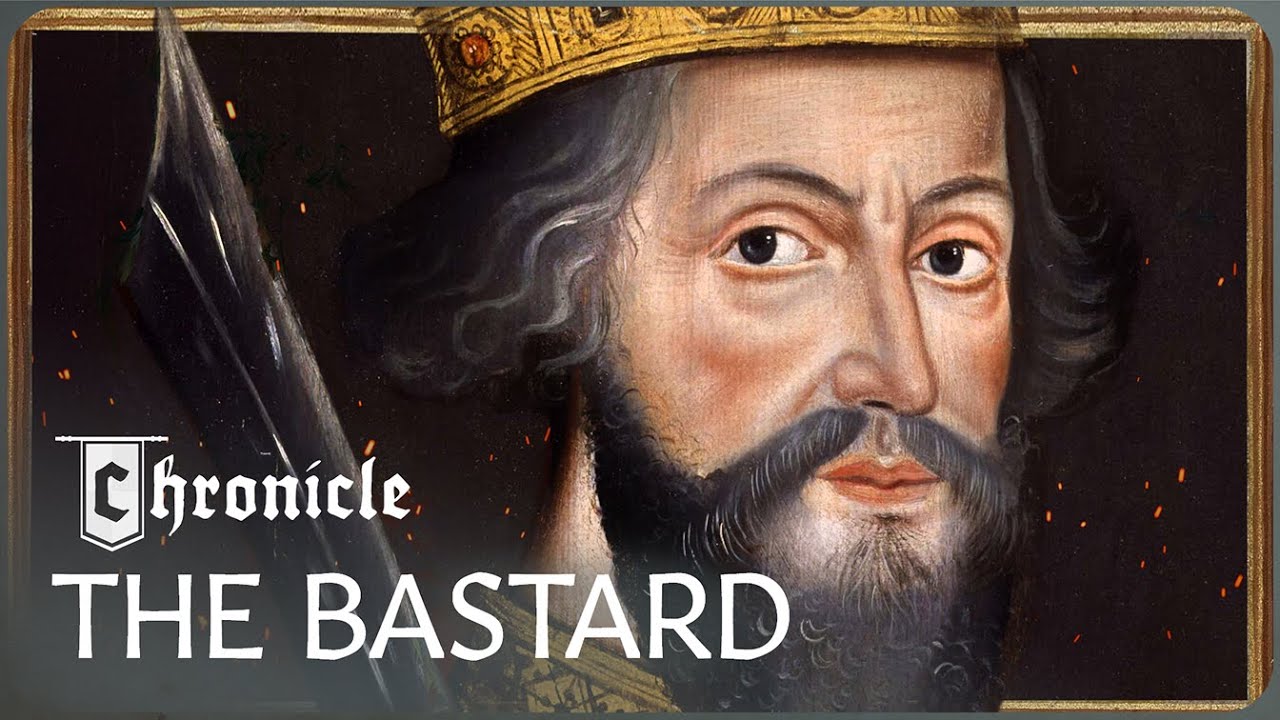
William the Conqueror, born in 1028 as the illegitimate son of a Norman duke, became King of England after his victory at the 1066 Battle of Hastings, reshaping the kingdom's culture and governance.