From over 100,000 films, discover the handful you'll love.
Free or premium access to the world's largest documentary library.
3629 films(Page 45 of 76)
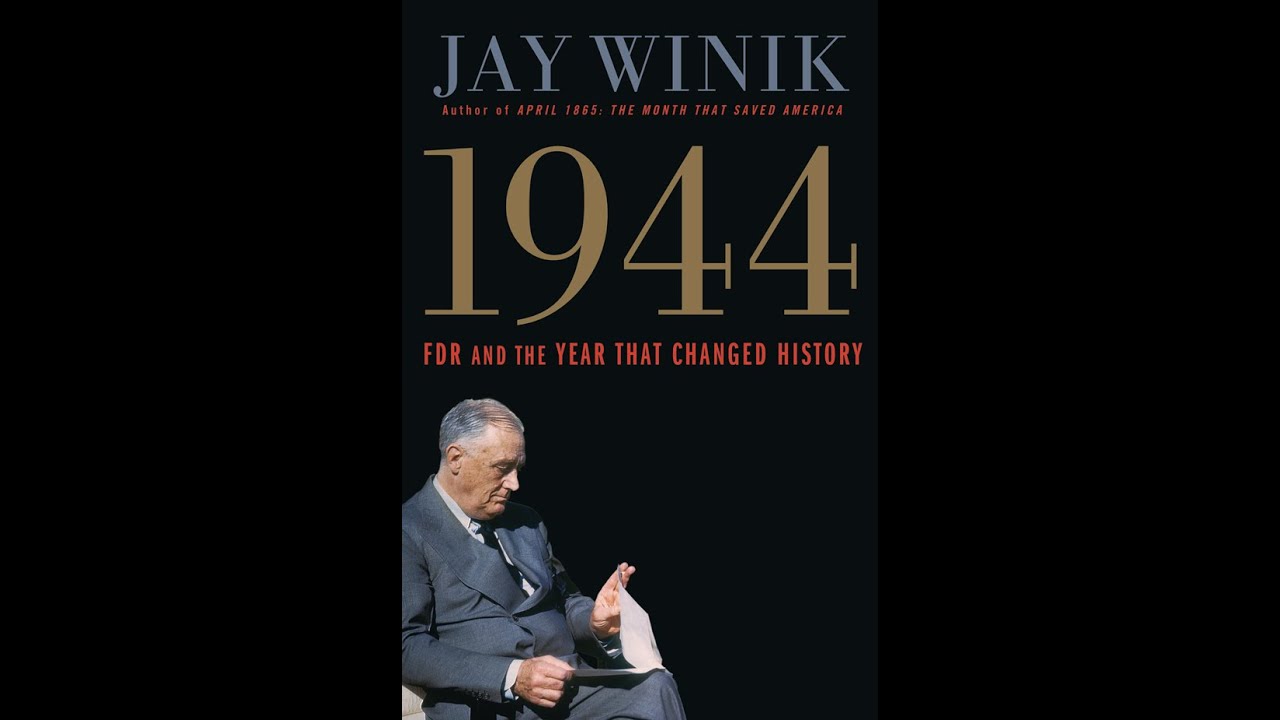
In 1944, President Franklin D. Roosevelt faced critical decisions that shaped the outcome of World War II and influenced the course of history.
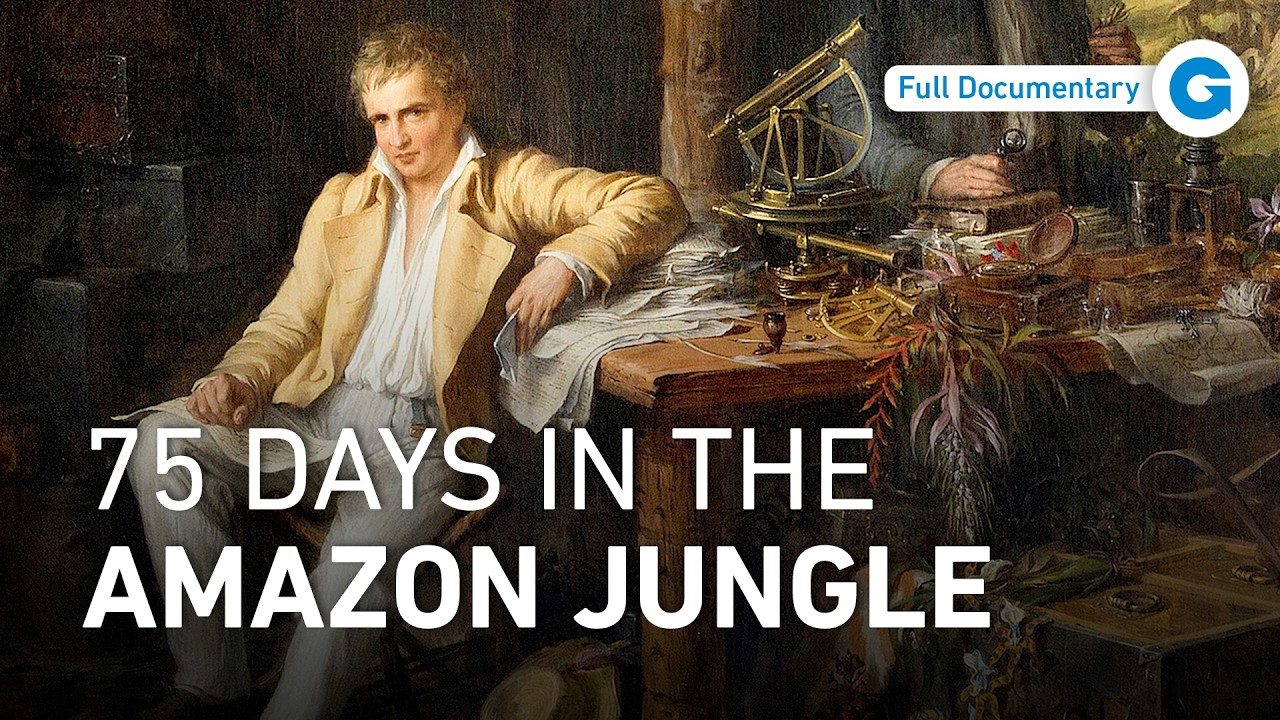
Alexander von Humboldt's expedition to South America revealed the interconnectedness of nature, influencing scientific thought and the abolitionist movement in the US.
Meghan Markle and Grace Kelly, both American actresses, exchanged their Hollywood careers for royal lives alongside their respective princes, Harry and Rainier III.
Odin sacrifices his eye and hangs on Yggdrasil as Loki's actions trigger the prophecies of Ragnarok, igniting conflict between the Aesir and Vanir deities.
Russia's expansion from the Romanov era through wars against Napoleon, the Crimean War, and World War I ultimately led to the empire's collapse and the rise of the Soviet Union.
Chinese, Greek, and Roman philosophies, including Confucius' humanism and Plato's Republic, significantly shaped contemporary social and political thought.
Abraham Lincoln's tumultuous marriage to Mary Todd is examined through historian Michael Burlingame's research, revealing her controversial actions and behavior as First Lady.
A reenactment features Abraham Lincoln and Stephen A. Douglas debating slavery and equality during their 1858 Senate campaign in Illinois.
Tony Blair's tenure as Prime Minister from 1997 to 2007 featured weekly meetings with Queen Elizabeth II, highlighting their professional relationship and constitutional practices.
Historian Ted Widmer examines the contrasting versions of the 13th Amendment, highlighting the role of black soldiers in the Civil War and the aftermath of Lincoln's assassination.
George Armstrong Custer's alleged hidden fortune from the Battle of the Little Bighorn is examined through artifacts, maps, and historical evidence.
Marian Wright Edelman recalls meeting Dr. Martin Luther King Jr. in 1960 while she was a senior at Spelman College, where he spoke about nonviolence and perseverance.
Access to Eva Braun's personal photograph album reveals the final days of Adolf Hitler in his underground lair and explores escape possibilities for his inner circle.
Dante Alighieri's "The Divine Comedy" explores themes of love, politics, and theology through a symbolic narrative of Hell, Purgatory, and Paradise.
In 17th-century Europe, Catholic armies face threats from Denmark and Dutch Protestants while Peter Paul Rubens navigates political intrigue in Paris.
An indictment claiming Robert E. Lee was guilty of treason and war crimes went missing for 72 years before being rediscovered.
In 410 AD, the Sack of Rome resulted from Emperor Honorius's betrayal of King Alaric and the desperate siege by 40,000 Visigoths seeking promised land.
Catherine the Great, born Sophie Auguste Friederike von Anhalt-Zerbst, orchestrated a coup d'état to become Empress of Russia after a tumultuous marriage.
A reading of the Declaration of Independence features reenactors portraying George Washington, Thomas Jefferson, and Benjamin Franklin, alongside performances by "The Old Guard" Fife and Drum Corps.
Frederick Douglass described Abraham Lincoln as "emphatically a Black man's President" shortly after Lincoln's assassination in 1865.
John Quincy Adams warned in the late 1830s that the North could use military necessity to justify the abolition of slavery during a conflict.
During the Golden Age of piracy, notorious figures like Blackbeard and Captain Kidd operated along the coastal waters of North America.
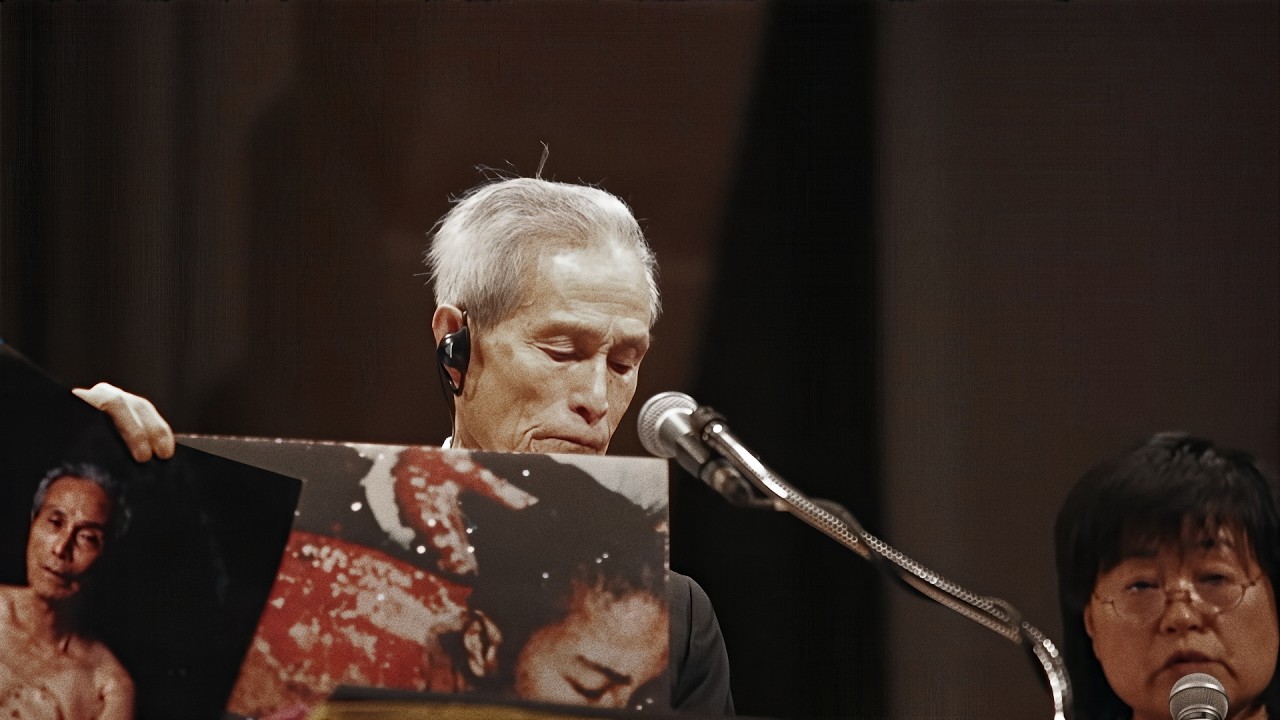
In August 1945, Sumiteru Taniguchi was 16 years old when he survived the atomic bombing of Nagasaki, an experience that deeply influenced Peter Townsend's writing.
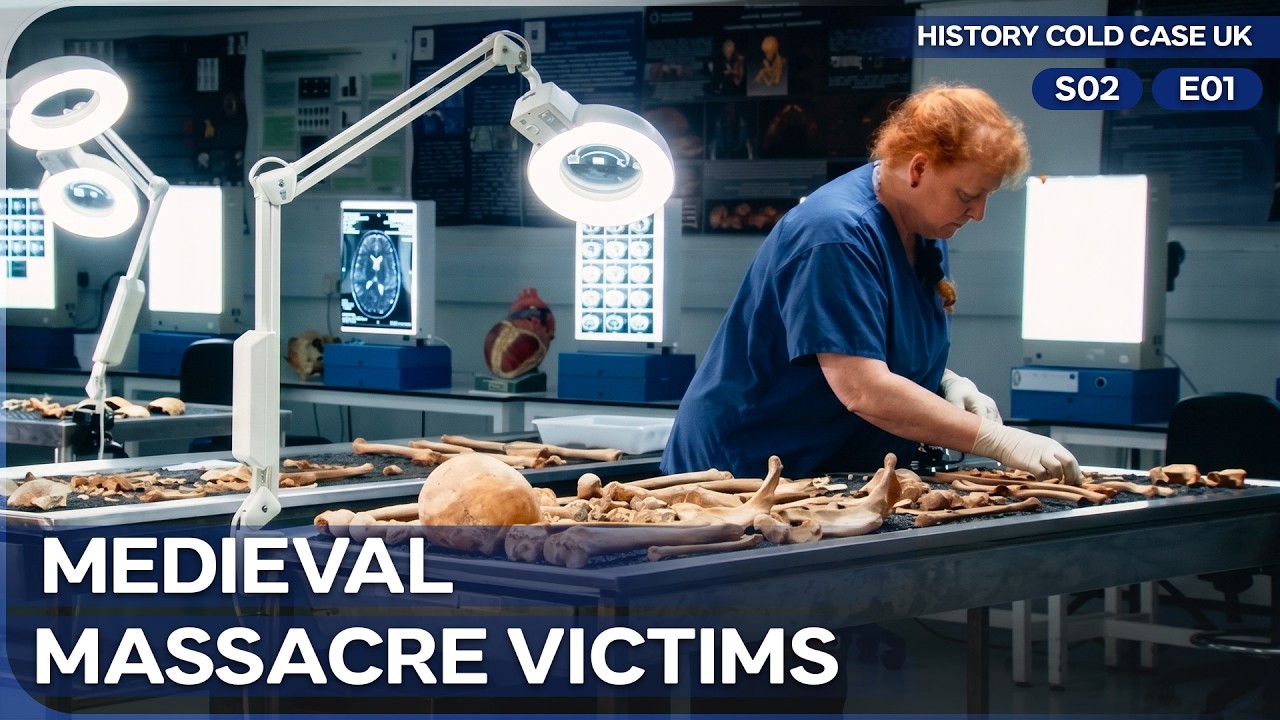
Forensic archaeology experts in the UK utilize DNA analysis and isotopic testing to investigate medieval burials and Victorian-era mysteries.
The Great Pyramids of Giza, built during the reign of Pharaoh Khufu, continue to intrigue historians and archaeologists regarding their construction methods and purpose.
In 2020, archaeologists near Luxor revealed the remains of Aten, a well-preserved ancient city founded during the reign of Amenhotep III, challenging existing narratives of Egyptian history.
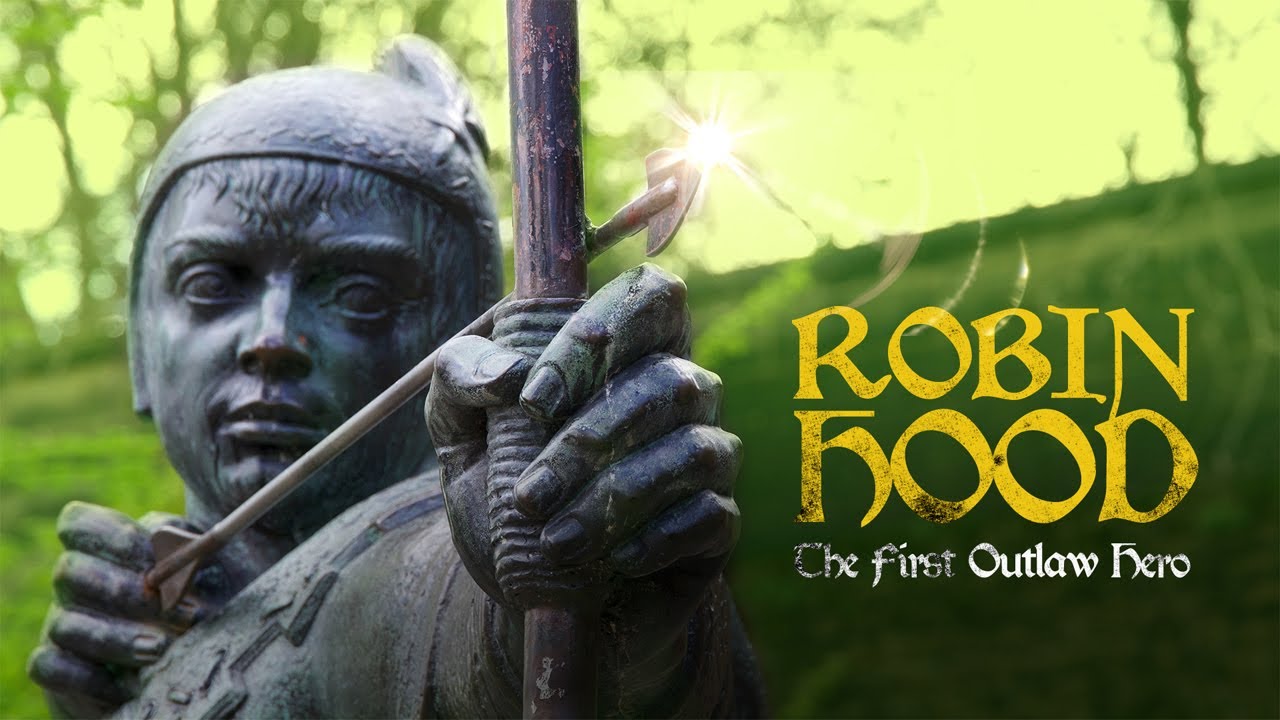
Robin Hood, the iconic outlaw of English folklore, is analyzed through forensic evidence to reveal the historical truths surrounding his life and times.
Sophie Auguste Friederike von Anhalt-Zerbst's marriage to Grand Duke Peter of Russia at 14 marks the beginning of her transformation into Catherine the Great, a pivotal empress who modernized Russia.
Winston Churchill's leadership during World War II culminated in victory, yet by 1945, shifting global power dynamics led to his political decline in Britain.
In 1965, Paul Letersky served as an assistant to FBI Director J. Edgar Hoover, providing unique insights into the operations of one of America's most powerful law enforcement figures.
Actor Richard Dreyfuss performs a dramatic reading of Abraham Lincoln's Second Inaugural Address, delivered on March 4, 1865.
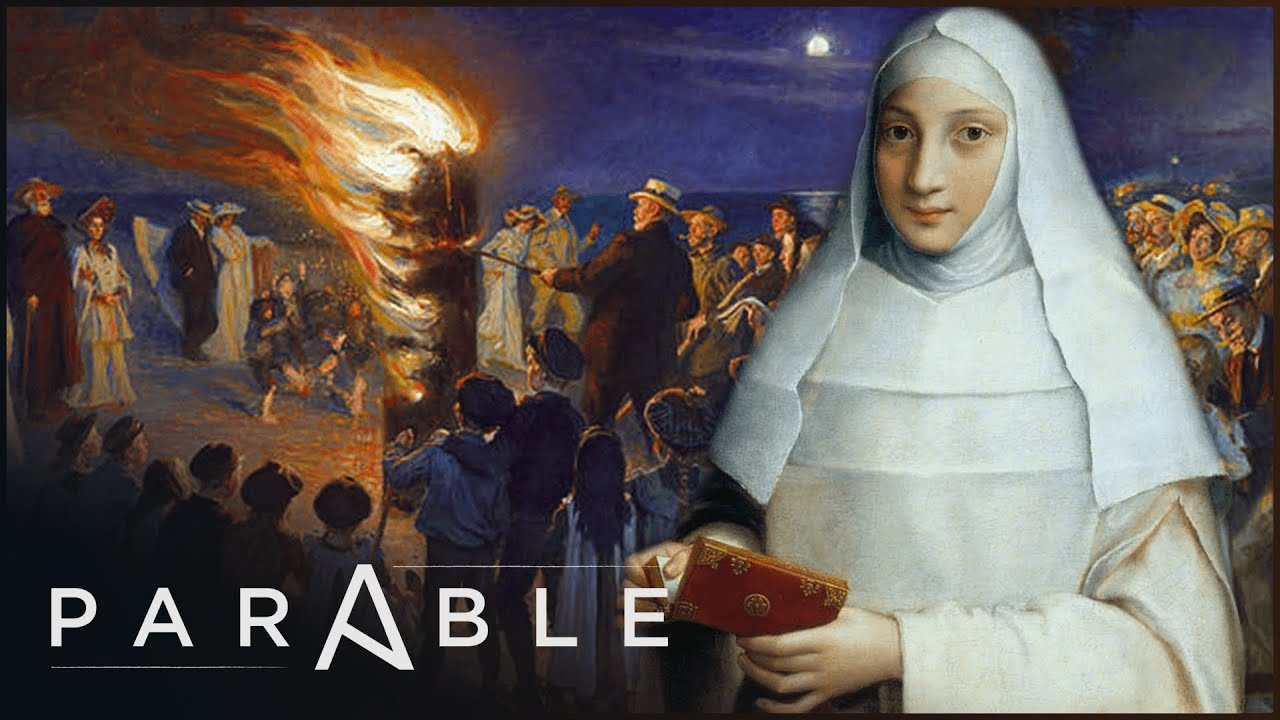
Midsummer, or Saint John's Day, is celebrated through traditional practices at Tudor Monastery Farm, including weaning piglets and brewing ale.
Freemasonry, one of the oldest secret societies with over two million members worldwide, has influenced social and political movements while remaining shrouded in mystery and ritual.
William and Kate were engaged after an eight-year courtship, marking the start of their life as the Duke and Duchess of Cambridge.
Historian Matthew Karp examines the Kansas-Nebraska Act of 1854, the South's response to Lincoln's election, and the shift towards emancipation during the Civil War.
Allied airmen fight for survival in Buchenwald Concentration Camp during WWII under Director Michael Dorsey.
Christopher Dale Flannery, known as Rent-a-Kill, was an Australian hit man who allegedly murdered 15 people on contract before disappearing amid threats to his life.
The Golden Age of Piracy, featuring figures like Blackbeard, is explored alongside modern treasure hunting in the Caribbean's lawless waters.
Researchers found evidence of 10 women buried with hunting toolkits across 107 burial sites in the Americas, suggesting female participation in big game hunts.
Presidential historian Irwin F. Gellman discusses the partnership between Dwight D. Eisenhower and Richard Nixon during a program at the National Archives.
Over 100,000 castles still stand in Europe, with Bodiam Castle using forced perspective to create the illusion of greater size and strength.
Pharaoh Akhenaten's radical shift to monotheism nearly dismantled the religious fabric of Ancient Egypt, leading to significant consequences for his legacy.
Khufu, the powerful pharaoh of Egypt’s Old Kingdom, orchestrated the construction of the Great Pyramid of Giza, a monumental achievement still studied today.
Witold Pilecki, a Polish officer, voluntarily spent 947 days in Auschwitz to document the atrocities, while the "Auschwitz Sketchbook" reveals hidden truths.
Leo Mol, a sculptor who fled the Soviet Union during Hitler's invasion, navigated a life marked by artistic success and personal loss.
Eva Schloss, Anne Frank's stepsister and Auschwitz survivor, reflects on their shared experiences of displacement and loss during the Holocaust.
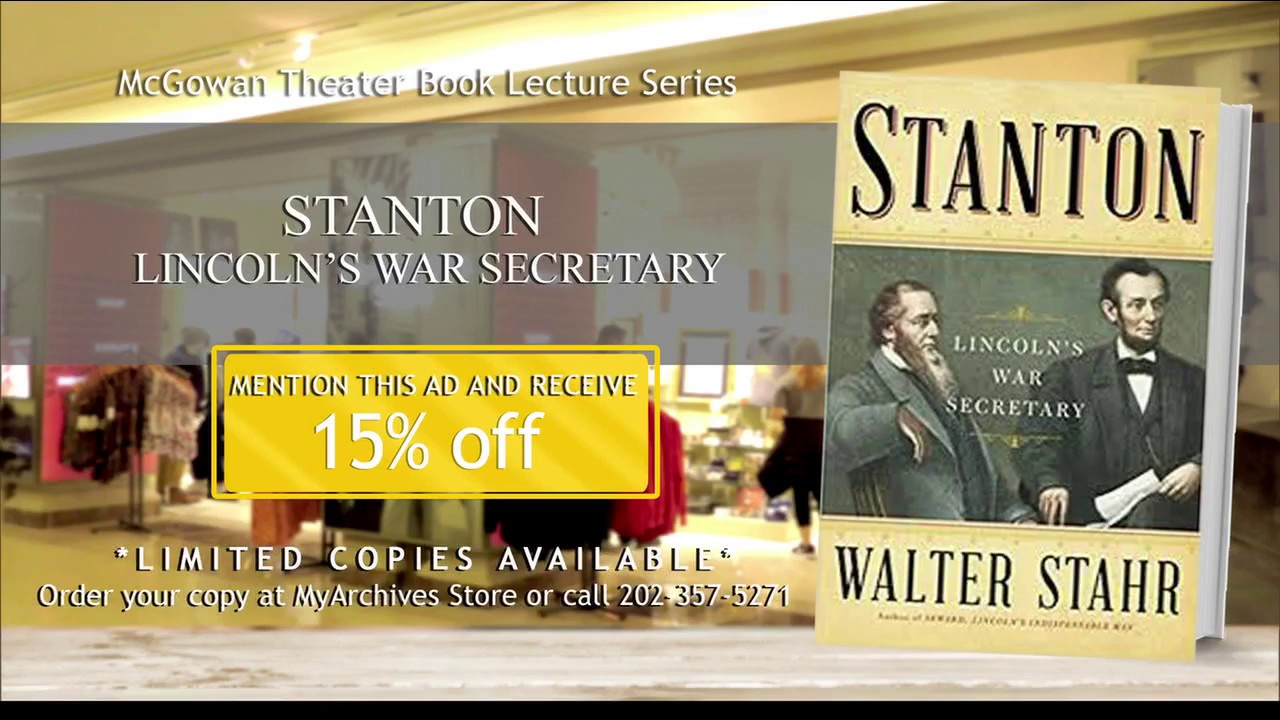
Edwin Stanton, Abraham Lincoln's Secretary of War, played a crucial role in the Union's efforts during the American Civil War, as detailed by author Walter Stahr.
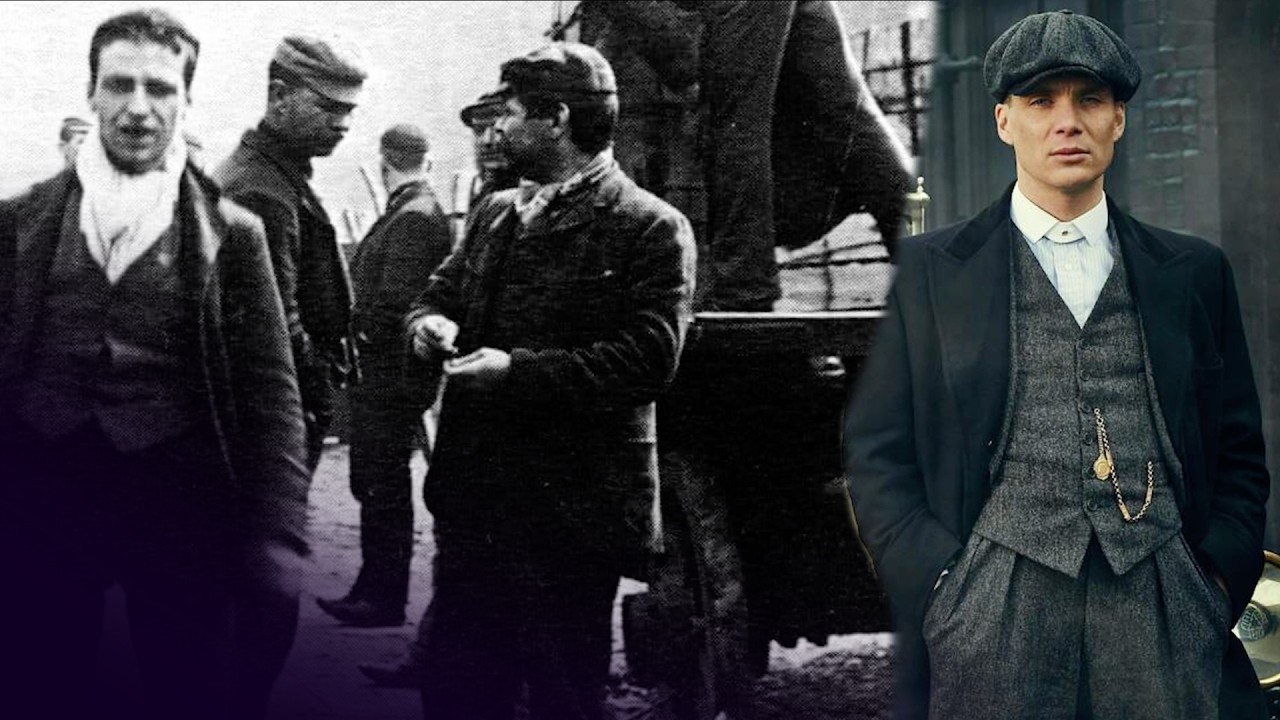
Historians Luke Tomes and Carl Chinn MBE examine the real history of the Peaky Blinders gang in Birmingham, revealing connections to iconic characters and personal ties.