From over 100,000 films, discover the handful you'll love.
Free or premium access to the world's largest documentary library.
3629 films(Page 2 of 76)
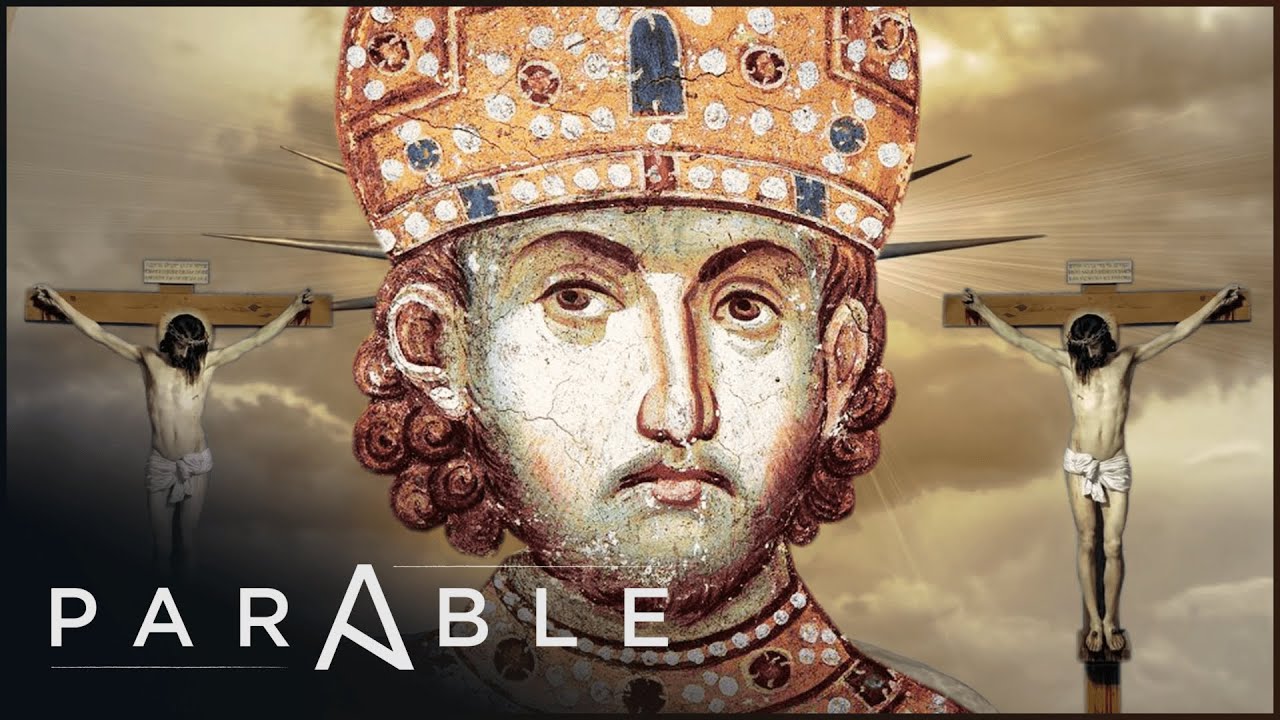
Constantine's conversion to Christianity in the 4th century prompts an examination of whether pagan traditions continued to influence Roman society.
China, with a civilization spanning over 5,000 years, has evolved through numerous dynasties and emperors, shaping its status as a global superpower.
Ninja, the shadow warriors of feudal Japan, were experts in unconventional warfare, employing tactics of deception and espionage to influence historical outcomes.
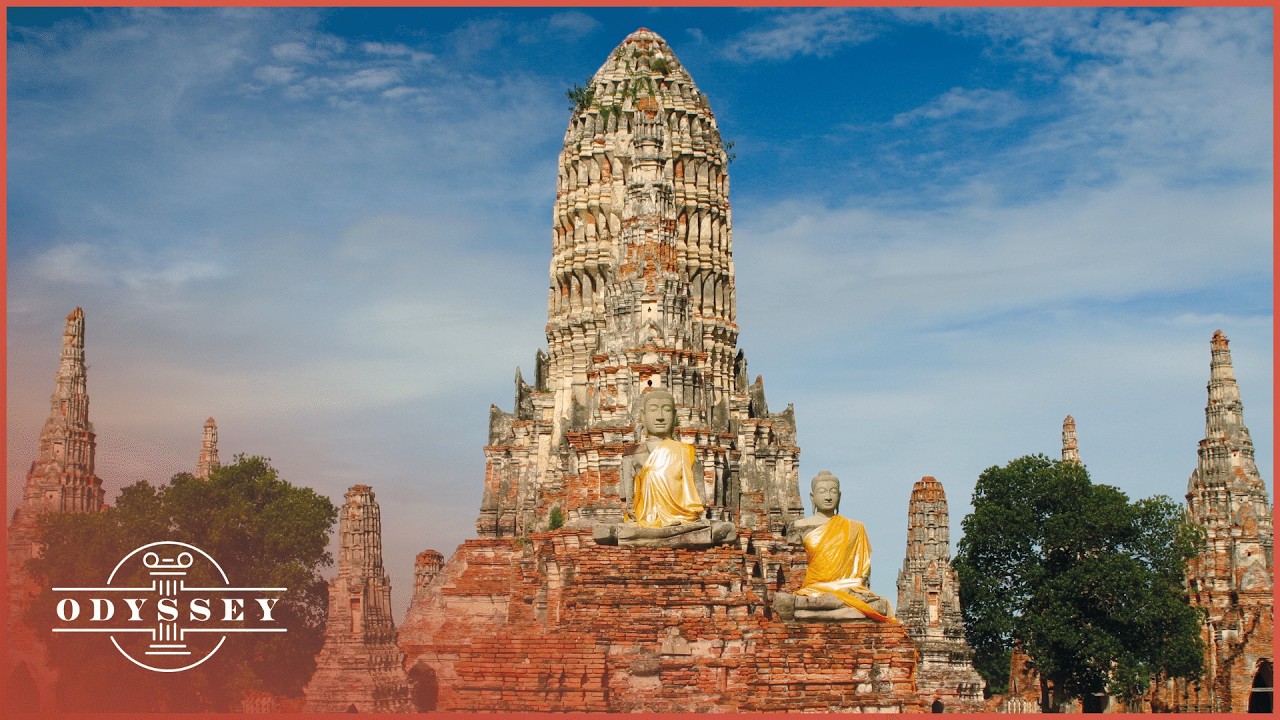
Ayutthaya, a powerful ancient city in Thailand, played a crucial role in shaping Southeast Asia's diverse civilizations and their histories.
The American Civil War features the conflict between the Union and the Confederacy in the United States.
In 407, the last Roman troops left Britain, marking the beginning of a period that Francis Pryor argues was not one of chaos but of cultural strength and diversity.
Arthur Evans' exploration of Crete revealed a sophisticated Bronze Age civilization that provides insights into the origins of the Minotaur legend.
156,000 men and 20,000 vehicles landed on the coast of Normandy on June 6, 1944, aided by Alan Turing's codebreaking efforts against the Nazis.
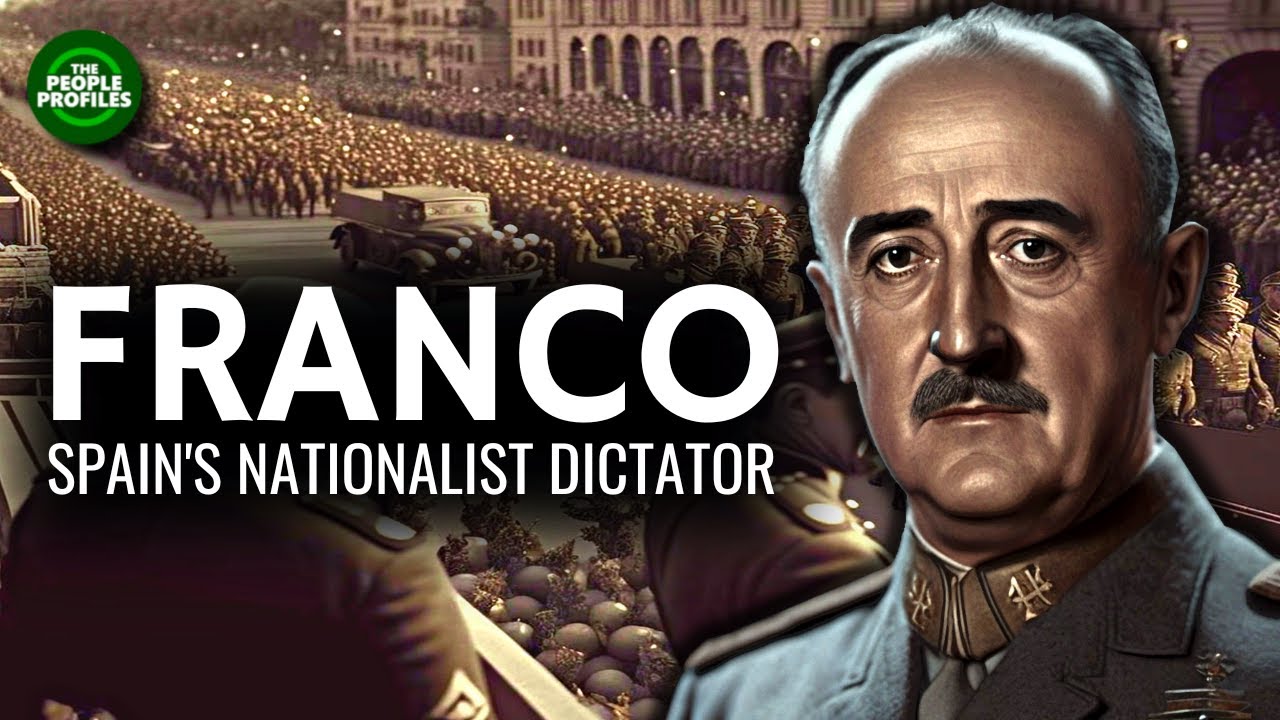
Francisco Franco's regime in Spain, marked by the Spanish Civil War and lasting until 1975, is examined through the lens of his rise to power and its lasting impact.
The Majapahit Empire, centered on the volcanic island of Java, expanded its influence across Southeast Asia before ultimately declining in the face of medieval superpowers.
Osama bin Laden was born on March 10, 1957, in Riyadh, Saudi Arabia, and was the son of construction magnate Mohammed bin Laden.
Ancient civilizations such as Rome, Egypt, and Greece are explored through their remarkable histories and cultural achievements in a series of engaging documentaries.
The Book of Thoth, an ancient Egyptian text of spells, raises questions about its historical significance and the truths behind its legendary status.
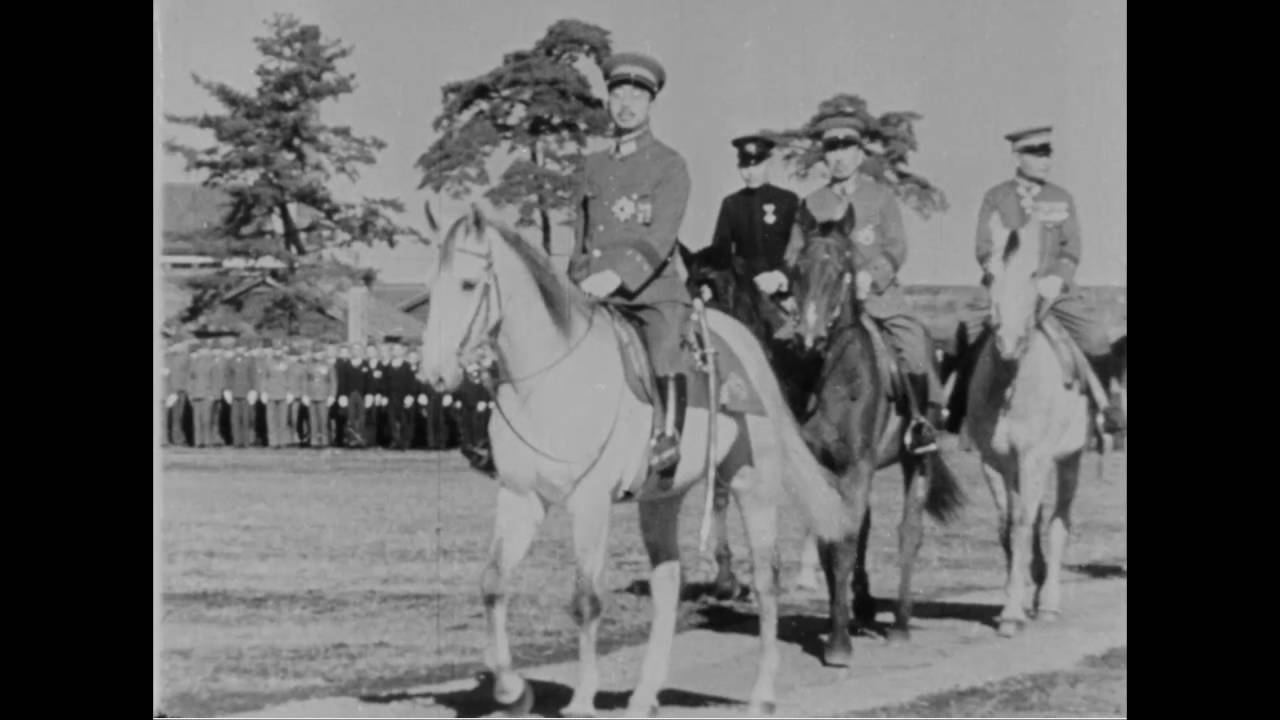
Japan's historical evolution, from the rise of Shintoism and the Shogunate to its modernization and involvement in World Wars I and II, is examined through key events and figures.
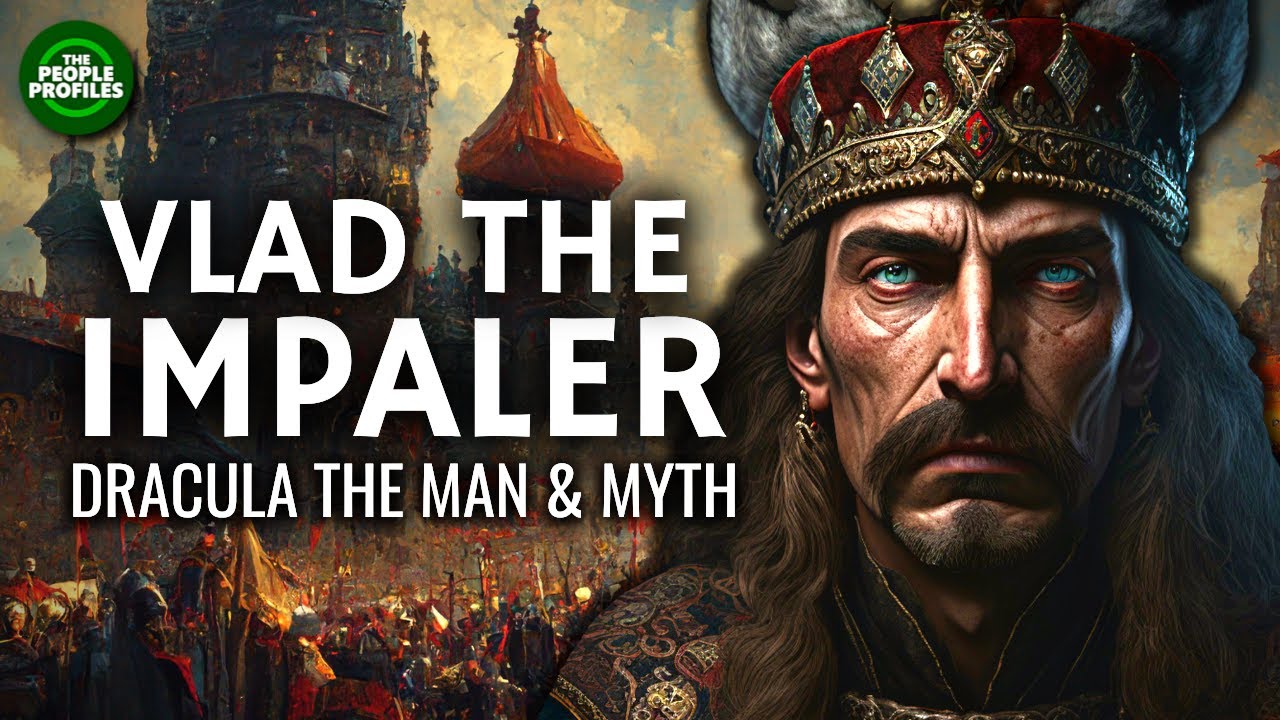
Vlad the Impaler, born in late 1431 in the Citadel of Sighişoara, ruled Wallachia and became known for his extreme violence during his reign.
Constantine's arch, built to celebrate his victory over Maxentius, stands 6 stories high and is located just 91 meters from the Coliseum in Rome.
In 1843, Edgar Allan Poe published one of the most popular horror stories ever written, setting the stage for his lasting impact on American literature.
A sample of DNA taken from a descendant of Christopher Columbus suggests a possible genetic link to the explorer, raising questions about his true origins.
Emperor Haile Selassie I was born on July 23, 1892, in Ejarsa Goro, Ethiopia, into a noble family linked to the Solomonic line of kings.
In 1943, Captain Gilbert Roberts and his Wrens implemented new strategies like "Step Aside" to turn the tide against German U-boats in the Battle of the Atlantic.
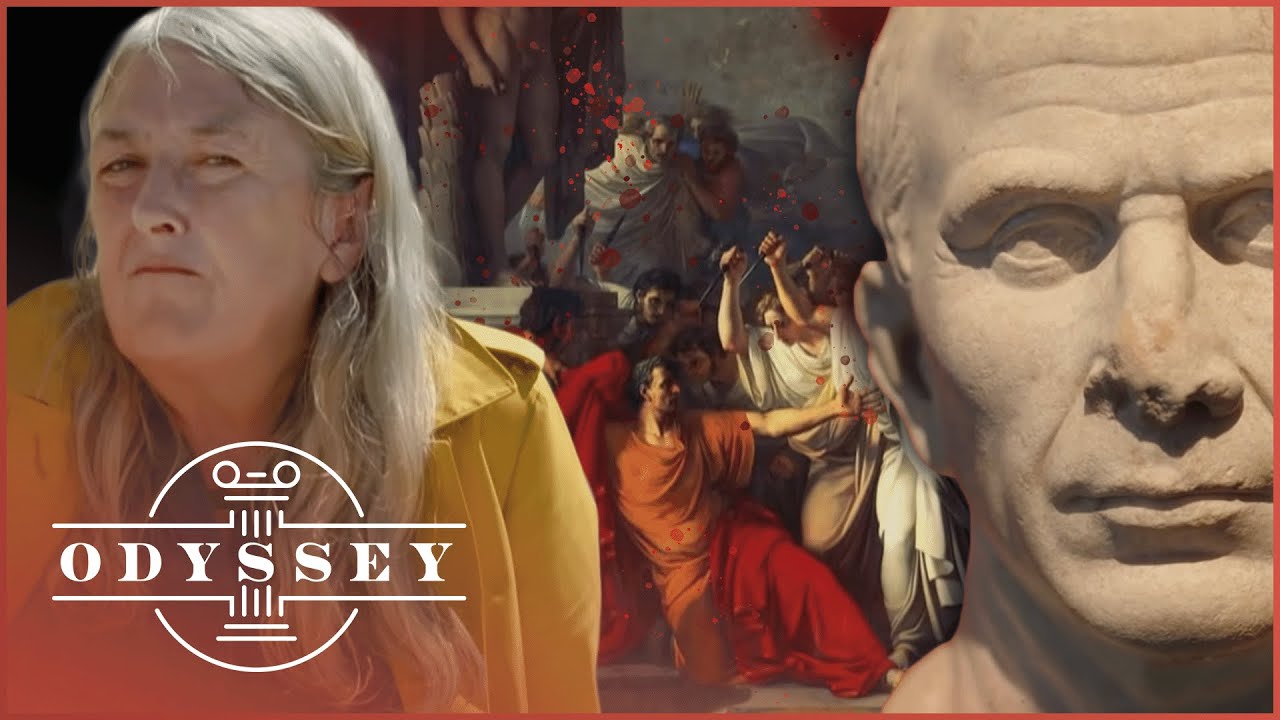
Mary Beard examines Julius Caesar's rise to power, his use of public relations, the circumstances of his assassination, and his enduring influence on modern politics.
The origins of the Roman Empire are explored through its early history, examining how Rome evolved into one of the most powerful empires in antiquity.
Grace O'Malley, a formidable figure in 16th-century Ireland, rose from pirate to chieftain, navigating the Irish Sea and meeting Queen Elizabeth I.
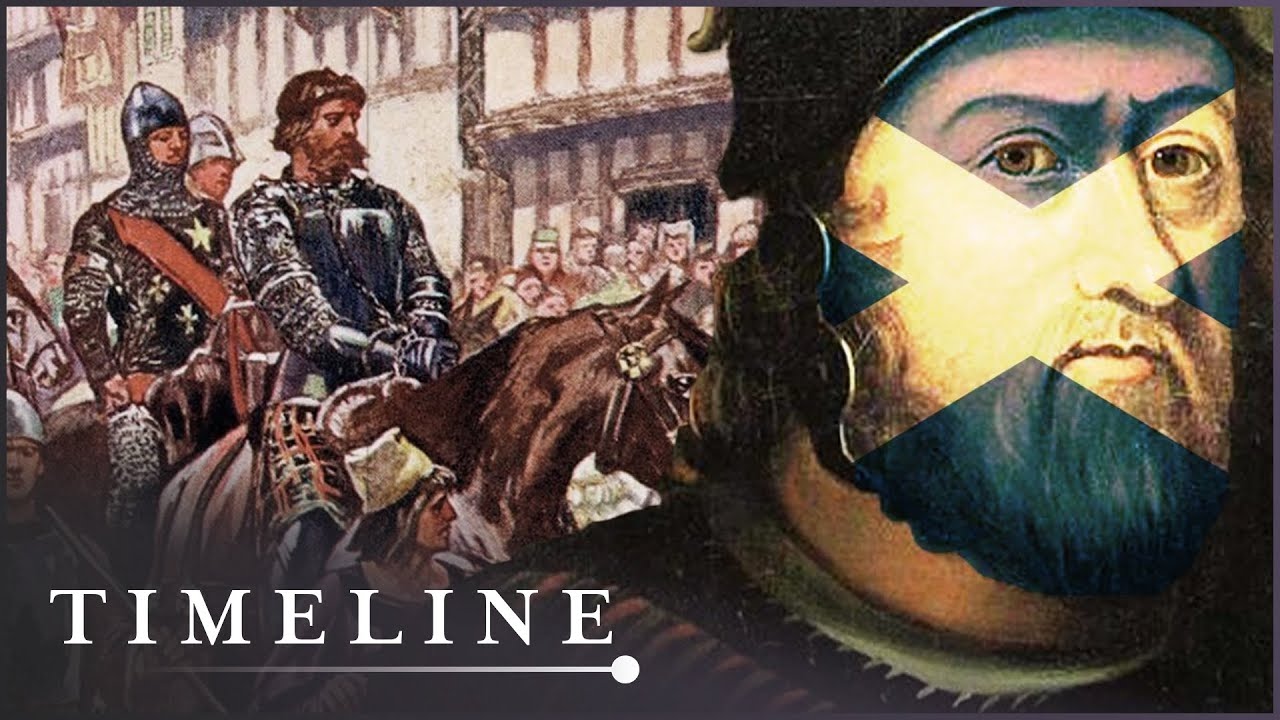
On May 12, 1297, William Wallace murdered the sheriff of Lenexa, an act that significantly altered the course of Scottish history.
Herod the Great ruled Judea for 37 years, during which he transformed the region into an international trading state while also ordering the execution of his own sons.
Scargill Castle, a 12th-century medieval site in Yorkshire/Durham, is examined by archaeologists Niall and Caroline to reveal its historical significance and original structure.
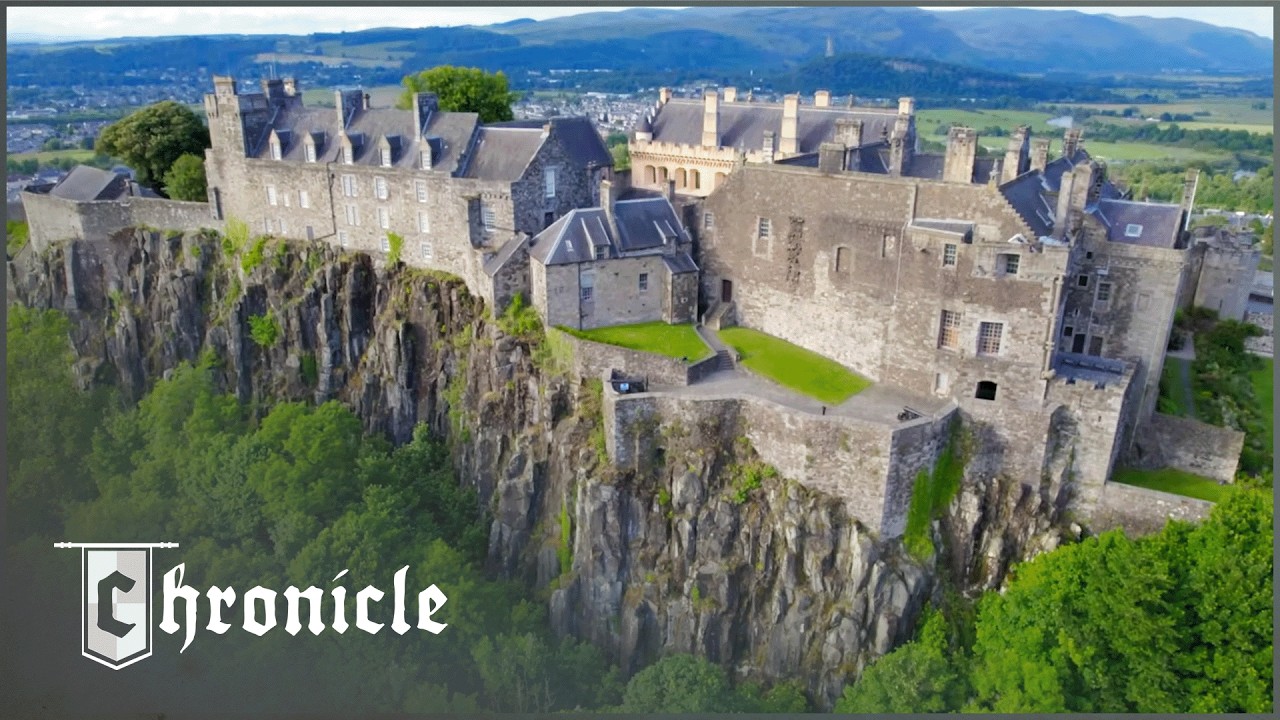
Stirling Castle, a historically significant site in Scotland, showcases its transformation from a medieval fortress to the Renaissance Royal Palace of Mary, Queen of Scots.
Queen Elizabeth II's death marked the end of the second Elizabethan age, triggering extensive media coverage and a significant historical moment for the UK.
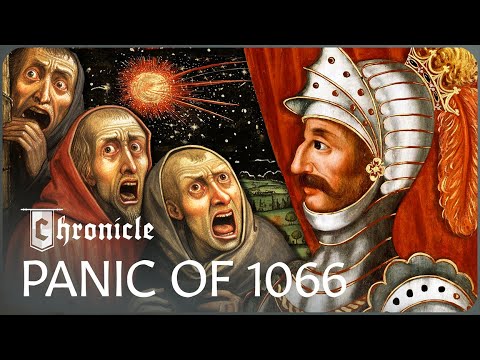
In April 1066, Haley's Comet sparked widespread panic in Europe, coinciding with the Norman Invasion that led to William the Conqueror's rule in England.
Fred Trump passed away on June 25, 1999, at the age of 93, leaving behind a contentious estate dispute among his children.
Homer's epic narrative of Odysseus' return from Troy intertwines with the historical realities of the Late Bronze Age Mediterranean, shaped by archaeological findings and ancient cultures.
Prince William, now Prince of Wales and second in line to the throne, navigates his royal duties and prepares for kingship following the death of Queen Elizabeth II.
Ancient Egypt, shaped by the Nile River and its agricultural bounty, is explored from its predynastic roots to the late period, highlighting key historical milestones.
In the Durham countryside, archaeologists excavate the well-preserved medieval village of Ulnaby, revealing insights into Britain's historical landscape.
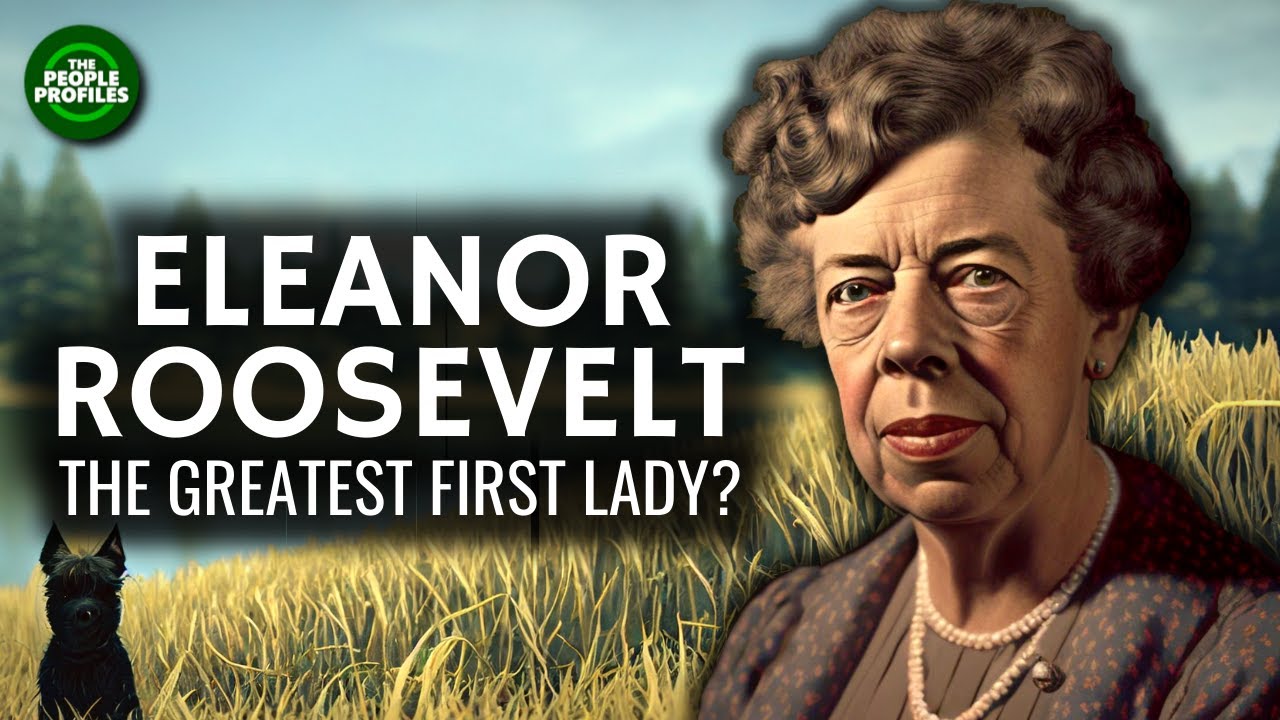
Eleanor Roosevelt was born on October 11, 1884, in Manhattan, New York, as the eldest child of Anna Rebecca Hall and Elliot Bulloch Roosevelt.
Albert Einstein was born on March 14, 1879, in Ulm, a city in the Kingdom of Wurttemberg, part of the German Empire at the time.
More than 400 tanks and 70,000 men from the United States Army land in Tunisia in 1942, marking a significant escalation in the North African campaign.
In just three days, the Roman Empire lost 10% of its fighting force during a devastating defeat at the Battle of Teutoburg Forest in 9 AD.
553 times, Donald Trump's name appears in a board game that reflects his brand, while the documentary details his rise and fall in business and politics.
In Viking tombs of Sweden and Neolithic settlements of China, archaeologists reveal that ancient women were military leaders and primary providers for their tribes.
Japan transitioned from a feudal society to a modern state in just 45 years during Emperor Meiji's reign from 1867 to 1912.
Two sisters, Jacqueline Kennedy Onassis and Lee Radziwill, navigated a life of fame marked by rivalry, personal loss, and contrasting public personas.
Berkeley Castle, the oldest inhabited castle in Great Britain, has been owned by the same family for nearly 900 years and was the site of King Edward II's murder in 1327.
Sherman's military campaign through Georgia in 1864 involved roughly 110,000 Union troops facing 70,000 Confederate soldiers over 37 weeks.
The history of the United Kingdom spans from Julius Caesar's failed invasion in 55 BC to its emergence as a global power during the Victorian era.
Eleven climbers died during the 2024 Mount Everest season, prompting a team to investigate the mystery of George Mallory and Sandy Irvine's 1924 expedition.
On August 9, 1969, Sharon Tate, eight months pregnant, was murdered along with four others at her home in Benedict Canyon, Los Angeles.
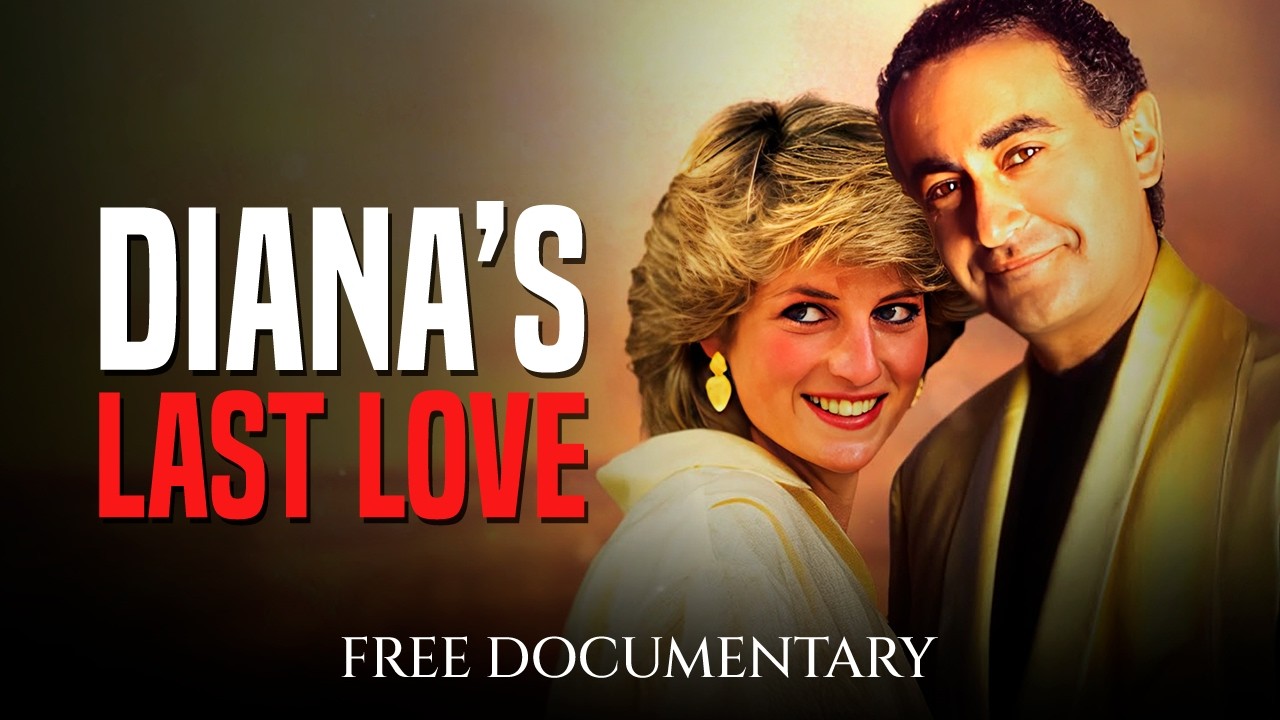
Diana confronted Camila about her affair with Prince Charles in 1989 during a birthday celebration, shaking with fear and rage afterward.