From over 100,000 films, discover the handful you'll love.
Free or premium access to the world's largest documentary library.
3629 films(Page 32 of 76)
The Commonwealth, established in 1931, evolved from the British Empire into a coalition of 56 nations, symbolizing unity and shared values.
Queen Elizabeth II, the longest-reigning British monarch, observed the leadership of 14 U.S. Presidents during her 70-year reign from 1952 to 2022.
The final battles of World War II, including the Battle of Stalingrad and the Battle of Berlin, marked the decisive defeats that led to the collapse of Nazi Germany.
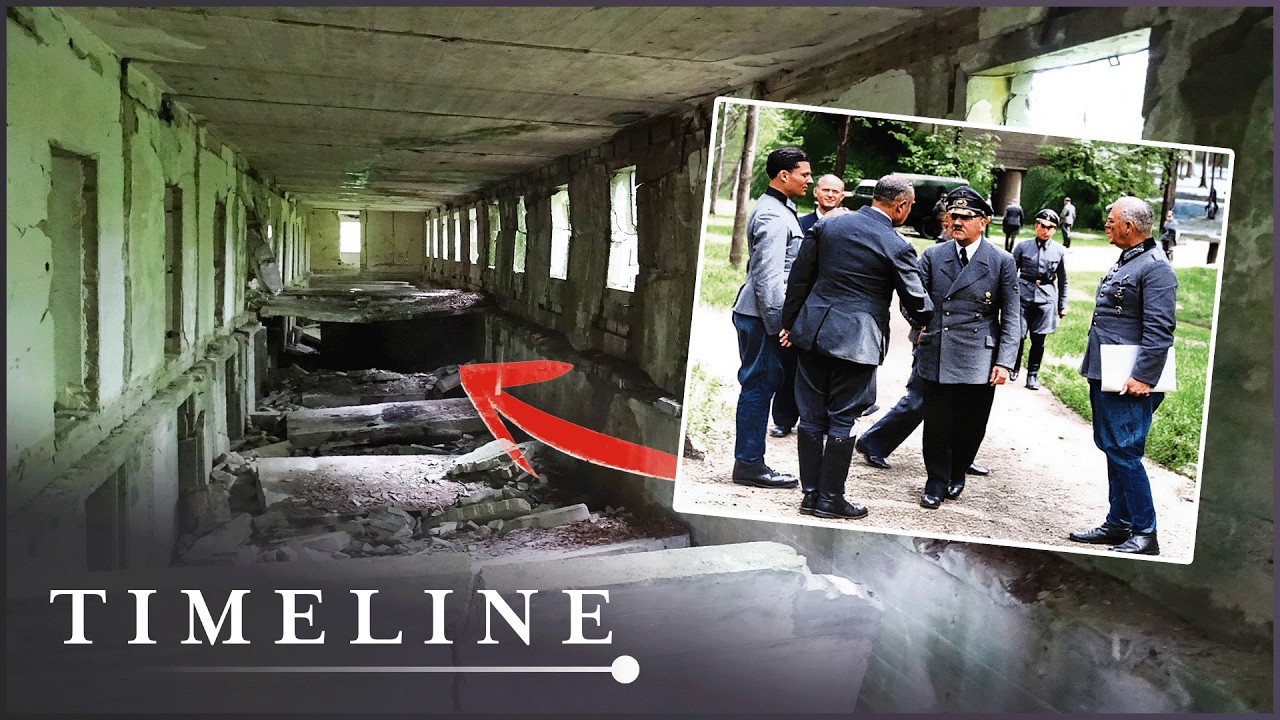
Hitler's Wolf's Lair served as a military headquarters during World War II, where key decisions regarding the invasion of the Soviet Union and the Holocaust were made.
George Washington faces increasing scrutiny from Congress as his military losses mount during the early struggles of the Continental Army.
Ancient legends like King Arthur, Odysseus, and Sigurd are analyzed for their cultural significance regarding community values and attitudes toward death.
Genghis Khan's transformation from Temujin, an illiterate outcast, to the ruler of the largest contiguous empire is explored through historical sources and military strategies.
America's frontier was home to notorious serial killers like Henry Plummer, Jim "Killer" Miller, and the Bloody Benders, revealing a dark side of the Wild West.
Persian King Cambyses led an army into the desert 2,500 years ago, and their disappearance remained a mystery until evidence was found in 1996.
Queen Victoria and Prince Albert introduced the Christmas tree tradition to Britain in 1840, shaping modern holiday celebrations with their royal influence.
Princess Anne, the only daughter of Queen Elizabeth II and Prince Philip, navigates her unique royal path through her childhood, equestrian achievements, and personal challenges.
In Tennessee, forensic geologist Scott Wolter applies advanced 3D microscopic technology to analyze the Bat Creek Stone, suggesting its Paleo-Hebrew inscription is authentic.
In the 1930s, classic Americana is showcased through rare finds such as a movie star Auburn car, a vintage airplane, and a Harley Davidson motorcycle.
Henry VIII's six marriages to Catherine of Aragon, Anne Boleyn, Jane Seymour, Anne of Cleves, Catherine Howard, and Catherine Parr significantly shaped English history and monarchy.
Emperor Nero, often viewed as a symbol of tyranny and excess in Ancient Rome, is re-evaluated for the complexities of his reign and legacy.
Around 150 residents live in Germany's largest Jewish nursing home, many of whom are Holocaust survivors who chose to remain in the country of their persecution.
U.S. presidents, from George Washington to Dwight Eisenhower, are examined for their roles as national heroes and military leaders in a PBS series featuring exclusive interviews and historical insights.
Joachim Peiper, commander of the "Blowtorch Battalion," was implicated in the Malmedy Massacre of 1945, leading to a controversial War Crimes Trial and his eventual release amid political scandal.
Vlad the Impaler, Catherine de Medici, and Edward III are examined for their notorious legacies and the brutal tactics they employed to maintain power.
Katharine Hepburn won four Oscars and received 12 nominations, while her partner Spencer Tracy was also highly regarded among peers.
Apollo 7, launched in October 1968, was the first crewed flight of the Apollo program and set the stage for future lunar missions.
Archaeological findings in Kent and Devon, including a cliffside villa and a burial of 97 infants, challenge existing narratives about life in Roman Britain.
Classical Antiquity in Greece is examined through the lives of citizens, slaves, and philosophers, highlighting the cultural and historical significance of the era.
In December 2010, a man is found dead in an Israeli prison, identified only by a tag that reads "Ben Alon," though his true name is Ben Zygier.
Gaius Julius Caesar Augustus, Ramesses II, and King Leonidas are examined for their significant contributions to leadership and military strategy in ancient history.
Pope Pius XII's controversial papacy during World War II is examined through newly accessible Vatican documents, raising questions about his silence on the Holocaust.
John Adams, Zachary Taylor, Rutherford B. Hayes, and Jimmy Carter exemplify U.S. presidents who prioritized independence over political affiliation, facing significant challenges during their terms.
In 1944, Adolf Hitler survived a near-fatal assassination attempt at Wolf's Lair, marking one of 15 documented plots against his life.
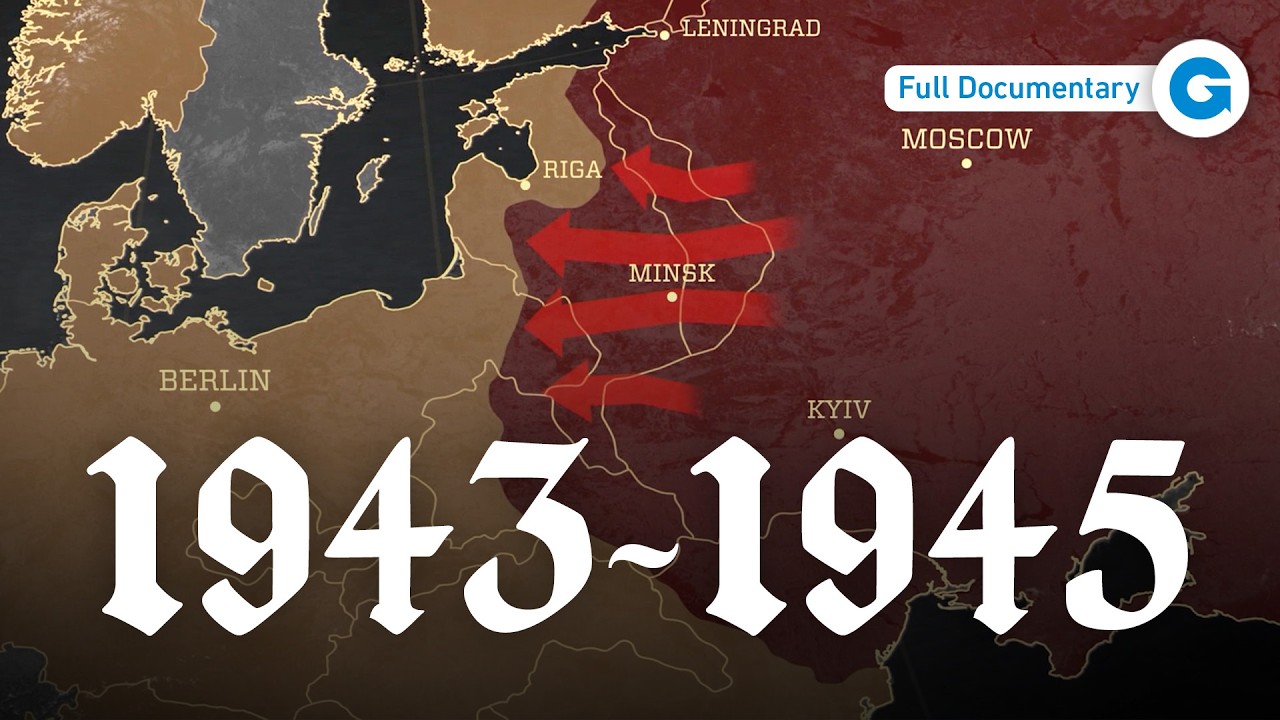
In Nazi Germany from 1943 to 1945, the regime's collapse is marked by internal terror, the Holocaust's death marches, and the suppression of resistance by the Gestapo.
Osama Bin Laden's transformation from a wealthy Saudi youth to the leader of al-Qaeda illustrates his radicalization and violent campaign against the West, culminating in the 9/11 attacks.
Gilberto Rodriguez Orejuela, known as the "Chess Player," and Pablo Escobar once led rival drug empires in Colombia, generating over $4 billion annually.
On March 9, 1796, Joséphine de Beauharnais marries Napoleon Bonaparte, beginning a relationship that shapes both their lives amid political turmoil.
Martin Bormann, Adolf Hitler's secretary and Chancellor of the Nazi Party, wielded significant power in Nazi Germany, controlling access to the Führer and orchestrating the regime's finances.
Paul Bevon found a Roman coin in a field in Sish, Gloucestershire, leading to the discovery of numerous artifacts over five years of excavation.
Elisabeth Kübler-Ross, a Swiss psychiatrist and author of "On Death and Dying," significantly advanced palliative care and destigmatized discussions around death.
A 128-kilometer aqueduct built by the Romans is one of the many artifacts displayed in Tunisia's Bardo National Museum, revealing the region's ancient history.
Queen Elizabeth II, who reigned for 75 years from the age of 21, is remembered for her grace, humor, and dedicated service to the British monarchy.
Clinton Young has spent 14 years on death row, maintaining his innocence in a case involving a drug-related incident that resulted in two murders.
In the late 1800s, a series of artefacts found in Michigan, inscribed with ancient scripts, sparked debate over their authenticity and implications for North American history.
Lugdunum, the ancient capital of the Gauls, showcases monumental Roman architecture built between the first century BC and the second century AD in present-day Lyon.
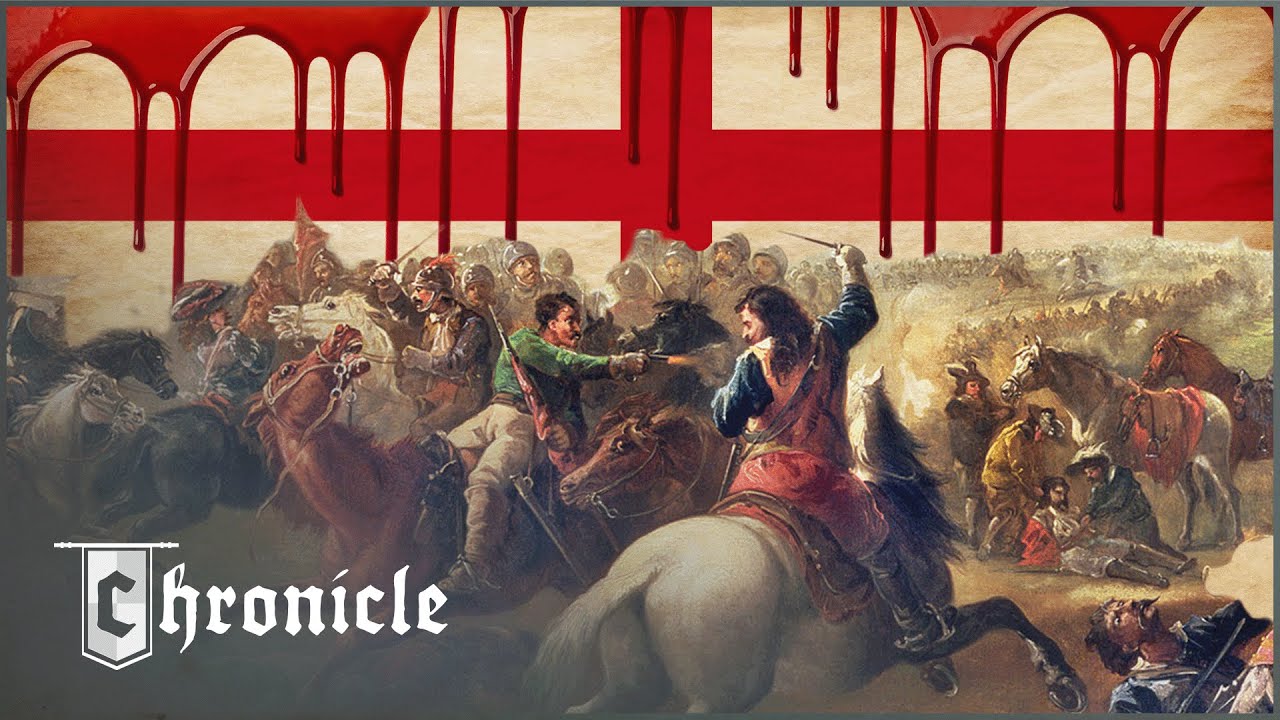
50,000 men fought at the Battle of Marston Moor in July 1644, marking one of the largest battles ever fought on British soil.
Gianni Versace's influence on 20th-century fashion is examined through insights from leading UK fashion writers and journalists.
Jean-François Champollion's groundbreaking work in the 1820s led to the first successful deciphering of Ancient Egyptian hieroglyphics, unlocking a key to understanding ancient civilization.
Giorgio Armani's influence on 20th-century fashion is examined through insights from leading UK fashion writers and journalists.
Historian James McPherson discusses Abraham Lincoln's self-education, leadership challenges, and the significance of the Battle of Gettysburg during the Civil War.
Muncaster Castle, a medieval fortress in the Lake District, has been home to the Pennington family for over 800 years and is built on Roman foundations.
In the early 1980s, the B’doul tribe was expelled from Petra, losing their homes in the caves where they had lived for generations.
Grant Harrold teaches proper use of cutlery and napkin placement for royal events, ensuring guests know how to behave at Buckingham Palace.