From over 100,000 films, discover the handful you'll love.
Free or premium access to the world's largest documentary library.
3628 films(Page 55 of 76)
Over 40 percent of paratroopers in the 82nd and 101st Airborne Divisions were casualties during the D-Day and Normandy campaign in World War II.
370 years ago, members of Parliament engaged in armed conflict with King Charles I, marking a turning point in England's first civil war.
Ida B. Wells, portrayed by Marti Gobel, highlights her journalism and activism against racism while discussing her role in the U.S. suffrage movement.
Queen Elizabeth II inaugurates the St.
In Washington DC, top historians including Renee Romano and Claire Bond Potter analyze the impact of the musical Hamilton on American historical understanding.
In Chichester, England, researchers Danielle Allen and Emily Sneff from Harvard University identified a second parchment manuscript of the Declaration of Independence.
Vincent Van Gogh's posthumous rise to fame, largely attributed to his sister-in-law Johanna, raises questions about the whereabouts of his lost artworks.
Sheila Tate served as press secretary to Nancy Reagan from 1981 to 1985, providing insights into the First Lady's life during her husband's presidency.
Three women in mid-19th-century Auburn, New York, organized conventions and provided support for abolition and women's rights, shaping social justice efforts.
Harry Belafonte reflects on his friendship with Martin Luther King Jr., sharing insights on their shared commitment to nonviolence and the Civil Rights Movement.
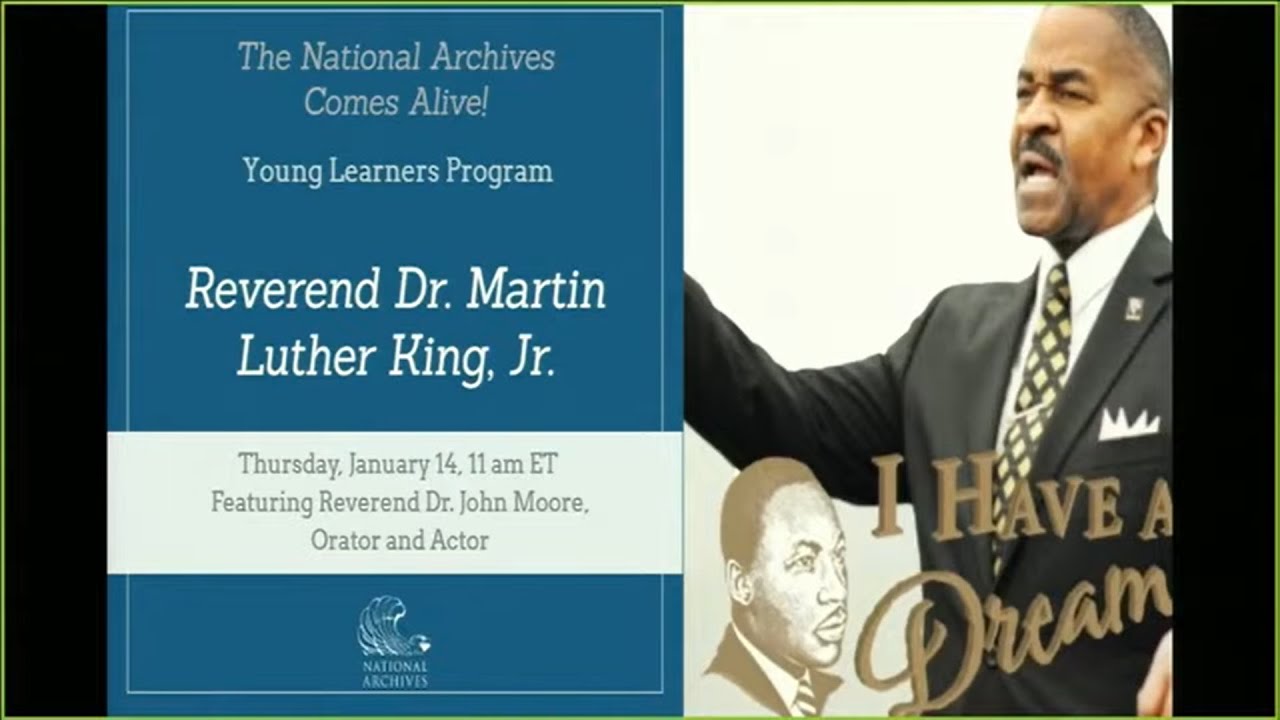
Reverend Dr. John Moore portrays Dr. Martin Luther King, Jr., sharing his impactful words and actions from the civil rights movement with young learners.
Gustave Eiffel's engineering legacy includes over 500 structures worldwide, such as the Eiffel Tower, the Maria Pia Bridge in Porto, and the Nyugati train station in Budapest.
Sarah Childress Polk, First Lady during James K. Polk's presidency, played a significant role in American politics and feminism, often overshadowed by contemporaries.
On August 28, 1977, Pelé played his final match, marking the end of an era in soccer and leaving a lasting legacy on the sport.
In 1789, George Washington laid out his itinerary for a tour of the United States, which included stops in Savannah, Georgia, and other key locations.
In May 1918, the 77th Division trains in Picardy, France, with British troops on bayonet tactics, machine guns, and field communications.
Jeffrey Rosen and Dr. Colleen Shogan examine how the pursuit of happiness shaped the philosophies of American founders like Benjamin Franklin and Thomas Jefferson.
Fifty years after their deaths, David Margolick discusses the complicated relationship between Martin Luther King, Jr. and Robert F. Kennedy.
Six significant events unfolded in the summer of 1876, including the Northfield raid and the first season of the National League in baseball.
In 1932, Maureen Perry Stafford became the first woman to carry the Society of Women Geographers' flag on an expedition to Greenland.
Jackie Kennedy and her sister Lee Radziwill navigated a complex relationship marked by rivalry and reconciliation amid their family's challenges in New York.
Thirteen modern Vice Presidents are examined for their complex relationships with Presidents in a discussion led by author Kate Andersen Brower.
In Cape Town, the legacy of the first heart transplant in 1967 reveals the overlooked contributions of Hamilton Naki, a Black surgeon who worked under apartheid.
More than 15,000 letters have been written advocating for the preservation of Canada's wilderness and national parks for future generations.
Dolores Huerta reflects on her extensive activism, including her role in the farmworkers movement, community organizing, and advocacy for social justice.
C.S. Lewis, a professor at Oxford University, created the beloved children's series that includes "The Lion, the Witch and the Wardrobe," captivating generations worldwide.
William Still sheltered hundreds of fugitive slaves in Philadelphia during the 1850s and documented their journeys in *The Underground Railroad Records*.
Albert Einstein, portrayed by actor Beau Solley, is explored through his life as a physicist and immigrant to America during the rise of Nazi Germany.
A.E. Staley, a North Carolina farm boy, built a billion-dollar agribusiness and owned the team that became the Chicago Bears, shaping American business.
Linda Kasabian, the getaway driver for the Manson Family, provides her first in-depth interview about the events leading to the Tate-LaBianca murders.
Joseph Bruchac's illustrated book highlights the life of Chester Nez, an original Navajo code talker, emphasizing the significance of indigenous heritage.
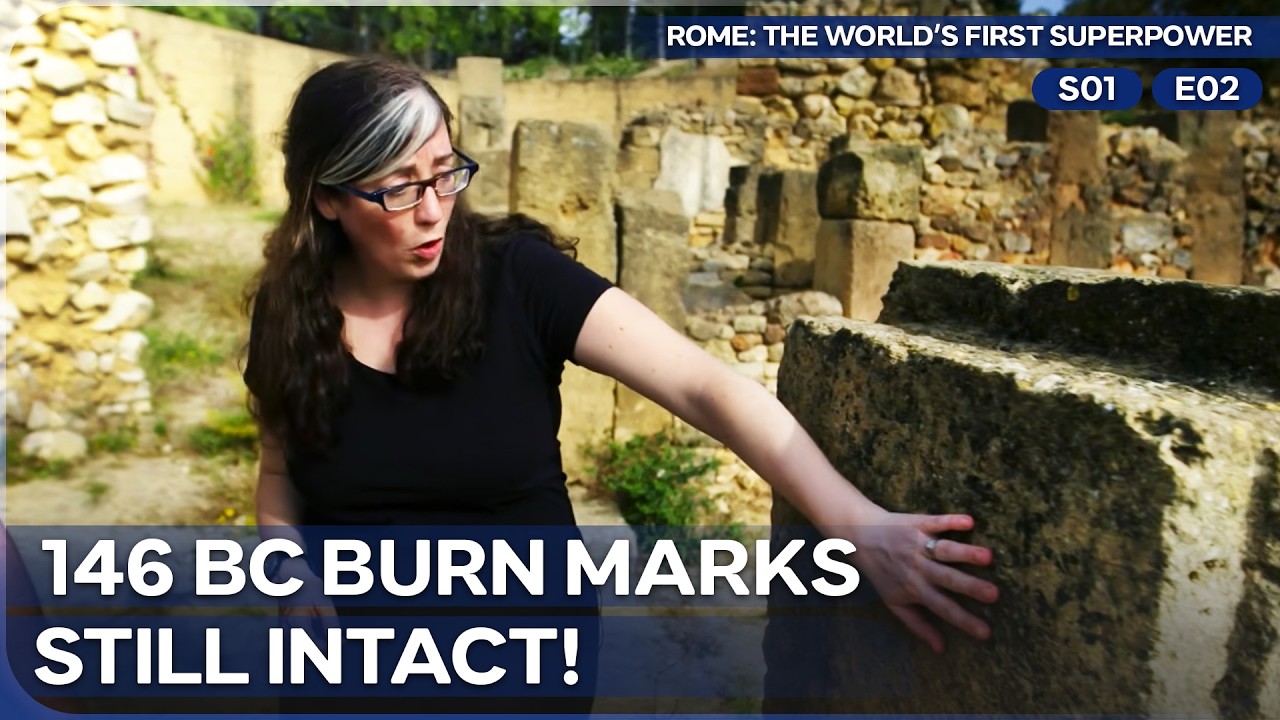
Ancient Rome's transformation from a small city-state to a vast empire is examined through its legendary commanders, epic battles, and enduring legacy.
2,400 troops crossed the ice-filled Delaware River on Christmas night in 1776, thanks to the efforts of the Marblehead Regiment during the American Revolution.
Michael Jackson's life, including his relationships with Elizabeth Taylor and Lisa Marie Presley, is explored alongside the events leading to his 2009 death.
Medieval murder mysteries are examined through modern forensics and criminal psychology, revealing the true circumstances behind historical deaths of notable figures.
Archaeological findings across France, Germany, Austria, and Switzerland reveal the advanced civilization of the Celts, who built fortified cities and mastered iron long before Roman dominance.
In the summer of 1483, the mysterious disappearance of young heirs Edward V and Richard of Shrewsbury from the Tower of London raises enduring questions about King Richard III's role in their fate.
Queen Elizabeth II's reign is explored through significant events and challenges that shaped her transition from a young monarch to a respected leader.
Betsy Ross was born on January 1, 1752, in Philadelphia, Pennsylvania, and is known for sewing a flag for the Continental Congress during the American Revolution.
Francesco Tiboni challenges the traditional narrative of the Trojan Horse by proposing it was a Phoenician ship, supported by archaeological evidence and ancient texts.
Prince William and Prince Harry navigate the challenges of royal life and public scrutiny in the years following the death of their mother, Princess Diana.
Monika Kraus, a German citizen in post-revolution Cuba, becomes a prominent state sex educator advocating for women's rights and contraception amid a patriarchal society.
Frederick Douglass, an influential abolitionist and statesman, escaped slavery in 1838 and became a prominent advocate for African American rights and equality.
Prince Charles navigates the complexities of royal duty, personal isolation, and unfulfilled expectations as the longest-serving heir apparent in British history.
Thomas Jefferson wrote to artist Charles Wilson Peale in January 1802 about his plan for a general university in Virginia, which he considered a major achievement.
Hannibal Barca's military strategies during the Second Punic War, including his famous Alpine crossing and use of war elephants, nearly led to Rome's downfall.
Appleton Oaksmith's life as a sea captain during the mid-19th century highlights key events like the California Gold Rush and the Lincoln administration's efforts against the slave trade.
In early 11th century Normandy, eight-year-old William faces challenges to his legitimacy as he inherits the duchy after his father Robert I's death.