From over 100,000 films, discover the handful you'll love.
Free or premium access to the world's largest documentary library.
3628 films(Page 43 of 76)
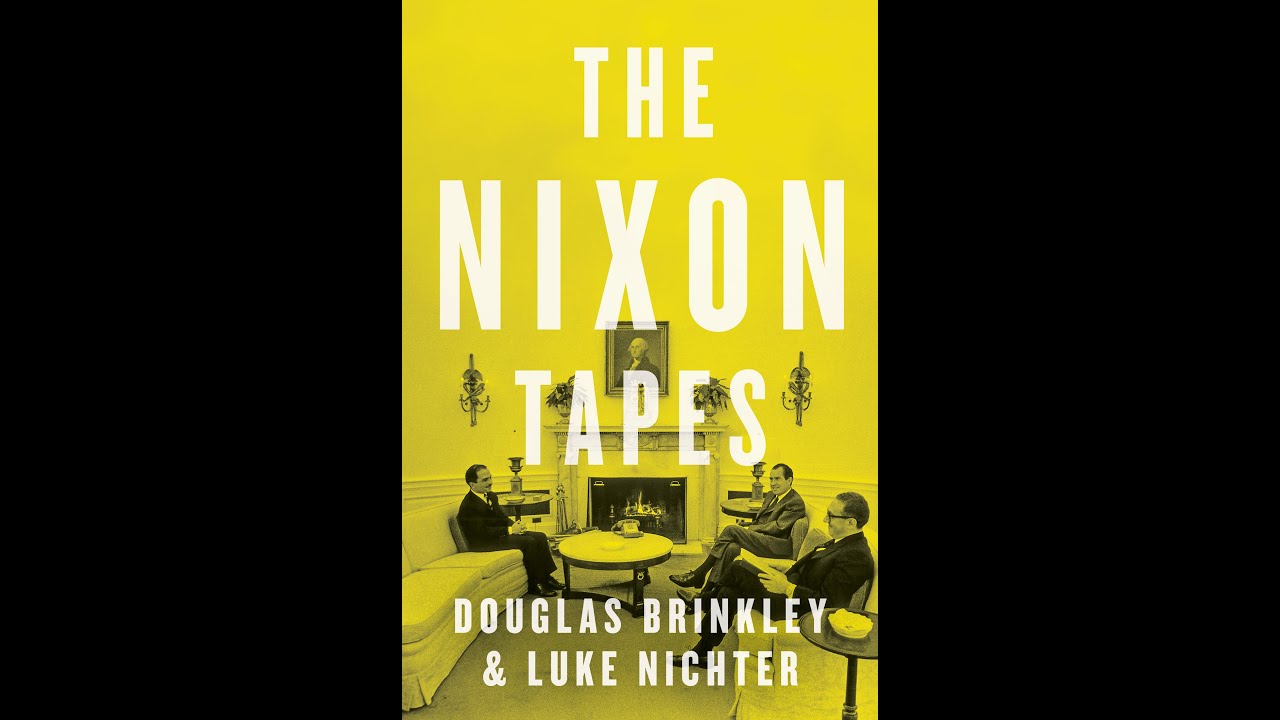
President Richard Nixon's voice-activated taping system recorded conversations in the White House and Camp David from 1971 to 1973, revealing insights into his controversial presidency.
Edwin Stanton, as Secretary of War under Abraham Lincoln and Andrew Johnson, significantly shaped military and political strategies during the Civil War and Reconstruction.
Historian Michael Burlingame examines Abraham Lincoln's challenges during his presidency, including the Fort Sumter crisis and the path to Emancipation.
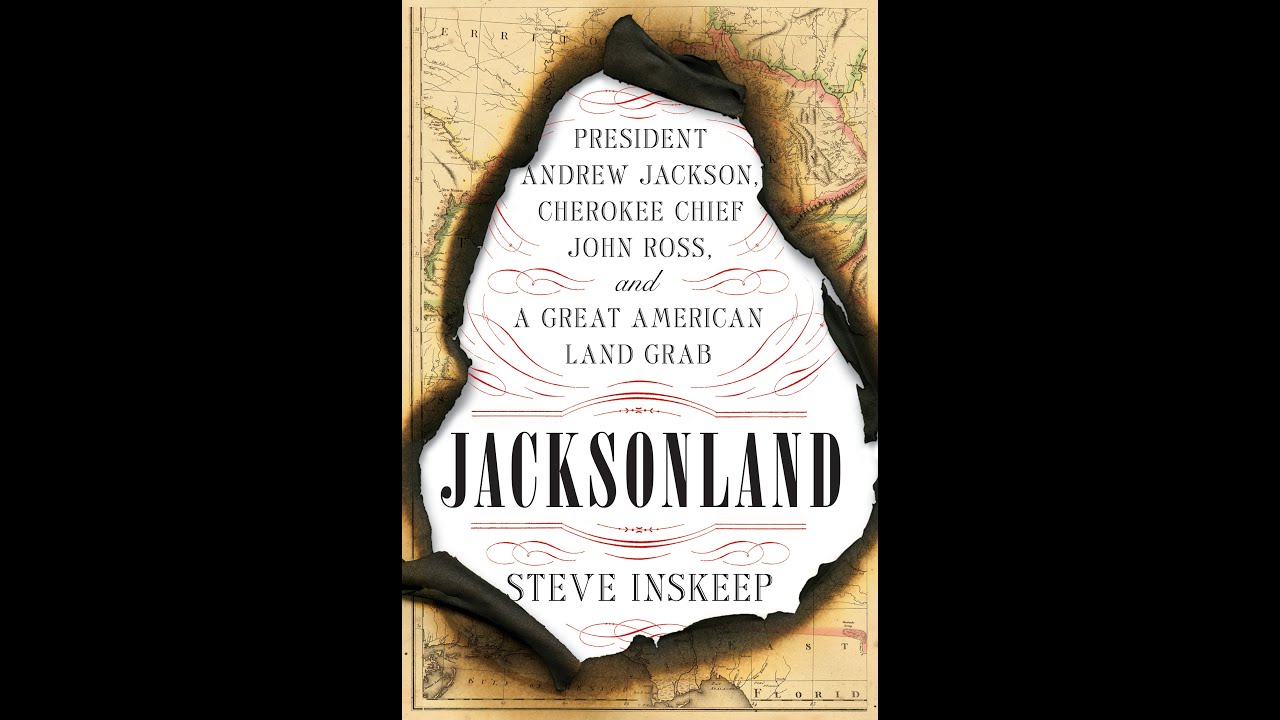
President Andrew Jackson's policies led to the forced removal of Cherokee Chief John Ross's people from their ancestral lands in the Deep South.
At the end of WWII, a team of experts, including Robert Edsell and historian James Holland, investigates Hermann Göring's missing multi-billion dollar art collection.
Southern West Country-class 34027 "Taw Valley," rescued from a scrapyard by John Smith in 1980, exemplifies the passion for preserving British steam engine heritage.
Historian Edward Ayers examines Abraham Lincoln's presidential election victory, the secession of the Deep South, and the evolution of Lincoln's views on Emancipation during the Civil War.
Controversial theories and suppressed historical events are examined through expert interviews and investigations, challenging established narratives about the past.
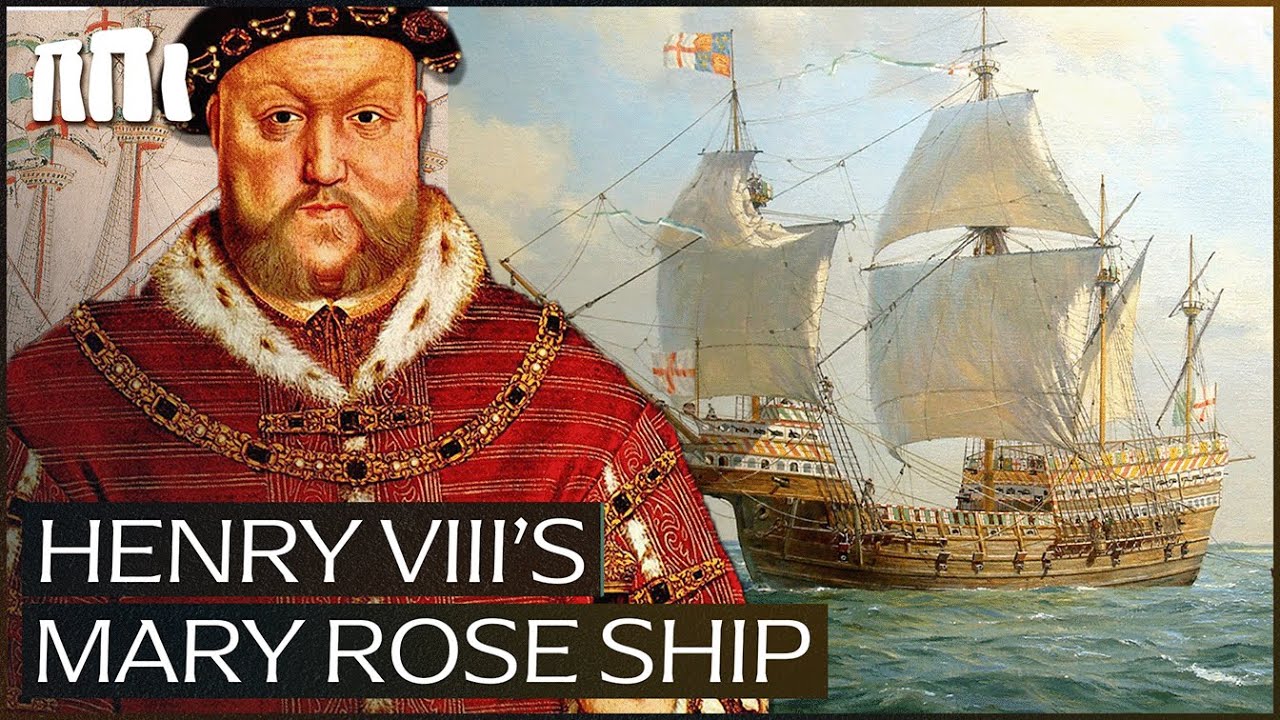
Henry VIII's warship sank in 1545, leading to various theories about the causes, including enemy fire, construction flaws, and royal decisions.
John Boswell gained unprecedented access to the Vatican archives, leading to the publication of four award-winning books on same-sex unions in medieval Europe.
Sidney Blumenthal's biography details the years 1856 to 1860, when Abraham Lincoln emerged as a national leader amid intense political competition.
Amelia Earhart's mysterious disappearance in 1937 and her enduring legacy are explored through the lens of her sister Muriel's unwavering support.
Tim Gunn moderates a discussion featuring Valerie Steele, Lisa Kathleen Graddy, and Tracy Reese on the fashion choices of American First Ladies.
Prince William and Prince Harry navigate the complexities of royal duties and public scrutiny, revealing the challenges of their upbringing within the British Royal Family.
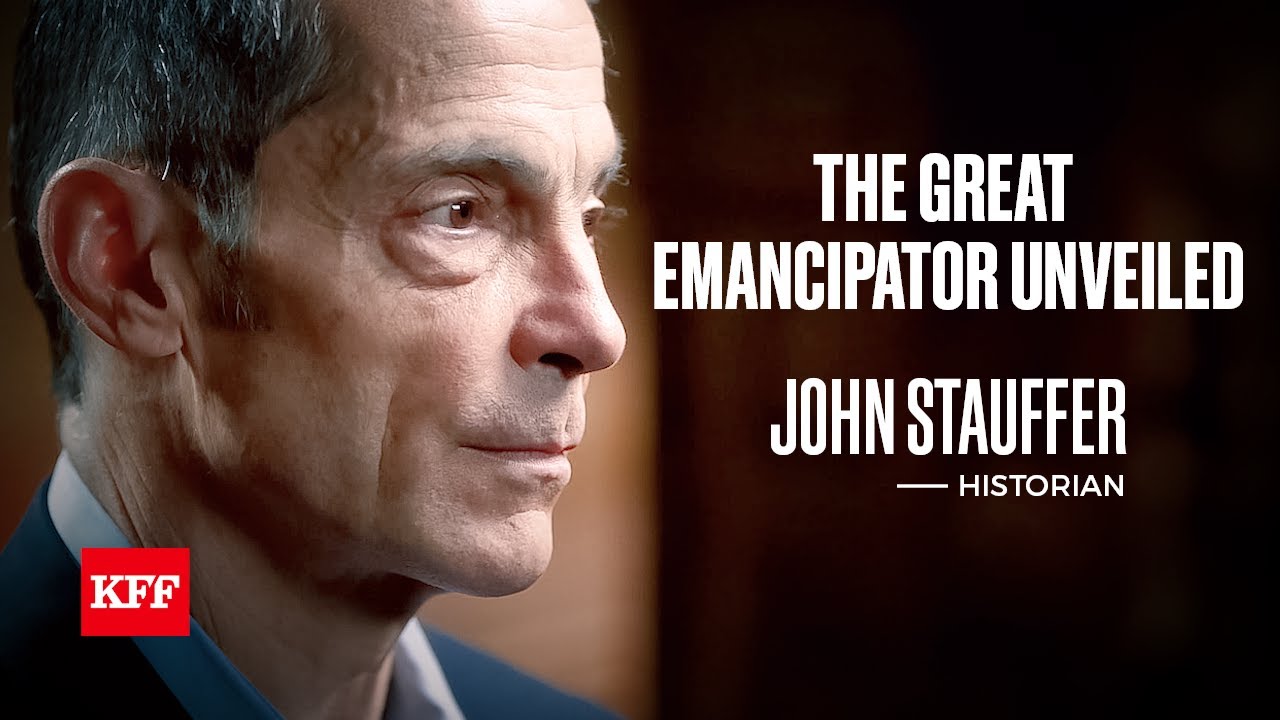
John Stauffer analyzes Abraham Lincoln's leadership qualities, highlighting his upbringing, literary passion, and the historical context of the Republican Party and the Dred Scott decision.
George Washington's diary entry from February 18, 1786, lists 216 enslaved individuals, including Oney, who served the founding families of America.
Ancient powers in Mesopotamia and Rome engage in brutal warfare to defend their territories and expand their influence across the region.
Prince Philip's life is examined, highlighting his Greek heritage, his role in modernizing the House of Windsor, and his influence on the British monarchy.
A hundred and thirty Spanish ships, manned with 30,000 soldiers, advanced on England during the conflict known as the Spanish Armada.
More than 1,700 women applied to serve as telephone operators in World War I, but only 223 were sent to France to support the U.S. Army.
Prince Charles and Princess Diana's marriage is analyzed, focusing on the key factors that contributed to their eventual divorce.
Archaeological findings in Rome and Istanbul suggest that Emperor Constantine strategically merged various deities to promote Christianity as a synthesis of sun gods.
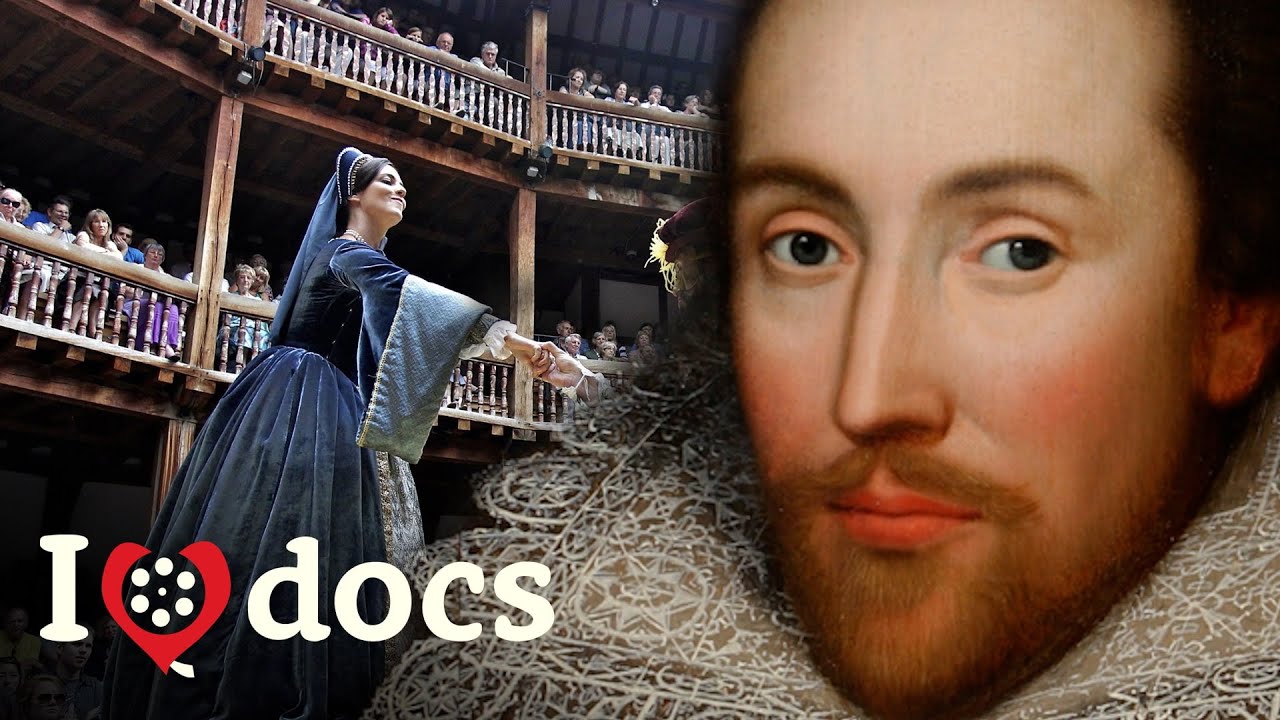
William Shakespeare's life in Stratford and London is examined, highlighting his impact on theatre and the English language during a transformative era.
Ramses II, known for his monumental achievements and 66-year reign, fathered 101 documented children and navigated complex dynastic politics with 12 royal wives.
In Scandinavia, a devastating famine prompted peaceful farm hands to transform into fierce warriors, leading to the Viking Age's expansion across Europe and North America.
Sandro Botticelli's extensive artistic exploration of Dante's depiction of hell reveals intricate narratives and symbolism within his Renaissance masterpieces.
Fred Dinenage recounts the lives of notorious British criminals Ronnie and Reggie Kray, exploring their childhood, rise in organized crime, and his own connection to them.
Dorothy Cotton, a key figure in the Southern Christian Leadership Conference, reflects on her experiences traveling with Martin Luther King Jr. and his approach to nonviolence.
In 1759, the Battle of the Plains of Abraham in Quebec City resulted in the fatal wounding of British General James Wolfe and French General Marquis de Montcalm.
Edward Lansdale's diplomatic strategies in Vietnam, as examined by military historian Max Boot, highlight the failures of America's military bureaucracy.
Controversial theories challenge traditional beliefs about the construction of the Great Sphinx and the historical existence of Biblical figures David and Solomon.
John McCain reflects on his military upbringing, service in Vietnam, years as a prisoner of war, and over three decades in the U.S. Senate, addressing his legacy and battle with brain cancer.
Eddie Cantor's legacy as a prominent entertainer, philanthropist, and activist is explored through his Jewish heritage and political engagement in 20th-century America.
Ancient Egypt's history reveals a narrative of treachery, featuring figures like Akhenaten, who challenged traditional beliefs, and conspiracies that led to dynastic downfall.
Franklin's son served as the royal governor of New Jersey, illustrating the deep divisions among families during the American Revolution.
Thomas Jefferson's complex legacy regarding Christianity, slavery, race, and philosophy is examined through insights from Annette Gordon-Reed and Peter Onuf.
In the first episode of a three-part series, Lucy Worsley examines the mythologization of the American Revolution and its historical accuracy.
James Madison's extensive revisions to his Notes on the 1787 Constitutional Convention are examined through digital technologies and textual analysis by Mary Sarah Bilder.
George Mason, a key figure in American history, was instrumental in drafting the Declaration of Independence and the Bill of Rights while advocating for religious liberty.
At the end of WWII, a team of experts, including Robert Edsell and James Holland, investigates Hermann Göring's missing multi-billion dollar treasure collection.
Experts, including archaeologists and astrophysicists, provide new insights into the Bayeux Tapestry, an iconic artefact steeped in historical mystery.
Forensic geologist Scott Wolter and a treasure hunter investigate the legend of Prince Henry Sinclair and the Knights Templar's treasure in Nova Scotia.
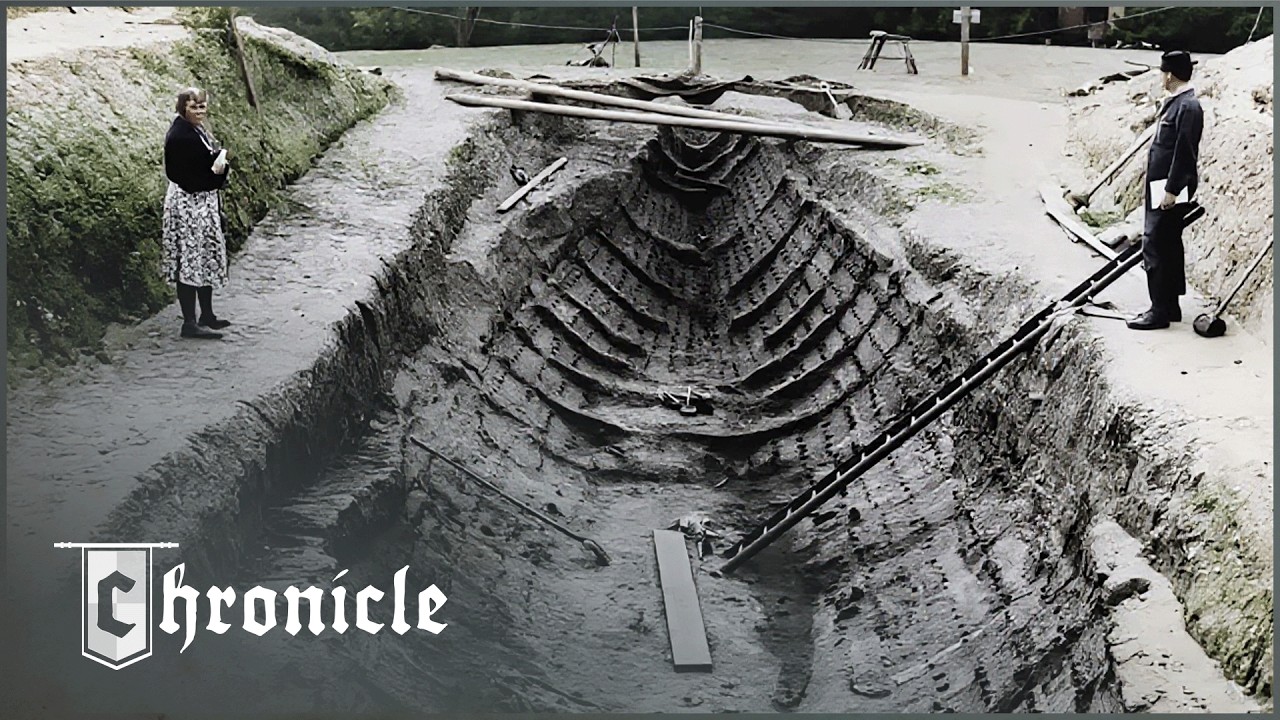
In Salme, Estonia, archeologists excavate two 1300-year-old Viking burial ships containing human remains and a variety of grave goods, reshaping the understanding of Viking culture.
Joseph Ellis discusses the American Revolution, a conflict that lasted from 1773 to 1783 and involved a struggle for independence marked by significant violence.
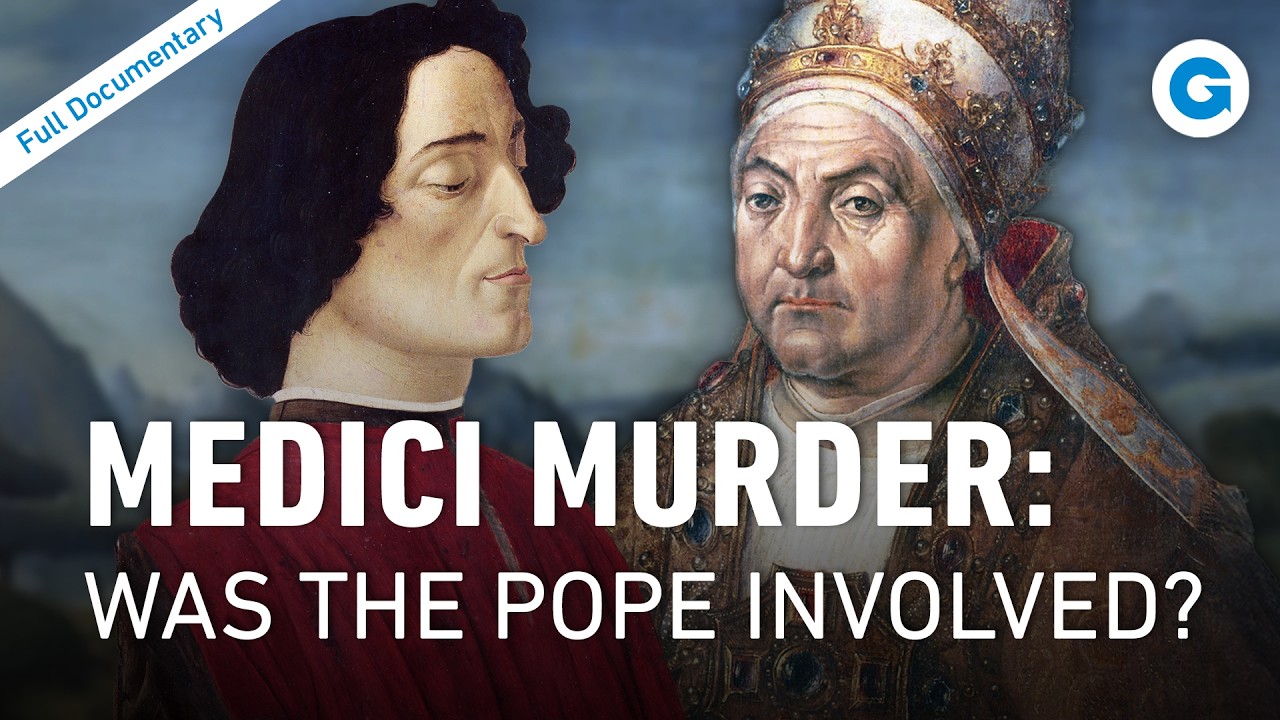
In Renaissance Florence, the Pazzi family's assassination attempt on Medici brothers Giuliano and Lorenzo in 1478 leads to a failed coup and historical repercussions.
Princess Diana's iconic style is explored through rare footage, highlighting her fashion evolution during royal duties and leisure moments from the Caribbean to official tours.
Vivienne Westwood's influence on 20th-century fashion is examined through insights from leading UK fashion writers and journalists.
Princess Diana's life is examined through her evolution from a shy young woman to the "People's Princess," highlighting her charity work and lasting legacy.