From over 100,000 films, discover the handful you'll love.
Free or premium access to the world's largest documentary library.
7535 films(Page 36 of 157)
In Tanzania's Usumbara rainforest, wildlife photographer Todd Gustafson captures the diverse ecosystem, featuring over 800 bird species, flamingos, and ostriches.
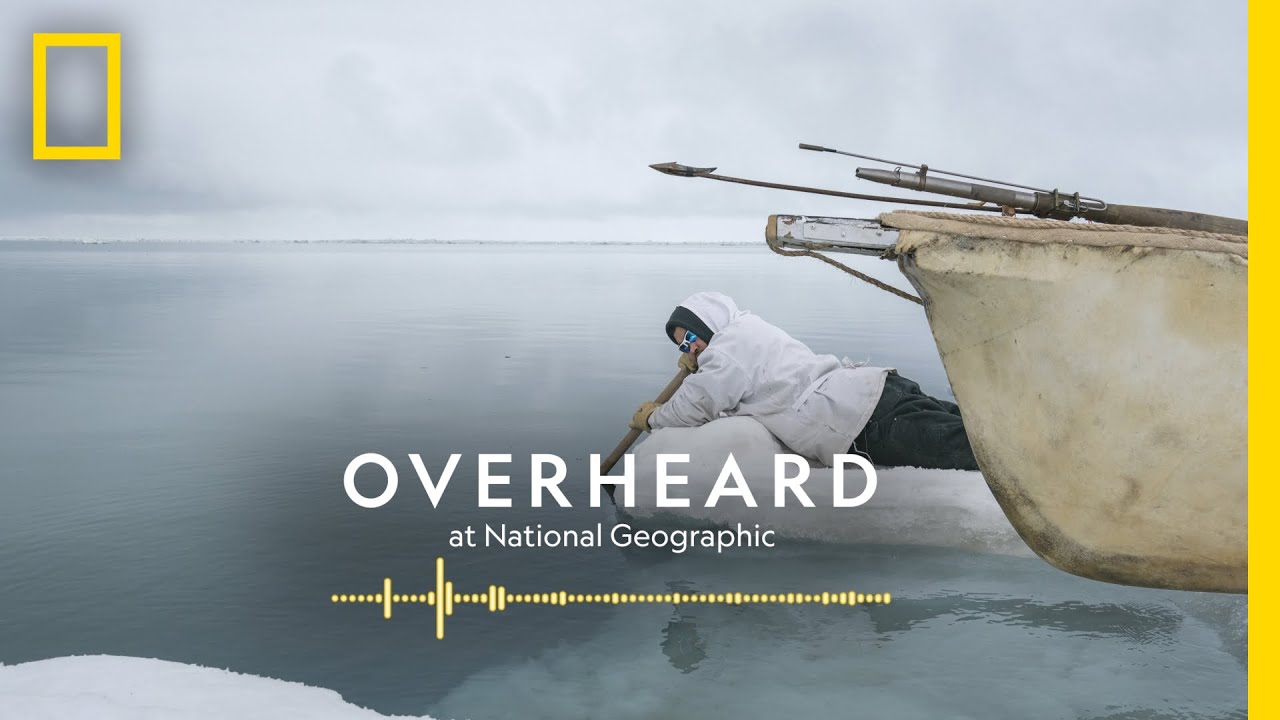
Kiliii Yuyan camped on Arctic sea ice in 2018 with Inupiaq hunters, documenting their bowhead whale hunting rituals amid unstable ice conditions.
The Red Sea's vibrant coral reefs and historic shipwrecks are showcased through immersive lenses, highlighting the region's rich marine biodiversity.
Masaya volcano in Nicaragua, active for over 30,000 years, hosts a unique ecosystem where wildlife thrives amidst toxic gases and the threat of eruptions.
In the wild coasts of Patagonia, diverse wildlife such as southern right whales, elephant seals, and orcas thrive, particularly at Caleta Valdez during mating season.
In the Masai Mara, lions, hyenas, elephants, and cheetahs navigate the ancient rhythms of the African savannah amid the annual migration of millions.
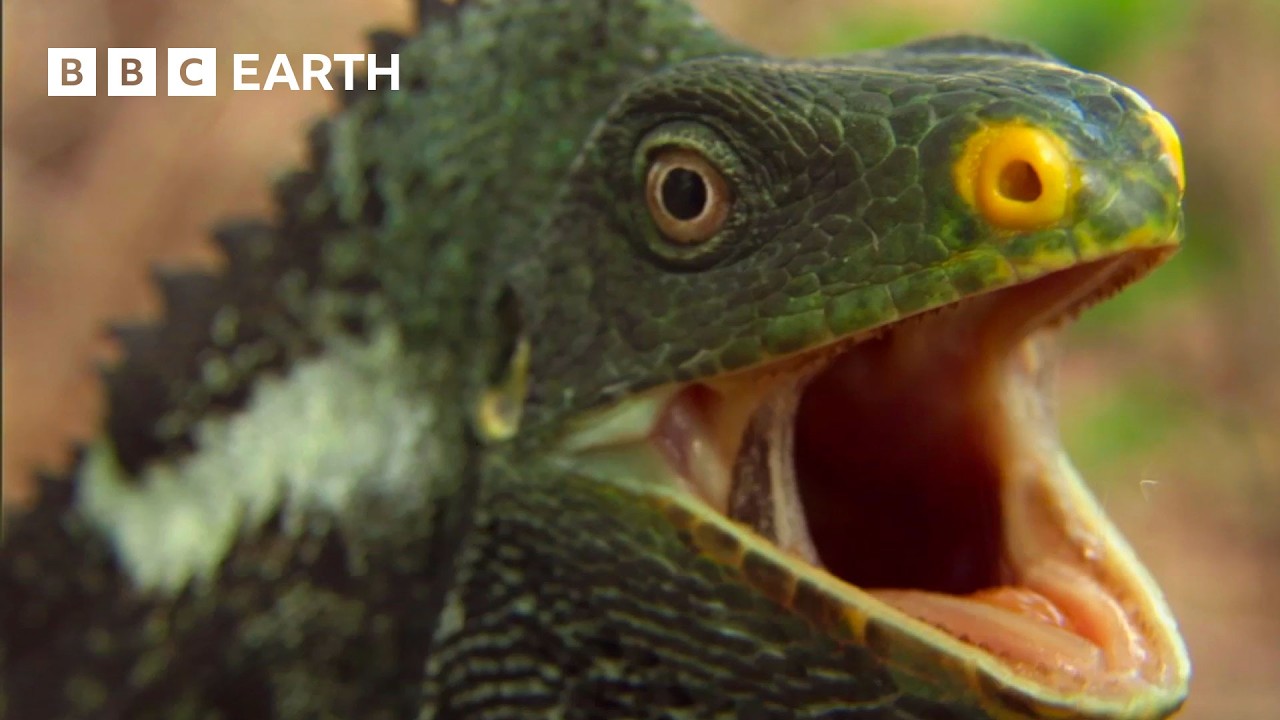
On a remote Mediterranean island, a unique species of lizard thrives by adapting its diet, highlighting the stories of survival among isolated wildlife.
Wildlife photographer James R. Page showcases the endangered Grasslands National Park in Canada, highlighting its diverse ecosystems and wildlife over two decades.
The Straits of Gibraltar serve as a critical migratory route for diverse wildlife, highlighting the ecological significance of this border between Africa and Europe.
In Florida's Everglades, biologist Sean Heflick, cop Greg Graziani, and python expert Michael Cole track a prolific Burmese python threatening local ecosystems.
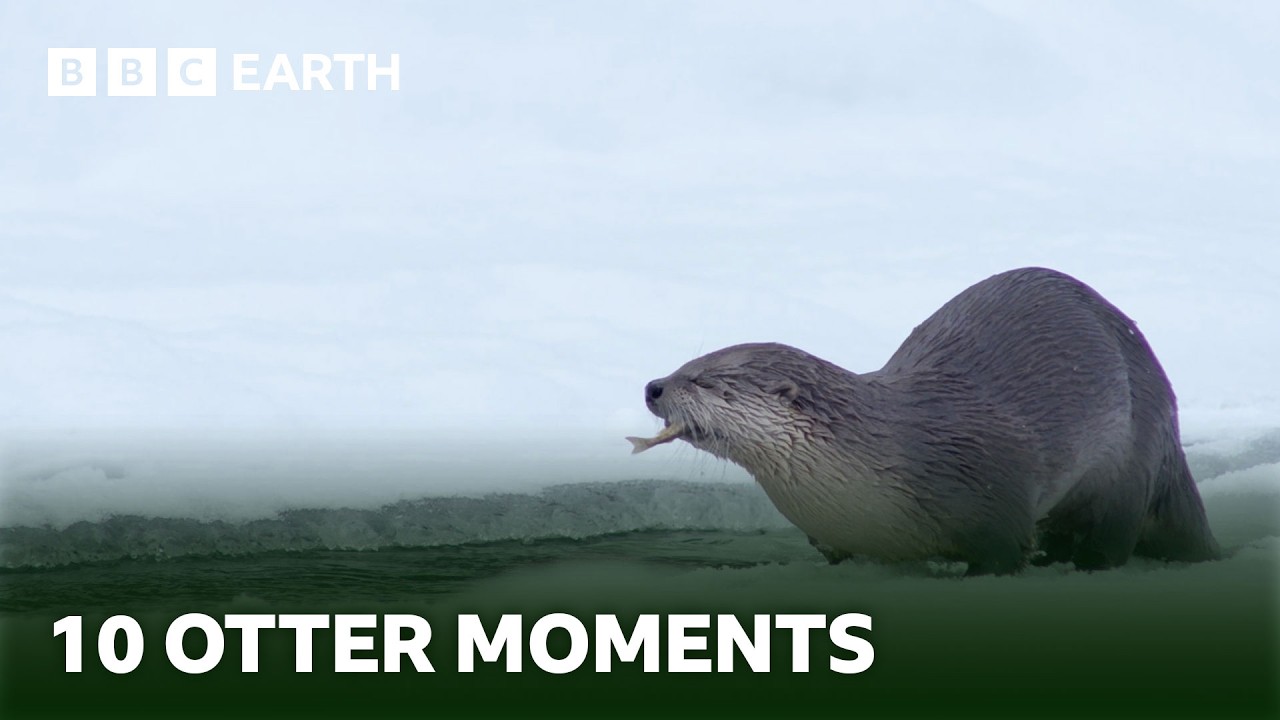
Otters exhibit remarkable survival skills, showcasing how they insulate themselves, learn to swim, and hunt under the guidance of their mothers.
Pittsburgh has nearly 450 bridges, more than any other city in the world, as it shifts from an industrial past to a focus on climate solutions.
Glacier Bay National Park in Alaska features snow-capped mountains, fjords, forests, beaches, and diverse wildlife in its unspoiled wilderness.
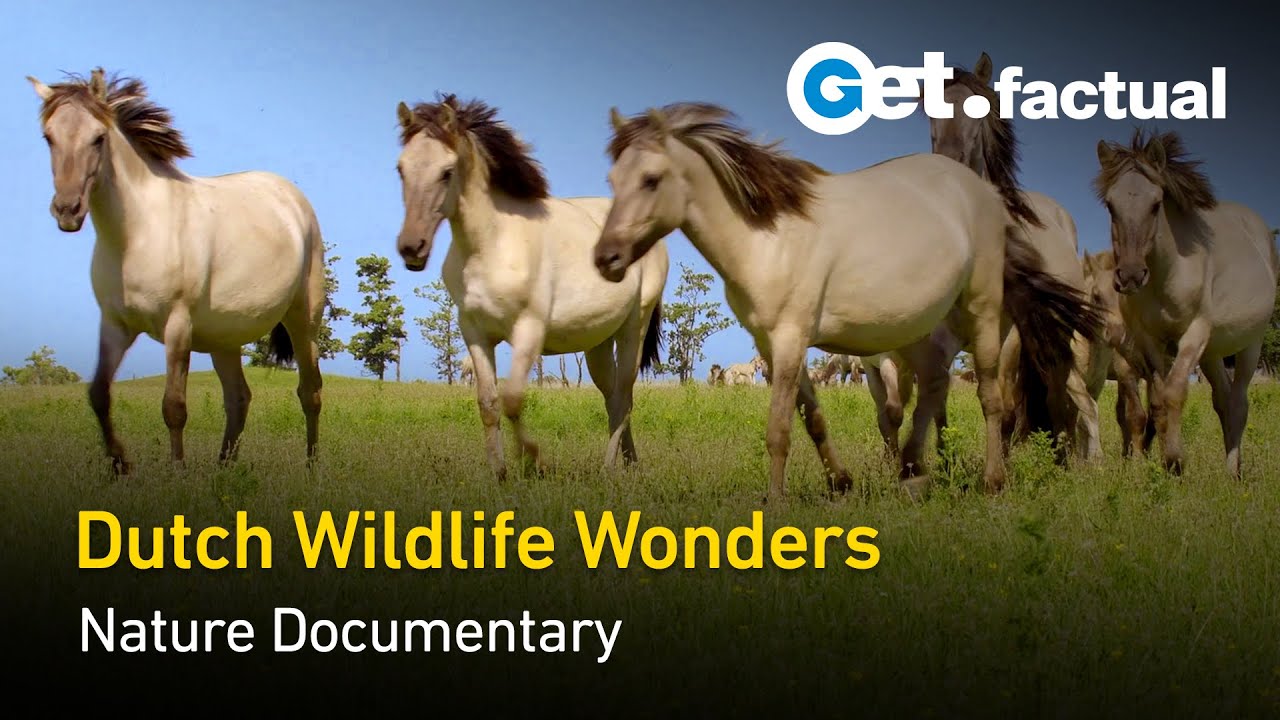
Sea eagles thrive in the Oder Delta, where over 200 gather for feeding, alongside the first wolf pack in Western Pomerania and herds of wild horses and bison.
Stephen Wilkes documented sea stacks over 100 feet tall at Shi Shi Beach, a remote location in Olympic National Park, in May 2022.
In the French Alps, Roï, the last wild sea eagle, forms a bond with Kaaba, a captive eagle, as she learns to reclaim her freedom.
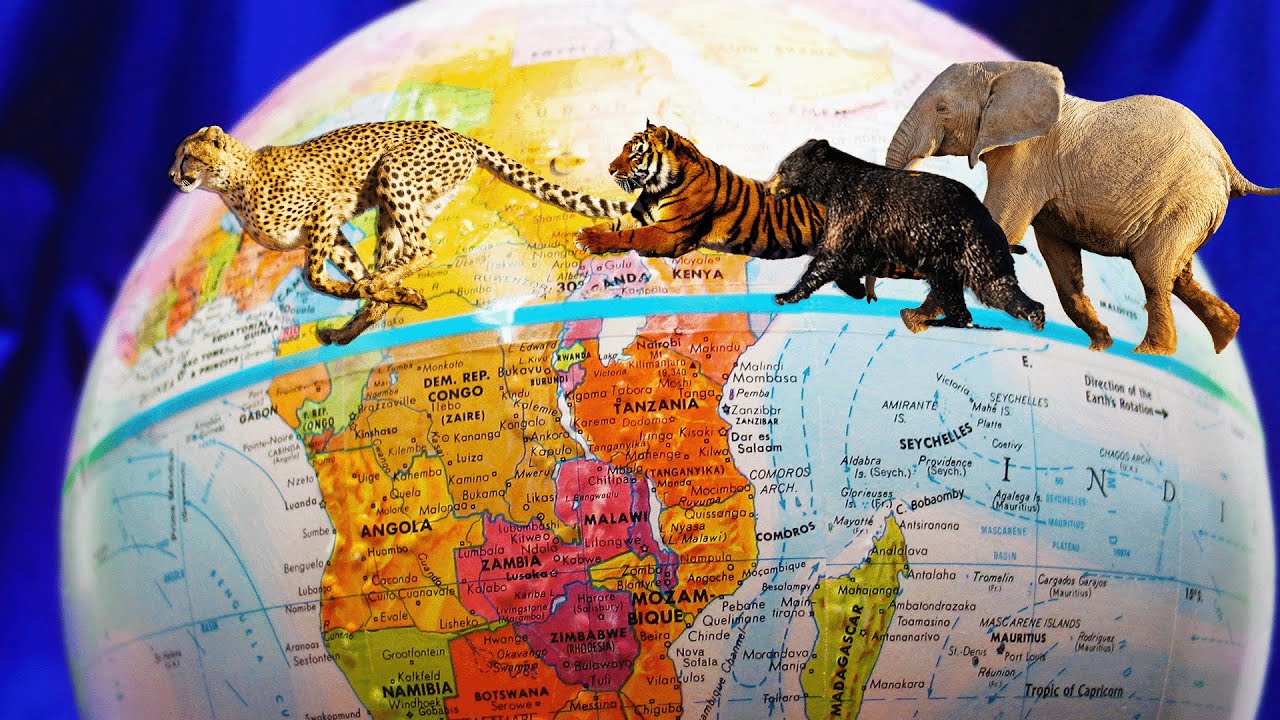
The equatorial wilderness, spanning the Amazonian jungles, Andean cloud forests of Ecuador, and Kenyan savannahs, is home to diverse wildlife like anacondas, spectacled bears, and cheetahs.
In eastern Botswana, the Tswapong hills host unique wildlife such as Black Eagles and vultures, while local villagers regard the area as sacred due to powerful spirits.
Ten miles of trails wind through Bothe-Napa Valley State Park, offering access to redwood groves and diverse wildlife habitats.
Apalaanchis people in Colombia skillfully balance their roles as shepherds and fishermen, adapting to a harsh environment while preserving their rich traditions.
More than a million pangolins have been poached from the wild since 2000, pushing the species to the brink of extinction.
In the Maasai Mara and Amboseli, Kenya's diverse ecosystems showcase the intricate relationships between predators, migrations, and survival in the wild.
Minus 27° C proved too much for a new mother dog in Atoci, where survival depends on the bond between humans and Greenland dogs.
The Falkland Islands serve as a vital habitat for diverse wildlife, including rockhopper penguins, albatrosses, and sea lions, amidst their rugged coastal landscapes.
Nine out of ten kiwi chicks do not survive to their first birthday due to threats from introduced predators like rats and stoats.
Ten lions make up the Marsh pride in Savute, Botswana, where they compete for survival against other apex predators in a harsh environment.
Moor habitats showcase a rich biodiversity, featuring carnivorous plants, unique wildlife behaviors, and vital ecological functions that highlight the need for conservation.
Nearly 3 billion years ago, molten rock from the Earth's interior solidified to form the ancient fells of Lapland, the oldest mountains on Earth.
The global dependence on crude oil is examined through the lens of the 2010 Deepwater Horizon disaster, highlighting the risks and environmental costs of extraction.
Lake Norman, a man-made reservoir in North Carolina, is the center of local legends about a possible mutated creature, sparking fear and speculation among residents and visitors.
Shark finning continues to threaten numerous shark species in South Africa, driven by the high demand for shark fin soup in the Far East.
Madagascar and the South Pacific showcase some of the world's most extraordinary island wildlife, highlighting unique ecosystems and species.
Around 600 beavers now populate the Netherlands, marking a successful return for the species after being eradicated from the country.
China's grasslands, part of the Eurasian Steppe, host diverse species like Tibetan foxes and Demoiselle cranes while facing challenges from desertification.
Two friends face disaster during a mountaineering expedition on Mount Rainier.
Around 260 cubic kilometers of water flows down from the Alps every year, supplying vital resources to millions across Europe.
Twelve survivalists face 35 days in a barren, dry environment with no natural resources and extreme tension among team members.
Southern Africa's coastline is shaped by the cold Benguela and warm Agulhas currents, creating a diverse marine environment that supports various species.
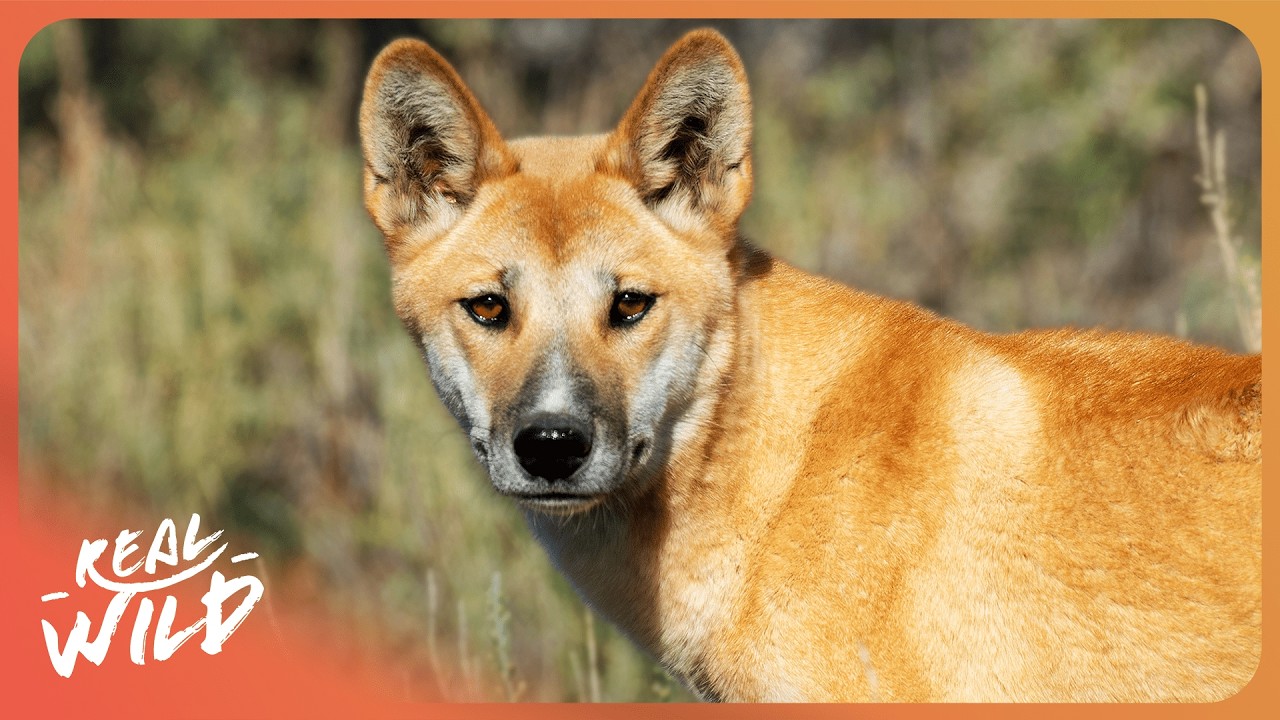
A dingo mother gives birth to a litter of seven pups in winter, relying on her pack's support to raise them in Southeastern Australia.
Baja Mexico's Sea of Cortez hosts diverse ecosystems and charismatic marine life, including sea lions, devil-rays, great white sharks, and giant mantas.
The pygmy three-toed sloth, one of the rarest mammals with only 60 individuals remaining, is the focus of a conservation quest by the Sedna IV crew on Barro Colorado Island.
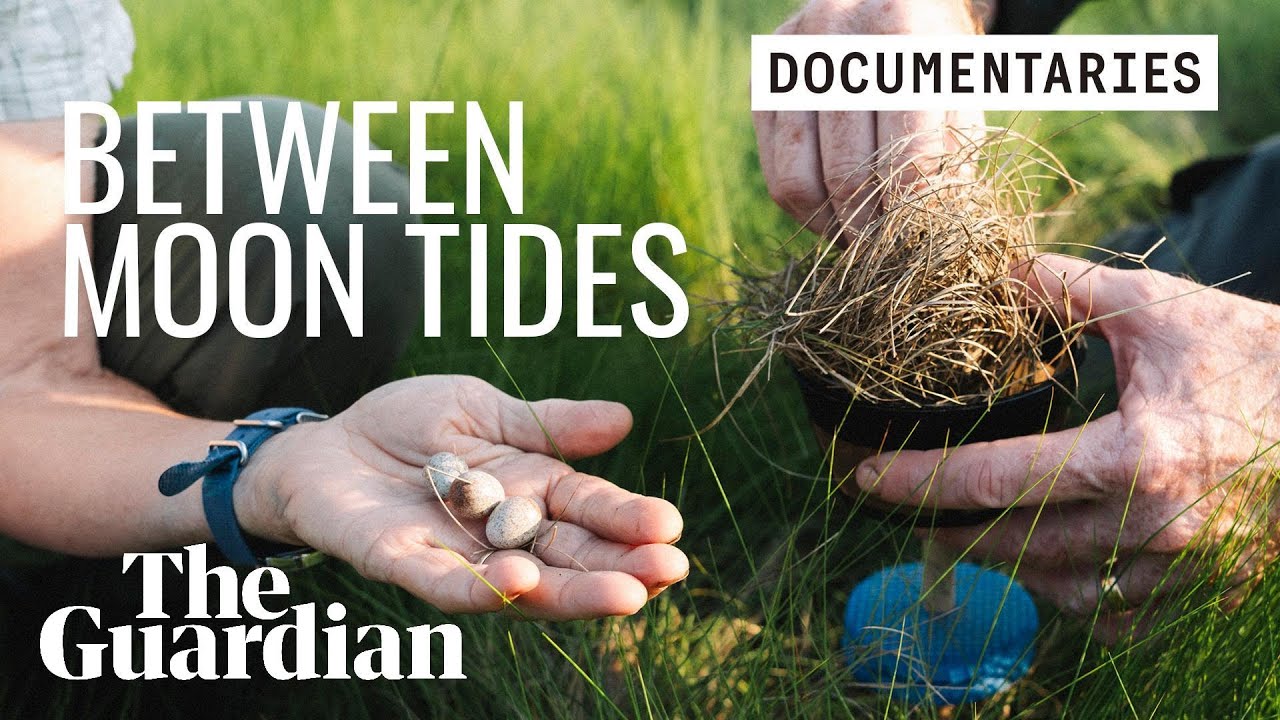
Citizen scientists in Rhode Island, led by septuagenarian Deirdre, work to save the endangered saltmarsh sparrow from extinction due to rising sea levels.
In Ghana, approximately 10,000 dolphins are killed annually despite legal protections, while conservation efforts in Senegal aim to safeguard the critically endangered Atlantic humpback dolphin.
Höga Kusten, Sweden's High Coast, is a unique landscape shaped by rising land and the cultural tradition of surströmming, a fermented herring delicacy produced on Ulvön island.
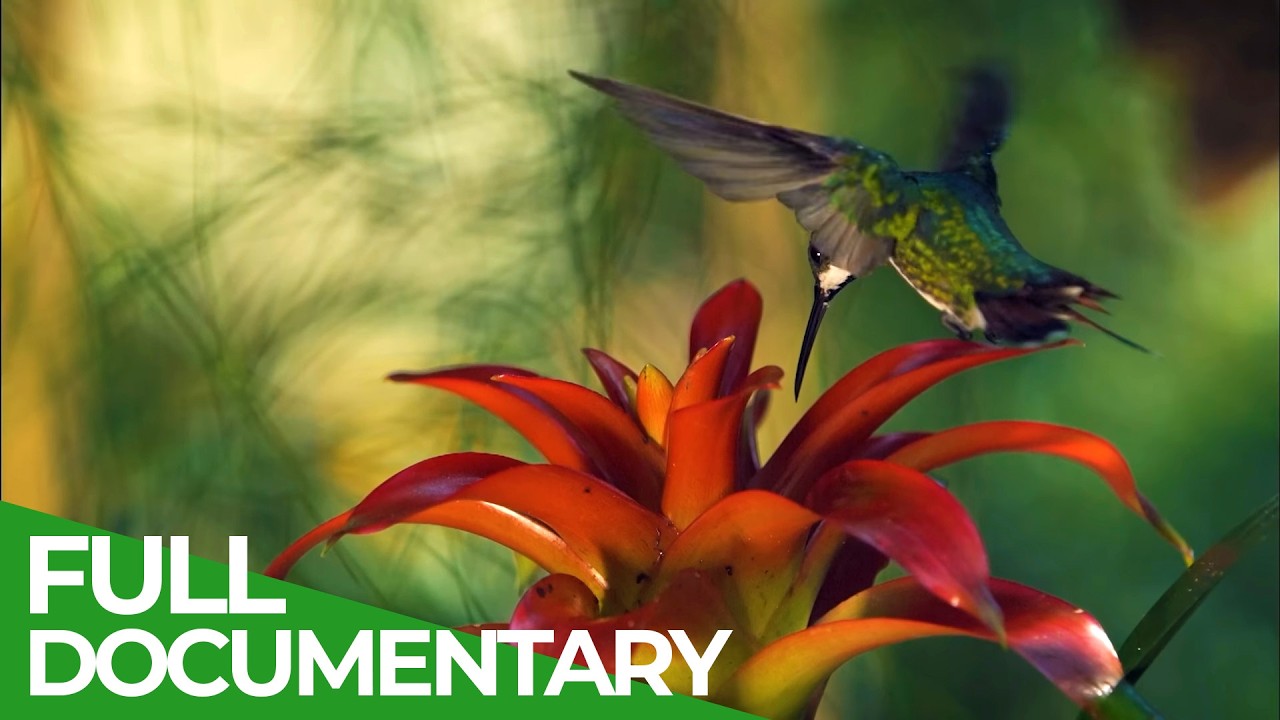
In Costa Rica, scientists study endangered jaguars using photo-identification while addressing the threat of a deadly fungus affecting local frog populations.
Animal species in mountains, oceans, polar regions, grasslands, jungles, and deserts exhibit unique adaptations to survive Earth's extreme climates.
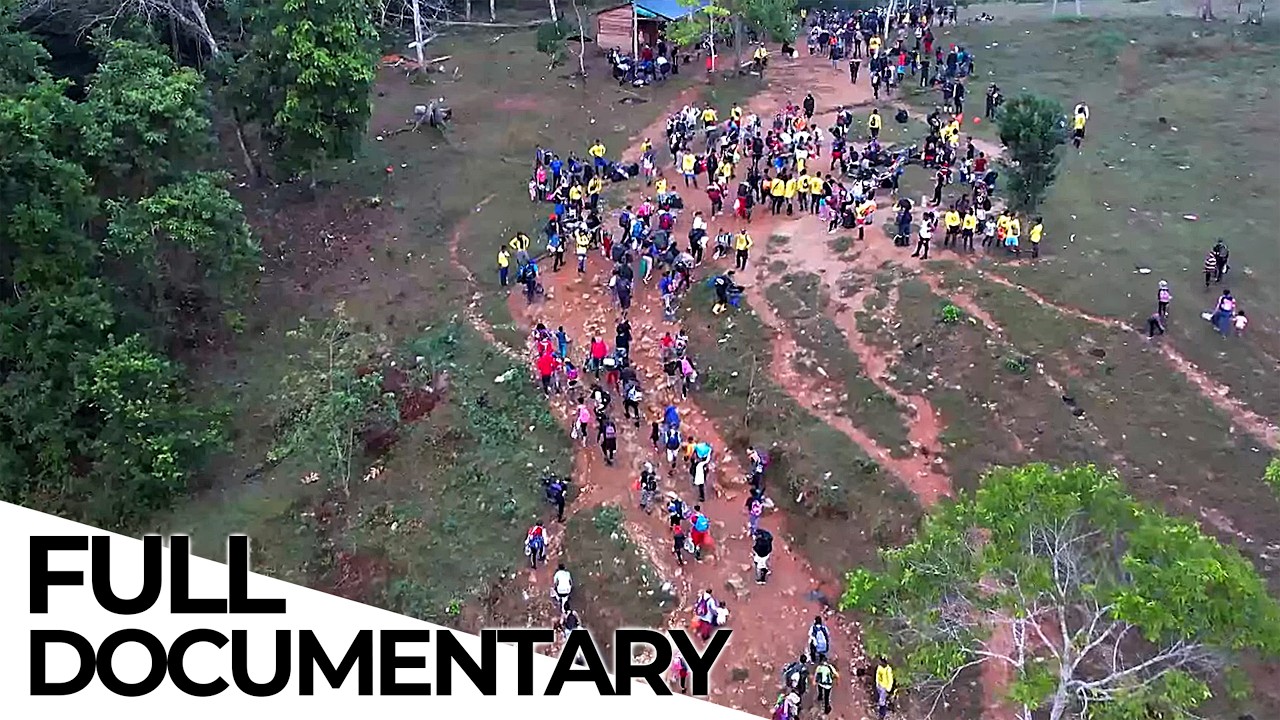
Panama faces a severe crisis as historic droughts disrupt canal operations, while over half a million migrants navigate the perilous Darién Gap in search of safety.
Brazil's Atlantic Rain Forest, home to unique wildlife such as the largest South American monkey and intricate ecosystems, showcases the country's unparalleled biodiversity.
![Documentary backdrop image for The Spectacular Birds Of East Africa [4K] | To The Ends Of The Earth (2021)](https://i.ytimg.com/vi/4mswmdMknLQ/maxresdefault.jpg)