From over 100,000 films, discover the handful you'll love.
Free or premium access to the world's largest documentary library.
7535 films(Page 101 of 157)
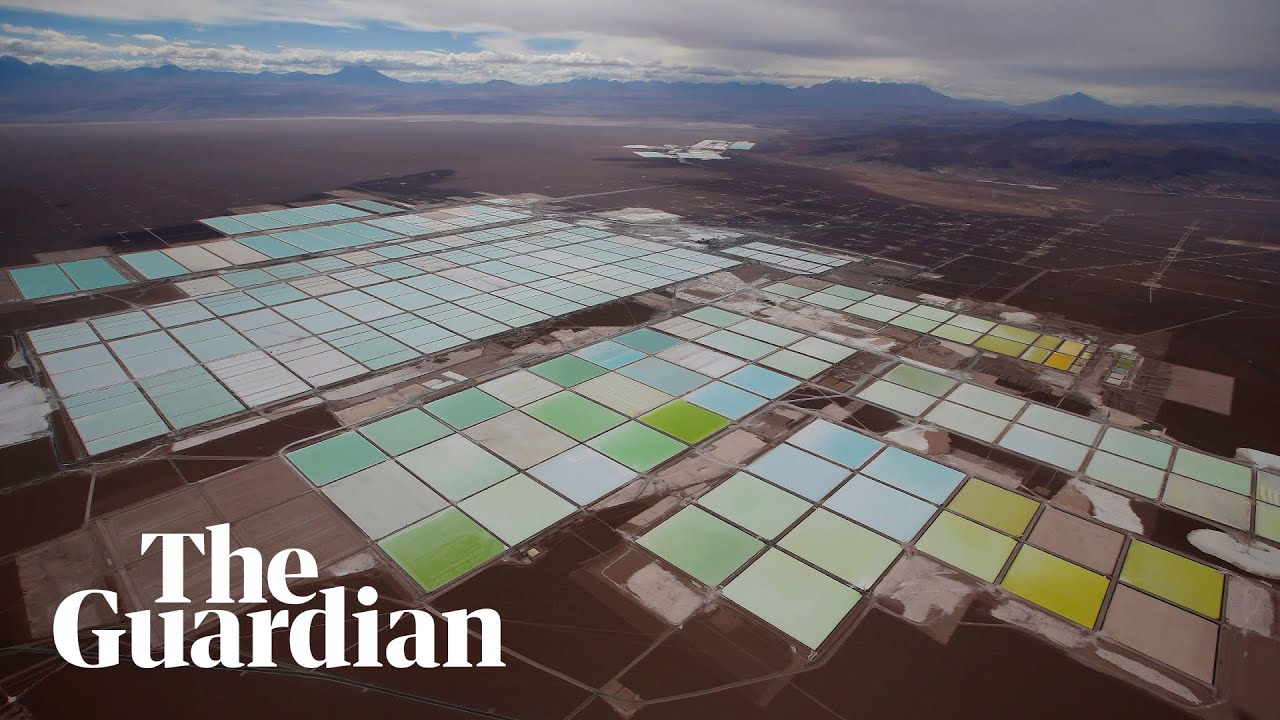
Sonia Ramos protests lithium mining in Chile's Atacama Desert, citing environmental destruction.
The US-Israel war on Iran is prompting a global reassessment of energy dependencies, with record US energy exports and the UAE's exit from OPEC signaling a shift towards renewables.
Sand, a crucial component in everyday items and construction, faces alarming depletion due to excessive consumption and environmental degradation worldwide.
Thousands of wind turbine blades in Germany will be shredded next year as the country may close more wind farms than it opens annually.
Wildfires in France and Spain are escalating, prompting urgent responses from fire crews as a new heatwave threatens to exacerbate the crisis, according to DW Correspondent Rosie Birchard and firefighter Lindon Pronto.
The global trade of rhino horns is examined through an investigation that highlights poaching and illegal trafficking threatening rhino populations worldwide.
Europe has lithium resources but relies on imports from China for electric vehicle batteries.
Over a third of the world's fish stocks have collapsed due to unsustainable fishing practices, prompting urgent calls for ocean conservation strategies.
A squirrel starting at the Atlantic coast could travel to the Mississippi without touching the ground due to the vast forests that once covered the land.
Pripyat, Ukraine, once home to 50,000 residents, remains a stark reminder of the Chernobyl disaster, showcasing ongoing cleanup efforts and its long-term implications.
Mars presents extreme conditions, including lethal temperatures and toxic atmospheres, that pose significant risks to human exploration and survival.
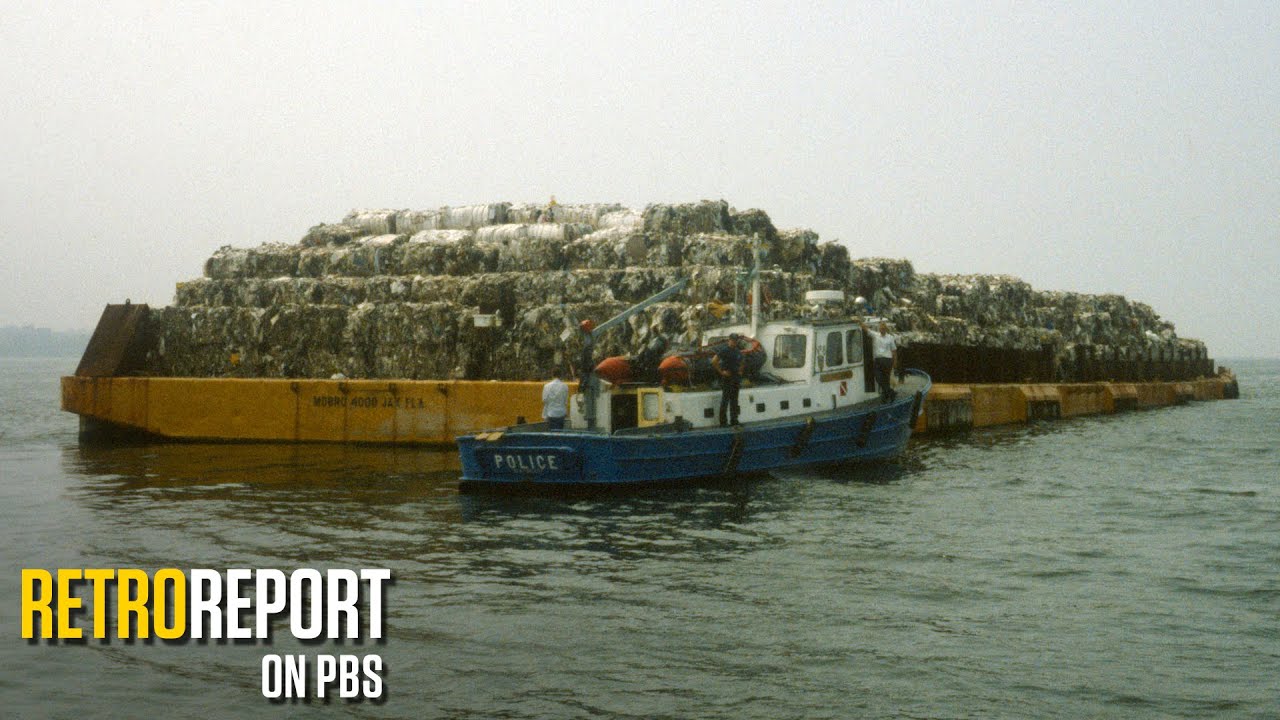
In the 1980s, a New York City garbage barge sparked a national conversation about waste management, leading to Americans recycling approximately 68 million tons of trash today.
Musk deer, with kangaroo heads and long teeth, face extinction due to poaching for musk in China.
A young male cheetah in Kafue National Park adapts its hunting strategy in the forest.
Mount Rainier in Washington State is a recognized landmark and a national park since 1899.
A living shark can generate close to $180,000 in a single year and nearly $2 million over its lifetime, significantly boosting Palau's tourism economy.
Watch Heather and Adam endure a challenging night in the Colombian wilderness together.
Polar bears in the Arctic are shown consuming mineral-rich kelp as an alternative food source due to the declining availability of seal populations.
Four large river otter pups must find new fishing spots as their territory shrinks due to frozen waters in Yellowstone's harsh winter.
Forrest Galante explores Japan's oceans in search of the endangered Japanese angelshark, highlighting the species' ecological significance and threats from human activities.
Thousands of tons of space junk threaten Earth’s satellites, but scientists propose solutions.
Mike Reynolds builds Earthships in New Mexico's unwelcome environment, facing major challenges.
Agroforestry, a sustainable farming practice with roots dating back thousands of years, offers solutions to agriculture's environmental challenges, including CO2 emissions.
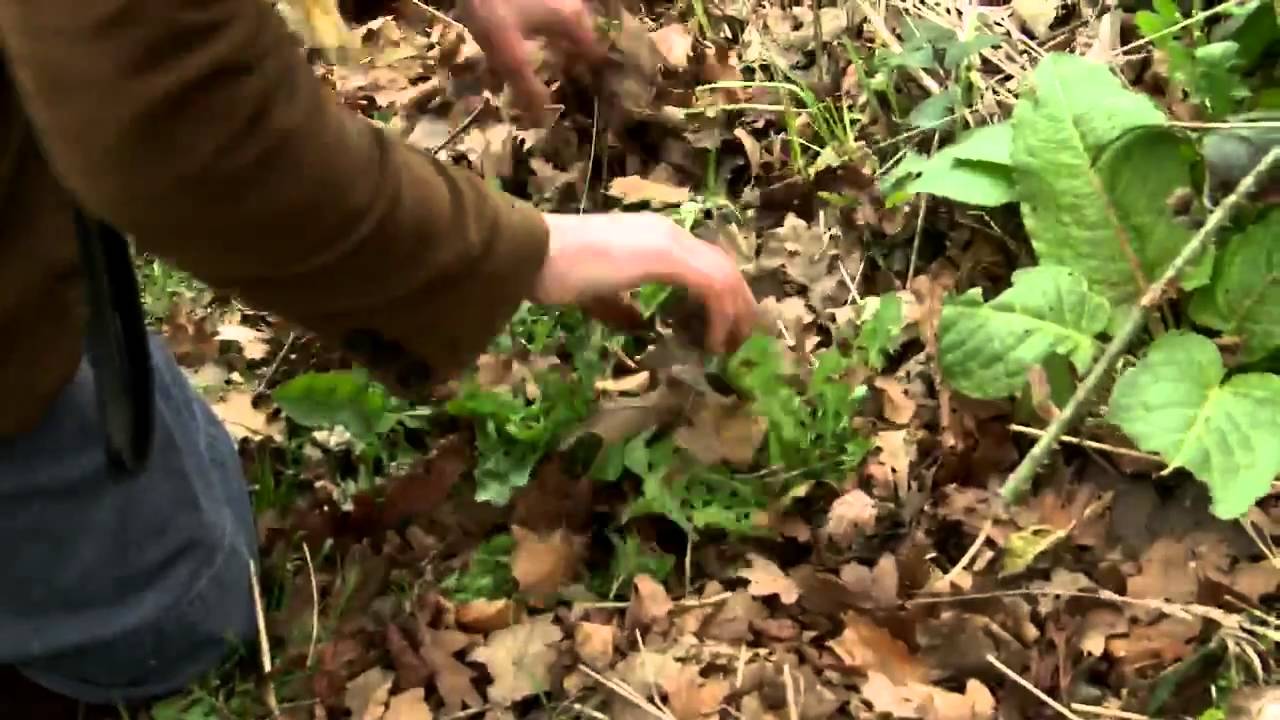
Alys Fowler forages for greens during lean times in Forgotten city spaces like parks.
The Amu Darya, a vital river in Central Asia, has been drastically altered by Soviet policies, leading to the desiccation of the Aral Sea and profound community impacts.
An anaconda can weigh between 80 to 100 kilograms and typically eats only a few times each year.
Archaeological investigations reveal that Petra's ancient water system provided 12 million gallons of water per day to support its population and agriculture.
Scientists reveal apex predator decline disrupts ecosystems in Guardians of the Wild series.
Phood Farm in Eindhoven grows up to 200 kilos of salad per week using 90% less water than conventional farming methods.
Ben Green, a self-identified "happy doomer," prepares for a potential climate collapse while experts like Dr.
In Namibia's Skeleton Coast, hyenas challenge large colonies of seals, highlighting the dynamics of predator-prey relationships in a harsh environment.
Evolution is happening in cities like New York, driven by pollution and urban life.
Perovskite tandem solar cells, highlighted by experts from Oxford PV and NTU Singapore, promise to enhance solar energy efficiency while addressing material shortages.
A study found elevated levels of phthalates in pesto, Asian sauces, and even organic milk, raising concerns about toxins in food packaging.
1.2 million tons of textiles are sent to landfill each year, prompting Lucy Siegle to discuss sustainable fashion practices and responsible disposal methods.
An asteroid that passed close to Earth in 2015 was estimated to contain more platinum than has ever been mined on the planet.
Athens and Delphi's historical rivalry is examined through the lens of natural disasters and their impact on ancient conflicts and modern interpretations.
Tagging a hyena with a radio collar aids scientists in tracking clan numbers and data collection.
Terren Simon highlights Australia's rabbit overpopulation and its impact on native wildlife.
Infant chimpanzees learn to dig for food using sticks as tools during their forest school classes, guided by caregiver Antoanette Makoso.
In 2022, 443 commercial ships and offshore units were sold for scrap, with more than a third ending up in Bangladesh's hazardous shipbreaking yards.
Honeybees, vital to the national food supply, face threats from parasites and ailments, prompting collaboration between beekeepers and scientists to protect them.
Bees transform resin into propolis, a natural antibiotic used in modern medicine, as seen in hospitals across Cuba and Austria.
In early 2007, beekeepers in 27 states reported a mysterious decline in honeybee populations, leading to the identification of Colony Collapse Disorder.
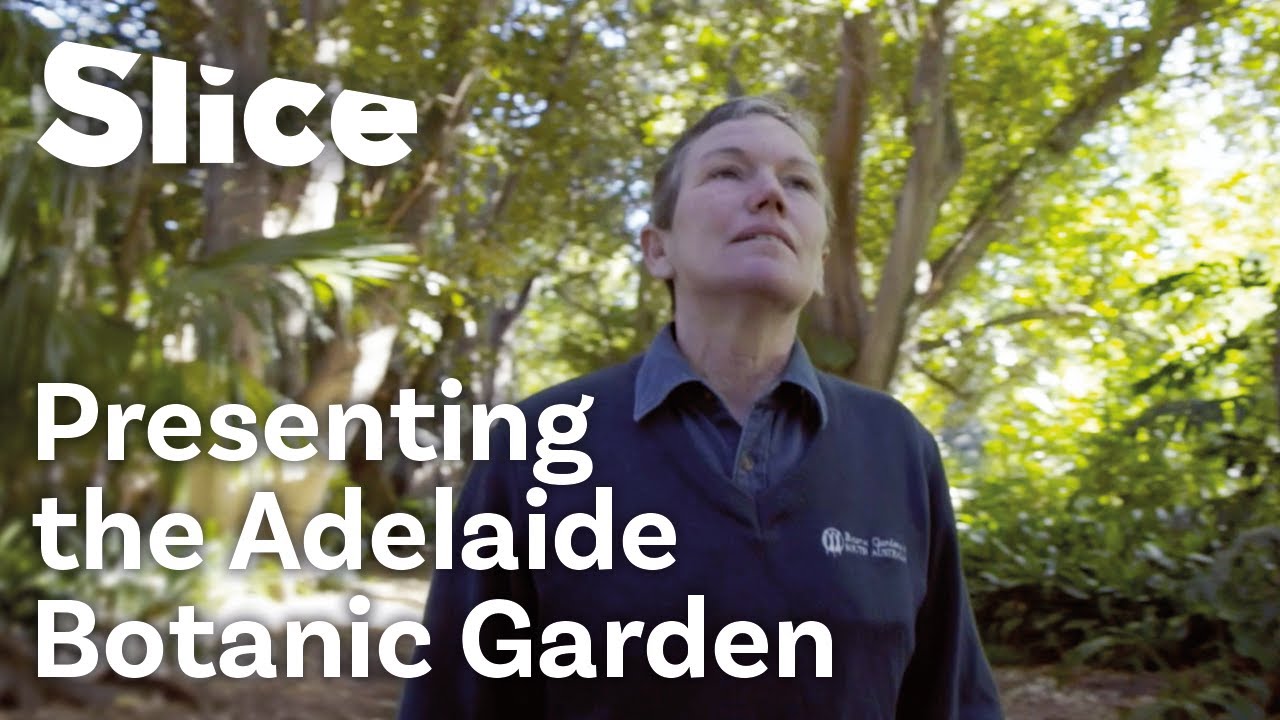
Karen Smith protects Australia's biodiversity at Adelaide's botanic garden in a dry climate.
Kolei questions his identity as a warrior while facing climate change's impact on culture.
Dave Turin explores Oregon's Rogue River and Pacific coastline in search of gold, highlighting the region's natural beauty and mining potential.
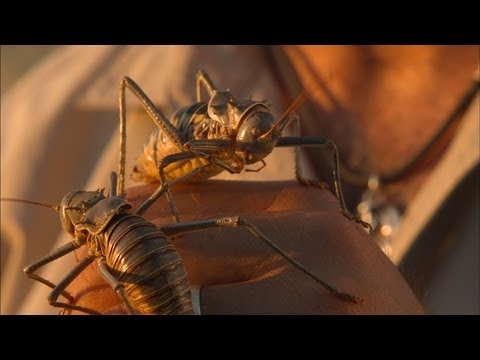
The giant cricket survives in the Namib Desert with its tough protective shield against predators.