From over 100,000 films, discover the handful you'll love.
Free or premium access to the world's largest documentary library.
7535 films(Page 20 of 157)
Claas Axion 960 CEMOS tractors combine powerful performance with sustainable technology, offering 445 horsepower and up to 20% less fuel consumption.
Ecuador's Amazon rainforest covers the eastern third of the country at an average elevation of 300 meters, while the Andes rise to nearly 6,000 meters.
Since the 1930s, the sea level along the Mississippi River has risen by about 9 millimeters each year, resulting in the loss of approximately 5,000 square kilometers of land.
A leopard seal weighing 400 kilos hunts young penguins in the Antarctic waters, where survival is a constant struggle for both predator and prey.
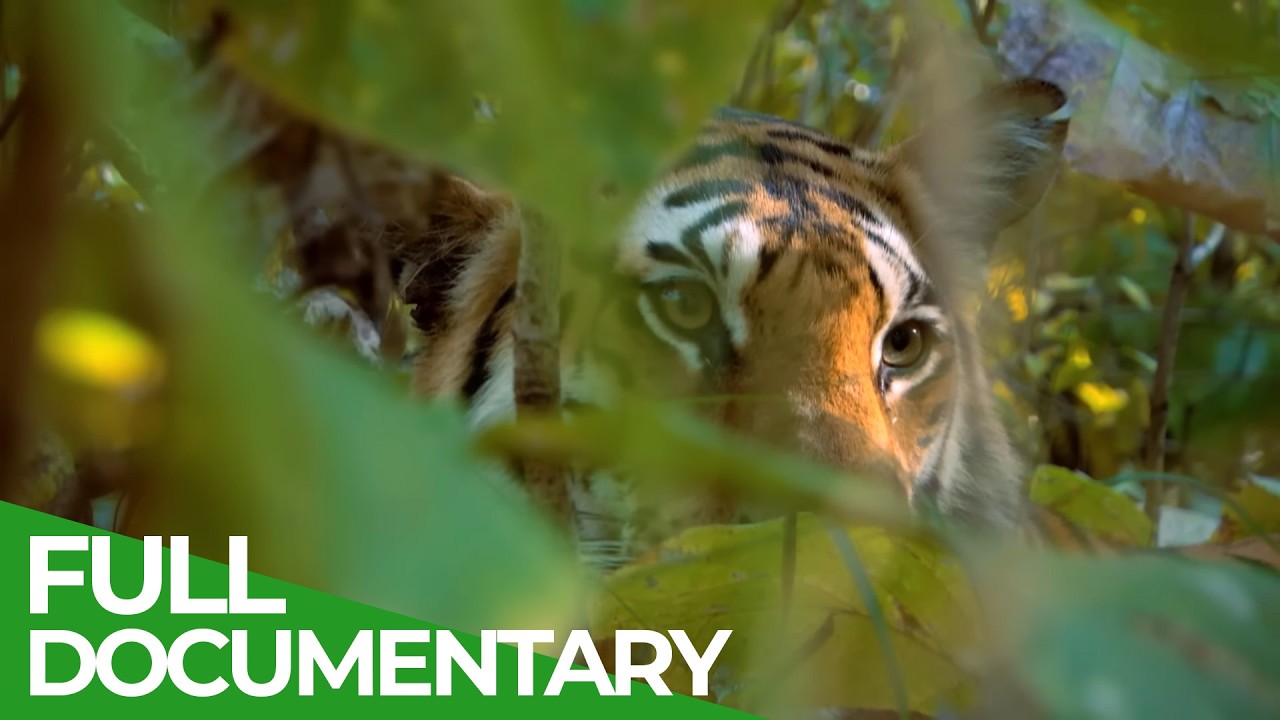
India shelters around 70% of the world's tiger population, a species facing threats from habitat loss and hunting.
A 120 km long corridor along the Zanskar River serves as the only route for residents to reach neighboring Ladakh during winter's harsh conditions.
8.8 million tons of salt are produced annually at Guerrero Negro, the largest salt mine in the world, located on Mexico's Baja California Peninsula.
The Dehesa ecosystem in the southwestern Iberian Peninsula is home to diverse species, including the black Iberian pig, booted eagle, and the rabilargo magpie.
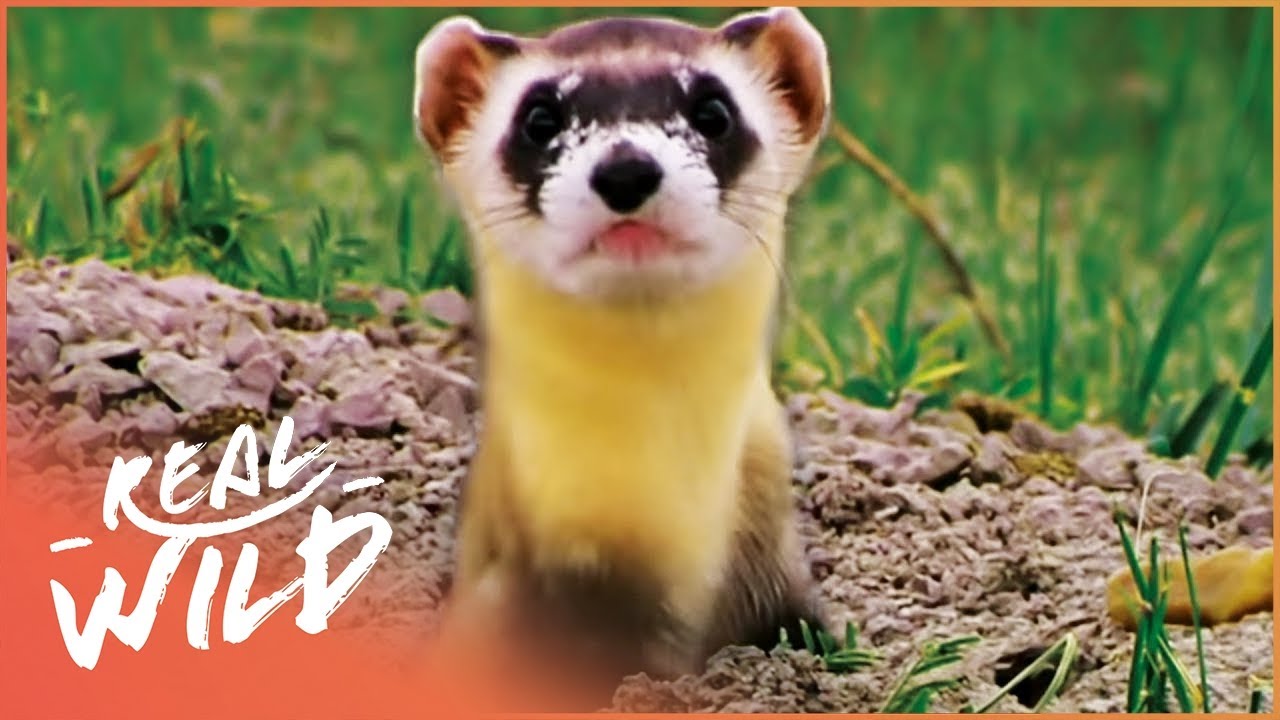
The black-footed ferret, once thriving across the North American Prairies, has become the most endangered species due to habitat loss and the decline of its prey.
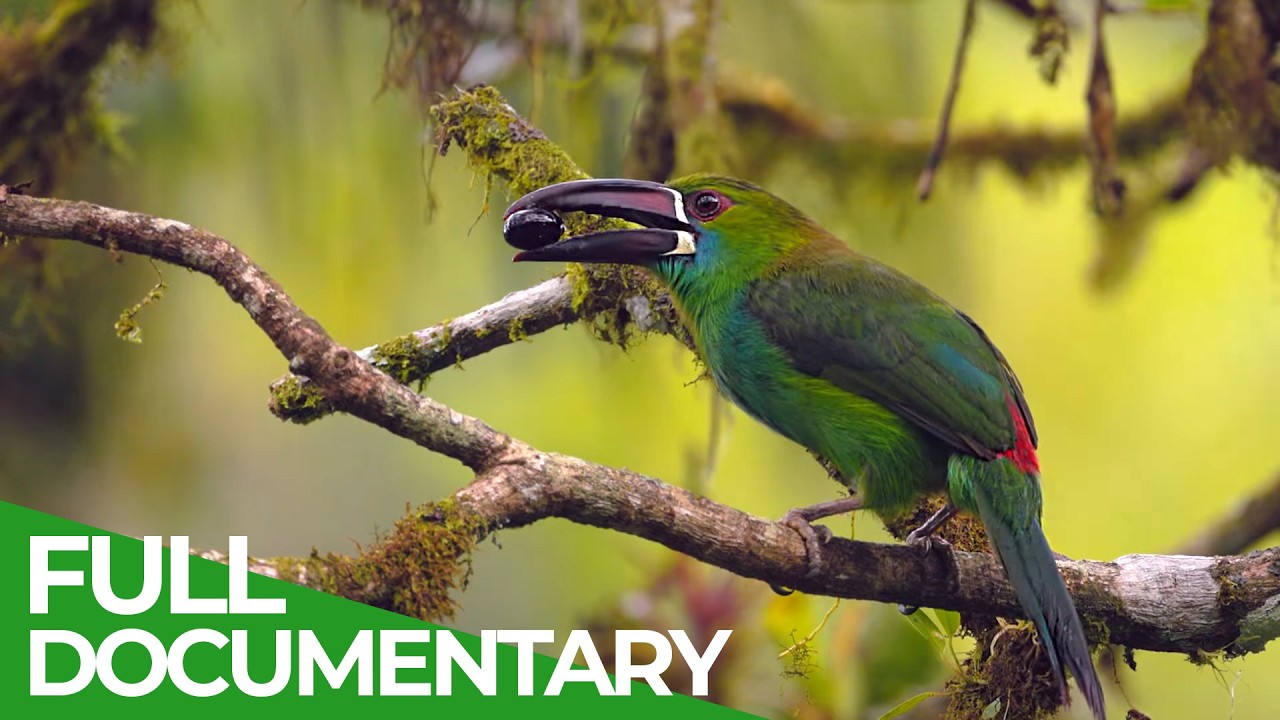
9,000 to 10,000 bird species are thought to exist globally, with new research suggesting that number could easily double.
The Pacific Ring of Fire, home to half of the world's active volcanoes and 90% of earthquakes, poses significant risks to nearly 800 million residents.
Active and dormant volcanoes, including Vesuvius in Italy and Kilauea in Hawaii, are examined through the insights of leading volcanologists.
Lake Pepin in Minnesota is home to a long-standing local belief in a dangerous, intelligent creature that has deterred residents from swimming in its waters.
Fiji's archipelago, Laos' elephants, Cambodia's temples, and Ladakh's landscapes are explored in this comprehensive travel documentary.
The Methuselah tree, the oldest known living organism, has silently observed thousands of years of Earth's history while its exact location remains a closely guarded secret.
Hurricanes, powerful tropical cyclones with wind speeds up to 230 miles per hour, pose increasing risks as climate change intensifies their unpredictability.
Rhineland's extensive coal mining operations contribute to Europe's highest CO2 emissions, prompting the largest protest against coal in Germany's history.
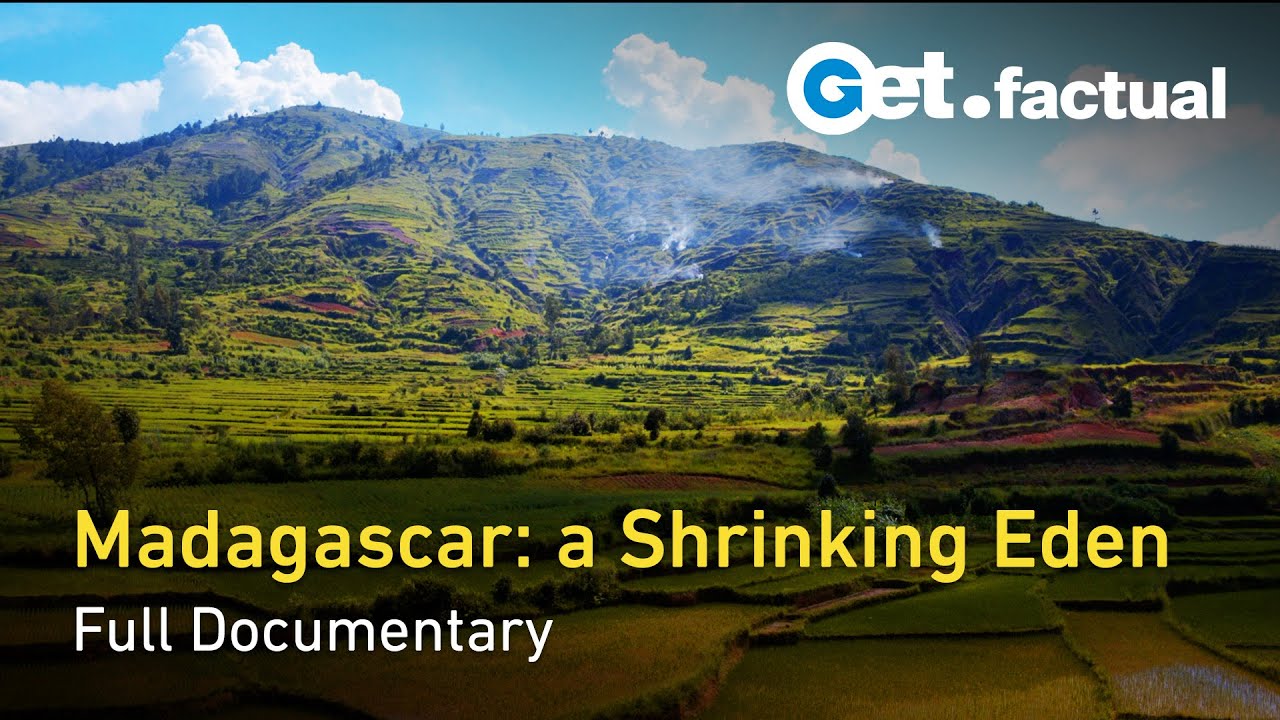
Indri lemurs can leap up to 10 metres in a single bound, but their rainforest habitat in Madagascar is rapidly shrinking due to human encroachment.
Iceland's diverse landscapes, including volcanoes, geysers, waterfalls, and glaciers, contribute to the happiness of its inhabitants despite limited sunlight.
The cruise industry faces significant challenges related to environmental impacts and health risks, as more ocean-liners dock in European ports post-pandemic.
Wolves in Yellowstone's Druid pack successfully hunt about twice a week during the harsh winter months, relying on teamwork to survive.
Remarkable moments in the wild, such as a snake poised to strike and a walrus family protecting its young, are narrated by Sir David Attenborough.
Trees cover four billion hectares of the planet, providing food and shelter for a wide range of wildlife while producing 31 percent of Earth's oxygen.
Mark's exotic animal collection includes an alligator and tarantula, while Joe Taft's Exotic Feline Rescue Center cares for nearly 200 rescued big cats.
In the heart of Austria, the stunning wilderness of the Alps features rivers, lakes, and ice-clad peaks, contrasting with nearby cultural centers.
The Andes mountain range, spanning over 7,500 kilometers, showcases diverse ecosystems from Tierra del Fuego to the Pantanal and Iguazu Falls.
In Martinique, Jacky Pascault cultivates mushrooms on sugar cane fibers, while Nicole Vilo creates fashion from coconut palms, showcasing the island's unique culture.
Desertification threatens Mediterranean countries like Portugal, Spain, Italy, and Greece, prompting their commitment to the United Nations Convention for action.
Antarctica's breathtaking landscapes and diverse wildlife, including penguins, seals, and whales, face significant threats from climate change and human activity.
Gardens by the Bay in Singapore features three expansive gardens, two conservatories, and towering Supertrees, showcasing innovative green engineering on a massive scale.
93% of Mediterranean fish stocks are overfished, leaving Greek fisher Evgenia Floris with only 5 kilos of fish worth 15 euros after a long day at sea.
Seven children accompany their father on a challenging spring trip to teach them traditional hunting practices in Alaska's changing environment.
In Indonesia, the archipelago's most active volcanoes, deep jungle valleys, and ancient stone ruins reveal a landscape of remarkable natural beauty and diversity.
A female clownfish may lay up to 1,000 eggs beneath her anemone home, with fertilization occurring shortly after.
A video from March 2016 shows a dark shape surfacing in the River Thames, prompting speculation about the existence of sea monsters.
Tornadoes, characterized by wind speeds exceeding 480 kilometers per hour, frequently devastate Tornado Alley in the Central United States each year.
Orca whales along the Pacific Coast are facing extinction due to declining chinook salmon populations, exacerbated by four dams disrupting their habitat.
A male lynx patrols a territory that can cover several hundred square kilometers in the Bohemian Forest, where he faces challenges in hunting and survival.
Three European bison, including an 18-year-old matriarch, are part of a rewilding project in the UK aimed at restoring local ecosystems.
Asian Carp, an invasive species in the Mississippi River, prompts a controversial response in the fight against their spread towards Lake Michigan.
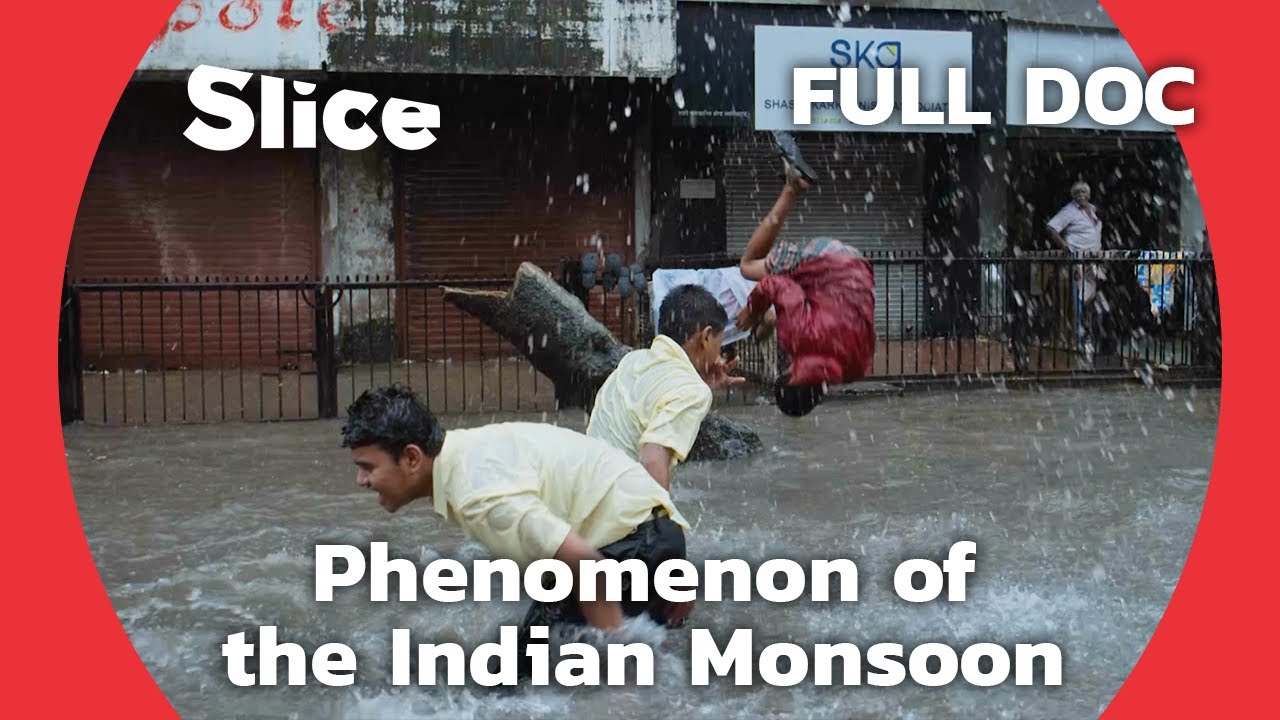
75% of India's annual rainfall occurs during the monsoon season, which runs from June to September and is vital for agriculture and water supply.
The Arctic fox, Iceland's only native land mammal, showcases the island's remarkable biodiversity, including puffins, seals, and various seabirds.
Four young Frenchmen travel across the United States, capturing stunning images of tornadoes while contributing to the scientific understanding of these powerful storms.
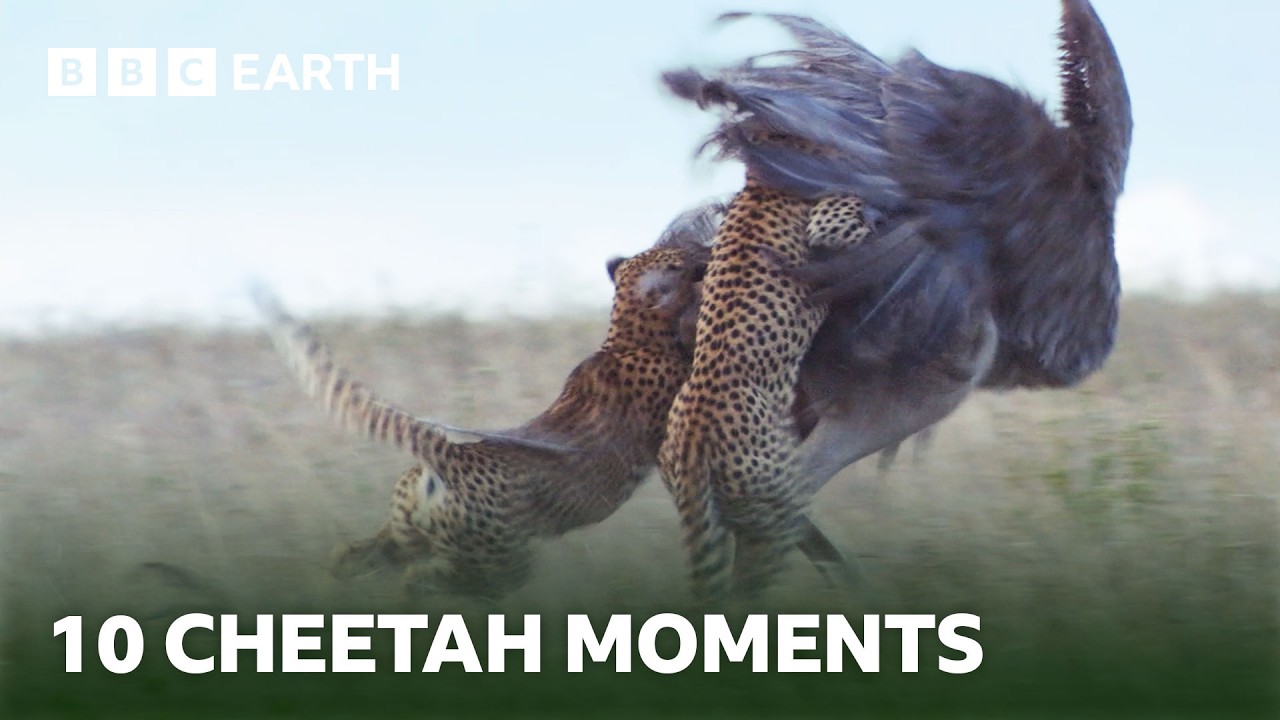
In the African savannah, a mother cheetah and her cubs navigate a perilous acacia thicket while other cheetahs hunt for prey like ostriches and impalas.
Since the Apollo 8 mission in 1968, Earth's population has more than doubled, raising concerns about the planet's delicate balance and environmental threats.
In the Namib Desert, mysterious circular patches of bare soil, known as fairy circles, prompt scientific investigation into their origins and ecological significance.
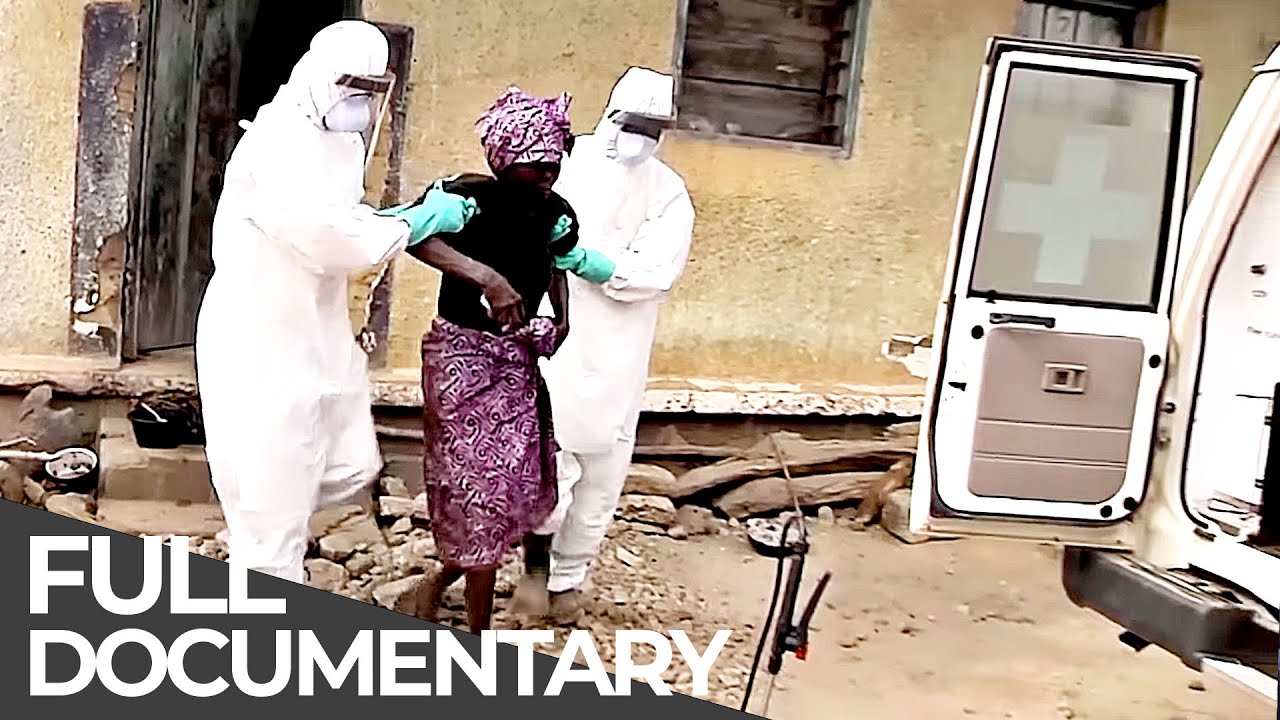
At least 75 million people died from the Black Death in the 14th century, illustrating the devastating potential of pandemics throughout history.
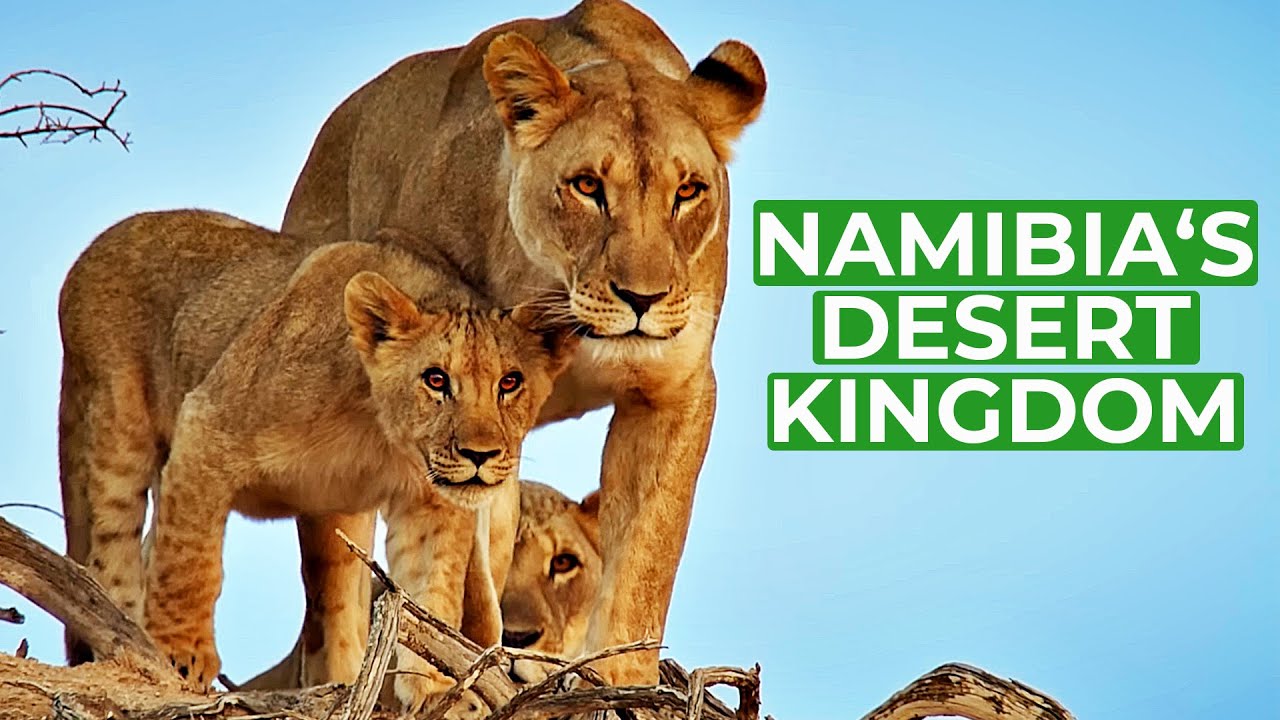
In northern Namibia, diverse wildlife such as desert elephants, chacma baboons, and desert lions navigate the harsh conditions of the arid landscape, reliant on scarce rainfall.