From over 100,000 films, discover the handful you'll love.
Free or premium access to the world's largest documentary library.
7535 films(Page 126 of 157)
Half of Madagascar's jungles have disappeared since the arrival of humans 2,000 years ago, leading to the extinction of at least two dozen large animal species.
Madagascar has lost half of its vegetation cover in the last 60 years, with local communities facing increasing wildfires during the annual fire season.
Fifteen full viscolaris lemurs were relocated to a reserve in Madagascar last year, with only three returning to their original habitat.
Madagascar showcases the unique lemurs and wildlife of the Indian Ocean island.
Madagascar is home to nearly 85 species of snakes, including the agile Ithycyphus, known for its tree-climbing abilities in the island's jungles.
Madagascar, an island in the Indian Ocean, is home to unique lemurs and diverse wildlife.
Madagascar features ring-tailed lemurs in the Indian Ocean's Berenty Private Reserve.
Madagascar, an island in the Indian Ocean, is home to unique lemurs and diverse ecosystems.
Dinga-dinga, a prized sea cucumber in Madagascar, drives local divers like Amad to brave dangerous depths, seeking ancestral protection for their harvest.
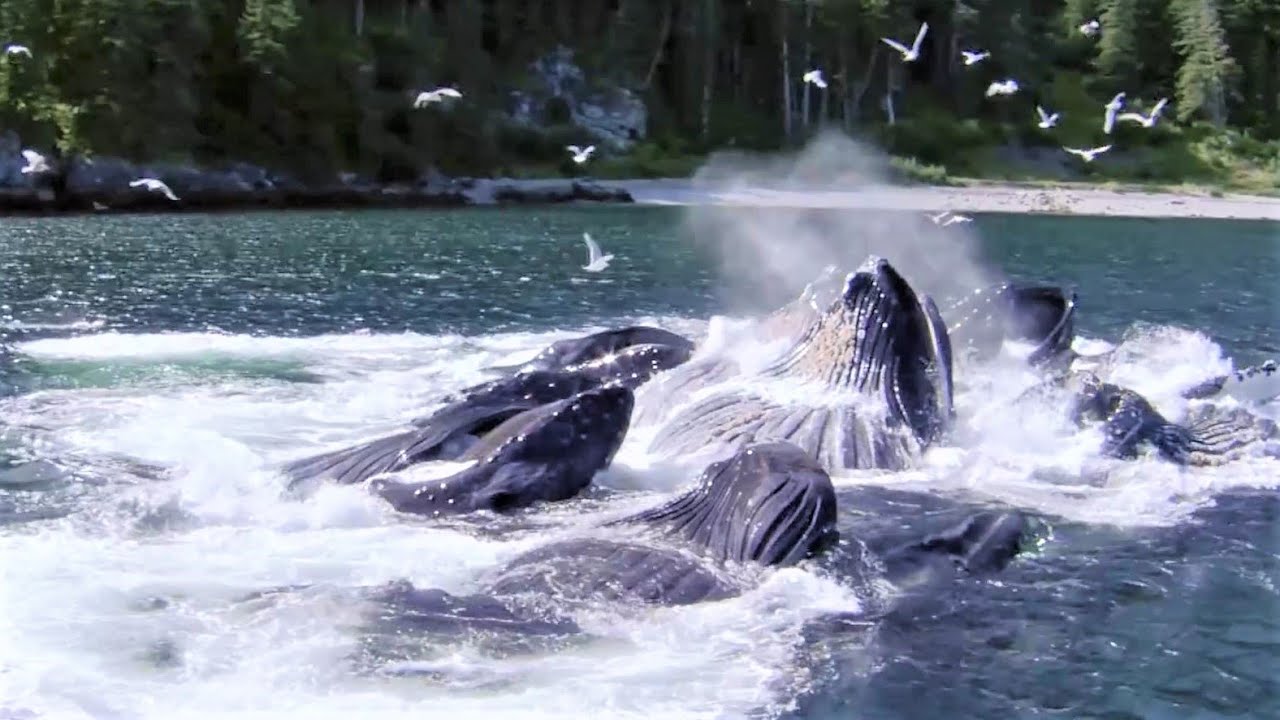
Magnificent moments featuring whales from the BBC Earth archive showcase the beauty and complexity of these marine mammals in their natural habitats.
A tiger shark can grow between 12 and 14 feet in length and is often found in the shallow waters of Tiger Beach in the Northern Bahamas.
Temperatures in the Hudson Bay need to drop significantly for the sea ice to freeze, allowing polar bears to hunt seals 200 miles away.
More than 1,500 people once lived in Lützerath, but most have relocated as a lignite mine operated by RWE encroaches on the village.
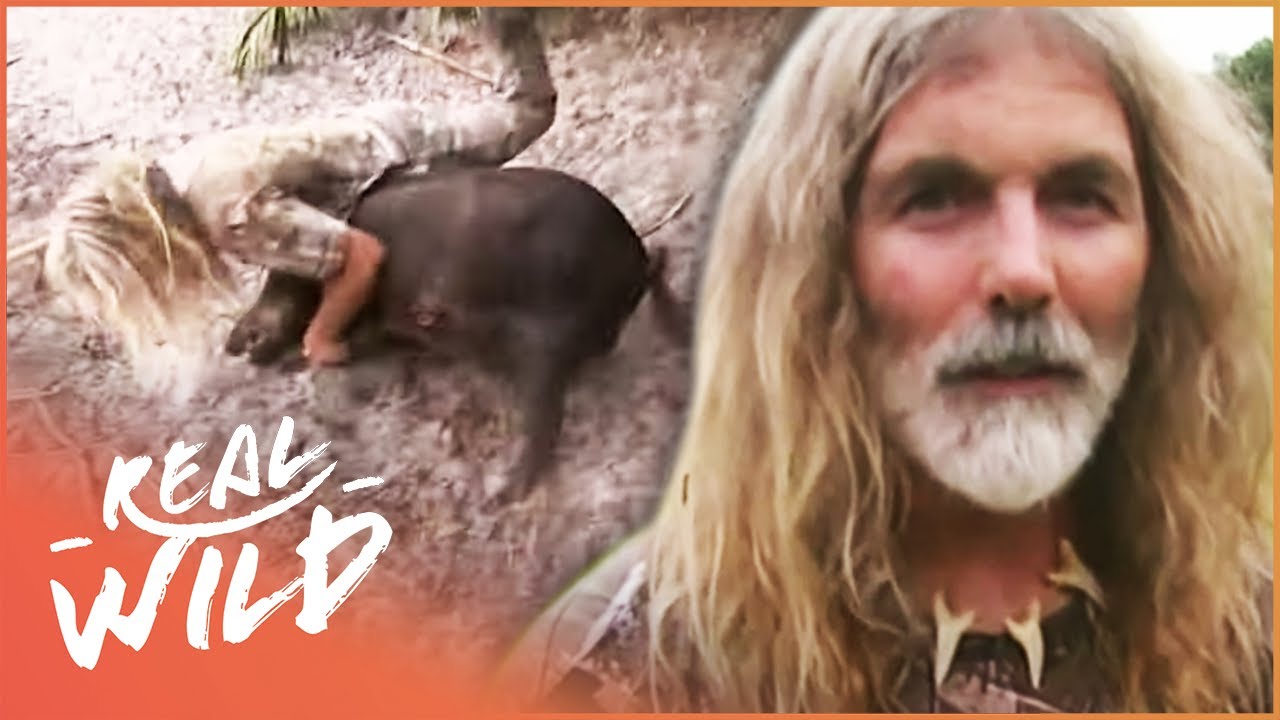
In the deep jungle, Manny encounters a dangerous wild boar, illustrating the unpredictable nature of wildlife in remote environments.
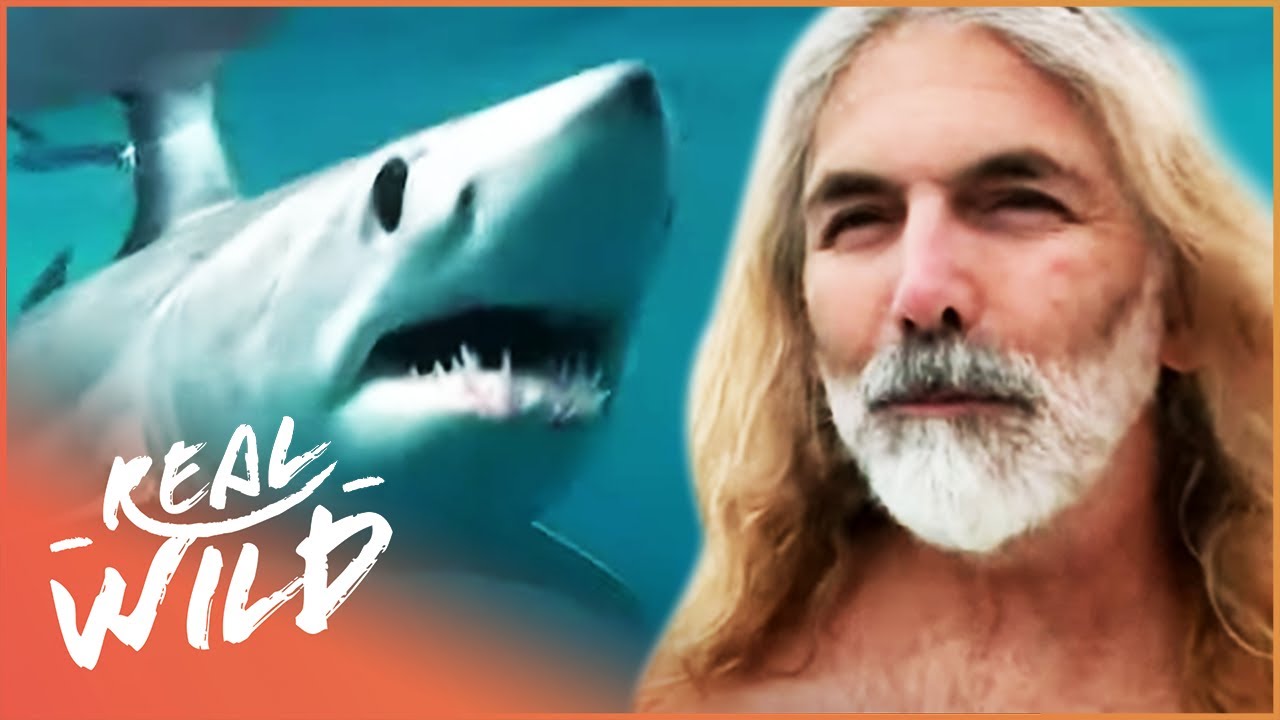
Mako sharks, known for their speed and agility, are explored through Manny Puig's direct encounters in the open ocean, revealing their behavior and habitat.
Manny Puig and his team work in Florida to manage the wild boar population, mitigating the damage these animals inflict on local farmers' crops and land.
Kenny Broad explores the submerged cave system of the Blue Holes in the Bahamas, seeking insights into evolution and climate change.
Maritza Morales Casanova, an environmentalist and Emerging Explorer, is transforming environmental education in Mexico by equipping children with conservation and leadership skills.
Invasive species thrive in a world without humans in Season 1, Episode 5 of Life After People.
In the Florida Everglades, veteran Snake Hunter Tess teams up with Troy to combat the rising population of invasive pythons during a critical hunting season.
The mating season in Shaba showcases unique animal behaviors and rituals during reproduction.
Mattias Klum, a renowned natural history photographer, shares his experiences and insights from his global explorations in this Live presentation.
A brush fire in Kula spans an acre and a half, prompting Windward Aviation pilots to respond quickly to prevent it from spreading further.
A brush fire in Kihei threatens to engulf a neighborhood, prompting pilots to prepare for a rapid response as winds increase.
A gigantic primitive volcano in Mauritania can only be fully appreciated from the air, revealing the vastness of the desert below.
The Mediterranean Sea transformed from a desert valley into a rich marine ecosystem after the collapse of the rock dike in the Strait of Gibraltar over 5 million years ago.
In Vienna, wildlife presenter Hannah Stitfall explores how urban animals, including beavers, adapt and thrive in the city's unique habitats.
Each day, legionnaires at a checkpoint in French Guiana stop ten to fifteen vehicles to combat illegal gold mining in the rainforest.
In Amsterdam, herons have adapted to urban life by utilizing the city's waterways, showcasing a unique example of wildlife coexistence.
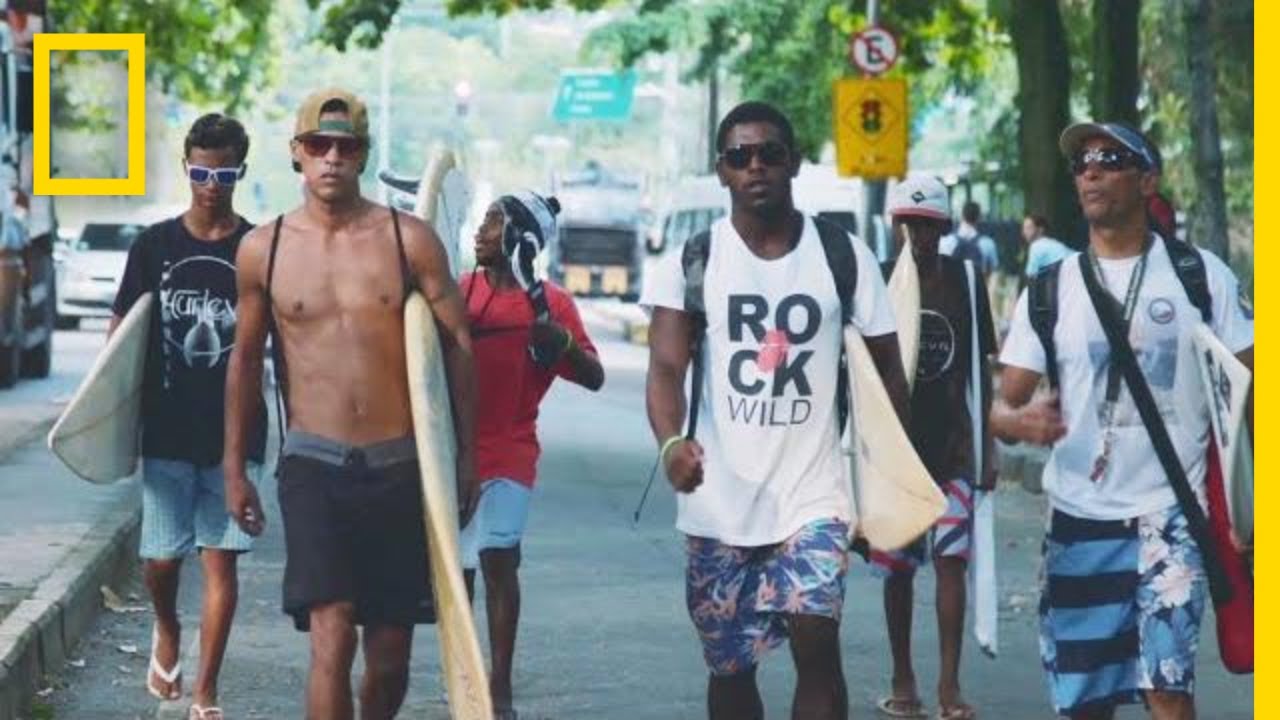
In Rio de Janeiro's Rocinha favela, a group of surfers from the Associação De Surf Da Rocinha aims to change perceptions and promote ocean conservation.
In the jungles of Africa, Dr Charlotte Uhlenbroek encounters a family of mountain gorillas, including a notable Silverback, during a siesta.
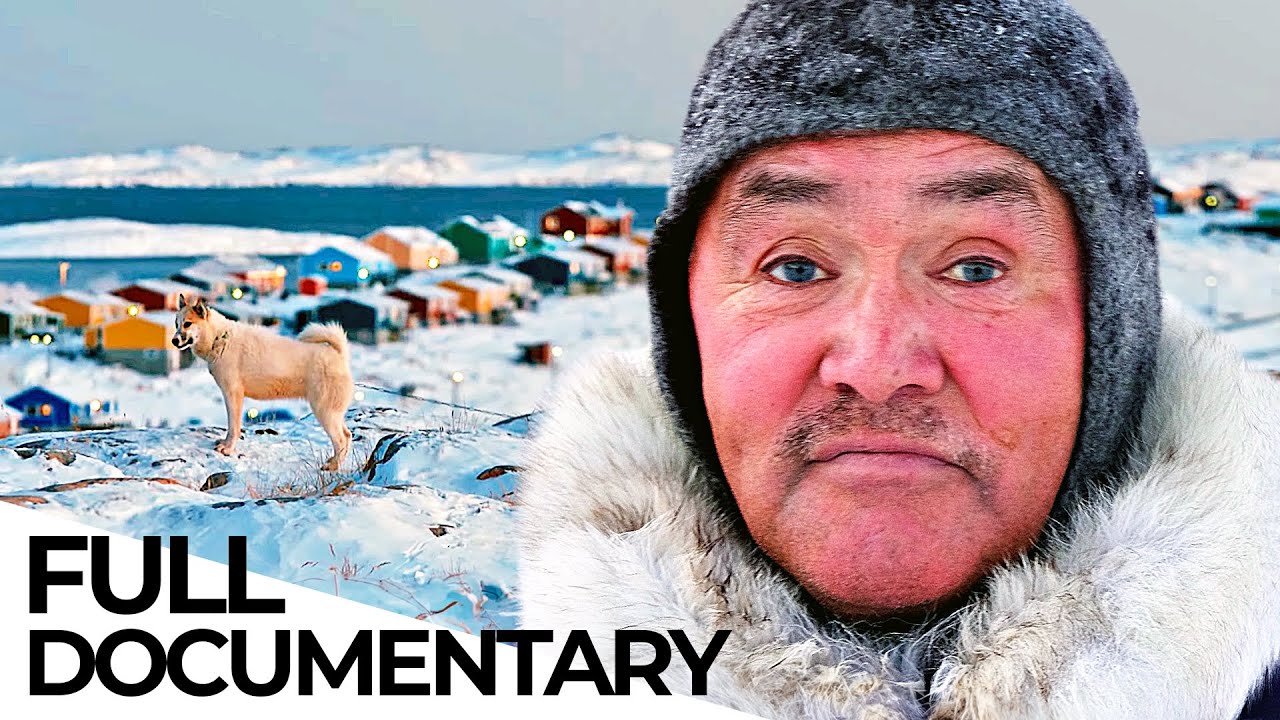
The Inuit Way of Life is vanishing with the ice in Melting Greenland due to climate change.
Tom Wagner discusses alarming changes at Earth's North and South Pole due to climate change.
Mia Sletus, the only woman among the male miners, has worked in coal mine number seven in Svalbard since 2020, but the mine is set to close next year.
A lone scientist documents the migration of walruses as they struggle to adapt to rapidly warming seas in the Siberian Arctic.
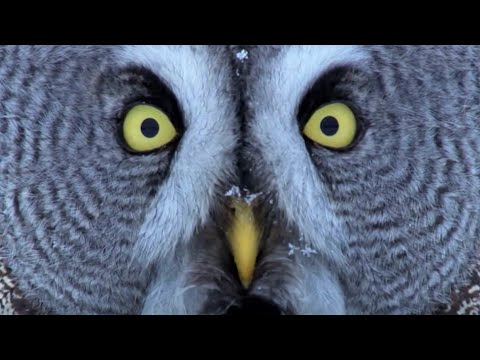
Owls, known for their silent flight and hunting prowess, are showcased in captivating footage from the BBC Earth library, highlighting their unique behaviors and adaptations.
In Antarctica, climbers Mike Libecki and Cory Richards face extreme cold and katabatic winds during a ten-day ascent of Bertha's Tower.
Mike helps Biochar Now in Colorado create fertilizer from recycled wood to combat global warming.
Mike Rowe assists Nate from Utah State University in relocating nuisance beavers that are damaging trees and blocking culverts in Nibley, Utah.
Mike Rowe sorts through wood waste to identify carbon, which will be processed into biochar for use in home gardens and other applications.
Traditional mixed orchards provide essential food sources for both humans and wildlife during the autumn harvest and winter months.
In spring and summer, orchard meadows serve as vital habitats for diverse local flora and fauna, showcasing their ecological importance through vivid imagery.
A monarch butterfly lays hundreds of eggs on milkweed in a Texas backyard, completing her mission before taking her last breath.
18,000 hectares of Monfragüe National Park serve as a crucial habitat for two-thirds of all protected species in the Iberian Peninsula.
Covering an area of almost 18,000 hectares, Monfragüe National Park contains two thirds of all protected species in the Iberian Peninsula.
The Monfragüe National Park showcases Mediterranean fauna and flora in a unique Spanish documentary.
Monfragüe National Park is home to the largest colony of black vultures in the world, with over 250 pairs officially counted.
This Spanish documentary highlights the balance of nature and human influence in Monfragüe National Park.