From over 100,000 films, discover the handful you'll love.
Free or premium access to the world's largest documentary library.
7534 films(Page 41 of 157)
Snow covers the ground in early December, creating harsh conditions that challenge wildlife in Germany as they search for food and shelter.
In the Arctic tundra, wildlife biologist Karsten Heuer and environmentalist Leanne Allison track a herd of 120,000 caribou, documenting the environmental threats they face.
Cloud rainforests in Central America, located at elevations above two thousand meters, host diverse wildlife including quetzals, hummingbirds, and wild cats.
Drought conditions in the United States and India, exacerbated by human activity and climate change, lead to significant economic and agricultural challenges.
Up to 10 tons of raw sand can be extracted from a single wind turbine blade through a new recycling process.
A 42-day expedition sends 16 whale biologists to Antarctica to study humpback whales using non-lethal methods and advanced tracking technology.
Ancient forests, towering mountains, and rugged coastlines in Japan and China serve as habitats for diverse wildlife, showcasing remarkable animal behavior and survival strategies.
In Germany's Ruhr Area, abandoned industrial sites have become thriving habitats for wildlife, showcasing the region's remarkable ecological recovery.
Asian elephants face critical threats from human encroachment and habitat loss, highlighting the urgent need for conservation efforts to protect this species.
In the Maasai Mara, a pride of lions navigates the challenges of survival and social bonds as two cubs venture out to learn essential skills amidst human encroachment.
In a world devoid of humans, heavy industry collapses, cities descend into chaos, and vital infrastructure gradually deteriorates.
Burmese pythons in Florida's Everglades pose a significant threat to the ecosystem, prompting urgent efforts by Python Hunters to control their population.
Chester and Colchester Zoos showcase the daily lives of their animal residents and dedicated keepers, highlighting a variety of species and their care.
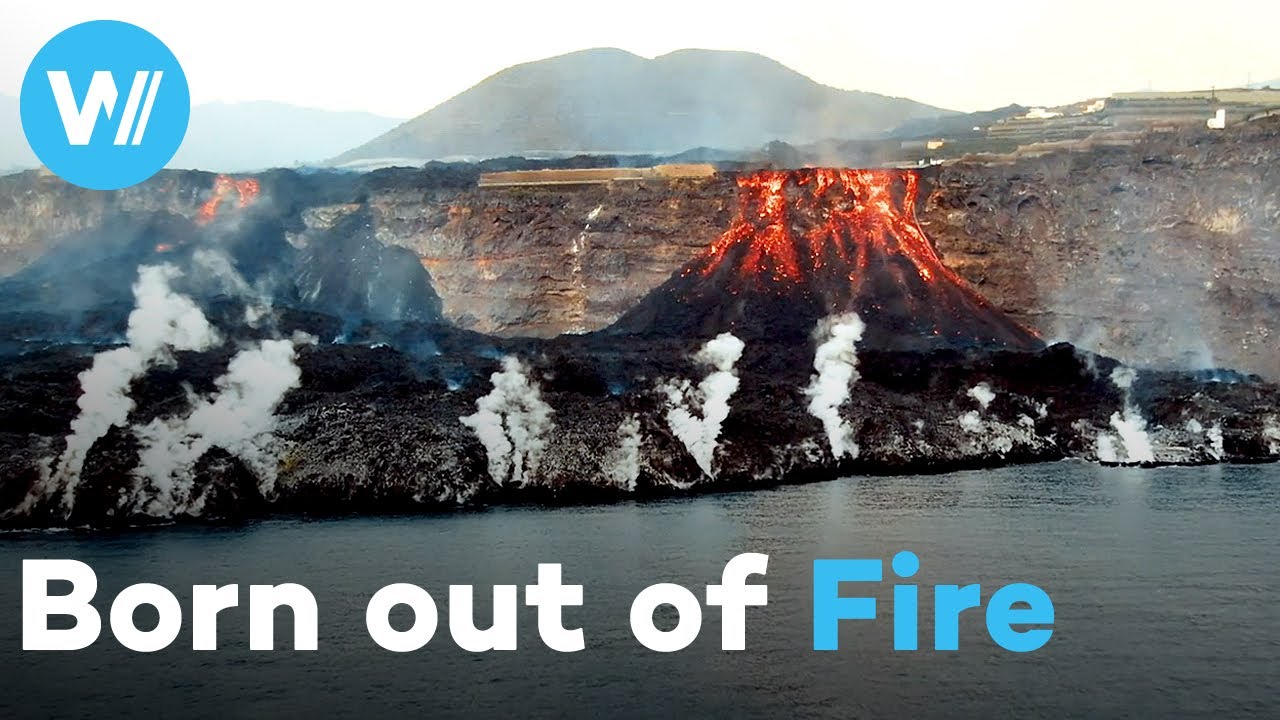
In September 2021, La Palma experienced its largest volcanic eruption in five centuries, providing scientists a unique opportunity to study evolution and adaptation in extreme conditions.
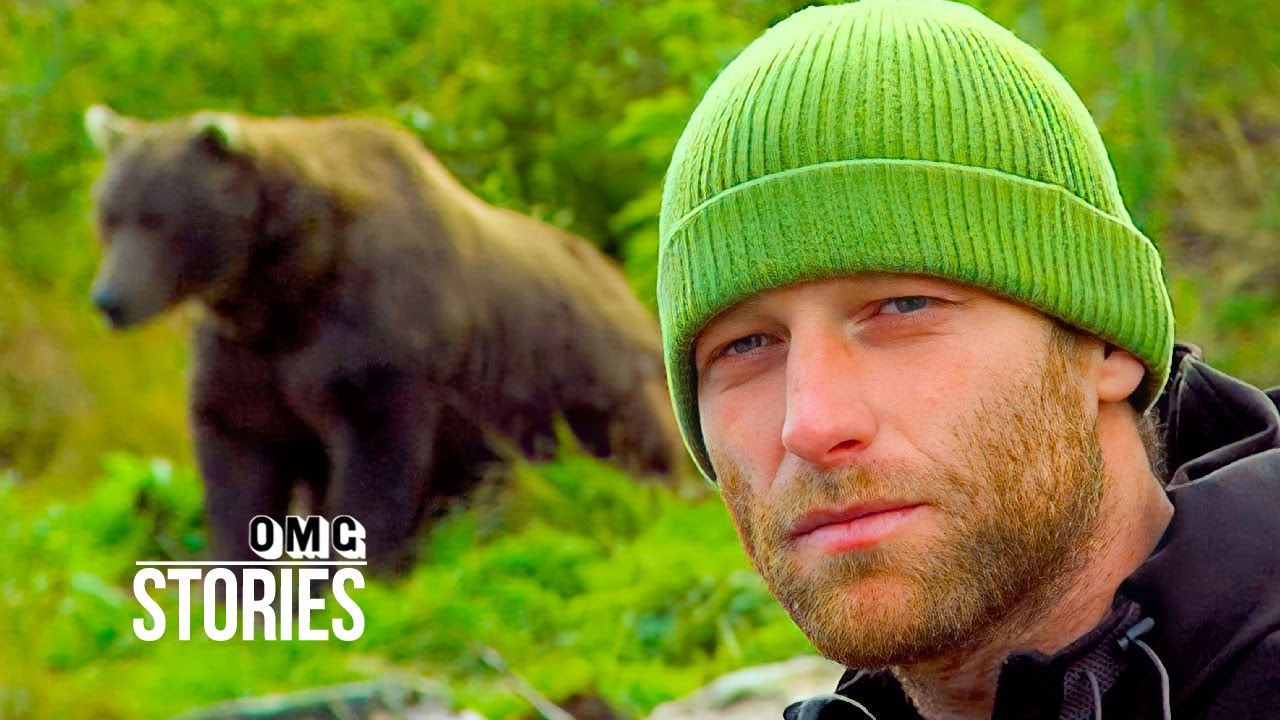
In the Alaskan wilderness, biologist David Bittner forges relationships with wild brown bears while documenting the annual salmon run amid harsh conditions.
Naturalist Nick Baker explores diverse wildlife habitats, from rattlesnakes in Arizona to grizzly bears in Alaska and endangered rhinos in Swaziland.
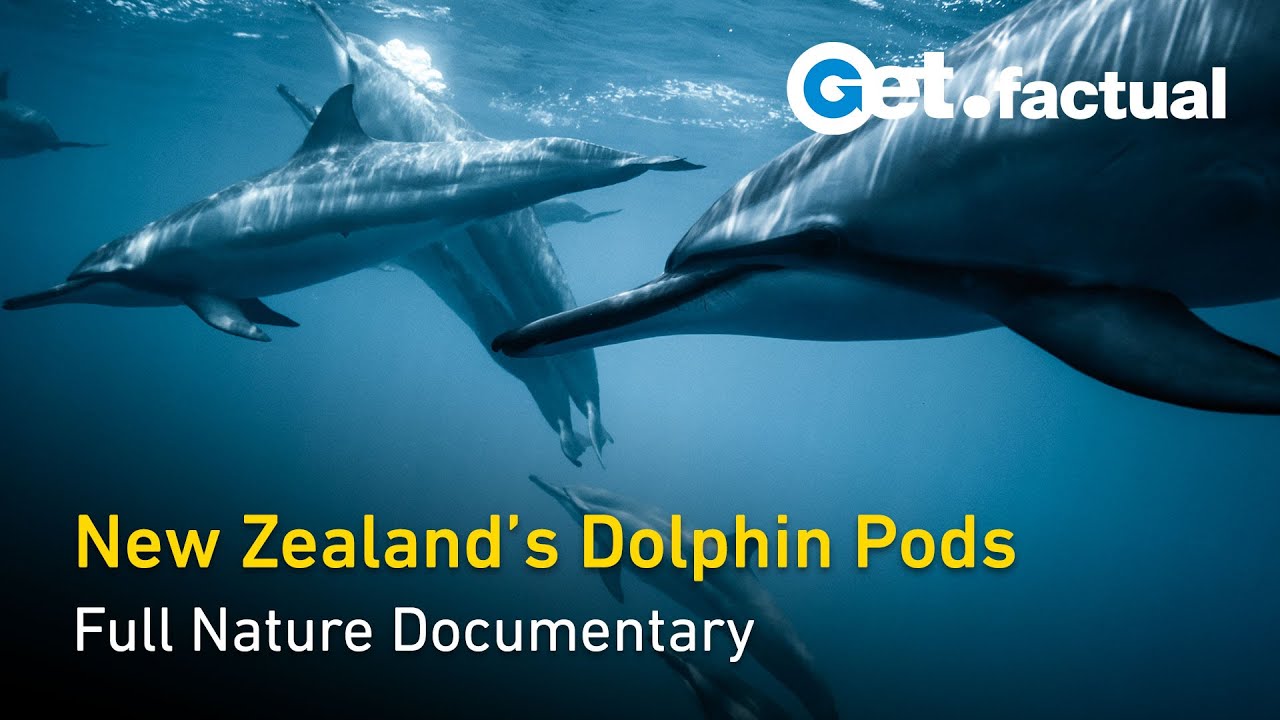
Different dolphin species in New Zealand showcase unique survival strategies and social structures.
Tourism in Bhutan began in the 1970s, with foreign visitors strictly limited each year to protect the country's culture and environment.
Rangers Céline Obadia and Hervé Bergère protect Port-Cros National Park from environmental threats.
Cabrera National Park, once a military training ground, now hosts a rich biodiversity of endemic species like the Balearic Shearwater and Balearic Warbler.
In the wild heart of Guyana's Hinterland, biologist Rainer Bergomaz and Amerindian colleague Yung Sandy study the complex social lives of the elusive black caiman.
Bottled water's environmental and health impacts are critically examined through insights from activists, environmentalists, and community leaders.
Life around Masaya Volcano in Nicaragua re-emerges from volcanic ashes and harsh conditions.
More than 2,000 millimeters of precipitation annually qualifies a region as a rainforest, with cold rainforests often receiving twice that amount.
Snowy Mountains in New South Wales, Australia's highest range, are vital for skiing and water management, harnessing seasonal snowmelt for irrigation and hydroelectric power.
In the Mediterranean Sea, the Balearic Islands showcase unique fauna and flora that evolved separately, paralleling the evolutionary themes explored by Charles Darwin.
Nearly 40 million tons of fish are harvested every year, but many populations face overfishing and threats to their survival.
Hydrogen, with three times the energy density of petrol and a low environmental impact, presents a viable alternative to fossil fuels for future energy needs.
The Iberian lynx, once widespread across the Iberian Peninsula, now survives in two isolated habitats, with conservation efforts underway to connect and revive its dwindling populations.
In Sri Lanka's scrub forests, man-made lakes support diverse wildlife, including leopards, sloth bears, elephants, and mugger crocodiles.
Deforestation in South America destroys the equivalent of 20 football fields of jungle every minute, threatening vital ecosystems and global climate health.
In the equatorial jungles of Africa, the Pygmies, one of the world's oldest cultures, face existential threats from rampant logging and habitat destruction.
Wildlife investigator Ivan Carter explores the behavior of hippos in Africa, examining local fears and contrasting them with his firsthand experiences.
The Great Barrier Reef, 2,300 km long and visible from space, is the largest structure on Earth built by tiny coral polyps over half a million years.
In Canada's Great Bear Rainforest, the rare Kermode Bear, also known as the Spirit Bear, symbolizes the forest's spirit alongside other wildlife like wolves.
In the Upper Rhine Valley, an underground river nourishes unique wetlands that support rare biodiversity, as documented by underwater cameraman Serge Dumont.
A substantial vertebrate species was recently identified in the Canary Islands, challenging the notion that significant animal discoveries are limited to remote rainforests.
In winter, the Noto Peninsula's waters teem with unusual marine life, including blanket octopuses, giant squid, and deep-sea oarfish.
Patagonia hosts a diverse array of wildlife, including five penguin species, sea lions, and Patagonian hares, across its unique landscapes from Punta Arenas to Tierra del Fuego.
Brazil's diverse landscapes are showcased through its iconic sites, including the Amazon Rainforest, Christ the Redeemer, and the beaches of Rio de Janeiro.
More than 10,000 hours spent underwater allowed photographer Brian Skerry to capture the beauty and complexity of marine life across three decades.
In 1868, Mauna Loa erupted in Hawaii, releasing enough lava to cover 40 percent of the Big Island, a phenomenon mirrored in a 1950 eruption.
Wild bees and butterflies play a crucial role in pollinating plants and crops, highlighting the interconnectedness of nature and agriculture.
In India, reptile expert Rom Whitaker works to prevent the extinction of the critically endangered gharial crocodile, the world's oldest crocodilian species.
Black-backed jackals in Namibia's Skeleton Coast adapt to a new coastal environment by developing cooperative hunting skills to catch fur seals.
In the Siberian Taiga, filmmaker Werner Herzog explores the lives of the indigenous people who adapt to the harsh natural landscapes throughout the year.
Great Barrier Island's small community faces challenges of sustainability as a 30% increase in new arrivals during the pandemic strains its off-grid lifestyle.
Lions, tigers, leopards, and cheetahs exhibit their hunting skills and territorial behaviors across the African savannah and other habitats.