From over 100,000 films, discover the handful you'll love.
Free or premium access to the world's largest documentary library.
7535 films(Page 110 of 157)
Forest elephants in Central Africa, including a female named Lean, play a crucial role in seed dispersal and exhibit strong social bonds within their herds.
One bitcoin computer today would have powered the entire bitcoin network back in 2013, illustrating the industry's rapid energy demands.
Ghost farms in Greece, some abandoned since 1993, contribute to marine pollution by releasing microplastics and plastic debris into the ocean.
NASA Heliophysics details the 11-year sunspot cycle and its effects on solar activity.
Nitrous oxide levels in the atmosphere have increased by 30% in the past 40 years, making it the largest remaining threat to the ozone layer.
Farmers rethink soil management due to climate change and its impact on agriculture.
An estimated 1.2 trillion barrels of oil lie in Venezuela's Orinoco belt, but only about 250 billion can be extracted with current technology.
A quarter of all water in the United States originates in the Rocky Mountains, making watershed protection vital amid extensive mineral mining.
Researchers track a black rhino bull using spoor after his transmitter fails.
In the rainforests of Sumatra and Borneo, the habitat of the orangutan is explored, highlighting the need for conservation efforts to protect these endangered species.
Wild salmon, once abundant in the Americas, now face extinction in the West due to genetic decline.
8,500 shipwrecks worldwide are at risk of leaking oil, threatening marine life and coastal communities as they corrode beneath the ocean's surface.
Yellowstone, America's first national park, is home to grizzly bears and Old Faithful geyser.
A catamaran made from recyclable plastics is designed to sail across the Pacific Ocean, with a prototype achieving speeds of around 8 knots.
Fossil fuels account for 80% of global energy supply, yet significant energy waste presents opportunities for improved efficiency and a faster transition to renewables.
The Tswaing Crater in South Africa is a wildlife haven formed by a meteor impact 220,000 years ago.
Many people know hippos in the Luangwa Valley can reach 115 decibels in sound levels.
Billions of euros in illegal hydrofluorocarbons (HFCs) are smuggled into Europe, posing significant environmental threats and challenging law enforcement efforts.
Nine in 10 of the world's volcanoes are concentrated along the Pacific Ring of Fire, with Kawa Ijen on Java being one of the most dangerous.
A Glasgow night club cuts power bills by allowing patrons to contribute through dancing.
400,000 fur coats are sold in Russia each year, making it the second-largest fur market globally after China.
More than 90% of materials from old lithium-ion batteries can be recovered, but scaling this process for commercial use faces significant challenges.
Rice feeds 3.5 billion people and provides 20% of the world's calories, but its cultivation significantly contributes to greenhouse gas emissions.
Melting Arctic ice is revealing vast fossil fuel reserves and new shipping routes, prompting a race among nations for economic and military dominance.
A 360-meter-high wind turbine can produce 40% more electricity than a standard model, reflecting significant advancements in wind energy technology.
In 1961, a single cow in the U.S. produced nine liters of milk per day, while today's cows average 28 liters due to intensive breeding practices.
Soon, 27 million tons of outdated solar panels could contribute to environmental waste, with around 80% currently ending up in landfills.
The video highlights America's sanitation inequities affecting communities of color in 2022.
Chickens fertilize the garden all winter, allowing for immediate planting in spring without extra chores.
Marty plans to rebuild the tram system with steel towers and new cabling to access 40 acres needed for water development before winter sets in.
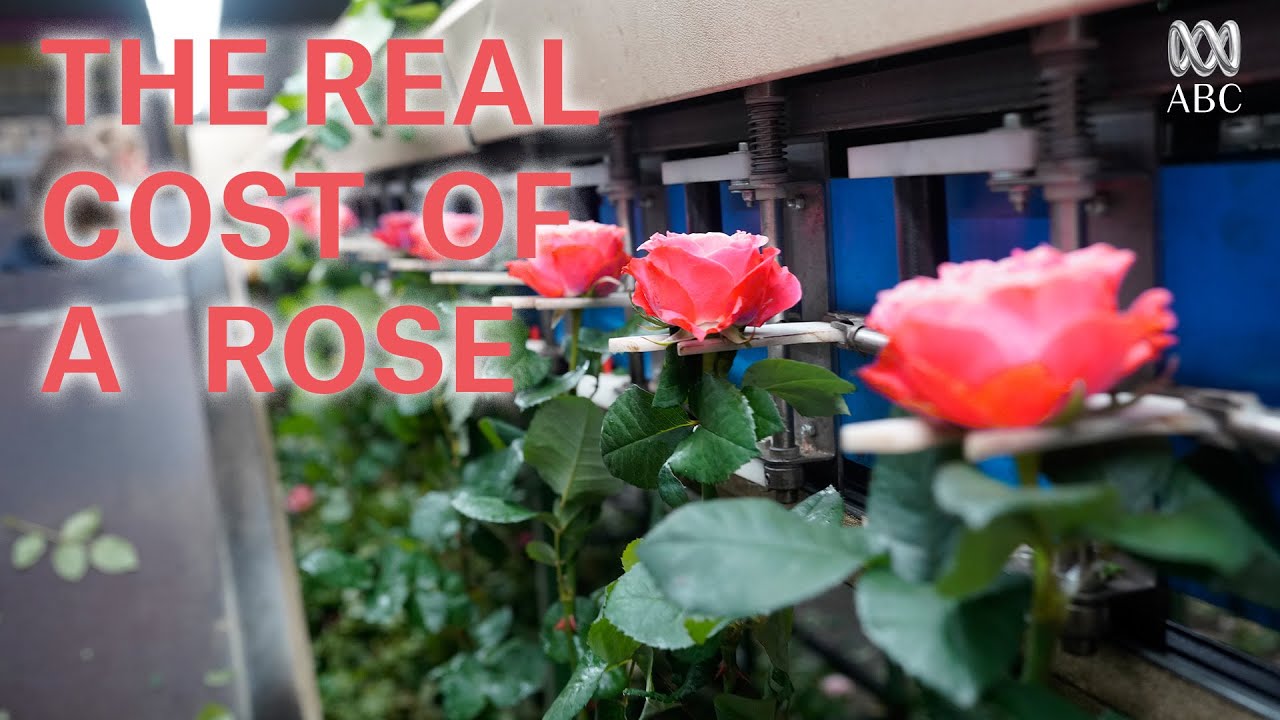
Kenya's flower industry has grown into a billion-dollar business, raising questions about the environmental and human costs behind the global floral trade.
Germany could save up to 6.7 million tonnes of CO2 per year by implementing a speed limit of 120 km/h on its Autobahn.
Roughly 40% of litter consists of single-use plastic, despite a European Union ban on many of these items since 2021.
The Pacific Northwest risks a major earthquake, threatening the Columbia River and local environments.
Germans produced 38 kilograms of plastic packaging waste per person in 2016, significantly higher than the EU average of 24 kilograms.
The Samburu people of Kenya live in a harsh climate, relying on milk and blood from their animals.
The Mayan civilization develops advanced agricultural techniques to thrive in a tropical climate.
Billions of tons of valuable minerals like manganese, copper, and nickel sit undisturbed at the bottom of the ocean, attracting private companies eager to mine them.
Shells serve as protective structures for numerous marine and terrestrial species, influencing food chains and habitats across various ecosystems.
Earth's sixth mass extinction, driven by human activity, threatens biodiversity as up to 58,000 species vanish annually, prompting calls for innovative solutions like De-Extinction.
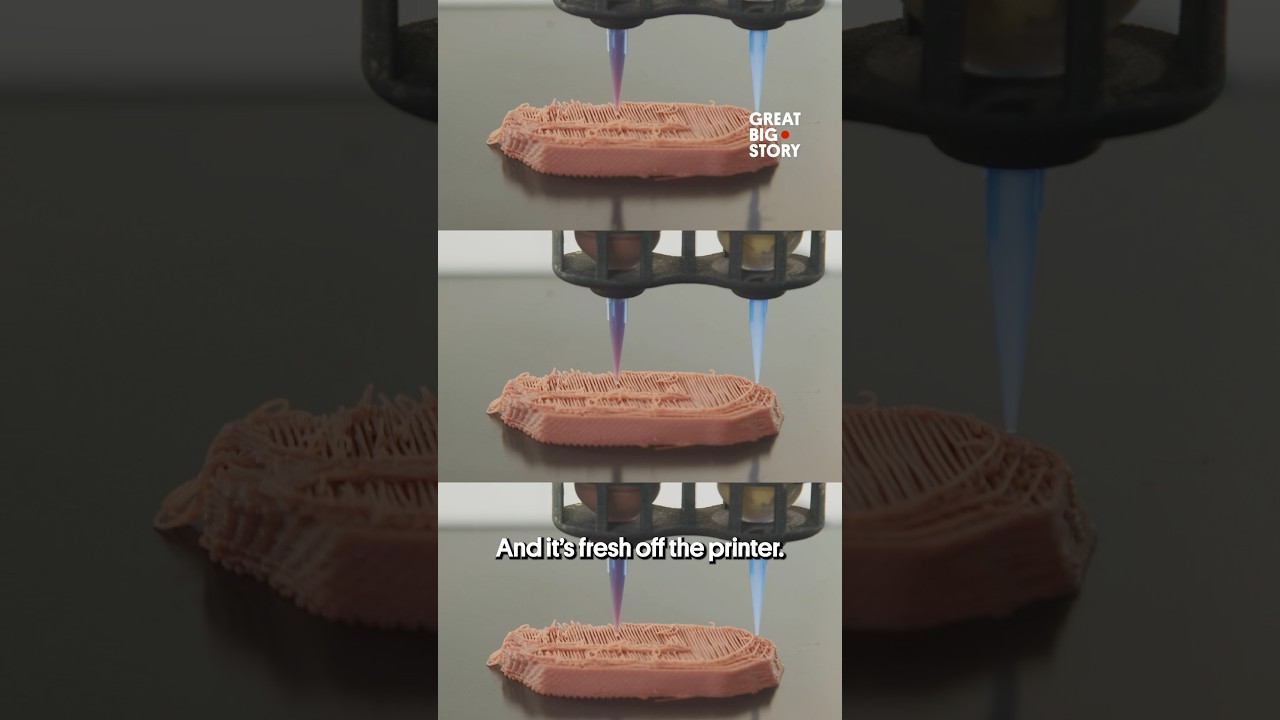
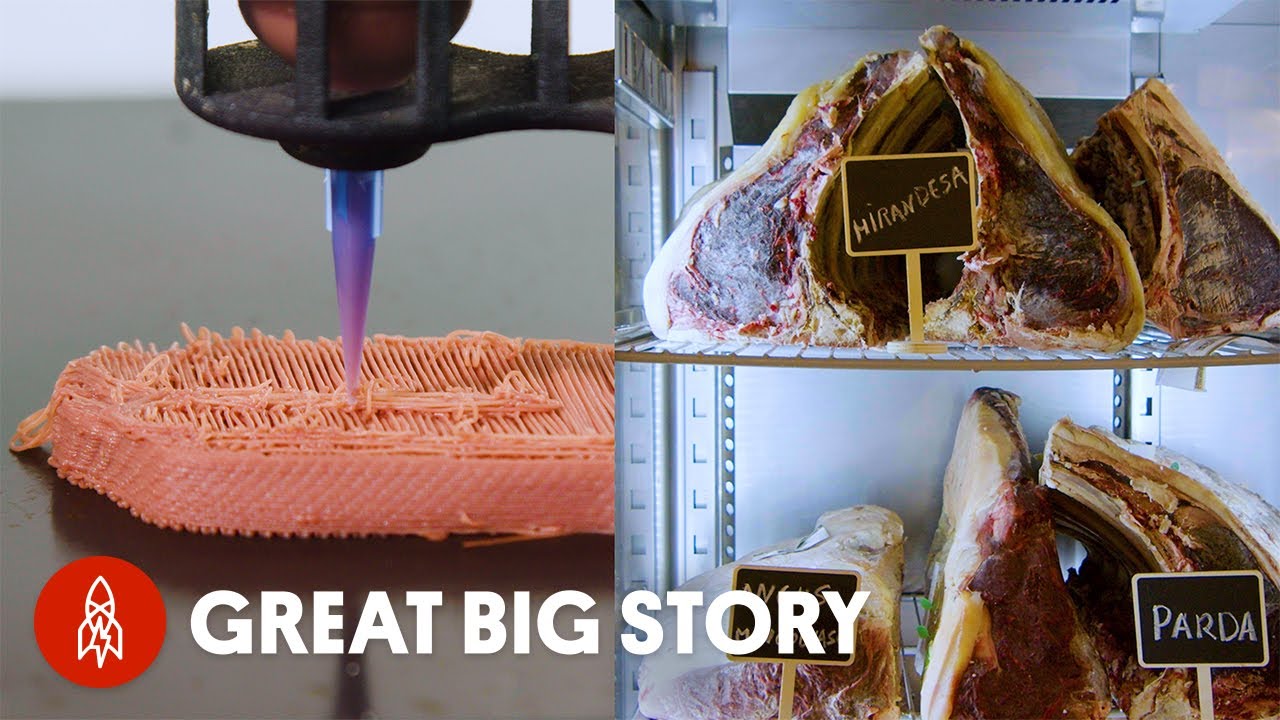
Josep Sanitjas and Giuseppe Scionti create 3D-printed meat at El Santuari near Barcelona.
Josep Sanitjas and Giuseppe Scionti create 3D printed vegan meat at El Santuari near Barcelona.
The Blotched Fantail's venomous stinger can be lethal if it connects with a vital organ.
Cranberry bogs in Massachusetts produce bright red berries for juices and jams.
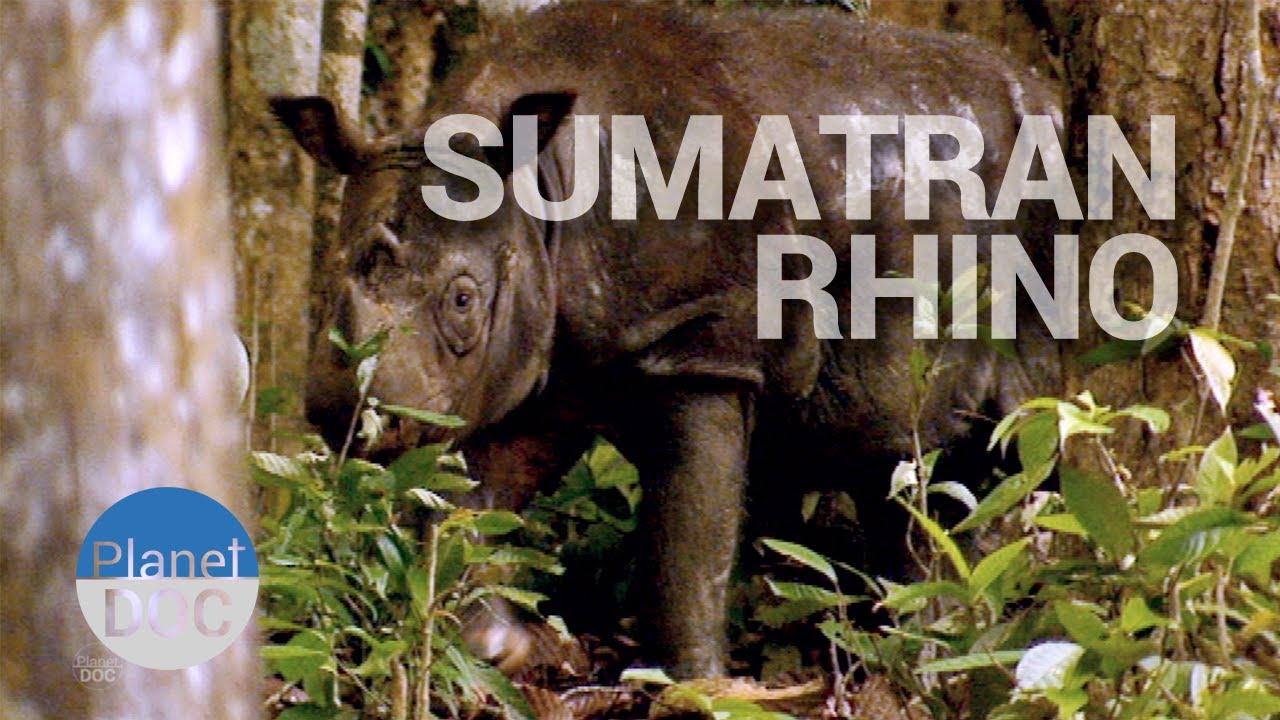
A Sumatran rhinoceros weighs about 1,700 pounds and requires four square miles of jungle space to survive, complicating its conservation.
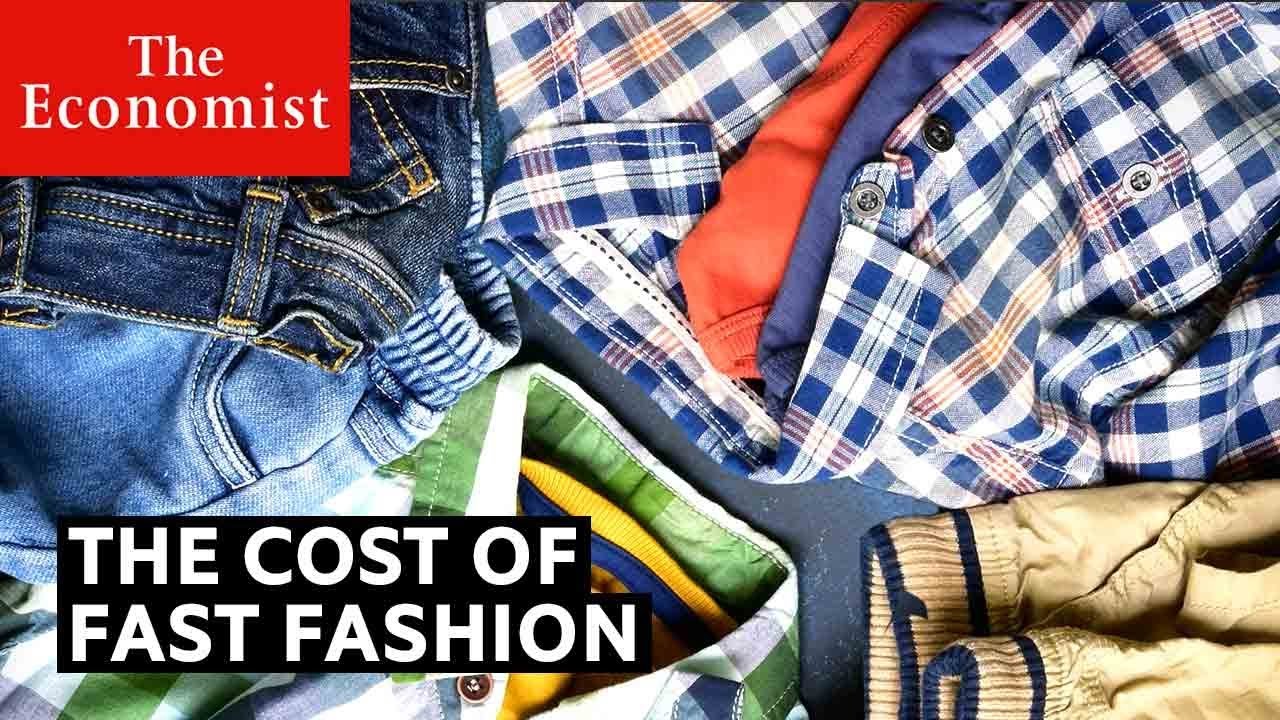
Buying clothes has never been easier, leading to significant waste at Savanna Rags in Nottingham.
Shipping emits more CO2 than all coal plants in the U.S., yet the industry pays no taxes on its fossil fuel use.
To replace just 2% of all kerosene in the EU with synthetic alternatives by 2030, around 5,000 additional offshore wind turbines would need to be built.