From over 100,000 films, discover the handful you'll love.
Free or premium access to the world's largest documentary library.
7535 films(Page 3 of 157)
Over half a million terns gather on a remote atol in the Indian Ocean during the dry season, where fledglings learn to fly and hunt for food.
More than 2,000 years ago, a man was placed in a Danish bog, where his features remain perfectly preserved in the acidic peat.
Clothing production significantly impacts the environment and the lives of workers globally, raising critical questions about the true cost of fashion.
More than 80 dangerous chemicals were found leaking to the surface in Love Canal, leading to severe health problems among residents.
Curonian Spit, Kamchatka, and Yamal showcase Russia's diverse ecosystems, where climate change and gas production threaten their unique wildlife and habitats.
Bhutan is the first carbon negative country in the world, with over 70% of its land covered in forest.
Human waste management in America faces a critical challenge as cities struggle to handle billions of gallons daily, transforming sludge into valuable biosolids.
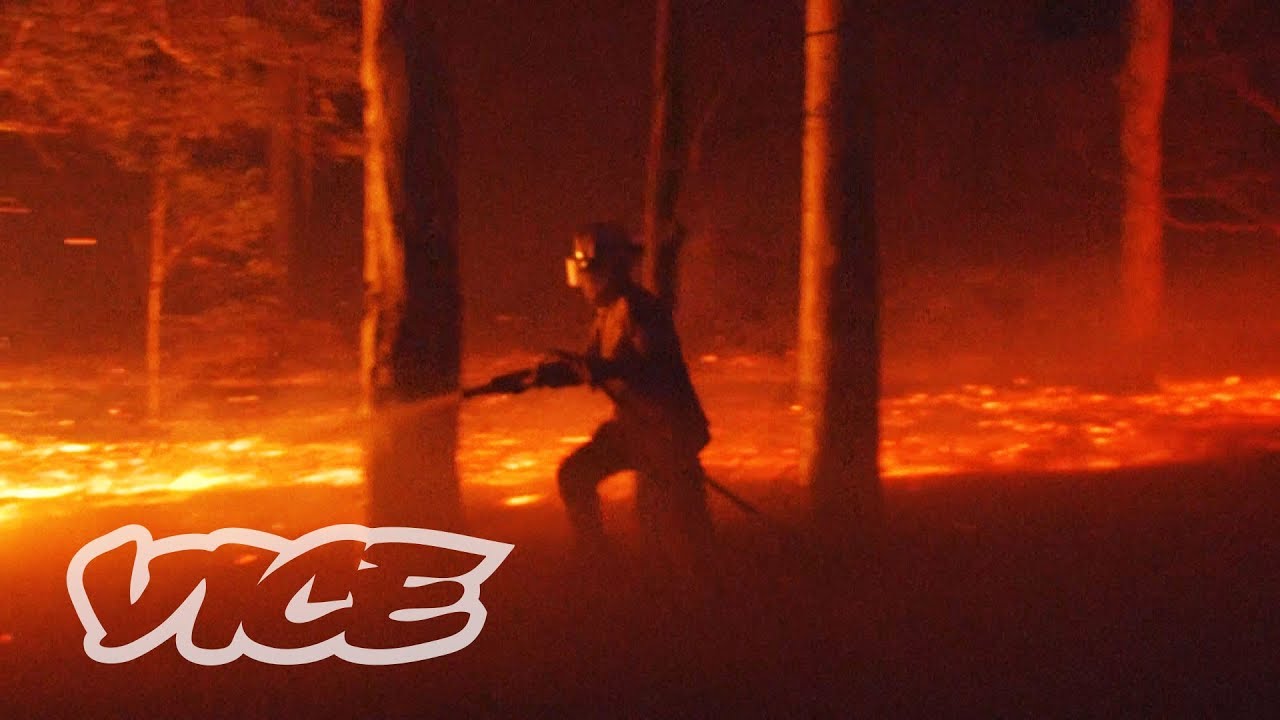
Australia's Black Summer wildfires devastated communities in late 2019, prompting residents to take relief efforts into their own hands amidst the destruction.
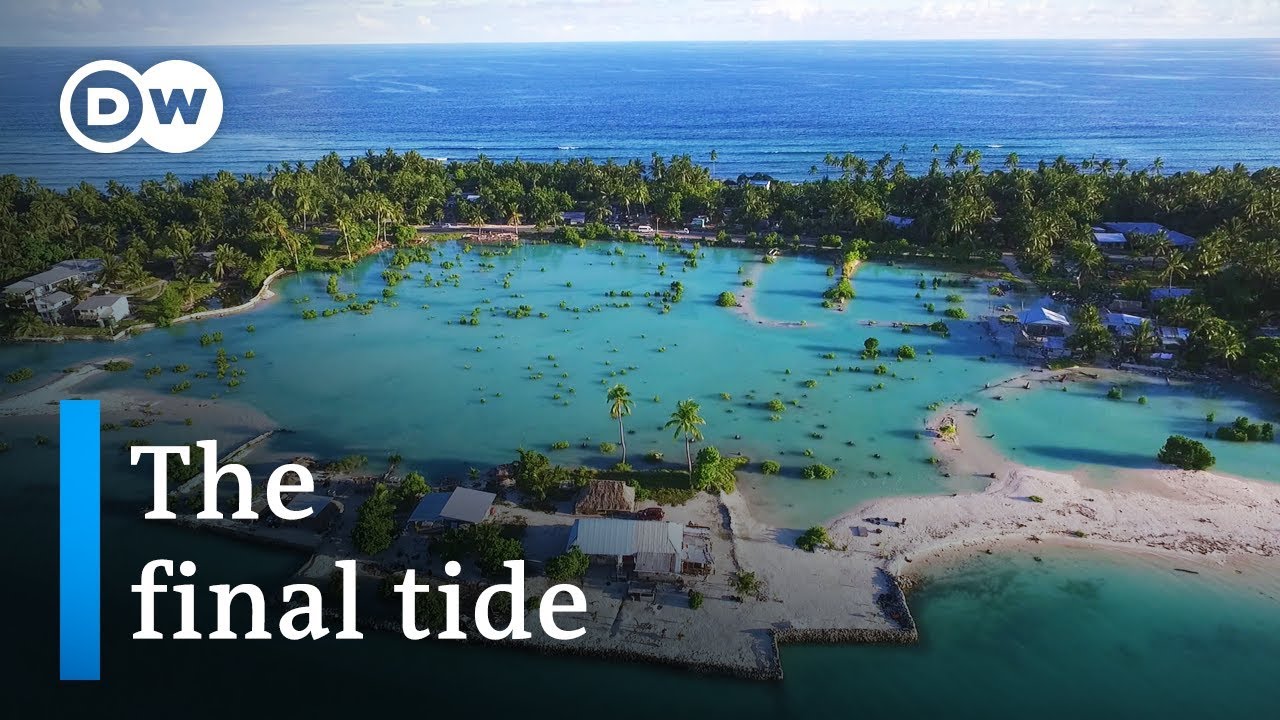
In just 30 years, the coral wall built by a family in Kiribati may no longer protect their home from rising sea levels and flooding.
Mangroves, seagrasses, and kelp forests are showcased in a 10-hour loop of serene oceanscapes produced by BBC Earth and Ocean X Media.
Each year, heavy rains transform the Okavango Delta, filling its veins and rejuvenating the land, which supports diverse wildlife and local communities.
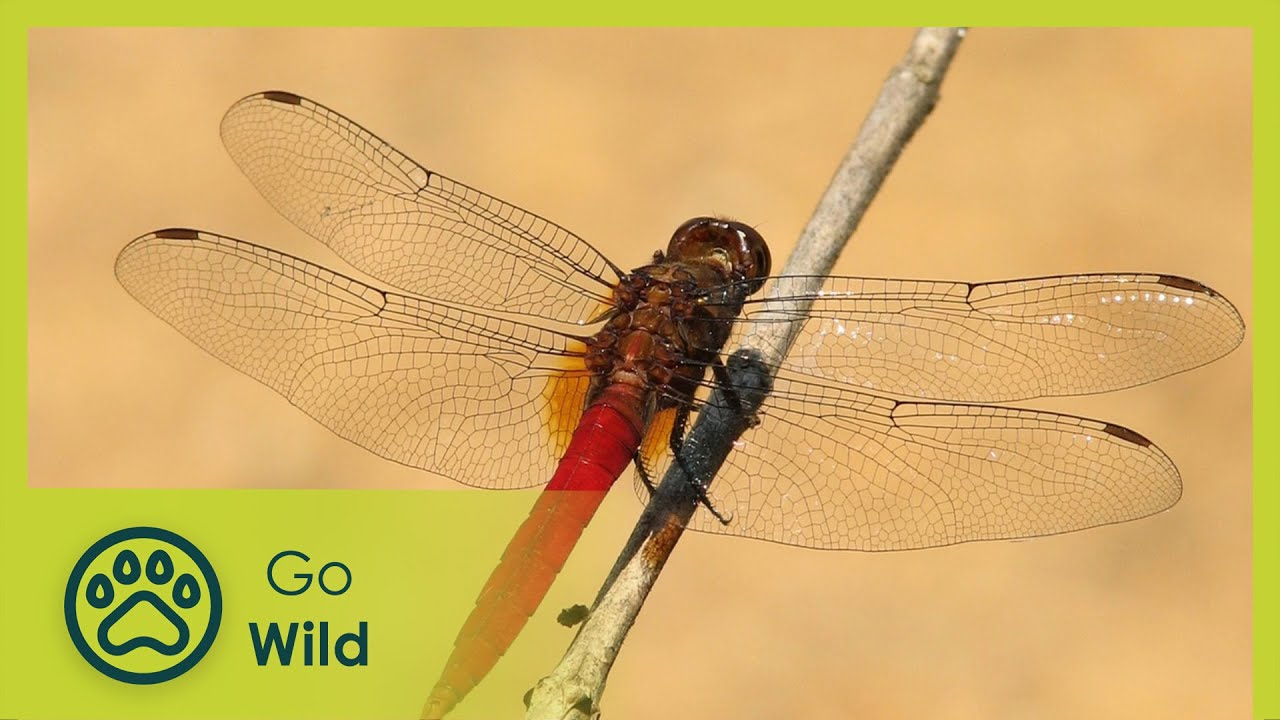
Dragonflies have existed for 300 million years, evolving into skilled predators that can patrol their territory at speeds exceeding 50 kilometers per hour.
Hundreds of thousands of spider crabs march across the seacoast plains in Australia, creating mounds nearly 100 meters long as they seek safety in numbers.
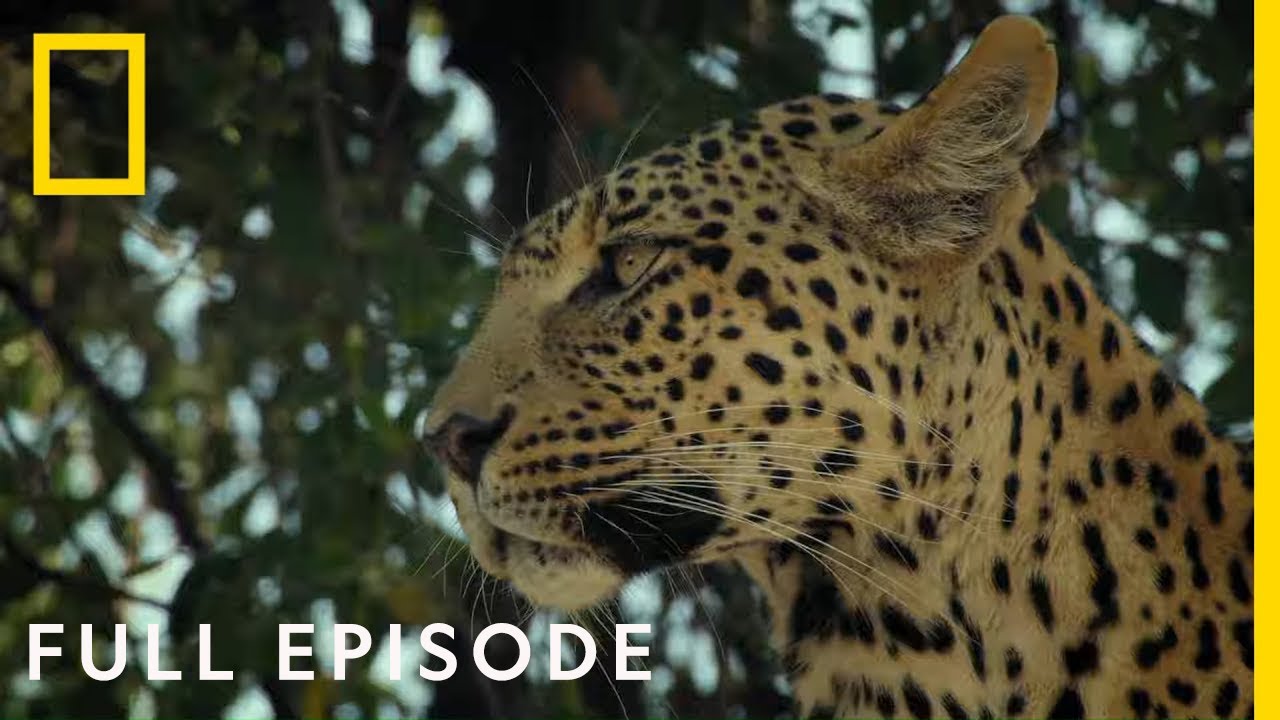
Six young heirs are the future kings and queens of a kingdom in Botswana's Mombo region, where power struggles threaten their survival.
Sergey Zimov aims to restore an ecosystem that disappeared 10,000 years ago by reintroducing ancient megafauna to combat climate change in Siberia.
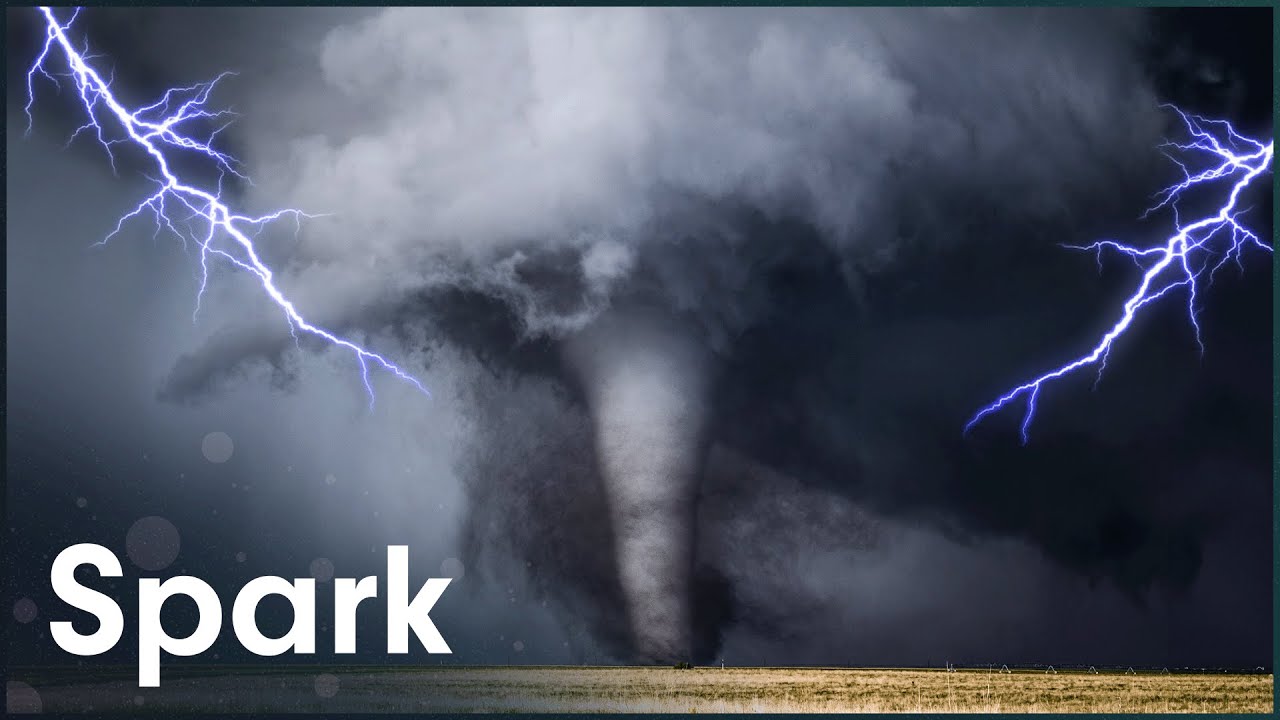
57 people died during the February 5, 2008 tornado outbreak, which caused over half a billion dollars in damage across several states.
In the Arctic Circle, Siberia's Ice Trains operate under extreme conditions, transporting gas from Novy Urengoy to Labytnangi amid harsh winter weather.
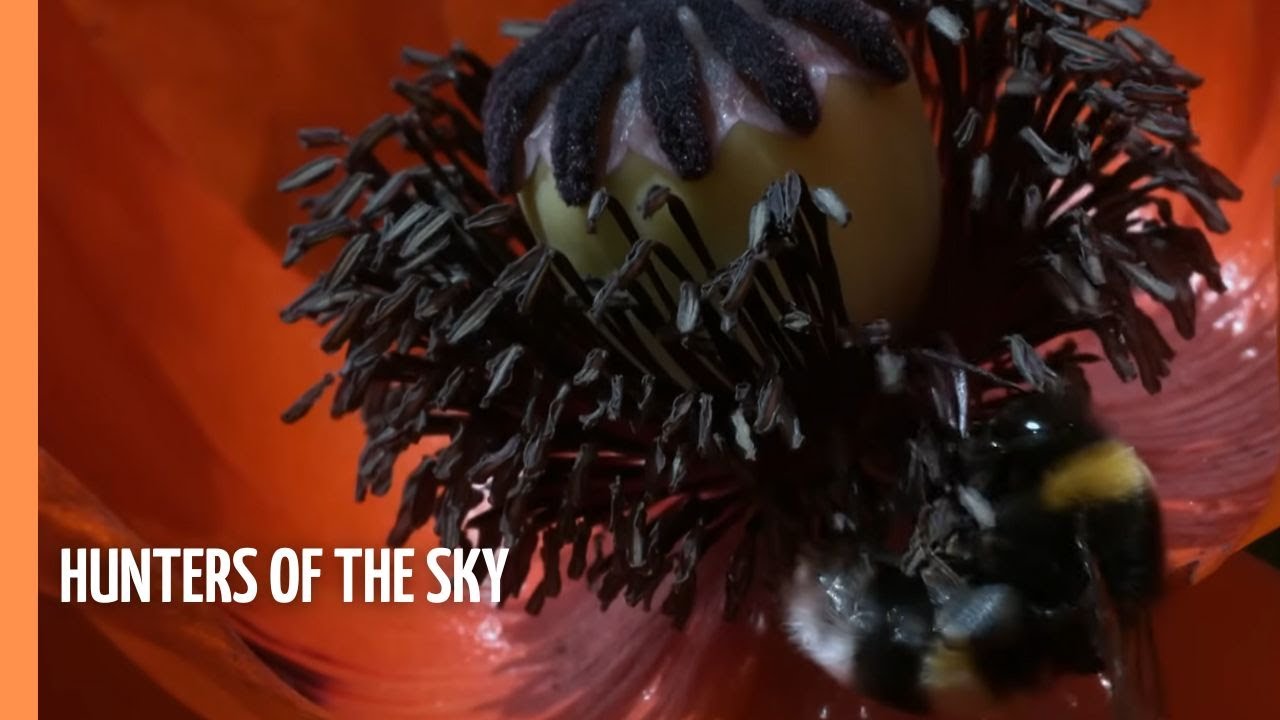
Bees and butterflies play an important role in pollination and crop production for consumption.
Every year, a group of Mongolian nomads travels over 400 kilometers to reach their spring pastures, facing challenges from changing weather and wildlife.
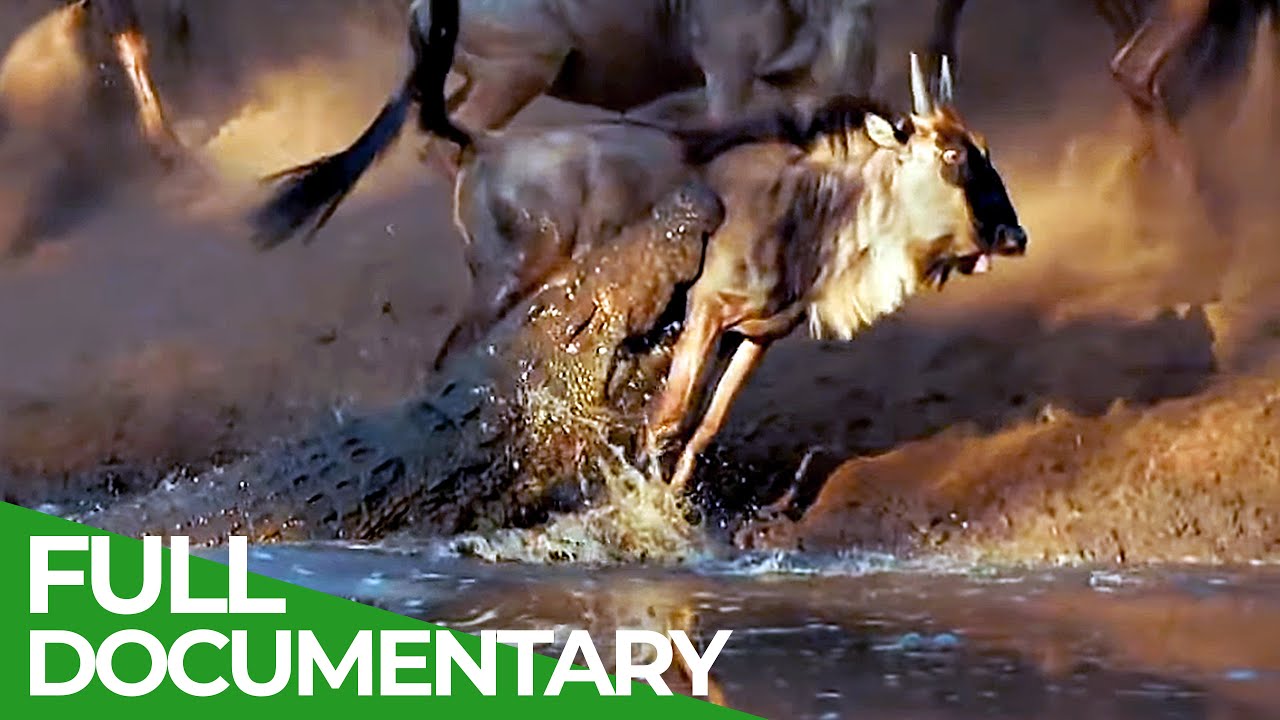
More than 300,000 wildebeest calves are born in a few weeks, facing immediate threats from predators and the challenges of migration.
Five Native American communities restore traditional land management practices to combat climate change, featuring insights from Dr. Michael Kotutwa Johnson.
A 5,000-year-old bristlecone pine in California has survived extreme climate changes and harsh conditions, providing insights into ancient ecosystems.
In Indonesia, French scientists investigate the Rinjani-Samalas supervolcano, believed to be the source of the largest volcanic eruption in human history, which disrupted global climate and societies.
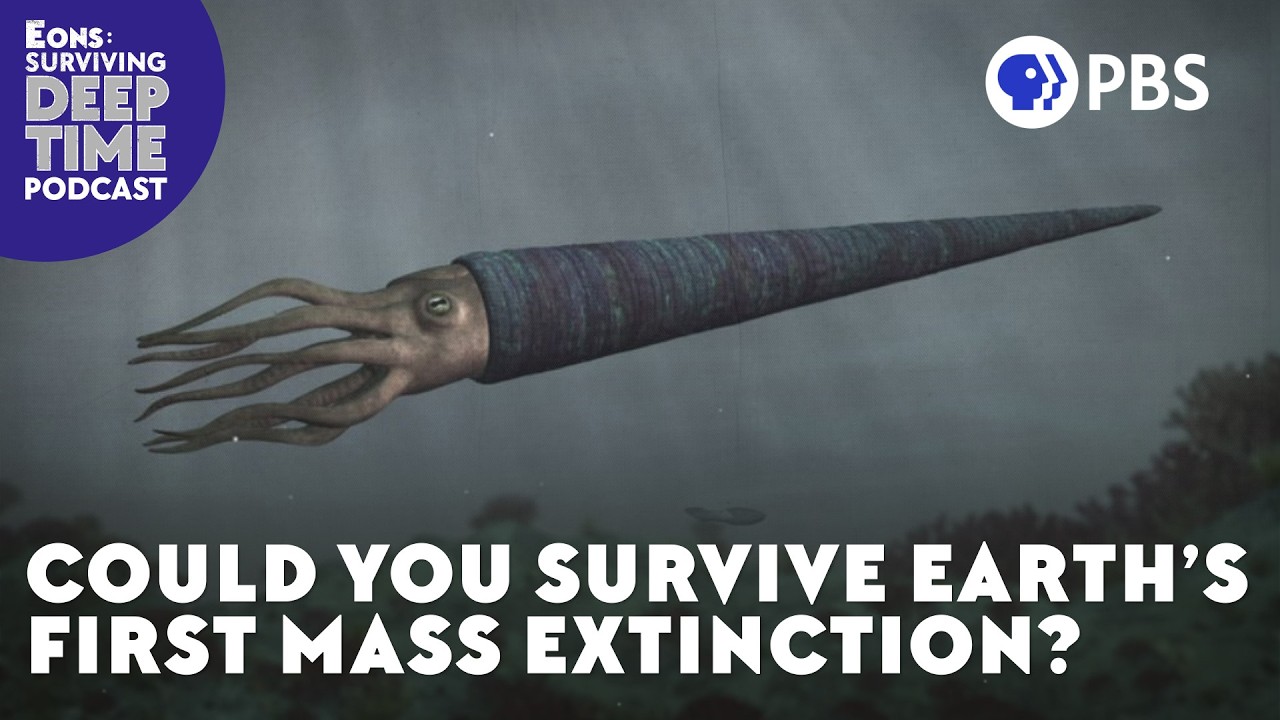
The End-Ordovician Extinction, marking the first of the 'Big Five' mass extinctions, led to the loss of over 80% of marine species on Earth.
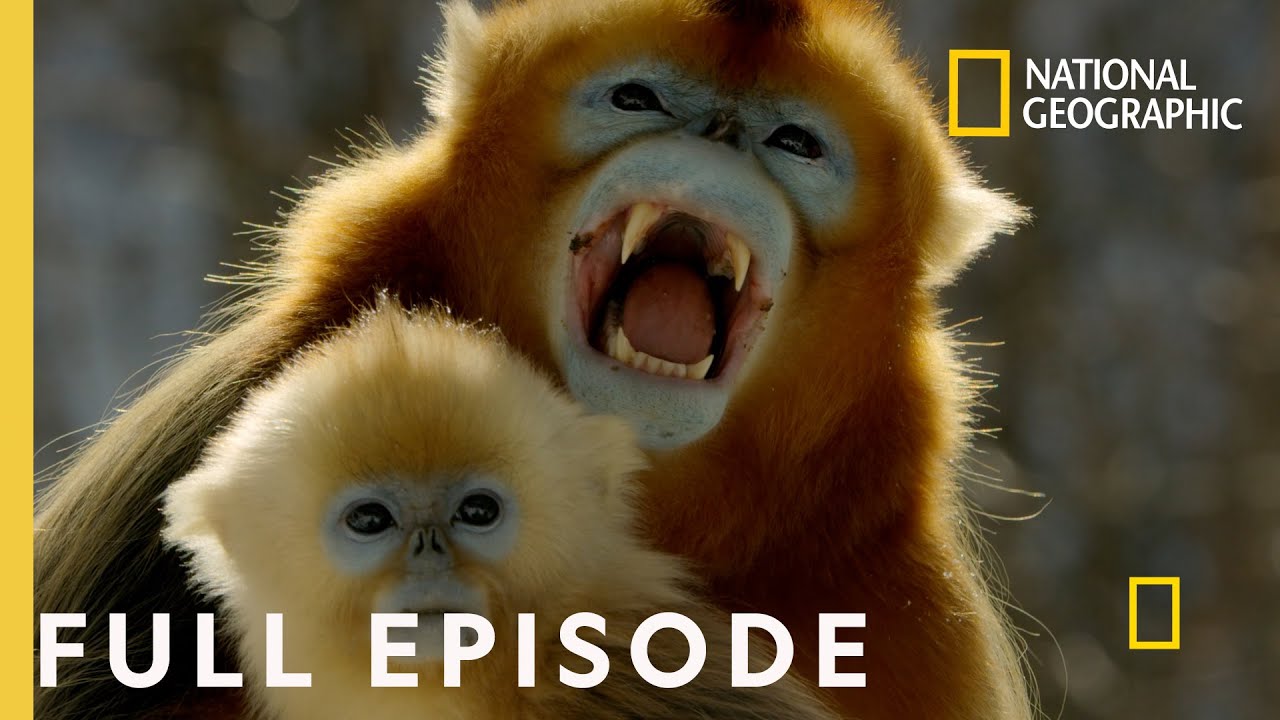
A newborn golden snub-nosed monkey, entirely dependent on her mother, faces numerous challenges in China's high mountain forests.
In the Late Miocene Epoch, tectonic activity isolated the Mediterranean Sea, transforming it into a vast, salty desert and drastically altering marine life.
Since European settlement, 41 species of plants and animals have become extinct in Tasmania, with another 600 currently classified as under threat.
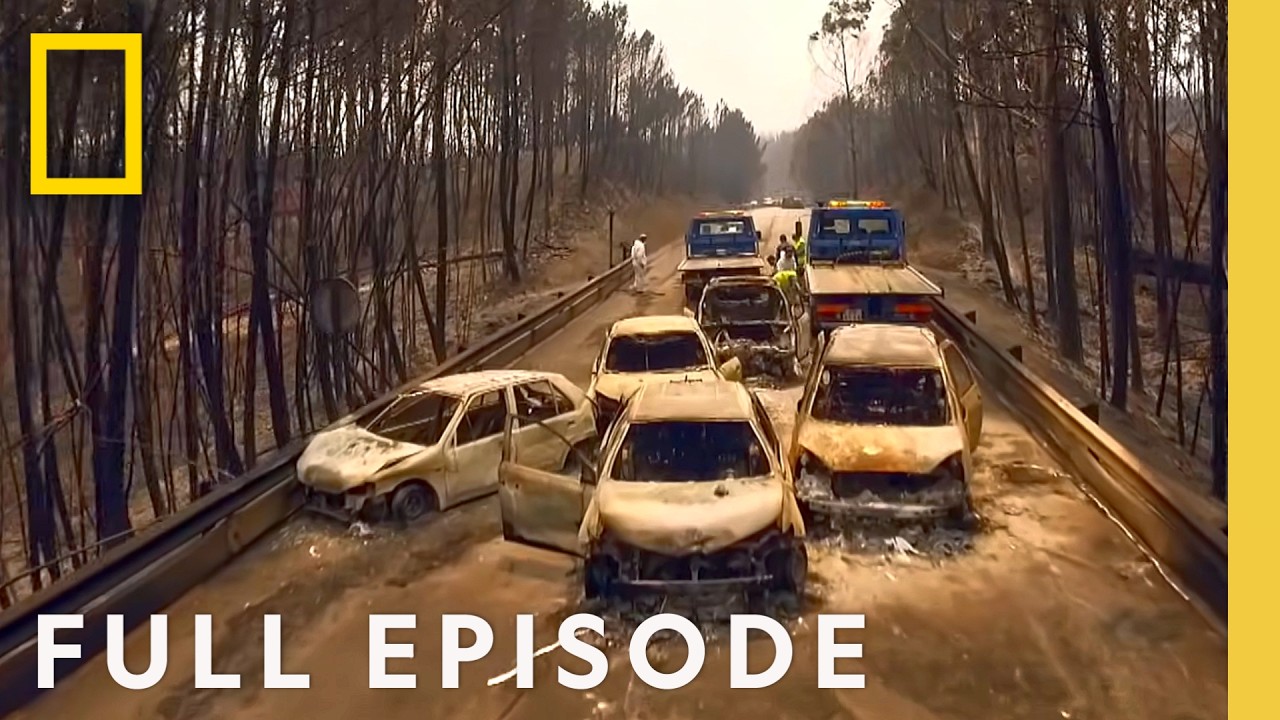
In June 2017, four wildfires in Central Portugal, fueled by fierce winds, resulted in 66 deaths, primarily in the Pedrógão Grande municipality.
Ancient forests in Germany and Northern Europe, once home to diverse wildlife and shaped by Celtic and Teutonic cultivation, face significant environmental threats today.
Dow Chemical experimented on inmates at Holmesburg Prison with dioxin, a carcinogenic substance linked to severe health issues and corporate secrecy.
In 2023, the research vessel Falkor 2 traveled over 39,000 kilometers, mapping 190,000 square kilometers of seafloor and discovering five new hydrothermal vent fields.
A golden mole, no bigger than a pingpong ball, uses its superb hearing to locate prey beneath the sand in a unique hunting method.
The Amazon covers about two-and-a-half million square miles, yet recent discoveries reveal it was home to complex civilizations and advanced agricultural systems.
At two meters in size, the green iguana is the largest lizard in Central and South America, competing for survival against the carnivorous basilisk.
In Costa Rica, Brazil, and Australia, scientists study complex forest ecosystems to understand their potential in mitigating climate change and species extinction.
President George W. Bush urged Americans to go shopping after 9/11, reflecting the deep-seated consumerism that drives human behavior.
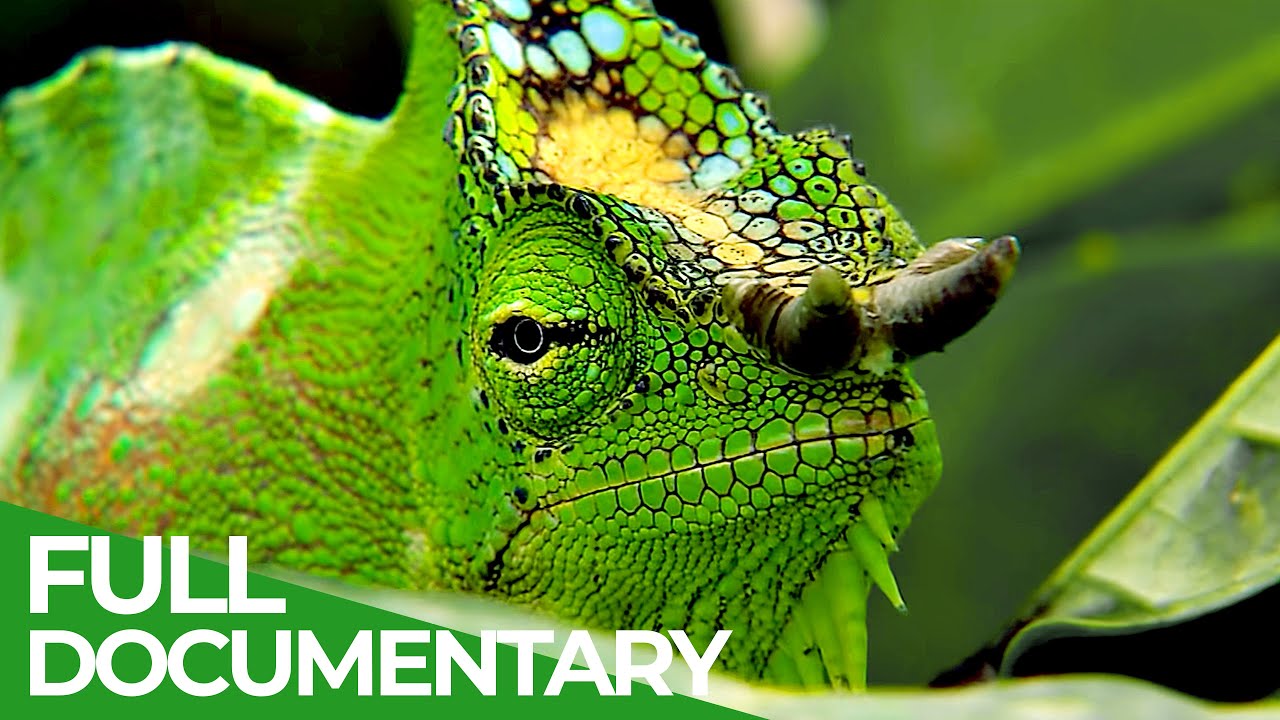
Bizarre animal adaptations, such as the vibrant colors of poison dart frogs and the camouflage of chameleons, play crucial roles in survival strategies across various ecosystems.
The series profiles the unique ecosystem of Everglades National Park, which protects the southern twenty percent of Florida's original Everglades.
Only 2% of sunlight penetrates the forest floor, creating a fierce competition for survival among plants and animals in the jungle.
Mountain streams provide refuges in winter for animals like the white-throated dipper, which thrives in fast-flowing, oxygen-rich waters.
Australia has been the biggest coal exporter in the world for a long time, second only to Indonesia.
Plastic pollution efforts may have exacerbated the crisis, highlighting the complexities of recycling and the stakes involved in the ongoing battle over plastics.
The Aletsch Glacier, the largest in the Alps, is surrounded by diverse wildlife, including alpine ibex and red deer, adapting to the changing seasons.
Four to five hundred meters of Arctic ice contain layers of history that reveal the environmental impact of the Roman Empire.
Coral reefs are showcased in a 10-hour loop featuring vibrant underwater scenes, highlighting the beauty and diversity of marine ecosystems.
5,500 cubic miles of fresh water are stored in the Great Lakes, which are vital for drinking water and local ecosystems across North America.
In the Inner Hebrides, green hills, sandy beaches, and a mild climate support unique wildlife and cultural events, including the World Skimming Championships on Easdale Island.
90 square kilometers of forest are lost worldwide every day, threatening the balance of ecosystems across various climates.