From over 100,000 films, discover the handful you'll love.
Free or premium access to the world's largest documentary library.
7535 films(Page 135 of 157)
In La Rocque, Jersey, rock pools reveal a complex ecosystem teeming with marine life, including crabs and shrimps, adapting to the challenges of their environment.
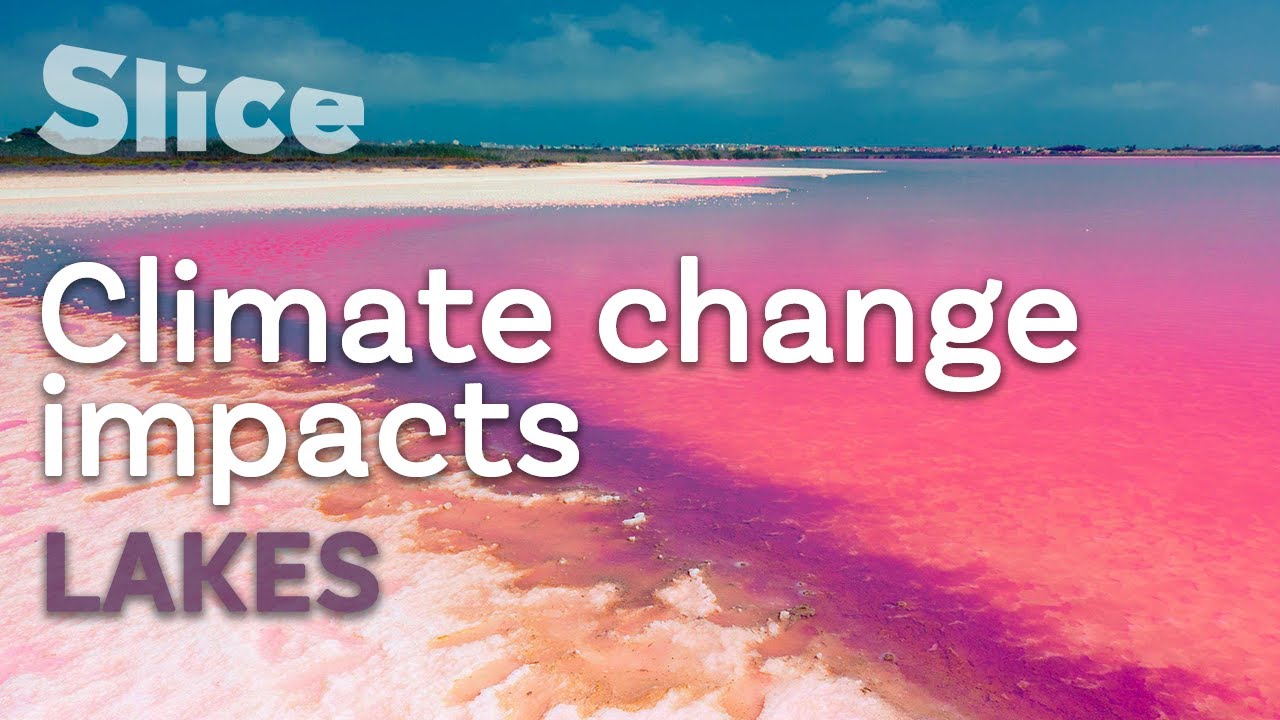
The Great Salt Lake in Utah faces declining water levels due to climate change and human management.
China's national parks are home to diverse wildlife, including giant pandas and endangered snub-nosed monkeys, thriving in habitats from forests to mountains.
Fallen whale carcasses in the deep sea create unique ecosystems, supporting diverse marine life through various stages of decomposition over decades.
The Tasmanian Tiger may be returning to Australia, with over 350 sightings reported.
In the unforgiving Arctic waters, the crew of The Time Bandit faces colossal waves and freezing temperatures while crab fishing for a successful haul.
The Tofinu people of Ganvie practice sea farming and harvest acadjas for sustenance.
In Oymyakon, a remote town in the Sakha Republic of Russia, residents face extreme temperatures as low as -50 degrees Celsius, adapting their daily lives to survive.
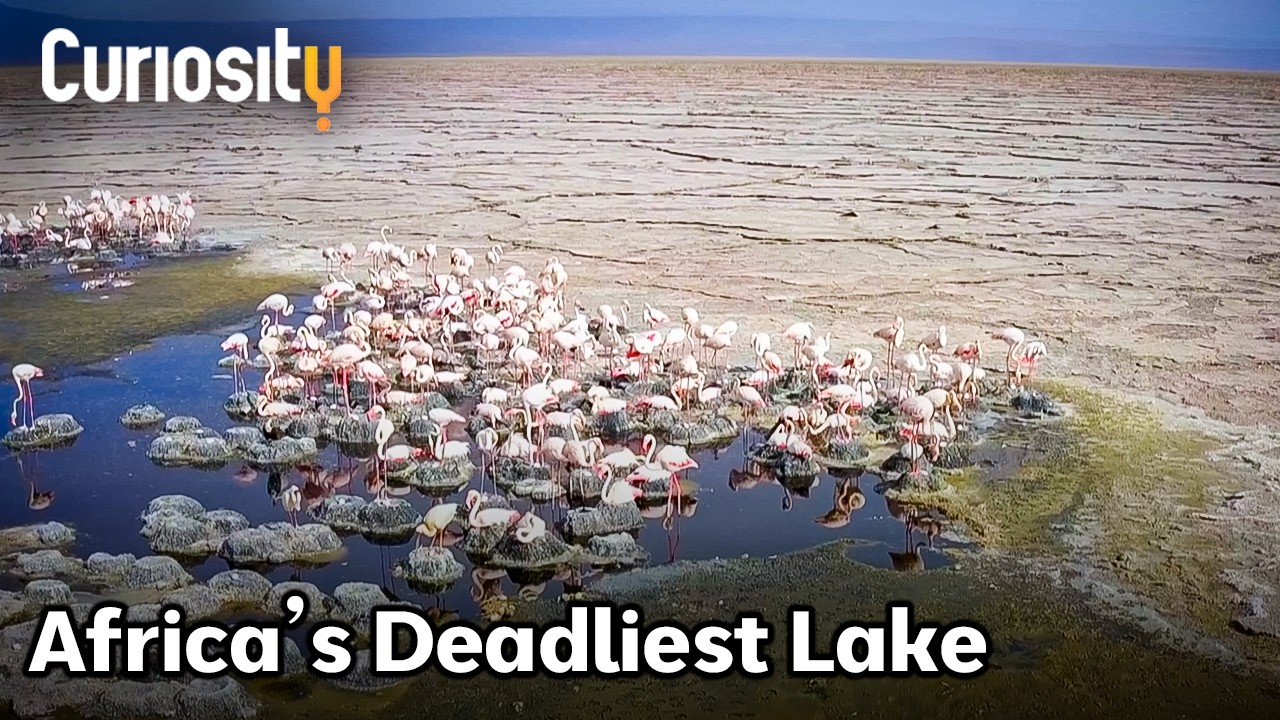
Lake Natron covers an area of around 600 square miles and reaches temperatures of 42 degrees Celsius, creating a hostile environment for most life forms.
Pangolins, the most trafficked mammals in the world, face severe population decline due to illegal trade for their scales and meat, with one million trafficked in the last decade.
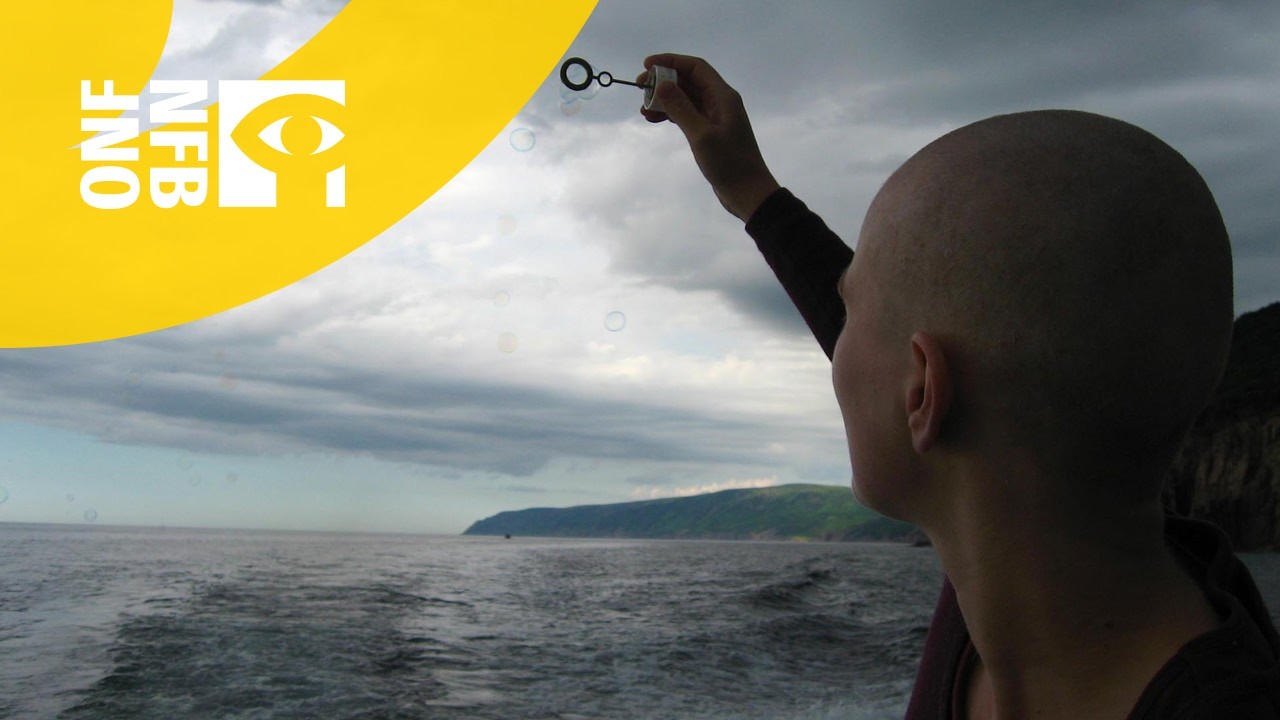
In a Cape Breton village, Buddhist monks and French-speaking fishermen connect through shared beliefs about life cycles, mutual respect, and the preservation of lobsters.
Two Grotoceans search the sea for treasure while encountering various surprises in a story focused on ecology and conservation.
A span of 84 feet of wood can support a structure without additional support, demonstrating the material's critical role in wartime production.
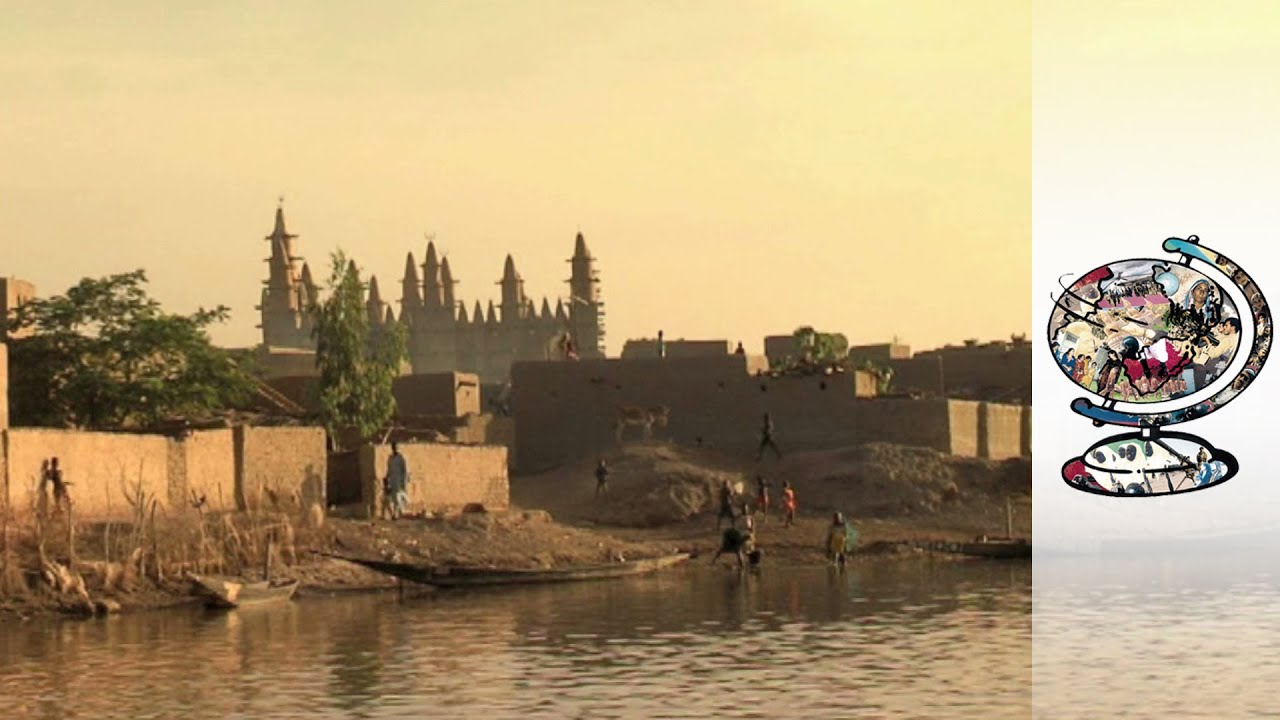
500,000 people rely on the Inner Niger Delta's lakes and flood plains for irrigation, livestock, and crops in a region threatened by environmental changes.
Electric planes are examined for their potential to revolutionize aviation, highlighting innovations like the Alpha Electro and the challenges they face in the industry.
Lab-grown meat technology, spearheaded by companies like Memphis Meats and Mosa Meat, aims to revolutionize food production and address environmental concerns.
Solar power is increasingly recognized as a viable alternative energy source, with advancements making it more cost-effective worldwide.
Ali protects endangered marine turtles in Saziley, Mayotte, from poachers.
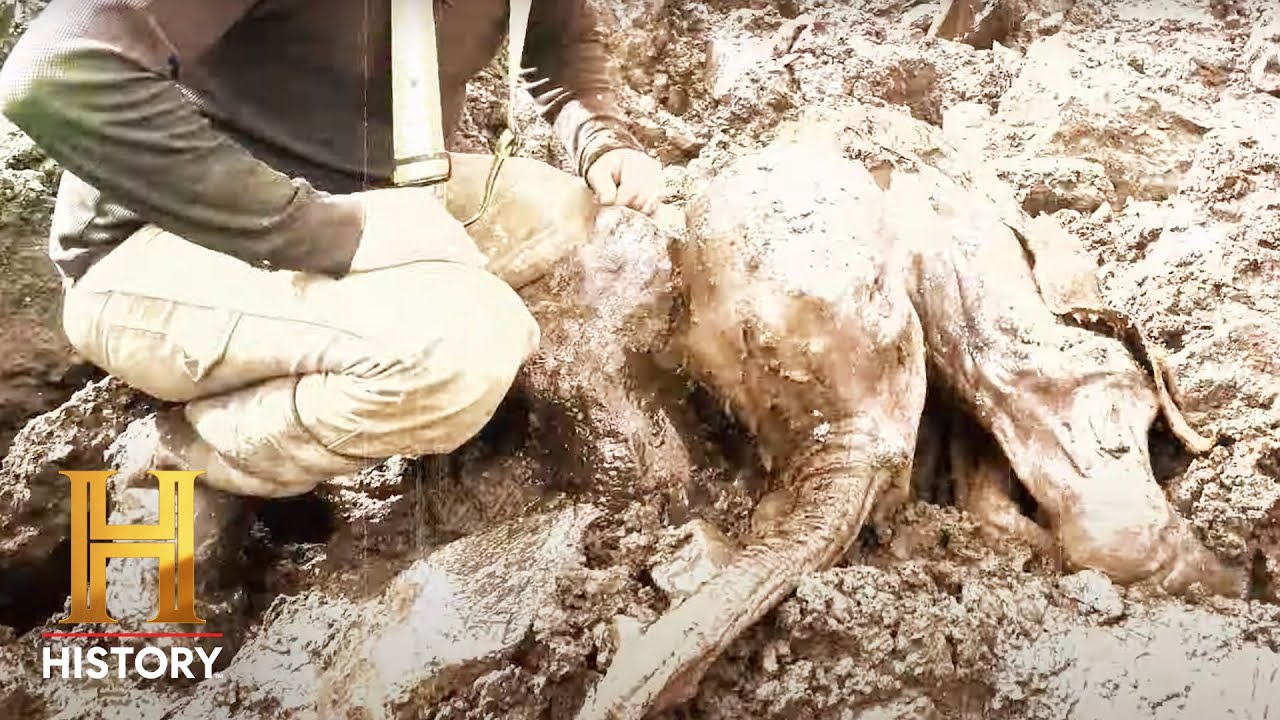
A miner in the Klondike goldfields of Canada's Yukon territory finds a 30,000-year-old woolly mammoth, linking ancient history to modern exploration.
Chitwan National Park now attracts over 100,000 visitors each year, with many riding elephants to experience the region's wildlife and natural beauty.
Arctic foxes have been recorded making as many as 90 kills in a single day while hunting for lemmings beneath the snow.
Deep sea ecosystems are characterized by intense competition among species for limited resources, influencing biodiversity and ecological interactions.
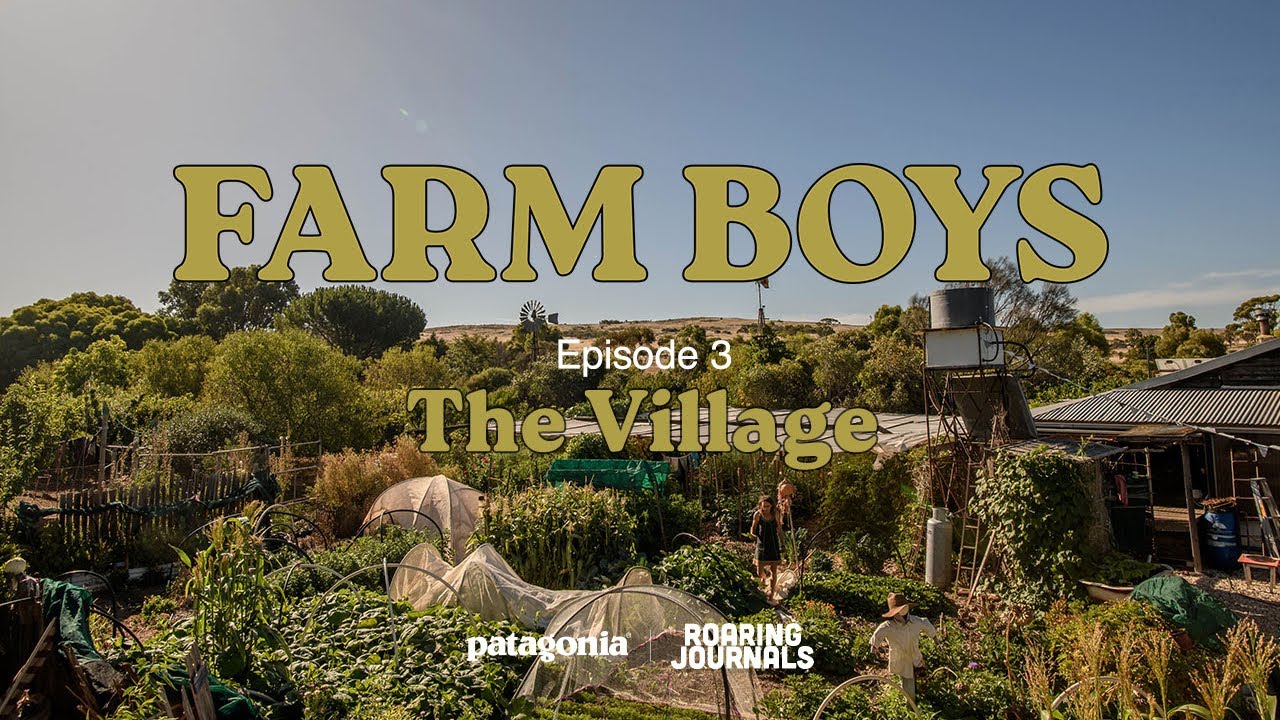
In Brownfield Air Peninsula, South Australia, Anna reflects on transforming barren farmland into a thriving oasis while addressing challenges in sourcing fryer oil.
In Northern Iran, the village of Masuleh features a unique architectural style where roofs serve as roads, reflecting the community's adaptation to the Alborz Mountains.
Climate change is threatening the Vosges forest in France, with 218,000 hectares deteriorating due to drought, heat waves, and increased pest activity since 2018.
The largest remaining herd of elk in Wyoming gathers in Jackson Hole, where they calve, feed, and interact with other wildlife throughout the seasons.
359 sea otters were relocated from Amchitka Island to their historical habitats in Southeast Alaska and the Pribilof Islands in 1969.
A parasitic wasp, known as the emerald cockroach wasp, manipulates the behavior of cockroaches to ensure its larvae's survival in a complex life cycle.
Patagonia, a remote region in South America, is home to unique wildlife and resilient communities, as showcased in selected scenes from BBC Earth’s series.
Steven Fuller has lived in Yellowstone National Park for 50 years, serving as its winter caretaker while facing the impacts of climate change.
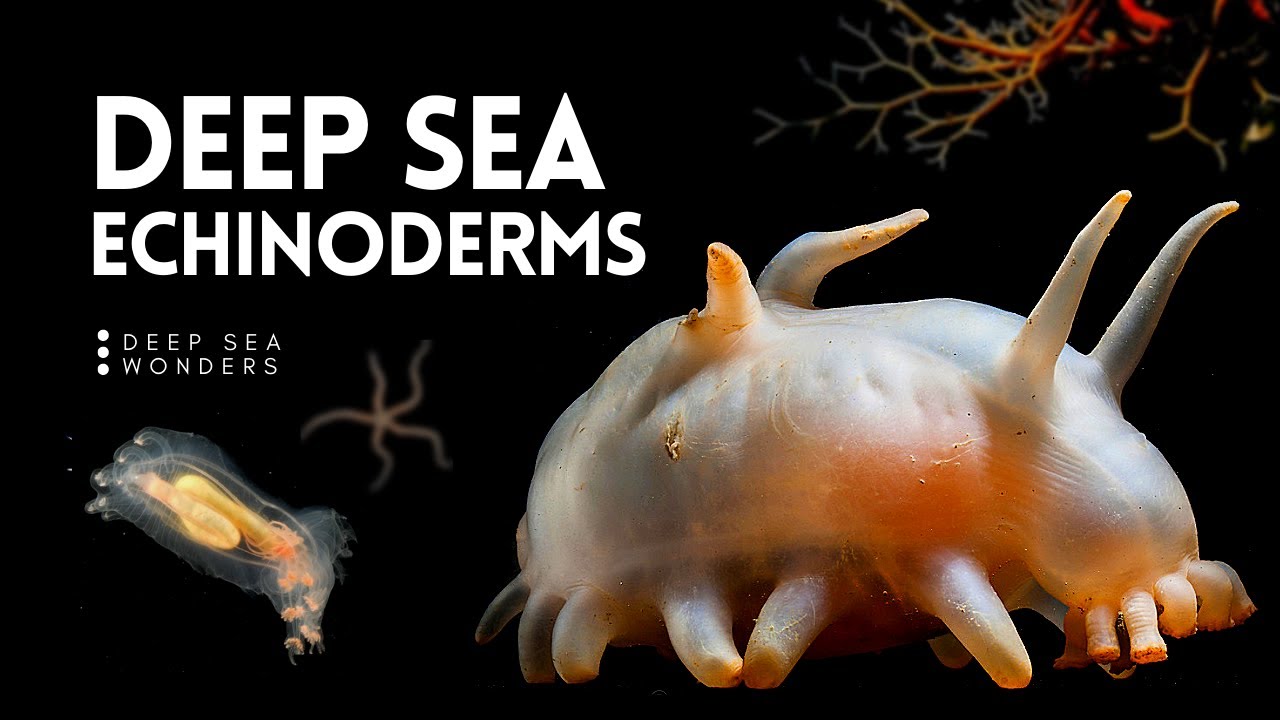
Echinoderms, including starfish, sea cucumbers, and brittle stars, exhibit unique features such as radial symmetry and calcium carbonate skeletons, highlighting their ecological significance.
The Zafimaniry people craft homes without nails, using symbolic wood patterns and face deforestation.
Curitiba's Miracle City showcases Jaime Lerner's sustainable vision for urban living.
Up to 40-pound Asian carp jump out of the water, posing dangers to boaters while local residents compete to catch as many as possible on the Illinois River.
Only 0.5% of the world's fresh water is available for human use, making conservation efforts critical for future generations.
Silo in London transforms food waste into new dishes using fermentation and zero waste practices.
Chester Zoo is preparing for the arrival of new penguin chicks after a successful breeding season on Penguin Island.
Bottom-dwelling marine critters illustrate how ocean basins are reincarnated every few hundred million years in a hundred-year narrative.
By 2015, the Carteret Islands are projected to be submerged, leaving 2,000 residents struggling to survive on less than half a square kilometer of land.
One sun bear recalls the day its mother was taken away in a bag after being caught in a snare, a moment that changed its life forever.
In Mexico City, a sewer diver dedicates his life to clearing blockages in sewage systems and water treatment plants, finding fulfillment in his challenging work.
The Mauritania Railway, stretching over 430 miles from Zouerat to Nouadhibou, is a vital economic lifeline for the region, transporting iron ore across the Sahara Desert.
In Unalaska, local subsistence hunter Trever Schliebe navigates the challenges of food access in the changing Arctic, reflecting Unangax̂ traditions and values.
In early spring, Central Europe's animal and plant life engages in a vital cycle of energy accumulation and reproduction, showcasing the region's vibrant ecosystems.
Over 6,000 people died and nearly 1,800 remain missing after Typhoon Haiyan struck the Philippines in November 2013.
In September 2007, Arctic sea ice reached its lowest extent in the satellite record, prompting urgent concerns about climate change and its rapid effects.
Tom Oar, nearing 82, catches only $20 worth of fur after a long day on his 10-mile trapline, prompting thoughts of retirement from trapping.
Bob Clay has spent nearly 50 years thinking about steelhead, a passion that began in 1977 when he first met his friend Tom Derry.